We think of fashion as something changeable, but Queen Elizabeth II proved it can also be about staying the course. Her image — frozen in time and constrained by rigid protocols — remained static even as social change roiled. She retained her signature hats and stockings as Britain and the Western world fell under the spell of Mod culture and Mary Quant, and through every passing trend since.
The spotlight was always on her, even before she leap-frogged up the line of succession. From the moment of her birth, “Elizabeth captured the imagination,” Andrew Morton told Zoomer in an interview for his 2021 biography, Elizabeth & Margaret. “Everything she did was written about, and photographed. She appeared on matchboxes, playing cards, postcards, mugs, this very pretty blond-haired little girl.” Arriving on the scene during the Depression, Morton says she “provided a distraction to the woes of the public.”
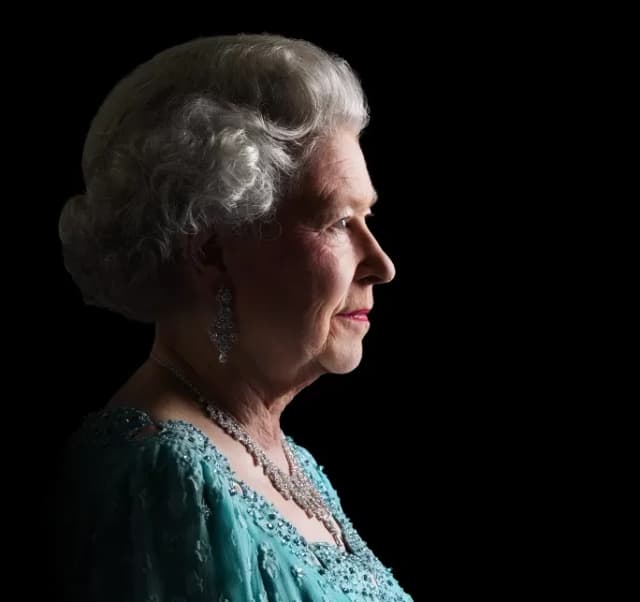
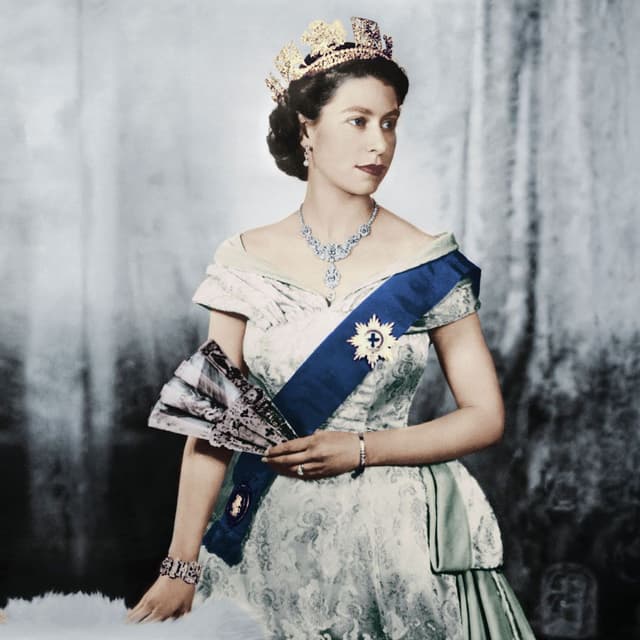
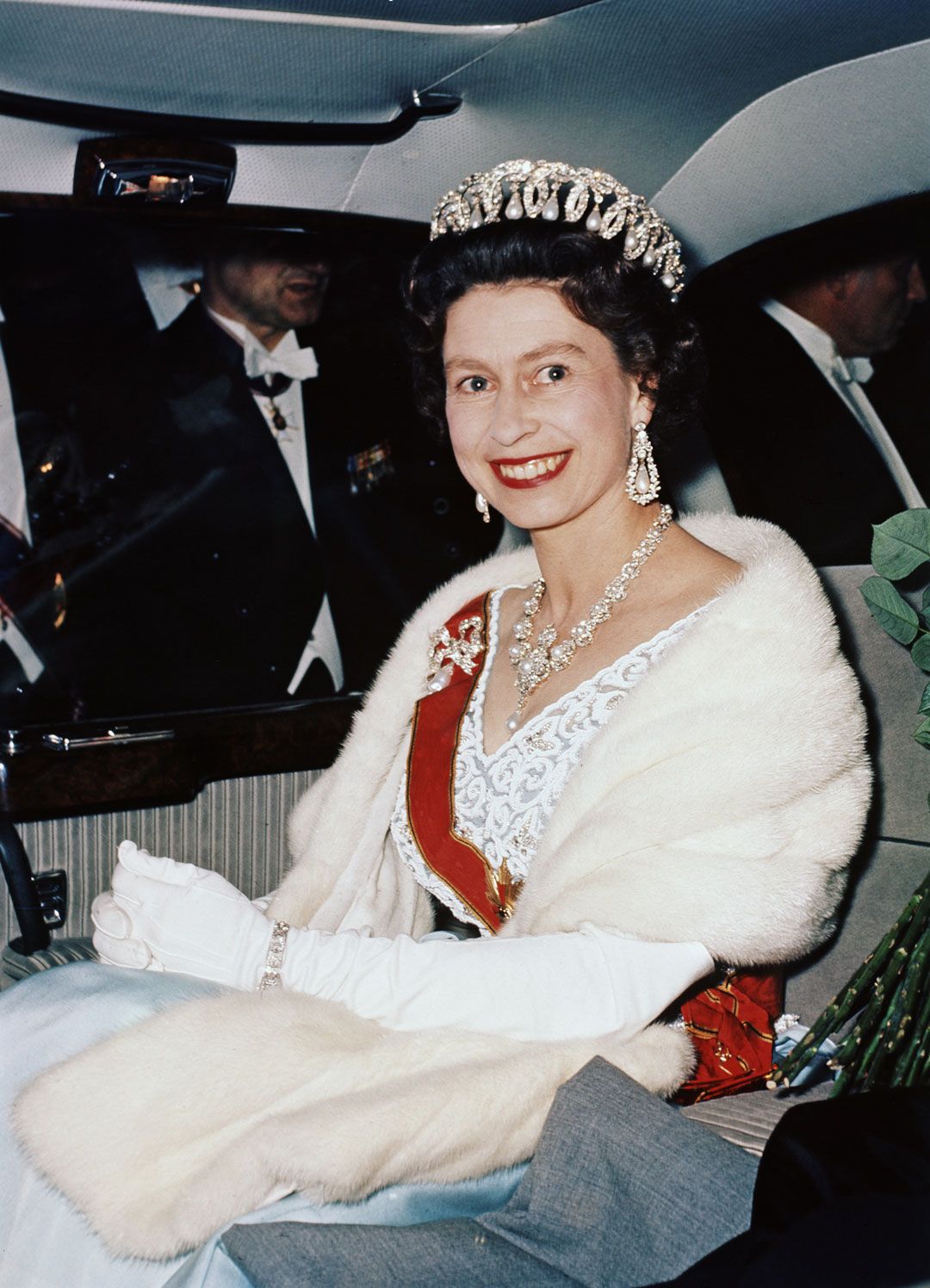
The princess version of Elizabeth is long in the rearview, replaced by a few very powerful tropes she has crafted over the years. The first is Her Majesty The Queen, who we see at formal events and in portraits, on stamps and bank notes, with an unchanging cloud of wavy hair often topped by a tiara or a crown. It is also defined by purple robe trimmed in ermine, gowns with sashes, uniforms bedecked with medals and the sceptre of the realm. That image is frozen in time, overlayed with the signifiers of power.
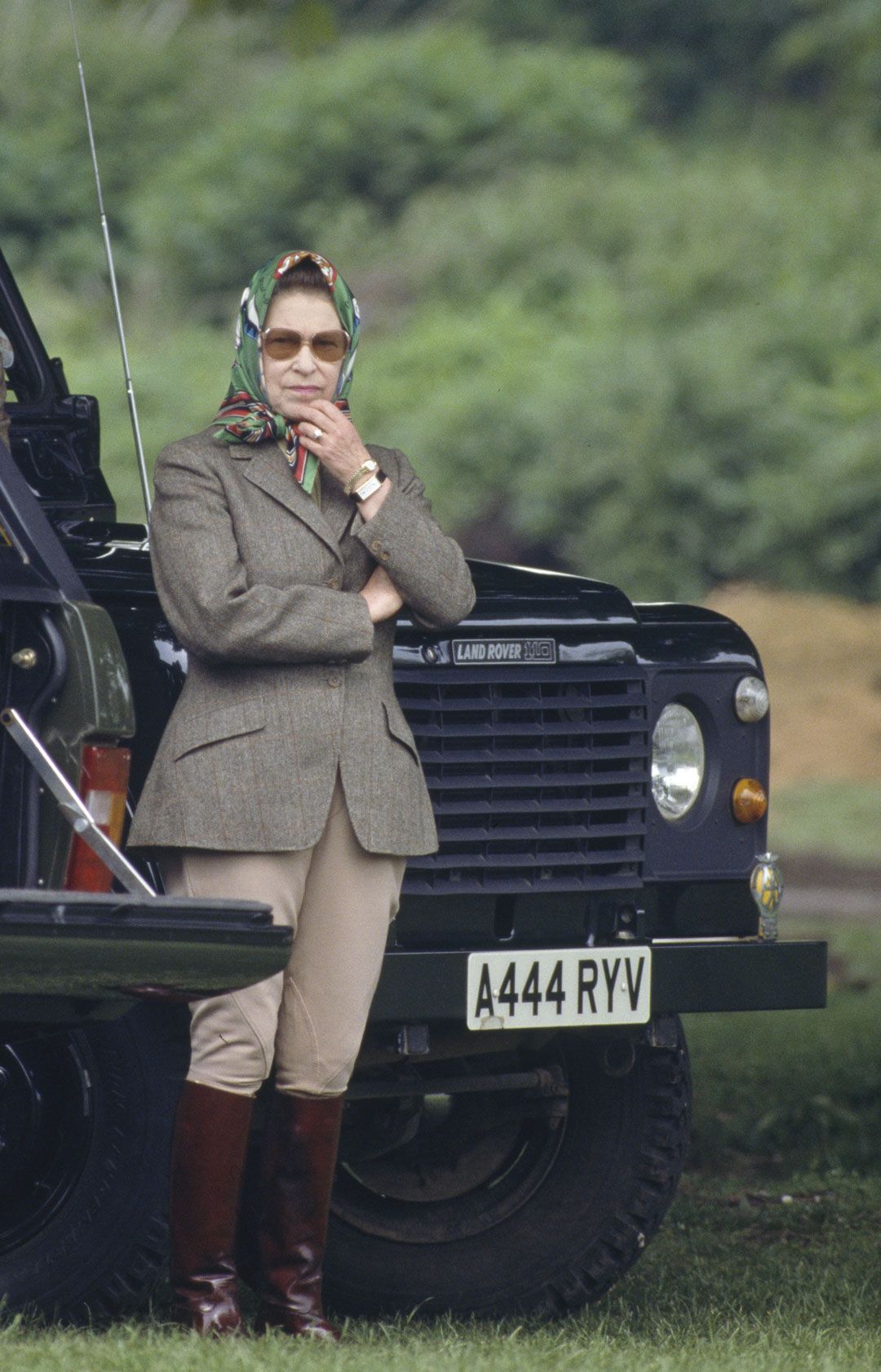
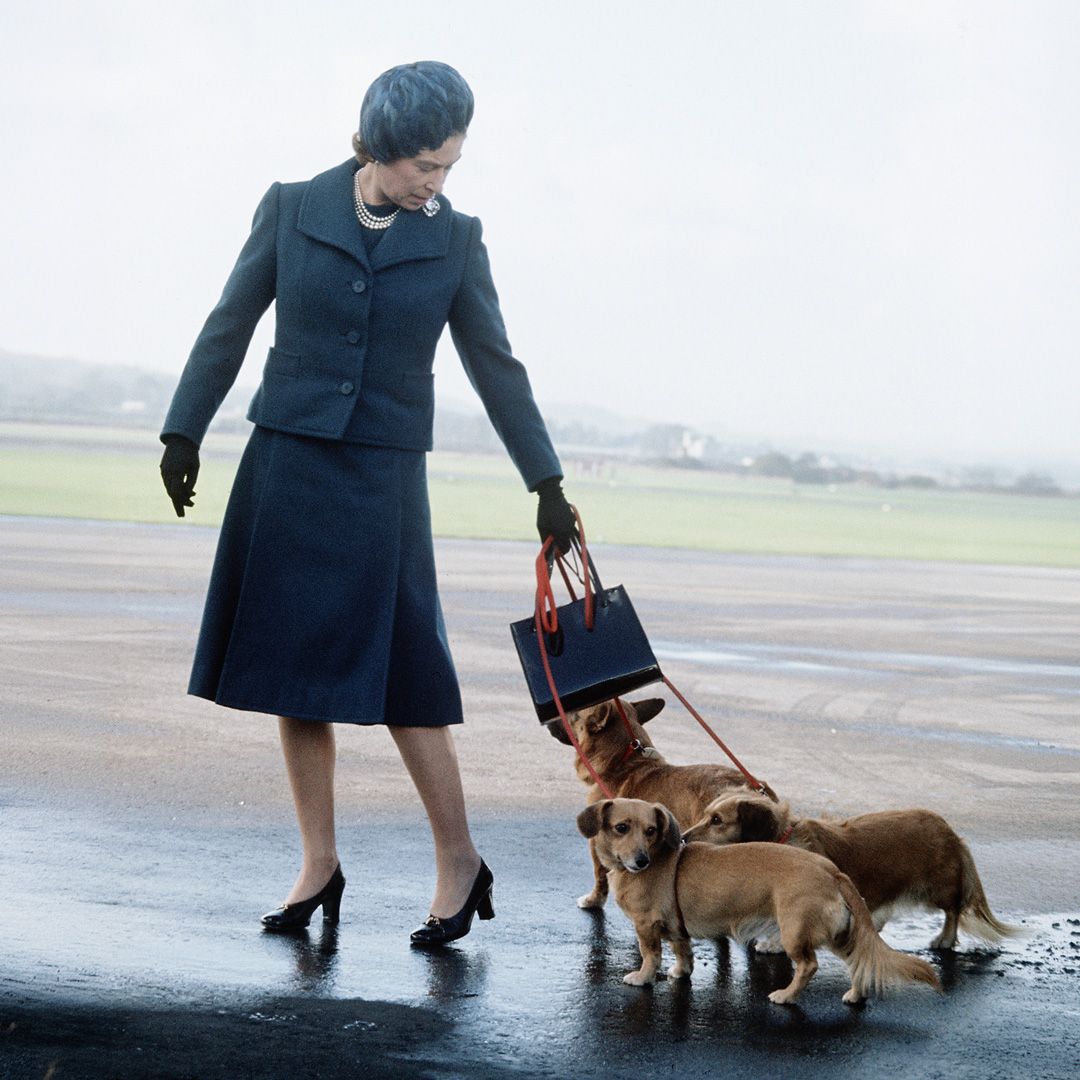
The second trope is the Queen as outdoorsy countrywoman: walking with her corgis; atop a horse; in a kilt, Barbour jacket and Wellies, with an Hermès scarf wrapped around her head. This is a timeless vision that evokes the rosy cheeks of good health and long life, and an upper-class embrace of sport and animal husbandry.
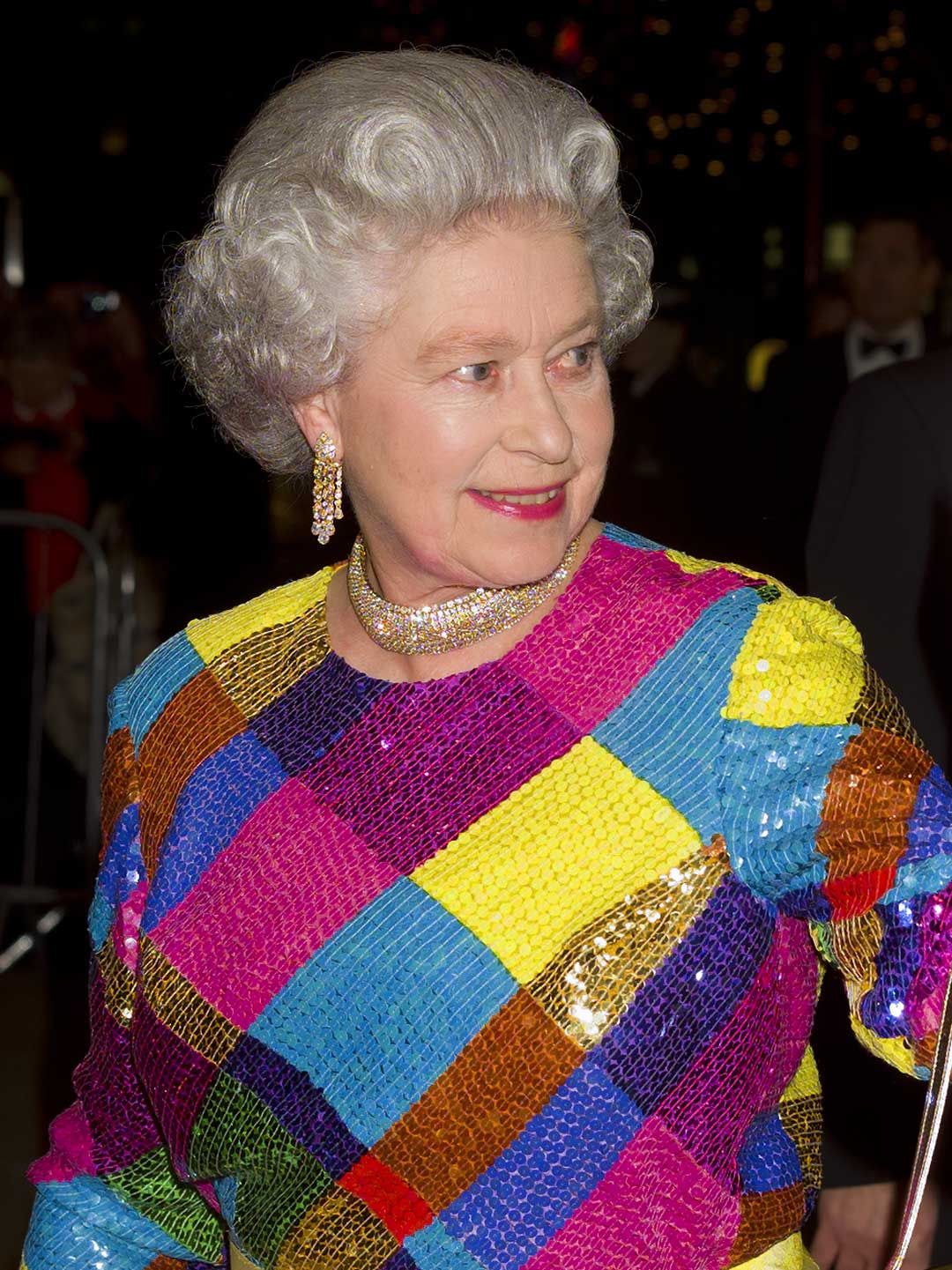
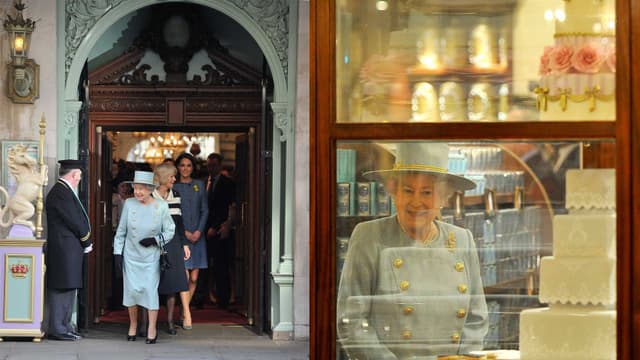
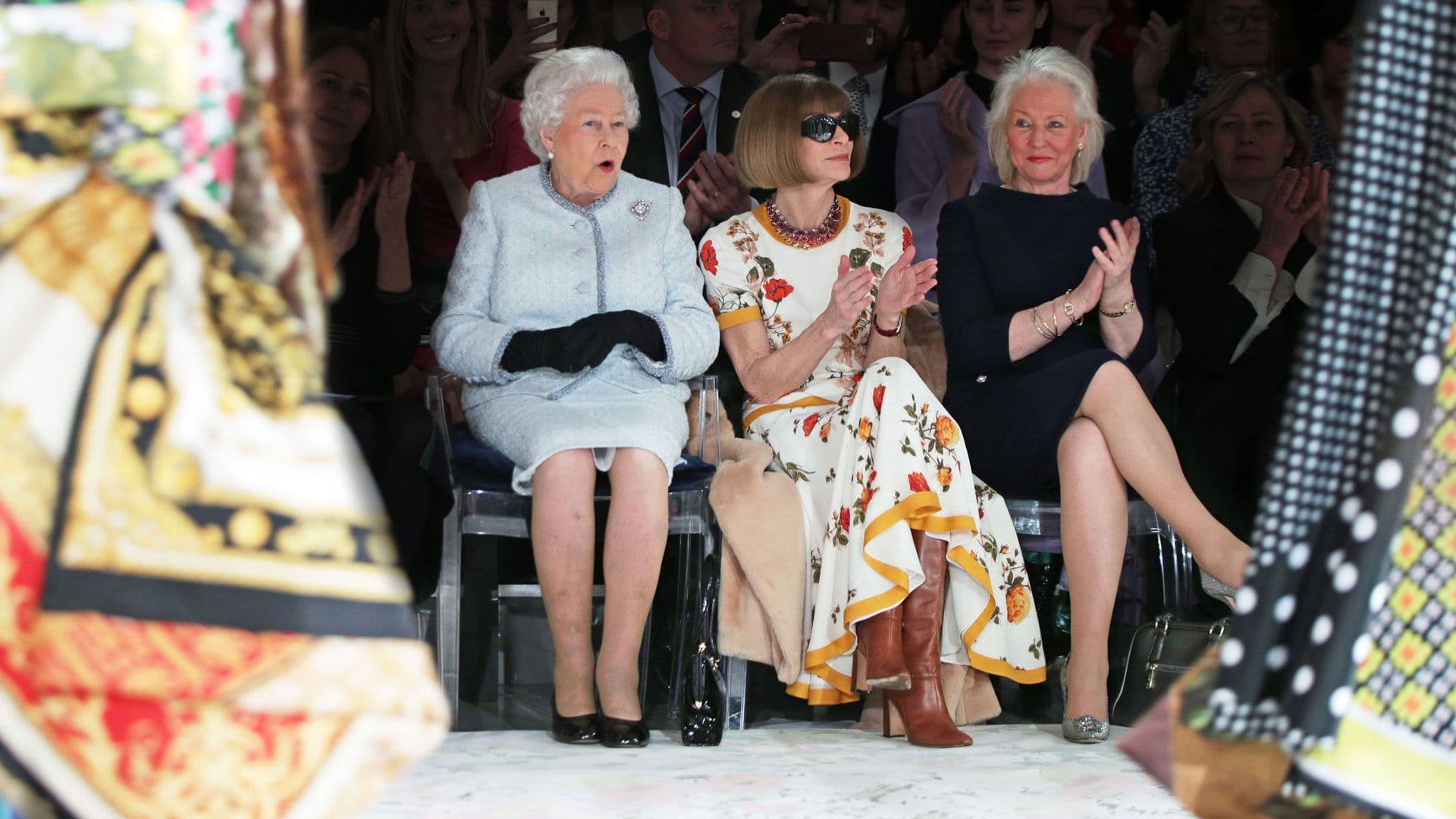
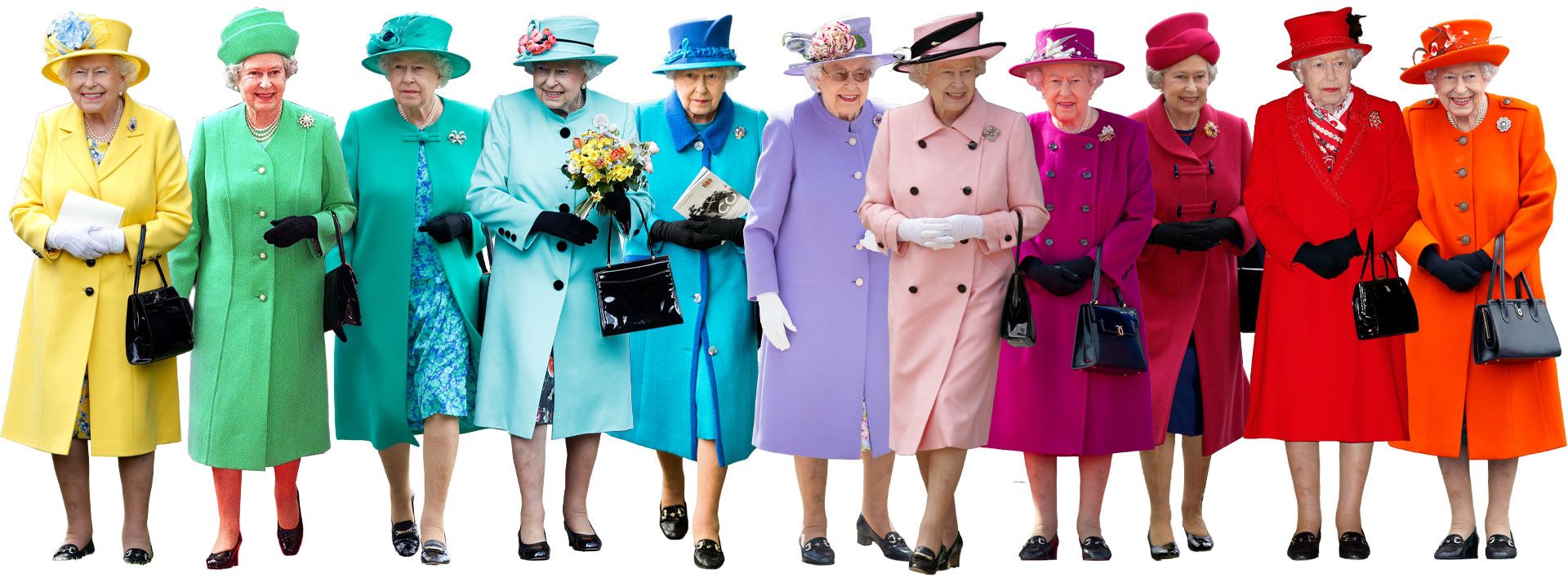
The last trope is the most remarkable, for it was developed in her senior years, and was her greatest contribution to fashion in the past three decades. It is an unchanging, iconic formula of bright, matching coat, dress and hat, with a purse in the crook of her arm and a clear umbrella trimmed to match the day’s outfit. It is designed to stand out in a crowd: she herself articulated the strategy best, saying, “I have to be seen to be believed.” And the monochromatic brights also make a terrific rainbow slideshow of photographs for the internet age.
Very few people, especially women over 65, have that kind of instant brand recognition, created entirely through the lens of fashion.
None of her outfits have anything remotely to do with the runway, and that is much of their success. Telegraph fashion editor Bethan Holt, author of The Queen: 70 Years of Majestic Style, told Zoomer this year that the Queen has had a major influence on fashion, in a deeper sense than setting hemline trends. “Fashion has become enamoured with older women, and the Queen has definitely been central to that movement. We love women who have stayed true to themselves and created a unique look — the Queen completely epitomizes that, which is why she makes best-dressed lists and people want to buy the bag she carries or be as daring as she is with colour.”
The Queen had a keen sense of the power of imagery. Royals are restrained by protocol and custom from speaking out on politics and other controversial subjects, but the Queen used visual cues to symbolize shifts in royal philosophy. That is why she agreed to have her coronation televised. The image of her dancing a foxtrot with Ghanaian president Kwame Nkrumah on tour in 1961 was a silent acknowledgement of the Civil Rights movement.
For someone whose every move was relentlessly scrutinized, the Queen understood the power of small moments, too. When American first lady Michelle Obama instinctively moved to hug the Queen on a visit to England in 2009, without hesitation the monarch, whom protocol states no one is to touch, wrapped her arm around the wife of the American president. She used the erstwhile gaffe as a bridge to demonstrate her relatability, just as she did when she cracked a joke in front of world leaders.
Change has threatened the monarchy on many fronts. Media revolutions — the rise of the tabloids and the all-encompassing reach of social media — put a largely unaccountable institution under unprecedented scrutiny and revealed human foibles, which made the Royal Family all the more intriguing. That came with a loss of deference in wider society, which made the monarchy appear even more aloof and unrelatable. And yet that remove helped preserve the institution itself, since the Queen knew, instinctively, that the mystique would be lost with overfamiliarity. Grandeur fades up close.
Former British Vogue editor Alexandra Shulman, who wrote the introduction to the 2022 book for the National Portrait Gallery, Elizabeth II: Princess, Queen, Icon, told Zoomer, “The Queen is the leader in personal branding. She has forged an image for herself to which she remains faithful and by which she is instantly recognizable. To have this embedded in the collective consciousness is invaluable, and means that you don’t have to keep adapting how you present yourself.”