The monarchs of Canada are the living embodiment of the state, the fixed point around which the government, judiciary, military and society revolve. The powers of the Canadian crown are rarely used in public but, at crucial moments in our history, its value shines for all to see.
In 1951, Princess Elizabeth and Prince Philip travelled for 33 days across this young country. The future queen packed black outfits and accession papers, in case her ailing father suddenly died. While snuggling under the warmth of a Hudson’s Bay blanket at a Stampede exhibition in Calgary, Canadians saw the future of the monarchy putting duty to Canada above all else.
Now, as we face an existential threat posed by our American neighbour, Charles III does the same. While continuing weekly cancer treatments, the King of Canada and Queen Camilla came to Ottawa so, as his mother did for her first visit as our nation’s queen in 1957, the Canadian monarch could open Canada’s Parliament.
The Hudson’s Bay Company may have crumbled after 355 years, but the Crown endures by reminding the nation of our history and our future as a sovereign and independent country.
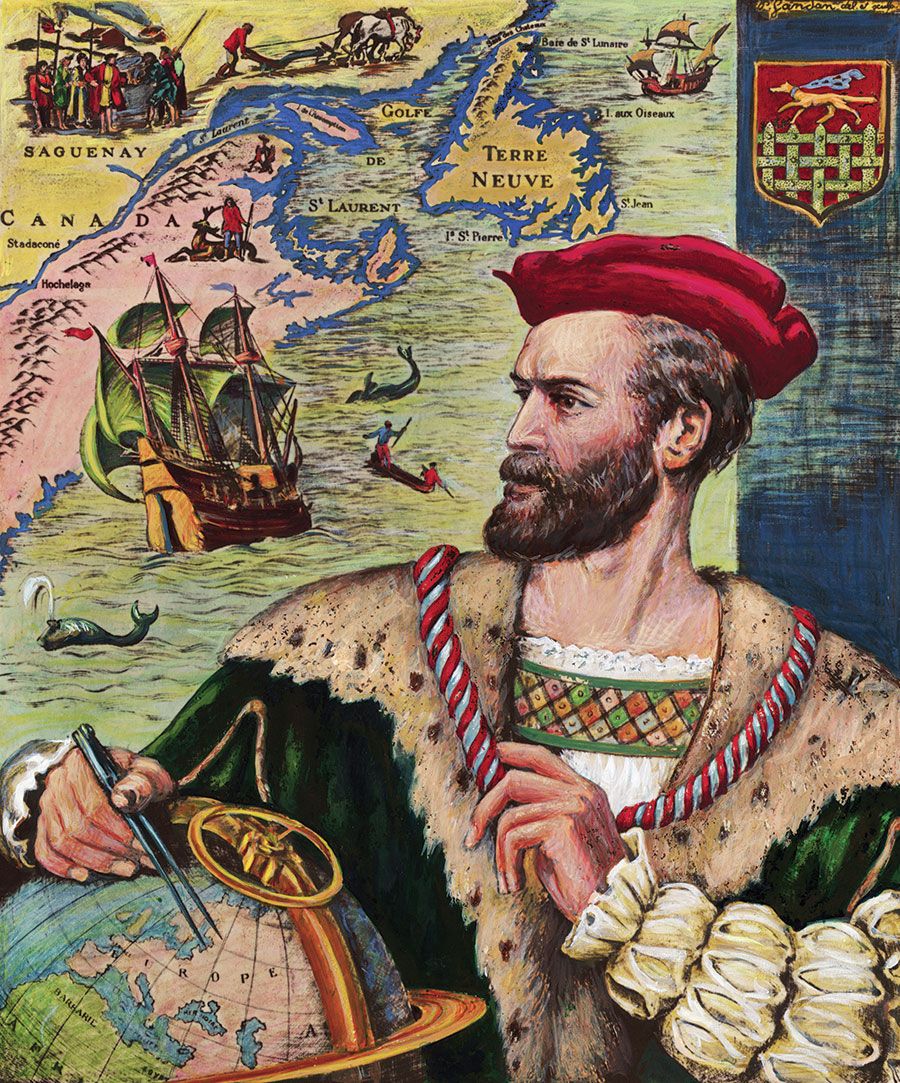
1534
Founding of New France
Beginning of French colonization
Jacques Cartier’s mission: “Undertaking the voyage of this kingdom to the New Lands to discover certain islands and countries where there are said to be great quantities of gold and other riches.”
Settlers start to refer to the new land using the Huron-Iroquois word for community: “Kanata”
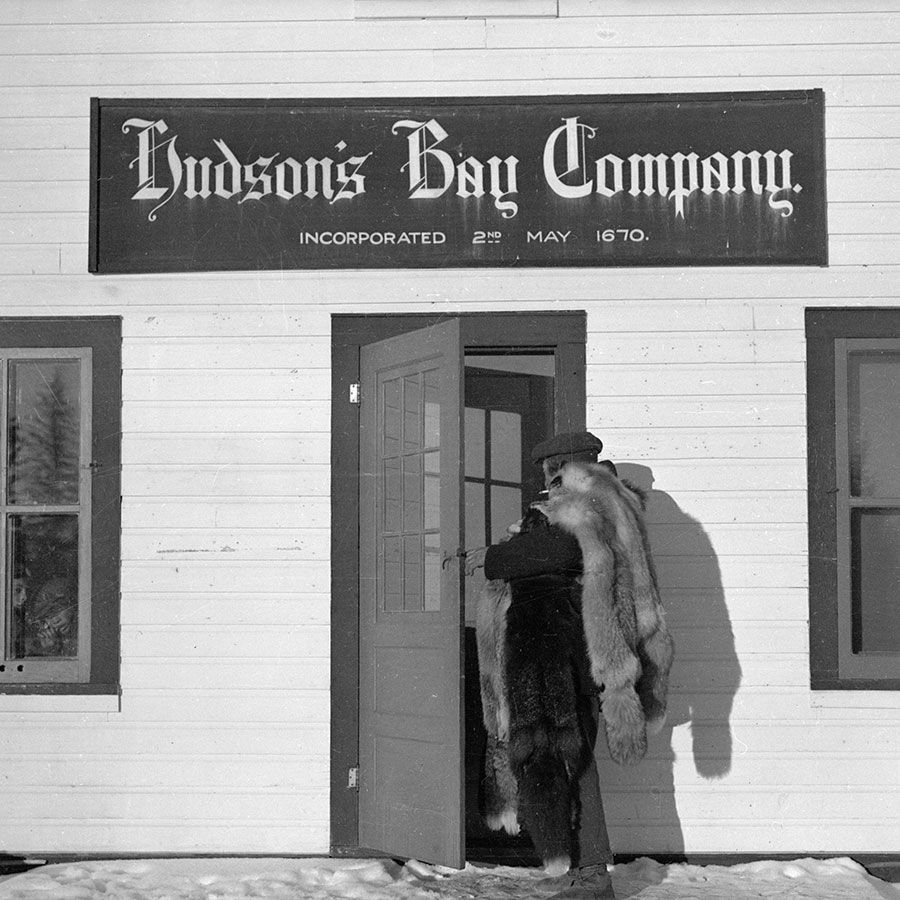
1670
Hudson’s Bay Company’s Royal Charter
The firm owns trading rights across much of northern and western Canada
“Expedicion for Hudsons Bay in the North west part of America for the discovery of a new Passage into the South Sea and for the finding some Trade for Furrs Mineralls and other considerable Commodityes.”
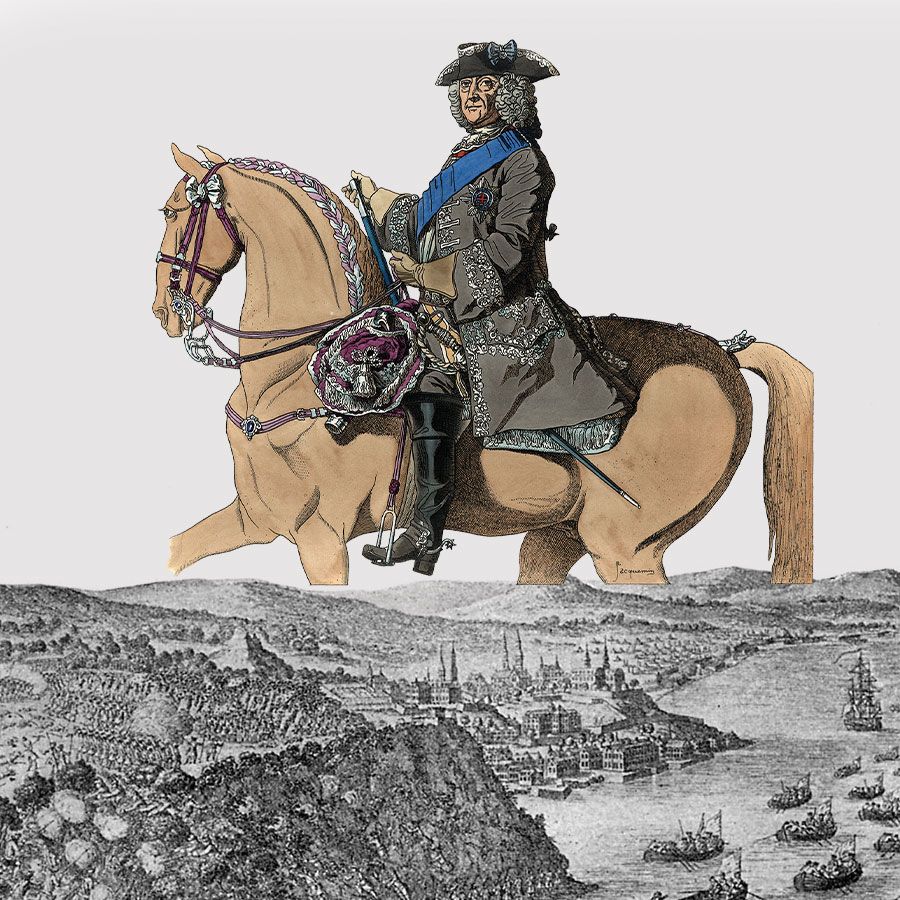
1759
Battle of Quebec
Britain’s audacious victory allows it to conquer the French colony
“Mad, is he? Then I hope he will bite some of my other generals.”
—King George II on Gen. James Wolfe
1763
Royal Proclamation of 1763
While it explicitly states that Indigenous people reserved the right to their unceded lands, those words did not prevent legalized land-stealing, especially by colonists
… the several Nations or Tribes of Indians with whom We are connected, and who live under our Protection, should not be molested or disturbed in the Possession of such Parts of Our Dominions and Territories as, not having been ceded to or purchased by Us, are reserved to them, or any of them, as their Hunting Grounds
1777
Loyalists leave America
Waves of American colonists who still support Britain, including Black
and Indigenous peoples, begin arriving in Canada
“Not drooping like poor fugitives they came In exodus to our Canadian wilds.” —Unknown, 1793
1783
International boundary
The Treaty of Paris begins to define the boundary between the U.S. and Canada
Precise borders include a “due west course to the river Mississippi;
thence by a line to be drawn along the middle of the said river Mississippi.”
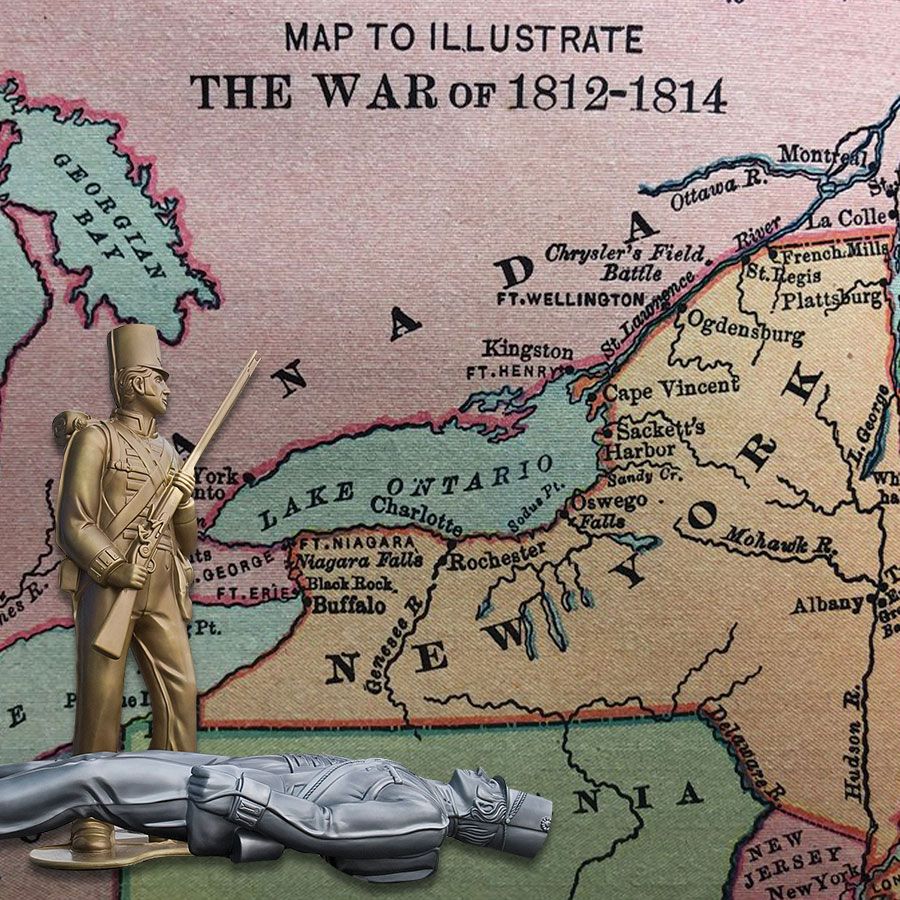
1812-1815
War of 1812
The U.S. invades Canada, which counterattacks, spurring a sense of nationhood
“Saviour of Canada” is how slain Maj.-Gen. Isaac Brock is known
1848
Responsible government in Nova Scotia
Government becomes responsible to the people
“A cornerstone of Canadian democracy.” —King Charles III on its 175 anniversary
1848
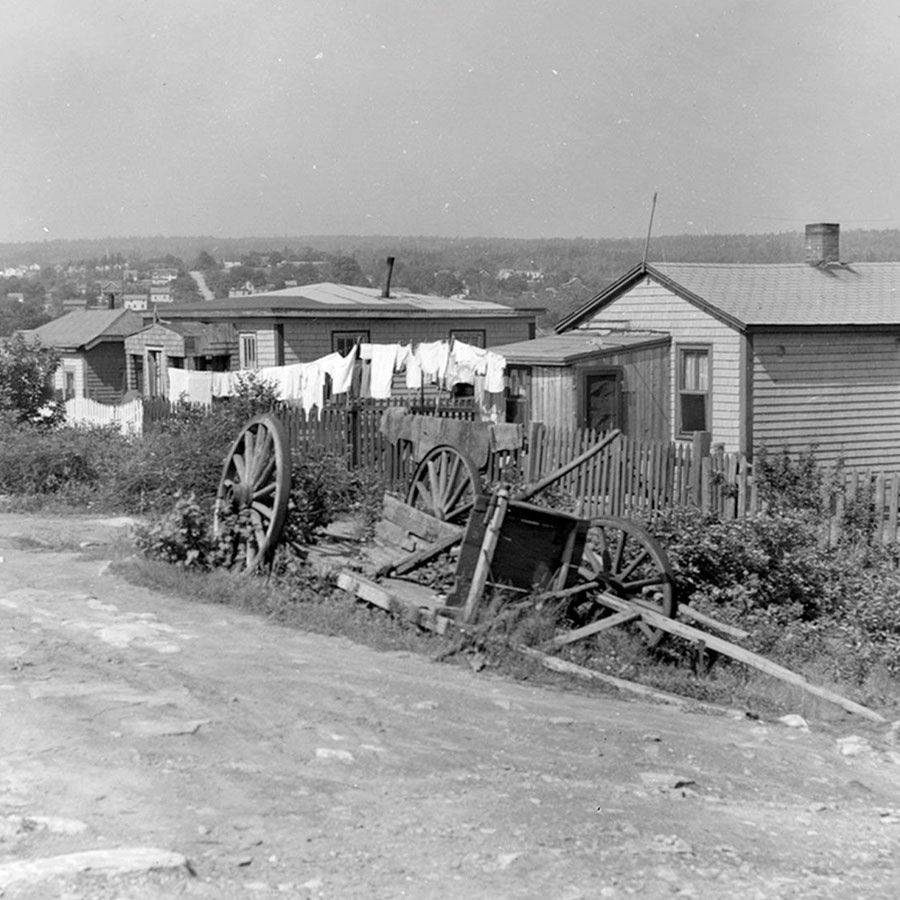
Africville
First record of the vibrant Black community in Halifax, which was destroyed by 1970
Living in Africville, we had our own home. It might not have been a mansion, but it was a home —Laura Howe, Africville resident
1850
Underground Railroad
The U.S. Fugitive Slave Act spurs a jump in the number of slaves using the clandestine route to safety in Canada
“We understand that the train on this road arrived yesterday with sixteen passengers, all in good condition … they are beyond the reach of further oppression.” —Provincial Freeman newspaper, c. 1850s
1867
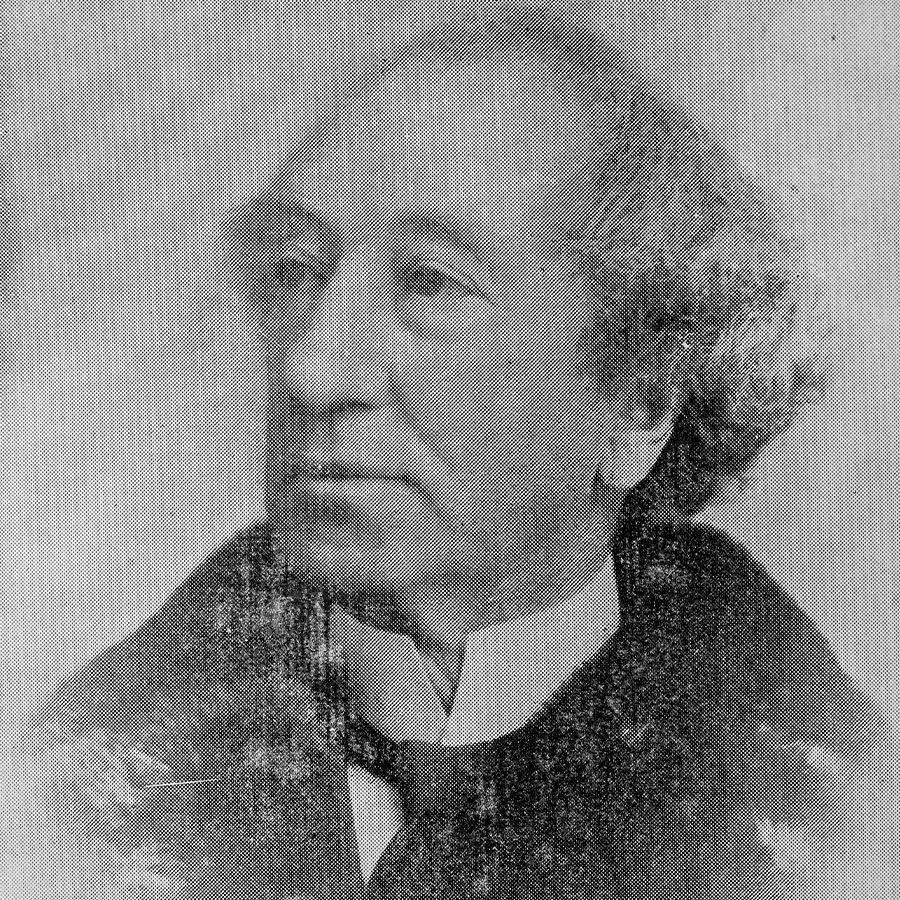
British North America Act
Upper and Lower Canada, Nova Scotia and NewBrunswick form a dominion. John A. Macdonald is appointed the new country’s first prime minister
“Such a Union would conduce to the Welfare of the Provinces.”
1880
‘O Canada’ is performed
The first version of Canada’s national anthem is sung at a banquet attended by the Governor General in Quebec City
1885
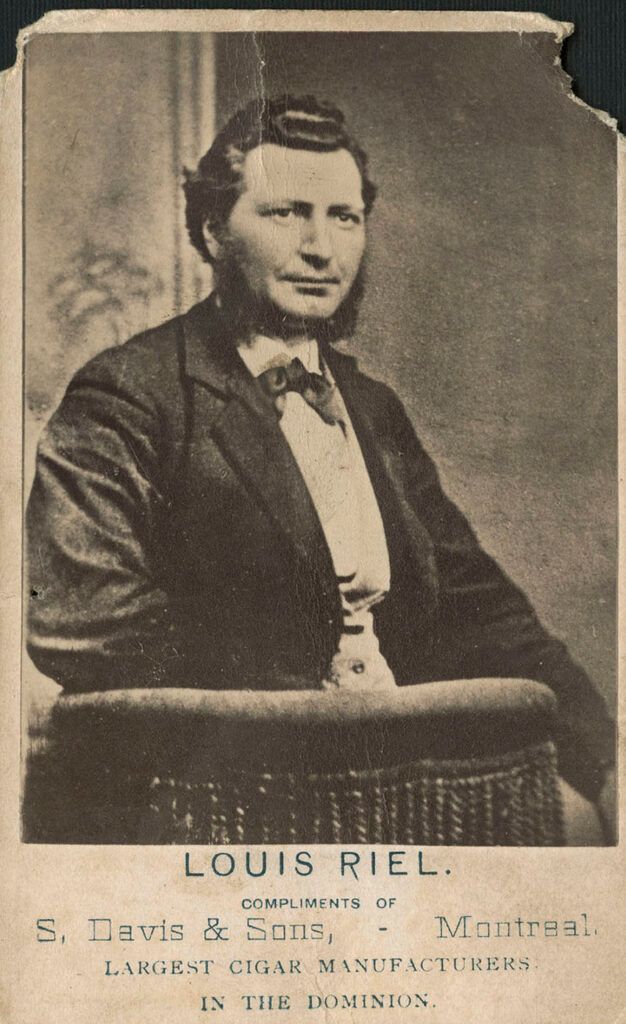
Louis Riel is hanged
The Métis leader symbolizes Indigenous resistence to white colonization of the West
“My people will sleep for one hundred years, but when they awake, it will be the artists who give them their spirit back.” —Louis Riel
1885
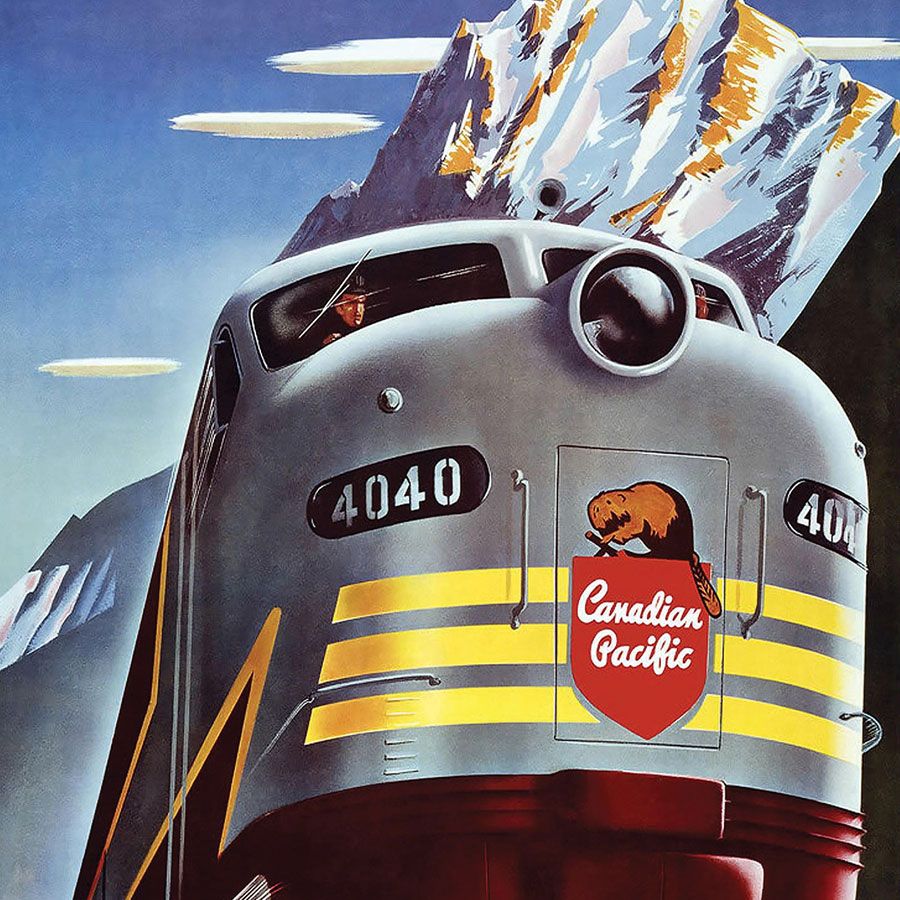
Canadian Pacific Railway is completed
The cross-country railway unites Canada and revolutionizes
the economy
“The last rail was laid this morning at 9:22.” —CPR’s William Van Horne to the prime minister
1917
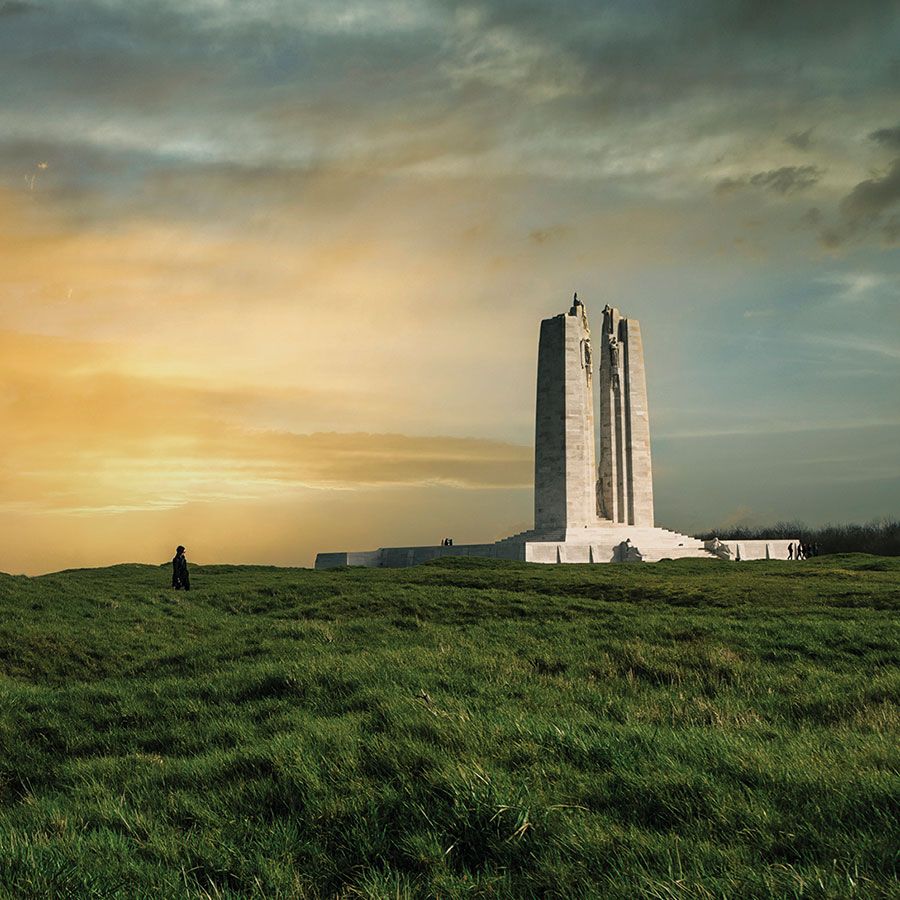
Battle of Vimy Ridge (First World War)
The highly trained Canadian Corps takes the commanding ridge, succeeding where allies failed
“Bedlam was sure let loose … The sights around the field are terrible looking. I hope I don’t witness anything like it again.” —Cpl. Harry Chambers
1921
Bluenose sailing victory
The undefeated sailing ship promotes Nova Scotia’s shipbuilding prowess
“The wood of the vessel that will beat the Bluenose is still growing!” —Angus Walters, skipper
1922
Insulin Developed in Toronto
Teddy Ryder, 5, is one of the first people with diabetes saved by the drug
“Dear Dr. Banting, I wish you could come to see me. I am a fat boy now and I feel fine.” —Teddy Ryder
1929
The Persons Case
Five Alberta female leaders win constitutional challenge that women are “persons”
“The exclusion of women from all public offices is a relic of days more barbarous than ours. And to those who would ask why the word ‘person’ should include females, the obvious answer is, why should it not?” —Lord Sankey
1931
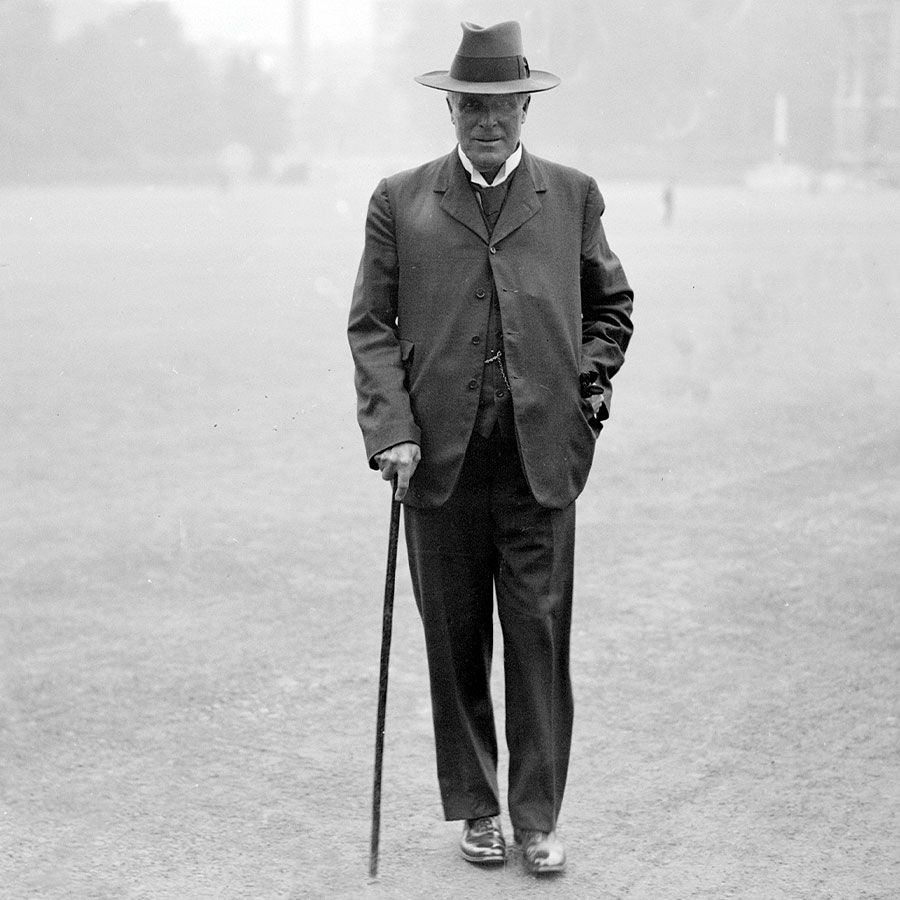
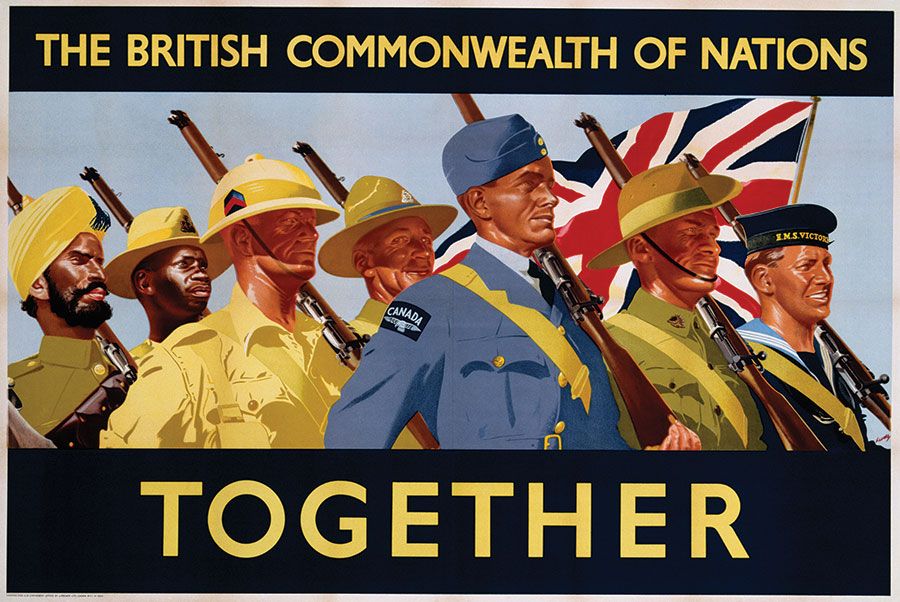
Statute of Westminster
Canada and other dominions become independent
from the U.K.
“No law hereafter made by the Parliament of the United Kingdom shall extend to any of the said Dominions.”
1944
Canadians land at Juno Beach on D-Day
Canadian troops go ashore on one of the five Allied landing beaches
in Normandy
“Crawl and run and crawl and run. And one thing you couldn’t do was stop on Juno Beach.” —Francis Godon, Royal Winnipeg Rifles
1946
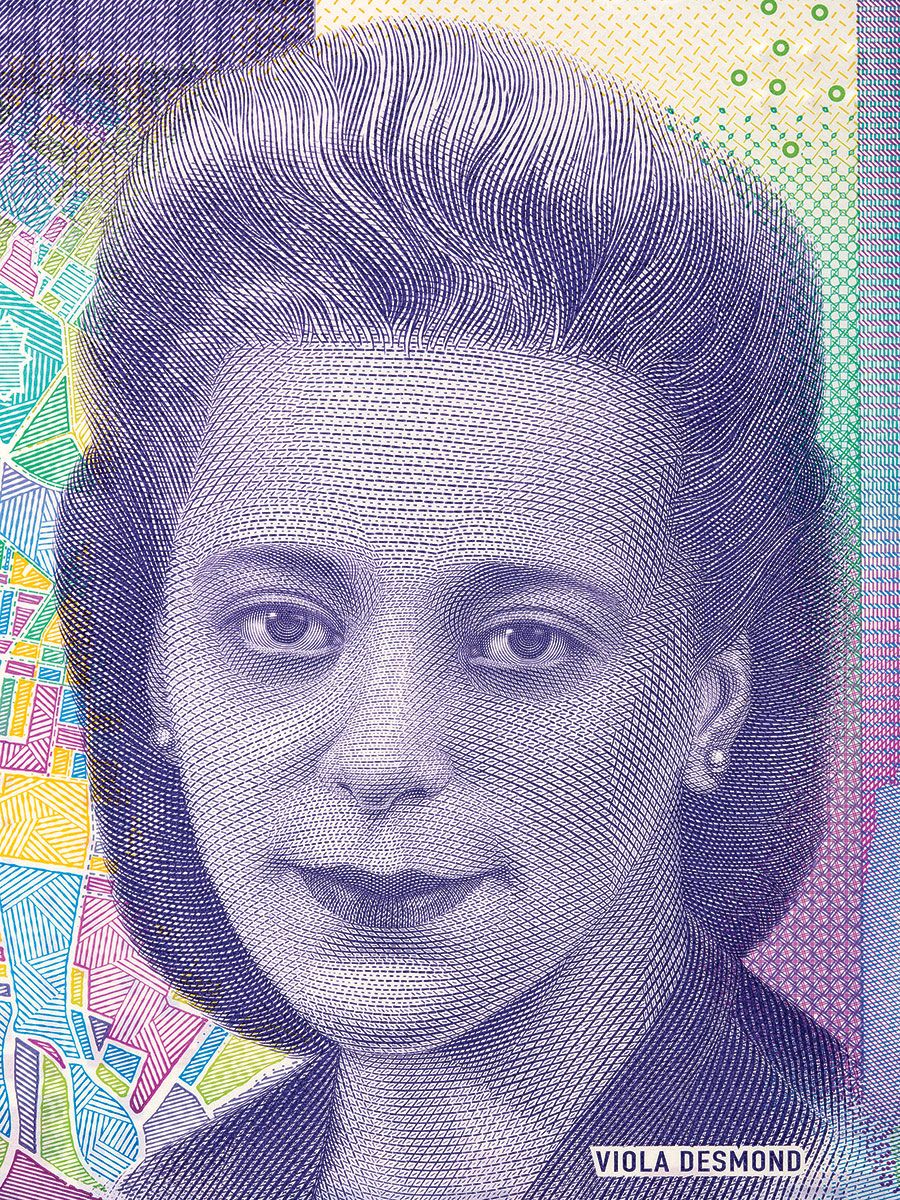
Viola Desmond is charged for refusing to leave a “whites only” section in a theatre
The Nova Scotia businesswoman confronts the racism that Black people routinely face in Canada
“Mrs. Desmond told the magistrate she was being tried for being a negress and not for any felony.” —Halifax Chronicle
1947
Tommy Douglas introduces gov’t.-funded health insurance in Saskatchewan
That first insurance plan starts the province and country on the
road to full medicare
“I came to believe that health services ought not to have a price tag on them.” —Douglas later said
1957
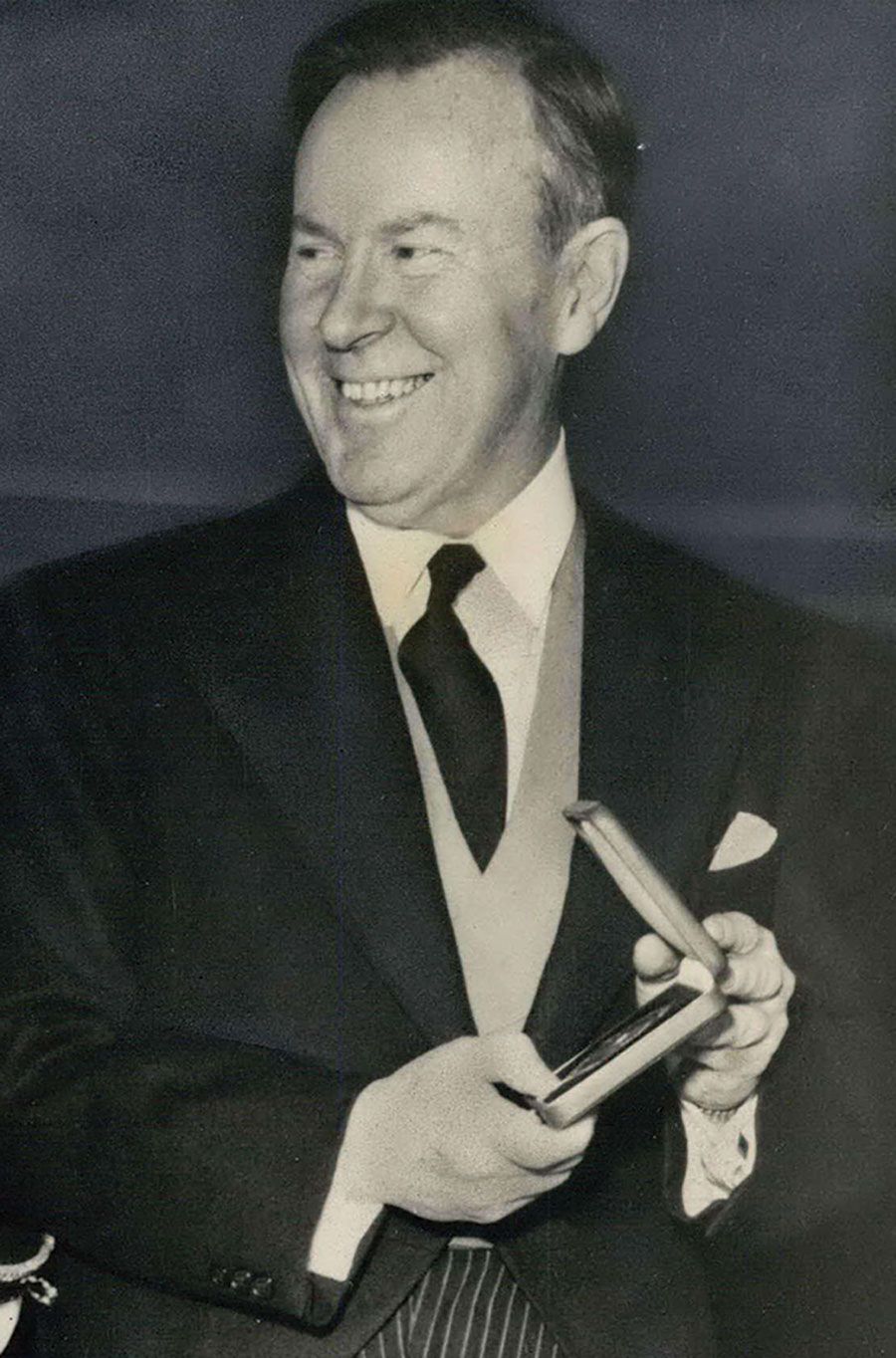
Peacekeeping Nobel Peace Prize
Lester B. Pearson receives a Nobel Prize for sending a UN peacekeeping force to the Suez Canal
“Lester Pearson’s vision is not that of a dreamer. He looks at life and the conditions of the world as they are, basing his conclusions on realities.” —Nobel Peace Prize chair Gunnar Jahn
1965
Maple Leaf flag is unveiled
Canada’s flag is an iconic symbol of the country
“May the land over which this new flag flies remain united in freedom and justice … sensitive, tolerant and compassionate towards all” —PM Lester B. Pearson
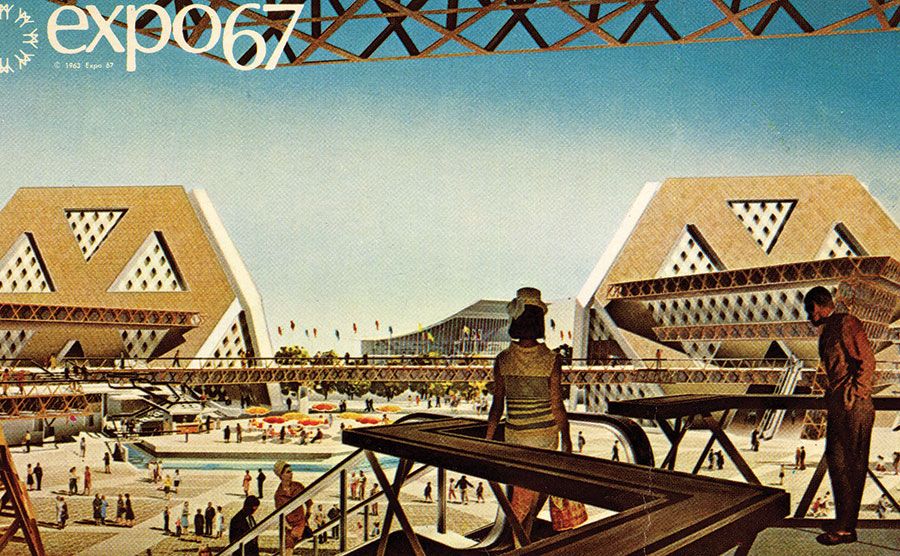
1967
Expo 67 World’s Fair
Millions explore the exhibition’s theme of “Man and his world” in Montreal
Expo 67 is a fitting climax to Canada’s 100 years of progress and development —Queen Elizabeth II
1971
Multiculturalism
Ottawa adopts multiculturalism as a federal policy
“A policy of multiculturalism within a bilingual framework commends itself to the government as the most suitable means of assuring the cultural freedom of Canadians.” —PM Pierre Trudeau
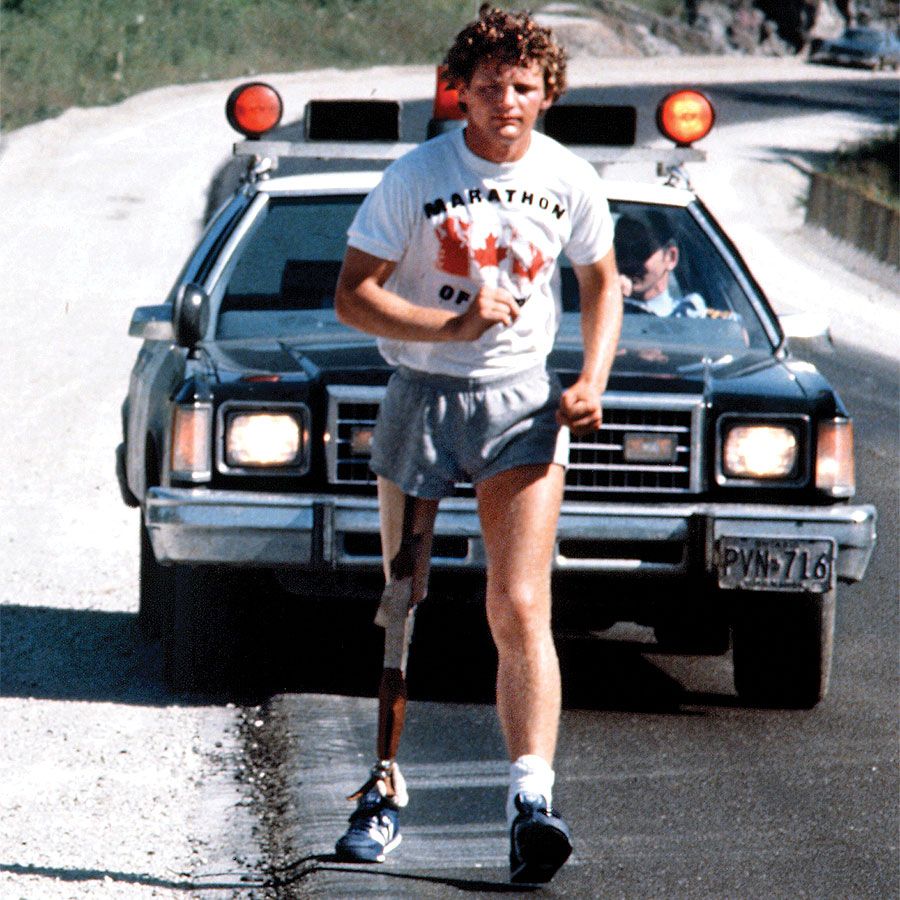
1980
Terry Fox’s Marathon of Hope starts
The 19-year-old cancer survivor’s cross- country run for cancer research makes him a Canadian hero
Cancer cuts his run at the 5,373-km. mark but more than $850 million has been raised to date
1981
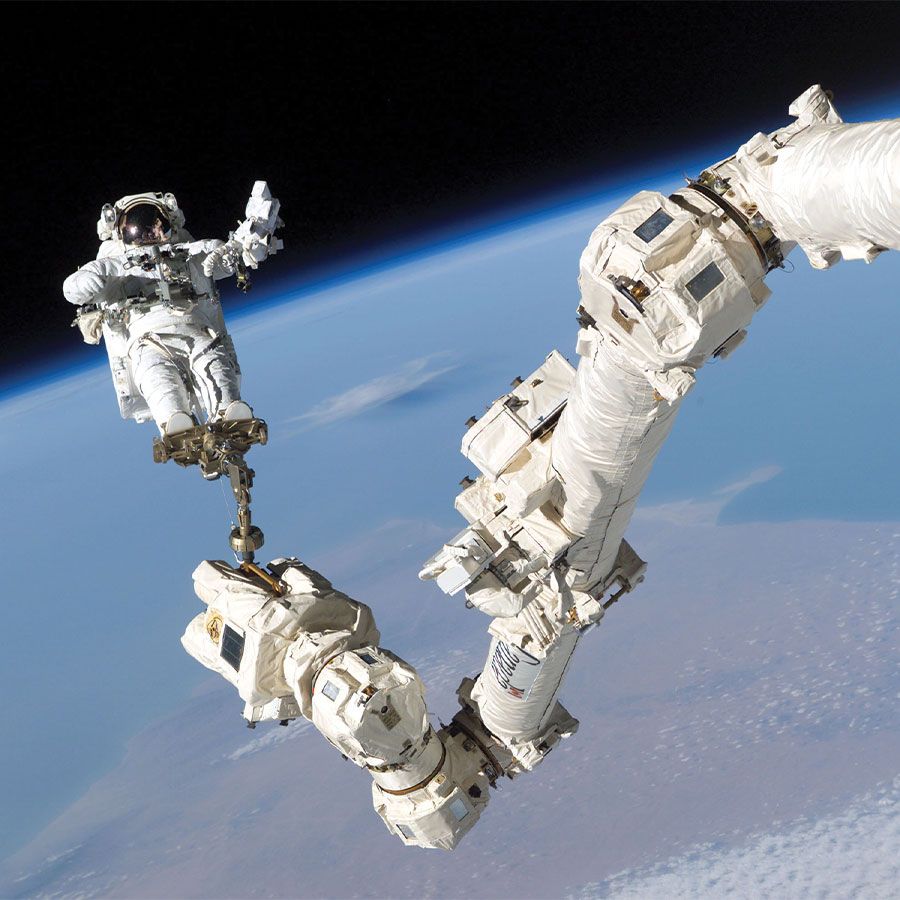
Canadarm
Canada builds a robotic arm that works perfectly in space for 30 years
It could lift more than 30,000 kg using less electricity than a teakettle. —Canadian Space Agency
1982
Charter of Rights and Freedoms
The 1982 Constitution includes a charter of Canadian rights
and freedoms
“We have a Charter today because the people of Canada wanted one.” —former justice minister and PM Jean Chrétien on its 20th anniversary
1990
Oka Crisis
A property dispute in Kanesatake sparked a standoff with authorities and helped reshape government-Indigenous relations
“I will occupy this land [if that’s] what it takes.” —Grand Chief Clarence Simon
1995
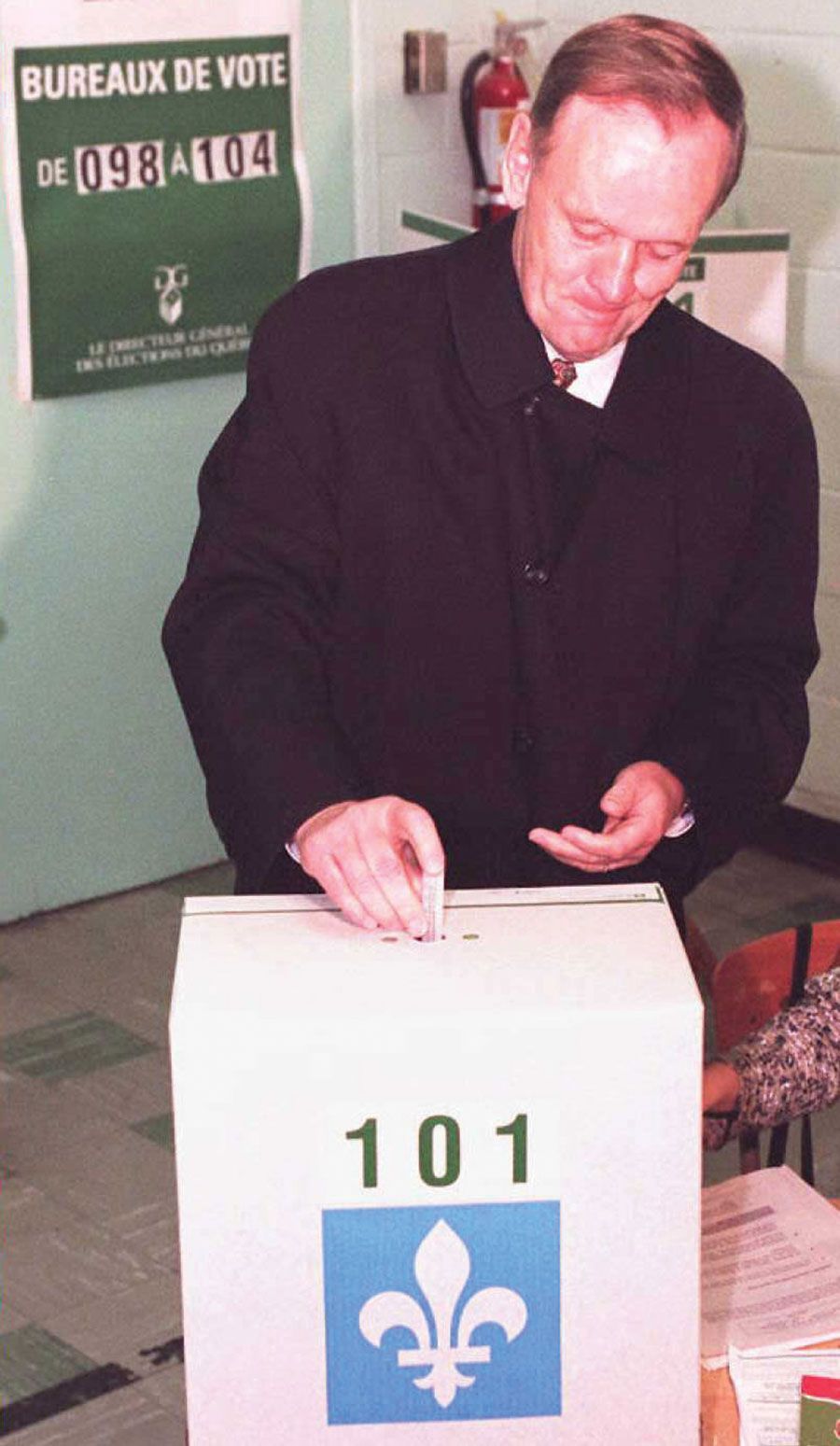
Second Quebec independence referendum fails
The narrow “No” vote meant Canada would stay together
Yes to separation: 49.42%
No to separation: 50.58%
2015
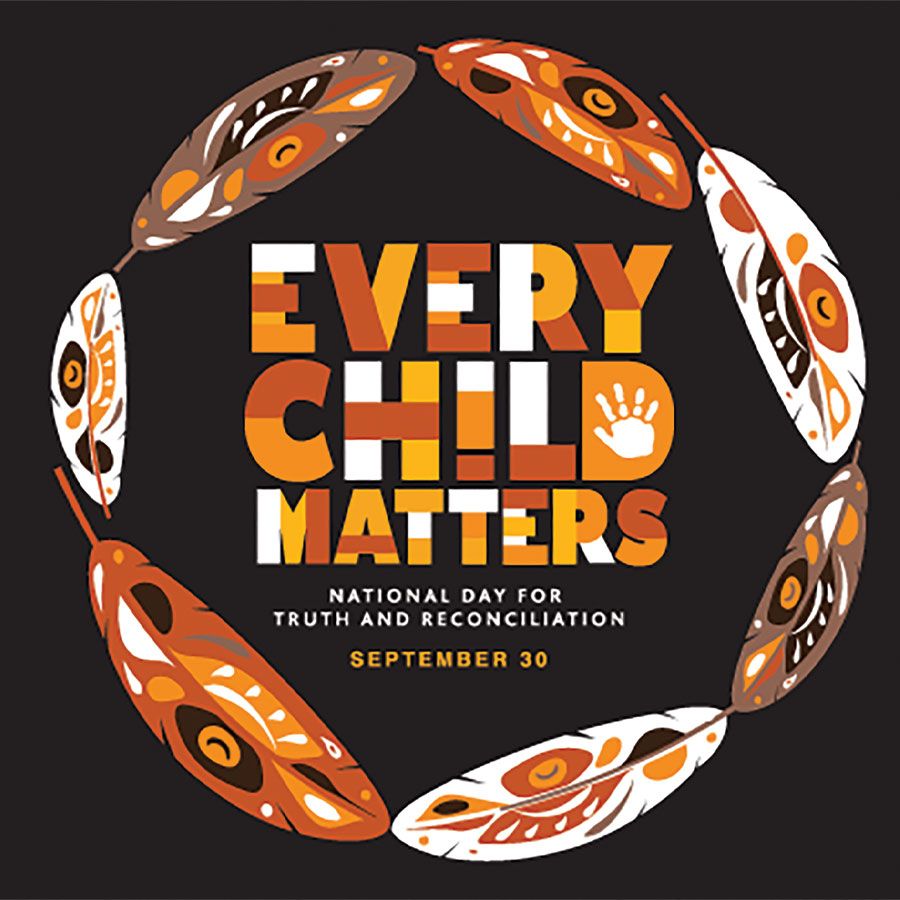
Truth & Reconciliation Commission report into residential schools
Canada confronts its past by examining the residential schools system
“Achieving reconciliation is like climbing a mountain – we must proceed a step at a time. … We cannot allow ourselves to be daunted by the task because our goal is Just and it also necessary.” —Commission Chair Murray Sinclair
2025
Donald Trump’s threats and tariffs
Canadians reject presidential pressure to join the United States. Only 9 percent of Canadians want to be the 51st state.
Only 9 per cent of Canadians want to be the 51st state