All sorts of animals use songs to find the perfect mate. Tree frogs and humpback whales are out there warbling their attributes on the wildlife version of Bumble. But only one subset of one species – let’s call them shaggy-haired californicus – has spent five decades communicating love and hate through the songs they sing to one another. “Players only love you when they’re playing,” one of them accuses, and the other shoots back, “You can go your own way.”
Will they be singing in tune this time? We’ll find out this fall when Stevie Nicks and Lindsey Buckingham re-release Buckingham Nicks, their long-lost debut record, produced when they were a besotted couple in 1973. Will their ethereal harmonies remind us of life-mated trumpeter swans, or will they fall apart with a squawk like that other famed second-chance romance, the creature known as Bennifer?
Even the most die-hard romantics probably don’t expect an actual love affair to be rekindled. Lindsey Buckingham is married, for one thing, and Stevie Nicks has probably made too many throat-throttling gestures when speaking her ex-boyfriend’s name. Most true fans will be happy with their gorgeous vocals mingling, rather than limbs. They’ll be happy if no one leaves the press tour in tears. (The 10-track record, which has been out of print for decades, is available on vinyl, CD and streaming services now)
It’s fascinating that Fleetwood Mac – the band that Lindsey and Stevie joined in 1975 – is equally famous for harmony and discord. The Anglo-American group had more romantic turmoil than The Young and the Restless, more thrown ashtrays than a telenovela. That drama continues to be potent and lucrative: Rumours, Fleetwood Mac’s 1977 masterpiece and one of the bestselling records ever, is climbing the streaming charts once again.
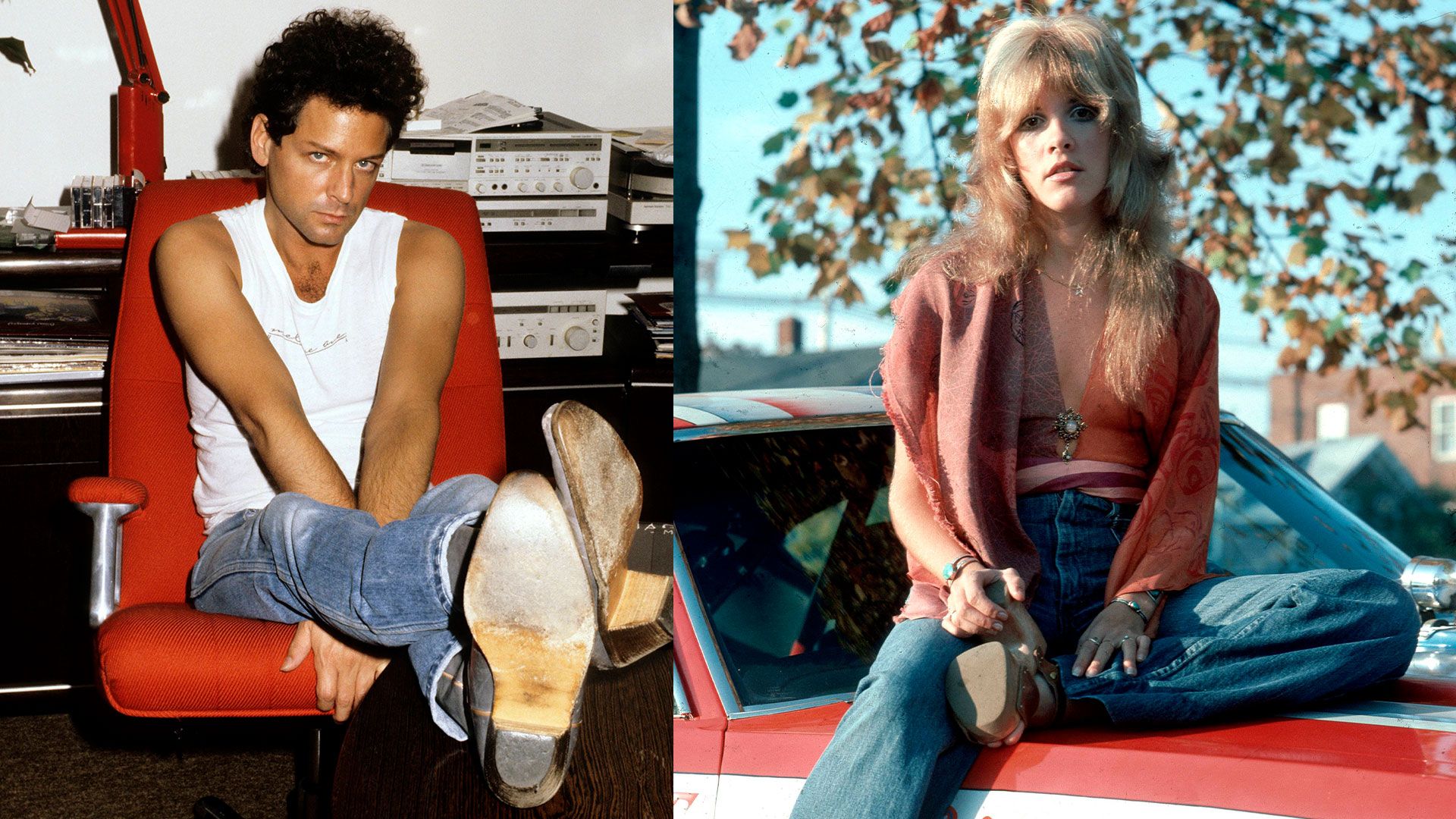
Stevie and Lindsey first met in 1966 when they attended the same high school in Atherton, Calif., and later started dating when they were in a band called Fritz – not knowing their love would one day be on the fritz. A record scout saw dollar signs in the two beautiful young people whose voices twined like smoke rising from a fire, and signed them to an album deal. But their label, Polydor Records, dropped them a few months after the release of Buckingham Nicks.
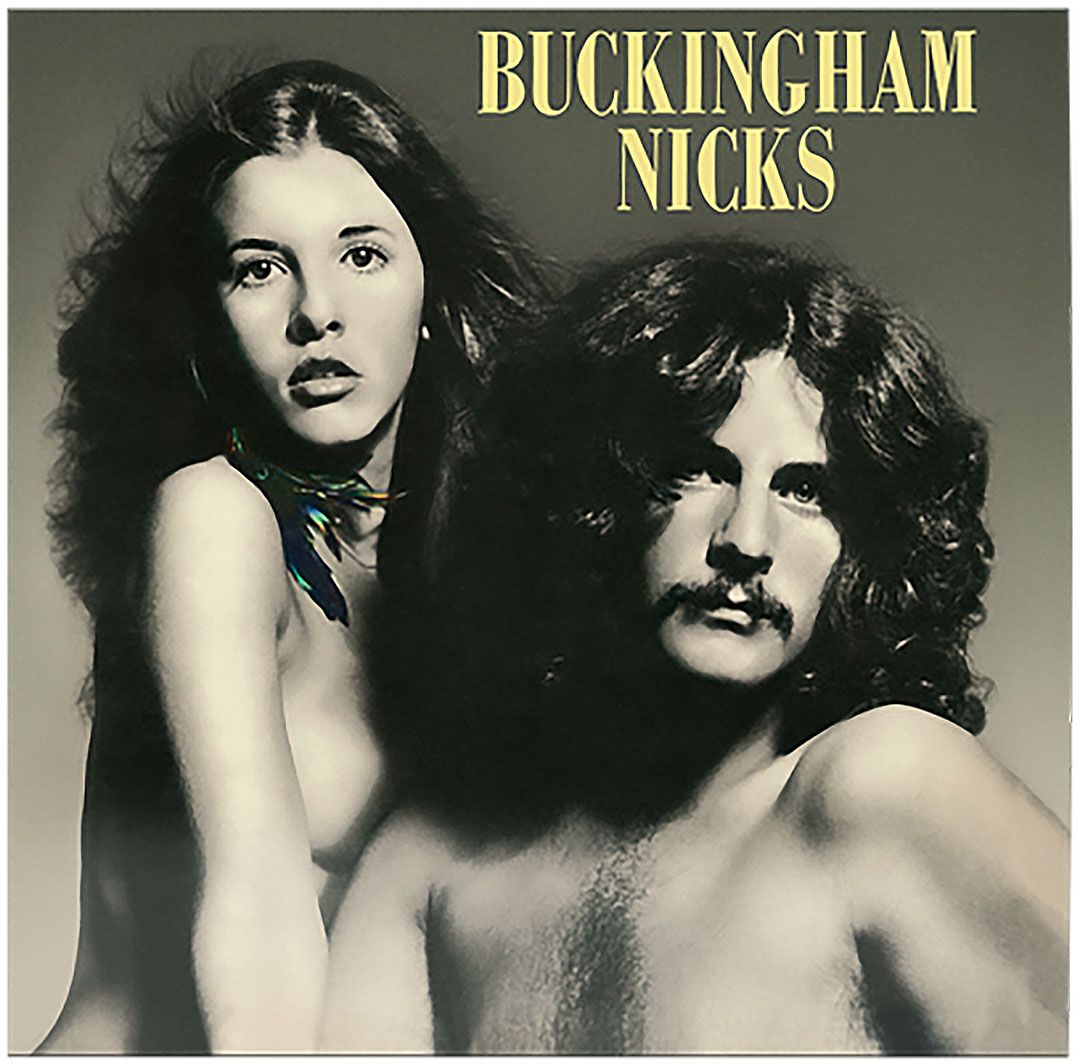
Until this year, all we had left of the record was its cover, with our bare-chested lovers staring into what they thought was a bright future. (Stevie, a self-described prude, had to be cajoled by Lindsey into posing with her top off. She would soon start rebelling against other bad decisions made for her.)
In many ways, the saga of Stevie and Lindsey reflects another famous story that is so compelling it’s been filmed multiple times: A Star is Born, in which a nervous, budding diva outgrows the influence of her controlling partner. Stevie was working three waitressing jobs in L.A. to provide for her handsome guitar-god boyfriend when Mick Fleetwood, on the hunt for new band members, heard a snippet of Lindsey’s solo during a studio tour. He’d found the guitarist he wanted for Fleetwood Mac, but the guitarist came back with an ultimatum: If you want me, you take my girlfriend, too. We’re a pair. And wait till you hear her sing.
Both Lindsey and Stevie thrived in Fleetwood Mac, but their professional success was slicing them apart. Stevie relied on Lindsey’s musical wizardry to hone and polish her songs, but he resented her when she soared. She became a wild, whirling figure on stage when she invoked the Welsh witch Rhiannon, and Lindsey didn’t like it. As Stephen Davis writes in his Stevie Nicks biography, Gold Dust Woman: “Lindsey had complained to Stevie that she was being too sexy onstage …. He was emotional about this, thought it reflected badly on him as her man.”

These tensions bubbled to the surface during the recording of Rumours, although that’s like describing Vesuvius as “bubbling.” Relationships were falling apart everywhere: Stevie and Lindsey; songwriter Christine McVie and her bassist husband, John McVie; Mick Fleetwood and his wife. Communication was done via songwriting, and it was not helped by the mountains of cocaine in the studio, which Fleetwood later said was “peeling off the walls in every room.”
Stevie’s messages to Lindsey became more pointed as her songwriting grew more sophisticated. He was the landslide threatening to consume her, the player who would be washed clean of sin. His lyrics enraged Stevie, when he sang, “Packing up, shacking up’s all you want to do” on Go Your Own Way. One day, seated on stools to sing background vocals on You Make Loving Fun, they started to scream expletives at each other until the recording engineer told them to knock it off. They managed to ignore the irony as they rejoined the sweet chorus. “You, you make loving fun!”
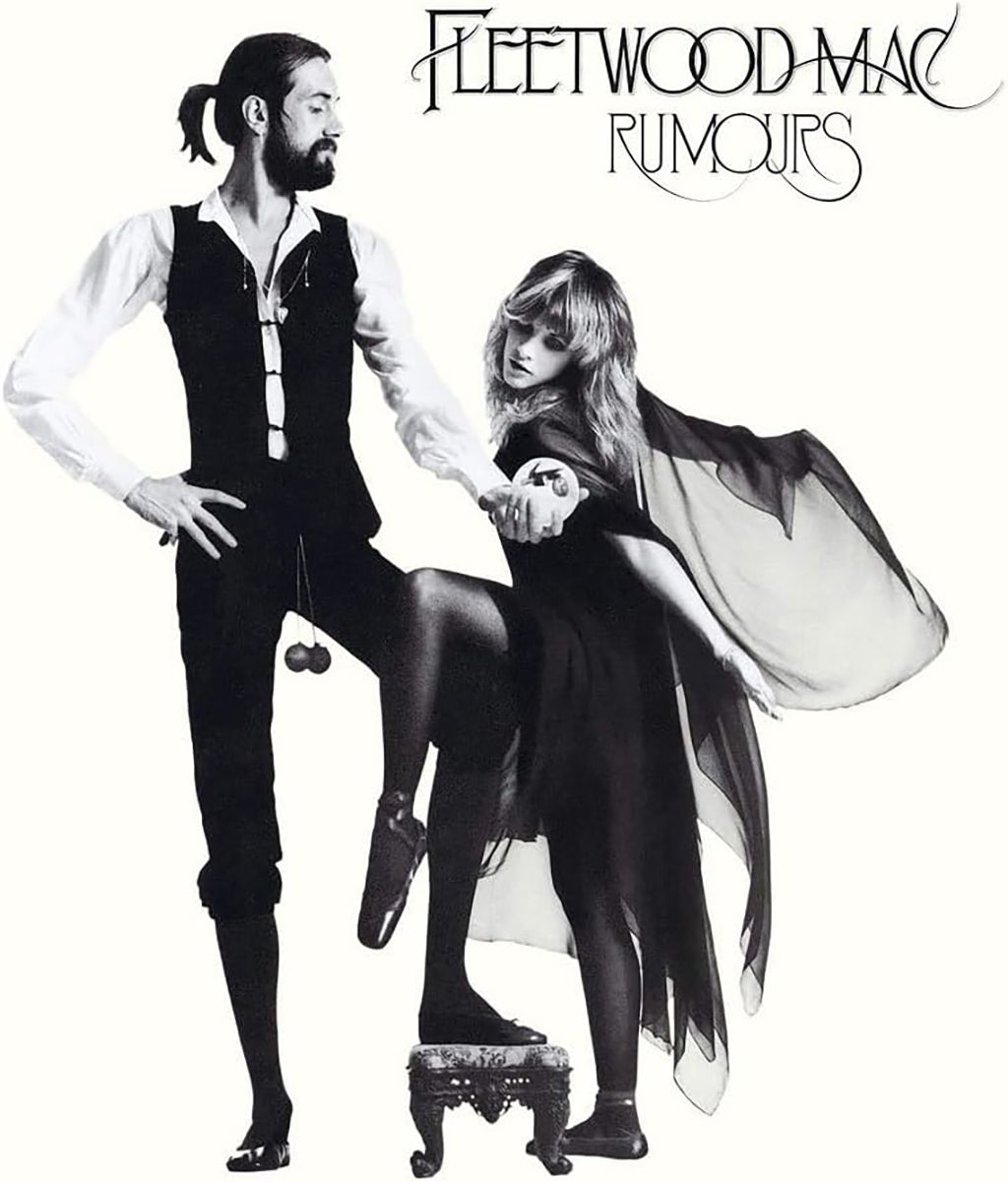
“I just wasn’t happy in the relationship anymore,” Stevie said in the 2009 documentary Fleetwood Mac: Don’t Stop. “The relationship, in my opinion, had become too dark, too obsessive and too heavy. I was just looking for some spring air. I was just looking to breathe again.” Eventually, all the money in the world couldn’t paper over the cracks. Stevie was infuriated when Lindsey began making fun of her dancing onstage. The ex-lovers came to blows on Christine McVie’s driveway during a famous showdown in 1987, when Lindsey refused to join a lucrative Fleetwood Mac tour. Stevie’s clandestine affair with Mick Fleetwood, when it came to light, ratcheted band tension even higher.
As Fleetwood Mac was falling apart, Stevie’s solo career was skyrocketing. Albums like Bella Donna and songs like Edge of Seventeen shot up the charts. She developed deep musical relationships with women like Christine McVie and Sheryl Crow, who were perhaps her truest soulmates. Stevie, it transpired, is a girl’s girl: During a Rolling Stone interview, she revealed that when Katy Perry asked her who her rivals were, Stevie shot back that she did not have rivals, she had women friends who were also singers, and if Katy would just stop staring at her phone she might find some friends, too.
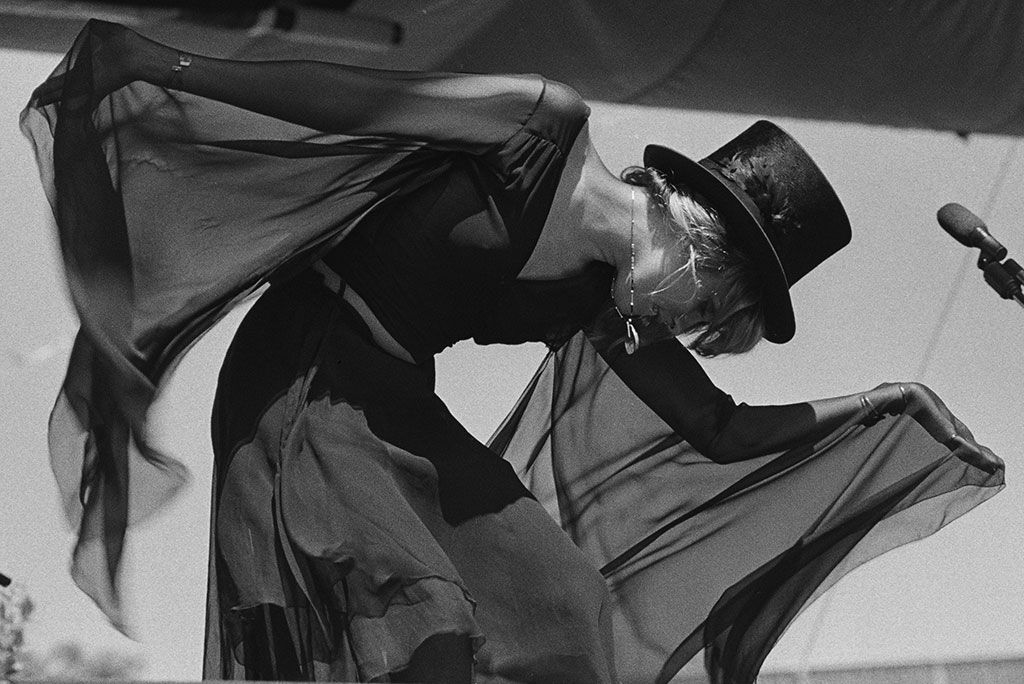
In another sign of the universe bending toward justice, the costumes that Lindsey had mocked became her signature. Stevie was recognized as a fashion icon – a witch, a seer, a steampunk fairy godmother in her top hats and fringes and stacked heels. Girls came to concerts dressed like her, and wanted to be her. They wanted to be the woman who had the freedom to write what she wanted, wealthy enough to live in a house with a temperature-controlled vault for her shawls.
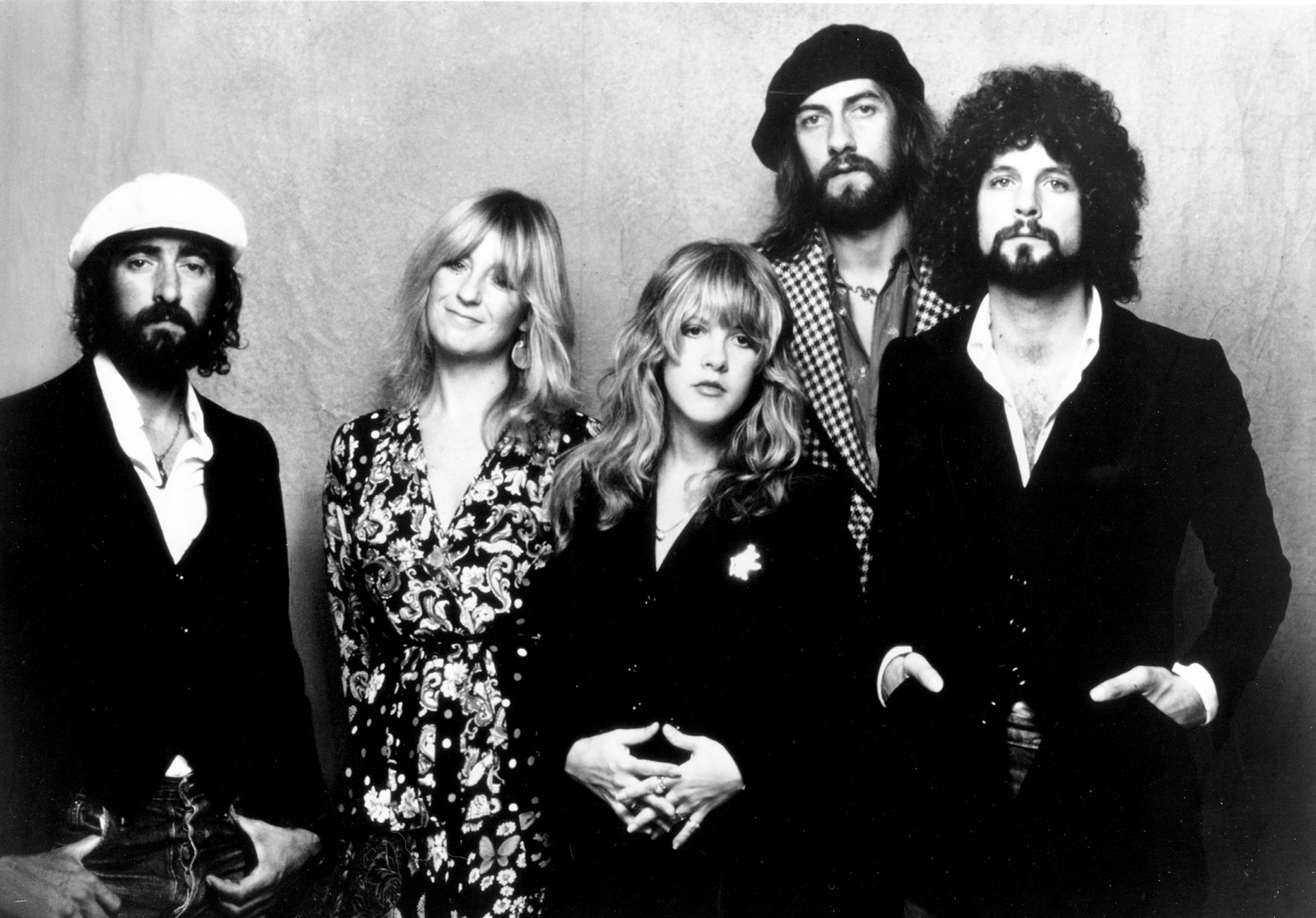
Even though Fleetwood Mac essentially ended with the death of Christine McVie in 2022, the world refused to move on. We just couldn’t quit them. The incestuous relationships, the drugs and, yes, the glorious songs, only fed fans’ insatiable need for more, and inspired novels like Taylor Jenkins Reid’s Daisy Jones & the Six and the smash Broadway play Stereophonic. “It was a soap opera, perhaps,” Lindsey told 60 Minutes. “What we did beyond the music was to tap into the voyeur in the audience.”
And if we couldn’t quit them, how much harder was it for our two sulky swans to quit each other? Lindsey and Stevie played out their angst in public, like a rock ’n’ roll precursor of the reality show Couples Therapy. During Fleetwood Mac’s 1997 “The Dance” tour, Stevie sang her beautiful song Silver Springs right into Lindsey’s face, her voice filled with regret and pain: “You’ll never get away from the sound of the woman who loves you.” Lindsey, concentrating on his guitar, seemed to be hunting for an escape from the woman who once loved him. A trapdoor in the stage, perhaps.
They could have just stayed in the bitter trenches, but as Stevie once sang, “time makes you bolder.” Time was running out for old wounds to be healed. In 2011, she took her former lover aside for a come-to-Stevie talk about everything that had gone wrong between them. “Is this just going to end because we can’t forgive each other for all those years?” she asked Lindsey. “I think we need to forgive each other.”
They healed further when Lindsey joined her in the studio to record Soldier’s Angel, a song that was particularly close to Stevie’s heart (she’s been an active supporter of veterans’ causes). She felt like they had returned to the uncomplicated joy of recording Buckingham Nicks, she said, and for once, Lindsey agreed. As he was leaving the studio, he said, “I feel like we’re closer than we’ve been in 30 years.”
Now, 52 years and countless arguments after it was first released, Buckingham Nicks will finally be available for listeners who can’t get enough of this unending saga. Perhaps the record will be Stevie and Lindsey’s swan song. Or perhaps it will be the start of a new chapter of professional and personal harmony. The title of the first single is a hopeful omen: Don’t Let Me Down Again. It’s possible that our favourite love (and hate) birds will fly off into the sunset together, joined in music, if not at the heart.