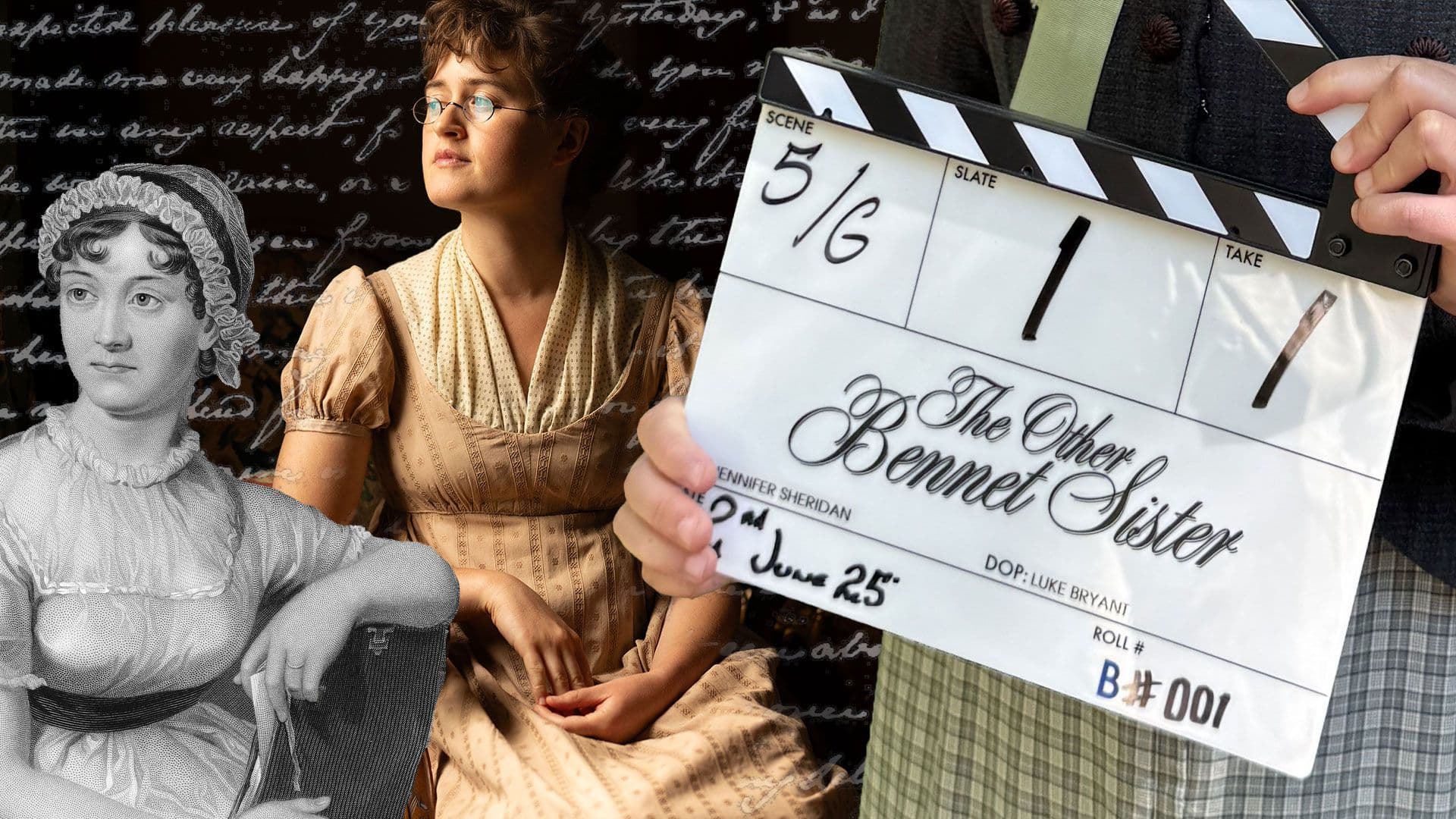
“Mary had neither genius nor taste, and though vanity had given her application, it had given her a likewise pedantic air and conceited manner, which would have injured a higher degree of excellence than she had reached.”
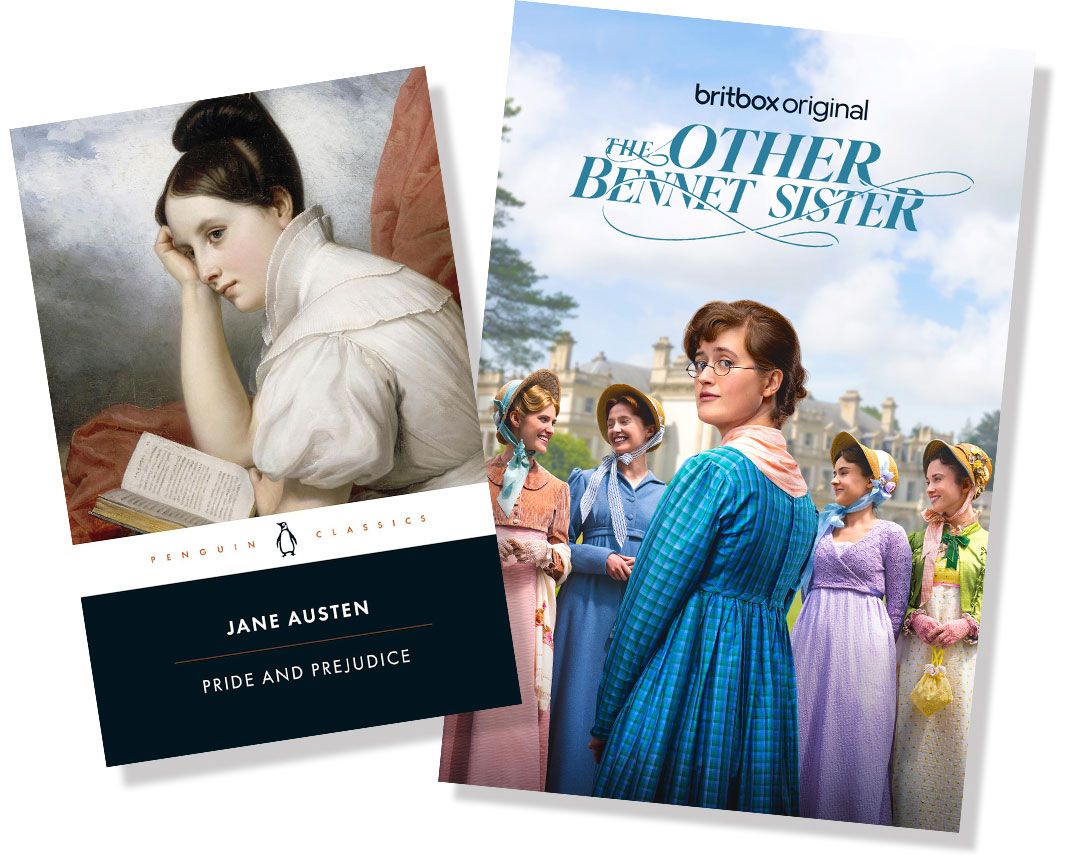
Poor Mary Bennet, “the only plain one in the family” (according to her own author Jane Austen) is largely ignored by her father, scorned by her mother, outshone by her four sisters and is offered only a dozen or so sentences in all 350 pages of Pride and Prejudice. And, in the last chapter, she’s “the only daughter who remained at home,” where, Austen writes, “she was no longer mortified by comparisons between her sisters’ beauty and her own.”
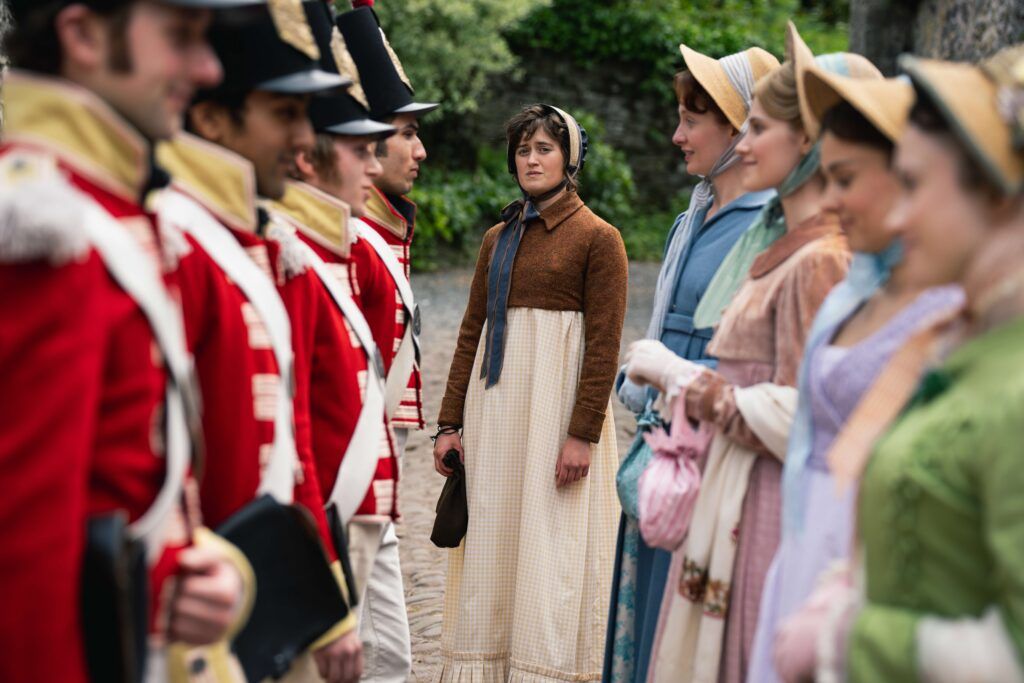
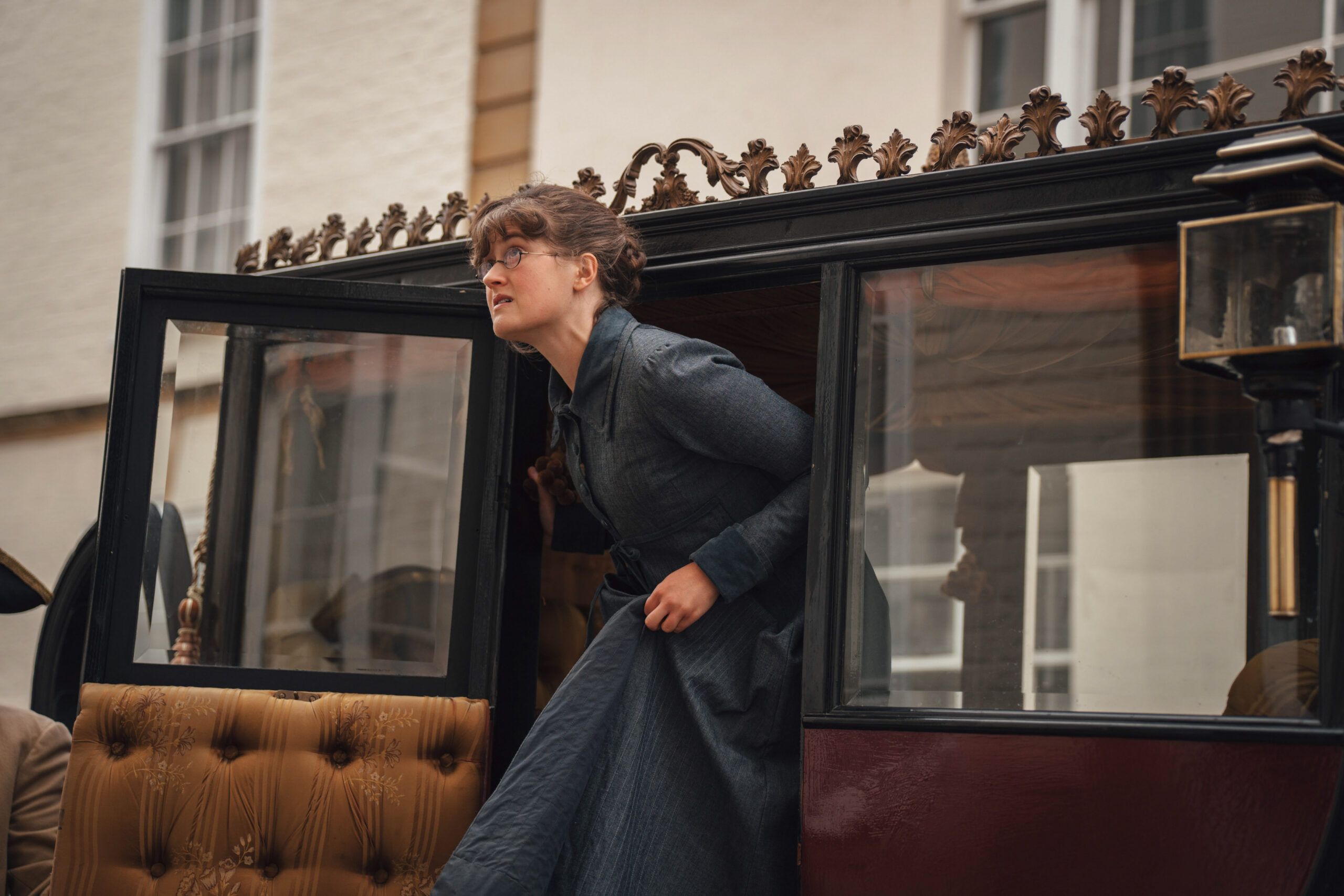
For centuries, no one thought much about Mary Bennet, but that has changed. First came the 2020 bestselling novel The Other Bennet Sister, by Janice Hadlow; now a 10-episode TV adaptation (airing on Britbox) is about to give the swoon-worthy Elizabeth and Darcy storyline some serious competition – offering up a new heroine-suitor- rival-suitor storyline that feels fresh, progressive and, here’s the rub, way more fun. In The Other Bennet Sister, the courtships of Jane and Bingley, Elizabeth and Darcy and Kitty and Wickham are mere backdrops as Mary comes to the forefront, first at home, where she’s misunderstood, mocked (for wearing spectacles, no less) and thwarted by her mother in not one but two possible matches. But dear viewer: make sure you don’t give up on the series before this particular Bennet sister moves to London in episode four – and the Mary-ment truly begins. She finds endless opportunities for conversation with those who prefer parlour games over balls and appreciate Mary’s unmatched gift for wordplay and her insatiable curiosity – not to mention the fact that she is a great dancer and, thanks to 29-year-old U.K. actress Ella Bruccoleri, has the most infectious laugh on TV.
“The series has resonated,” says screenwriter and executive producer Sarah Quintrell. “There’s a bit of Mary in all of us, regardless of how confident you are or who you are. The idea that women are held up to standards in society, that there are certain values and qualities that we’re expected to have, and a box we’re supposed to fit in. I think we all understand that experience. So I think there’s been a real outpouring of love for her.”
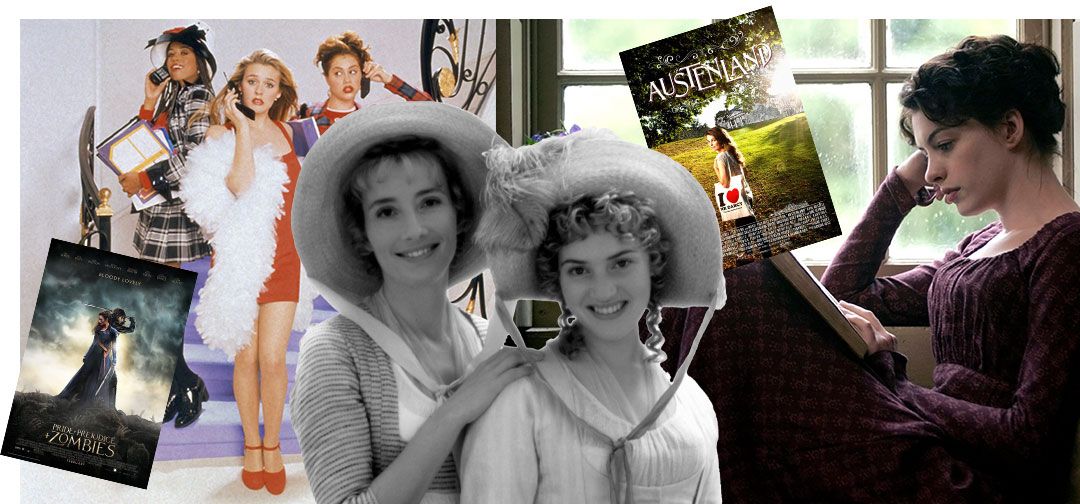
For generations, writers, filmmakers and TV executives have taken any opportunity to use Austen to their advantage with straight-up adaptations of Pride and Prejudice, Sense and Sensability, Emma, Persuasion, Northanger Abbey and Mansfield Park, not to mention the nods to those books and the author in Clueless, Bridget Jones’s Diary, Becoming Jane, Austenland, The Jane Austen Book Club, Bride and Prejudice – and the most outrageous Pride and Prejudice and Zombies. The Other Bennet Sister comes directly on the heels of Miss Austen (about Jane’s devoted older sister, Cassandra) and will be followed this fall by a new Netflix adaptation of Pride and Prejudice (starring The Crown’s Emma Corrin and Slow Horses’ Jack Lowden) and a new feature film of Sense and Sensibility with Daisy Edgar-Jones (Where the Crawdads Sing). While the renewed interest and upcoming takes on Austen are partially due to the celebration of her 250th birthday in 2025, it is a truth universally acknowledged that every decade or so, popular culture gets enamoured with all things Austen all over again.
“Interest in Austen does go through cycles,” The Other Bennet Sister executive producer Jane Tranter tells me at the New York City premiere of the show. “I made Jane Austen adaptations at the BBC in the early ’90s. So to revisit Austen’s world in 2026 is interesting. I think that her enduring power is that she told stories of longing and of love – and I think that sometimes we need those stories of longing and love fulfilled more than at other times.” Later, Tranter marvels to the premiere audience how Mary has travelled from her meagre and miserable presence in Pride and Prejudice to having her own larger-than-life billboard in Times Square: “Mary Bennet, an outsider, becomes the unlikely heroine. She’s someone who doesn’t look or sort of sound the way that we all think a woman should. But as she goes on her journey with kindness – and she is eventually treated with kindness – that is truly a story for our times.”
Of course, there’d be no mesmerizingly new Mary Bennet if it weren’t for the series unique and beguiling star, Bruccoleri, who walked the red carpet that night in a brown gingham and green lace dress from the chic and sustainable London brand Damson Madder, and big chunky black boots, wearing bright red lipstick and carrying a vintage purse. While some will know Bruccoleri as Sister Frances on Call the Midwife (and she had a couple of scenes as a debutante in Bridgerton season three), this is the project that should launch her into leading-lady territory. Not your average ingénue, she sings in a very indie alt-Americana band, Marry Me Emelie!, with her ex-boyfriend, Yoan Segot, and stars in very indie short films made by her current partner, Voy Bach. (Bach also directed the band’s recent video, I Have a Lark.) From what I can tell, Bruccoleri has fallen into a mutually playful platonic triangle with her dashing Bennet co-stars as well: Dónal Finn (who’s currently Moriarty in the Young Sherlock series) and Laurie Davidson (best known from his role opposite Robin Wright in The Girlfriend but who also portrayed a rock ’n’ roll William Shakespeare in the 2017 TNT series Will). In The Other Bennet Sister, the actors play former law school rivals who now vie for Mary’s attention.
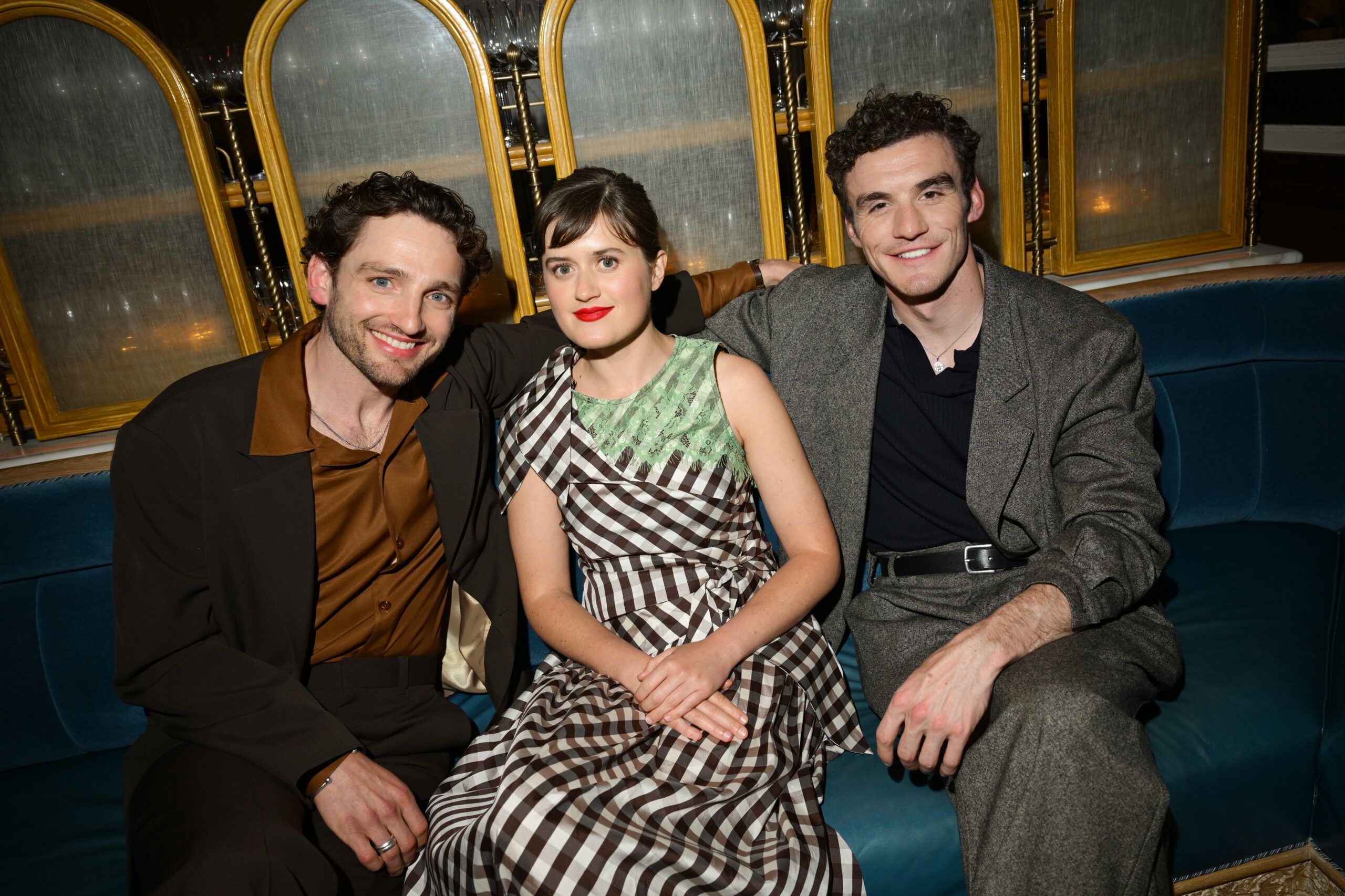
In a studio in New York, the three stars sat across from me, giddy to be reunited but tired from a long day of press. They’ve answered questions, ad nauseam, about their off-the-charts-but-absolutely-chaste chemistry (they say it was there from the beginning during their first Zoom auditions together) and they’ve overly dissected a scene in which both men are soaked while fighting over Mary in a lake – thereby entering themselves in what has become known as the Regency Wet T-shirt Competition. See: Colin Firth as Mr. Darcy taking a pond plunge in 1995, Matthew Macfadyen as Darcy drenched in a rainstorm in 2005, and, most recently, Bridgerton’s Jonathan Bailey falling off a dock and into the water with his ruffled white shirt on. “It’s going to be so significant to an Austen audience,” says Davidson of their meme-able lake frolic. “But, you know, these characters don’t know that they’re in an iconic moment, so we just have to treat it like any other scene. But yes, obviously, we’re aware.”
We do touch on at least one subject that catches Davidson unawares – as Finn shares an anecdote about his co-star back in college. “Laurie and I were in drama school at the same time,” he says. “Laurie was in third year when I was in first year. And we watched the third-year shows, and I saw Laurie play Constantine [the Great]. So it was this amazing thing of being like, ‘That guy’s brilliant, I hope we get to know him.’ And then he was gone. He just disappeared because he had to go play William Shakespeare on TV.”
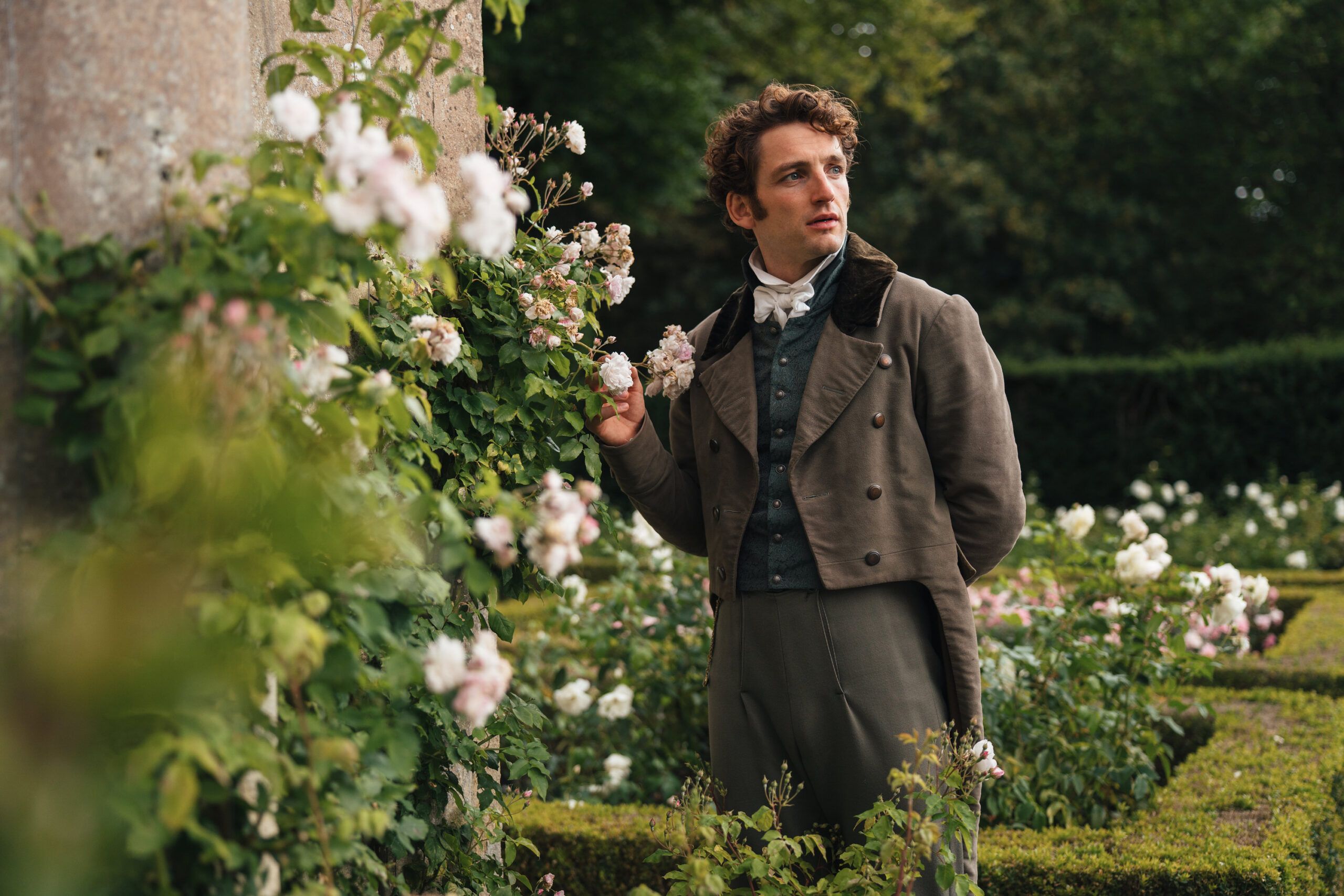
Bruccoleri interrupts, “Isn’t it funny that you guys were at law school together in the show and you were in drama school together in real life?”
“Yes,” replies Finn, “I drew on it as a character.”
“You drew on it?” asks Davidson, looking confused. After all, Finn’s stalwart character, Mr. Hayward, is often jealous and annoyed with Davidson’s more impetuous Mr. Ryder.
“I drew on it,” says Finn again with a mischievous smile.
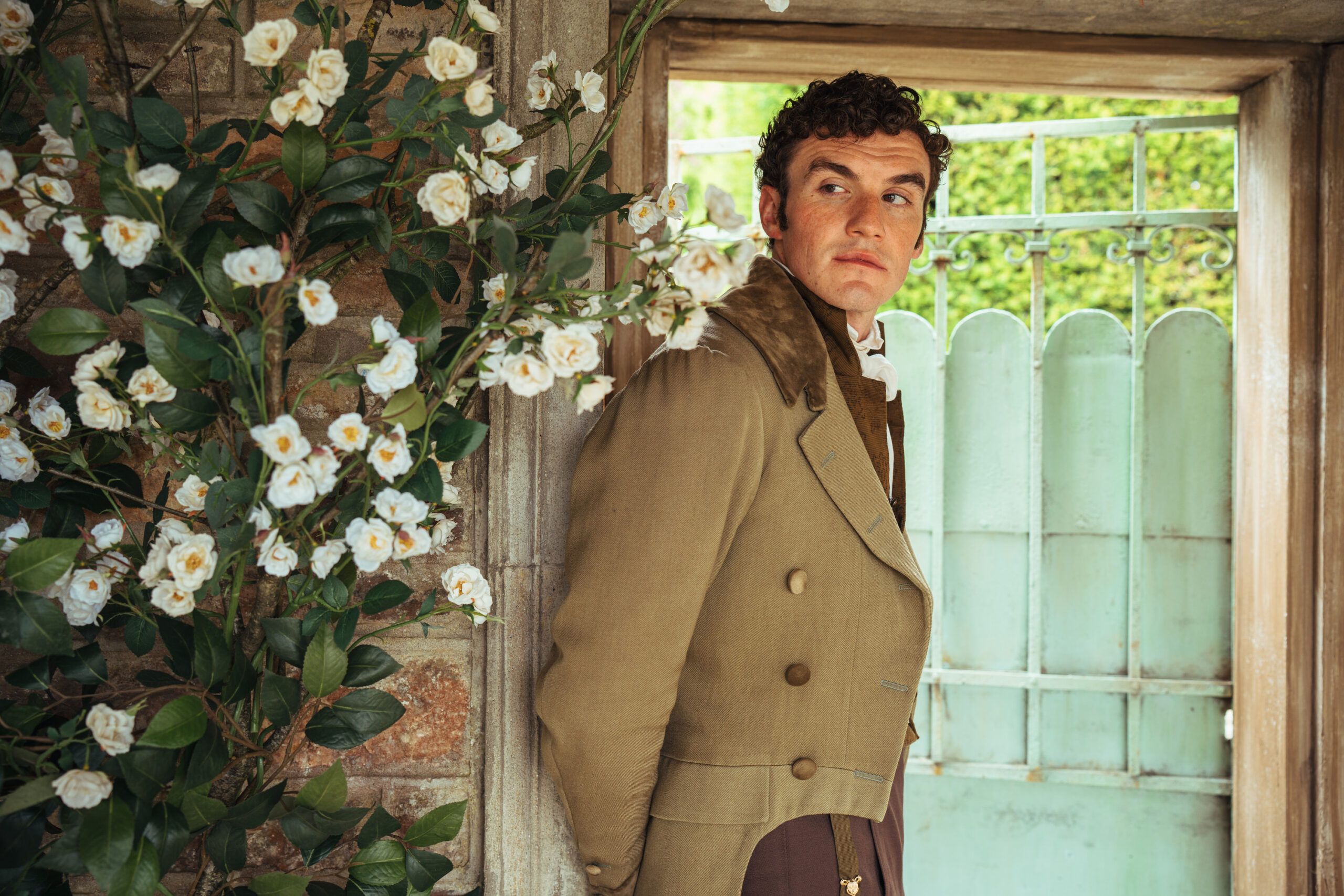
These three would absolutely return to their Austen-adjacent characters, but there has been no word yet on a second season – nor is there even a book sequel to adapt. That said, Quintrell is well-placed to take the world further, if asked. To write this first series, she balanced the original Pride and Prejudice text, The Other Bennet Sister novel, and all those previous P&P film and TV adaptations – while coming up with something fresh. “I’m a fan of it all,” she tells me. “So that love that I have for it really helps. I was feeding myself with all of it, reading Janice’s book over and over again, so I would know it as well as I know Pride and Prejudice and so on. And then, I put it all down – and tried to write it like an original, a really entertaining television show. We wanted something that was fun but had proper, real depth to it – to explore those themes of female vulnerability and the transformative power of kindness on a young life and how we’re not great at treating young women with respect.”
Looking back on her own literary life, Quintrell says she’s long turned to a Canadian writer when working with these types of themes. “I read Cat’s Eye when I was 14,” she says of Margaret Atwood’s 1988 novel. “There’s the bullying relationship in the book and I had experienced something similar at primary school without really understanding what was happening – and there it was on the page. This Canadian writer was healing me. She’s the most extraordinary writer, probably the greatest living writer. I go to her work all the time, it’s the work I try to put in front of young people. When it comes to that complex female experience, Atwood never shies away from it – from the grit.”
That might not be the first word we think of when it comes to Austen, but it applies to the new and improved Mary Bennet – a Regency heroine who rejects pride and prejudice for perseverance and a life without pretension.