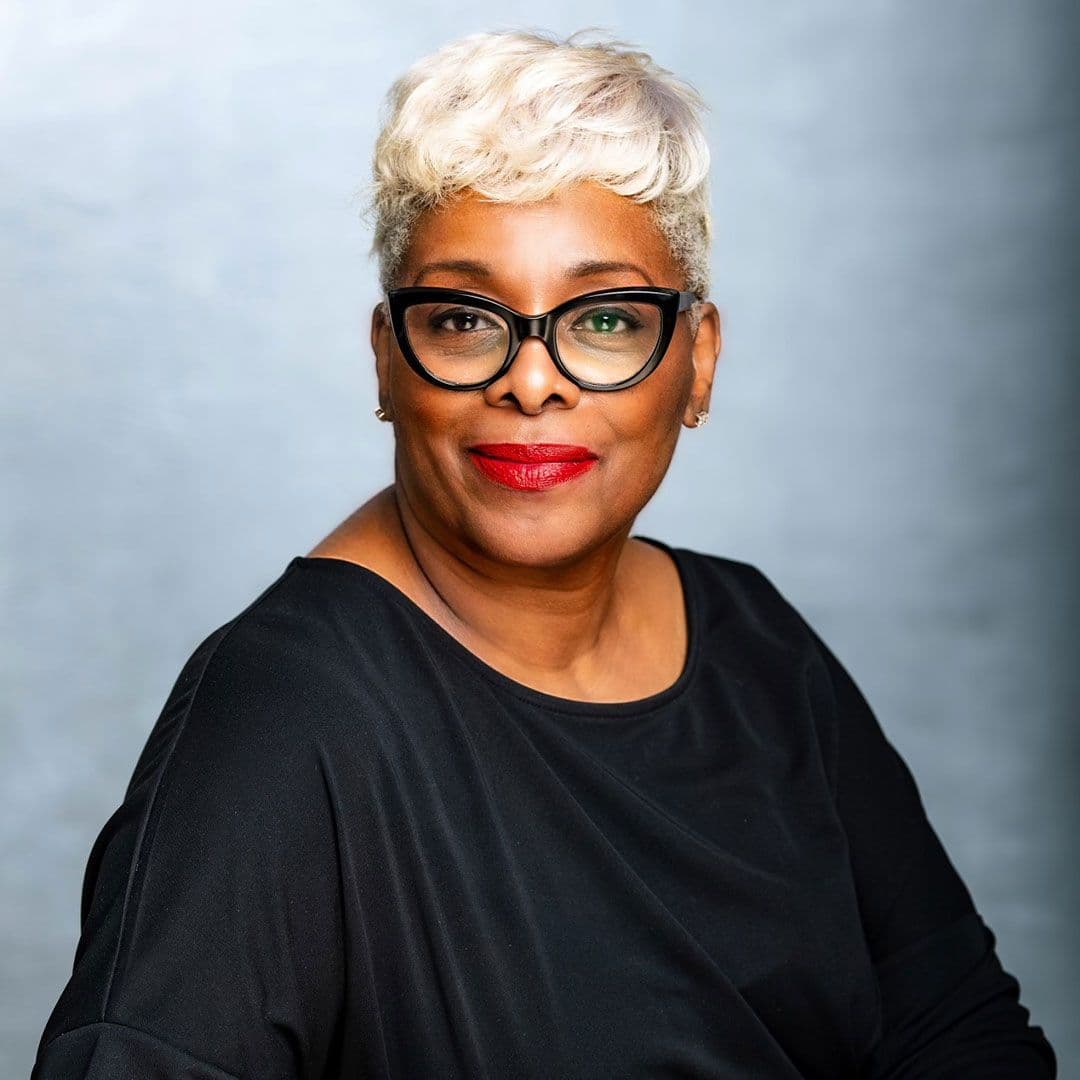
“I will fight anybody who says Die Hard is not a Christmas movie,” declares maxine bailey (who styles her name in lowercase), as she explains that she recently watched her annual go-to holiday films in June because of she had been travelling in December: “I watch Die Hard, Die Hard 2, The Godfather, The Godfather Part II and The French Connection,” she says. “Don’t judge me. They’re all pretty violent, but they make me very happy.” Bailey is the executive director of the Canadian Film Centre (CFC), which is the school the late Toronto-born filmmaker Norman Jewison opened in 1988 to ensure that this country’s burgeoning auteurs have a fair shake in the industry and are empowered to keep telling stories. Now, bailey is carrying on that vision and, not surprisingly, she makes a habit of rewatching a Jewison movie or two every year as well. “I gotta see Cher say, ‘Snap out of it,’ every 18 months or so,” she says about Moonstruck (1987). “And I watched A Soldier’s Story [1984] the other day. Then I thought, ‘Why did I do this to myself?’ It’s so sad.”
Last month, bailey, who started at the CFC in 2021 and before that was a vice president at the Toronto International Film Festival (TIFF), received the Changemaker Award from the Academy of Canadian Cinema & Television at the Canadian Screen Awards – recognizing bailey’s work “in advancing equity and inclusion by confronting racism and discrimination, amplifying underrepresented perspectives, and working toward systemic change within the industry.” After all, her initiative at TIFF, called Share Her Journey, championed women both in front and behind the camera and helped advance gender parity in the directors showcased at the festival. At the CFC, she has introduced bursary funding to make the six-month program more accessible, started an on-camera makeup line for global skin tones and launched a cinematography intensive program with the goal of developing more women directors of photography. “We want to make sure that the storytellers we are training reflect the mosaic that is Canada,” she says.
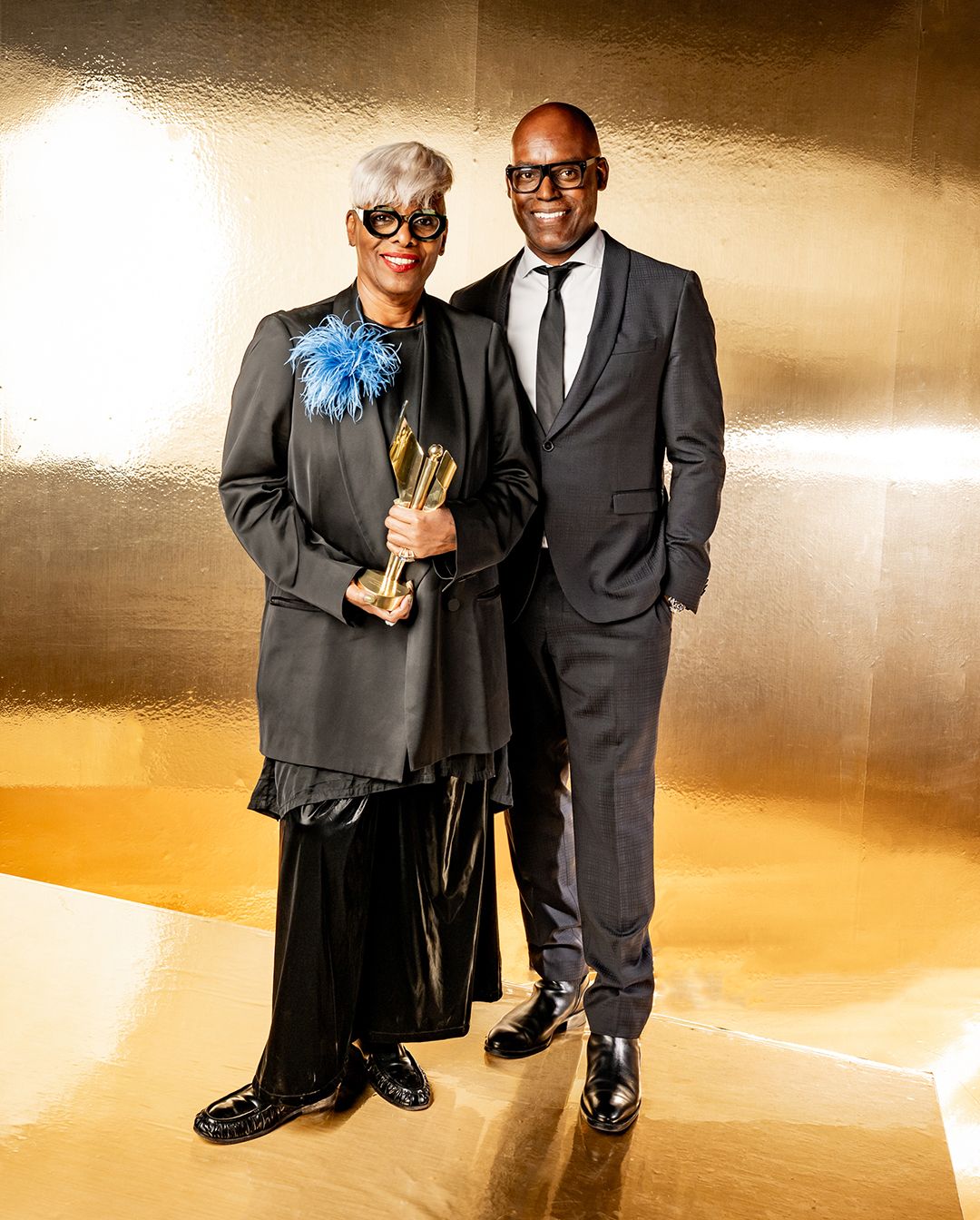
With this CSA award – presented by her brother Cameron Bailey, the CEO of TIFF – maxine knows that she’s in a very unique position. “There is this great journey between the beginning of the pipeline, training creatives at the CFC, and the fact that for most of them, their desire is to get into TIFF – and then to get nominated and receive awards at the CSAs. I like to think that we’re helping people at each stop along that path.”
In keeping with her cultural tastemaker cred, bailey is a fashionista. With striking blond hair, cool, “verging on old lady-ish” glasses – she owns 10 different pairs – and a propensity to wear feathery pins or even five brooches at the same time, she says, “Vintage makes me happy.” Born in the U.K., she and Cameron spent their early childhood living with their grandparents in Barbados before settling in Canada with their parents. “My father was quite active and political – he believed you should take the world by storm, just do things.” Her mother, an ER nurse and a midwife, “was the strength part, practical,” says bailey, “much more of a grown-up.” It was an inspired combination. “I grew up believing you can do anything. And I realized change doesn’t always have to be massive,” she says. “If I have a secret sauce, that’s it. What small things can I do that will have a lasting impact? And so that’s kind of how I operate.”
We asked bailey: When she’s not shaking things up – or watching films that may or may not be Christmas movies – what feeds her soul? Here is her culture diet.
What are you currently reading?
I’m reading The Names [by Florence Knapp] which asks: What happens if you had been given a different name? What does that life look like? What happens if you’re named Julian or Gordon or Bear? So you get these three different versions of the story, which correspond to the character as he lives with the different names. It’s not an easy book to read but, my God, it really talks about ‘Do you live up to your name?’ It’s kind of fascinating. I would never have thought of that construct. And I just finished The Correspondent [by Virginia Evans]. I follow a lot of the BookTok people and everybody kept talking about it. I didn’t think I was the demographic. [The novel’s about a 72-year-old retired lawyer.] But it is the sweetest story about the different people she writes letters to. You find out so much about her relationship with her brother and her relationship with her daughter, who lives in another country. She befriends this younger, kind-of-awkward child and they become pen pals. And I remembered I had pen pals when I was growing up, and I don’t think people do that anymore. Some of her letters took her a few days to write. And I think there’s this immediacy that we all have now with email and texting and this book just slowed everything down. It was actually lovely. And so you want to savour this book.
What are you streaming/watching on TV?
What am I not watching? Okay, I just finished [Netflix’s true crime miniseries] The Witness and [the horror-comedy] Widow’s Bay, which everybody’s talking about. I rewatched Slow Horses – I read those books years ago. Of course, The Pitt. And there are a lot of British shows that I like: [pathology crime series] Silent Witness, which has a new season. And then there’s this Scottish show, Karen Pirie. There’s a great series set in Sweden, The Restaurant. That got me through COVID. You know what I also watched through COVID, which I’m really mad at myself about because I’ll never get those hours back? Lost. I called up all of my friends who were big fans of Lost at the time – and they would rush home because it was appointment viewing – and I was like, “I’ll never get this time back.” The Restaurant is way better, it follows a Swedish family from 1945 to the ’80s who own this restaurant in the middle of Stockholm – you just drop into this bizarre little family business and how they run it. And it’s just a beautiful piece of television.
What films do you recommend?
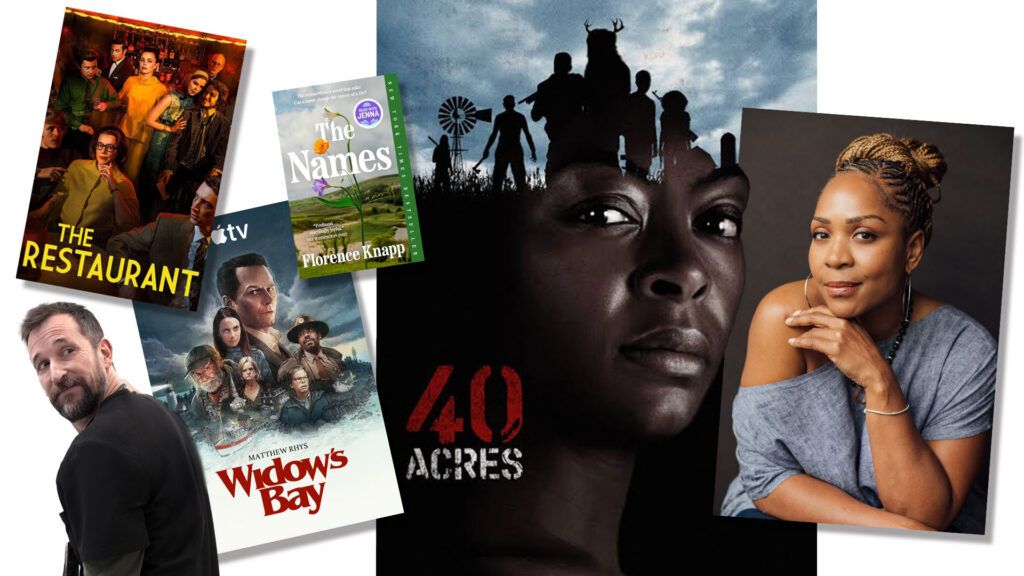
I would say 40 Acres [about a Black family of Canadian farmers descended from American Civil War migrants]. I just watched it a second time. It’s quite moving by Canadian director R.T. Thorne. Everybody should see it!
What podcasts and music do you listen to?
I listen to Monocle Radio, which has some podcasts. I also listen to CBC’s Mattea Roach because she talks about books. She’s the Canadian Jeopardy champ. And I listen to The Cutting Room Floor, which is about fashion. I’m just fascinated by the host [designer] Recho Omondi. At night, I’ll listen to Terry O’Reilly [Canadian broadcaster and Under the Influence podcast host]. I like his voice. After I finish reading, I don’t want anything jarring or people laughing or cackling.
I listen to a lot of music, although not as current as I should be. I listen to a lot of acid jazz, real old jazz, as well as stuff like D’Angelo and Jill Scott. I have been going out to a few concerts recently. I saw Divine Brown do an amazing multimedia performance, with film elements, visuals, music, storytelling, and it was all about [late soul singer] Minnie Riperton. It was called Lovin’ You. And it was absolutely gorgeous.