“I took over my mother’s laundry room, and put up a red bulb.” So shares “Lou D,” one of Toronto’s original shutterbugs, as he reflects on his path to photography, and about a new pop-up exhibition he’s mounting called “Top Touring Concerts from 1980s Ontario.”
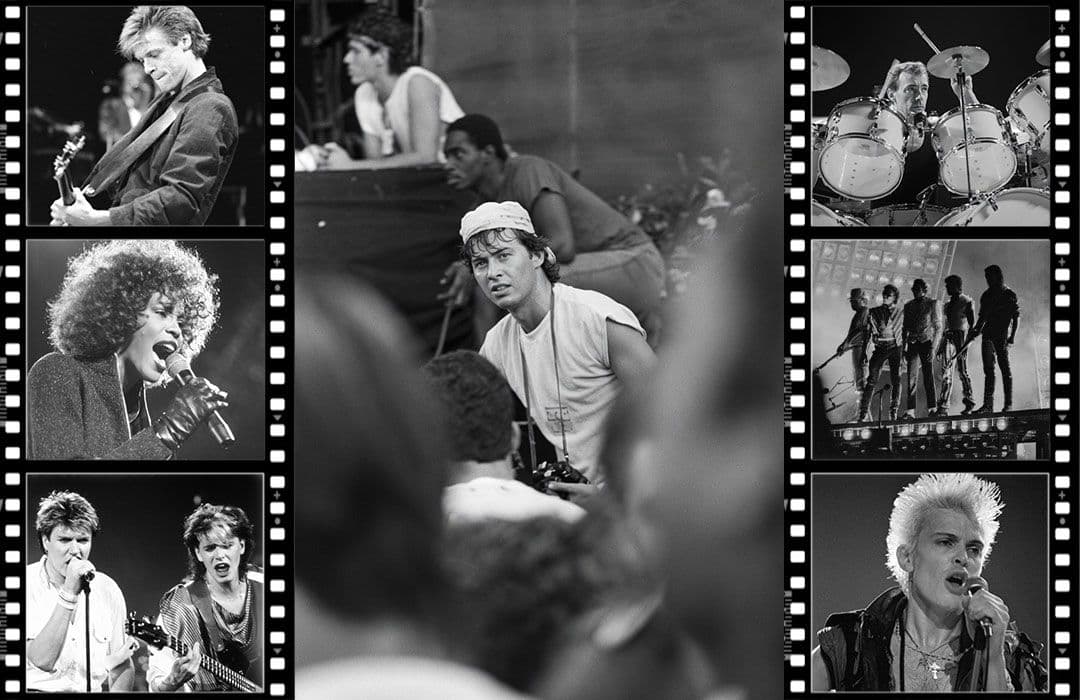
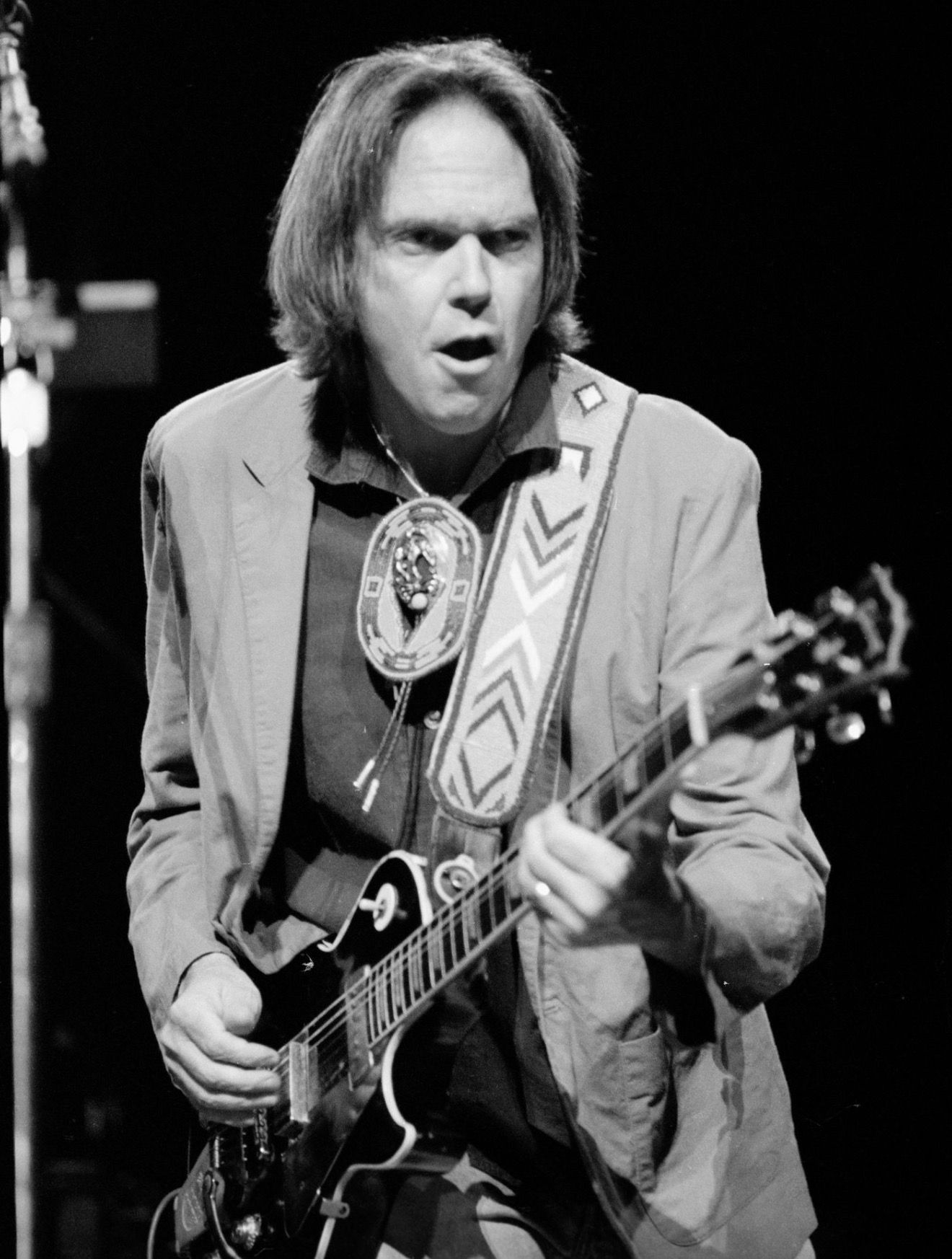
Showing now at Toronto’s historic Thornton Smith-Building at 340 Yonge, the exhibition is exactly what it promises to be: a curated collection documenting the biggest rock and pop stars that came through these parts (think Massey Hall, Maple Leaf Gardens, The Ex, etc.), emanating from 35mm master files that were carefully stored in Kodak vaults for over 40 years. From Paul McCartney to Whitney Houston and The Police to The Clash, Neil Young, Prince and Duran Duran, it’s at once an archive of a vanished era in the city and an evocation of a time before camera phones and le tout social media. When photos were king – and rare.
“I put it all in vaults and said I will look at it in 20 or 30 years,” Lou D explains today. “It’s bizarre because, back then, it was like – would these artists still be with us? I thought a lot of them would still be relevant, in some way, but I didn’t realize some of them would still be touring: U2, The Stones, Madonna …”
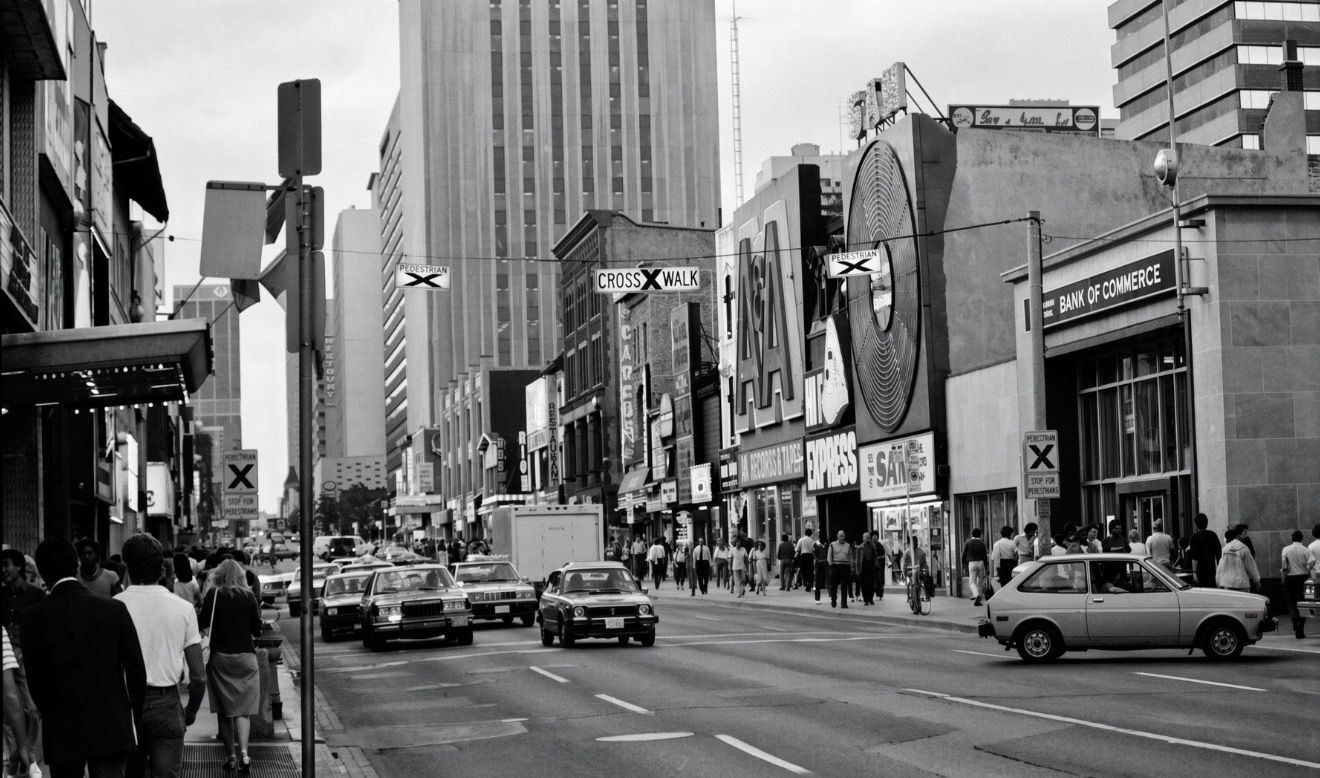
The showcase – which he hopes will lead to prospective legacy donors seeking to acquire the complete body of work, perhaps with the intention of donating it to a cultural institution – is also an opportunity to look back. In the ’90s, Lou D became known as a “celebrity photographer” who was on speed-dial with every tabloid, including Tina Brown’s magazine, Talk – capturing every star you could name, including Brad and Denzel and Sly, often when they were tumbling out of classic haunts like Toronto’s Bistro 990. He even immortalized the gig, and the search for the perfect candid shot, in his 2002 docuseries Papparazzi. But before all that, Lou D was just a kid, building a “little business” snapping photos at concerts.
Music, especially live music, was his first love, though it did all end up converging. His first big star-on-the-street grab? The one-and-only Cher when she was in T.O. filming Moonstruck. “I found her in a salami shop.”
Lou D also kinda takes credit for … well … Paris Hilton! Or at least for the fact that Paris started to take pics on her phone. It was the aughts, and he first encountered her in the trendy Yorkville neighbourhood where she was shopping at Betsey Johnson. “She had just come out of jail,” he says. Striking up a relationship with her and her people, he was soon recruited to help rebrand her, even travelling with her. But she was still using a camera to take photos of herself. “You gotta use the phone,” he told her. The rest: history. “She calls herself the Queen of Selfies now.” Ironically, it was “selfies” and people taking photos and reels of everything, all the time – making themselves the stars of their own movies – that would end up eating his own profession.
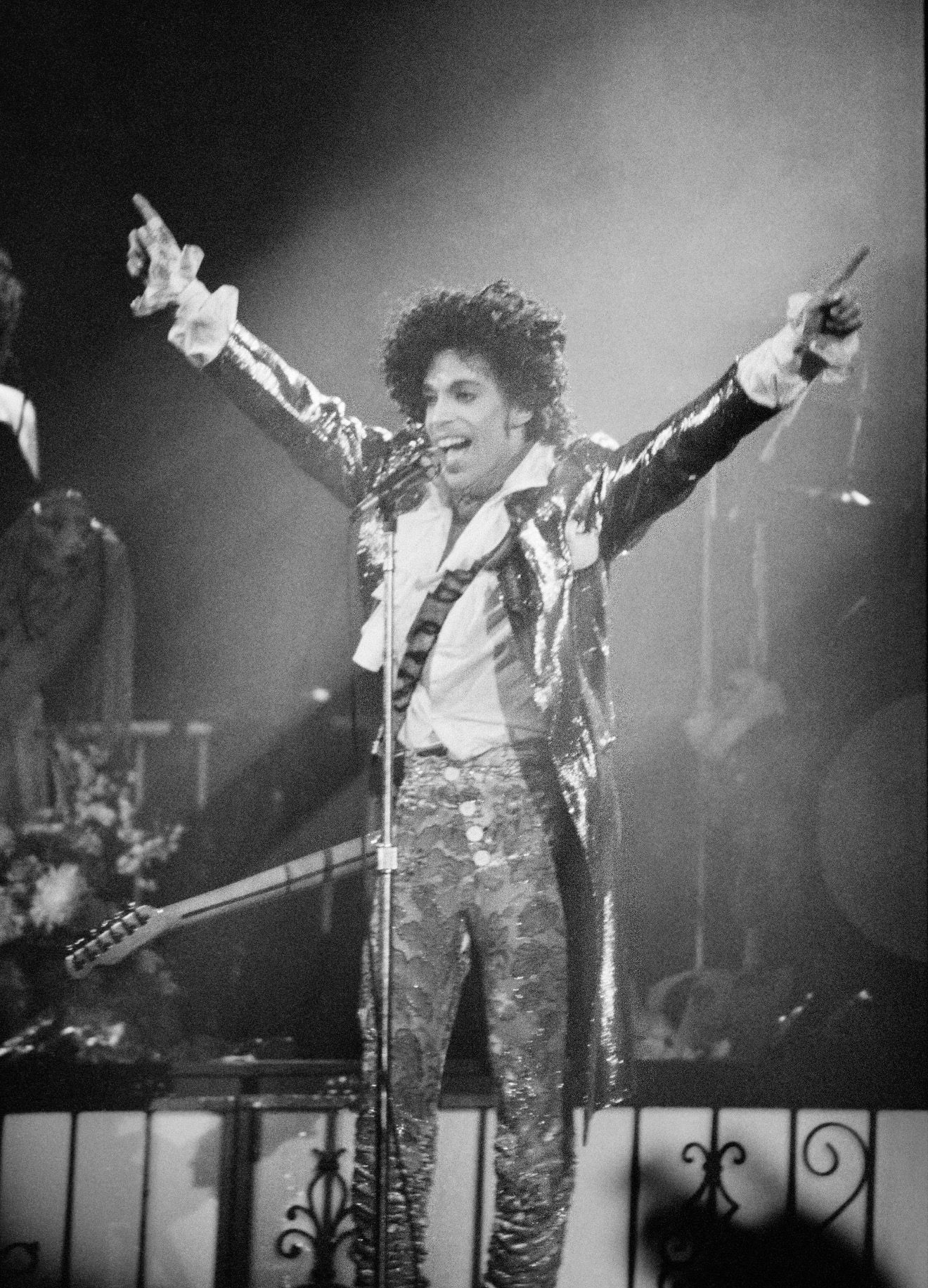
Ah, but the ’80s. “It was more interesting than any other era,” he asserts. And this new exhibition, an elegy to the decade – via the likes of Tina Turner, Eric Clapton and The Who. And encompassing both the Purple Rain and Born in the USA tours. Recently, Zoomer caught up with Lou D to look back at those days.
You started taking these photos as a fan, right?
I was a fan who was told: “You know, you should take pictures of these shows.” Then I realized you could make money from them, and that it would maybe pay for the next show. It was a little business, y’know? I could sell to the paper, to those rock ’n’ roll magazines. I’m not a photographer; I’m a guy who had a camera. I still am. It helped that I had trust and access, which I built.
What was your basic process?
I looked like I knew what I was doing! And I got lucky half the time. Technically, I had one setting in my head. Get a roll of 400 film, set it to 2.8, and pray for the best. After that, you just wait for that moment. I was using an Olympus camera, which was very light and used for medical photography at the time. It was the kind of light camera you could hold for two hours. Because I can tell you – everything seizes up [pointing to his hands].
Any other physical fall-out?
I used to have this buzzing in my ears – for days. I had no idea what it was. I didn’t know! I was doing two or three shows a week back then. No long-term damage, fortunately.
Your images of Ozzy Osborne – they mean a lot to you?
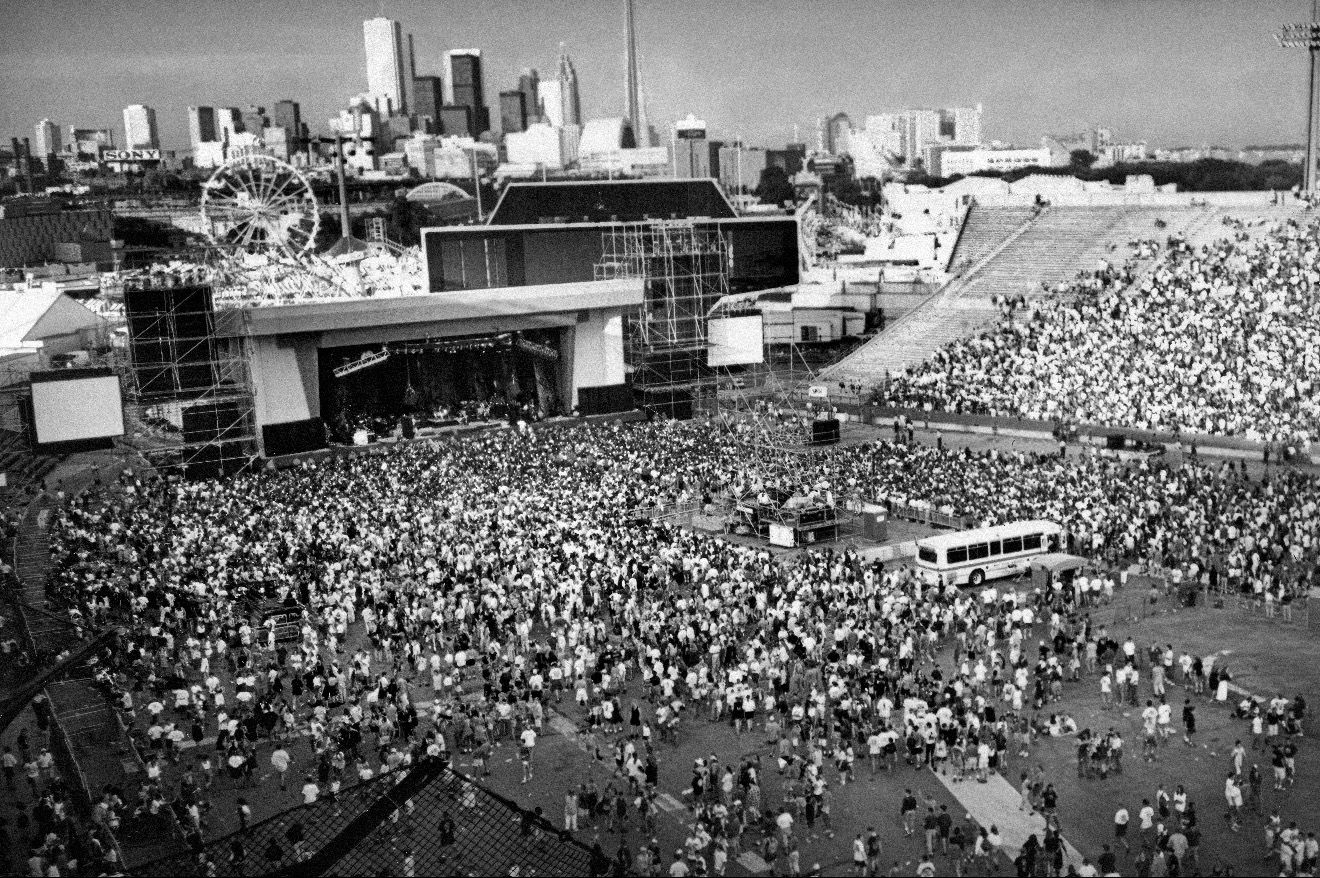
Diary of a Mad Men was one of my first albums. I was 13. Saw him at the Exhibition! I was right in front. He also did an appearance at Sam the Record Man on Yonge – and I got pictures of him then. The record store used to be across the street from where my show is now, in the Thornton-Smith Building. When I look outside the window, I see my young self there. Back then, I met a guy at a paraphernalia shop – ironically, his name was Ozzy, too – and we got to talking; he was a rock n’ roll fan and he said, “I’ll buy your pics!” $5 for each pic in a roll of 36. I felt rich. Because of both Ozzys! It got me going.
And then?
The Toronto Sun was the first newspaper to actually run an image: Tears for Fears. They set me up on assignment to go shoot them in London, Ont. I told them: I’ll shoot every show! They might use them, they might not. But it got me in. I did all the cool acts, then. I did a lot of work with U2 – went to Vegas with them, mid-80s. I was also Robert Palmer’s photographer for a while – during the Addicted to Love era.
Did you have a favourite to photograph?
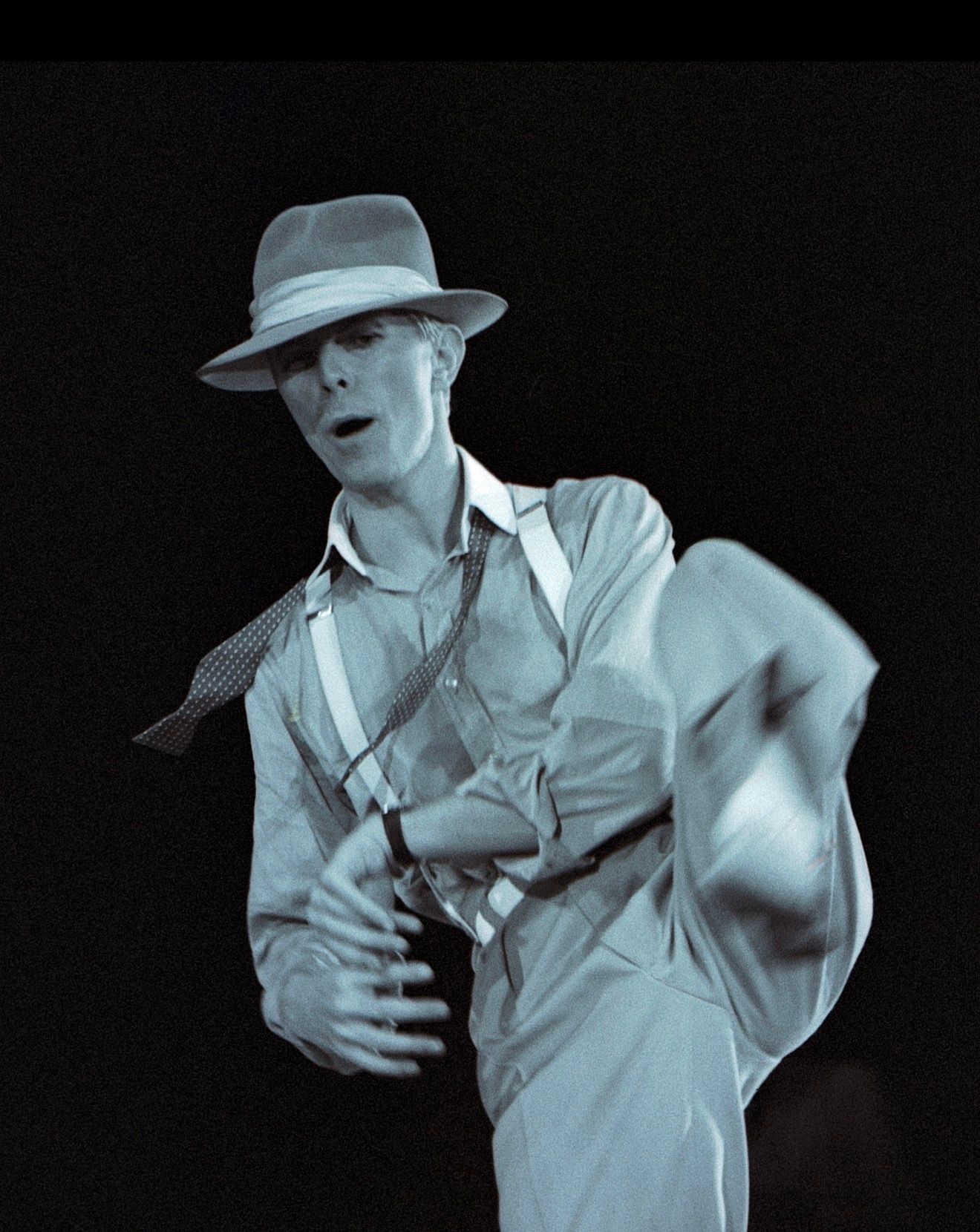
Bowie. Prince. For Bowie, I got this fun shot because I saw him doing these spinning kicks on stage –– he was a martial artist – but I missed it the first night he was on. I went back the second night and got it: the whole sequence!
And a favourite location?
Probably a tie between Massey Hall and Maple Leaf Gardens. Because at those venues you were not in “The Pit” looking up; you were eye-level. Billy Idol at Massey Hall, for instance. I was pretty much bang-on. I liked positioning myself three or four rows back.
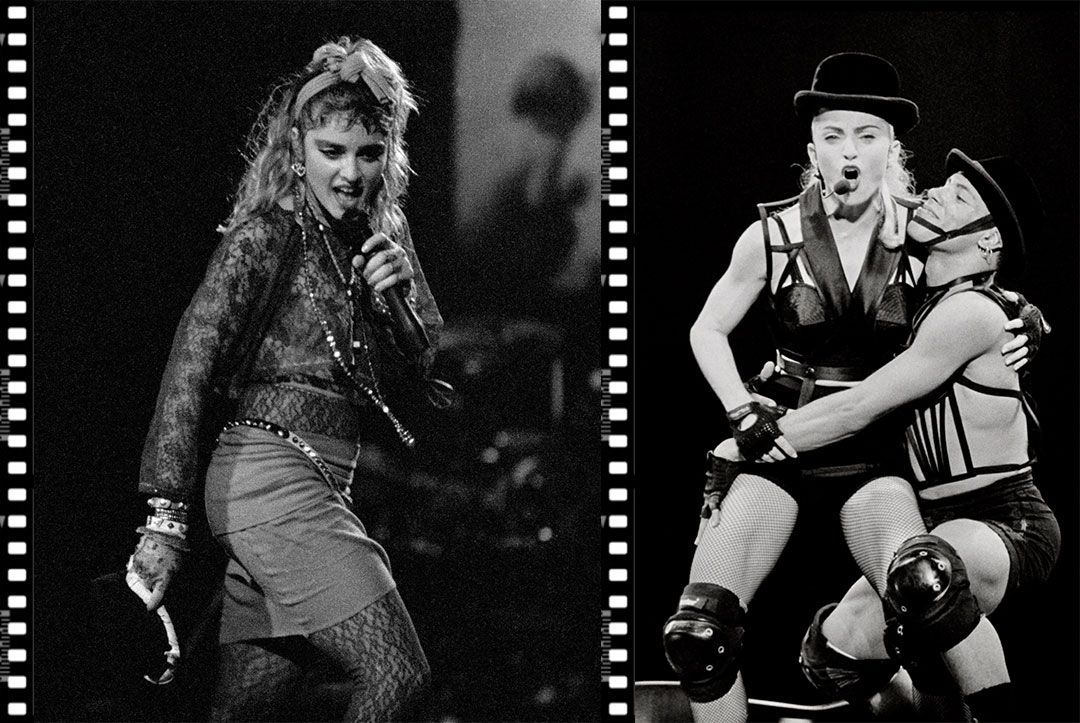
You shot Madonna a lot, right?
Probably more than anyone has photographed her over a 20-year period. I was cool with her people. I was at her baptism for [her daughter] Lourdes. I always got the calls. With Madonna, back then, every three or six months something different happened in her life. It was like covering a soap opera.
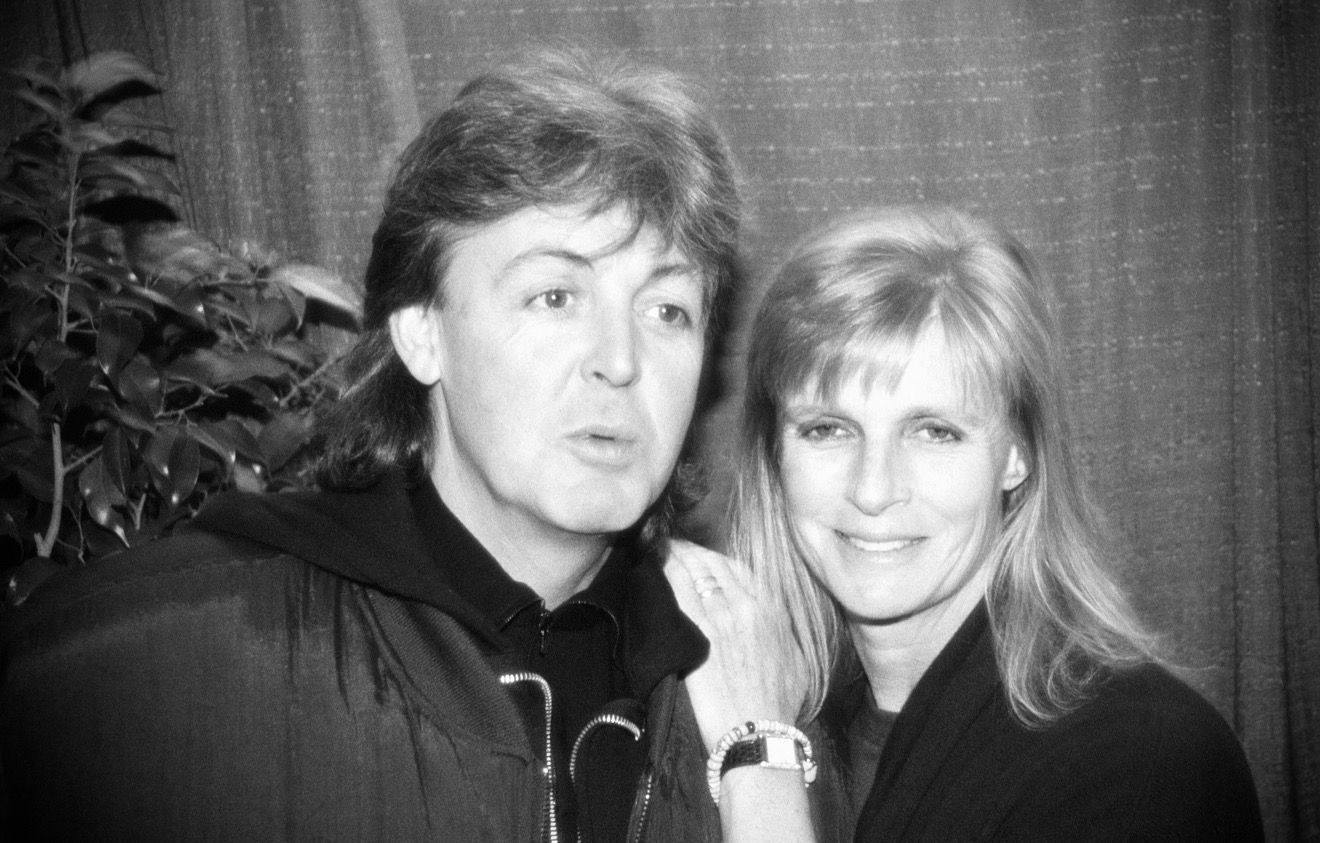
I love your shots of Paul McCartney and Linda.
That was backstage at SkyDome. They were all over each other. Totally in love. I didn’t realize until later that Linda is from the Eastman Kodak family. She knew photography herself!
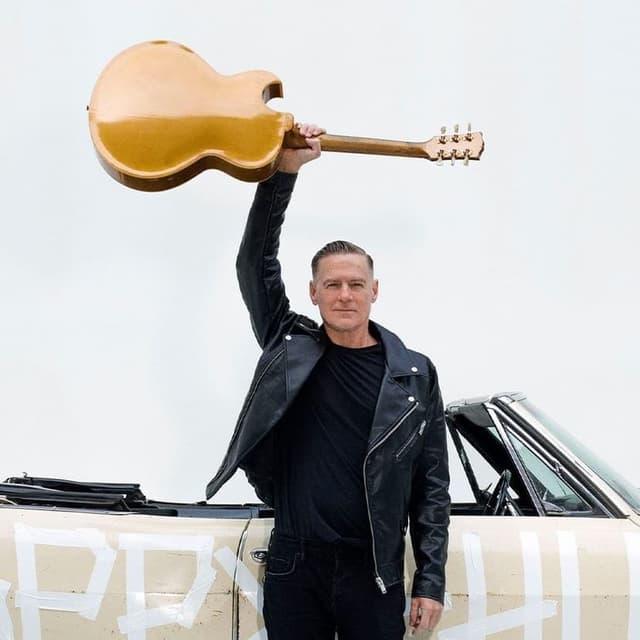
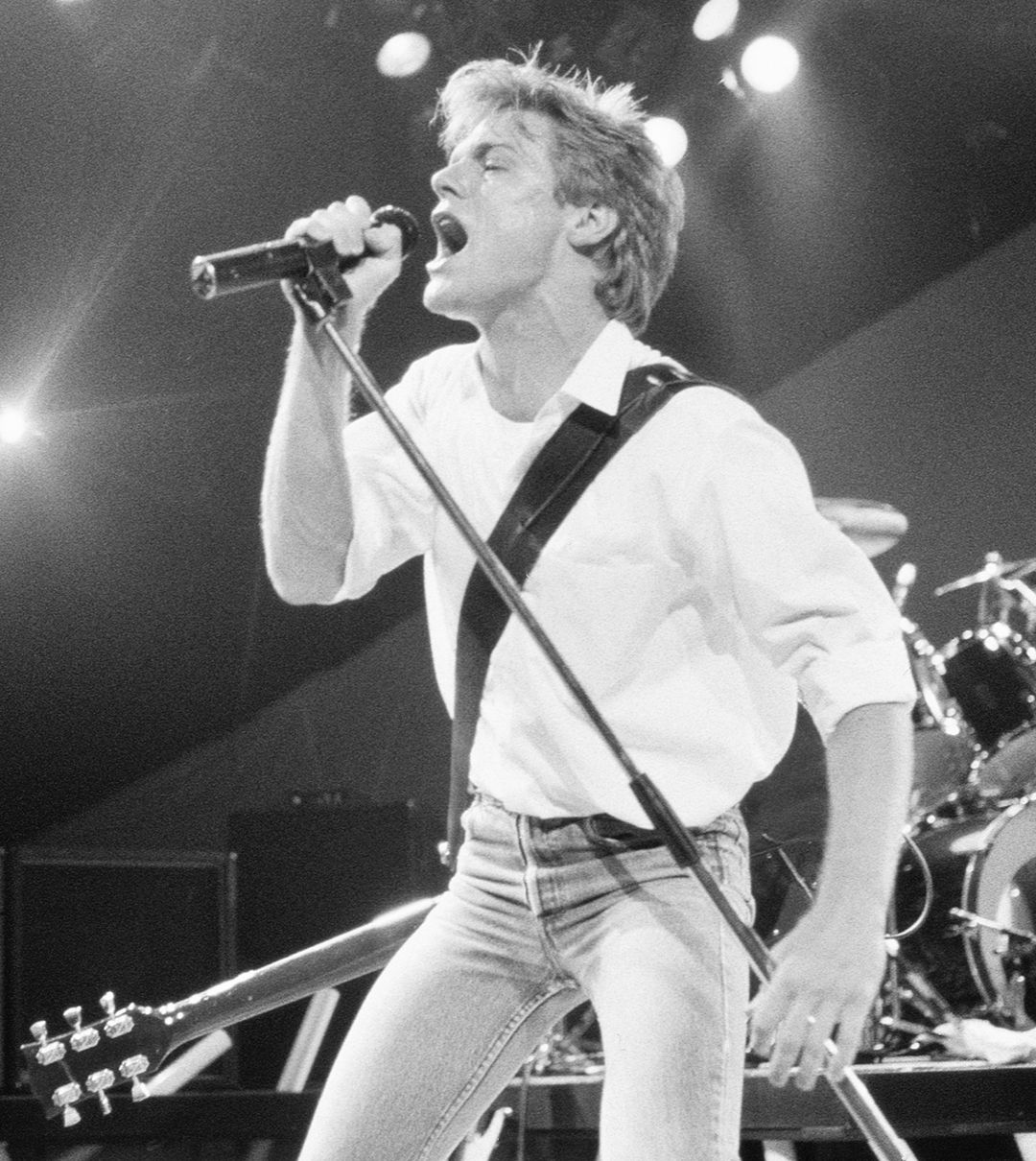
Tell me about shooting Bryan Adams who has, of course, become an esteemed photographer himself these days.
Bryan was always one of my faves to photograph as I was a big fan of his music and covered many shows. It was fun to catch him on his rise.
What was the craziest energy you remember at a concert?
A tie between Queen and Ozzy.
Black and white or colour?
I always preferred black and white because it is easier for me to control. I was paranoid about the colour, because I thought someone would steal it from the lab. So I would, like, literally stand outside Japan Camera.
Do you think something is lost with how accessible and ubiquitous concert photography is now?
Yeah. People say to me: “You still takin’ photos?” I say: “I kinda gave it up once everyone else started doing it.” But I still think I can pull the best image from a show – I went recently to the BTS concert in Toronto and did it. I’m still trying to keep up with things. Back then, you weren’t allowed to take photos of most people! There was no recording, usually. Now, I look out during concerts and all I see are camera phones.
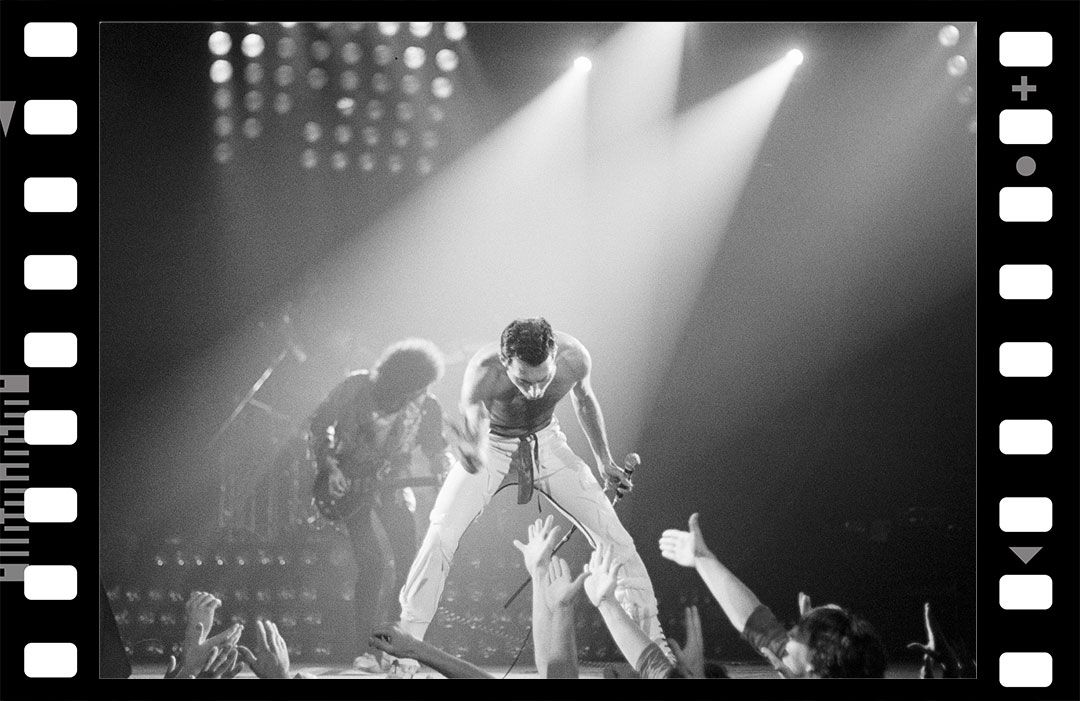
Queen, 1982.Top Touring Concerts from 1980s Ontario is on now to view by appointment. Contact: archives@CentralImageAgency.com