

There are moments when culture suddenly matters, more than money or politics. Now that our mild-mannered prime minister dropped his gloves at centre ice of the global order and declared economic war on an unhinged White House, we seem to have arrived at one of those moments. We tend to take our culture, like our health care, for granted. Until it’s threatened. And by fortuitous timing, Canadian cinema – so often afflicted by agoraphobia as it tries to get out of the art house – has produced a spate of movies celebrating the kind of hometown action heroes who get honoured in hockey arenas. They have no weapons or superpowers. They do their own stunts, unenhanced by special effects. And each of them defies insane odds by performing legendary feats of strength, endurance, virtuosity or sheer nerve.
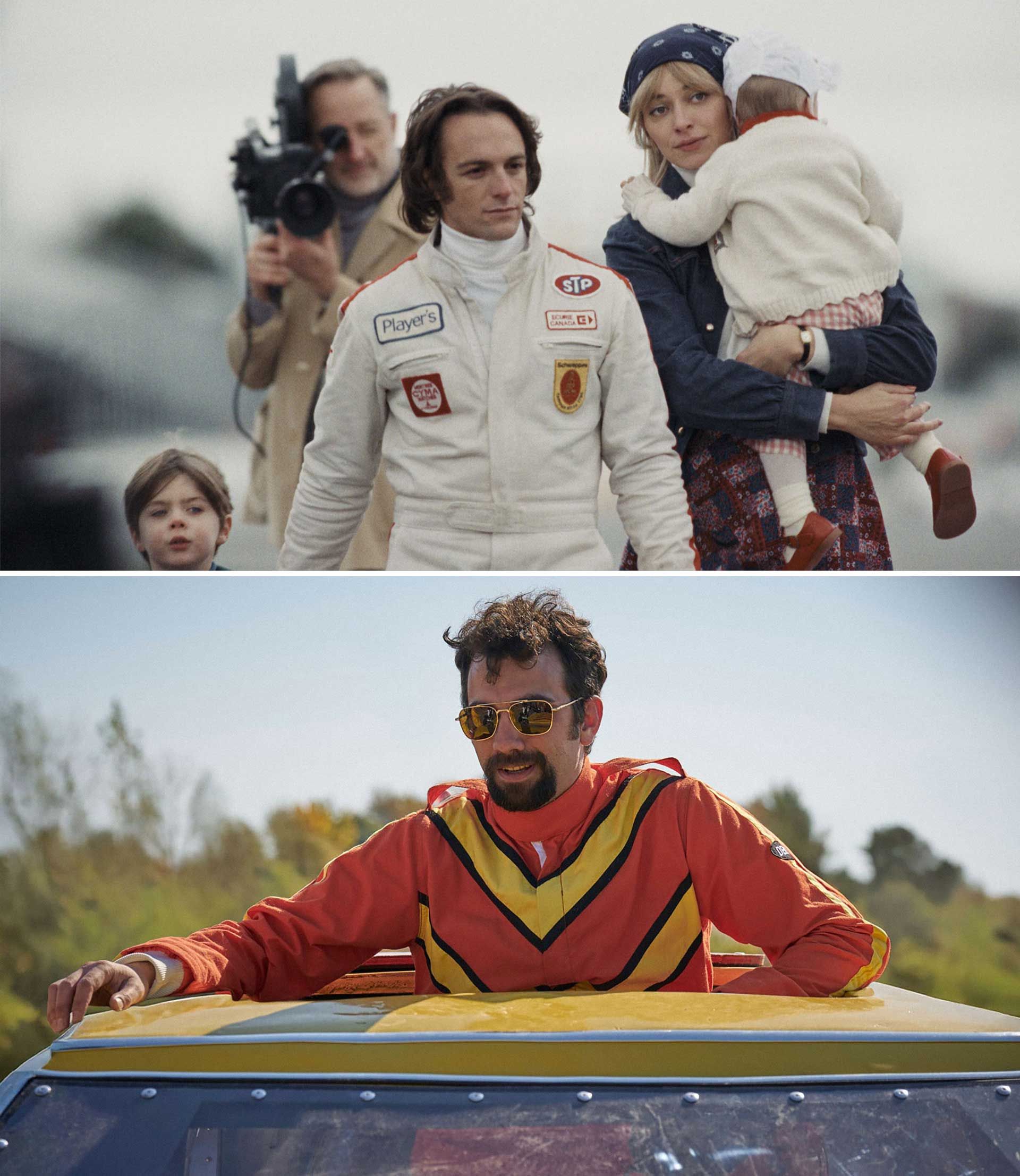
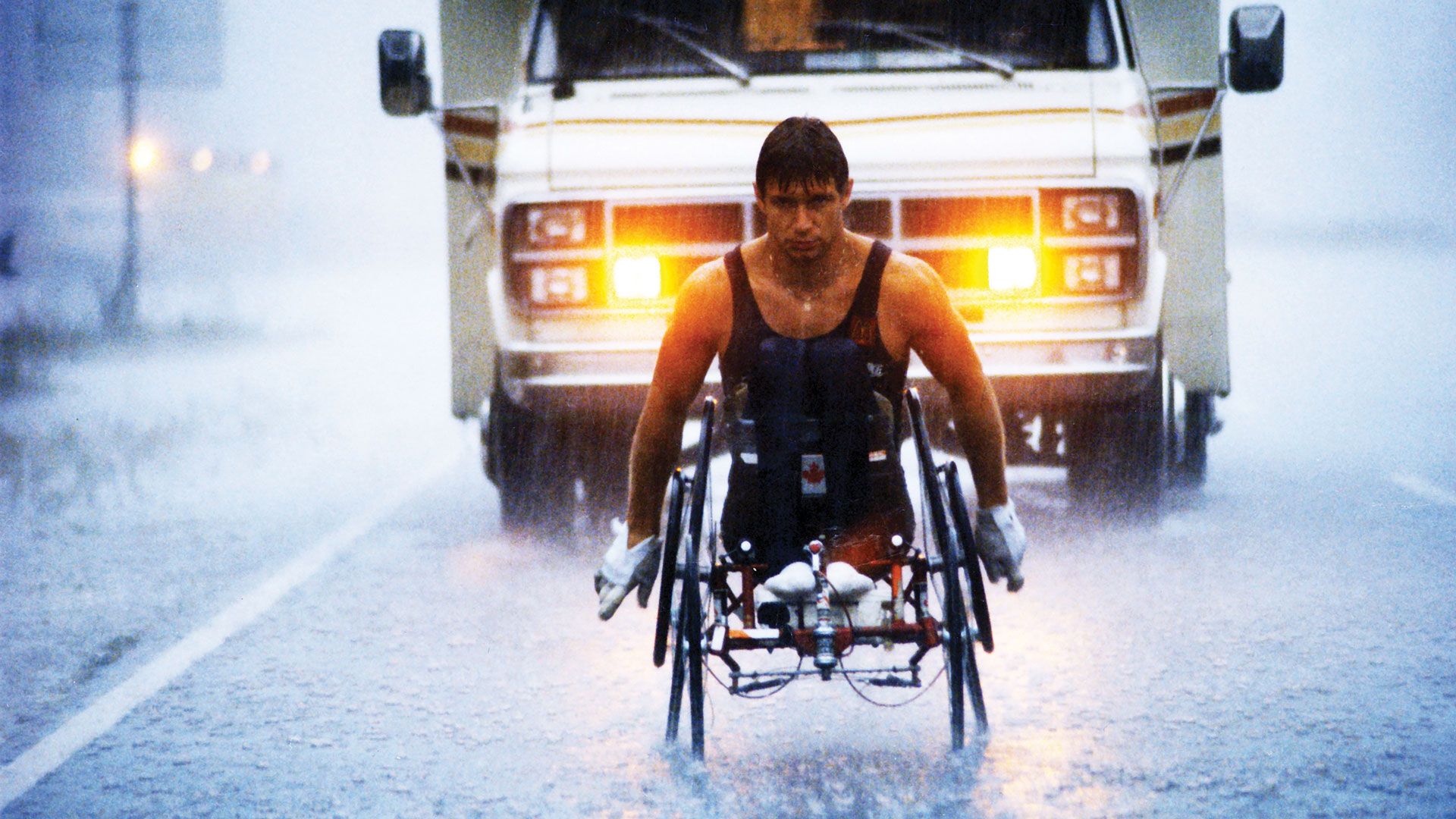
They are the subjects of half a dozen new movies by Canadian directors, including four documentary features that premiered at the Toronto International Film Festival (TIFF) and will make their way to theatres and broadcast platforms over the next year. By some fluke of the zeitgeist, they all are true stories of heroic figures driven by a relentless sense of mission. Collectively, they have covered an awful lot of ground. Three of them run epic marathons. In the 1980s, Terry Fox (Run Terry Run) burns through 5,373 km, spanning six provinces, with a prosthetic leg, while Rick Hansen (Man in Motion) tours the world in a wheelchair, clocking 34 countries and over 40,000 km, roughly the circumference of the Earth. On a more contemporary note, The Ultra Runner shows Romanian ex-convict Tiberiu Ușeriu torture himself in a brutal 600-km foot race over ice roads in the Yukon and the Northwest Territories. This cinematic league of action heroes also includes two dramatic features, Villeneuve (in theatres Nov. 11) and The Stunt Driver (in theatres Sept. 25), that re-enact true stories of Canadian daredevils behind the wheel: Formula One champion Gilles Villeneuve, who died in a 210 km/h collision in 1982; and car-jump showman Ken Carter, who tried to sail a rocket-powered Lincoln Continental across the St. Lawrence River, then died in 1983 by jumping a rocket car over a man-made pond. And finally, with all limbs blazing in Neil Peart: No One’s Disciple (Sept. 25 on CBC), there is the late drummer of Rush, who spent four decades writing lyrics and pounding rhythms for rock’s most successful power trio as they toured the world – when not pedalling his bicycle between arena gigs or circling the planet on a motorcycle.
Most of these men are no longer with us, and were on TIFF’s red carpet only in spirit. For Peart, No One’s Disciple serves as an overdue memorial, given that his death, from brain cancer at 67, coincided with the dawn of the COVID pandemic in early 2020, when there was a moratorium on memorials. Reviving the Terry Fox story after almost half a century seems more akin to the documentary that opened last year’s TIFF, John Candy: I Like Me, a nostalgic valentine to a national treasure who we lost over three decades ago. And the producer behind that Candy tribute, Canadian Ryan Reynolds, has now co-produced Man in Motion: The Rick Hansen Story, directed by Vancouver’s Adrian Buitenhuis, whose resumé includes a string of celebrity docs on subjects as diverse as Heath Ledger, Anne Murray and Pablo Escobar.
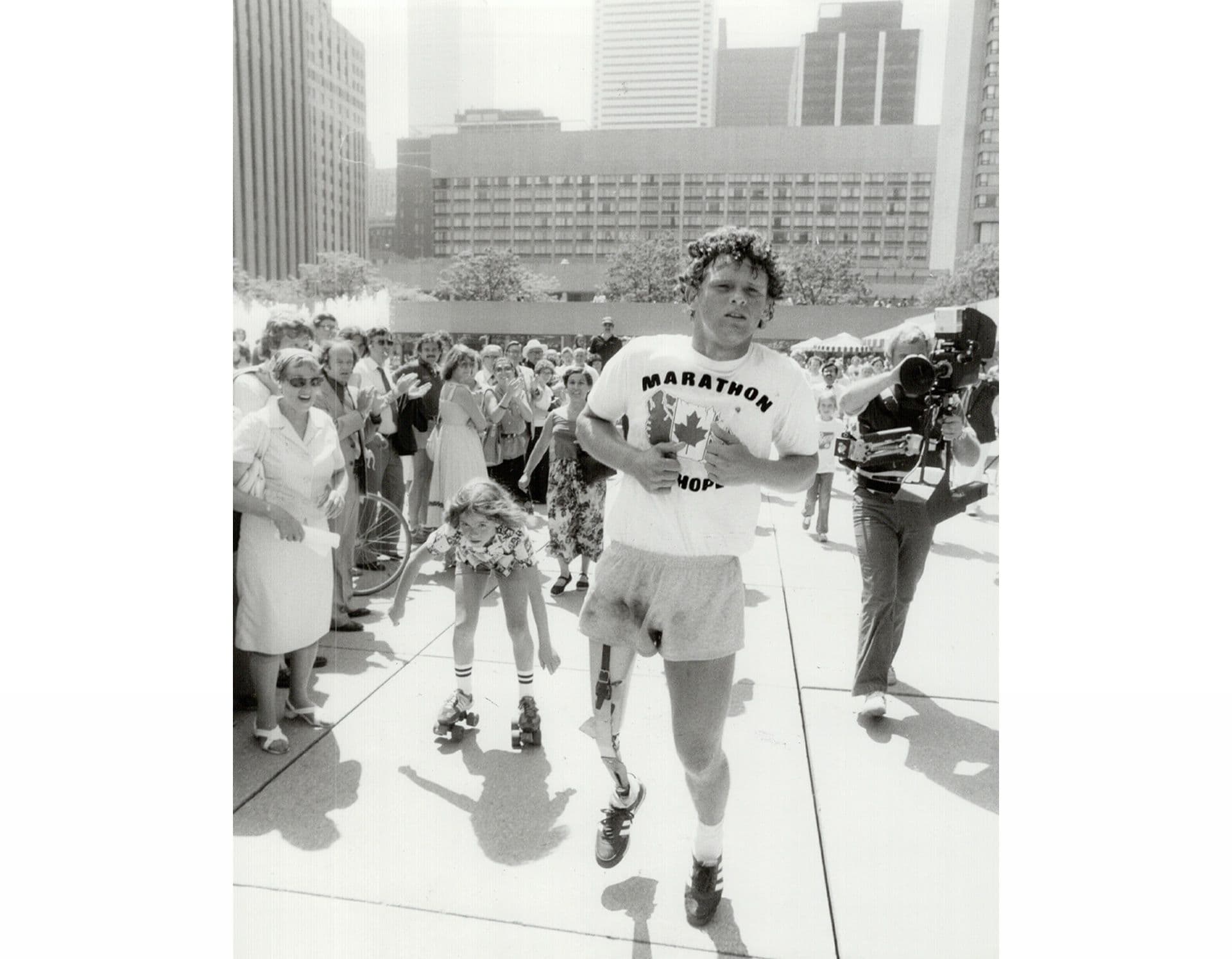
But Run Terry Run (in theatres Oct. 9) is no nostalgia trip. Instead, it takes us inside the reality of a narrative that by now has morphed into a fable – the tale of the teen athlete from Port Coquitlam, B.C., who lost a leg to cancer and embarked on an impossible dream. It’s still hard to fathom how this miracle man ran an average of 42 km per day for 147 consecutive days, before his cross-country mission was cut short near Thunder Bay, Ont., as cancer spread to his lungs and literally took his breath away at the age of 22. Now, 45 years later, with his saga so firmly enshrined, I sat down to watch Run Terry Run – feeling skeptical. What else could there possibly be to learn about him? Even my six-year-old granddaughter knows his story.
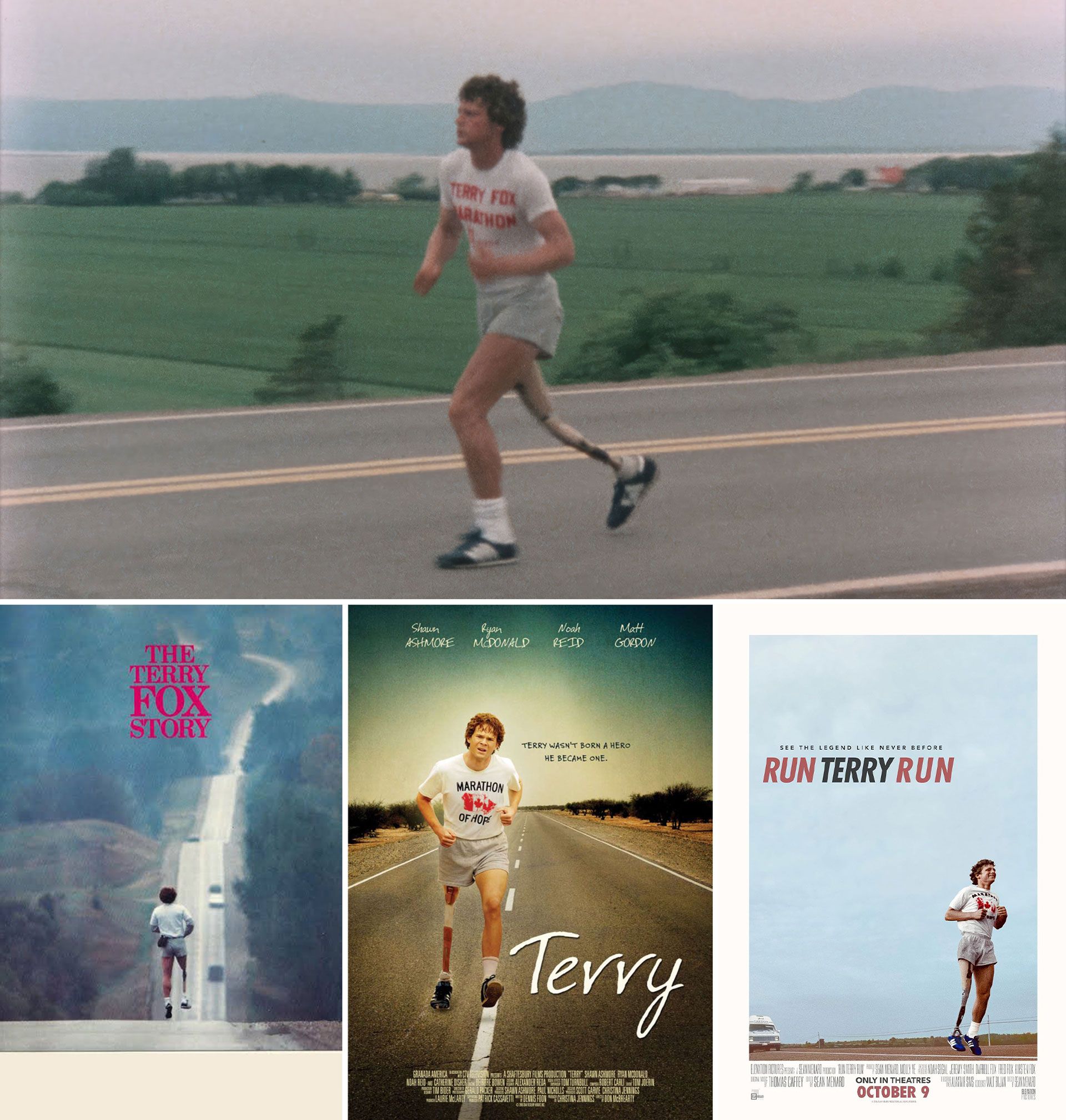
But this documentary is more about feelings than facts. And it sheds a new light on the story thanks to a motherlode of found footage discovered by its Toronto director, Sean Menard (The Carter Effect; 299 Queen Street West), who wasn’t alive when Fox made history. After seeing some clips online that looked like bad VHS transfers from vintage film, Menard tracked down a collection of original film reels that he says he located “five street lights from my house in a storage facility.” Those scattered remnants of distressed celluloid – meticulously restored – have been woven into a seamless real-time chronicle. What emerges is an intimate, profoundly moving portrait of the mercurial young man behind the legend, revealing untold depths of vulnerability, wit and maturity.
What’s most remarkable is that the film is composed entirely of archival footage, a choice that, oddly enough, makes the whole story pop sharply into the present. While there are ample fresh interviews with Fox’s Marathon of Hope team, notably his brother Darrell and best friend Doug Alward, they are heard only as voice-overs. Not a single contemporary frame breaks the spell of being in the moment as Fox jogs down the side of the road with that distinctive jig, his arms swinging in steady counterpoint, like a drummer playing a shuffle on a snare. “I wanted to create a time machine where people get to go back to the summer of 1980,” Menard told me in a recent interview. “I felt if I had modern-day, on-camera interviews, it wouldn’t be time travelling. I wanted to just put people into the experience of what he was going through out there, and that was accomplished by just letting these shots breathe and live. In past films, they were cut very short and quick.”
Fox is no stranger to the screen. He has been portrayed by actors in two TV dramas. Leading a cast that included Robert Duvall, Toronto’s Eric Fryer, himself an amputee who lost a leg to cancer, portrayed him in HBO’s The Terry Fox Story (1983), the first TV movie created for a cable network. And B.C.’s Shawn Ashmore, best known as Ice Man in Marvel’s X-Men franchise, starred in CTV’s Terry (2005). But Menard has handed the story back to its protagonist by unearthing its documentary roots – in particular a wealth of outtakes from Terry Fox: I Had a Dream (1981), a 45-min. vérité doc by Canadian filmmaker John F. Simpson, who tracked Terry’s journey with a camera from its early days on the East Coast. We may think we know the story by heart, and how it ends, but that makes us all the more vulnerable to the astounding episodes of suspense and pathos down the road. It gets downright scary in Quebec, where no one has heard of Terry Fox, as irritated drivers give him the horn as they blast by him on the highway so close he can feel the slipstream. “They all drive at 80 miles per hour and don’t slow down for nothing,” he says, then adds a sardonic jab. “Apparently they don’t speak English. Maybe they also don’t get cancer.”
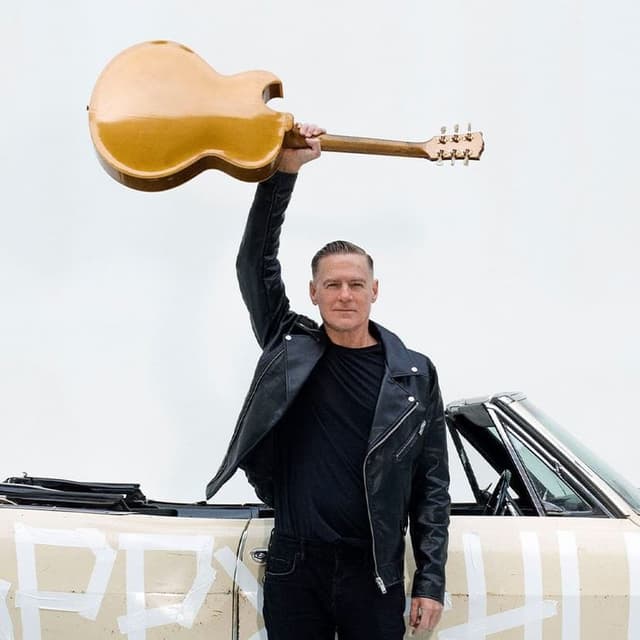
Thanks to day after day of relentless headwinds, dangerous roads and a failure to communicate in a province on the cusp of a referendum to quit Canada, Quebec is the Marathon of Hope’s most hopeless stretch. But Fox set out to cure cancer, not unite the country. And everything changes as he crosses the border and picks up an Ontario Provincial Police escort. When he hits Toronto and TV cameras catch this shy, quietly charming kid speak to a mall packed with adoring fans, he turns into a national hero almost overnight. Then – as the money for his cause pours in – the constant media attention becomes both a blessing and a curse, draining his energy and his innocence. There is a heartbreaking interlude when he sees a newspaper story by a callous reporter who makes headlines by deflating his fame with a stab of scurrilous gossip. Fox just can’t get over it. There are times when his tragedy runs deeper than cancer.Well before Run Terry Run premiered at TIFF, while Menard was still racing to finish it in time, the film took Fox’s legacy to a whole new level before anyone had seen it. Bryan Adams had gotten wind that there was a documentary being made and set out to write a song. The Ballad of Terry Fox, which he released Aug. 27, now graces the film’s closing credits, driving home a legend with a chiming guitar and lyrics that Gordon Lightfoot might have written were he still alive:
The wind was cold and thin
Out on the highway’s edge
A solitary figure
With a solemn pledge
One leg of bone, one leg of steel
A skip and a heavy heel . . .
He didn’t run for medals
He didn’t run for gold
But for the people and their stories
That never will be told
While Neil Peart: No One’s Disciple was conceived in the wake of a more immediate loss, its co-directors, Scot McFadyen and Sam Dunn of Banger Films, have gone out of their way to strike a robustly upbeat tone. Peart’s life and career have already been well documented in their terrific 2010 movie, Rush: Beyond the Lighted Stage. So instead of relying on archival footage to honour Peart, the filmmakers plant their narrative squarely in the present – and future. This is a documentary that creates its own story, one that is literally staged as the band tries to pick up where Peart left off. Rush singer Geddy Lee and guitarist Alex Lifeson invite some of Peart’s close friends, all A-list rock drummers, to sit at Peart’s kit and attempt the incredibly complex drum parts that he’d composed for classic Rush numbers. They include Chad Smith (Red Hot Chili Peppers), Stewart Copeland (The Police), Danny Carey (Tool) and Gavin Harrison (King Crimson). Even though they’re not auditioning to replace Peart, their scenes zing with the nervous tension and casual clubhouse banter of any band trying to break the ice with another musician.
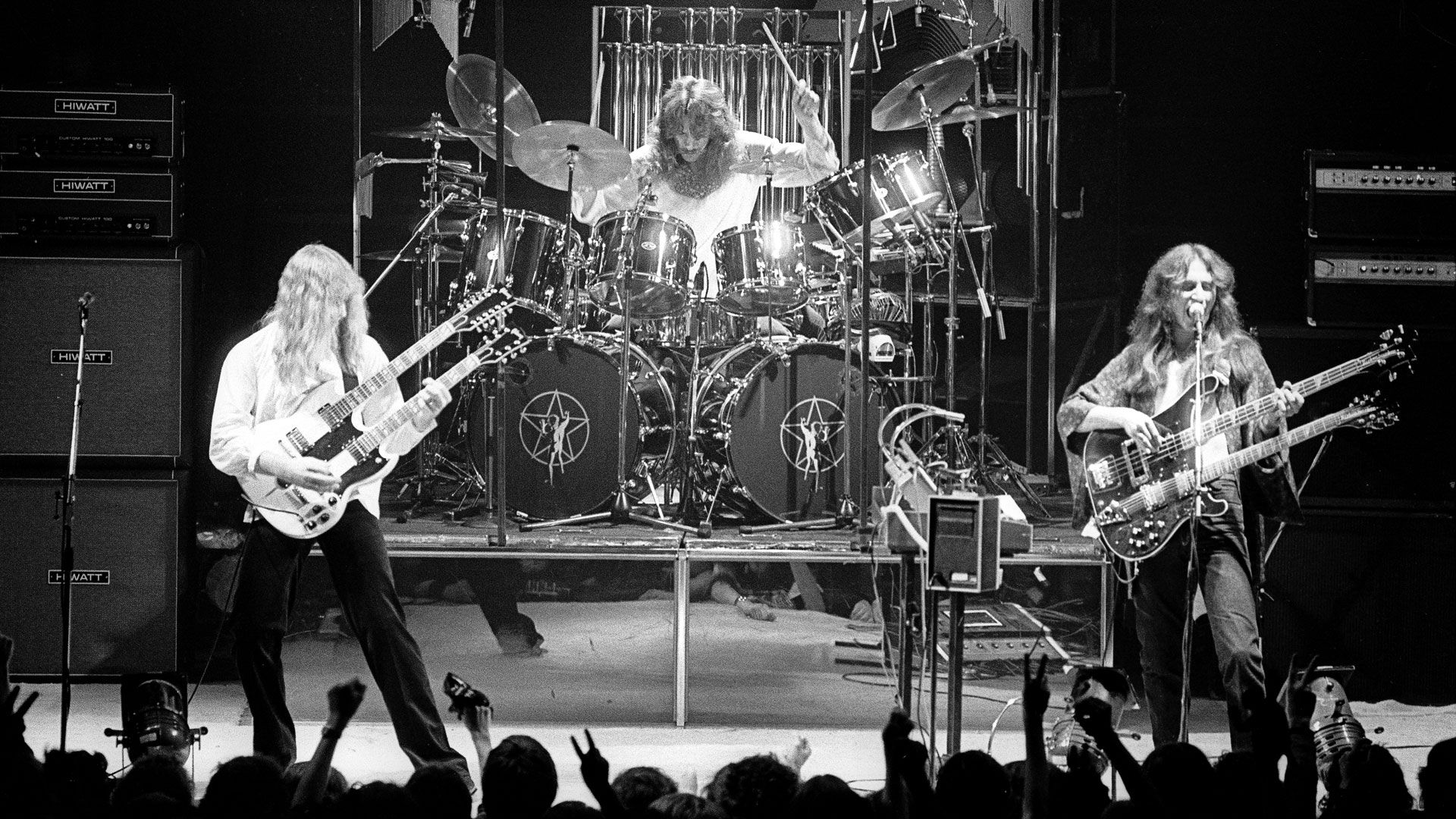
The movie takes an inspired risk by digging deep into the weeds of the music. “It wasn’t going to be a biopic,” says McFayden, sitting down with Dunn for a joint interview. “It was: how do we get the genius of Peart’s drumming over to a non-drumming crowd, and immerse them in the music even if they’re not Rush fans?” At the same time, says Dunn, “we saw this as an opportunity to not only get nerdy and dig into the intricacies of his drum parts, but to dig into his personality with the people who knew him.”
The athletic virtuosity of Peart’s drumming goes hand in hand with that personality – an insatiable polymath who studies literature, philosophy and science while writing books and riding around the world on two wheels. He compares drumming to “running a marathon while doing math equations.” And you don’t have to be a fan to find all the nerdy bits enthralling. Like Chad Smith’s moment of revelation when he figures out that the bass drum parts he’s struggling to play are all over the place because, as the band’s lyricist, Peart planted them in the spaces between the words. Or learning that at the height of his career, in 1994, Peart took two six-month breaks to relearn his instrument in lessons with Freddie Gruber, a ’50s-era jazz drummer from the Bronx. Gruber, who died in 2011 at 84, complained that too much of pop music is “extremely vertical – it’s like swimmers slapping the water.” Peart says Gruber taught him “orbital motion – a beat being a point on a circle rather than a dot on a line. I used to play straight through the drum, aiming at the floor. Freddie’s approach is that the beat is the end of the motion. Everything happens in the air.” Not to be confused with air-drumming, which is a big thing among fans at Rush concerts.
Meanwhile, No One’s Disciple offers, as an epilogue, a late-breaking happy ending. Lee and Lifeson opted not to replace Peart with one of his peers. Over a decade after their final concert with the drummer, Rush returned to the road over the summer for their Fifty Something tour, and were backed by the high-octane female energy of 43-year-old German ace Anika Niles.
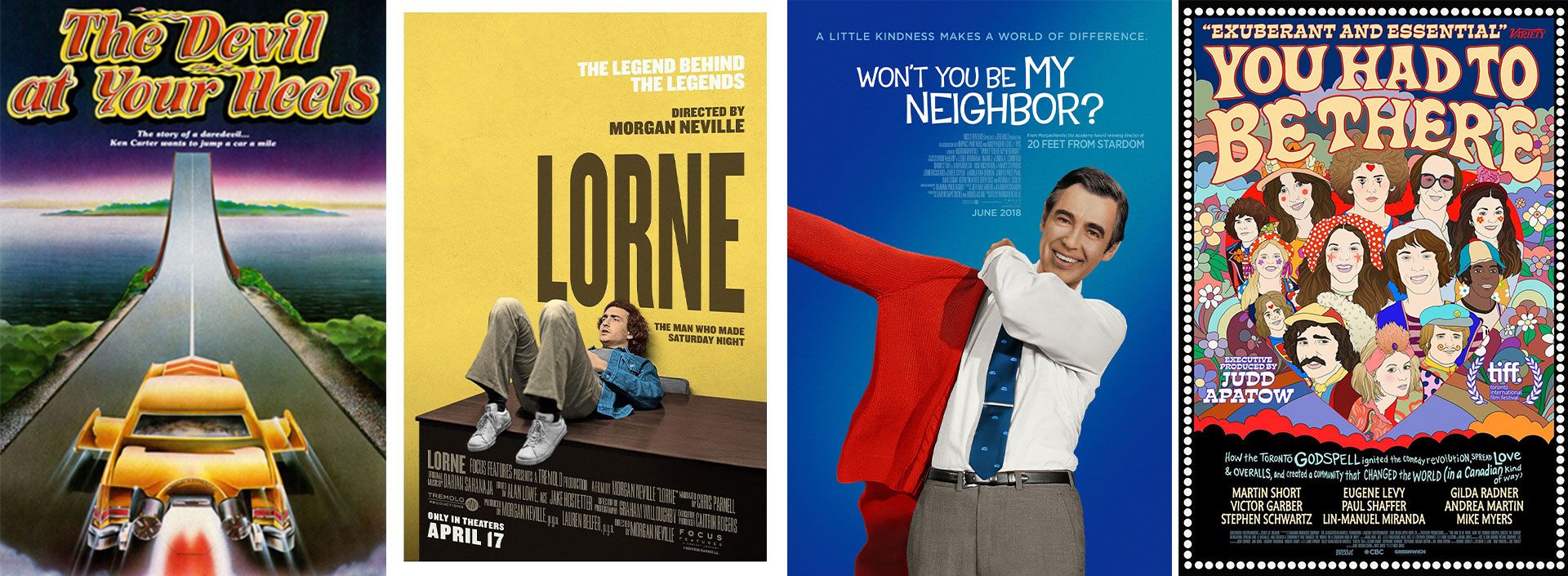
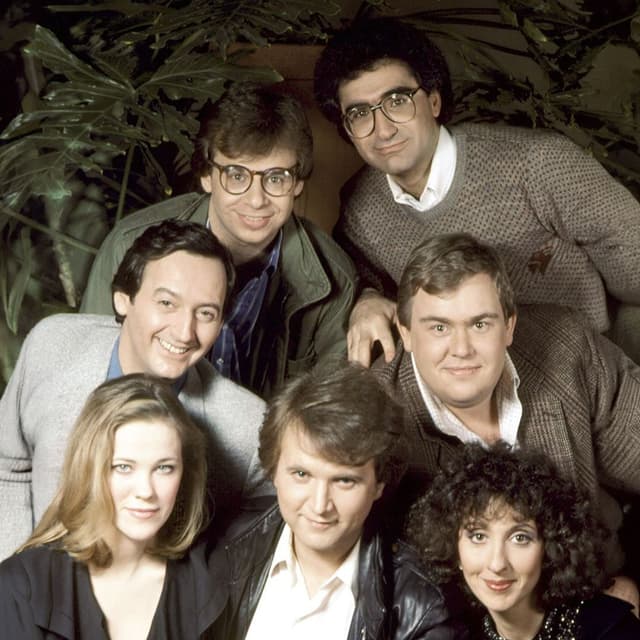
Comedy, like music, has made itself at home in documentaries. And with the right touch of improv, an elusive subject can be more entertaining than an available one. When Canada’s Lorne Michaels, 81, the cryptic godfather of Saturday Night Live, finally agreed to be filmed for this year’s Lorne, by American director Morgan Neville (Won’t You Be My Neighbor?), his evasiveness turned into a running gag. Another case in point is You Had to Be There: How the Toronto Godspell Ignited a Comedy Revolution. In this giddy homecoming party, a Canuck gang of SNL and SCTV alumni look back at the 1972 hit musical that ignited the careers of Martin Short, Eugene Levy, Gilda Radner, Andrea Martin, Dave Thomas and Paul Shaffer, among others. The film’s U.S. director, Nick Davis, had a problem: there was no footage of that Godspell production – just a bootleg audio recording made by Martin Short, who hid a microphone at the back of the stage. But that becomes a tale unto itself, and instead of viewing a bunch of archival clips, we get to watch some of the funniest people on the planet kibitz and reminisce in real time. You Had to Be There, which drew the cast back to the scene of the crime for a premiere at the Royal Alexander Theatre during last year’s TIFF, will finally get a limited theatrical release in October, then air on the CBC in December.
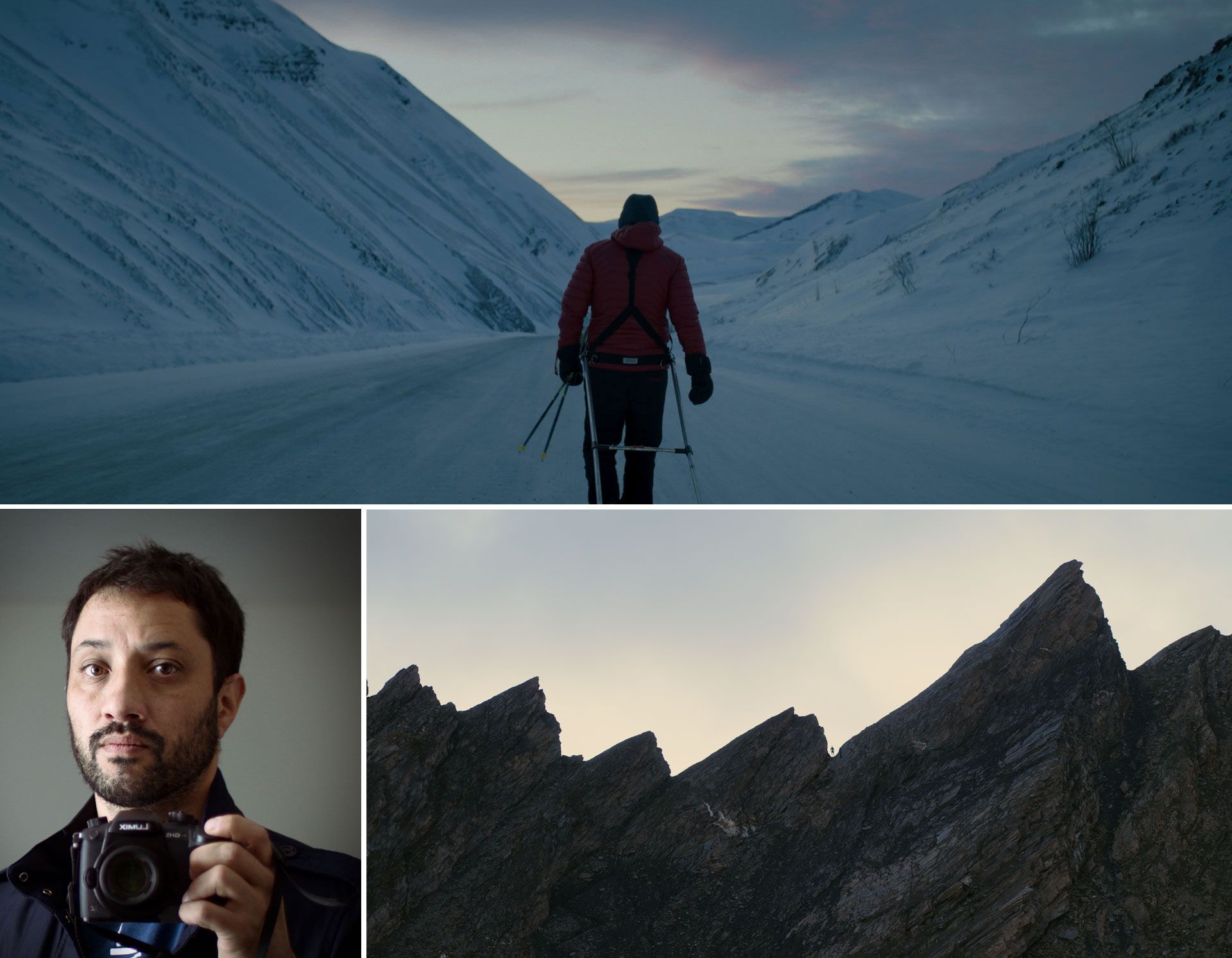
Among this new crop of Canadian docs, nothing is as visually exquisite as The Ultra Runner, directed by veteran filmmaker Mila Aung-Thwin (Let There Be Light; Last Train Home), co-founder of Montreal’s boutique studio EyeSteelFilm. It’s yet another saga of endurance and obsession, about a marathon man competing against no one but himself and the vastness of the land. Like Terry Fox, who chose to traverse Canada east-to-west into the prevailing headwinds, Tiberiu Ușeriu doesn’t make it easy on himself as he drags a sled over the endless Arctic tundra. As this Romanian pushes his limits against the stark canvas of a Canadian landscape, he’s haunted by demons. The story toggles between the race and his past as an abused boy in rural Romania, then as a convict serving years for armed robbery in a German prison, where he struggles to maintain his sanity by running circles around the yard. These flashbacks to Romania are a far cry from the awkward re-enactments so often found in documentaries. Making up a large chunk of the film, they are vividly shot dramatic scenes performed by compelling actors. And as we shift between austere vistas of Arctic ice and bucolic Romanian meadows, the documentary and dramatic worlds seem cut from the same radiant cloth.
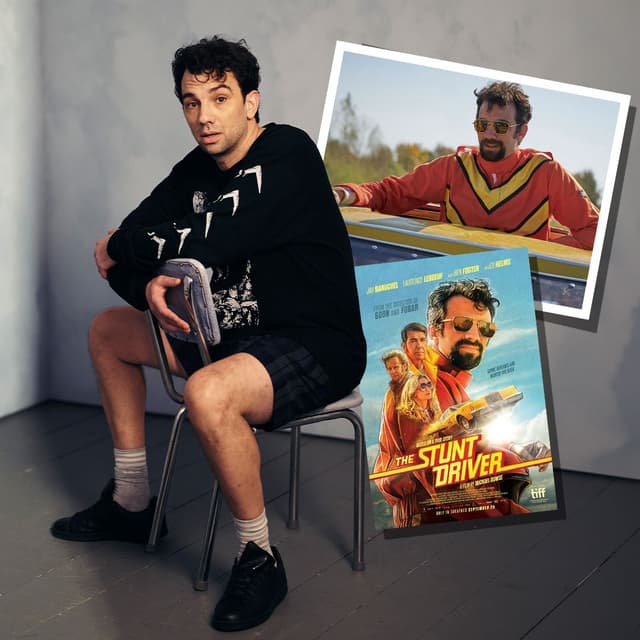
Documentary is a promiscuous genre, embracing a wild array of styles, devices and intentions. It loves to break its own rules, colouring outside the lines. And the line between docs and dramatic features is increasingly fluid. The Stunt Driver, which stars Jay Baruchel as daredevil Ken Carter, was inspired by the 1981 National Film Board of Canada (NFB) documentary about him, The Devil at Your Heels. As well as including footage from the film, director Michael Dowse made it part of the story, casting an actor to play its director, Bob Fortier. “We were almost creating a new genre by remaking this documentary into a dramatic film,” says Dowse. “It’s not a fake documentary, and it’s also not a pure bio piece. It lives somewhere in between, and allowed us to bob and weave around the historical footage while filling in the blanks narratively. Bob Fortier’s camera almost became a character in itself as we explored Ken’s relationship with being filmed for the doc.”
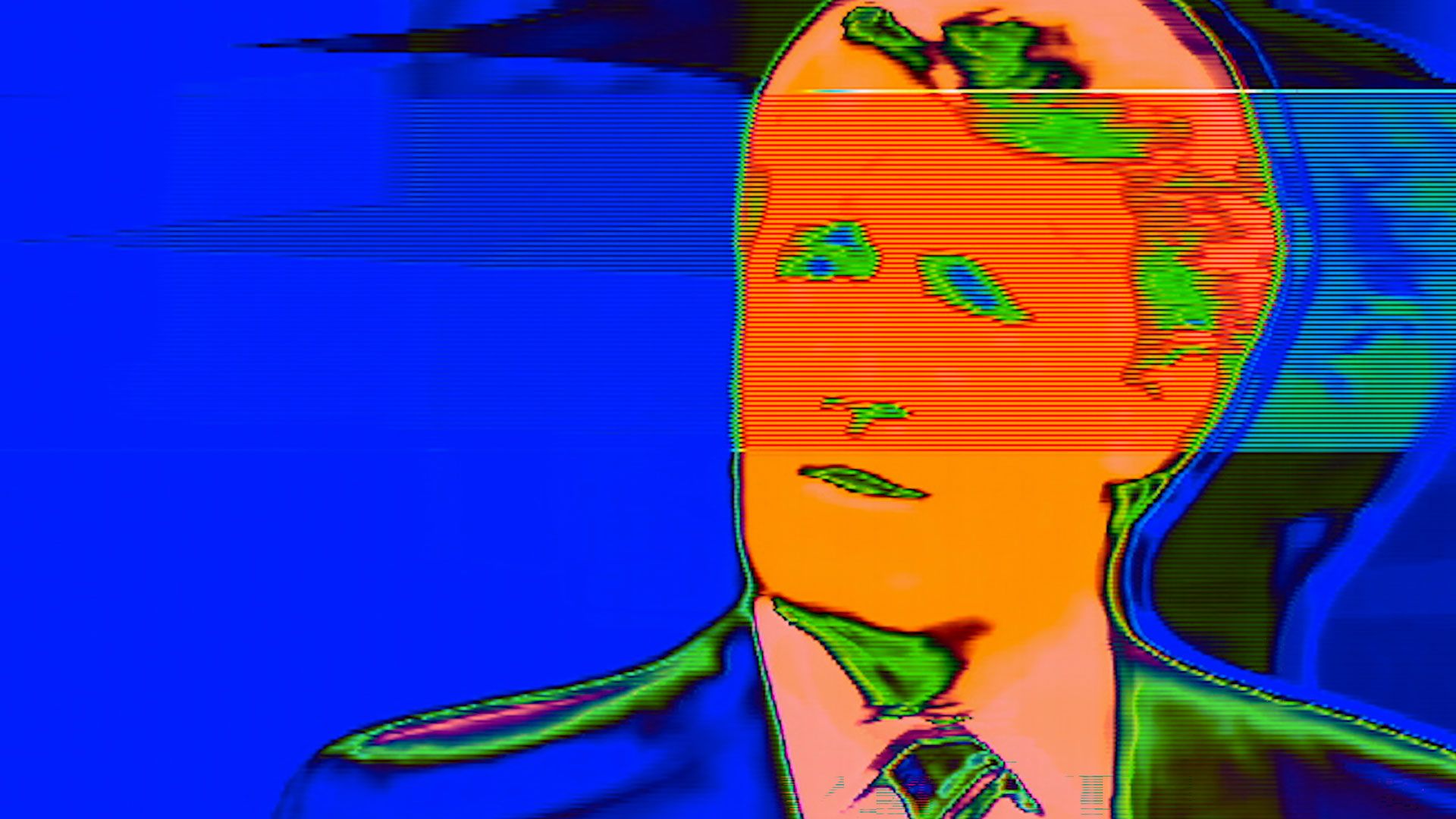
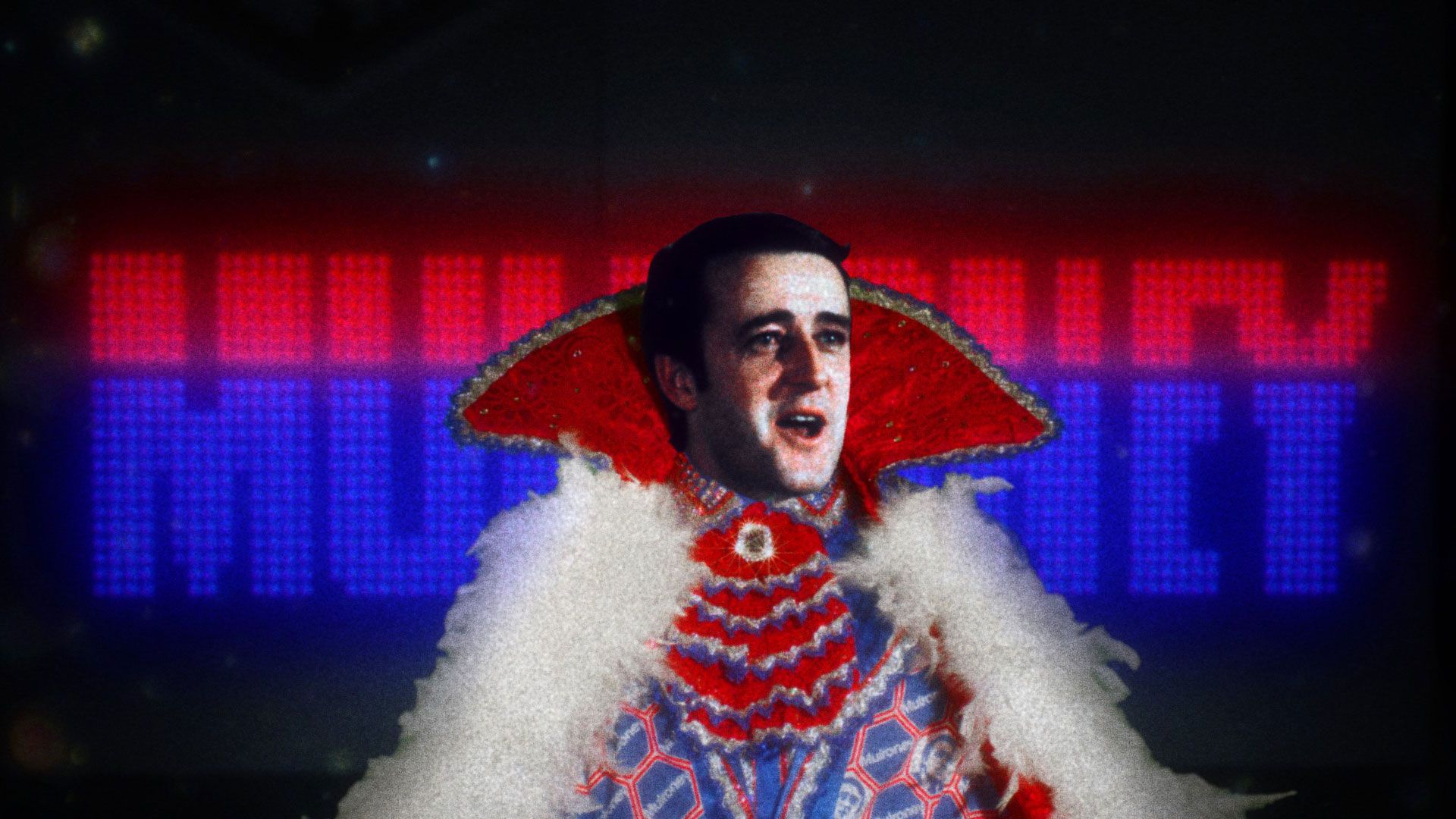
Documentary directors on a career path will often “graduate” to dramatic features. But Winnipeg filmmaker Matthew Rankin – whose dreamy deadpan comedy about a Farsi-speaking Canada, Universal Language (2024), was this country’s official submission to the Oscars for Best International Feature – did the reverse. Rankin has pivoted from fiction to fact, as the director of Ladies and Gentlemen, Brian Mulroney, a bonkers satire that tracks the rise of Canada’s 18th prime minister with a psychedelic mash-up of vintage clips, surreal graphics and outrageous dramatizations. And like Run Terry Run, it wouldn’t exist without found footage, in this case a mountain of it. Sifting through some 80,000 hours of archival film, Rankin has conjured a fever dream of gonzo farce, so beyond the pale of a political doc that it premiered in TIFF’s Midnight Madness program, which is devoted to auteur-provocateur experiments in horror, fantasy and alt-comedy. This burlesque pageant doesn’t restore history so much as remix it with a glow stick. Unlike anything we’ve seen in Canadian film, Mulroney is more akin to underground theatre, and the satires of Canadian history and politics forged over the past half-century by Toronto’s VideoCabaret. And the ultimate irony is that this feat of docu-deconstruction was produced by the NFB, the cradle of the documentary tradition.
In fact, it was John Grierson, the Scottish founder of the NFB, who coined the word “documentary” exactly 100 years ago. As someone who makes documentaries (The Colour of Ink, Al Purdy Was Here), I’ve never liked the term. Too dry and dusty. And it seems increasingly obsolete – ever since the 1960s and ’70s when a generation of Canadian film pioneers at the NFB, from Norman McLaren to Arthur Lipsett, incinerated the stoic empiricism of the genre, a visual revolution that changed not just documentaries, but the whole world of cinema. Lipsett’s avant-garde experiments in vérité influenced everyone from George Lucas to Jean-Luc Godard. And as Expo ’67 made Canada cool, the big attraction was the debut of something called IMAX, a Canadian technology designed for documentaries that showed off our land on the largest movie screen ever built. Now IMAX cameras are the engines that made The Odyssey the movie of the moment. And even without IMAX, ultra-HD digital cameras now allow filmmakers of all kinds to create a quality of cinema unimaginable just 10 years ago.
You may have noticed that this new batch of docs about epic quests are all stories of dudes. But there’s one standout exception, an absolute gem called Gail. Offering a small-scale antidote to our Canadian legion of conquering heroes, its subject is an American superfan of a Canadian band, an unknown soldier in the trenches of rock ‘n’ roll. Gail Lichtman, who lives in the Bronx, has spent 30 years working at a subway station for New York City Transit in a five-by-eight-foot booth, and for most of those years she has spent her vacation time following Canada’s Our Lady Peace. Gail is a proud veteran of more than 100 concerts. As she crosses the border for what may be her last rodeo, the band’s 30th anniversary tour, we follow her on a trains-planes-and-automobiles odyssey through a bleak Canadian winter that takes her from Saskatoon to Halifax.
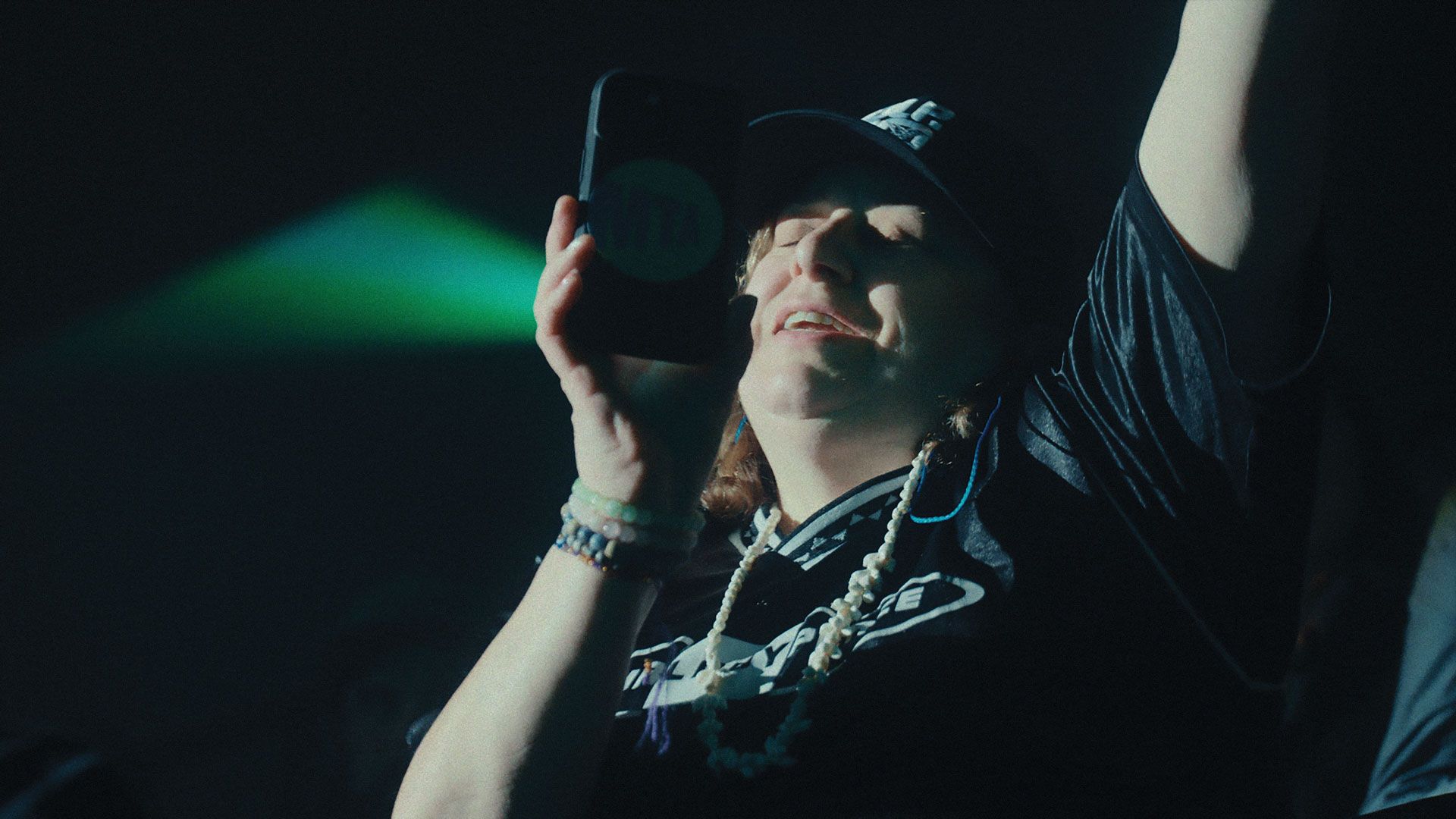
For Gail, who has trouble walking and is afflicted by chronic pain from an array of medical issues, the journey unfolds as a Sisyphean ordeal. And the camera tracks her every inch of the way from close range, through nail salons, diners and hotel rooms, and backstage to the inevitably awkward meet-and-greet moments with the band, thanks to VIP passes that cost her $500 a pop. By turns funny and sad, at first the story becomes weirdly engrossing. As powerless as she may be, Gail is a forceful presence with a self-aware charm who never hesitates to speak her mind. As her strength of character emerges, pathos gradually gives way to admiration, and her ritually unrequited romance with the band takes on a heroic nobility. Gail is a unicorn in our current culture war. This movie is made by an Albertan filmmaker about an American in love with a Canadian band and is blessed with the imprimatur of Canadian-American executive producer Jason Reitman (Juno; Saturday Night) – it’s as bi-national as the auto industry. It marks the documentary feature debut of Edmonton director Michael Maxxis, who has made one dramatic film, Puppy Love (2020), and some 150 music videos for artists including Billy Talent, Orville Peck, Elle King – and Our Lady Peace. Lead singer, Raine Maida, gave him the idea for Gail. And that’ll come as a surprise to anyone who sees the movie.

While the band seems polite and deferential to their loyal fan, they don’t betray much devotion to her. The camera keeps them at a cagey distance, with no interviews or close-ups – make no mistake, this is Gail’s movie, not theirs. And in the film’s most inspired touch, while Gail watches the band perform, we rarely hear their music. Instead, the concert scenes are covered by dreamy expanses of score by composer Lesley Barber and arrangements of classic symphonies. Gail has been gifted her own music, enveloping her like an invisible Cinderella gown as she dances and sings along to the band, oblivious. As a superfan on a completist mission, she methodically pursues fleeting moments with rock stars that she hopes will one day treat her as a friend. She thrives on a kind of vicarious stardom. But by putting her heroes in the shadows, Gail has made the superfan a superstar in her own right.
At their best, character-driven documentaries aren’t all that different from character-driven dramas, at least those on an indie scale. Both ride the line between reality and dream as they chase a moving target while compressing a life into a story arc spanning a couple of hours. Both feats involve considerable sleight of hand. Dramas have more de facto prestige – bigger budgets, stars, stunts and effects – all contriving to make the magic look real. While docs work overtime to make the real look magical. In dramas, actors create characters by trying to convince us they aren’t acting. In docs, the same applies to their subjects. Gail spends weeks on the road “playing” herself under the close scrutiny of a camera and director, who she has to pretend are not there. In shooting Gail, says Maxxis, “I set out to follow in the footsteps of my heroes [John Cassavetes, Werner Herzog, Jim Jarmusch],” naming three cinema vérité pioneers who brought documentary realism to drama and vice versa.
In the end, all we ask as the lights go down is a movie that allows us to lose ourselves in an undiscovered country, real or imagined, that will linger in the mind long after we leave.