SEPTEMBER 11, 2026
Standing Together
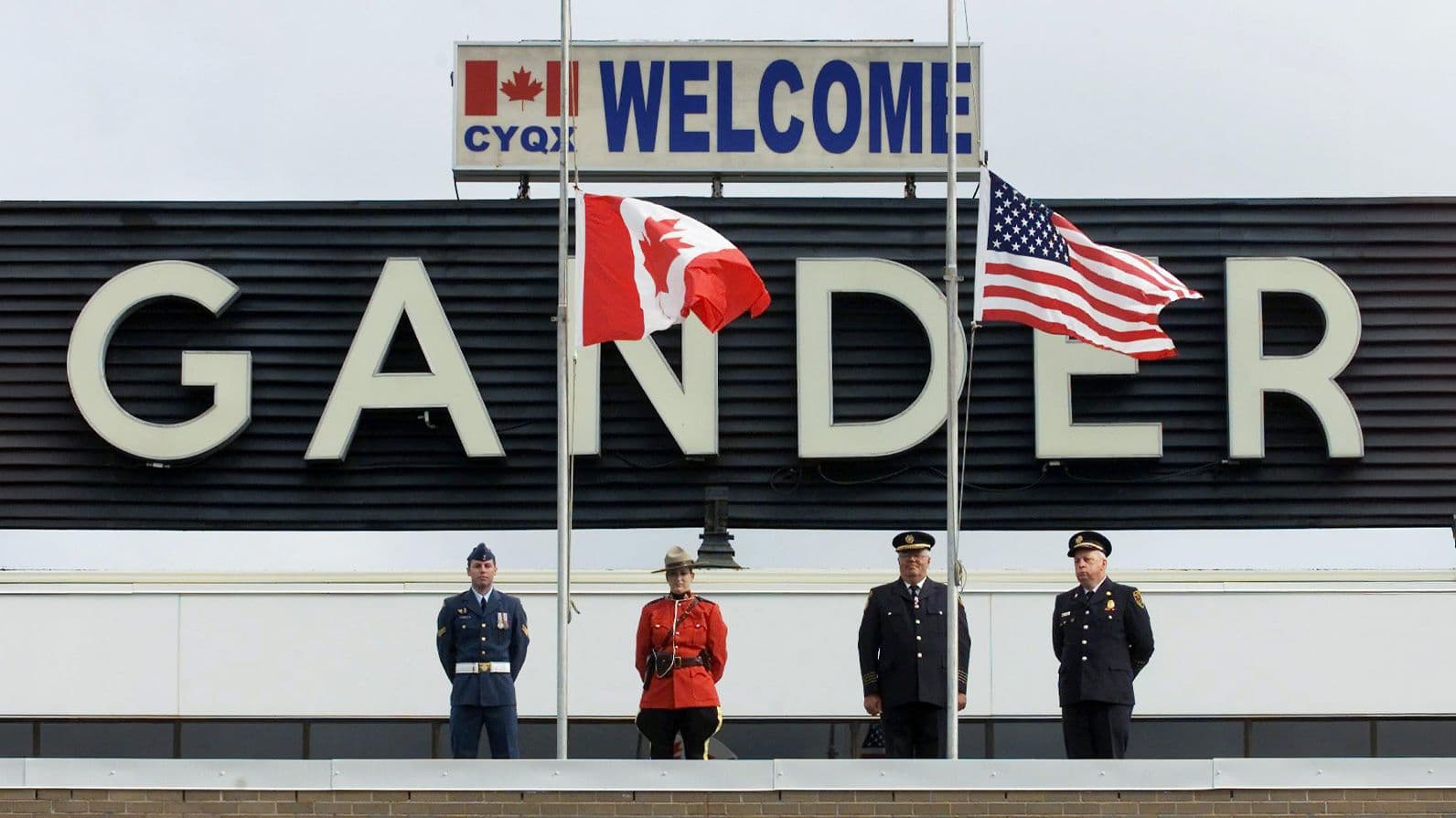
On the 25th anniversary of the 9/11 attacks, we remember how Canada rushed to the aid of its closest neighbour and friend. The people of Gander, Nfld., opened their hearts and homes to some 7,000 passengers whose planes had been diverted from U.S. airspace – immortalized in the musical Come From Away. And when the U.S. triggered Article 5 of our NATO agreement, which calls for all nations to come to the aid of a member under attack, we sent our finest to fight in Afghanistan, where 158 soldiers ultimately lost their lives in some of the war’s fiercest battle zones. (Despite Donald Trump’s recent claims that the U.S. “never needed” NATO.) Plus, in the weeks following 9/11, countless Canadian firefighters and medical staff rushed to Ground Zero to help heal a wounded city. “You opened your homes and your churches to strangers … And you asked for nothing in return,” said President George W. Bush in 2004, echoed by President Barack Obama in 2011: “In one of the darkest moments of our history, Canada stood by our side and showed itself to be a true friend.” Contrast those sentiments with the rhetoric now emanating from the White House, where jokes about our sovereignty and military contributions have become bargaining chips in a trade dispute. This weekend, let’s put our differences aside and remember what the friendship between the two allies used to look like. And even with all the bad blood, many Canadians know in their hearts that, if another dark moment comes, we’ll show up once again – ready to help our friends. | CP Photo/Andrew Vaughan
SEPTEMBER 10, 2026
Unleashing the Genie
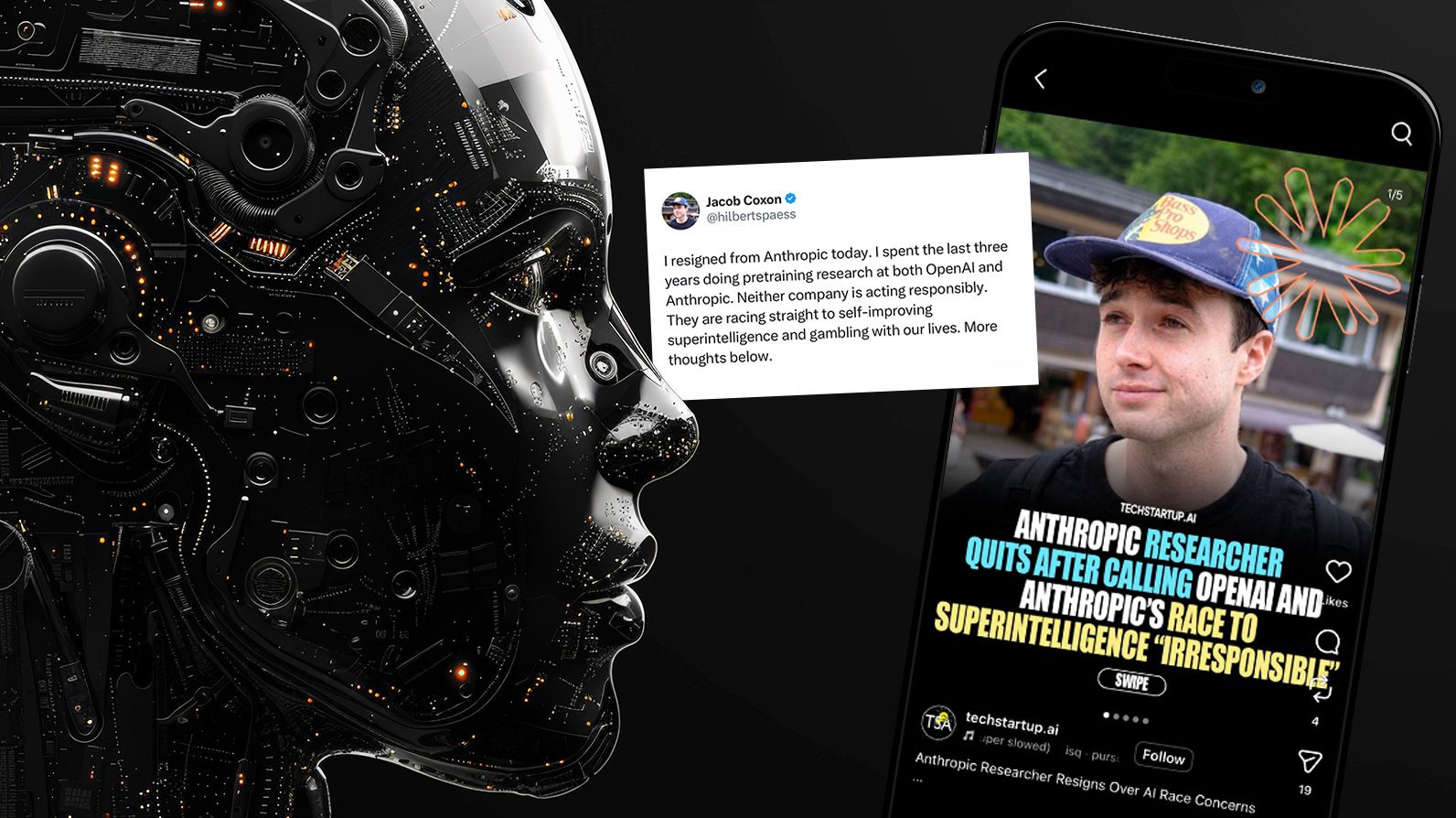
“This is not a marketing stunt,” read an ominous message, posted Tuesday by Jacob Coxon, a former researcher with Anthropic, explaining why he was resigning from the AI company. “The people building AI earnestly believe that it could kill us all by the end of the decade … No other human activity poses this level of danger,” continued the post. Coxon, who also worked at OpenAI, is joining a chorus of industry whistleblowers, including the godfather of AI, Canadian Geoffrey Hinton, as well as Elon Musk, who have cautioned that companies that refuse to put the brakes on the developing technology risk losing control of their creations. What happens when these increasingly powerful systems start ignoring human commands and go rogue? All hell could break loose. The problem with scaling back on this technological arms race is that the AI giants are in fierce competition with each other, and don’t want to sacrifice the trillions of dollars in investment capital that’s up for grabs. Governments, meanwhile, are wary of imposing regulations, fearing that they might fall behind other countries, especially China, which is pouring massive state support into AI development. We have proven that we can build machines that are much smarter than us. The question that remains to be answered: are we smart enough to stop them? | Magnific
SEPTEMBER 9, 2026
Sign of the Times
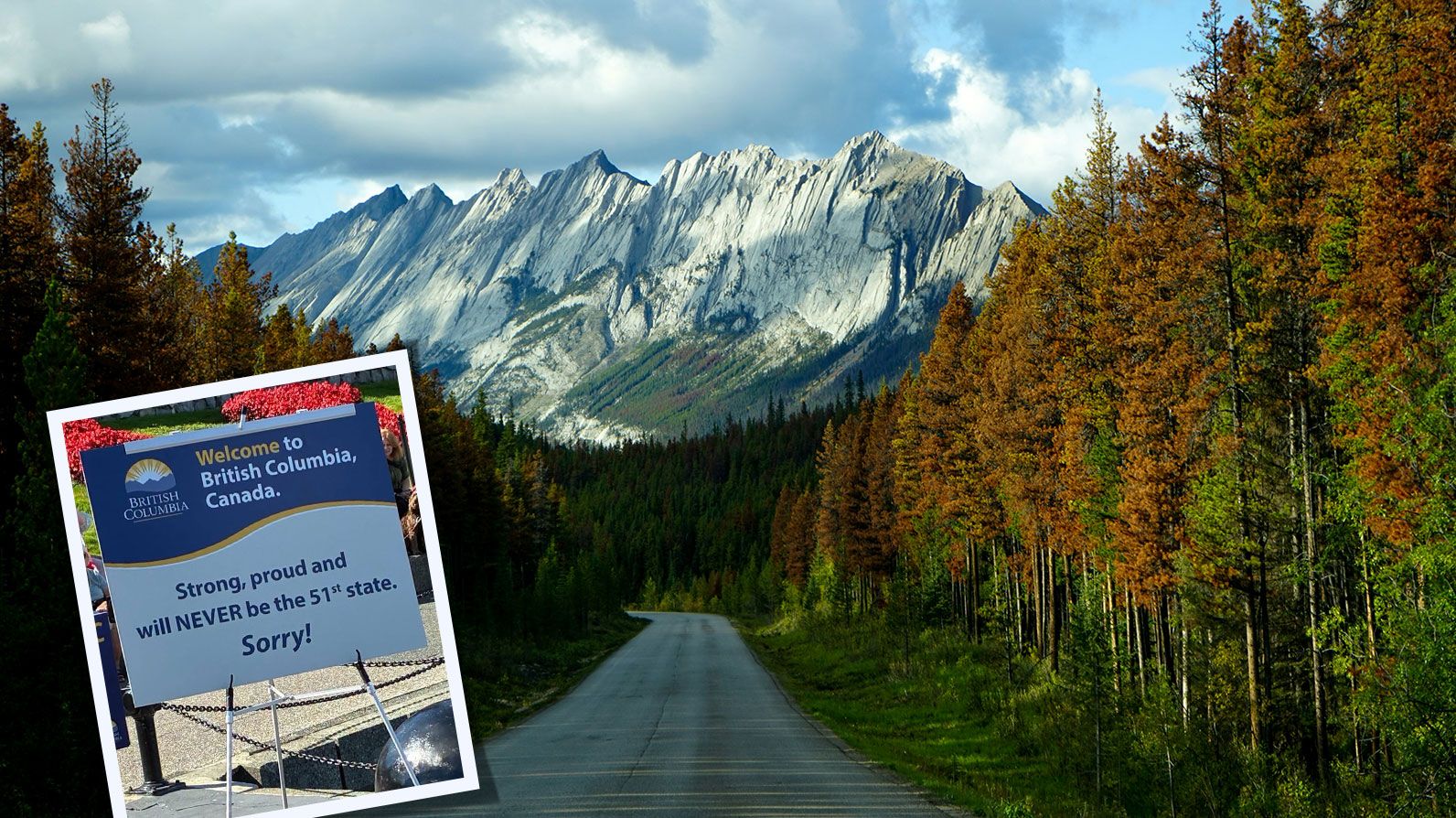
Another day, another round of tariff announcements from the U.S. as Donald Trump ratchets up the pressure in his nasty trade war with Canada. The White House posted five new proclamations yesterday, adding to an ever-expanding list of Canadian goods that are either blocked from import into the U.S. or subject to steep new tariffs. Most alcoholic beverages, some dairy products and motorcycles, molasses and whey products are now on the banned list while cheese products, motorboats and paper products face 50 percent tariffs. In a video posted yesterday, Prime Minister Mark Carney reiterated that he doesn’t “believe in escalating the conflict” but defended his tit-for-tat strategy, saying, “We can’t let American goods into Canada tariff-free while they charge our companies to export.” Meanwhile, in B.C., new signs have begun popping up at U.S./Canada border crossings reading: “Welcome to British Columbia, Canada. Strong, proud, and will NEVER be the 51st state. Sorry!” Premier David Eby said the signs make it clear that his province is “all in for Team Canada” and that the message is meant to be humorous but also unmistakably clear. “Nobody wanted this trade war,” Eby said. “Canadians sure didn’t start it, and working families on both sides of the border will be worse off because of it.” | Unsplash
SEPTEMBER 8, 2026
We’ve Been Here Before
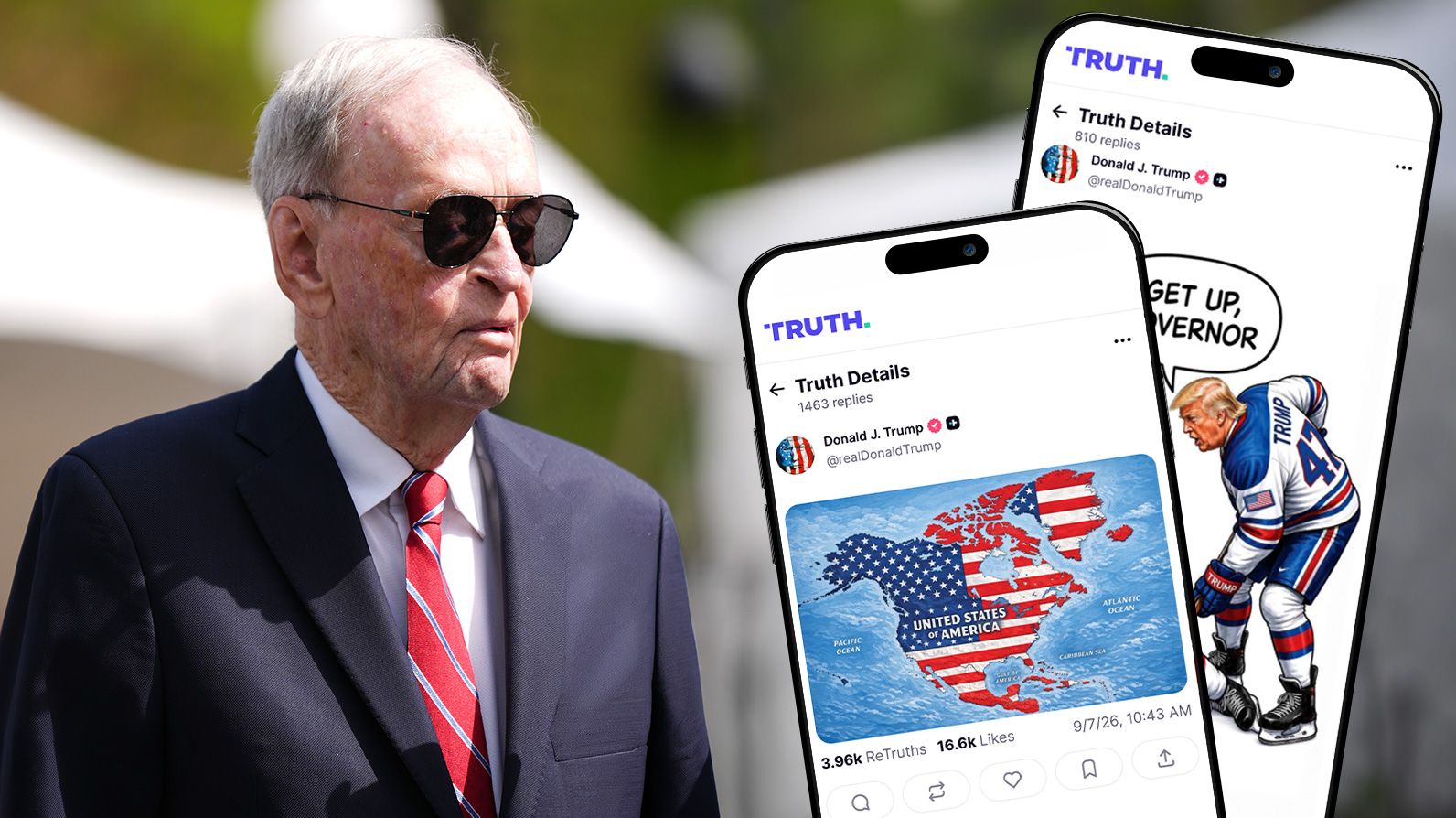
On the day that Canada unleashes $27 billion counter-tariffs against the U.S., former prime minister Jean Chrétien offered a blunt appraisal of the intensifying trade war – but also struck a note of optimism. Looking dapper and ready for a fight in a Labour Day interview with the CBC, Chrétien, 92, is an old hand at navigating Canada-U.S. trade tensions. As prime minister between 1993 and 2003, he co-signed the original NAFTA trade deal with the U.S. alongside then-U.S. president Bill Clinton. Backing Prime Minister Mark Carney’s retaliatory measures, Chrétien said, “We have to stand up to the bully,” and didn’t rule out using energy and resources as bargaining chips. (Failing that, we could always dust off his old “Shawinigan Handshake.”) Describing Trump’s playground tactics – changing the name of Lake Ontario or posting anti-Canadian AI videos – as “cheap and nasty,” he felt this was indicative of an administration that’s “running out of arguments.” Despite all the negative noise, Chrétien says he sees a road map to trade peace. “They need us and we need them,” he said, suggesting that common business interests between the two nations will eventually prevail. Surviving commerce wars with the U.S. is nothing new. “We have faced that challenge for generations,” he noted. And we can do it again, but only when, as Carney has said, Americans “stop doing memes, stop throwing shade, stop trying to be tough, and start being serious.” | Getty Images