


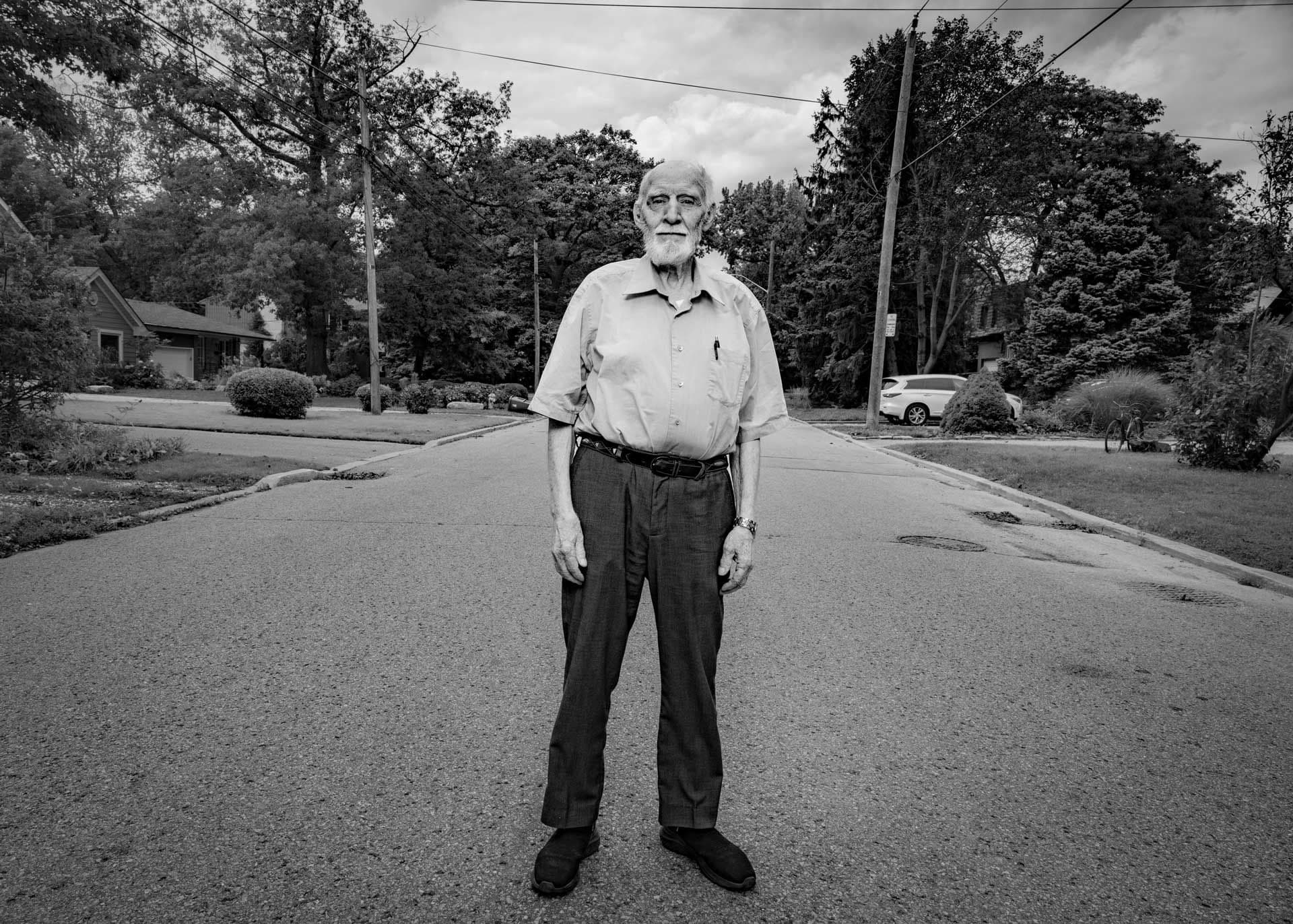
It’s October 2021, and 83-year-old Claude Pelletier is under lockdown in the psychiatric ward of a Vancouver Island hospital. One minute he was at home having an evening tea, the next, RCMP were barging through his door. The hospital psychiatrist believes Claude has dementia. His notes describe him as paranoid and increasingly aggressive. Claude’s granddaughter told police he’d hit her kids with a belt, threatened to jump in front of a bus and said he was “gonna make them pay.” Claude tells the doctor he loves his great-grandchildren and never threatened anyone, that he only wants his family to give him back his money, and his life. Claude insists he doesn’t have dementia and pleads with the doctor not to give him an antipsychotic. He knows too well how sick they make him feel, weak and restless as hell. The doctor says Claude has no choice: take the drug, or be injected with it. Claude remains calm and says he’ll take the meds himself. Every day, he slips the pill under his tongue, downs a few sips of water and, when the nurses leave, he spits it out. For two weeks, he keeps spitting.
•••
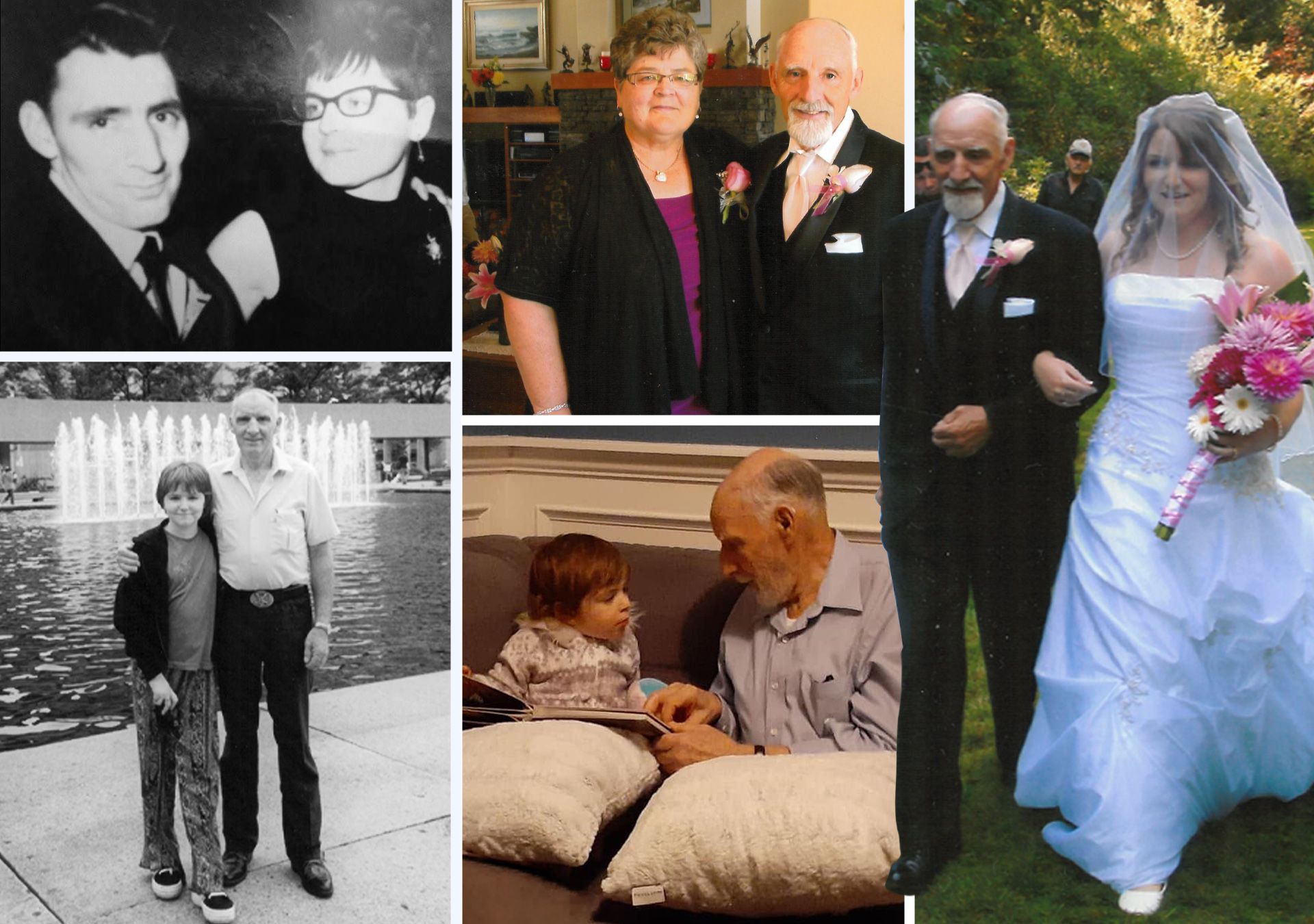
From the moment Brittany was born, Claude and Dora Pelletier showered their first grandchild with love and attention. They started contributing to her education fund when she was two, treated her to shopping sprees when she was a teenager, and once she started college, Claude bought her a Mustang coupe so she wouldn’t have to take the bus to class. After Brittany married and had children, they sold her their retirement dream home in North Courtenay, B.C. for a fraction of its market value.
Now 88, Claude cherishes memories of their close bond, although he wonders if he spoiled her. “I think I was much, much too generous, and I think it probably encouraged Brittany and them to do what they did,” he says. “I think it was pure greed.”
In January 2025, the Supreme Court of British Columbia found that 38-year-old Brittany Adcock played a dubious role in her grandfather’s dementia diagnosis. The court also concluded that, between 2018 and 2021, while Claude was deemed mentally incapable, Brittany misused his power of attorney to unjustly enrich herself and her husband, Darryl Adcock, by more than $800,000, leaving her grandparents in dire straits.
The disturbing story may have remained a dark family secret, but the headstrong Claude, a retired miner and farmer, never stopped fighting to prove his mental vigour, despite the long odds. Dementia is, after all, an incurable, one-way ticket to decline. People only “recover” if they’ve been misdiagnosed and their dementia-like symptoms are the result of a treatable ailment, such as an infection, a nutritional deficiency, or, as the judge concluded in Claude’s case, the side effects of a potent medication.
“It’s almost unknown that somebody comes back from having dementia and then can speak for themselves and say, ‘This is what they did to me, this is how they scammed me,’” says Claude. “But this is quite different. I’m here. I can speak for myself.”
Claude’s three-year odyssey to reverse his diagnosis – during which he considered Medical Assistance in Dying – is a chilling example of how the health care system can fail vulnerable seniors, how easily powers of attorney can be abused and what an epic struggle it can be for the elderly to find justice. Claude, for example, will never recoup all that he lost, even though a judge found “false” statements and “exaggerated and blatant untruths,” helped strip him of his autonomy, his life savings and his freedom.
Despite the court order, more than a year and a half after Claude won his case, Brittany has yet to repay her grandfather a dime, leaving him with the painful dilemma of what to do next.
The Intimacy Discount
Claude’s experience is emblematic of a troubling reality in Canada: Family members who financially abuse their elders face few consequences, and often none at all. In a different context, the misdeeds might well lead to criminal charges for theft, fraud or extortion. But the legal system sputters when the perpetrator is a family member and the victim is a senior weighing the emotional and financial freight of going after them.
In the same way victims of intimate partner abuse can be reluctant to press charges, the elderly may fight to get their money back, but hesitate to put a loved one behind bars. Historically, the courts have resisted punishing domestic abusers as severely as strangers, and the absence of fitting consequences for family members who mistreat their elders appears to be a new variation on the “intimacy discount.”
“I definitely do think it applies,” says Myrna Dawson, a sociology professor at the University of Guelph in southern Ontario, whose pioneering research into violence against women exposed how differently the legal system treats intimate-partner crimes.
Dawson, the former Canada Research Chair in Public Policy and Criminal Justice, believes ageism also contributes to the intimacy discount, since seniors are often perceived to have weaker minds and memories, a bias that can deter police and lawyers from pursuing criminal charges that must be proven beyond a reasonable doubt. As it is, most crimes against seniors are never even reported, which Dawson says is part of the stigma “of the aging population as the invisible population.”
“In a lot of cases, there’s this sentiment of, ‘Well, this money will be mine eventually. Why can’t it be mine now?’”
–Bénédicte Schoepflin, executive director of the Canadian Network for the Prevention of Elder Abuse
Cases of financial elder abuse, meanwhile, are usually dealt with as private family matters, settled through mediation or the civil courts, where, as Claude discovered, penalties can be difficult to enforce. In many ways, it’s a “perfect crime.”
What scant data there is on familial financial abuse suggests it is the most pervasive threat the elderly face. A 2025 federal government report states one in 10 seniors experience abuse, and financial mistreatment is the most common form. The National Initiative for the Care of the Elderly surveyed more than 8,100 older Canadians and reported in 2016 that family members commit nearly three-quarters of the financial abuse seniors experience. That proportion is unlikely to shrink with the historic wealth transfer underway.
Parents of the Baby Boom generation and Boomers themselves are in the midst of passing down trillions of dollars and, as they live longer than ever, a growing number of impatient heirs are resorting to nefarious tactics to gain early access to their inheritance.
“In a lot of cases, there’s this sentiment of, ‘Well, this money will be mine eventually. Why can’t it be mine now?’ or ‘Isn’t it already kind of mine? … I could have a better use for it,’” says Bénédicte Schoepflin, executive director of the Canadian Network for the Prevention of Elder Abuse. In part, she says the motivation stems from the high cost of living and the housing crisis, as “more and more people are struggling.”
With more than 90 per cent of Canadians aging at home, Schoepflin adds, financial abuse of seniors can be hard to detect because it “takes place really in the hearts of families.” Many elderly victims never realize family members are stealing from them. Others suffer in silence – too scared or embarrassed to act – and those that do, as Claude learned, run into a daunting and relentless array of hurdles.
The Mistaken Diagnosis
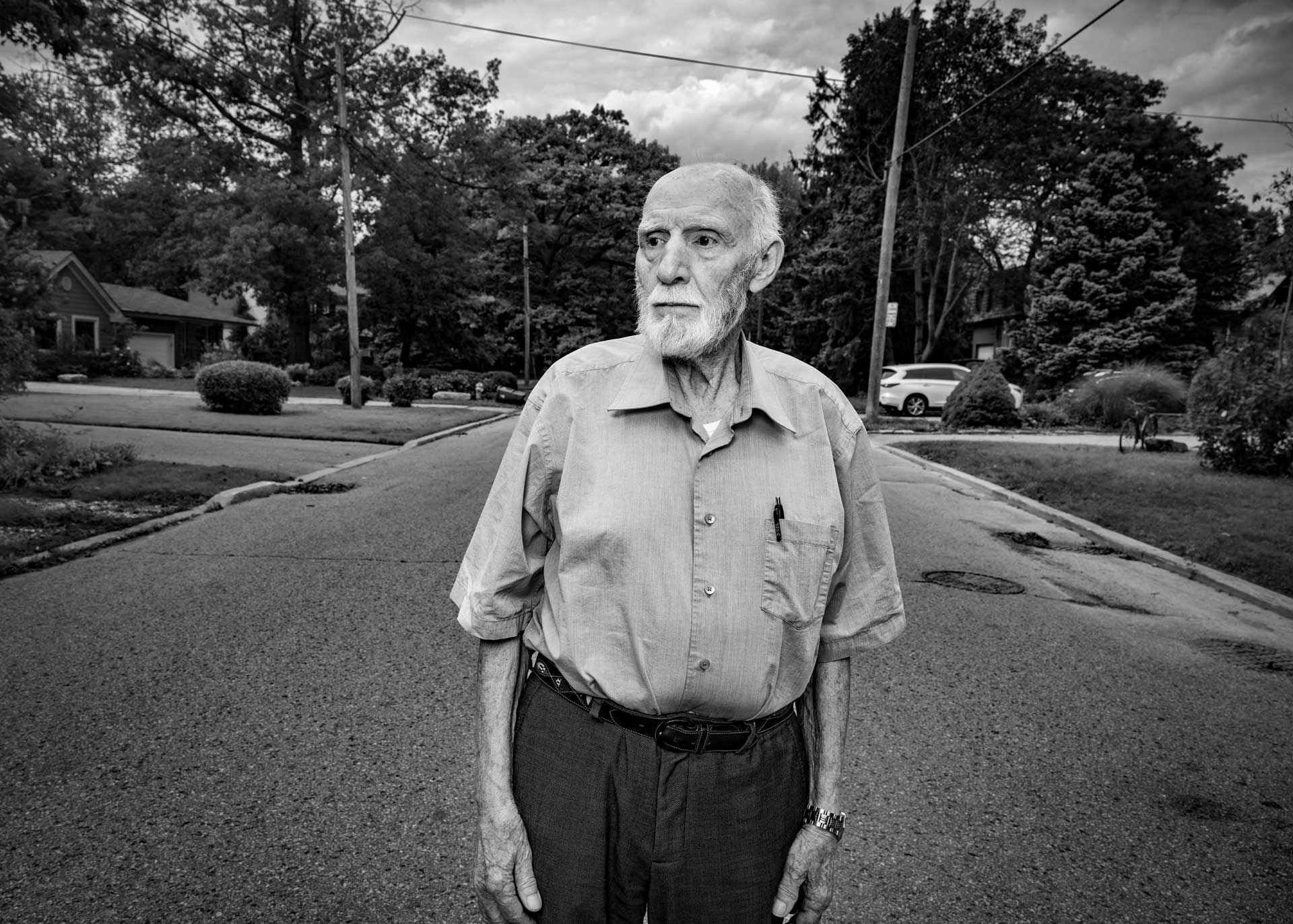
How Claude was misdiagnosed with dementia is a tale of two tragedies. The first involved medical missteps after Claude started taking a high dose of prednisone in 2015 to treat temporal arteritis, a painful autoimmune disorder that inflames arteries around the head. Widely used to treat inflammation and autoimmune conditions, the prednisone helped, but made him feel “wired,” impatient and, at one point, he hallucinated about seeing two adults with two little girls in his kitchen. The steroid-type drug is well known to trigger psychiatric side effects, including hallucinations and dementia-like symptoms. Claude’s doctor lowered his dose, though he kept taking the drug for the next two years, and in 2018, he went back on it to relieve severe neck and shoulder pain.
In her ruling, Justice Jennifer Lynn Whately wrote that the medication took a “catastrophic” toll on Claude, changing his behaviour and personality in a way that distressed his family – making him impulsive, “cantankerous, less rational” – and causing symptoms that “mimic dementia.” Whately questioned how Claude’s doctors overlooked the drug’s known side effects and concluded that, tragically, false reports from the family contributed to their mistaken opinion.
The court heard that, in October 2018, Claude’s wife Dora – with granddaughter Brittany in tow – went to her physician, Dr. Tanja Daws, to complain about her husband’s behaviour. They told Daws, who was also Claude’s family doctor, that he had become manic, rude, reckless and was dramatically overspending on the farm.
The Pelletiers had bought 50 wooded acres to farm in North Courtenay after they moved to Vancouver Island in 1970. While Dora worked as a city administrator, Claude was a mixed-metal miner who devoted his off hours to clearing the land and building the farmhouse, barn and workshops. He went on to raise cattle and sheep, grow hay and craft custom machinery for local farmers.
Even after they retired and moved in 2009 to a Cape Cod-style house they’d had built on a picturesque acreage nearby, Claude drove two kilometres back to the farm to work each day. At the time, Brittany and Darryl were living at the farmhouse, which Claude and Dora rented to them for a mere $800 a month. After Brittany started having children, she often told her grandmother the new house on Graham Road was far too big for her grandparents, and eventually Dora agreed. Although Dora had been eager to leave the farm, in the spring of 2018 she convinced Claude to sell their retirement dream home to Brittany and her young family. Claude says they were happy to sell the Graham Road house to Brittany for $374,000, less than half its market value, telling their granddaughter it was an advance on her inheritance. At trial, Brittany denied any discussion about an inheritance and testified that the discounted sale price was just something her grandparents were happy to do for her.
Moving back to the farm, however, ignited a cold war between the Pelletiers. Dora wanted Claude to quit farming but he was unwilling to give it up. “I felt that after all the years spent clearing and developing the land … I should be entitled to work outdoors,” he says. “I had spent 46 years working underground.
“Perhaps I was selfish, but I knew that (farming) was the best therapy for me.”
He and Dora had endured unspeakable tragedies during their marriage. In 1982, the youngest of their three sons, Christopher, died of brain cancer at age two. In 2007, they lost their middle son, Darrell, who’d been teaching English in Korea when he suffered a cardiac arrest. The Pelletiers flew him back to Canada where he passed away after spending five years in ICU. Darrell was 37.
A 2023 report for the Canadian Bar Association called the rampant misuse of seniors’ powers of attorney part of a “silent epidemic”
While Claude found solace working outdoors, Dora grieved differently, indoors. As she became more frustrated with her husband, doctors began to question Claude’s state of mind. In court, medical professionals testified it was largely Brittany – not Dora – who told them Claude had spent close to half a million dollars on farm equipment, drained her grandparents’ savings and was dipping into their retirement funds. Yet the judge found Claude had spent less than $100,000 on a tractor, a harrow and a Honda SUV, and hadn’t depleted their savings or touched their retirement funds. Indeed, Claude pointed out the Honda was not purchased for the farm, but for Dora.
The judge noted throughout the trial “Claude maintained that the doctors were being told lies about his spending habits,” and that “He understandably developed a strong distrust of his medical team. This, in turn, was seen as part of Claude’s overall paranoia and “perseverative behavior.”
Whately also concluded Brittany’s reports that her grandfather was having ongoing hallucinations and a 37-year-long affair were untrue.
“Much of the reporting by Brittany, including details about Claude’s spending and behaviour, was repeated over and over in the medical reporting but was shown to be exaggerated, lacking context, or completely false.”
The judge noted Dora admitted in court that the information doctors heard “with respect to Claude’s alleged spending were incorrect but she did not correct them at the time.”
Whately went on to write: “I may ask whether Brittany’s narrative ought to have been more carefully scrutinized by medical professionals, or whether Claude’s doctors ought to have considered whether he was experiencing an adverse reaction to medication, given its known side effects.”
Since the 1980s, medical journal reports have warned the use of corticosteroids – of which prednisone is among the most commonly prescribed – can lead to symptoms that look like dementia. Corticosteroids are a class of medications designed to act like cortisol, a hormone key to myriad bodily functions, including sleep and the fight-or-flight stress response. A 2011 review from researchers at Stanford University Medical Center found the psychiatric side effects “are not rare,” and the title of a 2008 University of Cincinnati peer-reviewed article in Geriatrics put it bluntly: “Expect psychiatric side effects from corticosteroid use in the elderly.”
Claude’s family doctor, Daws, after agreeing to answer some questions by email, wrote why prednisone was not considered a factor: “Steroid-induced psychosis is exceptionally rare and often very acute and at higher doses of prednisone. Claude’s symptoms were milder, gradual in onset and did not look like a typical psychosis. Two geriatric psychiatrists thought it was dementia.”
In November 2018, the hospital psychiatrist who diagnosed Claude also deemed him legally incapable of making his own financial and legal decisions and recommended his power of attorney be enacted. Claude had assigned his POA to Dora several years earlier, but the court heard it was mainly Brittany, named as the alternate, who managed his money. At the time, however, Claude had no idea it was his granddaughter – not his wife – who had taken charge of their finances after his diagnosis.
Brittany, through her lawyer, declined to be interviewed for this article. Dora did not respond to a written request for an interview, and her lawyer declined to comment.
No Money, No Say, No Hope
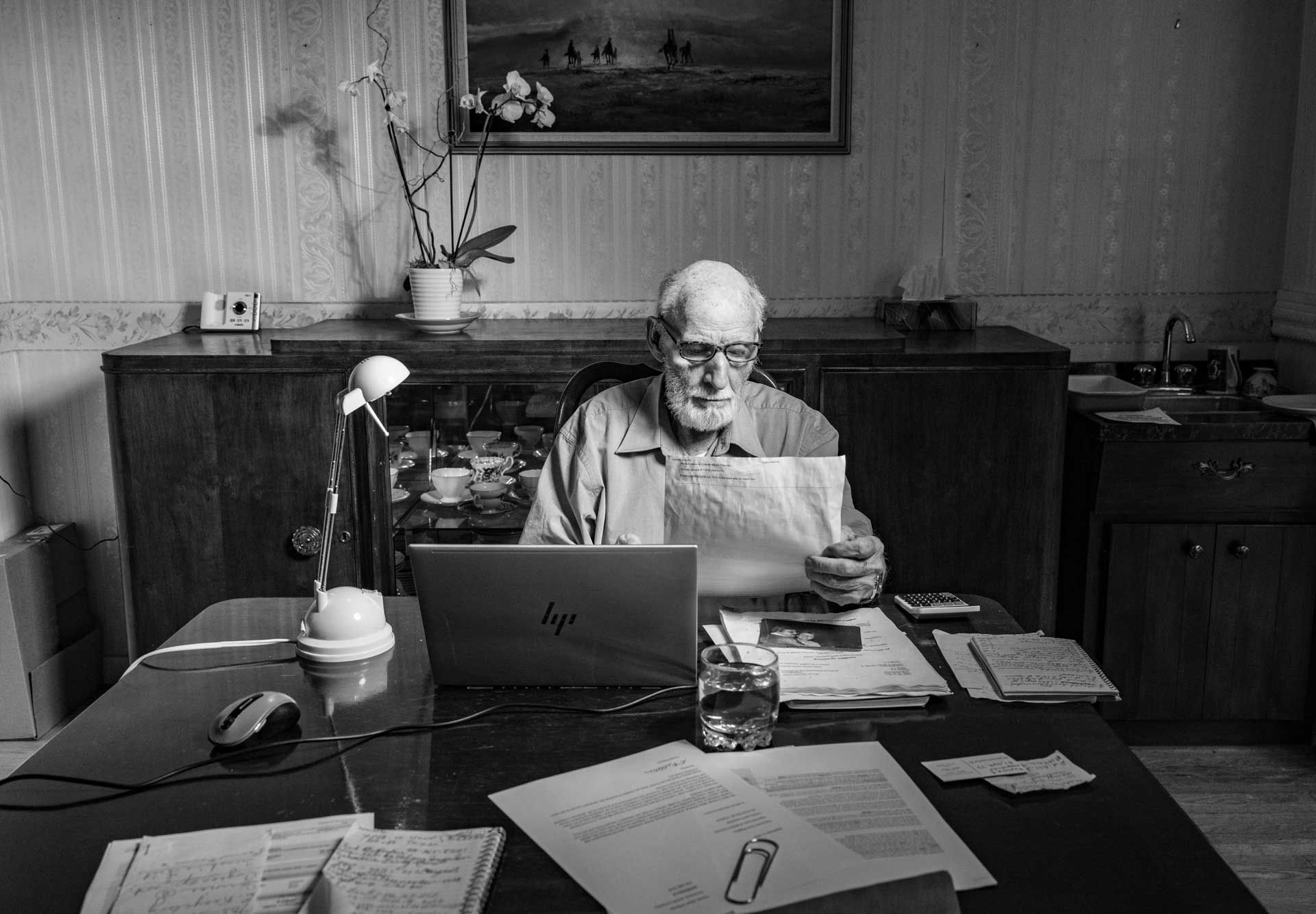
Power of attorney is a legal document that authorizes someone to make decisions on your behalf, if you are unwilling or incapable of managing your own affairs. A 2023 report for the Canadian Bar Association called the rampant misuse of seniors’ powers of attorney (POA) part of a “silent epidemic.” A POA can be set aside if someone has the mental capacity and resources to revoke it. But after doctors declared him incapable, Claude had neither. Dora and Brittany restricted his access to his bank accounts and credit cards and gave him no more than pocket money to spend.
Then, in January 2019, less than two months after his diagnosis, Dora told him she was selling the farm. Claude was crestfallen, but not surprised. He’d already been looking for legal help to revoke his POA, but was unable to follow up. By February 2019, the antipsychotic drug doctors prescribed to him for the symptoms they wrongly attributed to dementia left Claude debilitated.
While antipsychotics are designed to treat psychosis-related illnesses such as schizophrenia and bipolar disorder, both Health Canada and the U.S. Food and Drug Administration have issued serious warnings about their use in elderly patients with dementia. Ample research shows the medication can make memory and cognition worse, as well as increase the risk of heart failure, strokes, falls, infections and death. Despite the black box warning on the drugs, numerous reports from Western countries – Canada included – find antipsychotics are over-prescribed “off-label” to seniors, especially in nursing homes, as a chemical restraint.
In her emailed response to questions, Daws wrote “there are limited treatment options available for the neuropsychiatric behavioural symptoms of dementia (e.g irritability, aggression).” She added that antipsychotics are prescribed “in the lowest needed doses … out of necessity and with awareness of the risk.
“The risks are discussed with patients and caregivers. It is not a treatment for dementia per se, but for the associated difficult to manage symptoms to keep the patient and the caregivers safe.”
But Claude says no one discussed the risks with him when the antipsychotic was prescribed. In the notes Daws wrote after that appointment – which were included in the medical records Claude paid more than $150 to acquire for his case – the doctor wrote: “I explained that (the antipsychotic) is to help him focus, be more functional … I did discuss briefly that if I was wrong he would not be worse of[f], but that if I was right, we could slow down the progression of the illness, thereby protecting him and his life.”
It was at that same appointment Claude heard for the first time that he had dementia, and the diagnosis blindsided him. “It was a pretty heavy blow hearing that. Even though I didn’t think that I had it, out of an abundance of caution, I thought, ‘maybe you better take the medication.’”
After Dora first told Dan about his dad’s dementia diagnosis, “I went and spent as much time with him as I could,” but he says he saw no sign of mental decline in his father
Within three months of starting Seroquel, the brand name for quetiapine, Claude, who was still on prednisone, suffered severe stomach problems, nausea, weakness and fatigue. By April, his vision was so poor he could hardly see. “I would sometimes think to myself, ‘Claude, is it perhaps symptoms of dementia?’”
After Claude told Daws about the side effects, she switched him to risperidone. But the second antipsychotic proved more torturous as Claude developed akathisia, a neuropsychiatric syndrome that results in the inability to remain still. “It was such a strong compulsion,” says Claude. “I had to pace from 4:30 a.m. until 11 o’clock at night. My legs would be so sore.”
The side effects became so distressing, “I finally enquired about MAID because I didn’t know how much longer I could endure it,” he says. He’d heard people with dementia might not be eligible for MAID, and Claude says Daws, along with a consulting hospital psychiatrist, told him a third doctor would have to approve a request. “I got the impression this was kind of a formality.”
In her emailed response, however, Daws wrote that Claude “would not have been able to have MAID as he lacked capacity and insight for the majority of his symptomatic period.” Yet Claude says Daws invited him to fill out a formal request for MAID, which he did in her office. He also recalls Daws describing “how nice it could be. She explained that I could play some of my favorite music or sit in the garden if it was summertime.”
In response to Claude’s recollections, Daws wrote in a follow-up email, “When patients enquire about MAID, I provide them with the basic information they need at the time to alleviate their anxiety.” She wrote that she could not remember if she had Claude complete the request form for MAID, but added “we did not start a formal process as there was no need … Claude’s enquiry about MAID was theoretical for the future if he got more ill from dementia.”
Claude wasn’t sure he wanted to die, but, as despair took hold, he wanted to understand his options. He’d been switched to a third antipsychotic, olanzapine, in less than a year. The farm was being readied for sale. In Brittany’s yard, beside the Graham Road house, construction had begun on a new bungalow where Claude was told he and Dora would live. He had no clue then that their debt-free farm had been put up as collateral to finance the new build. As Claude says, “I was pretty much handcuffed.”
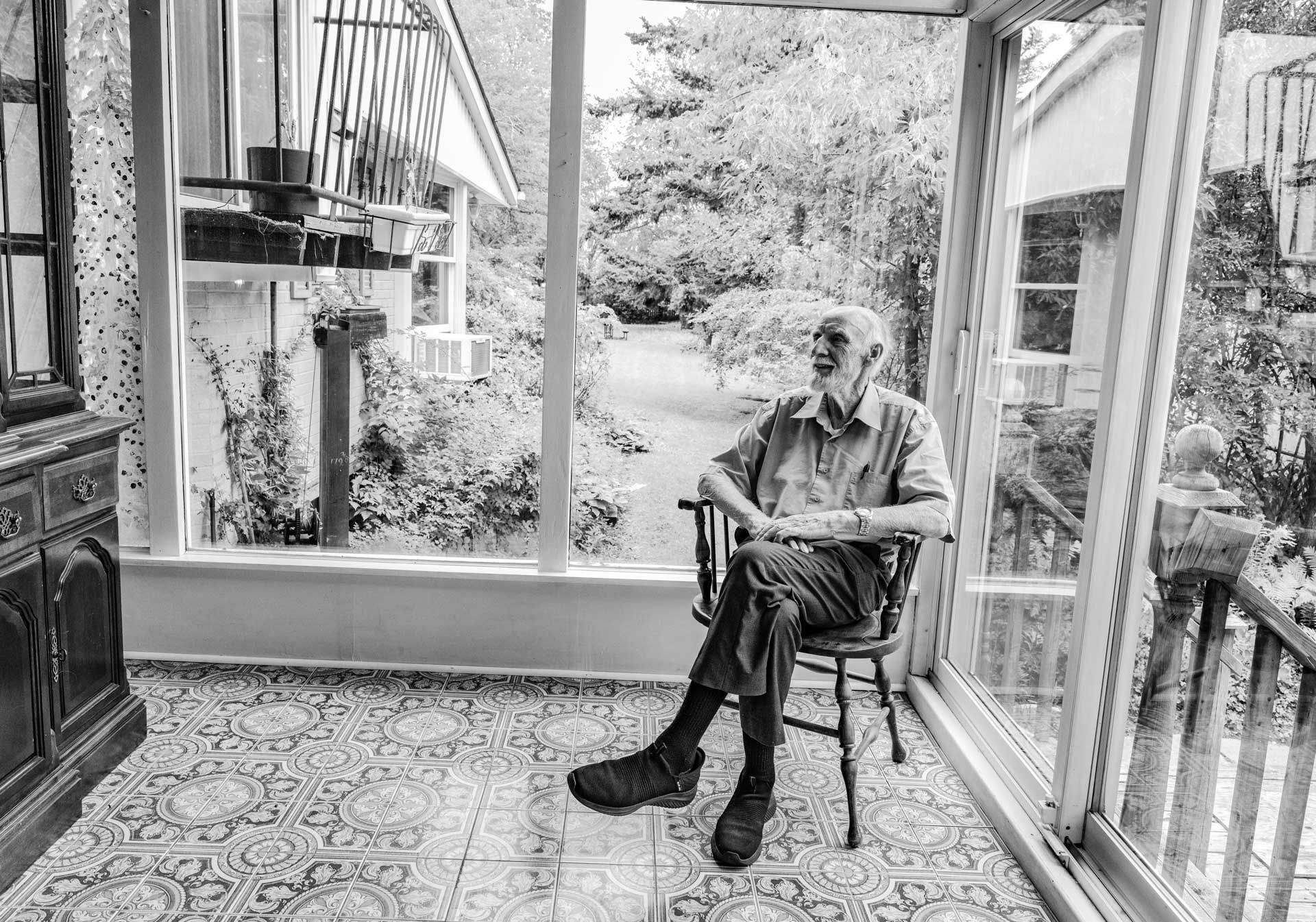
Doing as He Was Told
In November 2019, Dora moved into the bungalow without Claude. Their relationship had reached an impasse, and his wife and granddaughter left Claude alone at the farm to sell off its assets. Since Claude had lost the legal right to manage his own money, this didn’t make sense to Dan Pelletier, Claude and Dora’s eldest son and Brittany’s father. “Here’s someone with dementia, but they’re letting him sell the equipment? We’re talking $30,000 or more for one piece of equipment in some cases.” The court heard Claude’s sale of the farm assets brought in more than $240,000, but as the judge would later write: “It is not clear … where the funds from the sale of farm assets went.”
After Dora first told Dan about his dad’s dementia diagnosis, “I went and spent as much time with him as I could,” but he says he saw no sign of mental decline in his father.
Claude had started weaning himself off the antipsychotics as soon as Dora moved out, and he assumed he would live at the farm until it was sold. But, in April 2020, Brittany showed up with a health-department nurse and told him he had to move into her garage, where her husband was building a living space. Claude says he had only six hours to pack up his life, but dared not complain. “I thought to myself, ‘You better not protest Claude … they’ll put you in a home,’ I have no doubt that that’s what they would have done.”
The new unit was a 500-square-foot, one-bedroom with a bathroom, living room and kitchen area, where he cooked meals on a hot plate and washed his clothes in the sink. The judge found Brittany and her husband gifted themselves $200,000 of Claude’s money for the construction of what was described as a guest suite, and charged him several thousand dollars more for “extras,” despite acknowledging the actual construction costs were around $130,000.
For Claude, it was a lonely time. Brittany had emailed Dan and asked him to stay away due to “the COVID 19 situation and both of your parents being at high risk.” Dan agreed, but asked his daughter, from whom he’d long been estranged, to unblock his number in Claude’s phone so he could stay in touch. Dan says she never did, and Claude says his calls to Dan never went through. He had no contact with his son for about a year and didn’t know why.
One of the few upsides to living in the guest suite was spending time with Brittany’s girls. His great-granddaughters were then about seven, five and three and he was their regular babysitter and playmate, which helped him recuperate after he decided on his own to completely stop the antipsychotics.
Free of the drugs, Claude felt better than he had in months. He abandoned any thoughts of MAID and became more curious about his finances, especially when the farm sold in July 2020 for $1 million. Dora told him his half was in the bank earning good interest and Brittany was managing his pensions. After his many requests to see financial statements were ignored, he began to suspect Brittany was more involved than he thought.
In the fall of 2021, Claude managed to contact a local lawyer to try and revoke his power of attorney. After the family found out, Brittany called the police to take her grandfather away.
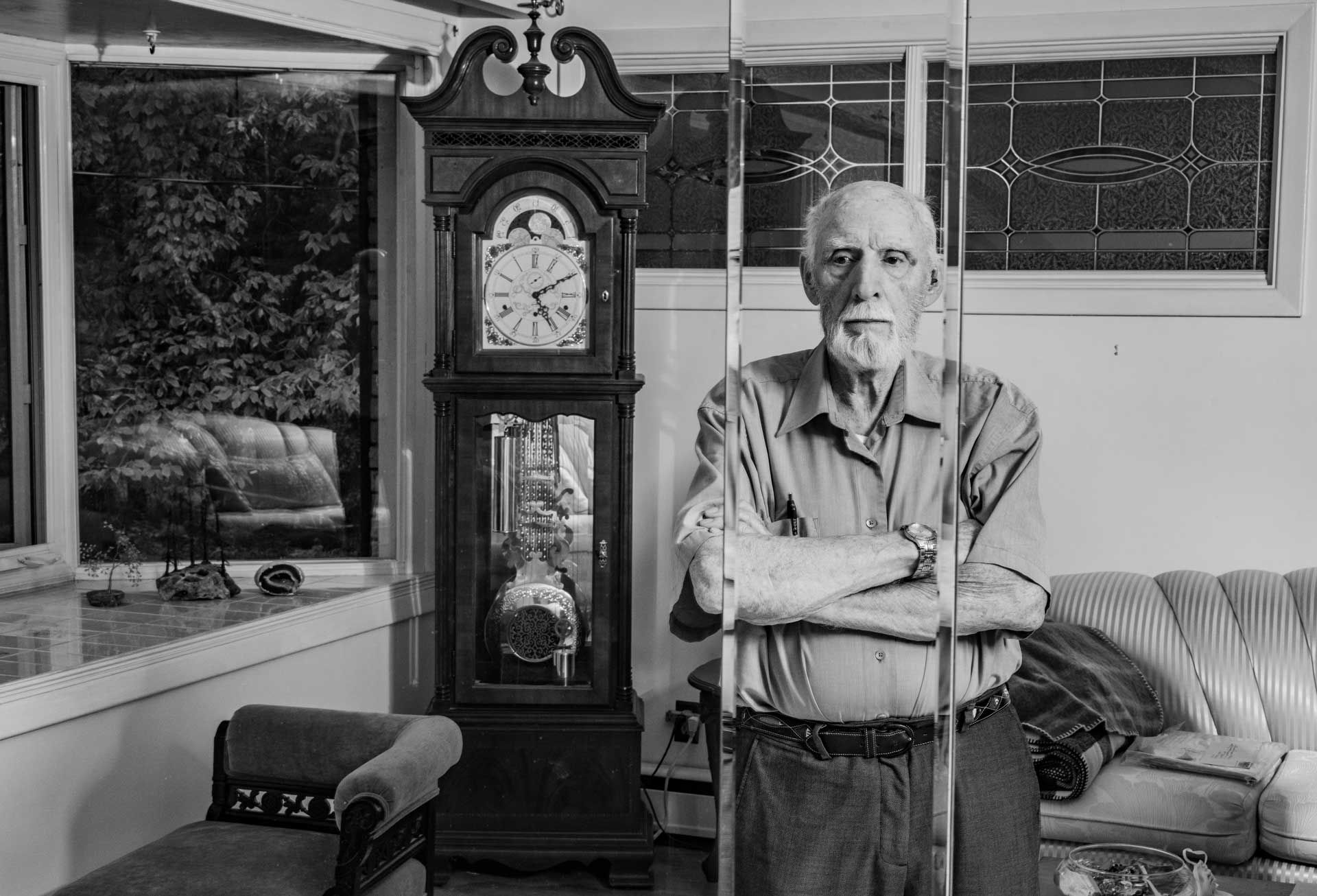
911
Increasingly, police are being called to resolve ugly family disputes involving seniors. Between 2018 and 2024, the rate of police-reported family violence against older adults rose 49 per cent, according to Statistics Canada. In 2024 alone, there were reports of 7,622 seniors being victims of violence. When police are called to settle non-violent family conflicts, it’s tricky territory.
“The police find themselves in those situations where they don’t know who to listen to,” says Schoepflin from the Canadian Network for the Prevention of Elder Abuse. “Many now have an elder abuse division, but not all of them, and they’re just like the rest of us – existing in this ageist system where they may come with their own kind of invisible, unconscious bias about things.”
The transcript of the call Brittany made to the RCMP, which was among the documents collected for the case, shows she had a hard time convincing the dispatcher to send police to pick up her grandfather. “We don’t just grab people and take them,” the dispatcher told her. Brittany, crying, said her grandfather’s dementia-related behaviours kept “escalating … and he’s unmedicated. Completely.” After the dispatcher, who was also a police officer, suggested contacting a provincial support service, Brittany alleged her grandfather was threatening to kill himself, he’d beaten her kids with a belt and medical professionals were too scared to come on the property.
That night, an RCMP officer pounded on the window of Claude’s guest suite, apprehended him under the Mental Health Act and took him to the hospital despite his protests. As the officer escorted him to the ambulance, Claude saw Brittany and Darryl disappearing into their house without once looking back at him or the flashing lights in their driveway. In that moment, Claude realized his granddaughter had been the one to call the police – and how wrong he had been about her involvement.
At the hospital, the allegations Brittany made to police against her grandfather were repeated in Claude’s medical chart, and led to his lockdown in the psychiatric ward.
The next day, Claude heard what his granddaughter had said about him. The revelation was traumatic, as was the realization that her version of events trumped all his explanations. He told the hospital psychiatrist he never threatened anyone, he regularly babysat his great-granddaughters and would never mistreat them. He said his granddaughter had called the police to stop him from seeing a lawyer to revoke his power of attorney. The psychiatrist’s notes show he dismissed Claude’s explanations as “creative excuses.”
The Tallest Hurdle
Throughout his ordeal, Claude felt an “anchored bias throughout the whole medical system” that his age instantly cast doubt on his credibility, especially at the hospital. The psychiatrist tried repeatedly to get Claude to admit to the things Brittany said he had done. When he kept refusing, as the medical records show, the psychiatrist instructed nurses to inject Claude with an antipsychotic if he refused to take the pills.
Using antipsychotics to subdue seniors is a significant and stubborn practice in Canada. The Canadian Institutes of Health Information found that, between 2024 and 2025, about one in four long-term care residents was given an antipsychotic without a diagnosis of psychosis. Other research has found health professionals too often do not seek or obtain patient consent before prescribing them to older adults. Claude says the hospital psychiatrist told him, “‘in here, I can prescribe whatever I want.’”
Claude agreed to take the drug, but, as he would tell the court, he spit it out daily. Two weeks later, the psychiatrist wrote in his notes that Claude was “less prickly, more outgoing … actually bright, conversant.” The doctor felt the drugs had helped to make Claude so reasonable and pleasant he ordered another round of capacity assessments. Claude passed them all.
Three weeks after his forced admission, the doctor deemed Claude legally capable of designating a new power of attorney to manage his affairs and called a family meeting. Dora and Brittany didn’t show up, but emailed the doctor to say they’d arranged for Claude to go to a local nursing home. “If that had happened, there’s no way I would have been able to go and see a lawyer,” Claude says. “They wanted to shut me up forever.”
When Dan, who did attend the meeting, heard the plan, “I just thought, ‘My dad will not do well in a home,’ so I just said, ‘No, he’s not going there. He can come and stay with me.’”
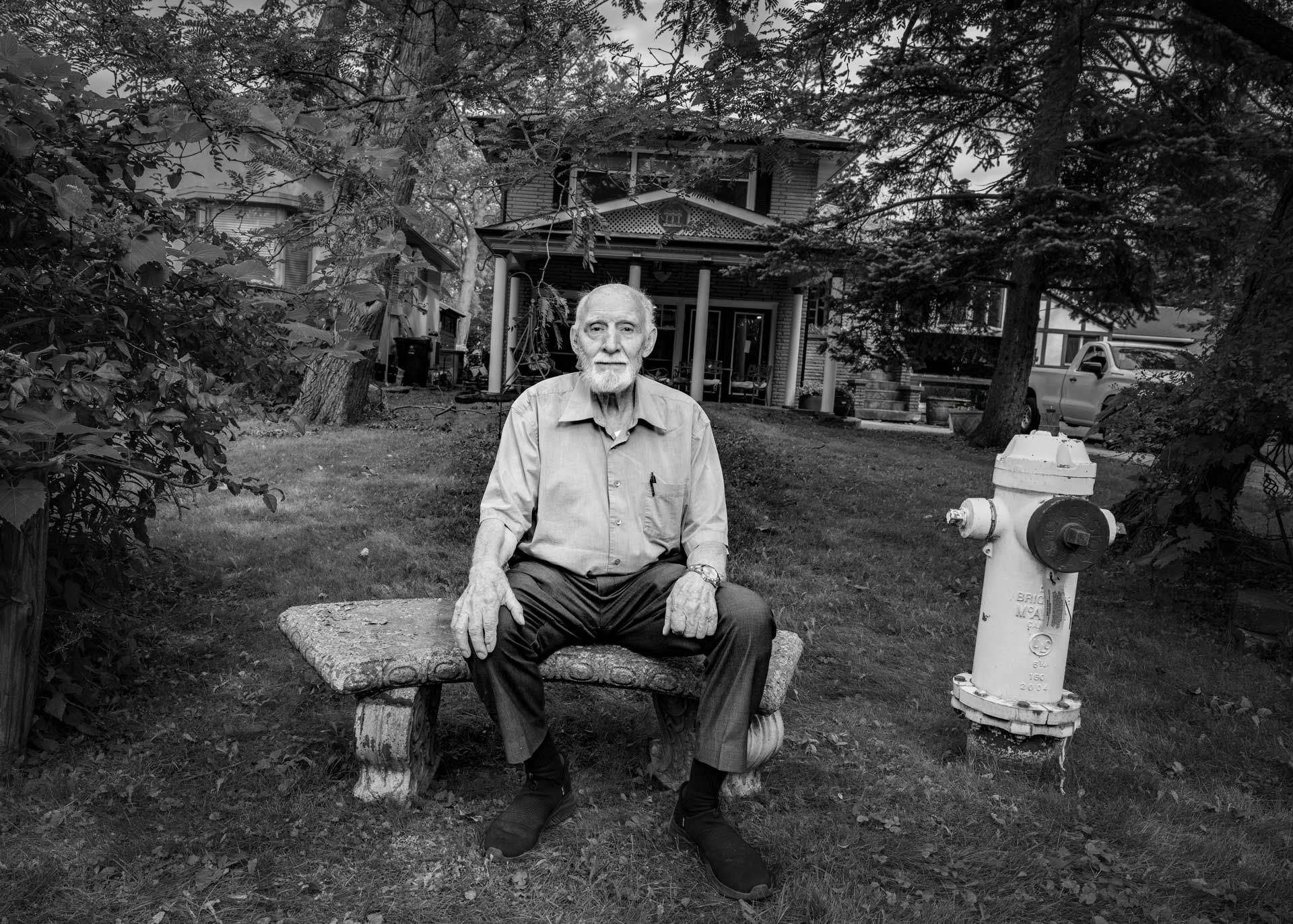
Trials and Tribulations
After Claude moved in with Dan, he underwent formal testing that confirmed his capacity and took steps to formally revoke his POA. Brittany, meanwhile, was drawing up a separation agreement for her grandparents. The document gave her and Darryl $200,000 for building Claude’s guest suite in the garage, and gifted them an additional $200,000 for their children’s education. Claude, however, only found out he and Dora were legally separated when he received the agreement in the mail in January 2022, and also discovered what money he had left was going to his granddaughter.
The document had been signed by Dora and, on his behalf, by Brittany. The judge would find “no efforts were made to do anything other than push the Agreement through quickly, once it became clear that Claude’s capacity was being re-evaluated, and that as a result, the POA may be revoked.”
Indeed, by the time Brittany signed the separation agreement for her grandfather, Claude had already revoked his POA. When he refused to sign the document himself, it was Dora, with Brittany’s help, who brought the legal action against him to force his acceptance of the separation agreement.
Claude says he had neither the appetite nor finances to wage a legal battle and tried to settle the matter out of court. After those efforts failed, and he learned how much money was missing – from the farm sale, his monthly pensions and his retirement savings funds – Claude decided to file a countersuit. He and Dan visited four law offices in three cities on Vancouver Island, but most lawyers told him his case was too big or too complicated to take on.
When lawyer Daniel Gorelov heard his Vancouver firm, which specializes in elder law, would be representing an older man who had recovered from dementia, he was wary of how credible the client would appear in court – until he met him. “Claude was a very bright man who had a very strong recollection of everything that had happened and he was quite well spoken, and that surprised me a little bit.”
During the 10-day trial in June 2024, the judge also found Claude “was lucid, clear, thoughtful, and measured in his testimony,” she wrote. “He had good historical recall and responded appropriately to questions both in direct and under cross examination. He was well-dressed, even dapper, and carried himself with dignity and intelligence.”
It was Brittany that Whately found “neither credible nor reliable,” but “evasive and flippant” and “dishonest.” “She denied facts that were obvious on their face, and could not, or would not explain or take responsibility for financial transactions she had clearly made,” the judge wrote. “I was left in doubt about all of Brittany’s evidence.”
The judge did, however, acknowledge “Brittany’s version of events with respect to how difficult it must have been for her to manage care of her very young children alongside the growing needs of her grandparents, especially Claude, during this time.” That said, Whately also noted “caregivers who accept the role of managing another person’s affairs while they are incapable must do so with the utmost of care towards the person’s best interests, and not with a mind to their own profit, frustration or convenience.”
The judge also did not find Brittany’s husband Darryl “to be credible or reliable when it came to financial matters.”

Finding in favour of Claude, Whately ordered Brittany and her husband to cover his legal costs up to $120,000, although his fees are twice that and still mounting. The judge also awarded Claude $437,535 in damages, roughly half the $800,000 Brittany and Darryl took from her grandparents. Given the Pelletiers’ separation, the judge ruled the remainder belonged to Dora, even though she made no legal claim to it, nor did the court order the Adcocks to repay her.
Although Whately ruled Dora had also breached her fiduciary duty to Claude, she declined to order damages against her, writing “Dora’s cognitive and memory issues have been present for some time.” The judge found Dora had trouble remembering key details, the order of events, when bank accounts were opened and by whom.
“I find that her capacity to be a credible and reliable witness is much compromised by her own recent health issues, and possibly, by her devotion to Brittany and her family,” Whately wrote. “I note that Dora’s own financial best interests seemed to have been forgotten or ignored by both Dora herself and certainly by Brittany, but Dora was not under an order of incapacity at the relevant time.” At the outset of the trial, the court heard Dora could not afford to pay for her own legal counsel.
The judge conceded the award to Claude could not make up for everything he lost, because “failure to keep or make [financial] records during Claude’s incapacity” made a “precise accounting impossible.”
Weighing Options
Claude still lives with Dan, and takes handyman jobs to pay for groceries and his lawyers while waiting for Brittany to comply with the court order. As he sees it now, his granddaughter was “the mastermind, and Dora, a willing accomplice” in his ordeal.
Brittany still lives in the big Cape Cod on Graham Road, which has been on and off the market since the trial started, and is currently listed at $2.2 million. Claude believes Brittany is in no rush to sell and pay him back, leading him to the sad conclusion his granddaughter is “probably waiting for me to die.”
“I’ve lost years of my life. I’m not a vindictive person, but some really bad things have happened here”
–Claude Pelletier
As his lawyers decide how to recover the money Brittany owes, Claude has pondered the pros and cons of pressing criminal charges. He feels he may have solid grounds, but worries about his great-granddaughters, now 13, 11 and nine, who are “foremost in my mind.” The last time he saw them back in 2021, he was locked in the psychiatric ward. The eldest brought him their homemade get-well cards and, from the hospital window, he watched as the two youngest did a dance for him in the parking lot.
He and Dora, who is now in an assisted-living home, still occasionally talk on the phone, although they rarely discuss what’s become of them. Claude is sure she would disapprove of a criminal case against their much-loved granddaughter, but with little means to support himself, the long wait for justice weighs on him. “I’ve lost years of my life,” he says. “I’m not a vindictive person, but some really bad things have happened here.”
LEFT OUT OF THE LAW
Someone who holds power of attorney is legally obliged to act in the best interests of the person they represent, but Bénédicte Schoepflin, executive director of the Canadian Network for the Prevention of Elder Abuse, says “a strange rationalized logic” can take hold, where someone with POA may feel entitled because they’re assisting an older loved one, or they feel deserving because their elder benefitted from an earlier time when it was easier to accumulate wealth. Both scenarios, she says, open the door to financial abuse and “devaluing a person’s right to their own decisions.”
It’s a “very, very, slippery slope,” Schoepflin adds, which can lead to threats, isolation and psychological manipulation. In legal terms, it’s known as “coercive control,” and this summer, the Canadian government made it an offence under the Criminal Code.
However, Bill C-16, the Protecting Victims Act – which passed in June – currently focuses on abusive intimate partner relationships. New laws criminalizing coercive control in England, Scotland, Wales and parts of Australia, meanwhile, recognize it can also be a weapon in elder abuse. In revisions to the draft of Canada’s new legislation, threats to harm animals was added as a means of coercive control, yet older adults are still left out. University of Guelph sociologist Myrna Dawson, who researches intimate partner violence and accountability in the criminal justice system, calls Bill C-16 “one of the really good examples of how invisible [older people] are in the eyes of the law.”
Indeed, elder abuse, unlike child abuse, is absent from the Criminal Code. Nor is it legally mandatory in most provinces for the public to report suspected cases of elder abuse, unless it occurs in a retirement residence or long–term care home.
Last fall, seniors’ advocacy groups – including Schoepflin’s organization – formed the Elder Justice Coalition to convince the government to expand Bill C-16 in a way that would recognize the threat loved ones can pose to their elders and criminalize coercive control “in family relationships.” In her written submission, Margaret Hall, a criminology professor at Simon Fraser University, likened the offence to a “capture crime” where a hostage acquiesces to their captor, noting it is a “subtle and covert abuse of power involving a persistent pattern of controlling and manipulative behaviours.”
As it is, the new law “leaves a significant gap” at a time when there’s growing recognition of elder abuse within families, the Coalition said in its June statement, adding, “…the new offence would not apply when an adult child exercises coercive control toward an older parent, or when a grandchild exerts coercive control over a grandparent.”
The government has said it will consider expanding the legislation in 2031, Schoepflin said. “But it is disappointing that we have to wait five years, because in the meantime many people are suffering and left unprotected by this law.”
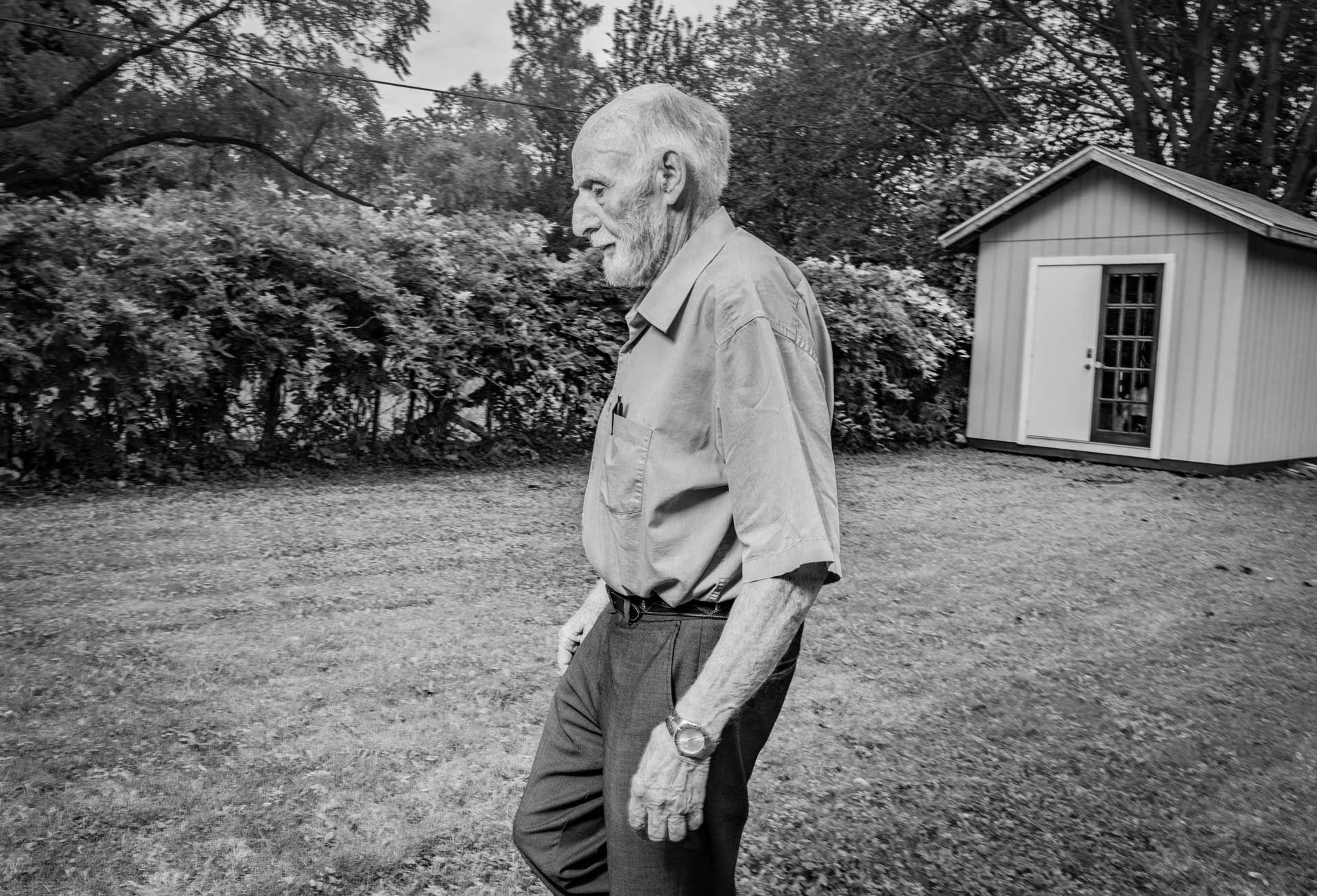
Creative director and producer: Tanya Watt
Photographed on location in Toronto
in September 2026 by George Pimentel
More from this series:
Perfect Prey: Why Lawmakers Need to Address the Financial Fraud Known as Predatory Marriage