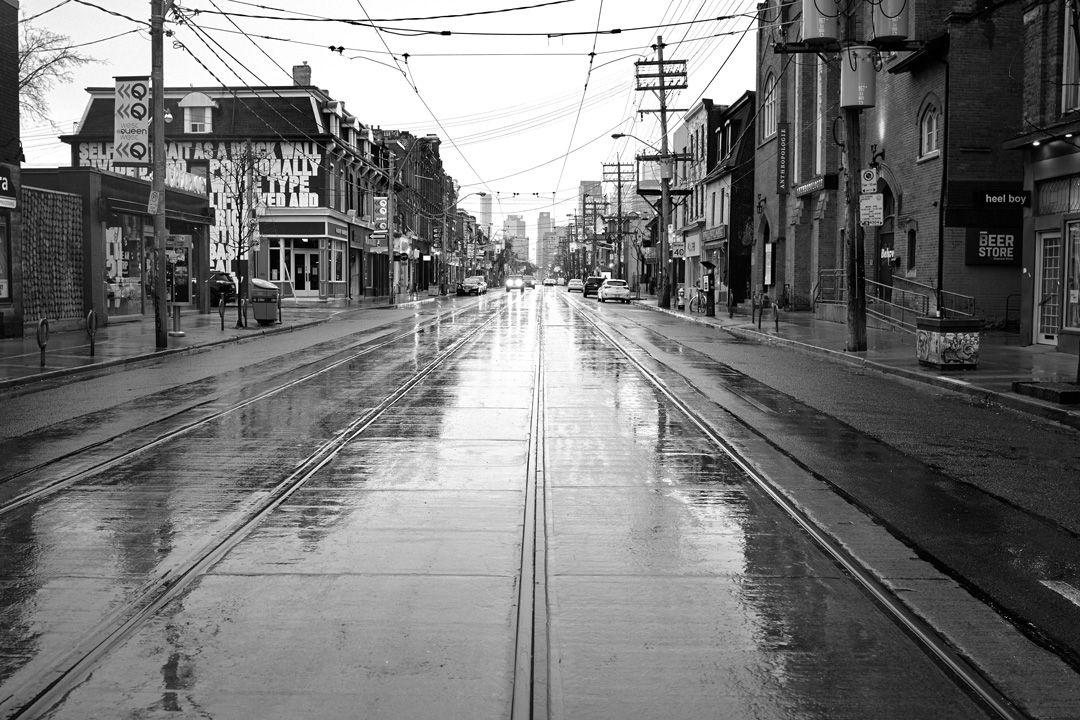


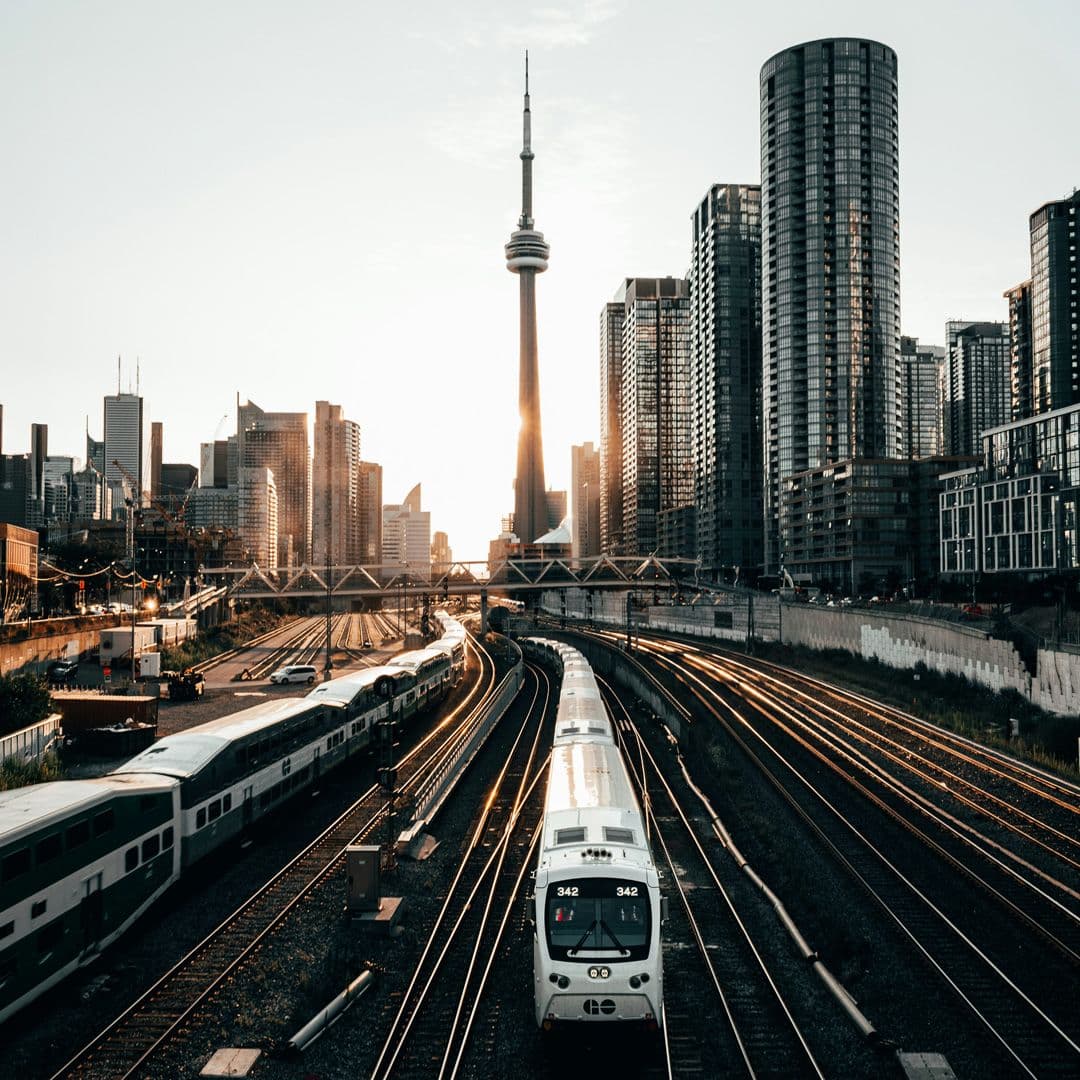
It’s hard to pinpoint exactly when Toronto began to feel like a city that no longer worked. From the back deck of my Victorian rowhouse in the vibrant west-end neighbourhood of Little Italy, where I can see the downtown skyline, I’d put it around 2022, when the city emerged from the pandemic and the familiar rhythms of urban life seemed suddenly out of sync. Toronto the Good, the city that worked, was beginning to feel like a relic from another era.
As office workers, diners and sports fans drifted back into Canada’s largest and wealthiest city, the place must have seemed unrecognizable: tent cities had sprouted up in almost every park, the TTC had become unreliable and dangerous; panhandlers were everywhere; and aggressive protestors had taken over the streets. Frustratingly for residents, neither the mayor nor police chief seemed inclined to step in – as if ignoring the signs of decay would make them magically disappear.
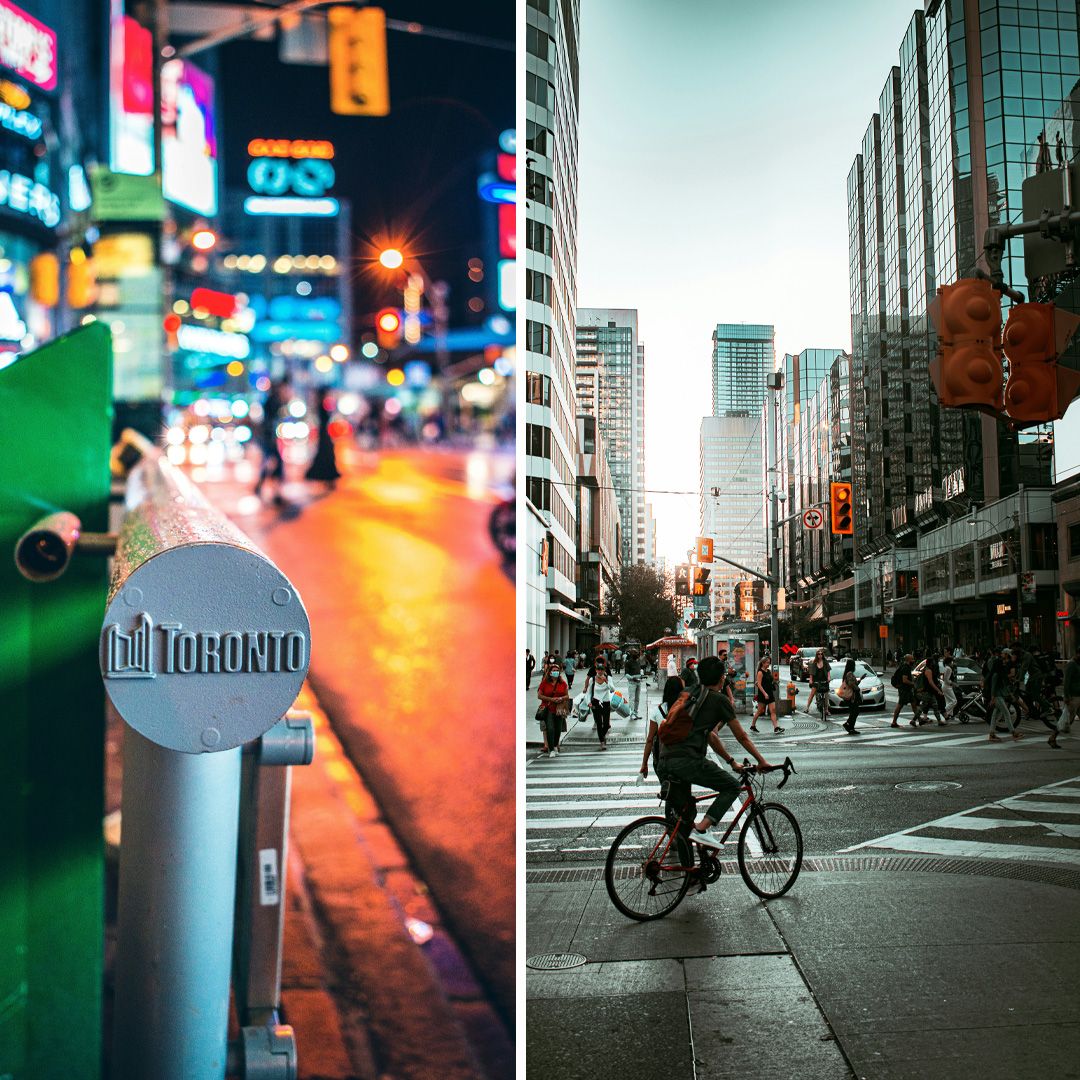
While the worst of the chaos has subsided, the underlying problems that have dogged Toronto for the last two decades still fester, as they do in all the major North American cities. Municipal services are stretched thin, property taxes keep rising, the streets are increasingly unsafe and the housing affordability crisis lingers on – all of it topped by an alarming lack of answers from City Hall on how to get it back on track.
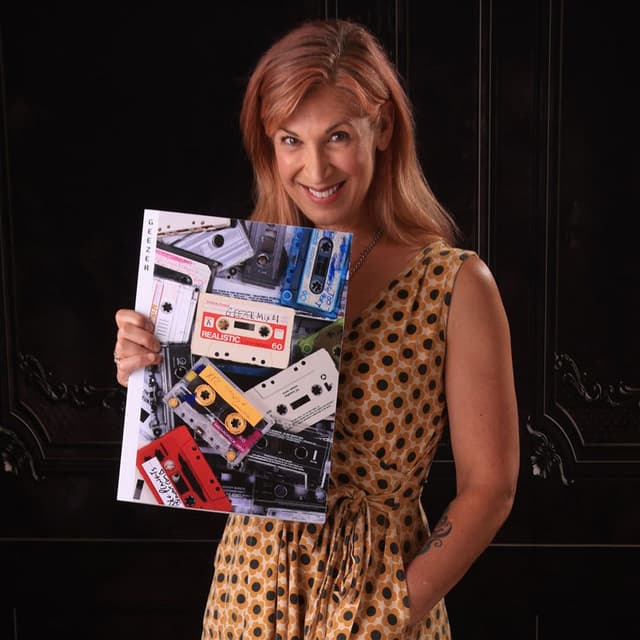
It’s all mapped out in Beyond Good Enough: Toronto and the Crisis of Urban Complacency by Karen Stintz who, as a former councillor (from 2003 to 2014) and chair of the Toronto Transit Commission – had a front-row seat as this dispiriting tale unfolded. Her book, released just in time for the October municipal elections, identifies the problems, examines the missteps, calls out the culprits and offers a prescription for revitalizing the city.
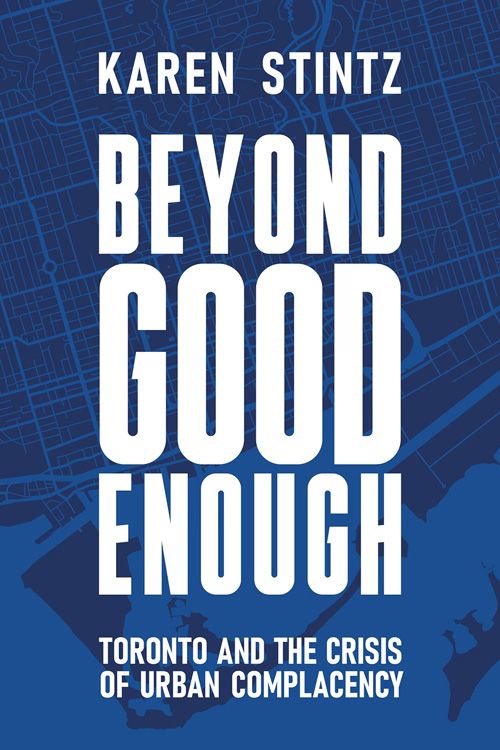
“Cities can fail,” she writes. “Let’s be sure Toronto doesn’t come to that.” She argues that Toronto’s biggest obstacle may not be any single crisis but rather an ingrained willingness to accept mediocrity – to settle for good enough when a city of this size and potential should be aiming considerably higher.
We caught up with the 55-year-old Stintz, who was taking a break from her day job as vice-president of finance and operations at the Canadian Council on Rehabilitation and Work, a non-profit group that helps people with disabilities find employment. We discussed her book, her insights for addressing the city’s failures and what it was like to be on the wrong end of a Rob Ford scandal.
Zoomer: What motivated you to write the book?
Karen Stintz: Neil Seeman [CEO of Sutherland House Experts, her publisher] reached out to me and said, “We haven’t really had a book about Toronto since The Accidental City [a renowned 1995 book by journalist Robert Fulford]. We’ve got some issues that we need to talk about that aren’t part of the public discourse.” I knew that if this book was going to be read and be relevant, these issues needed to be raised before the next election. We have time to fix them but we need to want to, and we need to have somebody who sees the issues and wants to act on them.
Z: In your introduction, you write: “Our downtown is shabby, our public parks are unkempt, our snow doesn’t get cleared and our taxes keep going up.” Besides sounding like the gripings of every old guy on my street, don’t these issues apply to every large North American city?
KS: I think there are some urban centres that are more afflicted than others, but I don’t think it’s a consequence of being an urban centre. Detroit is an example of a city that has stumbled and is now on its way back. It’s pristine – Detroit is clean. They don’t have encampments. They have issues, no question. But the visible decay of Detroit has been cleaned away. Chicago is another example.
Z: Does Toronto have the financial resources to fix its problems?
KS: I don’t accept the narrative that we don’t have enough money. I believe we don’t have enough intention. And I think that was proven during the World Cup – we were intentional about cleaning up the city, and we did a good job. The will was there. People will say that there was a big price tag attached to it, but with our $20 billion operating budget, I don’t believe that we can’t keep parks clean.
Z: You write that cities can flourish or cities can fail. How do we recognize the signs of failure?
KS: One thing I hope that people realize from this book is that it’s not one day, next day. It happens through complacency. It happens through acceptance. And it happens over time. We’re at that point where we’re looking around saying, “Well, how did this happen?” There wasn’t a moment or an event that caused this drift. It’s been, from my perspective, a series of events that have led up to where we are now.
Z: You talk a lot about Toronto the Good, when we were a boring city but one where everything seemed to work. Now we’re a bigger, more cosmopolitan and exciting city, but we have some very serious problems. You’re not saying we should go back to the old dynamic?
KS: Correct – we’re not going backwards. But we certainly can go forward in a way that remembers the nostalgia. I think it’s important to do this because that was part of what made Toronto unique. But we can’t live in that nostalgia. We have to understand what that nostalgia really was about. It was about a city that worked for the people who lived there. That doesn’t exist in the way that it used to, certainly when I was growing up in Toronto. But, we also can’t pretend that we’re a safe city anymore. We’re not. We can’t pretend that we have accountability in government, because we don’t. We can’t pretend that our transit system works, because it doesn’t.
Z: A lot of people were really ticked off at the constant street protests going on without any response from City Hall or the police. How did this happen?
KS: We got confused with what it means to be able to peacefully protest and legally protest. And, suddenly, we accepted that an illegal protest is a free speech issue when, in fact, I argue very strongly that it is absolutely counter to free speech. Free speech has to be protected so that everyone has an opportunity to be heard. But when illegal protests take over our streets and they don’t get the required permit, negotiate with the police, deal with the route – they just take over. That’s not free speech in my view. That is the illegal use of a street.
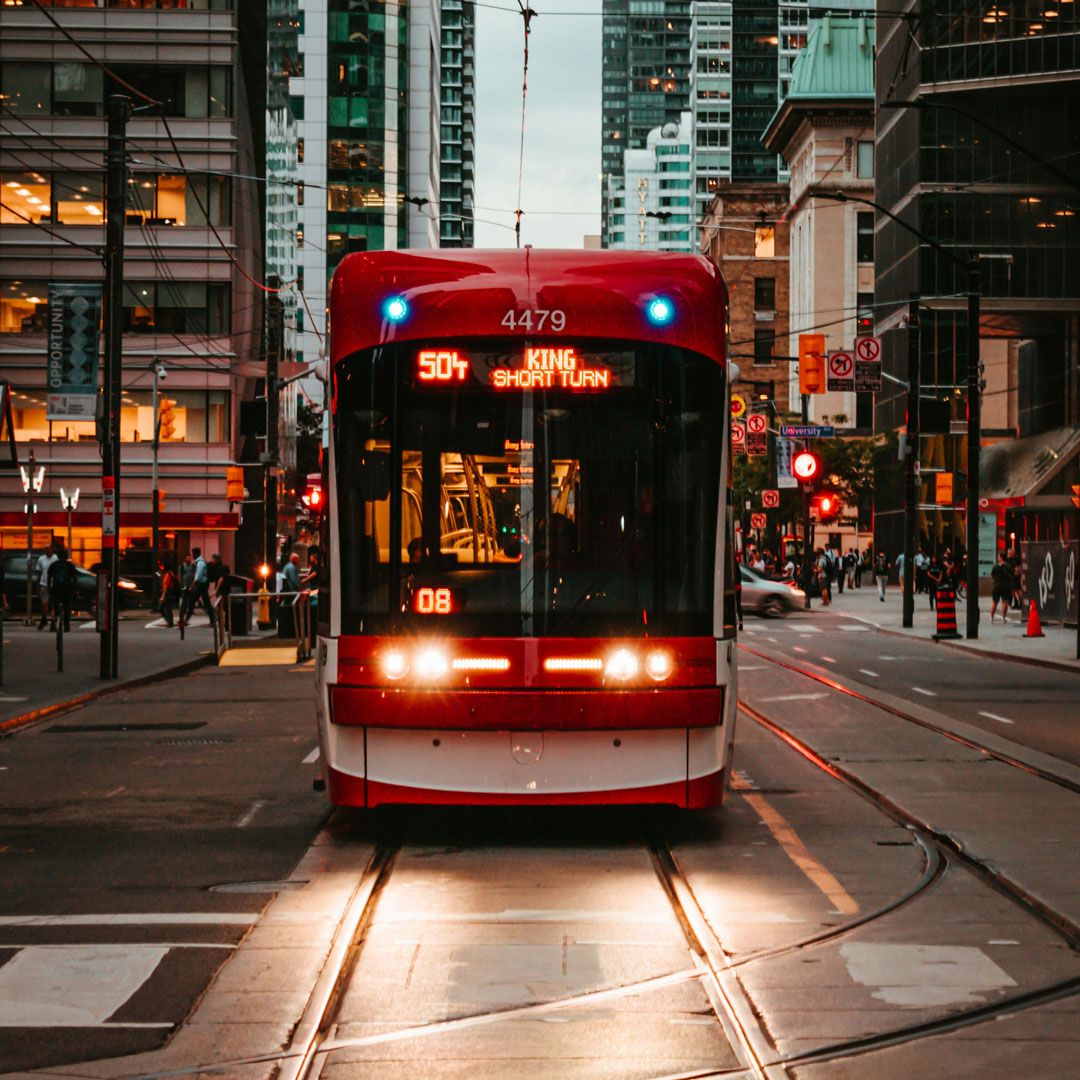
Z: Some of our older residents are scared to take the TTC or go downtown at night, which never used to be the case. Can we fix this problem or has it gone too far?
KS: We absolutely can. The TTC was designed to be a transit system. It was never designed to be a shelter system and a place where open drug use is permitted. We need to be okay to say: “Those activities are not acceptable in the transit system.”
Z: You devote a whole chapter to housing – we’ve built all these condos but there’s still an affordability crisis.
KS: It is correcting itself. But unfortunately, it’s going to cause a lot of people financial hardship, especially those who bought their condo as an investment. When you’re speculating and buying and selling condos as if they were assets instead of homes, you’re driving up the price of those assets to the point where it’s out of reach for the average person. The price of housing is going to go down. It has to.
Z: Let’s talk about your experience in municipal politics. Your book has a wonderful anecdote of city council spending an entire day arguing over whether or not a homeowner could cut down a black walnut tree on his property.
KS: The debate wasn’t about a tree, it became more about protection of the environment and making sure that we have trees and that the next generation has access to clean air. The argument morphed into some principled position around why you can’t possibly cut down the tree … versus the pragmatic approach, “Can we take this tree down and do something else for the environment?” And that dialogue existed only because we didn’t have a mayor who would say, “This is a ridiculous discussion.”
Z: Is it possible for a powerful mayor to seize the reins and lead the city out of its malaise?
KS: When I think back to the strongest mayors the city’s had since amalgamation, one was Mel Lastman, because he had a vision. Another was David Miller because, while he didn’t have strong powers, he had a strong vision and could communicate in a way that would galvanize people to support him. And that was much more powerful than any legislative power. And then, there was Rob Ford who was powerful for different reasons – he spoke to people who felt that the City Hall had lost touch with them.
Z: Speaking of Rob Ford, you had a memorable run-in during his time as mayor.
KS: People probably remember when he said something really inappropriate about me to a bartender [The Toronto Sun later released the recording of Ford making crude sexual comments about Stintz]. As I reflect on it now, I wish I had the wisdom that I have now about that whole incident. Because, if you listen to the entire recording to the end, he says, “But I don’t think she’d want to do that.” He was self-aware enough to know that, even as he was saying it, it was just nonsense, right? That never got picked up and it became a much bigger issue than it needed to be. And I wish I had said at the time, “You know what? This is just the unfortunate utterance of someone who has never exercised any inappropriate behavior towards me, and I really don’t think that this should be an issue.” I didn’t say that, and I wish I had. Because later, we were talking in his office and he said: “I just want to say I’m really, really sorry because it was embarrassing for you and it was embarrassing for me and it was embarrassing for my family.” It was very revealing of Rob Ford – he had this spontaneous side, but then he had a very human side, which no one ever saw.
Z: In the end, with all the frustrating issues that Toronto faces, are you optimistic that we can shake off our complacency and build a great city?
KS: I really am. And I wanted to end the book with things that worked really well for the city. We do have a vibrant art scene. We have an incredible sports culture. We still have incredible people who are very committed to the city. I want my book to be a call to action, because we have an election coming up where we can make a difference. And even after the election, we can make a difference. And knowing that, I hope, will inspire people to want more.
(This article has been edited for length and clarity.)