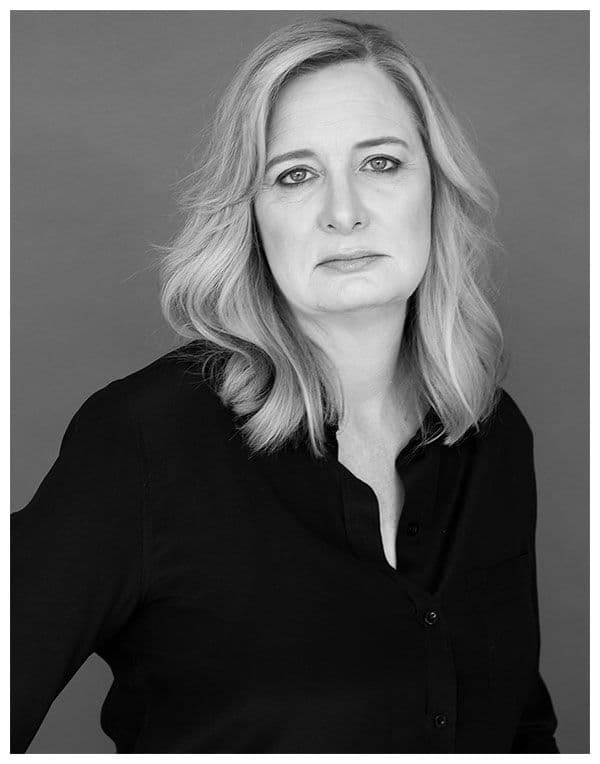
Well, Danielle, determining value for cost is complicated. To delve deeper into the psychology behind luxury beauty spending, I reached out to Erin Kleinberg. Her credentials are impressive: She is the Toronto-based founder and CEO of Sidia, a luxe clean body care with fragrance line, and she is also the co-founder of Métier Creative, an advertising/marketing firm that works with major brands, including Chanel, Augustinus Bader and Salvatore Ferragamo. I first met Kleinberg a decade ago when she co-founded Coveteur, the breakthrough site that provided a peek at what’s inside notable closets and beauty cabinets. Your question, Danielle, dovetails with what Kleinberg thinks about for a living.
What luxury brands do, says Kleinberg, is transport you to a dreamy place. “I learned this from my good friend John Gerhardt,” she says. Gerhardt, now based in Paris as creative director at Moet Hennessy, was, among other lofty titles, formerly the creative director at Holt Renfrew, and fashion director at Flare. “He always says that if luxury brands are doing their job right, they must make people feel special. Sure, there is quality, artistry, innovative and revolutionary technology. But at the heart they are making the customer feel a part of the brand.”
There are many buzzwords in beauty marketing, says Kleinberg – first there was “authenticity,” then “curated” – and now it’s “community.” For case study No.1 on brand and community, let’s take a quick look at how that sentiment is an integral part of Sidia. The company is named for her grandmother Sidia, the CFO is her mother Mindy Kleinberg, and her daughter, Parker, 9, appears in the social media feed as a sniff tester, thus it is a four-generation matriarchal brand. “We see brands as an extension of who we are,” says Kleinberg. “In the case of Sidia, we are grounded in the women who came before. My grandmother was the ultimate proponent of self-care. Her motto was ‘Take care of yourself as hard as you take care of the people around you.’” Sidia was a matching-sets kinda gal, says Kleinberg. She loved caftans and layers of totemic jewelry, and above all, the practice of bath culture.
“Products that are part of your rituals create an experience,” says Kleinberg, “a sensory moment, away from our phones and the overwhelm of modern life.” The Body Exfoliant and The Body Serum (packaged together, $92) are clean, vegan and cruelty free. Sidia body scents include tea leaves, eucalyptus and tonka or bamboo, amber and guaiac wood. Functional ingredients include rice for gentle exfoliation and hyaluronic acid and squalene for hydration.
Kleinberg is the first to admit nothing works miracles. “I hate the term anti-aging,” says Kleinberg. “Aging is great. You aren’t going to cure cellulite with any cream.” But what you can do is feel better having taken care of yourself and enjoyed yourself doing it.
Fragrance that is subtle and sophisticated is at the heart of many coveted, haute body creams. They are meant to be noticed only by you or in very intimate settings. For a while, it seemed allergies and sensitive skin were pushing fragrance out of popularity. In fact, the opposite is true. Gen-Z are becoming fragrance connoisseurs, and the trend is spreading back up the demographic market. Fragrance, skin care and makeup were traditionally seen as an affordable “gateway” to designer brands. Fragrance sales are now worth US$50 billion globally, and predicted to rise to US$70 billion by 2036. Danielle, you are not alone in yearning to be elevated.
“Post pandemic,” says Kleinberg, “people are looking for things to uplift. Scent is our most potent sense. It is the element that has the power to transport us” away from the humdrum of daily life. That is priceless, no?
Case study No. 2: MIFA, a natural, clean and botanical Canadian skincare line, has also tapped into the place where subtle fragrance is what conveys luxury. The brand’s B.C.-based founders, Michelle Lui and Fatemah Hamidi, have dubbed it “affordable luxury” with the All-Over Body Oil ringing up at $78. Its scent is from Roman chamomile and bergamot essential oils, and it is a subtle, personal indulgence.
The duo launched MIFA in 2017 because they couldn’t find clean products that felt luxurious.“Things were either very expensive with synthetic ingredients,” they say, “or it was department store or drugstore body care that would be greenwashed through marketing.”
What makes it luxurious, say Lui and Hamidi, is how you interact with a product: “Beauty rituals have been around for thousands of years, because indulging in self-care makes us feel good…It is all about elevating your routines.” Take showering, for example: “You start our ritual by dry brushing your body. This, one to two minutes daily, stimulates your lymphatic system.” Then you hop into the shower, turn up the heat and spray the Eucalyptus Mood Mist, and do one minute of breathwork (let’s say the 4-7-8 method), a ritual inspired by a trip to Bali. MIFA’s Eucalyptus Body Wash is also blended with aromatherapy and with an avocado and coconut oil base that is soothing and moisturizing. “Then on slightly damp skin, you apply a few drops of our oil.” They echo Kleinberg on the benefits and limits of good body care products: “It won’t solve all your life problems, but we can guarantee it will make you feel better (and give you softer, smoother, and more radiant skin in the process).”
All the above is about treating our psyche, not our skin. I’ve interviewed a lot of dermatologists over the years, and the consensus is pretty clear. We really don’t need to spend a fortune on either face or body cream. Yes, the pricey stuff works great, as does the basic stuff. Here are the three drugstore brands that dermatologists always seem to recommend: Cerave, Cetaphil and Aveeno, which are all in the under $20 range.
To conclude, Danielle, in body care, it’s not entirely a case of getting what you pay for. But when you spend a bit more, you are getting something ephemeral but valid: a harmless indulgence in time and space for yourself, and a sensory fragrance experience you can recreate over and over again in the sanctuary of your own bathroom. In the end, the nose knows.
Always asking questions,
—Leanne Delap