My husband retired at the end of last year – a singular event that was precipitated by a blur of poignant dinners, an onslaught of file boxes and jumbled emotions. After months of early-season blizzard conditions at our remote farm, then the annual holiday hosting zoo, warm temperature destinations rose to the top of our travel list criteria. Plus, a retirement celebration begs for the moment to be punctuated with adventure, so somewhere far away landed as the second priority on the list.
Negotiations ensued and the one place we had both considered was Buenos Aires. After a 14-hour flight, with a piddling two-hour time difference, arriving in the Argentine capital is disorienting. It’s far away yet eerily familiar: every corner you get a jolt, feeling like you are in Barcelona, or Rome, or Paris. The fountains, the abundance of parks, and the Haussmann-esque, scaled, six-storey grand apartments with corresponding wide, tree-lined boulevards all evoke a nostalgic emotional response. It also feels very much like part of the Americas: there is a New World, melting-pot energy underlying everything.
A vibrant, sprawling city of 3.1 million (with an additional 15 million more in the greater metropolitan area), it is divided into 48 intimate barrios: they are a mishmash of curlicued European eras and influences; gleaming, modular modern design; abandoned properties beside ambitious start-up dreams-in-progress; heartening family tableaux, impossibly hip youth and elegantly-dressed elders. There are probably more chic lighting and furniture shops and markets per capita than anywhere else outside of Milan.
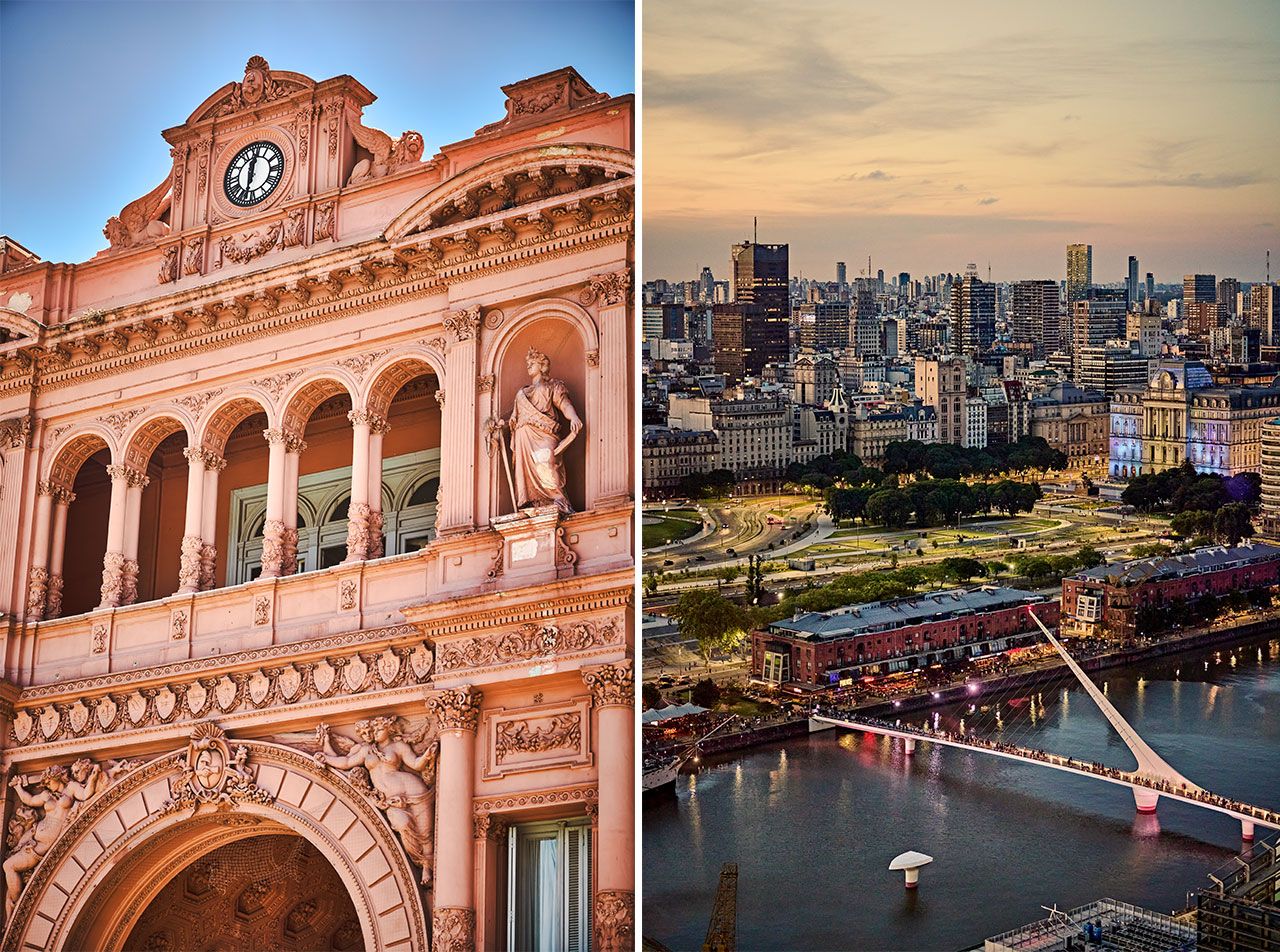
Long called the “Paris of the South,” located along the shores of the mighty muddy brown Rio de la Plata (which translates to River of Silver, giving you a sense as to what the conquistadores were here for), you would never know there was a deep recession as you’re walking around. The cafes are full but, refreshingly unlike Europe, they are not overrun by tourists at high season. Temperatures from October to March are 26 to 35 degrees Celsius and dependably sunny.
We arrived at the tiny, perfect Magnolia Hotel Boutique in Palermo Soho neighbourhood. Originally built in 1892, it has been restored to preserve the Art Nouveau styling, dark exotic woods, stained glass and grand proportions. Intimate with discreet signage, tucked into a side street, you must buzz to get in. Here is the beauty of a winter trip to Argentina: even in prime season, the cutest hotels (and the grandest ones, also) are in the $300 range.
Just a few blocks away, on Calle Costa Rica, is a vibrant concentration of cafes, pubs, steakhouses, nightclubs and shops. And yet, all the street life is immersed in green space: large parks and plazas at the centre of every neighbourhood for the community to gather, a welcome breath of fresh air in a city of apartment buildings. There are countless parks in the city core, not including larger public space like Bosques de Palermo, Parque Centenario and the Costanera Sur Ecological Reserve. You can find rose gardens and paddleboats, biking trails and playgrounds everywhere. But the most remarkable thing is that the parks are filled with families, with people of all ages, late into the evening. It makes you feel uptight for putting your kids to bed at 7 p.m. when Argentine children are merrily swinging and teeter-tottering after 10 p.m.. Daily life tumbles over into the streets.
People will tell you to stay in either Recoleta – the fancy, embassy-row and tango emporia, white tablecloth restaurant, designer boutique and stately apartment part of town – or in Palermo, the boho area. There are sub-districts within: Palermo Soho (which got its name for its resemblance to New York City’s SoHo neighbourhood) bleeds into Palermo Hollywood (named for its high concentration of film and TV studios), but it’s all walkable.
The port of Buenos Aires was founded in 1536 by Spanish explorers as a base from which to pillage the riches of the South American interior. Gaining independence from Spain in 1816, the city entered its golden age of building, as well as massive immigration (chiefly from Spain and Italy) in the late 19th century. This came to a halt in 1930, when military coups became frequent: think the Peronists in the ’40s and ’50s, then the Dirty War, from 1976 to 1983, which involved state-sponsored terrorism targeting left-wing dissidents. The memorials and markers to Los Desaparecidos (the Disappeared) – the tens of thousands of people tortured and murdered in that period – are not prominent but well worth finding; do take a tour or hire a guide to see this part of the city’s history. The city’s main square, Plaza de Mayo, was the site of poignant, and ultimately effective, demonstrations by the Mothers of the Disappeared.
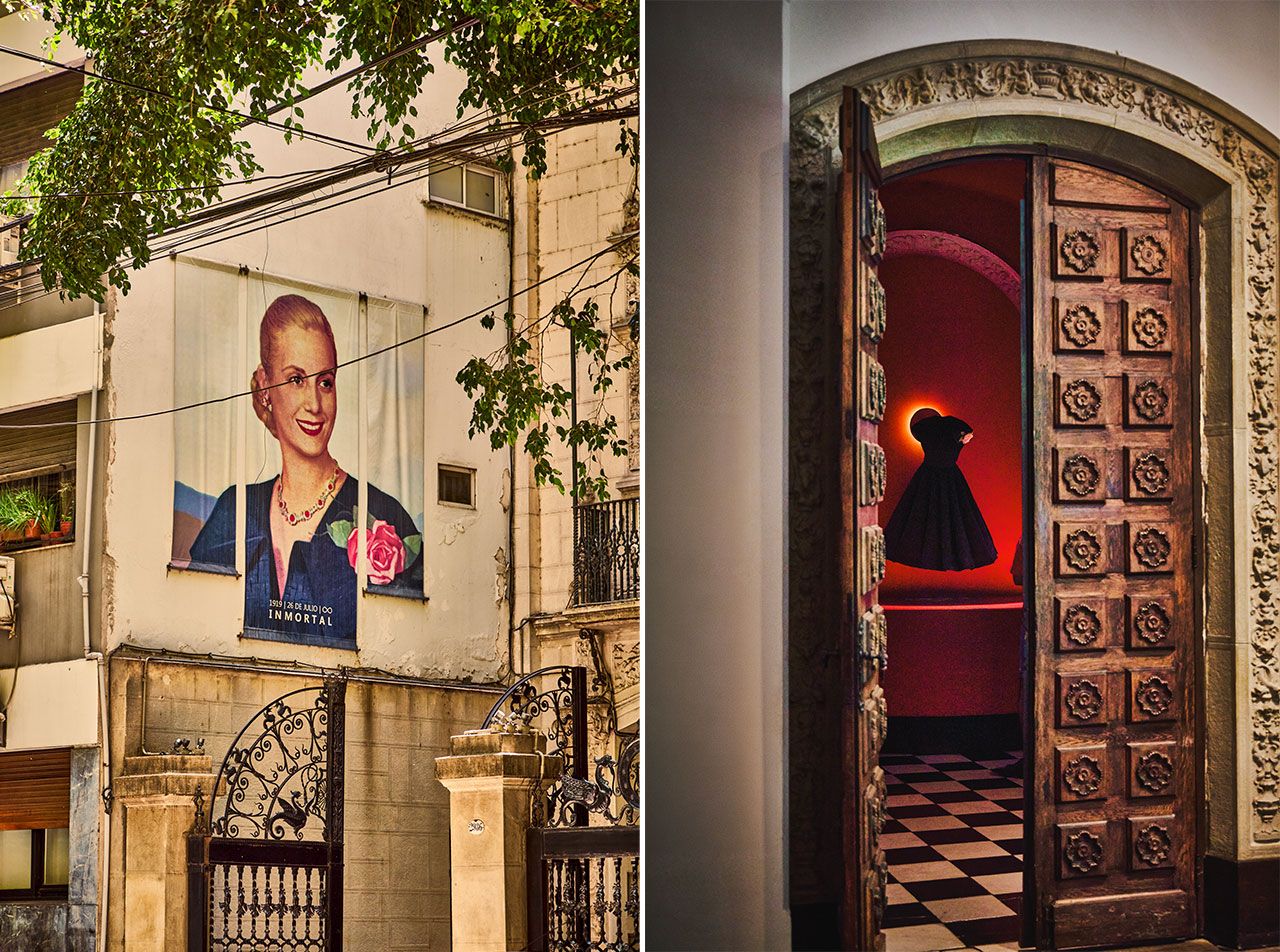
A renowned tourist attraction is the Recoleta Cemetery, a 14-acre city of the dead, a neighbourhood-like expanse of streets lined with mausoleums and monuments. Besides the big-draw grave of notorious first-lady Eva Perón (there are lineups to pay tribute to the charismatic socialist actress and philanthropist immortalized on Broadway and film as the title character in Evita), the space tells the stories of the settlers who make up the population today.
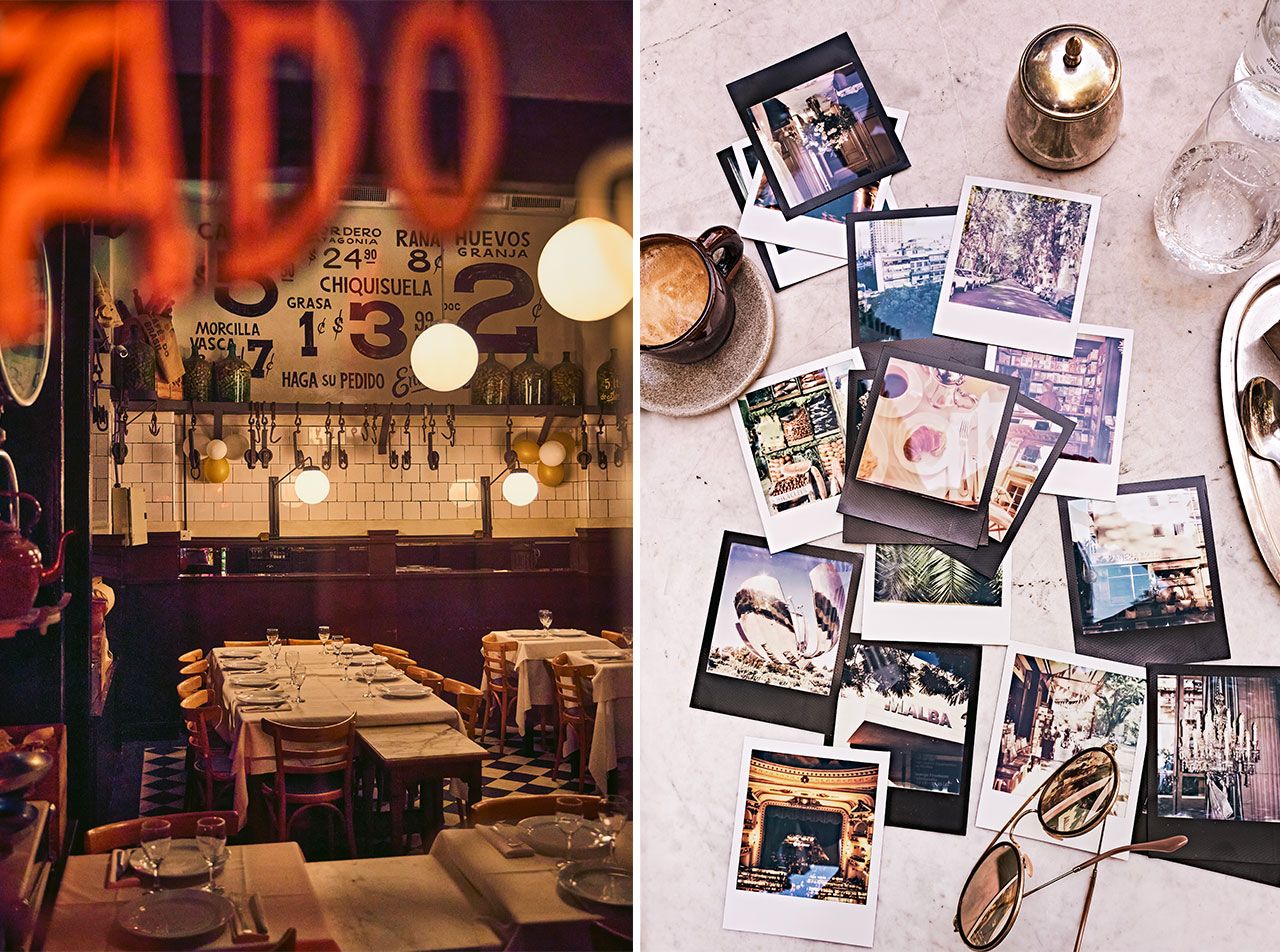
Near the cemetery is one of the city’s most iconic café/bar/restaurants: La Biela, which dates back to 1850. It became a hangout for race drivers in the 1950s, and there are statues honouring heroes of the sport. Tourists flock there, of course, and yet it is still a place where locals gather throughout the day. The huge patio has the best people-watching perch in town.
If you need further insulation from the heat or the crowds, slip a block or two away to the charmingly old-school Alvear Palace Hotel, a five-star behemoth of elegance opened in 1932. Swoopingly grand, it is the perfect place for coffee, brunch or lunch for a taste of the old world in the new world. Nota bene: I will definitely stay here when I return to Buenos Aires. The lobby bathrooms alone will transport you to a time of earlier elegance. I can only imagine what the rooms are like.
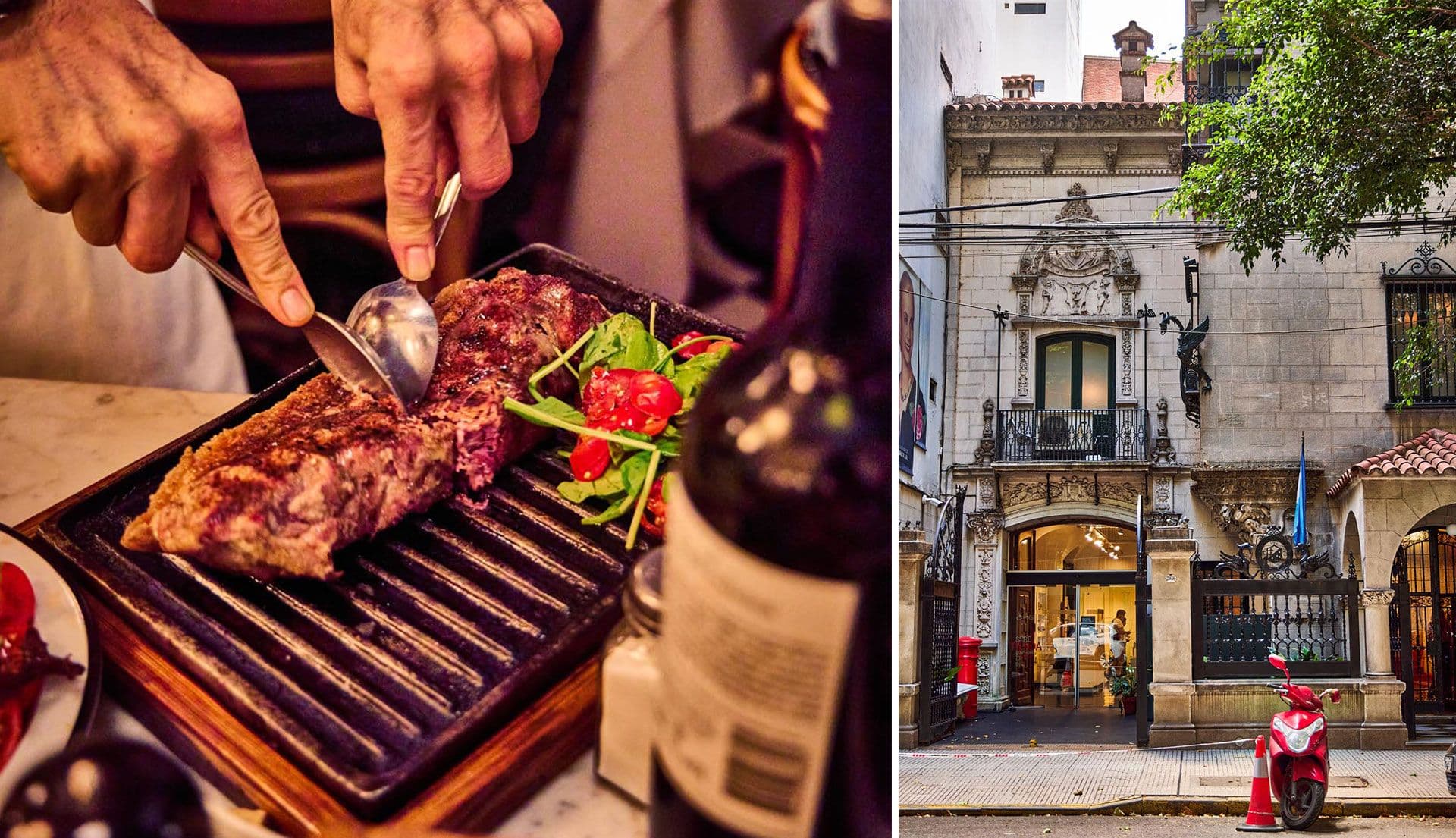
The cuisine in Argentina is famously all about beef. Like Texan cowboys, there are Argentine gauchos, equally draped in mystique and machismo, and the place beef has at the centre of the culture and social rituals remains significant. The vast Argentine pampas are where cattle are grass-fed, which yields a lean, intense flavour. Asado (barbecue over wood) is everywhere, but there are a few key institutions. Parilla Don Julio in Palermo Soho is the place you need to plan ahead a couple of months to get into.
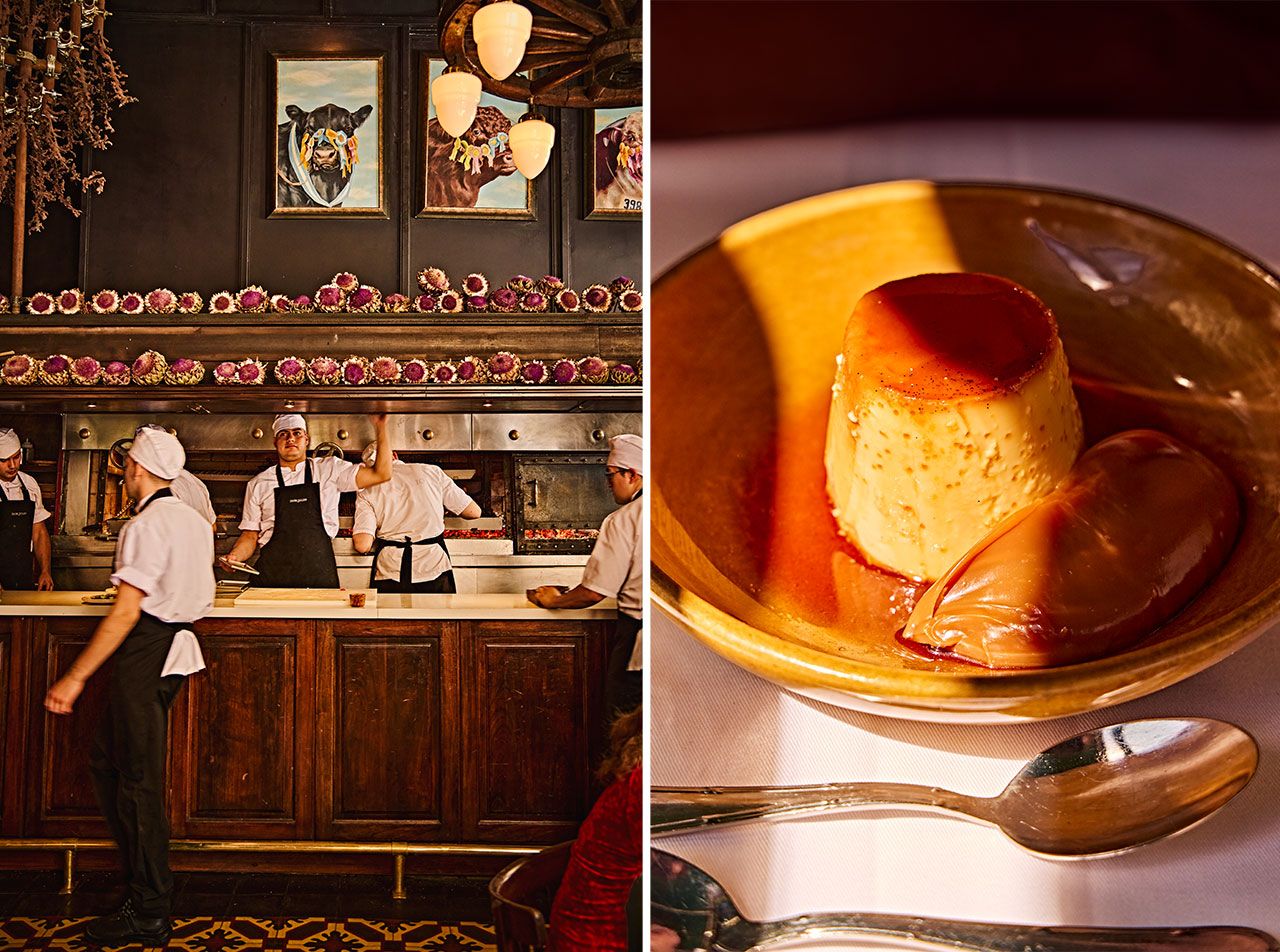
It is very expensive, and the closest parallel would be Peter Luger in Brooklyn, but honestly I would send you to La Cabrera, also in Palermo, instead. It is rustic, cozy, chaotic and a bit cheesy in décor, with large families beside date night couples and brilliant meat from local estancias. Lo de Jesús in, you guessed it, Palermo, is a lower-key spot with a big reputation. You can sit in the cool garden or on the buzzy sidewalk to enjoy their steak, which is aged between 15 and 21 days and cooked over wood and charcoal for a unique smokiness. Somehow eating a heavy steak meal outside makes sense in Argentina in a way it would never make sense in Canada.
The cuts are different than we are used to: there is still rib (bife ancho), and a New York strip-style (bife de chorizo), but the pampas specialty is entrana, or skirt steak, with chimichurri.
I love a great steak as much as the next gal, but I found the portions in this country overwhelming; we learned to split a main slab and go extra on the sides – especially the baked provoleta, a gooey cheese dish you find everywhere.
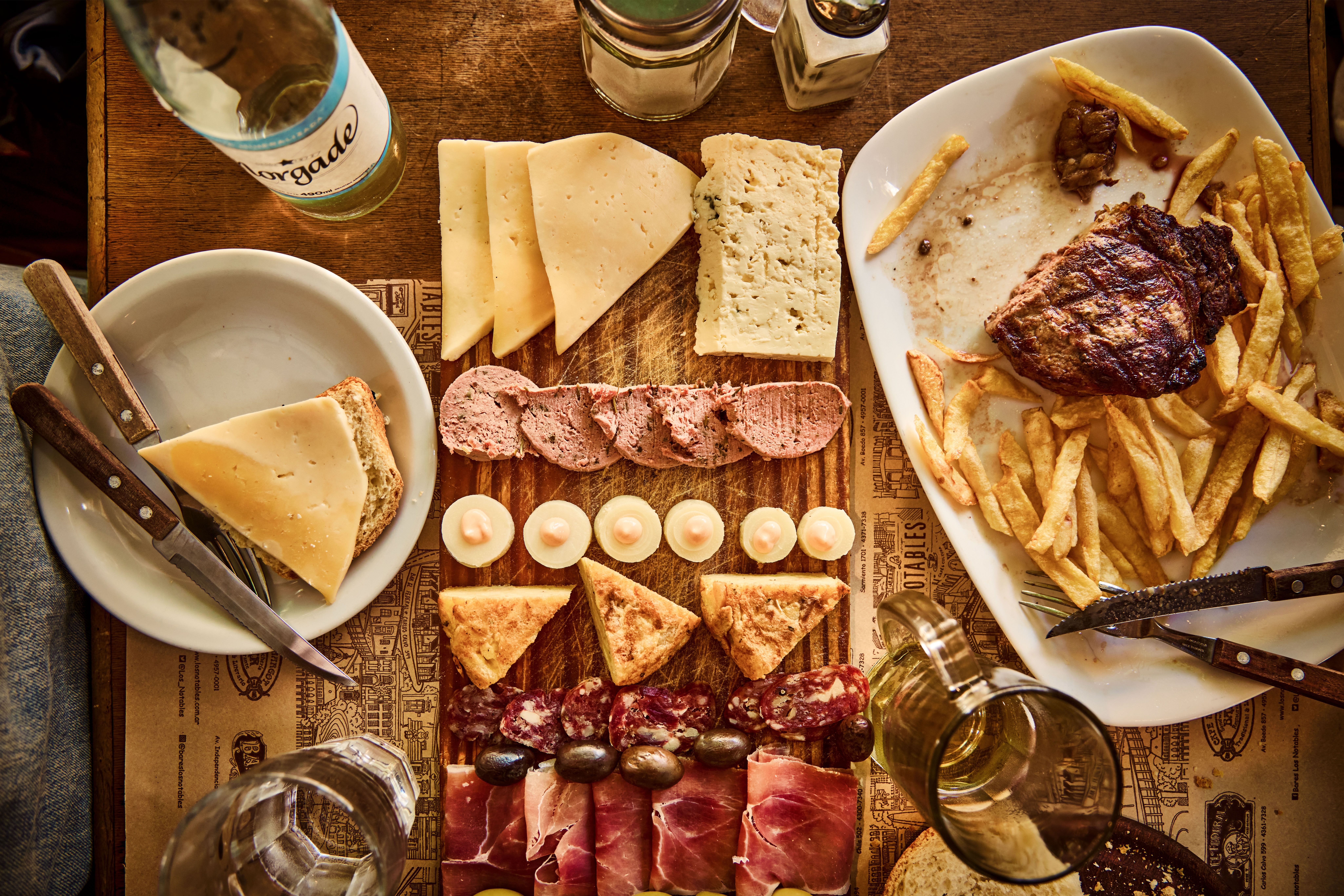
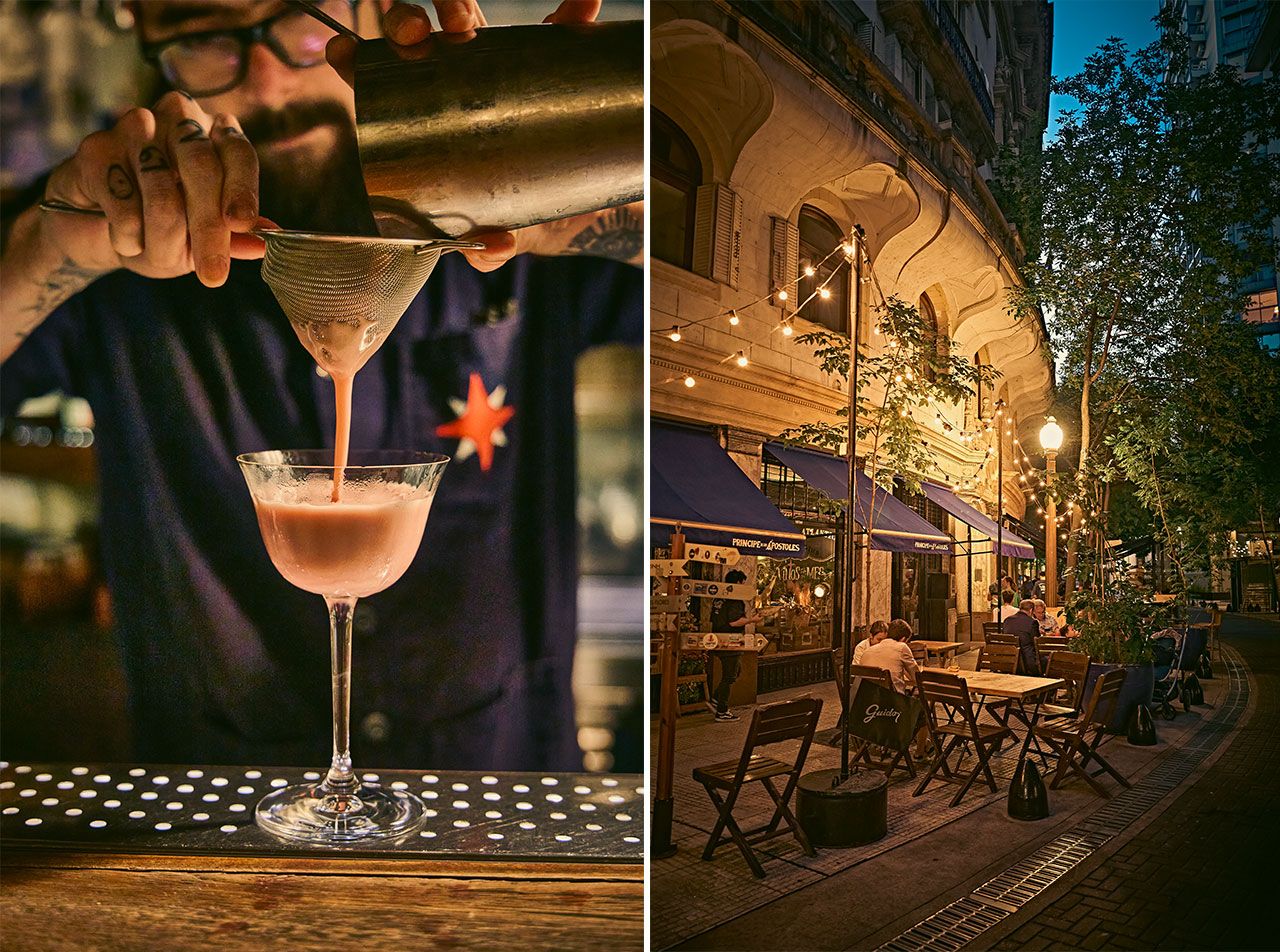
There is also a great deal of Italian food on menus (yes, even at steakhouses). It turns out, some 30 million Argentinians are of Italian heritage. Trust the coteletta Milanese. Also, do not miss the San Telmo covered market, which dates back to 1870. It has sit-down food stalls that dazzle, and a few fresh greengrocers and butchers. You can even grab a glass of wine at the window by the entrance to sip while you walk through the aisles. The market sits at the centre of its namesake neighbourhood, all cobblestones and colonial architecture dotted with historic cafes and lively holes in the wall. The best of the lot is Pes, a Peruvian restaurant with a few highly coveted seats. (Some of them are even perched precariously in the street, which comes alive as the sun sets.)
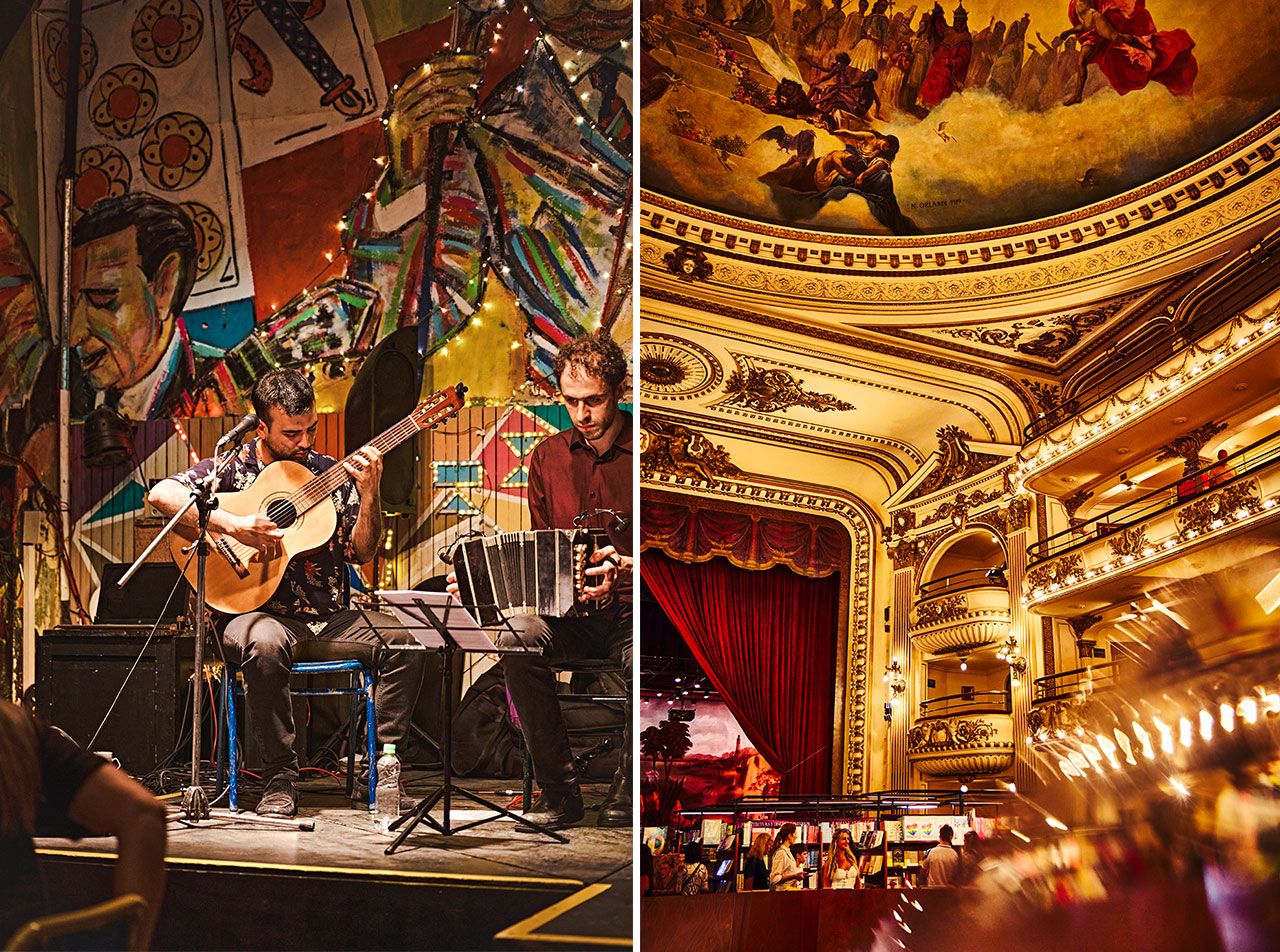
Tango is the beating heart of Buenos Aires, a working-class diversion that dates back to the late 19th century, blending African and Cuban musical traditions with local milonga dance. Milonga is basically the precursor of tango, but faster-paced, rustic and less formal, where one’s partner is held more closely. The Cuban habanera rhythm, which is slower, led tango to take on the syncopated groove you think of when you see couples sliding, pressed together, on the dance floor. We observed a milonga class (you need either a guide or a local to organize this, unless you are great with both Spanish and granular dance-school research). Milonga newbies were welcome to join in, but it really looks hard. Tango palace dinner-and-a-show options are advertised everywhere, and while they are wildly expensive, they are also necessary to do once in your life. Here are two vetted options from our insider contact: Inicio and Rojo Tango.
Buenos Aires in high season is damn sexy all around. From the steamy heat and languorous steak and seafood dinners accompanied by local Malbec, to the array of Latin beats, it was the perfect place for my husband to kick off a new chapter of his life.
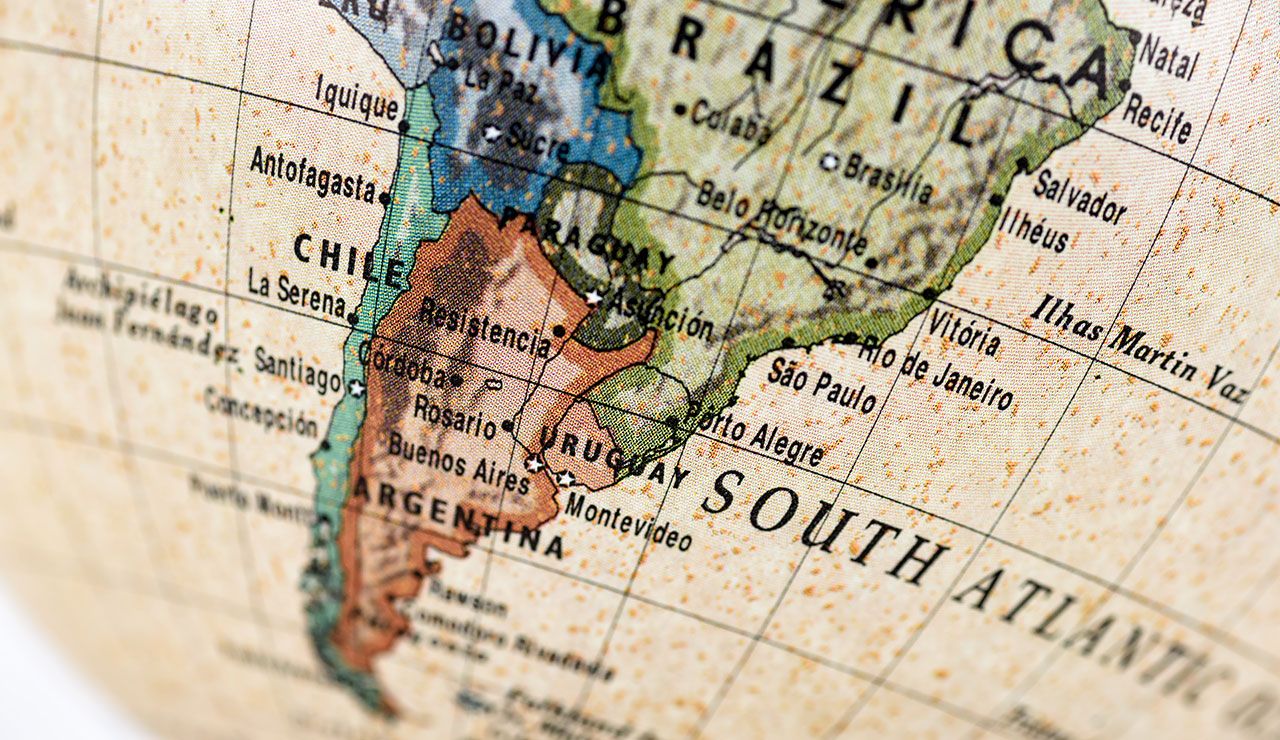
MAPPED INTEL
DOLLARS & SENSE
Argentina has been in an acute economic crisis since about 2018 when the peso was devalued, though the Argentine economy has been volatile since the early 2000s. Indeed, it is hard to figure out what you are spending at any given time. Buying local currency is fraught; everyone talks, conflictingly and confusingly, about the “blue dollar rate”, an informal and unregulated currency exchange system in Argentina pegged to U.S. currency, but you do better just going with your credit card.
GETTING THERE
Business class flights to South America are mysteriously less expensive than shorter business class flights to Europe and the Middle East/Africa. Take advantage of the smaller surcharge! Also LATAM has a very nice premium economy, which doesn’t cost a fortune.
LIFE’S A BEACH IN NEARBY URUGUAY
After flying to another continent, it felt silly not to tag on a sunbathing segue in Uruguay. The best option is to pop over to Punta del Este, the extremely chic Atlantic beach town less than an hour’s flight from BA. Note that the Uruguayan economy is doing very well compared to its much larger neighbour, and is comparably much more expensive.
Therefore, we made our side quest a four-day excursion, with a day planned for a pilgrimage to Bodega Garzon, the restaurant of Argentine “God of Fire” chef Francis Mallmann, and also the Garzon winery nearby, for which he is an ambassador chef. Mallmann brought Patagonian-style open-flame, meat-forward grill cooking to the world’s attention, elevating the rustic style to haute cuisine. He has outposts of his restaurants in Argentina, Miami and France and was a star of Netflix’s Chef’s Table series. The Uruguayan restaurants are particularly special, as they are located squarely in the middle of nowhere in a tiny town, more than an hour’s drive from the Uruguayan coast through hilly sheep and cattle country. The experience is about the difficulty/commitment to get there, and rewarded with the kind of slow and decadent meal that feels like a discovery.
Punta del Este is very grand indeed, a Miami-like swathe of low-rise slick and sinuous-curved beach condos. We headed to Jose Ignacio, about an hour away by car, passing massive haciendas and horse farms. Once a humble fishing village, it is now very posh too (and closer to Mallmann’s restaurants). Indeed, the local beach food shop felt a whole lot like a chi-chi food market in the Hamptons.. The beach itself is stunning, broad swathes of white sand with elegant seafood restaurants dotted along the coast. It is on the south Atlantic ocean, and the water can be ferocious when it is whipped up, but when it is calm it is crisp and clear and gorgeous for swimming.
Rentals on the Uruguayan coast run very high indeed, and the fancy hotels are very fancifully priced. We found a cute bargain option at Lagoon Garzon Lodge, with little personal cabins perched above the water on stilts. It was rickety to roll a carry-on into but a perfect place to spend an afternoon watching kite surfers from the front-deck hammock, a true world away from home and my endless to do lists.