
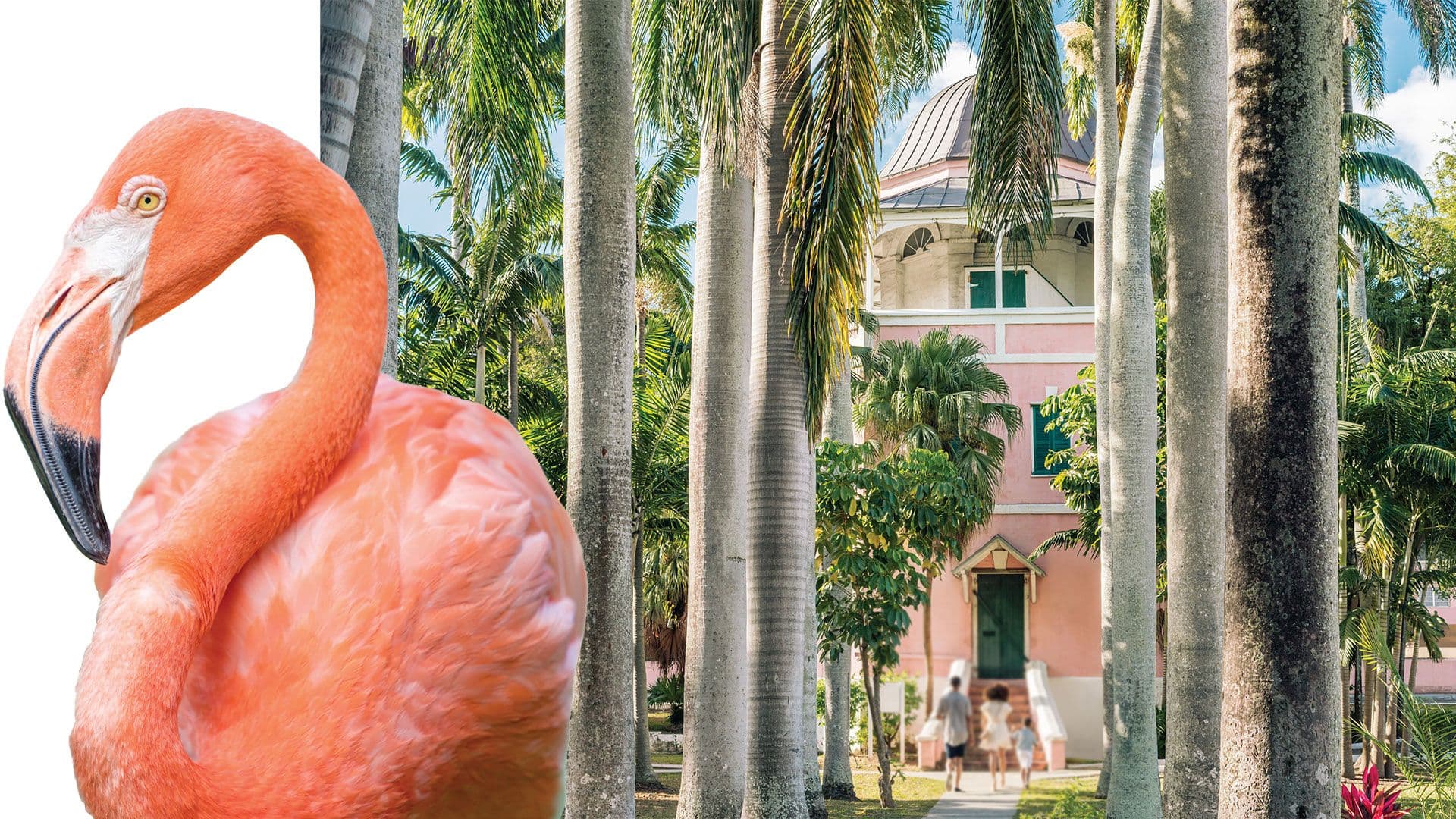
There is a charming eccentricity to The Bahamas, something I wasn’t quite expecting from what I thought would be a fly-and-flop destination. While I was being shown around the tropi-chic Rosewood Baha Mar, their delightful French PR, Oriane Gurland, wafted her hand towards a lawn surrounded by towering palms saying, “So flamingo yoga takes place here every Sunday at 8 a.m.”
“What?” I exclaimed, “How are they persuaded to do this?”
It turns out the Rosewood has around 20 rescue flamingoes on its property, some of which join the sessions with guests, occasionally mimicking the poses. “But [they’re] mostly wandering around looking serene and beautiful, which contributes perfectly to the atmosphere,” says Gurland.
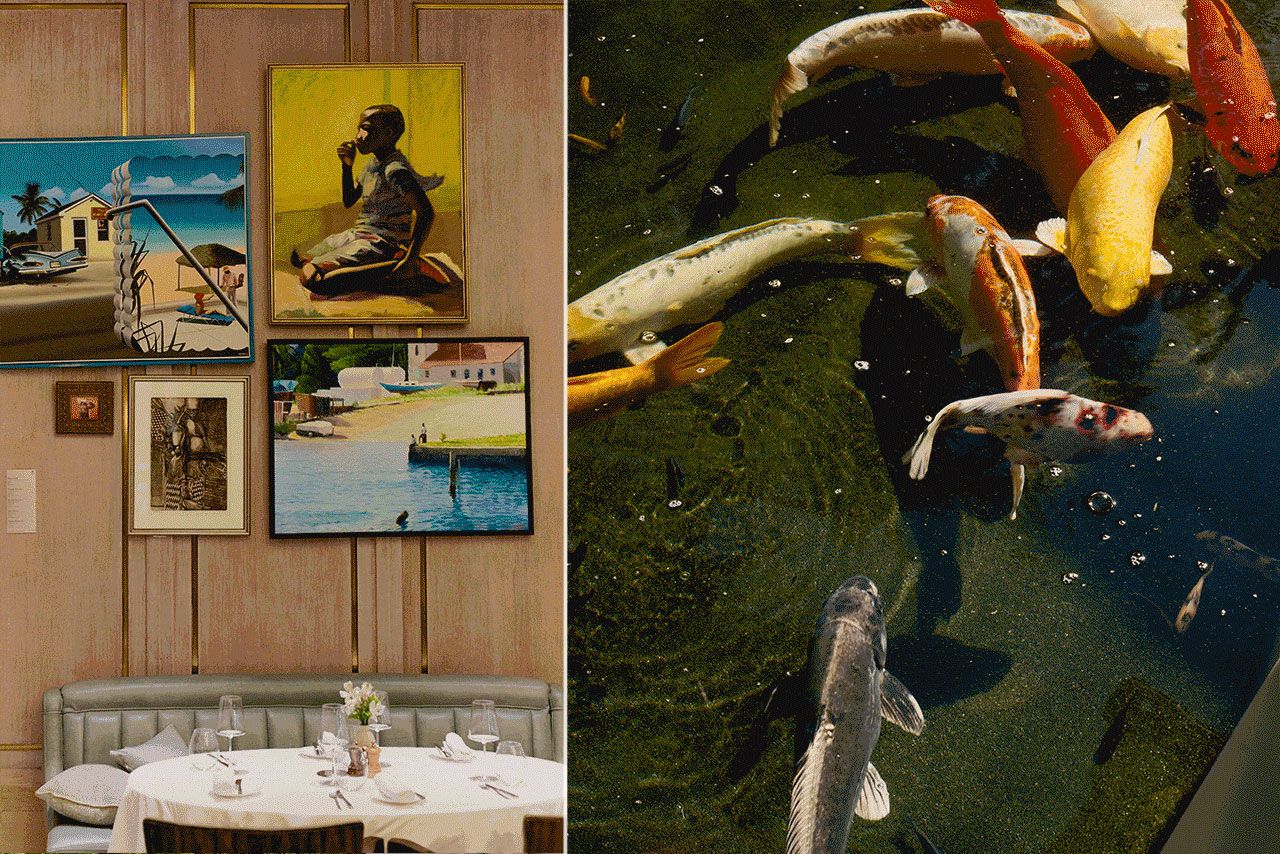
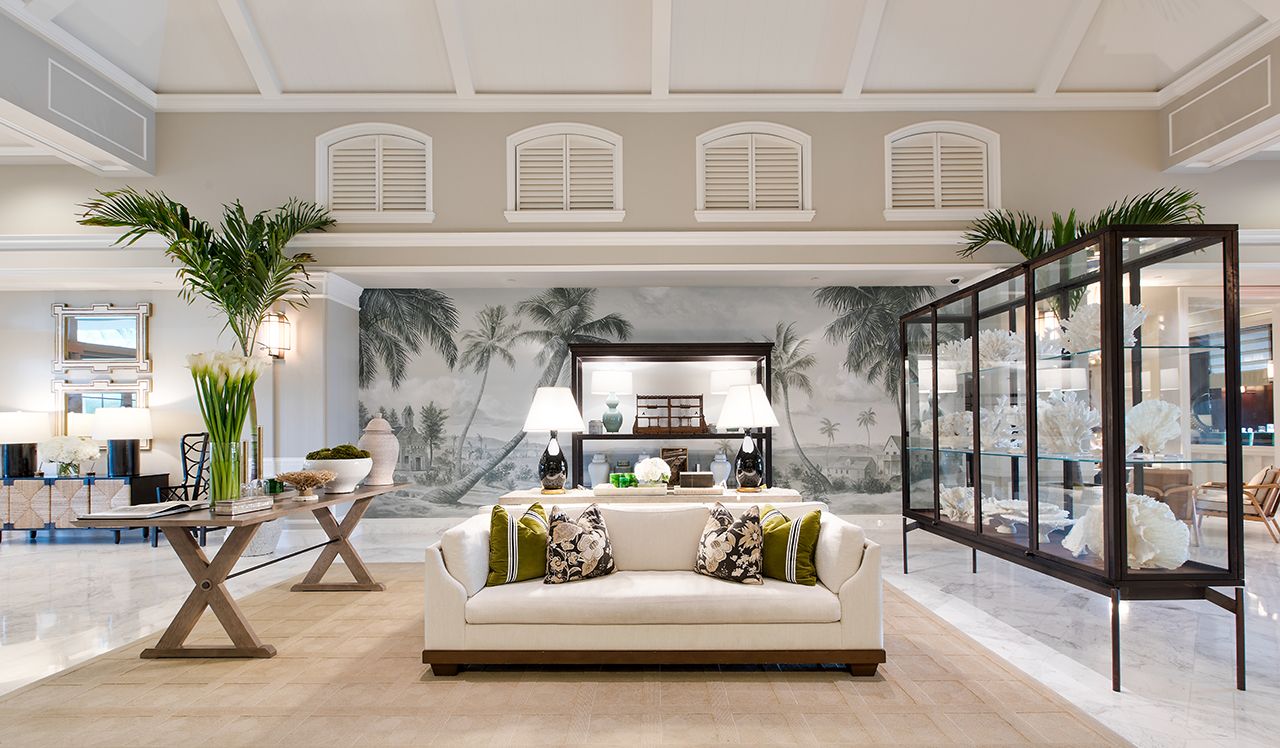
After hearing the strict rules around how long the birds are allowed to “work” before getting a mandatory three days off, I decide I want to return as a Rosewood rescue flamingo in my next life. Well, actually, I would probably just settle for returning to Baha Mar with its tiered, palm-fringed swimming pools, lush tropical gardens and curve of talcum-powder white sand beach. The hotel is full of imaginative, creative touches, starting in the lobby with its collection of bleached white coral in vitrines and hand-painted mural of sweeping island vistas, with local flora, windswept beaches and swaying palms depicted in muted tones of eau de nil and seafoam. The vibe is contemporary Victoriana. The walls are covered with a brilliantly curated Bahamian art collection, alongside a few international showstoppers, including a massive butterfly mandala by Damien Hirst and works by Winslow Homer, overseen by John Cox, Baha Mar’s executive director of arts & culture.
The eccentricity, art and flamingoes continue in a different form at the vibrant Educulture Junkanoo Museum, created and housed by Arlene Nash Ferguson in her old family home. I had never heard of “junkanoo” – a Bahamian festival with elaborate costumes, dancing and music rooted in West African traditions – but love the sound of the word, which has two origin stories. One theory traces the name to “John Canoe” (or Jan Kwaw), a West African chief who resisted European colonizers. Others believe it evolved from the French phrase gens inconnus – “unknown people” – a nod to the festival’s masked dancers.
This isn’t the sort of place I would normally seek out, but it was an utter delight. “This is the house I grew up in,” declared a beaming Ferguson, who is well past retirement age. “And this is where you’ve been brought for a true, behind-the-scenes, off-the-beaten-track Bahamian experience.”
A graduate of McMaster University in Hamilton, Ont., Ferguson continued to give us an in-depth and colourful history lesson about The Bahamas and an explanation of Junkanoo, the Bahamian festival created by slaves. “200 years ago, Christmas was observed with three days of holiday by everyone in the colony, including enslaved Bahamians. The slaves decided to use the precious three days to recreate the festivals from home [West Africa] and to renew their spirits. They waited until nightfall to start in case anyone tried to stop them,” explained Ferguson. “It shares four things in common with many West African festivals, a goatskin drum; bells, rattles or shakers; full-body decoration and covered faces symbolizing the presence of ancestors.” Still celebrated every Christmas and New Year, unlike most other Caribbean festivals that are tied to Lent, Junkanoo is not rooted to the Christian calendar.
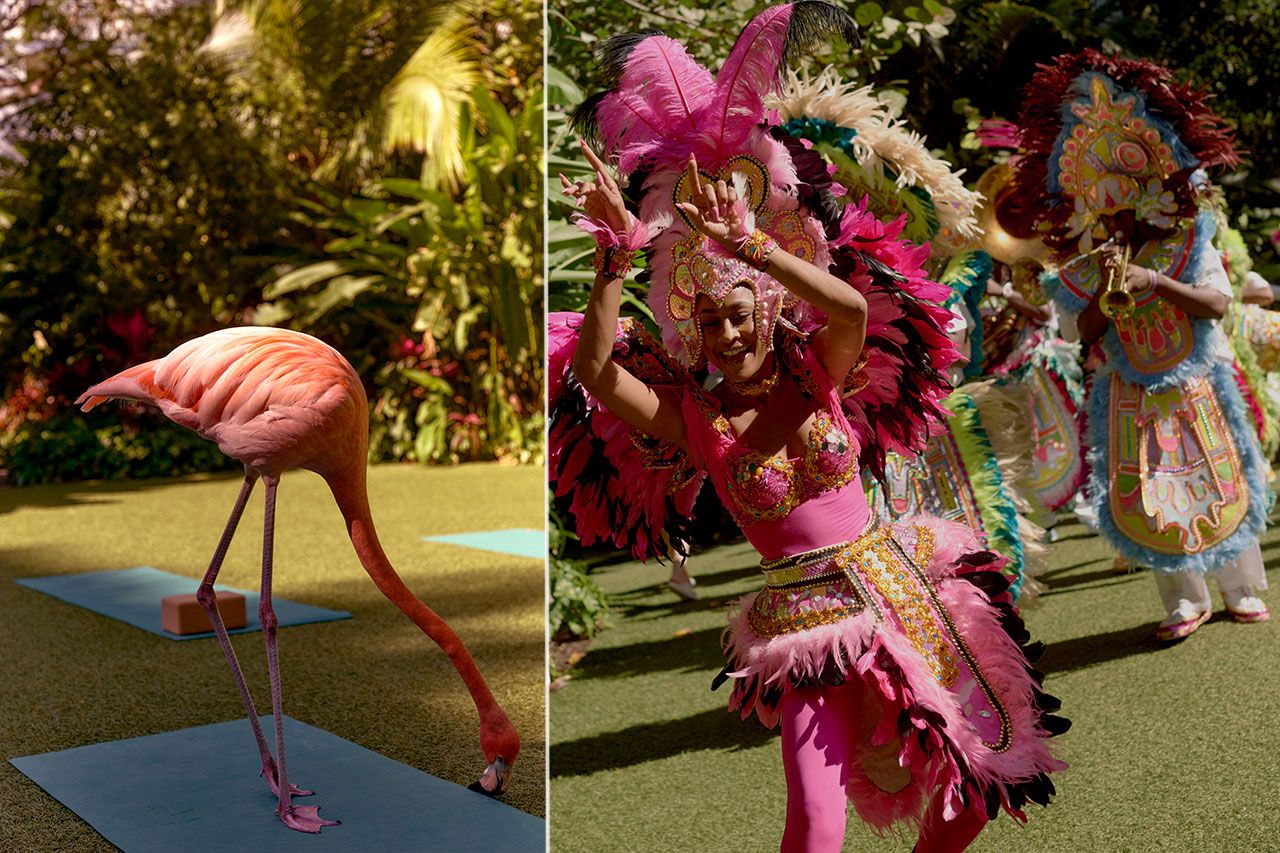
The elaborate costumes are almost all made entirely of crepe paper cut into thousands of tiny strips, layered by hand, painted and then trimmed with decorations – they can take up to a year to create. “I tell the children who come here we’ll never know the exact story because it’s lost in history, but perhaps paper became a symbol of defiance. Enslaved people were forbidden from learning to read and write, so they decorated themselves in paper as an act of resistance … and so 200 years ago, in the darkness of Christmas night, Bahamians took to the streets saying, ‘We survived. Let’s celebrate life,’ and they told their children never to forget. Down through the ages we came – shaking bells, beating drums, covering ourselves in paper – until we arrived at what today is the National Cultural Festival of The Bahamas: Junkanoo.” Swept up in Ferguson’s fabulous storytelling, the artistry of the costumes, I found myself donning a flamboyant flamingo headpiece and enthusiastically beating out the Junkanoo rhythm on a goatskin drum along with Ferguson and her husband.
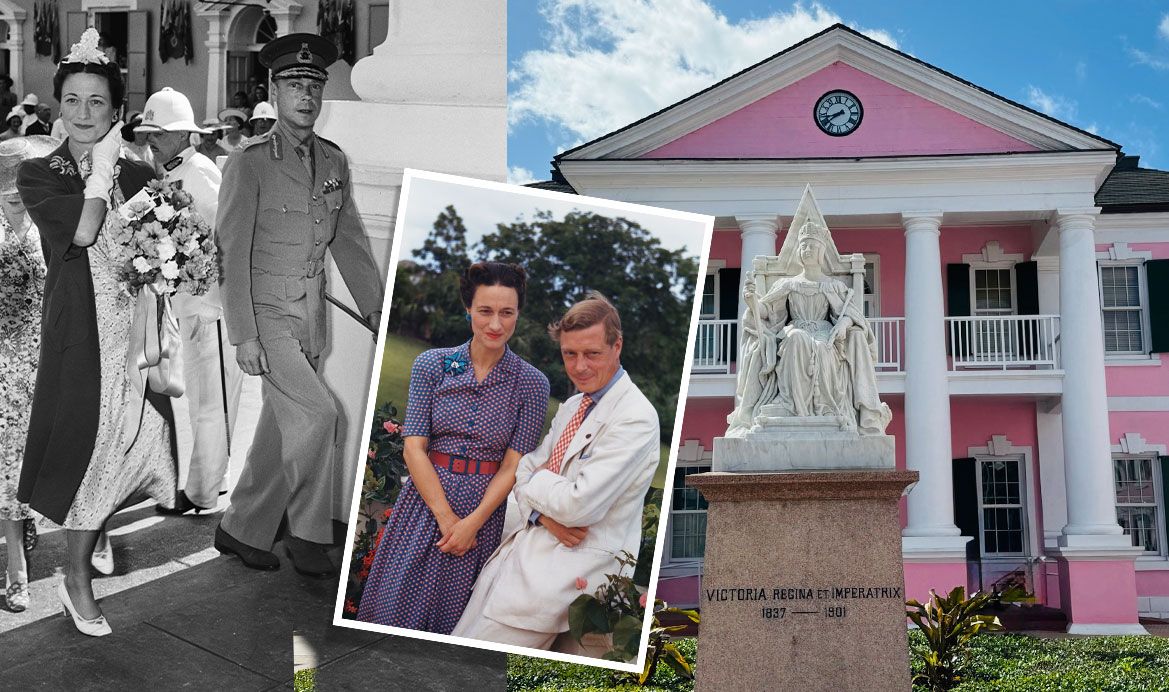
There is an infectious energy to the islands, as vibrant as the sound of Junkanoo. History is everywhere here, much of it piratical, with occasional flourishes of British aristocracy. Queen Victoria, who presided over the abolition of slavery throughout the British Empire, peers down from her perch outside the pastel-pink Government House. This is where Prince Edward , the Duke of Windsor, was sent with his wife Wallis Simpson in 1940, four years after the abdication crisis, for his first and only official posting as Governor of The Bahamas. The British government was keen to remove the former king from wartime Europe amid growing concerns about his perceived sympathies toward Nazi Germany. The Duchess initially refused to live in Government House, dismissing it as shabby and termite-ridden. Instead, the Windsors decamped, first to the elegant Sigrist House and later to the lavish Westbourne estate of mining magnate Harry Oakes, while she oversaw an extensive makeover of the official residence.
I discovered I even had a bit of history in Nassau. One evening I dined at Graycliff, a house built in the 1740s by Captain John Howard Graysmith, a literal Caribbean pirate, who was eventually persuaded by the Crown to become a privateer – the alternative was execution. Today, his mansion is an eccentric hotel and restaurant where guests sing along to a pianist in the drawing room as ceiling fans whirl overhead. Owned by Enrico and Anna Maria Garzaroli since 1973, it is home to a vast 175,000-bottle wine cellar, housed in what was once a prison. Amassed by Enrico, it is said to be the third-largest private wine cellar in the world and, according to local lore, the place where Jay-Z proposed to Beyoncé. It also contains the world’s oldest preserved drinkable wine: a 1727 dessert wine, the Rüdesheimer Apostelwein, valued at $200,000.
Garzaroli’s daughter, Roberta, shared more of Graycliff’s colourful past. From the 1930s until 1964, the house belonged to Dorothy and Izaak Walton Killam, one of Canada’s wealthiest couples. They installed what is said to have been one of the first swimming pools in The Bahamas, apparently Dorothy determined its length by having her butler stand at one end while she swam to decide how far she was willing to go – 25 metres, as it turned out.
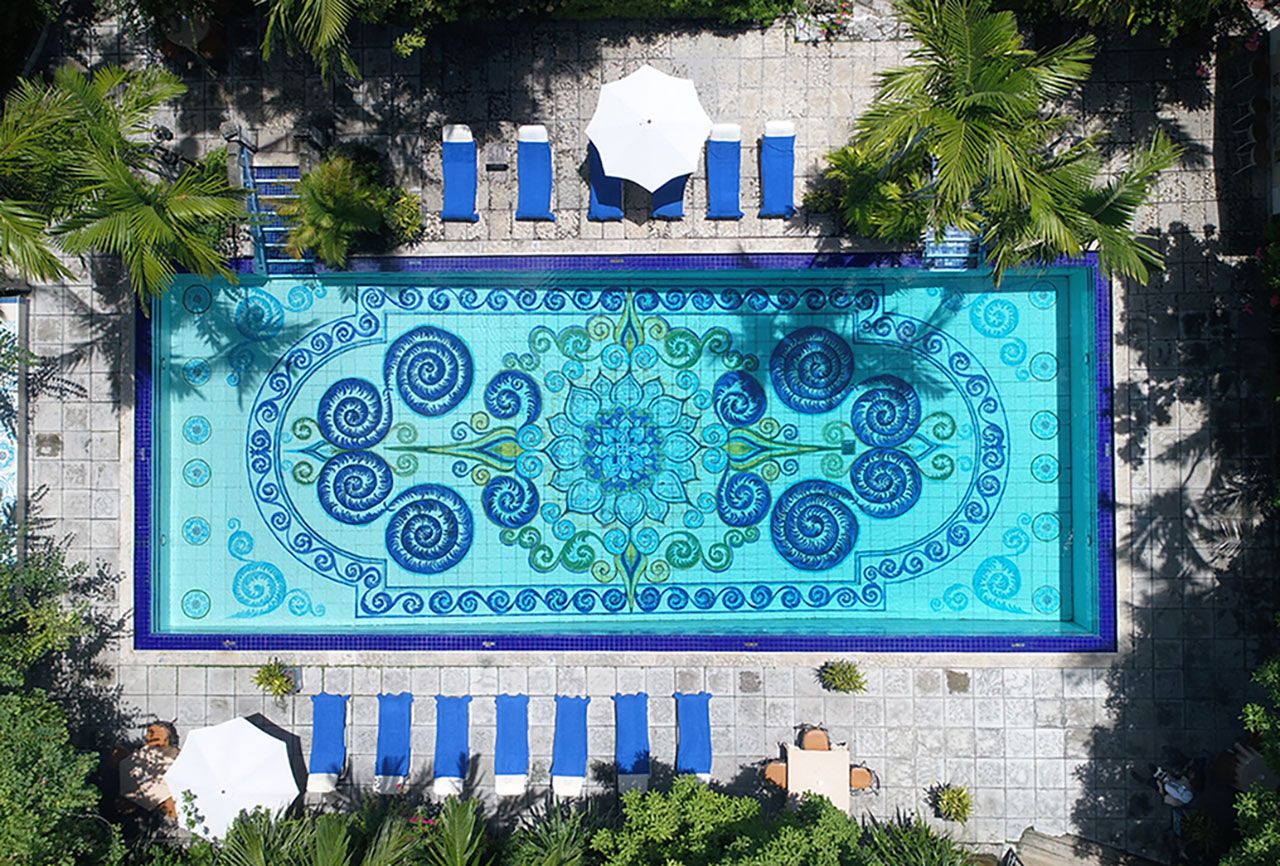
As Roberta told the story, I was struck by a memory. My aunt Jane, a nurse at the Montreal Neurological Institute, had spent a winter inThe Bahamas in the 1950s caring for a wealthy former Olympic swimmer. A quick text to my mother confirmed it was Dorothy Killam, who had qualified for the 1920 U.S. Olympic swim team. The Killams were such generous benefactors of the Neuro – still supported today by the Killam Trusts – that three Canadian nurses accompanied them south each winter to attend to Mrs. Killam’s many perceived ailments. According to family lore, the nurses, including my aunt, had a wonderful time. Mrs. Killam was something of a hypochondriac, so they mostly dispensed placebos and, when she was out at parties, sometimes dressed up in her fabulous clothes. The same pool remains the centrepiece of Graycliff’s garden today, now lined with swirling hand-painted tiles by an Italian artist.
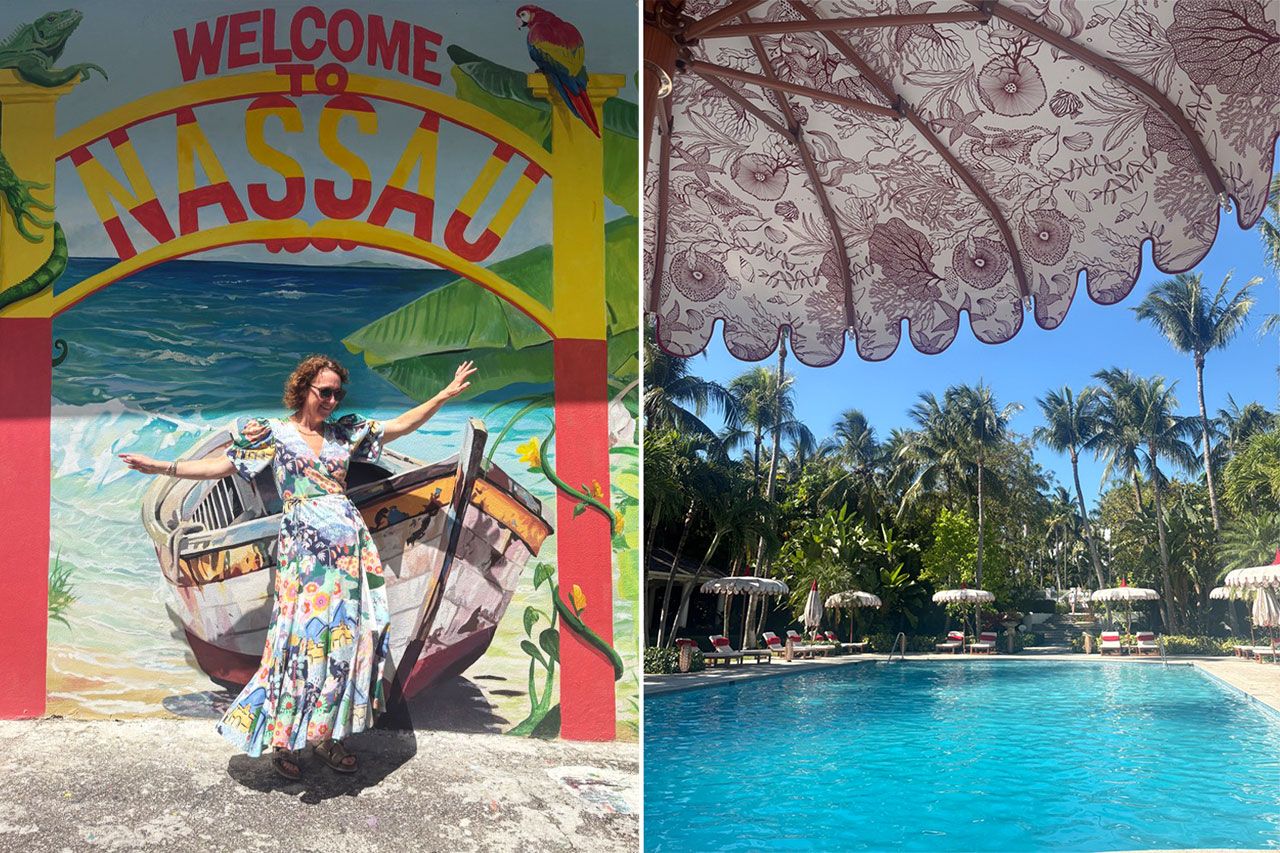
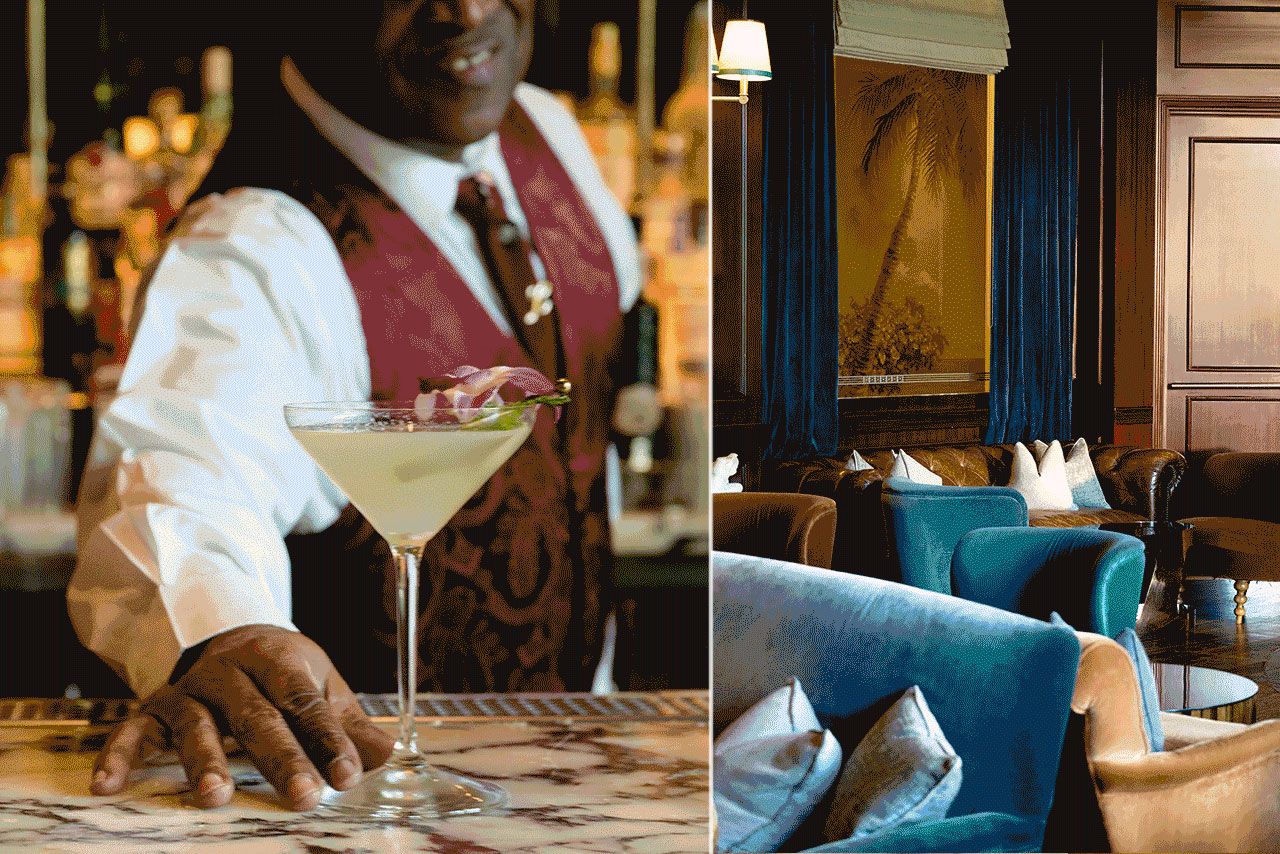
The playful atmosphere of cocktails and parties remains throughout the islands. At The Ocean Club, A Four Seasons Resort, where I stayed, the Martini Bar offers a flight of martinis – I had the Passion Chili, the Hartford (with hibiscus infused gin) and the Vesper. This is the same bar, and the same bartender, Keith Cash, who shook one up for James Bond, aka Daniel Craig, in Casino Royale. The club was originally the 35-acre estate of the A&P heir, George Huntington Hartford II. He renamed the island, just a bridge away from Nassau, from Hog to Paradise, and set about creating a picturesque Bahamian playground for the rich and famous. Early guests (he bought the estate in 1959) were Zsa Zsa Gabor, Elvis Presley and Sean Connery.
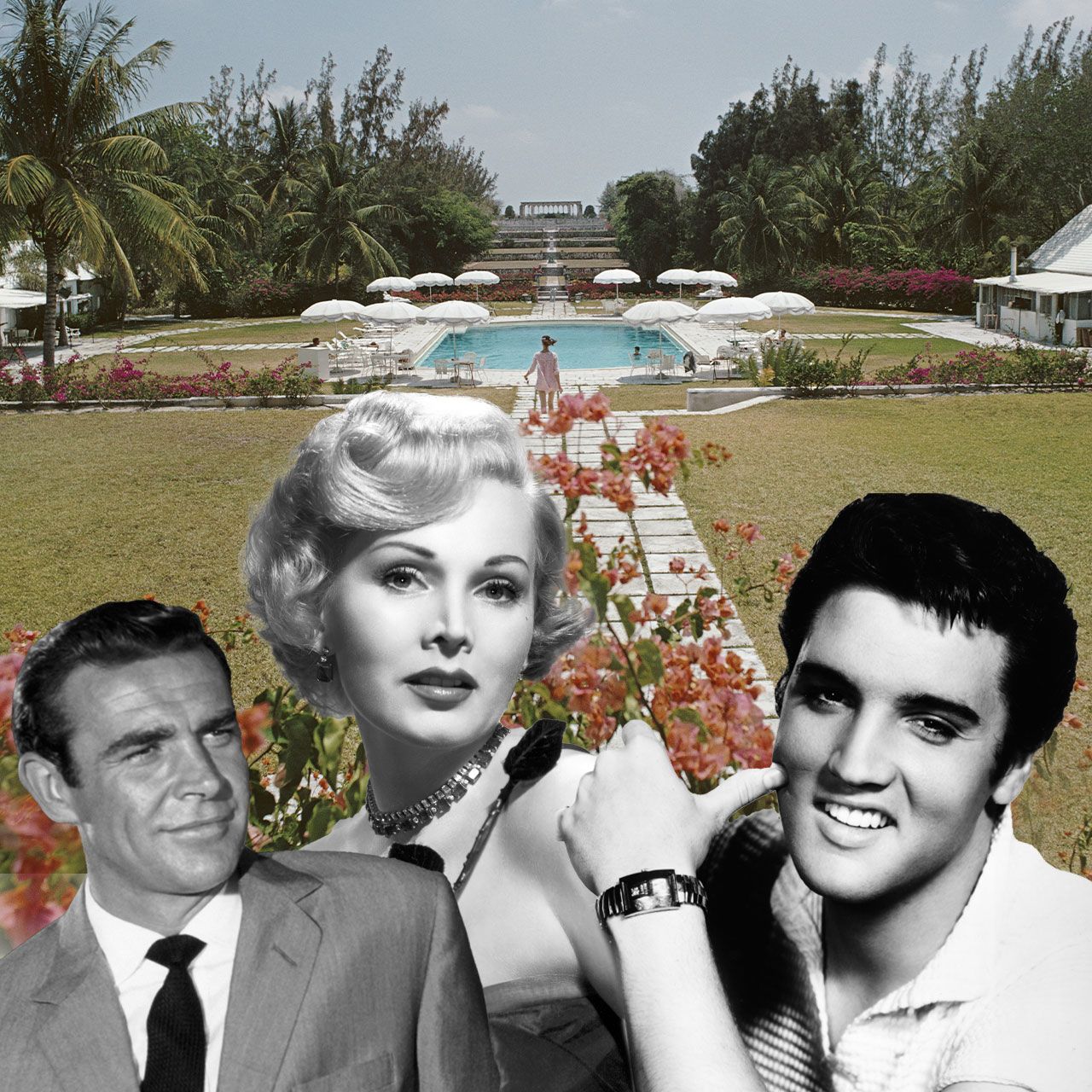
Staying here is like living on a set. The 152 rooms are spread across such a generous acreage, full of luxurious tropical plantings, that you find yourself wafting as though on your own estate. Slim Aaron’s, the renowned American photographer who brilliantly captured the jet-set lifestyle of high society, photographed the resort’s Versailles Pool in 1968. Put in by Hartford as a love gesture to his third wife, the vast swimming pool looks out on a formal garden with perfectly trimmed hedges, bright splashes of bougainvillea and classical statues that lead up the hill towards a 12th-century Augustinian cloister. I usually find myself drawn to the ocean and will almost always choose beach over pool. But this pool was so beguiling, I had to judiciously divide my time between the two.
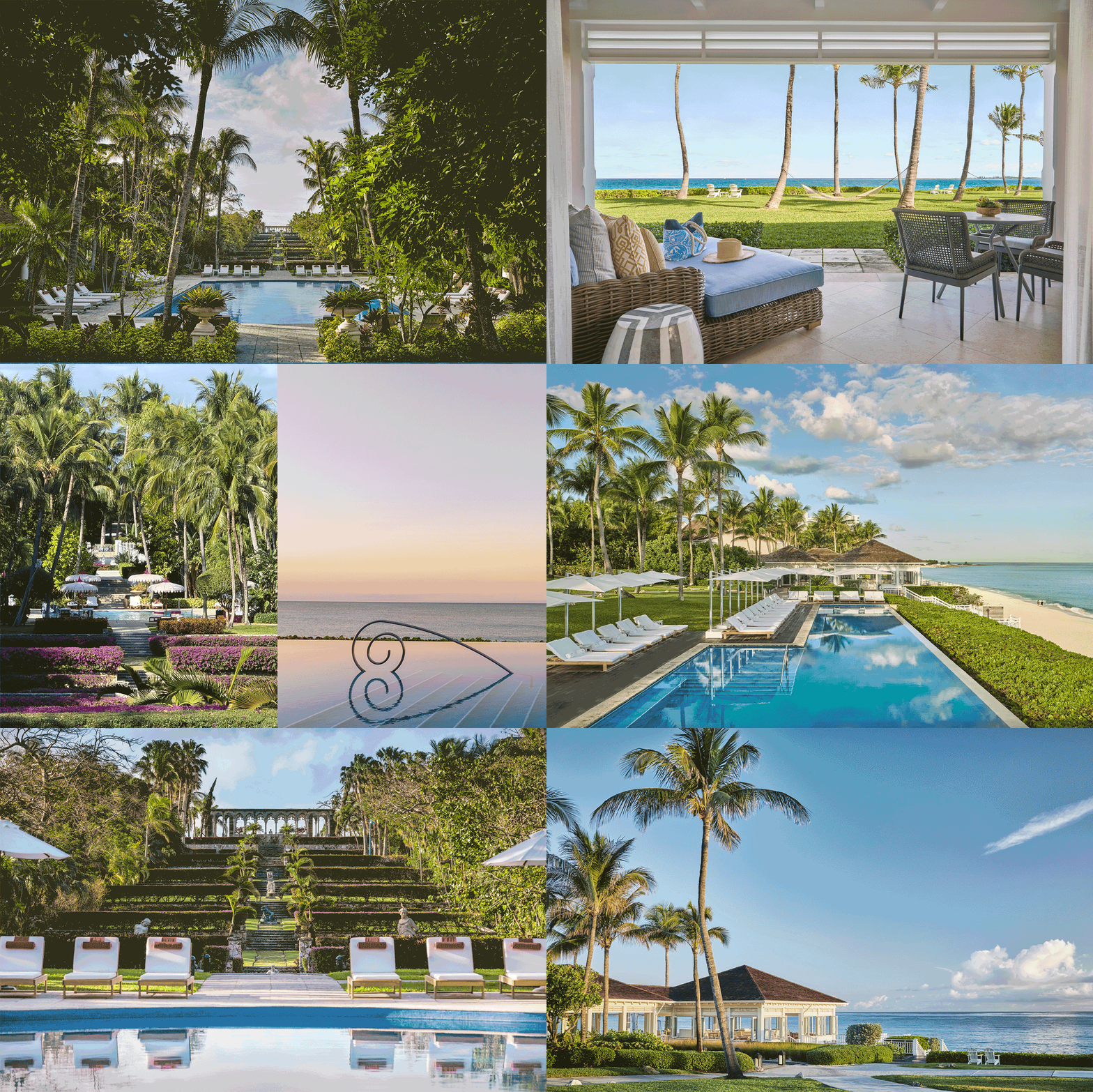
The beach here is the stuff that holiday fantasies are made of. An eight-kilometre sweep of pristine soft white sand, with water so turquoise it feels almost obscene, and not a scrap of seaweed. It was this shallow sea, or Baja Mar in Spanish, that drew pirates, including Blackbeard, Calico Jack and Anne Bonny here. According to Kelly Meister, owner of Blue Lagoon Island, another former pirate lair where I went to swim with dolphins, “Nassau was the absolute centre of piracy in the Caribbean, at one point there were only 100 legitimate citizens in Nassau. If you didn’t know the channels and reefs (amongst the 700 islands and cays) your ship would wreck. That made these islands perfect for pirates.” The British Governor, Captain Woodes Rogers, expelled the pirates in 1718 and restored British control: “Our old national motto was expulsis piratis, restituta commercia – expelled pirates, restored commerce.”
And indeed the sentiment still holds. The warm shallow seas are what draw people to the islands, and thanks to being an offshore tax haven, commerce is most certainly restored. But what lingers are the stories: These flat, sand spits of islands get all of their contour from their intriguing mix of history, layered, maverick and extraordinary as a Junkanoo costume.
The shallow turquoise waters that once sheltered pirates are the same waters that draw visitors today. But what surprised me most about The Bahamas wasn’t the beaches, spectacular though they are. It was the stories. Layer by layer, the islands emerge as something far richer than a tropical escape. Beneath the dazzling blues lies a destination with personality, history and a wonderfully eccentric spirit – one as intricate and colourful as a Junkanoo costume itself.
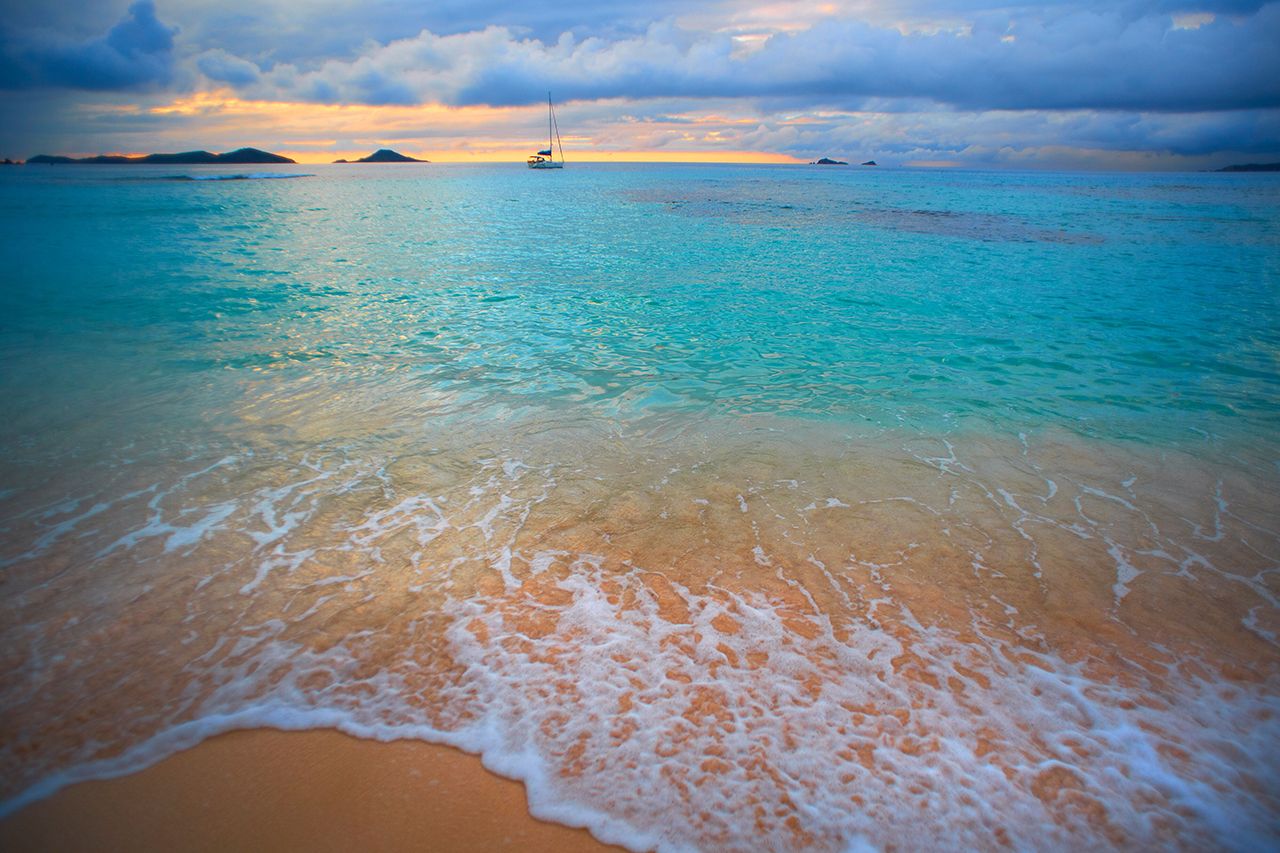
THREE MORE GREAT ESCAPES
Rather than sitting in hours of traffic to get to the cottage, slip in an off-season getaway that really feels like a vacation. Here are our top spots that, like The Bahamas, are just a quick plane ride away
Bermuda
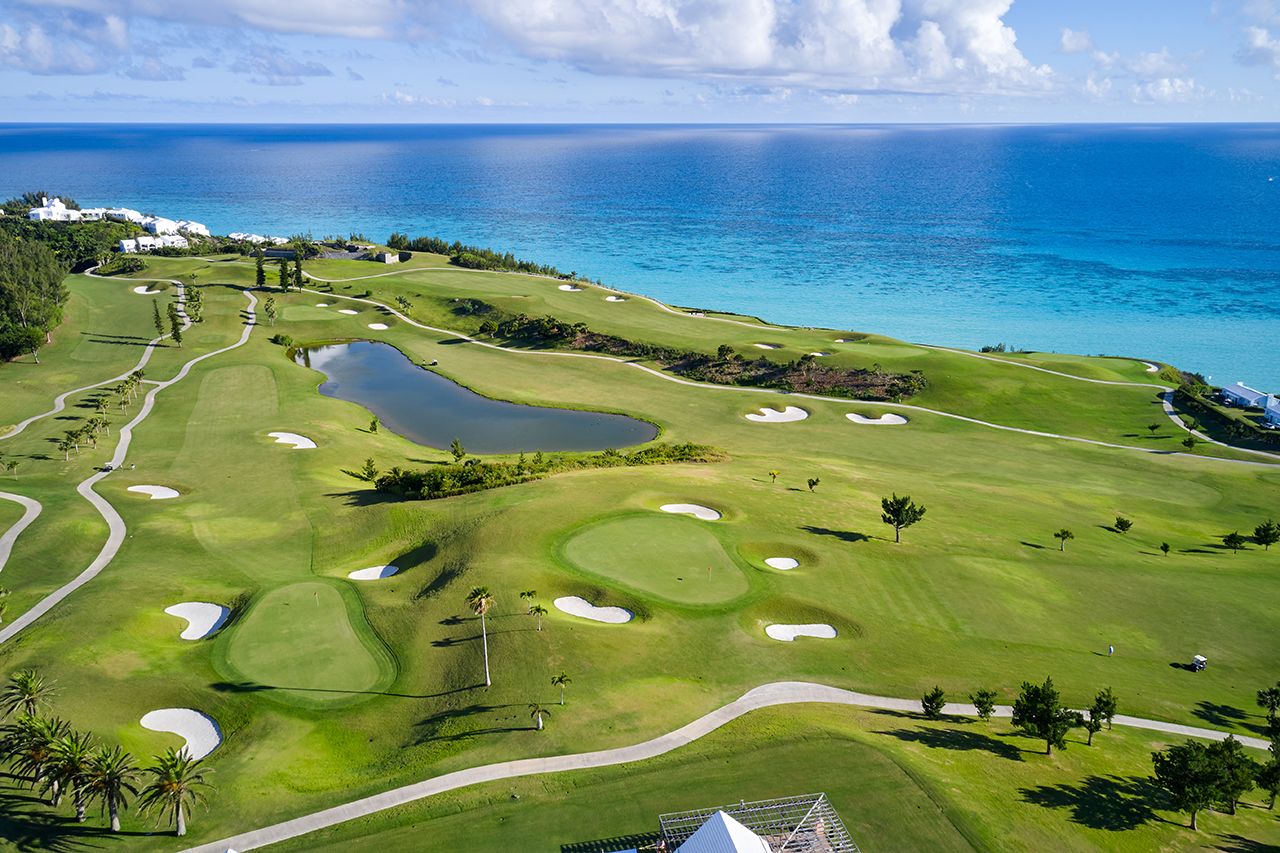
At just over two hours in the air from Toronto, Bermuda is an easy escape with no jet lag to shake off. The island’s famously pink-sand beaches are close enough for a long weekend yet far enough to feel like a true departure. Beyond the shoreline, there’s a strong sporting and cultural scene, from world-class oceanfront golf courses and sailing to a deep-rooted cricket tradition, historic forts and a relaxed island music culture.
Los Angeles
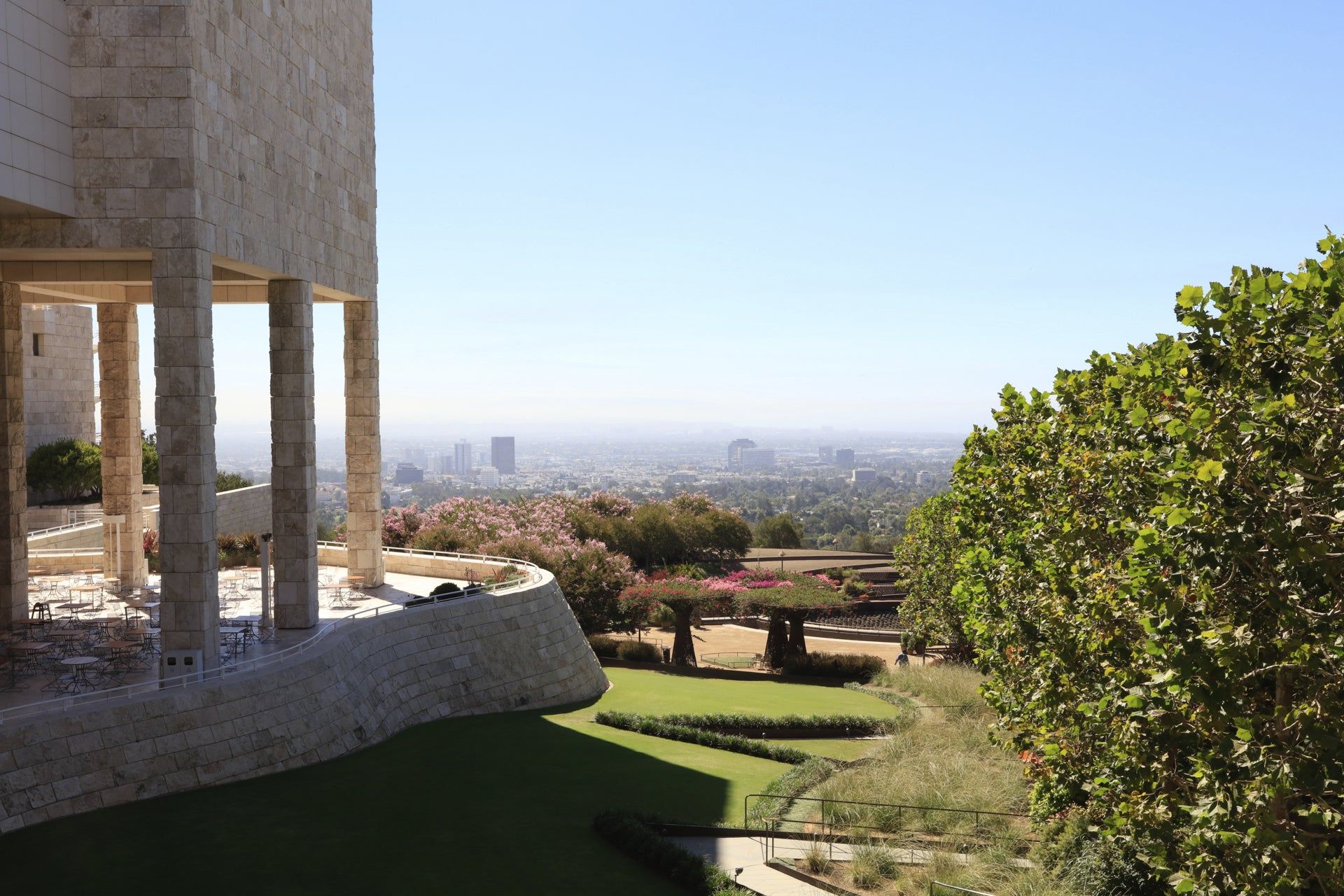
Just under three hours flight time from Vancouver, L.A. offers a reliable dose of heat and long, dry days that make it a welcome break from the Pacific Northwest drizzle. The city’s outdoor lifestyle – rooftop dinners, canyon hikes and nights at the Hollywood Bowl – is also in full swing. From Santa Monica and Venice to Malibu, the beach culture heats up, and, for the surfers and swimmers among us, so does the chilly Pacific ocean.
Mexico City
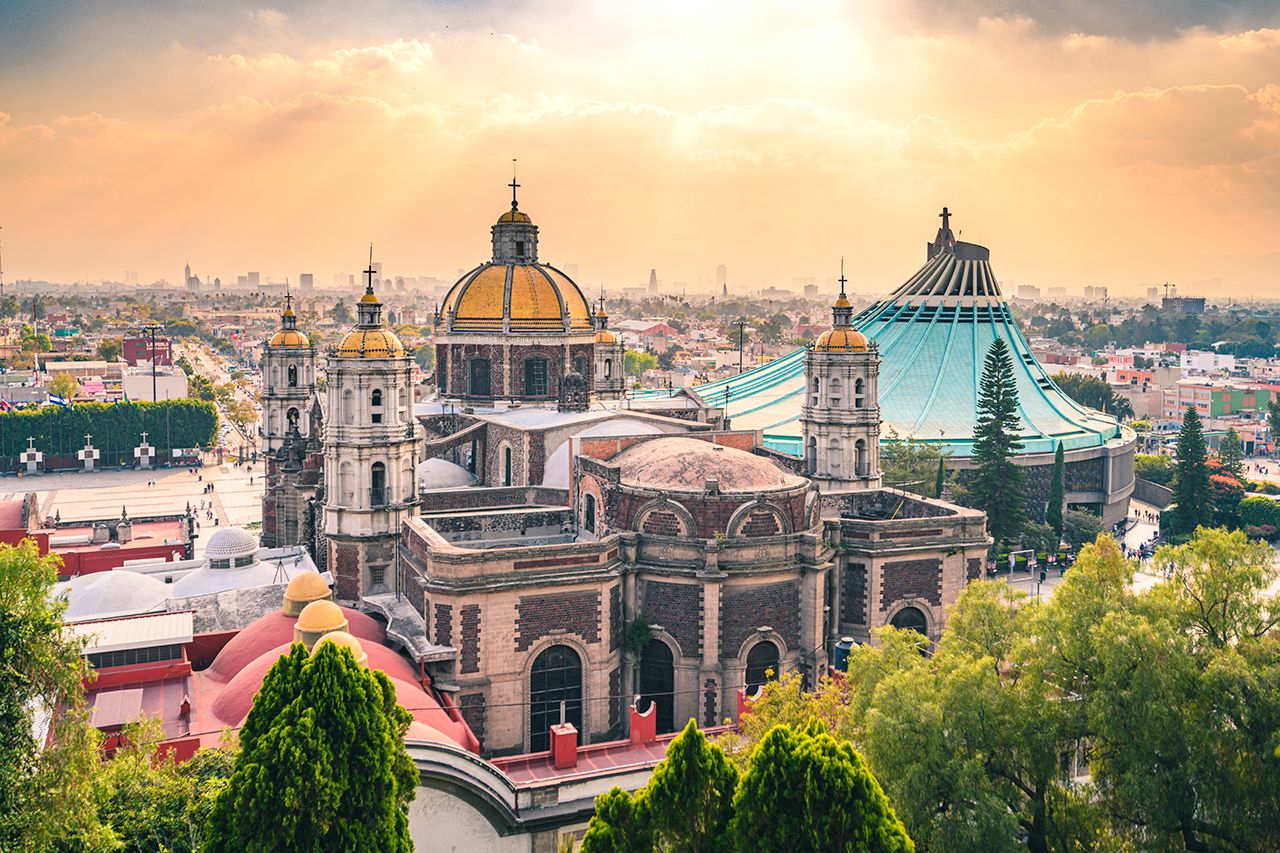
Perfect for a three day getaway, Mexico City delivers a full reset in both pace and atmosphere. The city is rich in arts and culture, with world-class museums, contemporary galleries and vibrant neighbourhoods. Its food scene is equally compelling, ranging from globally acclaimed restaurants to street tacos, making it one of the most exciting culinary landscapes anywhere. The city, a five-hour direct flight from Canada’s major hubs, is perfectly positioned for minimum jetlag, thanks to being in the central time zone, and has mild spring-like temperatures from June to August.


