







Shaped like a butterfly resting on the Caribbean blue, the Guadeloupe archipelago unfolds into two striking wings: the wild, lush volcanic realm of Basse-Terre and, by contrast, the flat, sun-baked island of Grande-Terre. Each was formed by a different geological process: Basse-Terre belongs to the still-active Lesser Antilles volcanic arc, while Grande-Terre is an older, lower-lying formation of coral limestone.
I was drawn to Guadeloupe because it remains blissfully, and proudly, untouched by the cookie-cutter tourism that has standardized much of the tropics. It is also a great place to hike, with an extensive network of trails that leads walkers from windswept Atlantic headlands to volcanic peaks and dense tropical rainforests.
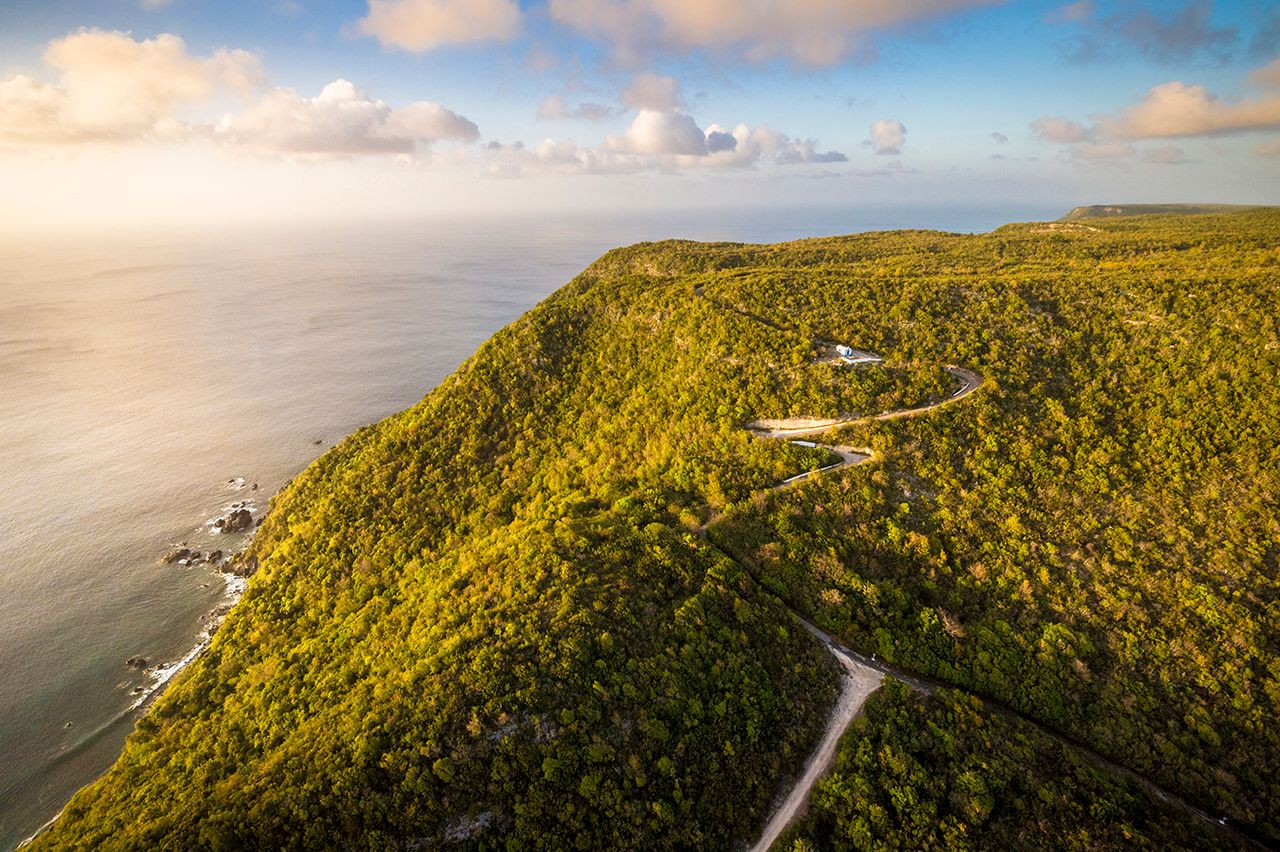
To understand the true, beating heart of the islands, there was only one thing to do: lace up my boots and hit the trail. I started out on the flat-land of Grande-Terre, following the rugged, breezy track of Pointe des Châteaux. The path took me past salt ponds frequented by migratory shorebirds before climbing to the dramatic hilltop cross at Morne Pavillon. The cross marks the summit of a rocky promontory that rises 43 metres above the Atlantic with sweeping 360-degree views over the neighbouring island of La Désirade and the distant cays of Petite-Terre, two remote fragments of the wider Guadeloupe archipelago that are now protected nature reserves.
From these exposed Atlantic shores, I head west towards Basse-Terre, leaving Grande-Terre’s open, windswept landscapes behind. The two islands are separated by a narrow channel fringed with tangled mangroves, but their environments could hardly be more different. On Basse-Terre, the terrain rises into volcanic mountains cloaked in dense rainforest. The air grows heavier and more humid, while a veil of lingering mist lends the landscape a moody, almost otherworldly atmosphere.
I begin my hike near the coastal fishing village of Deshaies, where the Sentier de la Solitude trail leads me beneath the dark, damp vaults of the Bois du Comté rainforest, past towering white gum trees and giant tree ferns of Jurassic proportions.
Rising above it all is La Soufrière. At 1,467 metres high, this active volcano last experienced a significant eruption in 1976 and remains closely monitored for its frequent seismic tremors and roaring steam vents. Certified guides lead treks to the sulfurous, vapour-veiled caldera at the summit, though peering into its active fissures feels like too much of a gamble for me today.
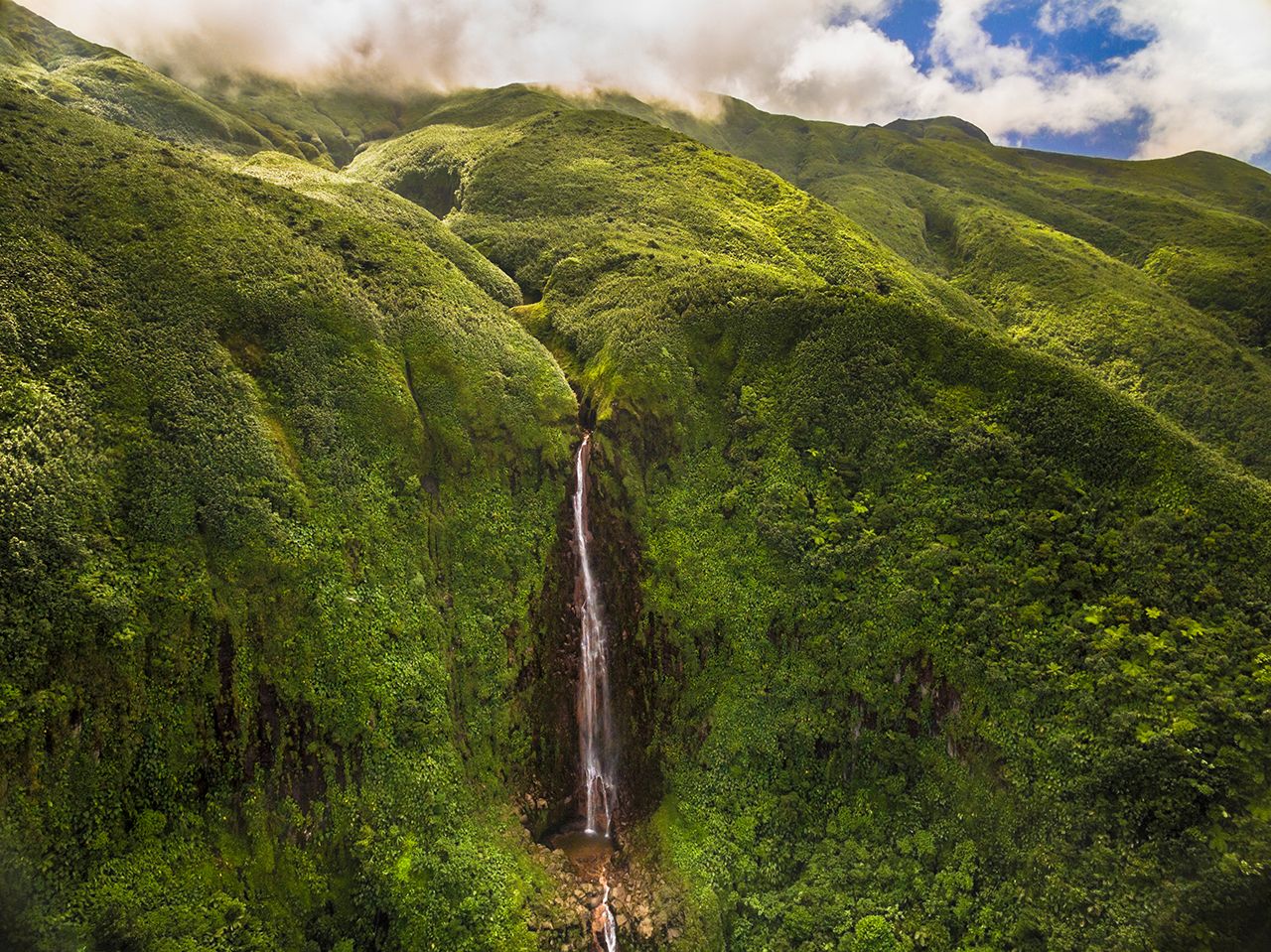
Instead, I slip into the depths of Guadeloupe National Park, the largest protected biosphere in the Lesser Antilles. Amid the tangled roots and dim canopy, the rising sound of cascading water guides my steps. I feel my way forward through the vegetation, until it opens up onto a giant waterfall piercing the mist. There, the rumble from the thunderous tiers of the Carbet Falls is deafening. Standing before these torrents, I am reminded of the Guadeloupe’s pre-Columbian Indigenous heritage, and the absolute truth of its Kalinago name, Karukera – Island of Beautiful Waters – hits with full force.
Water is, indeed, the very heartbeat of Basse-Terre whose emerald mountain range is ribboned by more than a hundred rushing rivers. The island’s aquatic soul also reveals itself in gentler sanctuaries like the Cascade aux Écrevisses, a swimmable, crystalline basin fed by mountain runoff and reached via a short boardwalk winding beneath towering bamboo.
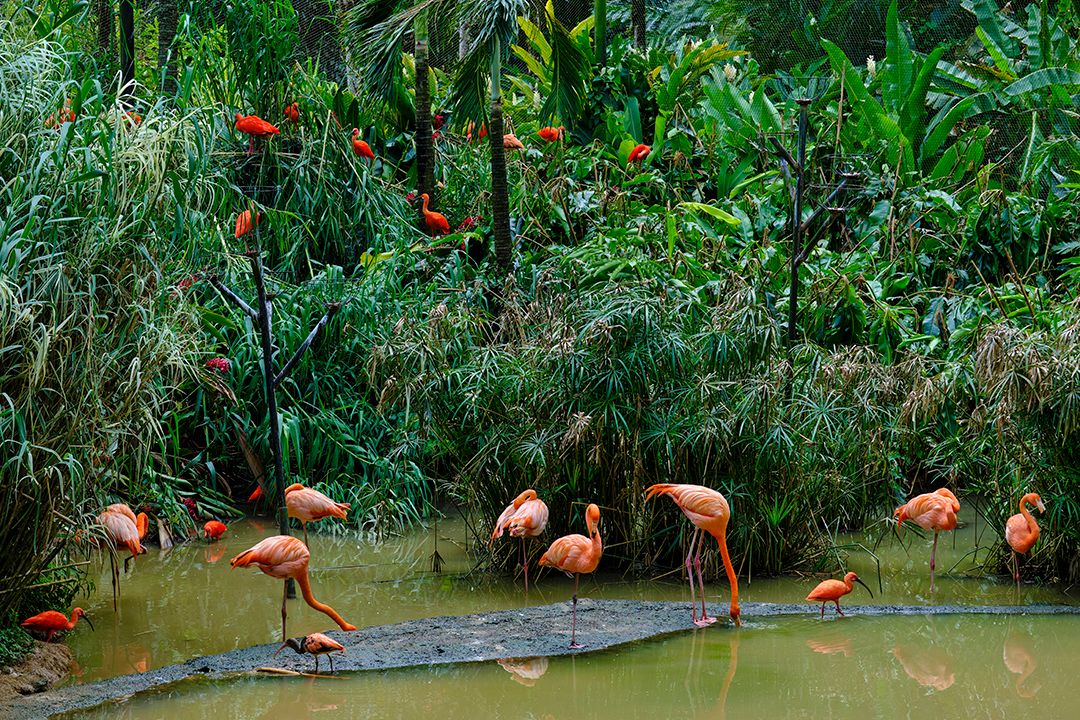
Leaving the dense mountain rainforest behind, the landscape softens subtly as I travel down toward the coast where Basse-Terre reveals a serene, horticultural side. The Deshaies Botanical Garden, set on the former hillside estate of the late French film star Coluche, is a riot of tropical colour. lts lush, almost surreal landscape brings to mind the fantastical world of Pandora in James Cameron’s Avatar.
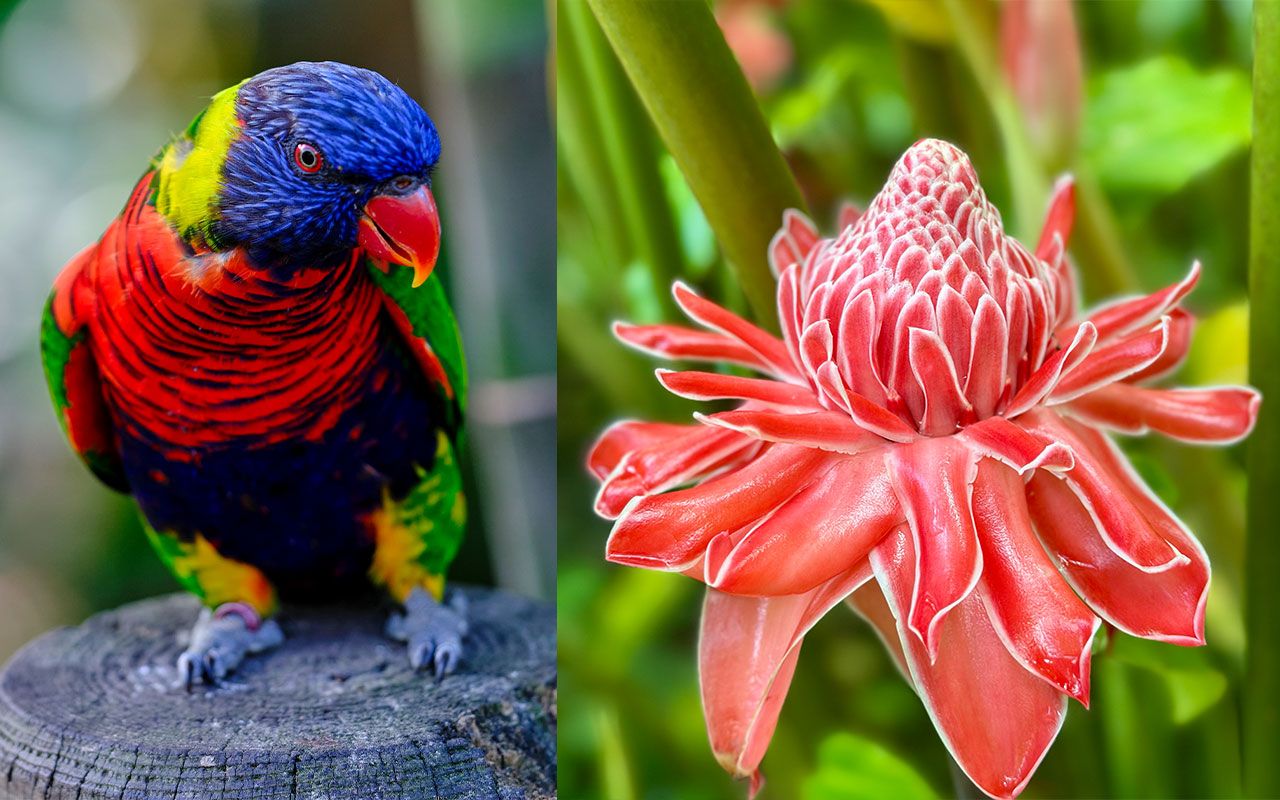
As I wander along its shaded pathways, I encounter nearly a thousand tropical plant species. Among them are vivid orchids, rare talipot palms and porcelain roses, which are which stand out as my absolute favourites. Originally from Southeast Asia and belonging to the ginger family rather than the rose family, these striking plants produce waxy, rose-like flower heads with an almost ceramic sheen, in shades of blush pink, deep red and ivory. Like me, hummingbirds find them irresistible, darting between their radiant blooms to feed.
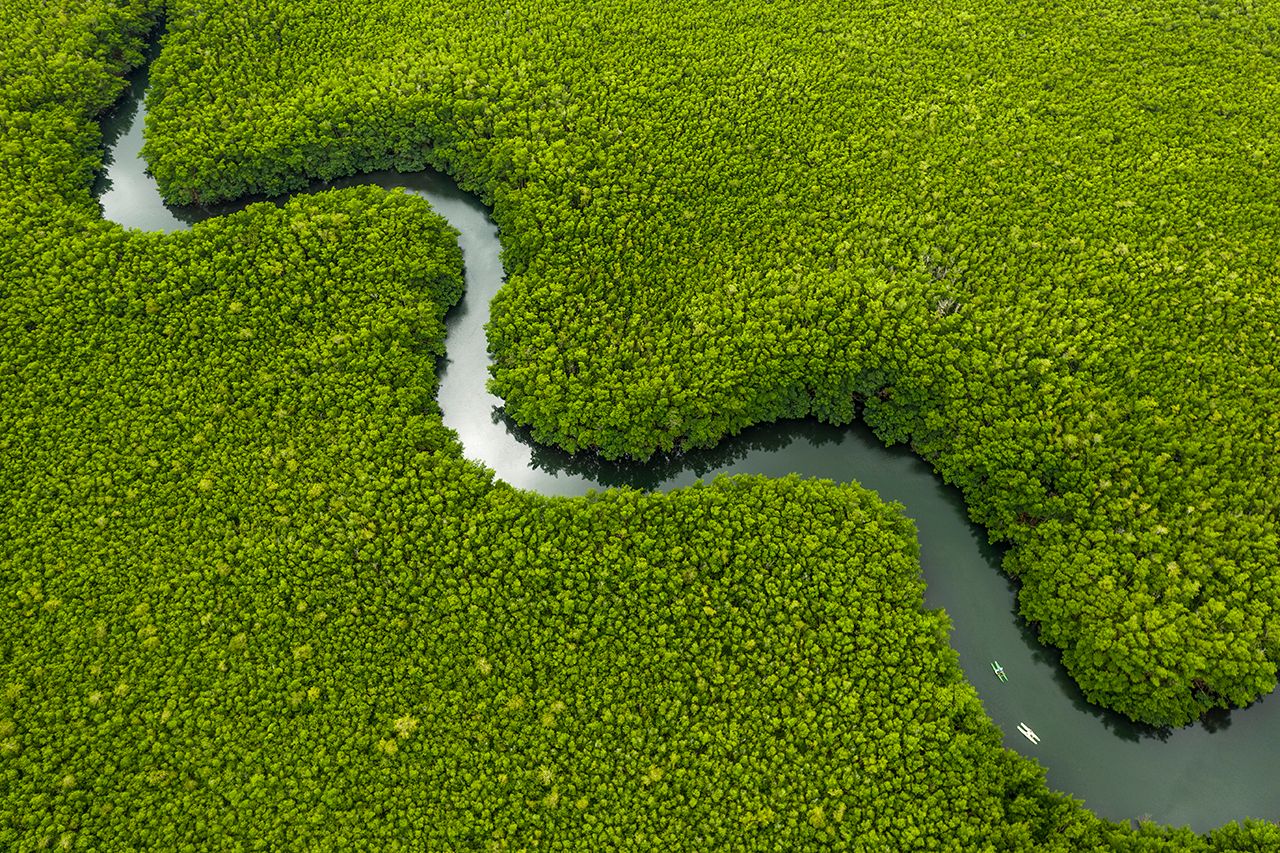
With the flower-scented gardens still fresh in my mind, I make my way to the harbour in Sainte-Rose, where Captain Félix of local operator Nico&Co is waiting at a pier beside a sleek, open-air skiff. Climbing aboard, I set off across the calm waters of the Grand Cul-de-Sac Marin, the vast coastal lagoon separating Basse-Terre from Grande-Terre in northern Guadeloupe. Within this protected marine sanctuary, mangroves, coral reefs and white-sand islets form a rich and fragile ecosystem.
As I wander along its shaded pathways, I encounter nearly a thousand tropical plant species. Among them are vivid orchids, rare talipot palms and porcelain roses, which stand out as my absolute favourites. Originally from Southeast Asia and belonging to the ginger family rather than the rose family, these striking plants produce waxy, rose-like flower heads with an almost ceramic sheen, in shades of blush pink, deep red and ivory. Like me, hummingbirds find them irresistible, darting between their radiant blooms to feed.
With the flower-scented gardens still fresh in my mind, I make my way to the harbour in Sainte-Rose, where Captain Félix of local operator Nico Excursions is waiting at a pier beside a sleek, open-air skiff. Climbing aboard, I set off across the calm waters of the Grand Cul-de-Sac Marin, the vast coastal lagoon separating Basse-Terre from Grande-Terre in northern Guadeloupe. Within this protected marine sanctuary, mangroves, coral reefs and white-sand islets form a rich and fragile ecosystem.
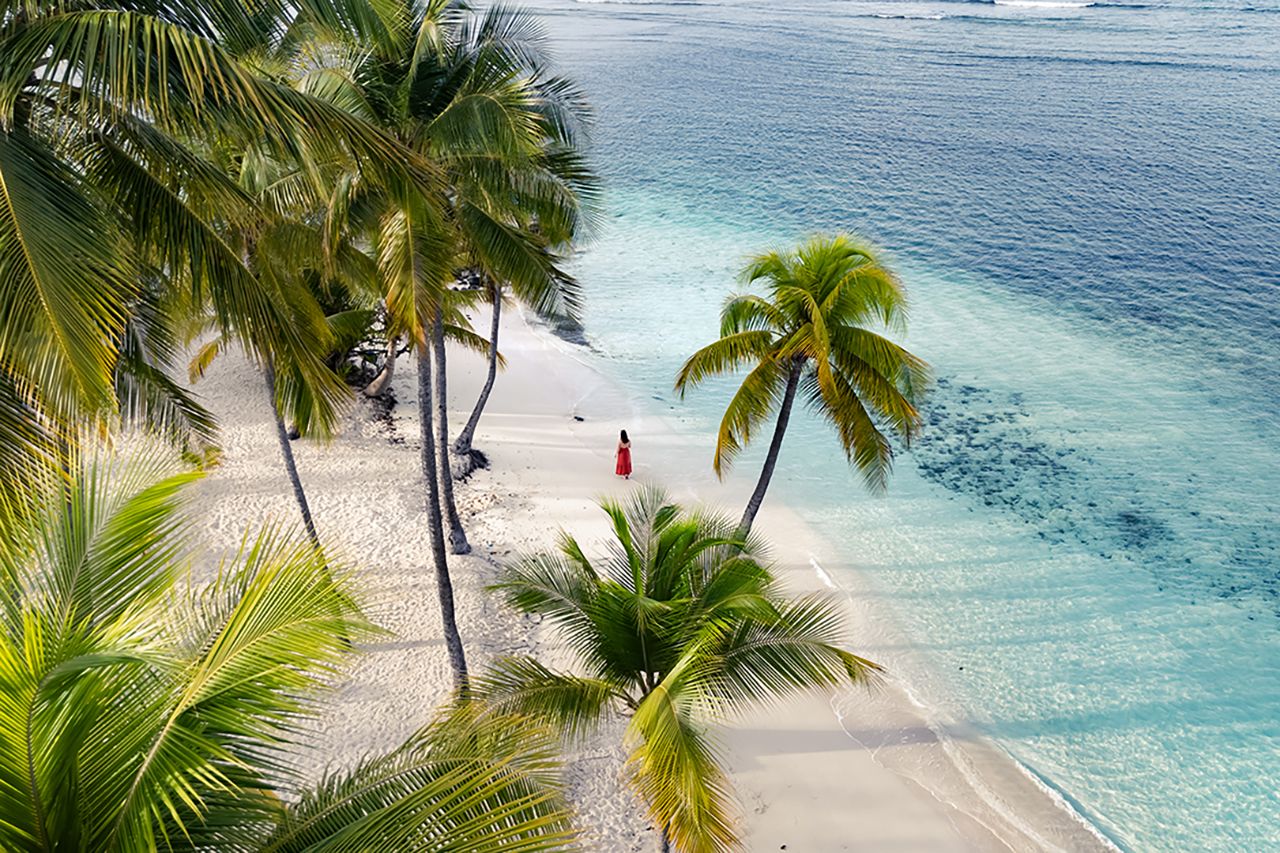
I can’t resist lingering for a swim. Plunging into these clear waters feels infinitely more rewarding than any infinity pool, no matter how luxe. Nearby, Îlet Caret looks like a picture-postcard Caribbean island, with turquoise water and a sweep of white sand. But beyond its photogenic appeal, it reflects the fragile beauty of the Lesser Antilles and Guadeloupe’s commitment to protecting its natural environment. Regularly closed to visitors to protect its shifting sandbars, Îlet Caret is a reminder that nature sets the rules, sometimes requiring us to step back and allow it time to recover.
Free from the booming party catamarans that crowd more commercial Caribbean destinations, Guadeloupe preserves a rare sense of intimacy with nature. After a few hours exploring the lagoon, swimming and soaking up the Caribbean sunshine, I head south to Trois-Rivières, where I catch the ferry to Les Saintes, a small volcanic archipelago belonging to Guadeloupe.
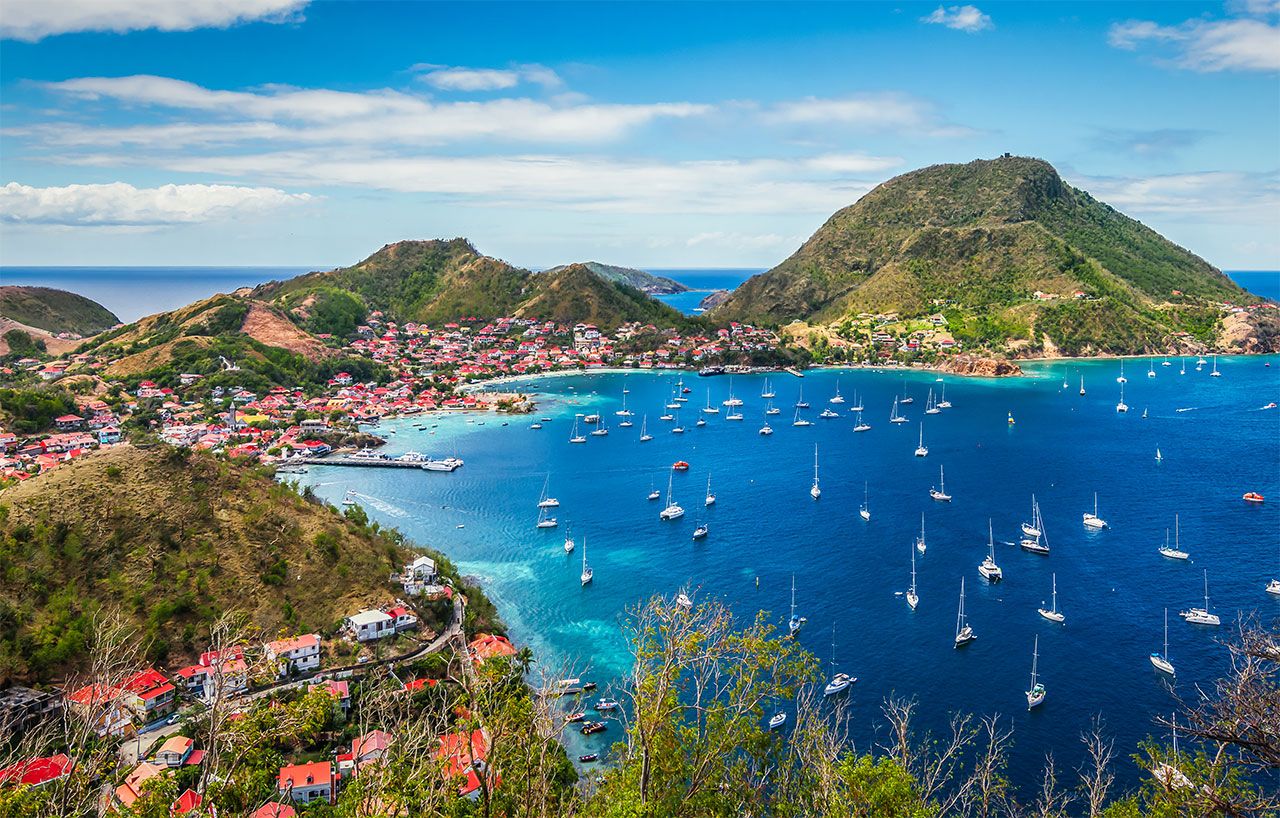
After a 30-minute crossing over a choppy swell, I land at Terre-de-Haut, the main island of Les Saintes. I am greeted by colourful wooden houses, quaint streets humming with electric scooters and a bay so dazzling it routinely ranks among the world’s most beautiful. Long before it welcomed travellers, this sheltered harbour served as a refuge for pirates and a strategic setting for fierce naval battles between French and British fleets.
Echoes of that turbulent era remain at Fort Napoléon. Built in the 19th century atop the ruins of an earlier fort destroyed by the British, it has a commanding view of the lush cove below, where red-tiled roofs and brightly painted boats are scattered like confetti across the deep-blue expanse of Les Saintes Bay.
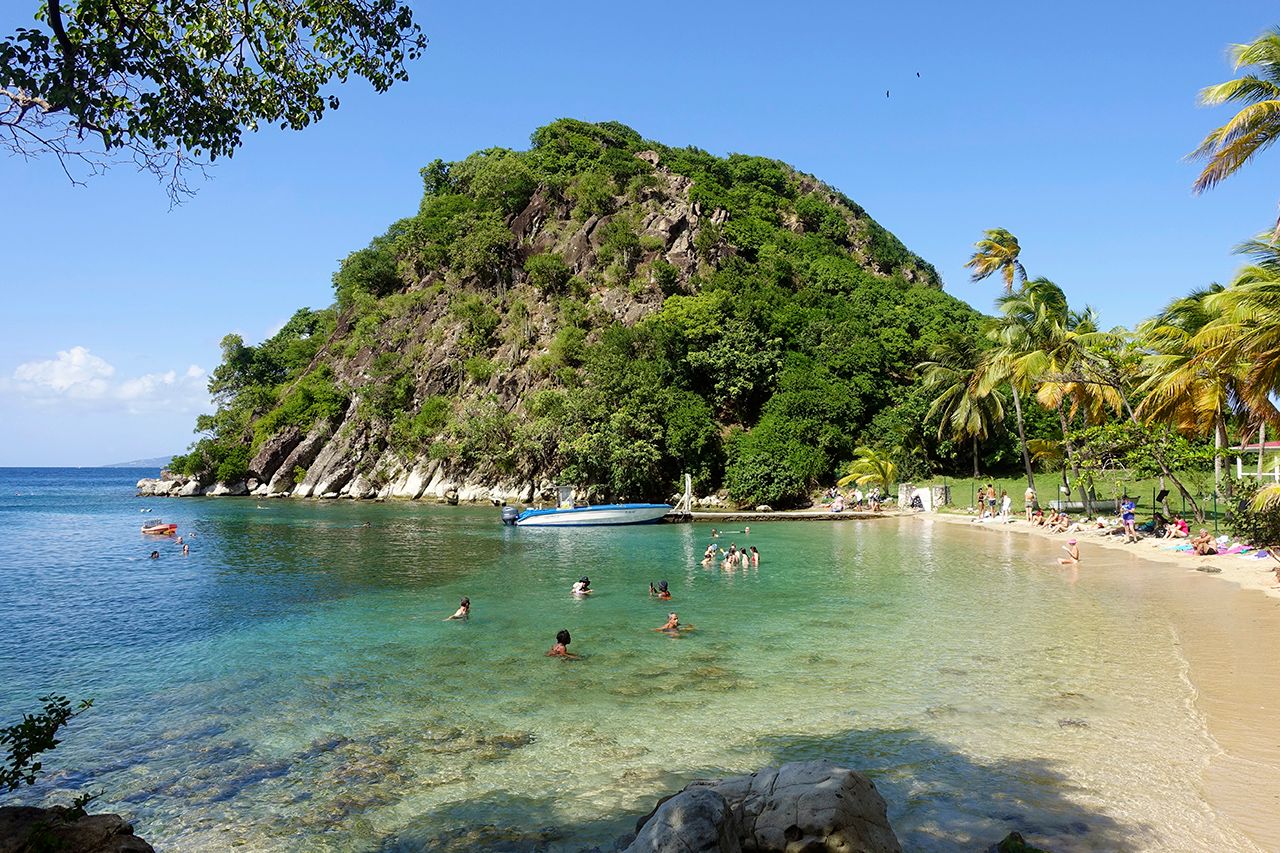
Like the icing on top, Pain de Sucre (Sugar Loaf) beach is just a short, breezy golf-cart ride from the bustling docks of Terre-de-Haut. Stretch the imagination just a fraction, and you might almost fancy yourself in Rio – the scale of this Caribbean sugarloaf is more modest, but the landscape is no less resplendent. Its emerald slopes plunge their volcanic flanks straight into the sea, carving out an intimate bay with a crescent of white sand lined with coconut palms.
The real magic, though, lies beneath the surface. I can’t resist diving straight into the clear water, where the reef teems with life: blue tangs, butterflyfish and angelfish dart between colourful sea fans and sponges, while parrotfish graze on coral. It’s an ever-changing spectacle, and the pleasure is boundless. There’s no wristband, no itinerary and nowhere else I need to be. I simply drift above the reef, taking in the untamed natural beauty that is Guadeloupe’s very essence.
In a landscape that invites exploration at every turn, spending your vacation sequestered in a resort makes little sense. In Guadeloupe, accommodation tends to be harmonious with the surrounding scenery, acting as comfortable hideaways to recharge between daily excursions.
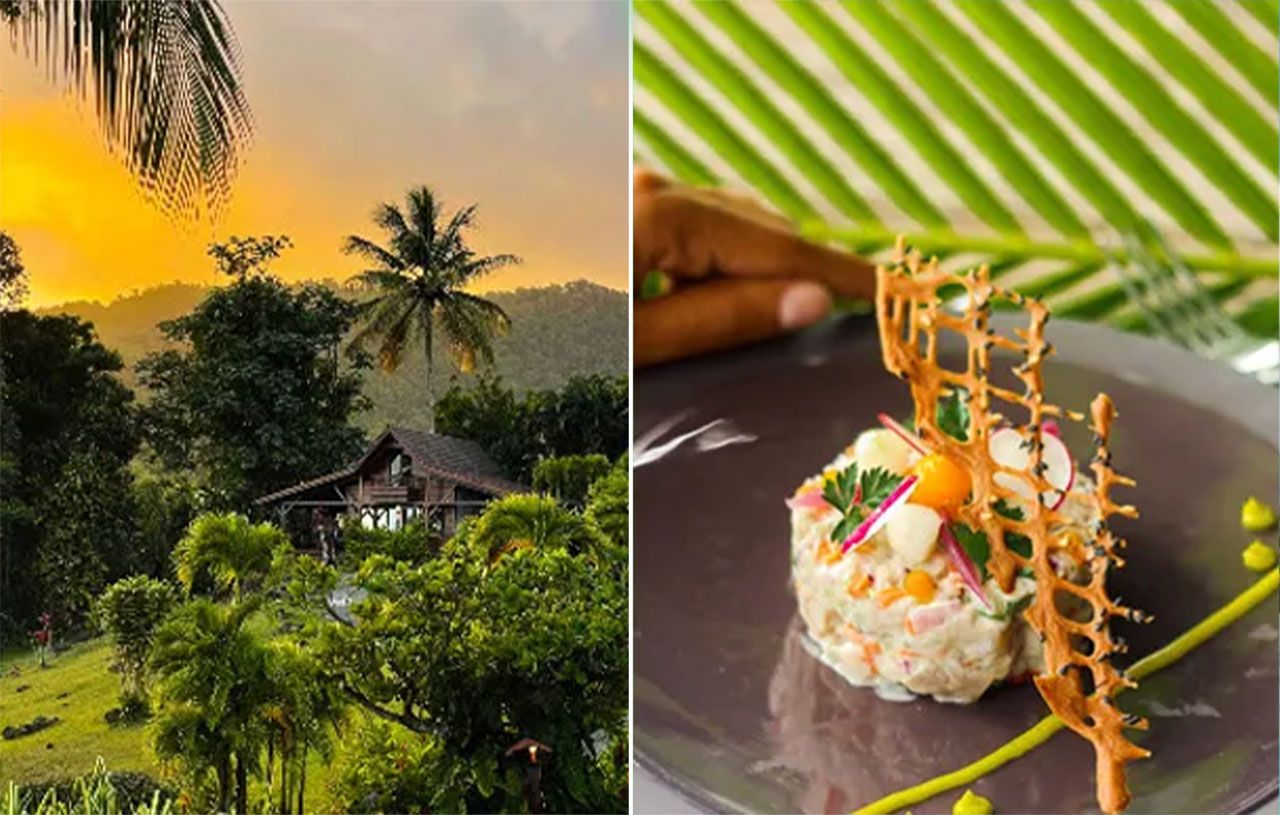
Le Jardin Malanga is perched high on the volcanic slopes of Basse-Terre. Set around a restored 1927 colonial house in the foothills of La Soufrière, this retreat feels deeply connected to the land. The historic main house has smaller rooms overlooking the Caribbean Sea, while private cottages are sheltered within a lush garden of mango trees and orchids. Just steps away, an infinity pool sits perched above the shoreline, framing a breathtaking view of Les Saintes.
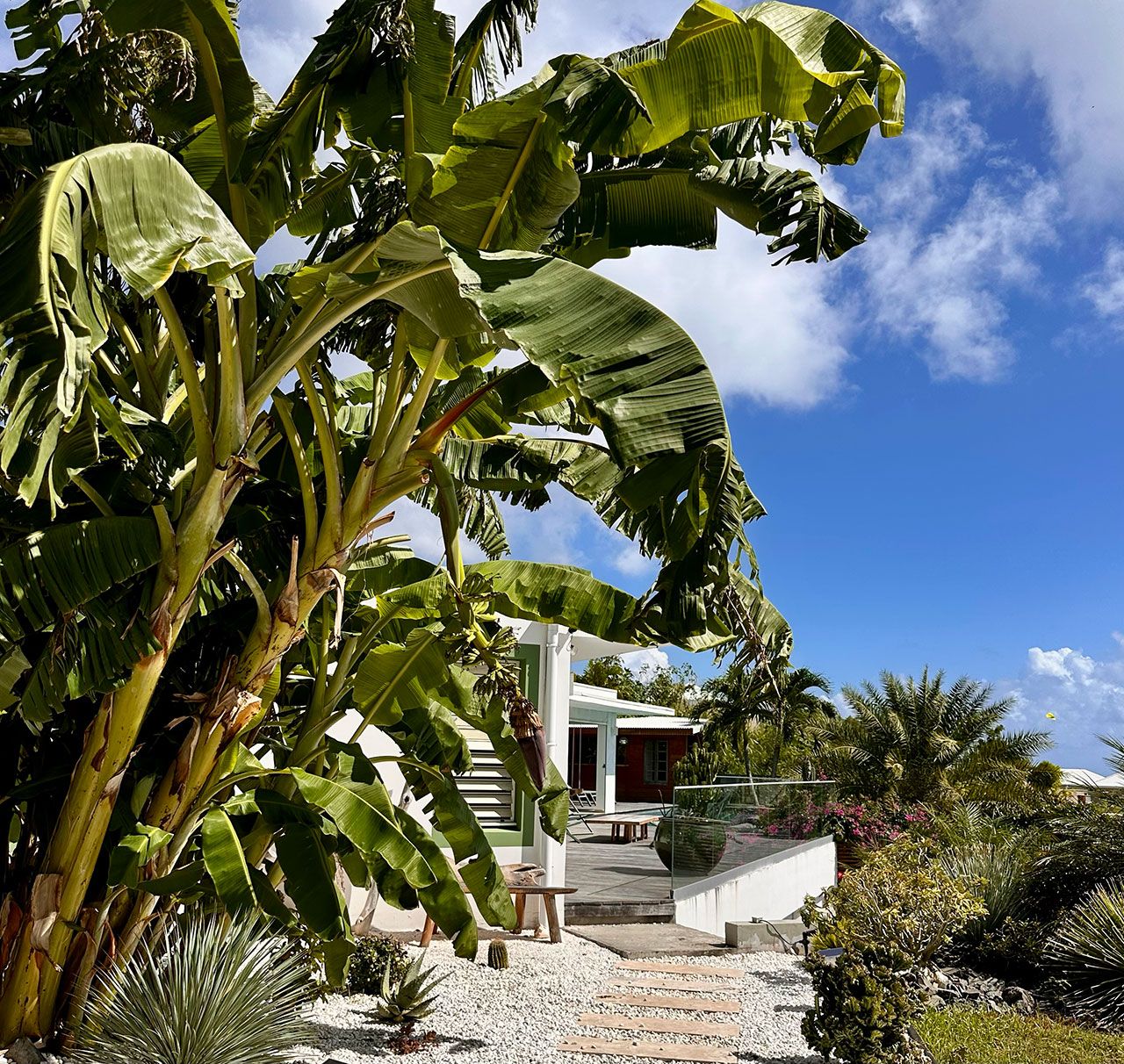
On Grande-Terre, Les Voiles Bleues is tucked away near the turquoise lagoons of Saint-François. The property comprises a collection of flexible, tropical-chic pool villas, ranging in size from one-bedroom suites to the expansive six-bedroom Villa Azur. While full five-star concierge services are on hand (including a private chef upon request), the atmosphere remains relaxed and informal, making it an appealing base from which to explore the island.
Getting there is also becoming easier. Air Canada operates weekly non-stop flights from Toronto to Pointe-à-Pitre, Guadeloupe’s main international gateway, from December 19, 2026, to April 17, 2027.
For more information: Les Îles de Guadeloupe