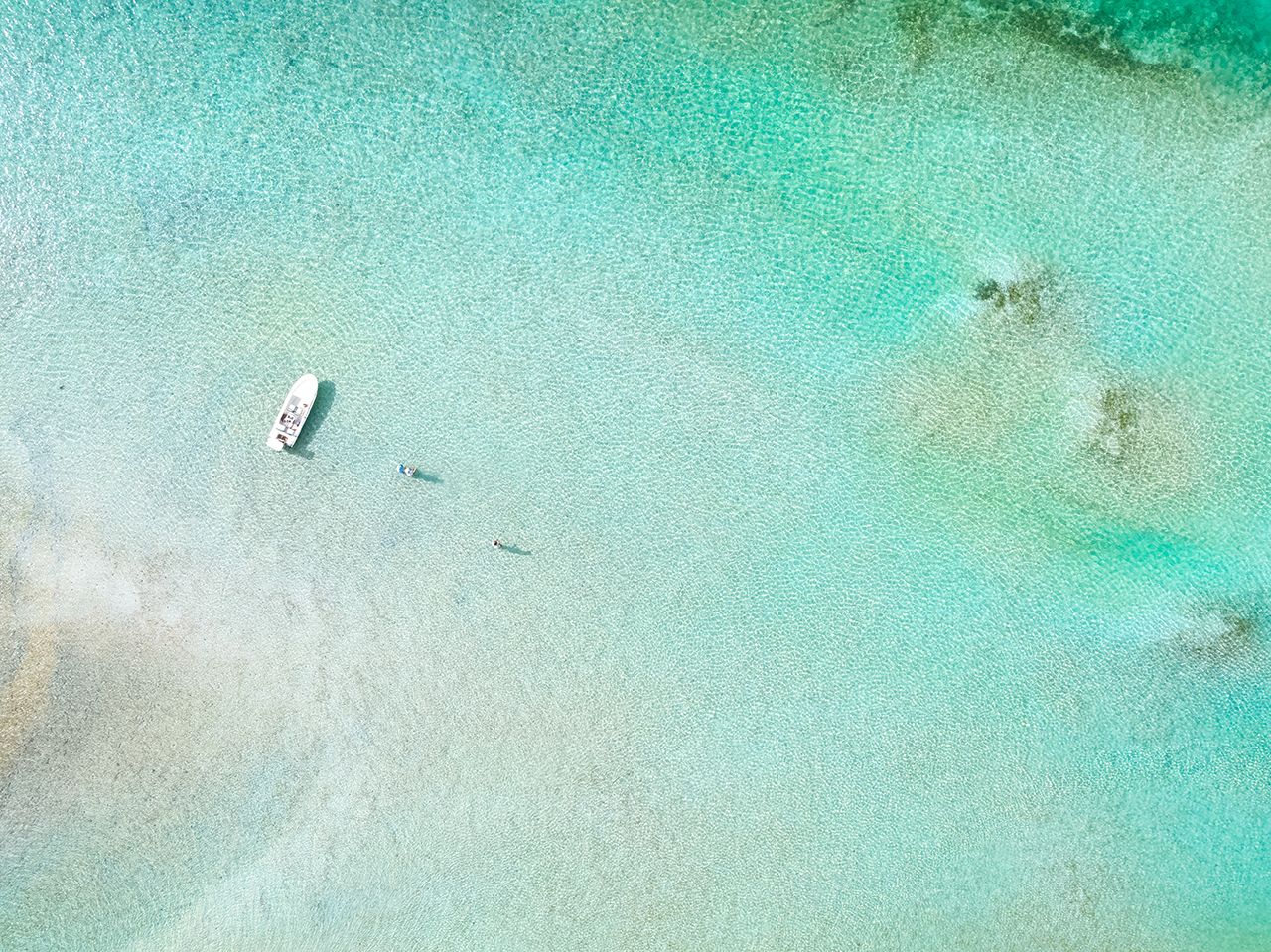








As the cold weather begins to exert its icy grip, the lure of warmer climes becomes hard to resist. From the sun-soaked shores of Los Cabos and the turquoise waters of The Bahamas to Colombia’s vibrant cities and Caribbean coast, these quick getaways offer a welcome change of scenery – and a healthy dose of sunshine to brighten your spirits and prepare you to face the long, dark months ahead.
Northern Los Cabos: Sun, Sand and Sustainability
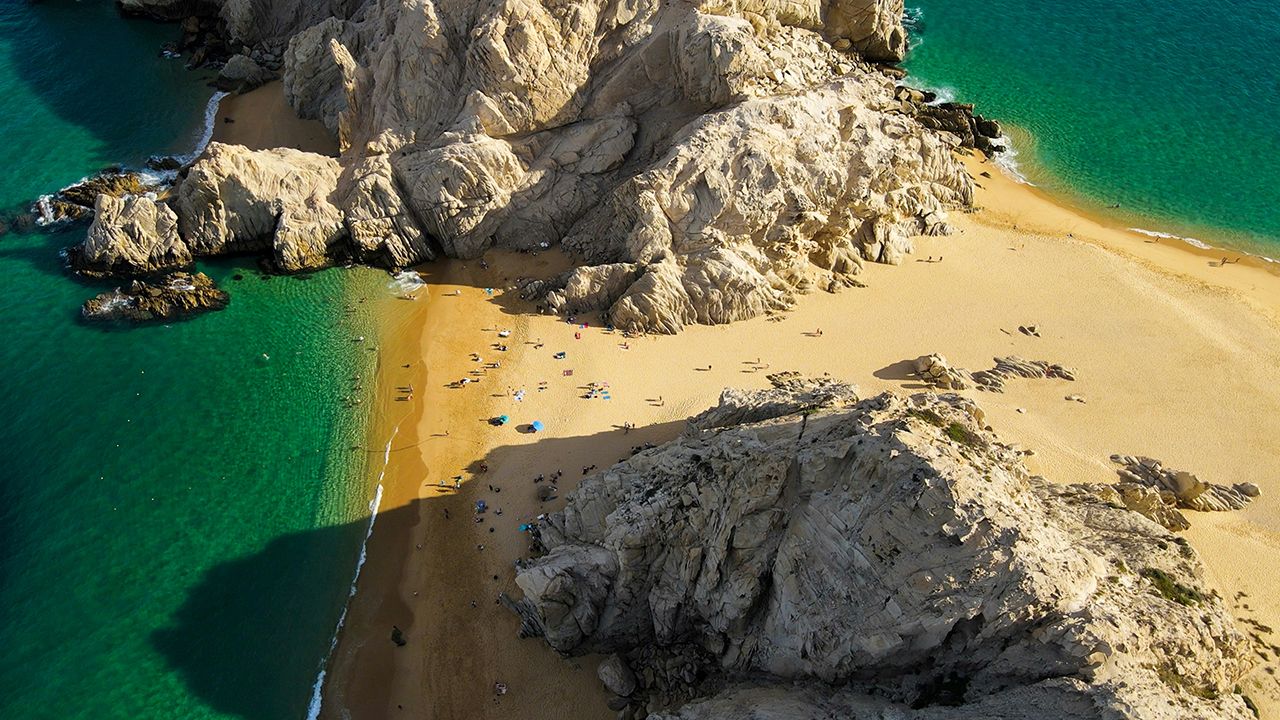
Where: Far away from the high-end hype of the southern Los Cabos resort corridor in Mexico, I lounged about boho-chic desert enclaves, wandered the streets of eccentric beach towns and climbed over rocks to jump into hidden waterfalls glistening in the sun. This quiet side of Cabo, in the northern part of the municipality, delivers blissfully empty stretches of sand on both the Pacific and Sea of Cortez coastlines, immersion in the Sierra de la Laguna Biosphere Reserve, and innovative, sustainability-focused accommodations that tick all the luxe boxes.
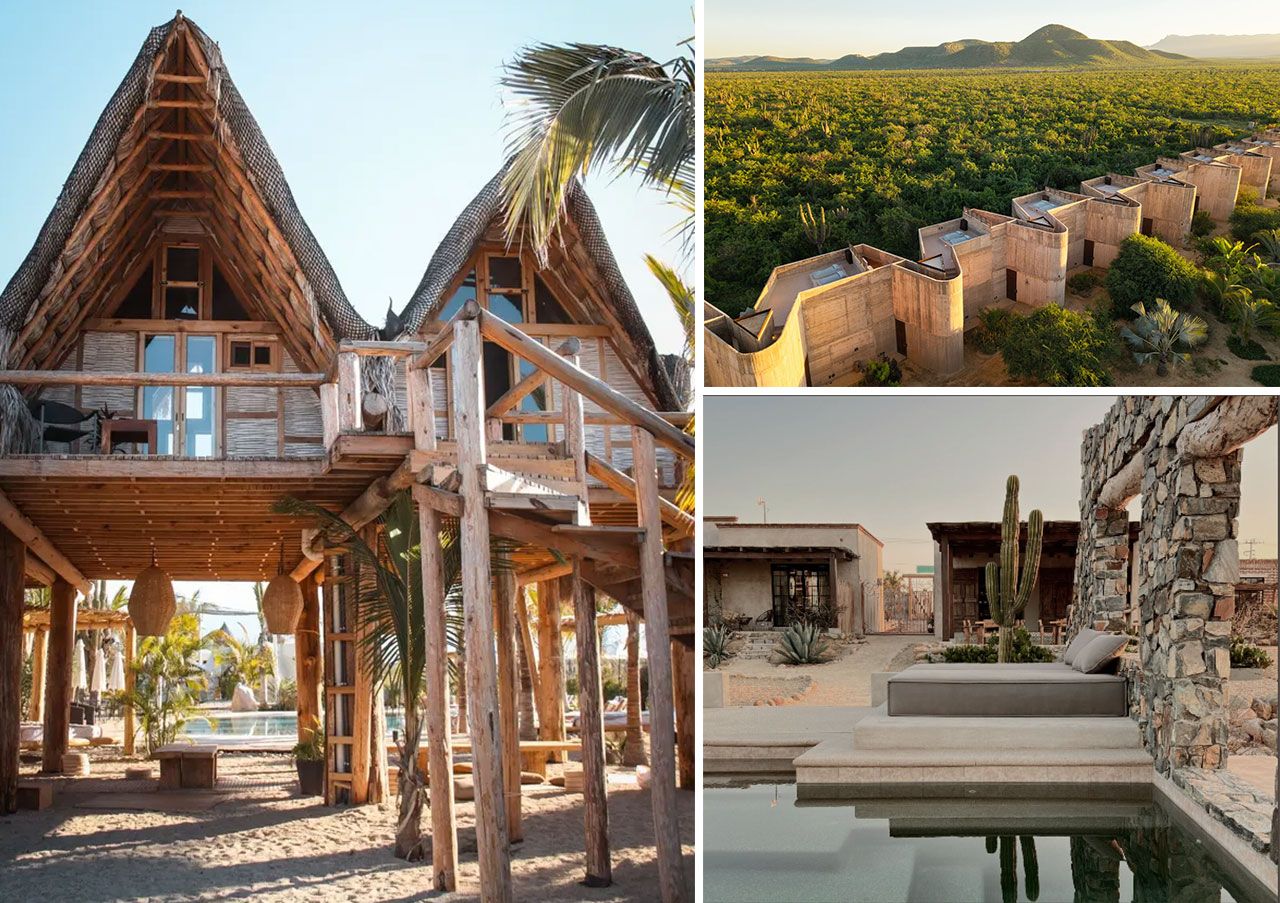
Stay: The maverick Hotel Damara in El Pescadero on the Pacific side is an 18-room retreat offering guests a choice of teepees, treehouses and chozas or huts. A pond-like pool is ringed with striped loungers, soft beds and little private nooks, all adjacent to a kitchen and bar built inside an old bus. It churns out vegetarian and vegan fare.
• Nearby at the bunker-like, 42-suite Paradero Todos Santos, the surrounding landscape is also very much part of both the design scheme and the wellness concept. Expect mountain views, stargazing nets, Zen gardens and outdoor tubs.
• Desierto Azul has a definitive European flavour throughout its small footprint just outside the resort town of Todos Santos. Awarded One Michelin Key (the hotel equivalent of a Michelin Star, One Key recognizes a standout property judged by its unique character, high-level service and strong value for its price tier), its four suites ooze concrete-clad luxury while a cactus-ringed pool slows down the holiday rhythm considerably. A eucalyptus foot bath delivered in the late afternoon washes away the weariness of a day of exploring, and a late-night tea station sends you off to bed with an herbal elixir.
• I slept in a five-star tent at the oasis-style NEST Los Cabos, situated at the foot of the freshwater Santiago Oasis in the very centre of the municipality. This is an astonishingly clever design with three suites built of compacted earth and three luxury safari tents woven into the reeds and palms of the lagoon. Expect water-wise gardens, low-impact construction and a kitchen that honours the region’s unique biodiversity.
To Do: Tiny towns off the main highways yield surf lessons, heritage touchpoints, market stalls, oh so many margaritas and humble cafés turning out the most delicious tacos, fajitas and ceviche. Exploring within the Sierra de la Laguna can take you to the granite rock formations and emerald-green waters of the Sol de Mayo Waterfall and the rustic, natural pools of the Santa Rita Hot Springs. Bring a towel.
The Takeaway: Skip the large chains lining the unswimmable south coast and drink deep of the unassuming rural hospitality that’s quietly running away with the show.
The Route: Year-round and seasonal routes from Canada to San José del Cabo (SJD) are plentiful. Visitors then hop in a rental car and head west to the Pacific coast or north to Sierra de la Laguna and points northeast.
Andros Island: Isolation Meets Luxury
Where: On the south end of Andros Island, the largest in The Bahamas, I was pampered beyond recognition. Six years after Canada’s own HGTV stars Bryan and Sarah Baeumler transformed an abandoned resort into one of the most talked-about hideaways in The Bahamas, the One MICHELIN Key Caerula Mar Club continues to evolve. Prepare for poolside lounging, untouched natural beauty, seafood splendour, blue-hole swimming and doing shots with local fishermen.
The Vibe: “People just want to decompress, that quiet chill,” says resort manager Kara Deshaw. “And when they come to visit us, we should be able to deliver what they’ve seen on HGTV. We make sure everything is well-maintained – nice and fresh.” She was talking about the six private villas and 18 clubhouse suites, all built with sustainable, natural materials and a forward-thinking sensibility in so many subtle ways. I kept seeing clever design details even two days after checking in, taking pictures for my inspiration pinboard. The club’s Lusca restaurant is named after a mythical half-shark/half-octopus creature that lives in the island’s blue holes. Island-inspired cuisine from chef Aaron Slater takes advantage of the ample fresh seafood and the abundance of supporting local ingredients. Tantalizing dishes like tamarind-glazed pork belly and marinated beetroot carpaccio give way to bluefin tuna tataki, herb-crusted rack of lamb and succulent pan-seared red snapper.
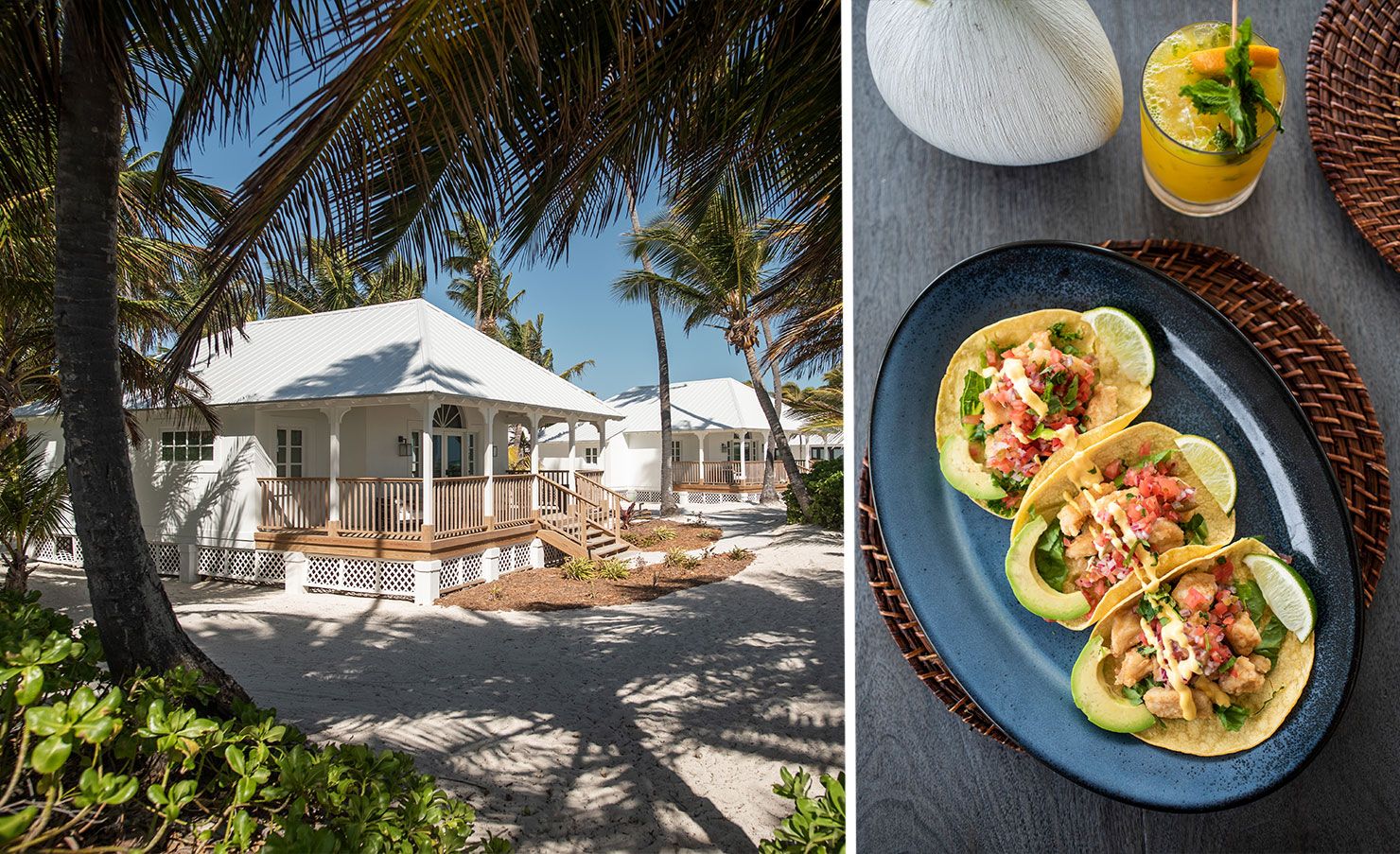
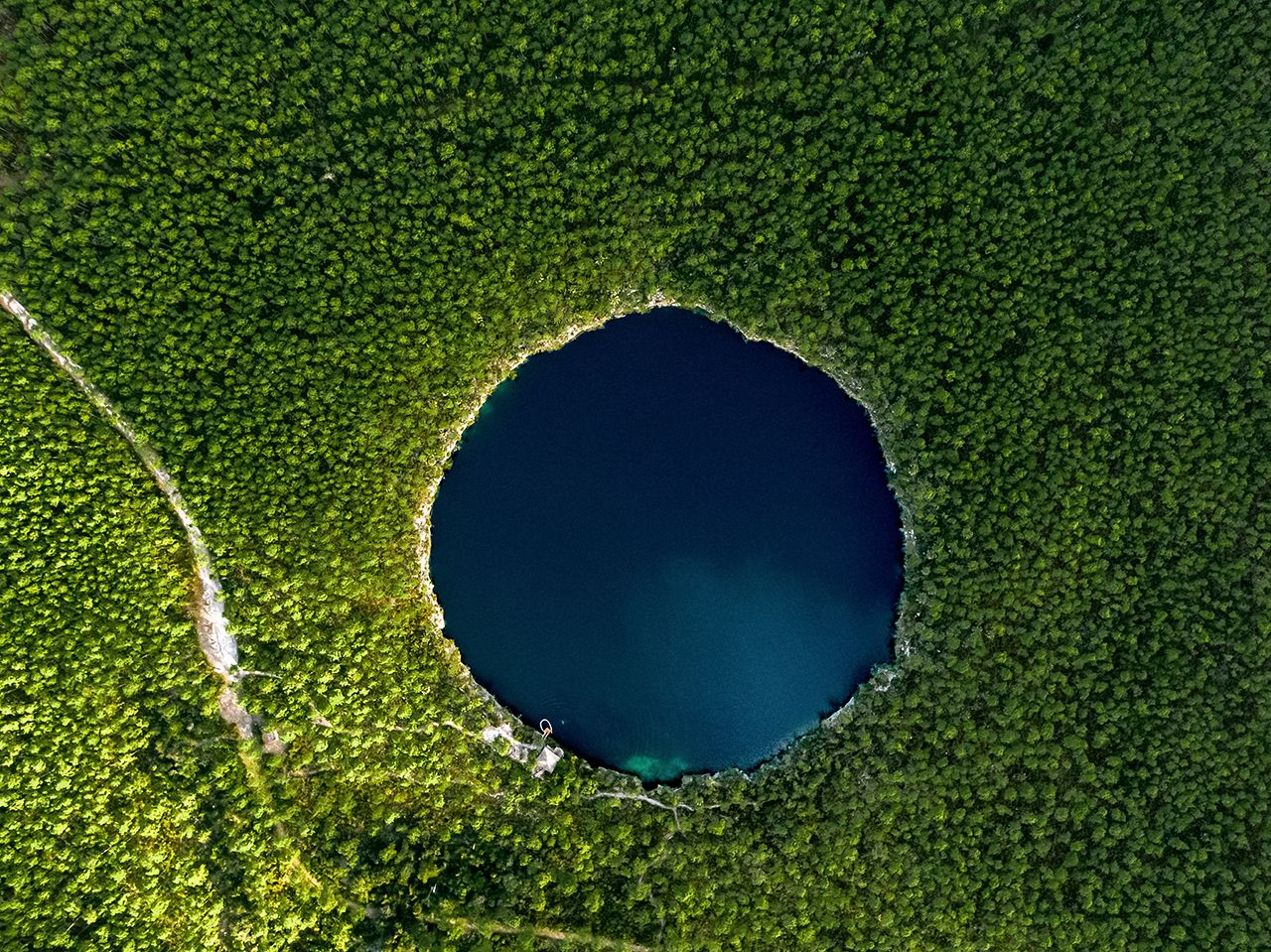
To Do: Resort activity managers are ready with simple but innovative adventure and wellness experiences off-property, created where none existed. Mike Simmons says there are two sides to the agenda, “the adventure side for the people who are interested in nature and being part of it – snorkelling, scuba diving, blue hole swims – and the relaxing side for people who just want to relax outside of the resort – the evening cruises, afternoon picnics and chill time.” On castaway excursions, guests are dropped off on a secluded shoreline with an umbrella and chairs, a cooler full of lunch fixings, standup paddleboards and, of course, an ice bucket. A guided hike takes in a bat cave and three blue holes, which are essentially deep limestone sinkholes, two of which are swimmable. On your own, a pre-booked taxi (Shirley) will take you around after dark. We spent quality time plowing through heaping plates of deep-fried lobster bites and chicken wings at tiny local eateries, eventually belting out karaoke tunes.
The Takeaway: Less is more, particularly when it’s propped up with the proper amenities and a stunning environment. You don’t need much to feel satisfied or glamorous at Caerula Mar, you simply surrender to the tranquillity.
The Route: Year-round flights to Nassau (NAS) from Toronto and Montreal on Air Canada, WestJet and Porter are augmented this winter by weekly seasonal flights from Ottawa, Halifax and Calgary. Western Air flies from Nassau to South Andros Airport (TZN) in approximately 20 minutes four times a week.
Cartagena de Indias: Colourful Caribbean Charm
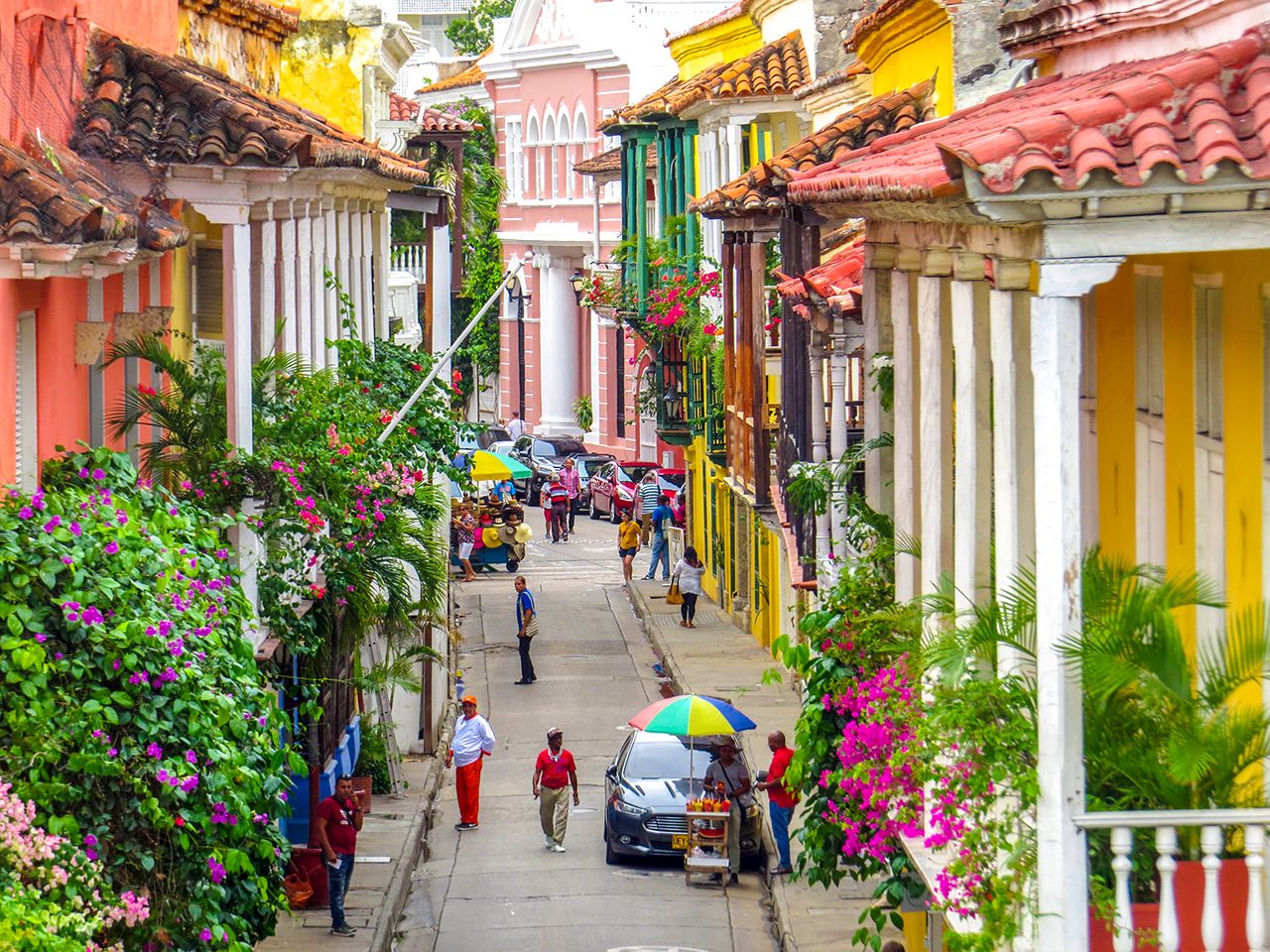
Where: Cartagena is a major port on Colombia’s northern coastline, one of the best-preserved Spanish-built cities in the Americas. Restored mansions, courtyard gardens, rooftop pools and heritage Caribbean moments fill the days, while excellent restaurants and ample watering holes yield a colourful nightlife. And you don’t have to walk very far to spend a day at the beach. Cartagena is also the gateway city for an AmaWaterways Colombia river cruise down the Magdalena River, floating through the historic towns and tropical landscape of the inland river basin.
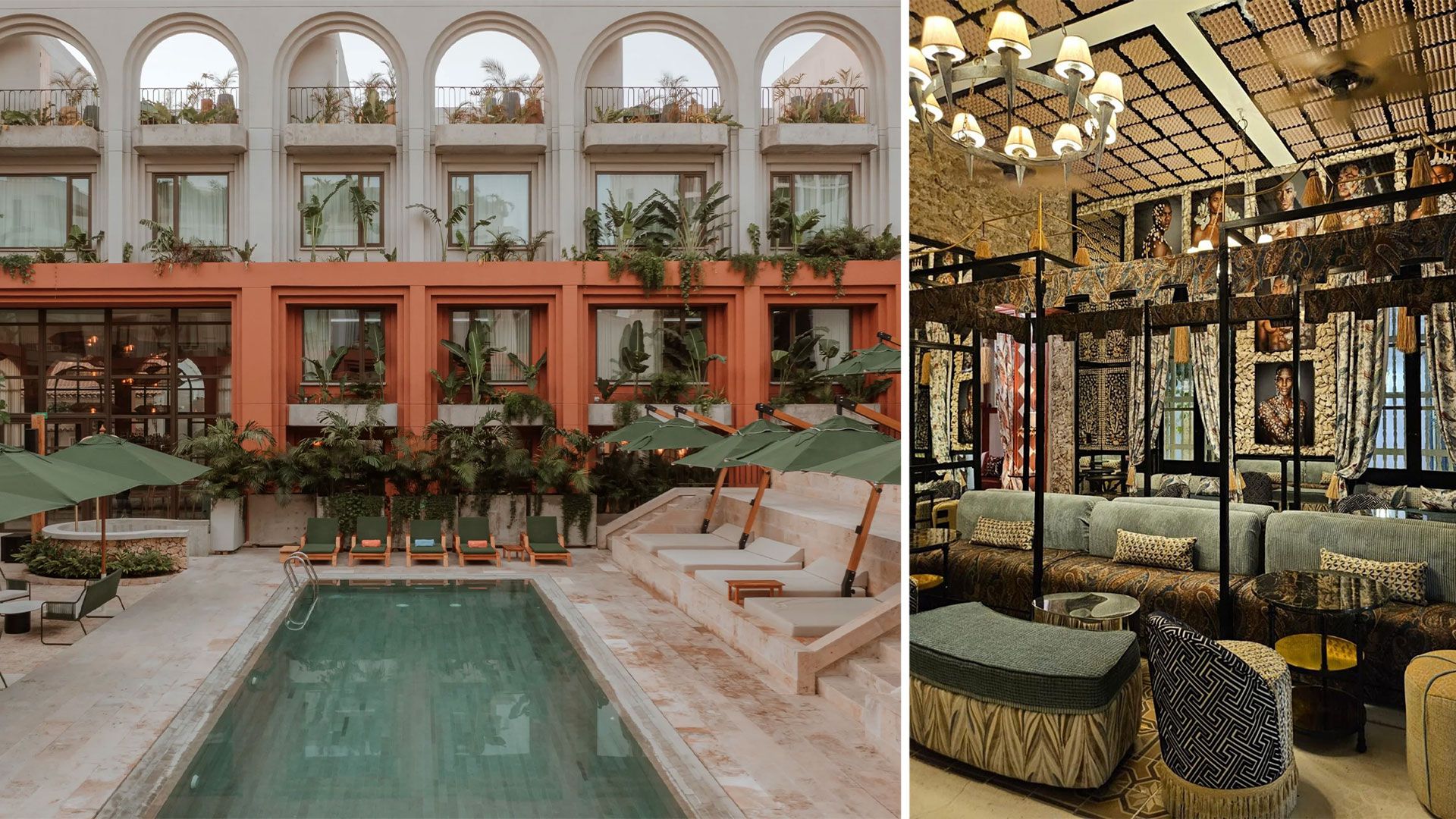
Stay: Independent hotels here are creative and blessedly unordinary, with a sexy, nostalgic grandeur that permeates many of the lounges and lobby bars.
- The 140-room OSH Hotel Getsemaní anchors you to the bohemian Getsemaní neighbourhood. Its earthy design is garden-inspired, and the tiered lounge seating at the pool has theatrical appeal.
- An unusual boutique gem, Casa Lola is a 22-room work of art stitched together from three different heritage houses. Original architectural elements and a plethora of antiques and contemporary art (some of it rather risqué) keep the eye wandering. I spent hours in the cozy nooks woven through the rooftop pools. Doña Lola restaurant here is a destination in itself.
- The 131-room Four Seasons Hotel, which opened in April 2026, was built into the former Club Cartagena, a 1920s-era social club with a Beaux-Arts style that echoes the Paris Opera House. The hotel is across the street from Parque Centenario, where you can find a quiet moment or search the tree branches for the resident sloth.
To Do: Simply walking around Cartagena’s Old Town and the beaches of the Bocagrande peninsula witnessing daily life is a non-stop activity in itself. After working up an appetite, sustenance is both varied and plentiful. The vibrant culinary scene goes beyond basic seafood, delivering a mix of coastal Colombian, Afro-Caribbean and contemporary Latin cooking. I augmented my food findings with a cooking class at Cartagena Cooking School. Teach a man to make an arepa and you feed him for a lifetime. Tour companies like Impulse Travel engage born-and-raised locals to deliver unconventional insight into Colombia’s social and cultural resurgence. My cycling tour with the son of the founder of the city’s international film festival was spontaneous and illuminating. A few literary walking tours focus on the life of celebrated Colombian writer Gabriel García Márquez and his deep connection to the city. Or you can try the one-hour boat ride to the clear waters and coral reefs of the Rosario Islands and Baru’s Playa Blanca give day-pass beach-seekers plenty of bang for their buck. The range of price-points at beach-bungalow island resorts, such as Hotel San Pedro de Majagua, makes a two- or three-night stay easily doable. I had a fascinating scuba dive there with Diving Planet, which also operates a Dive to Heal program for divers with challenges.
The Takeaway: Though primarily thought of as a cruise-ship stop, Cartagena is a charming, easy-to-navigate, fun-loving spot for a few nights or a few weeks. December to April is the most comfortable time to visit in order to beat the worst of the humidity (sort of). Withdrawing to your rooftop pool with a book during cruise-ship time not only beats the crowds, but lets you escape them completely.
The Route: Air Transat now flies year-round to Cartagena (CTG) and on to Medellín (MDE) from Toronto and Montreal once a week. Air Canada and Avianca fly nonstop from Toronto to Bogotá (BOG), usually overnight, where you then connect to one of several early morning 90-minute flights to Cartagena.