


Savvy travellers already know that Old San Juan in Puerto Rico is a delight. The dense mix of colourful colonial buildings – some of them more than 500 years old – is packed into winding, cobblestone streets stuffed with restaurants, bars and wee shops, all guarded by two eye-popping historical forts, making it a popular destination for history geeks, foodies and Americans wanting to get a taste of the Caribbean without needing a passport. But it’s also super busy and often overrun with cruise-ship passengers. As charming as it is, there’s way more to Puerto Rico than San Juan. If you’re looking to get away from the hordes and live more of that local life on this popular holiday island, a couple of days in Ponce, Puerto Rico’s second largest city, is perfect.
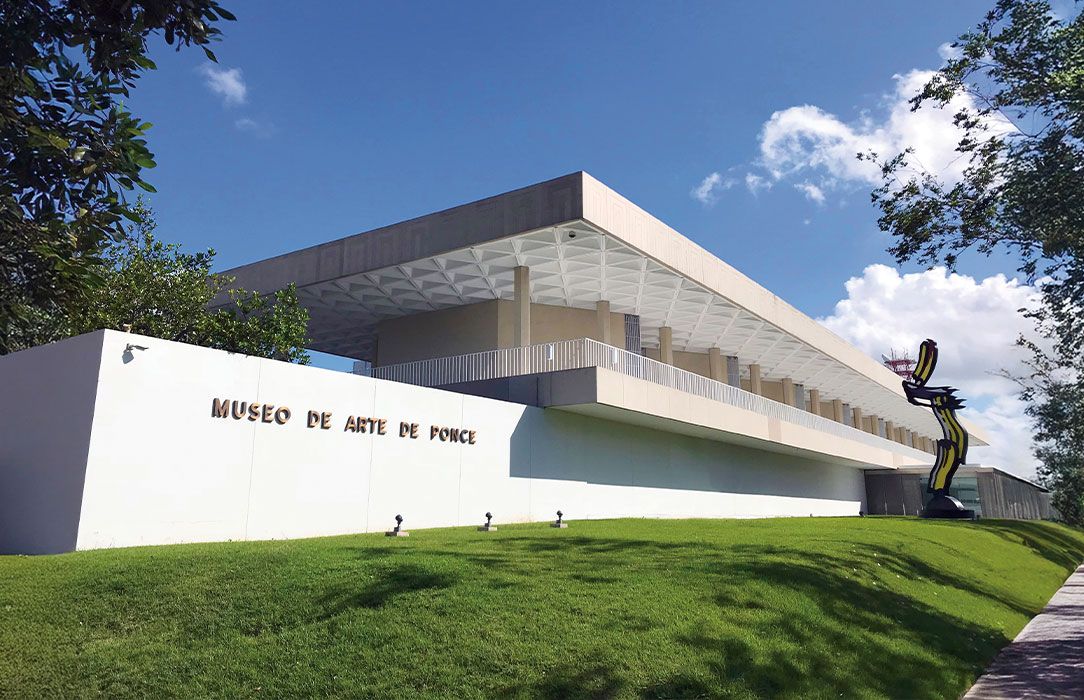
Known as “The Pearl of the South,” Ponce (pronounced Pons-eh) is a pretty 1.5- to 2-hour drive from San Juan. The Cordillera Central mountains and the Caribbean Sea endure in all their gorgeous glory, but the region was heavily impacted by Hurricane Maria in 2017, so some attractions, like the famous Museo de Art de Ponce, are still operating in a limited capacity.
For History Buffs
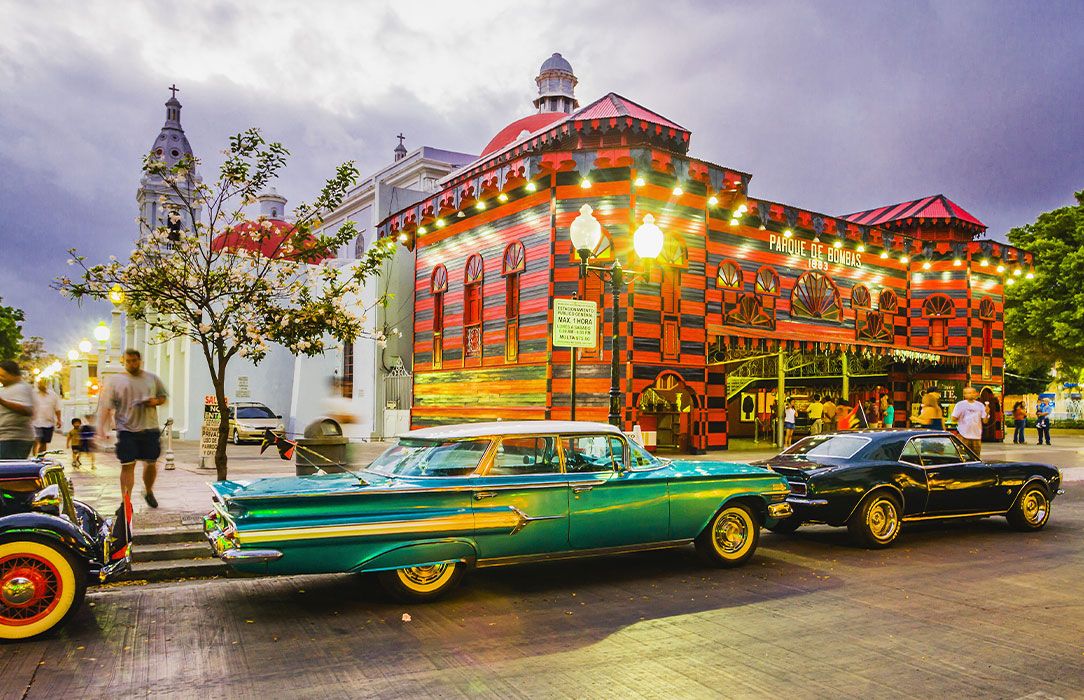
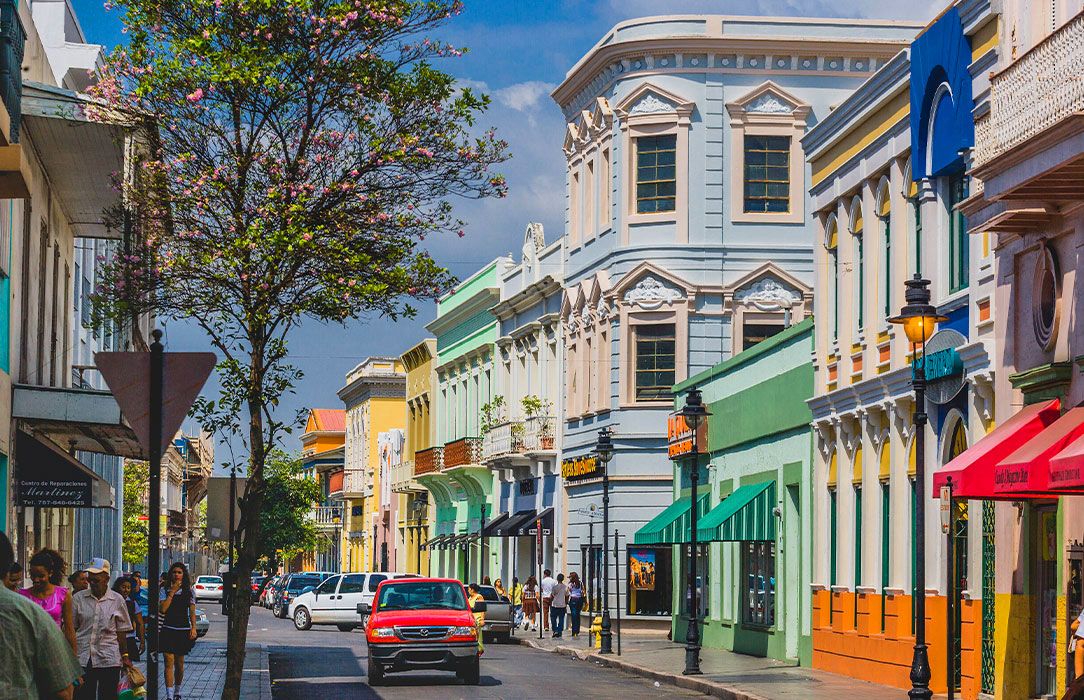
Take a half-day tour of downtown Ponce. It’s small and walkable, and worth booking (I did one with Isla Caribe) to get the full story of Puerto Rico’s complicated past, told through the region’s architecture and political history. While of course Indigenous people have lived in the region since time immemorial, Ponce was officially “founded” by the Spanish in 1692, more than a century after colonists settled Old San Juan in 1521. The town square, Plaza Las Delicias, is where you’ll find Parque de Bombas, a very cool circa-1882 firehouse that’s no longer in use but whose black and red stripes give major Instagram bait. (Be sure to check out their collection of international firehouse patches inside – apparently trading them is a thing firefighters do. Who knew?)
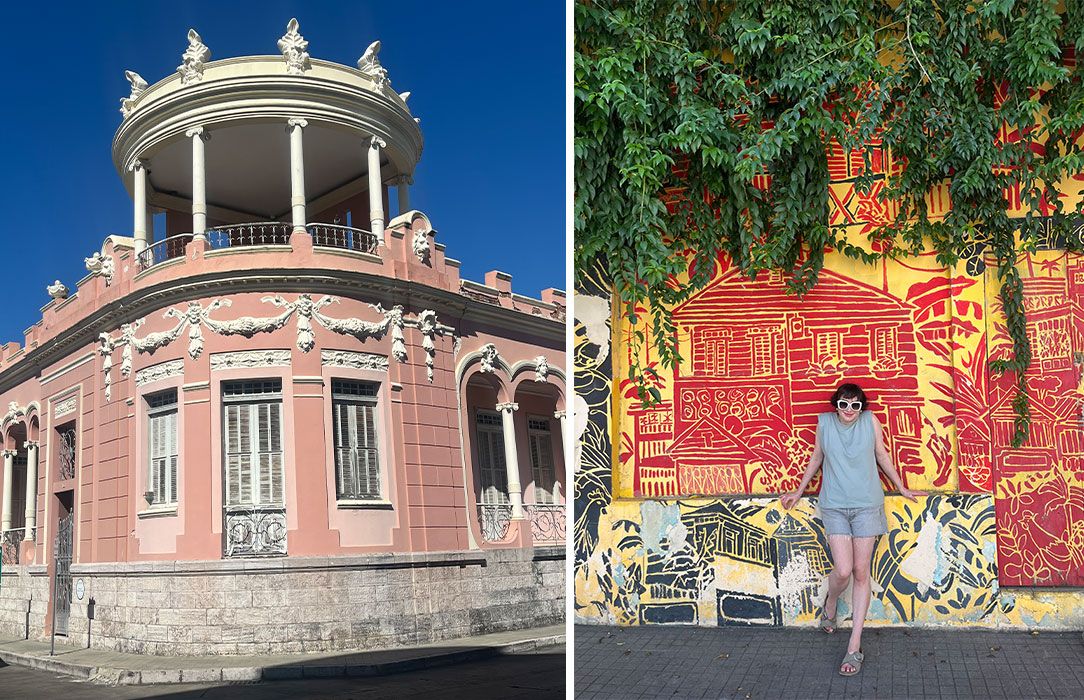
The tour also included a spin past other charming buildings like Casa Wiechers-Villaronga, also known as The Wedding Cake House, and Our Lady of Guadalupe Cathedral whose history stretches back to the 1600s. If you opt for the full-day tour, it includes a guided visit of Museo Castillo Serrallés, the circa 1930s Casa Loma-esque grand pile that used to be the family home of one of the Don Q Rum heirs and is now a museum showcasing the history of sugar cane and rum production in Puerto Rico.
For Nature Nerds
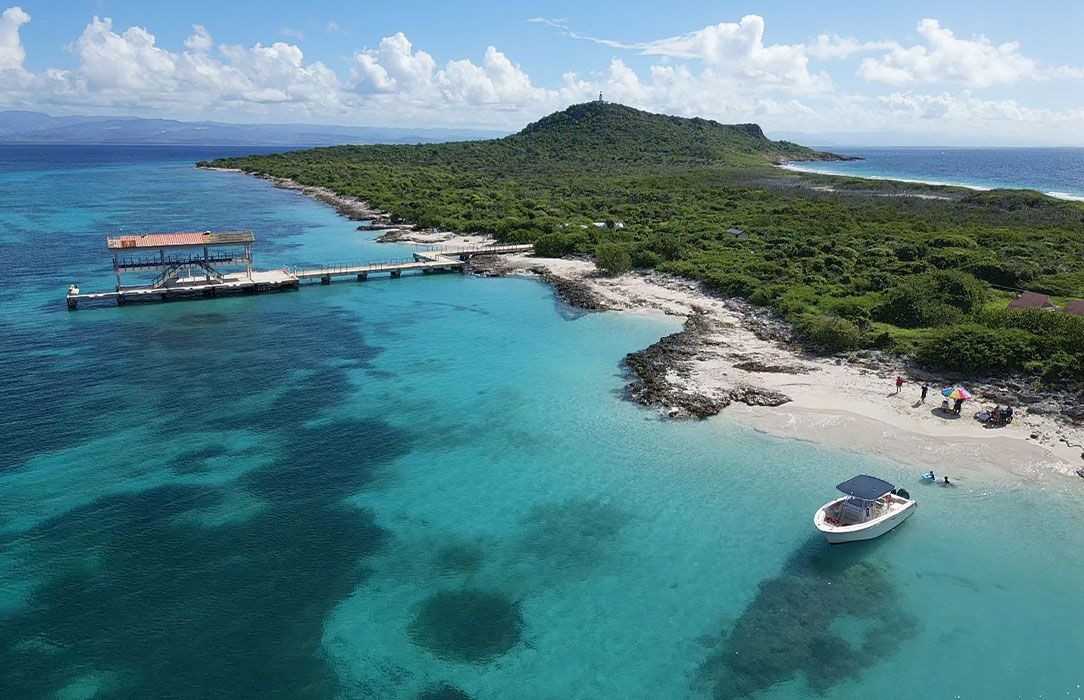
There’s no shortage of outdoorsy adventures to be had at Isla Caja De Muertos (Coffin Island), including birdwatching, hiking and snorkelling. Early explorers decided this rectangular island with its flat top looked like a coffin, and, of course, being the Caribbean, there are rumours of secret pirate graveyards here, too. Since Hurricane Maria damaged the La Guancha Boardwalk and all the public transport infrastructure with it, the only way to currently visit this carefully preserved, extremely chill nature reserve is through WaterLand Adventure. You can either charter a private boat or join a group tour. There’s limited facilities on this pristine island – there are no restaurants, for instance, and be prepared for composting toilets! If you choose the private charter ($650 for up to six people), your snorkelling excursion includes an adorable picnic lunch of traditional local cuisine like roasted chicken, rice with pigeon peas and garlic yuca. Shockingly clear crystal blue waters make this one of best places to snorkel in all of Puerto Rico.
For Foodies
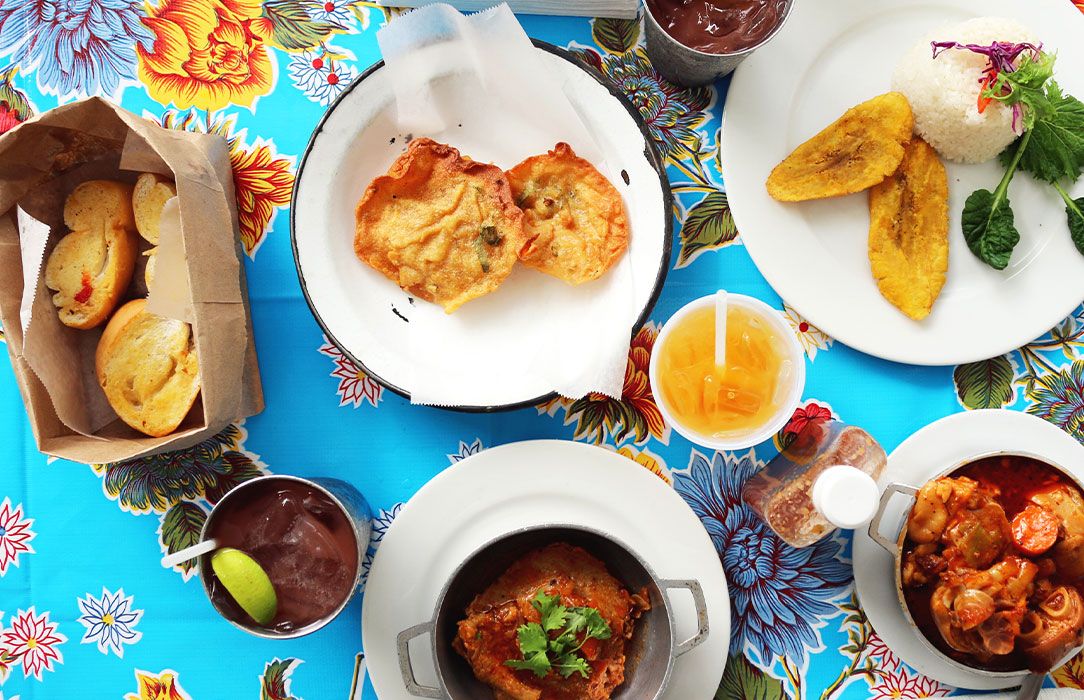
Utopia Café just off the main square is a low-key breakfast and lunch counter slinging sandwiches and coffee, housed in an enormous souvenir shop. If you’re looking for any trinket, T-shirt or doodad your kitschy little tourist heart could ever desire, along with your morning cortado, this is the place for you.
Nispera Asador, Vinos & Cocteleria is a relaxed restaurant serving up casual Puerto Rican cuisine from their pretty patio, but the best meal I had in Ponce was tucked at the end of a parking lot. You’d never guess that the low-key little spot El Negocio de Panchi is the place for a night out in Ponce (it’s not huge, so reservations are definitely recommended).
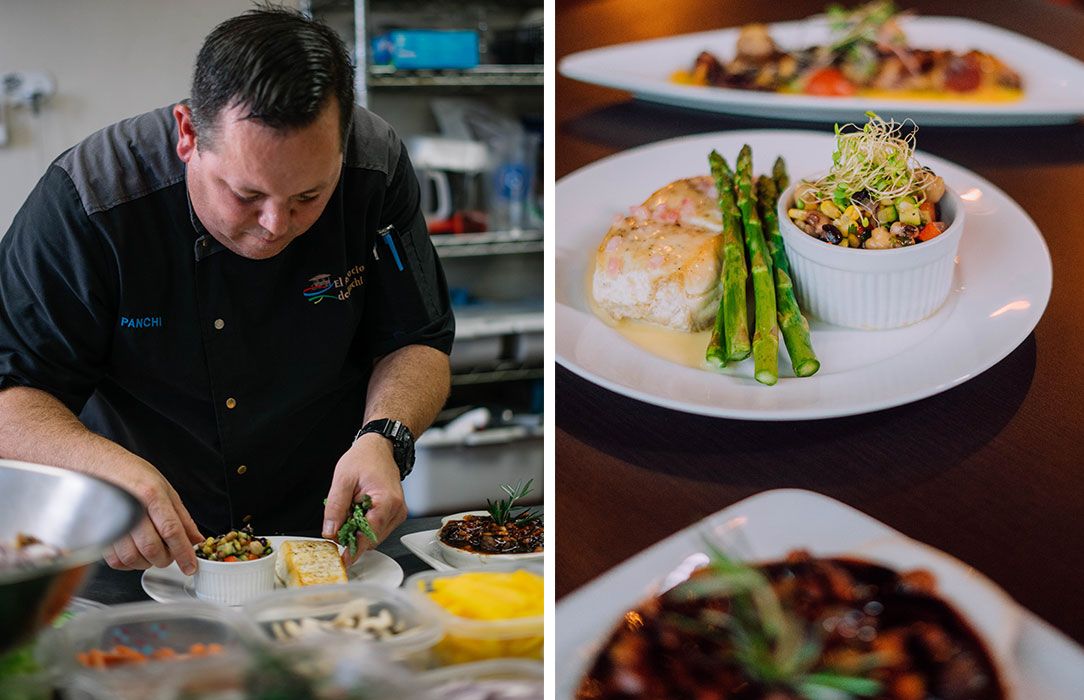
The menu by chef/owner Francisco Zayas (aka Panchi) features gourmet takes on Puerto Rican classics like mofongo (mashed green plantains) and lechón asado (roast pork), and international dishes with a Creole splash. You can’t go wrong with the tapas or the regular menu, but there’s also a “hidden” chef’s menu that changes weekly.
Coffee fans will also love the Isla Caribe tour to one of the many coffee plantations in the mountains like Latitude 18 Coffee. While the tour and demo of the roasting and harvesting techniques and the coffee tasting were cute, I was really there to load up on bags of some of the best coffee I’ve ever had – and for the random collection of animals, including horses and peacocks, on the grounds.
For Music Lovers
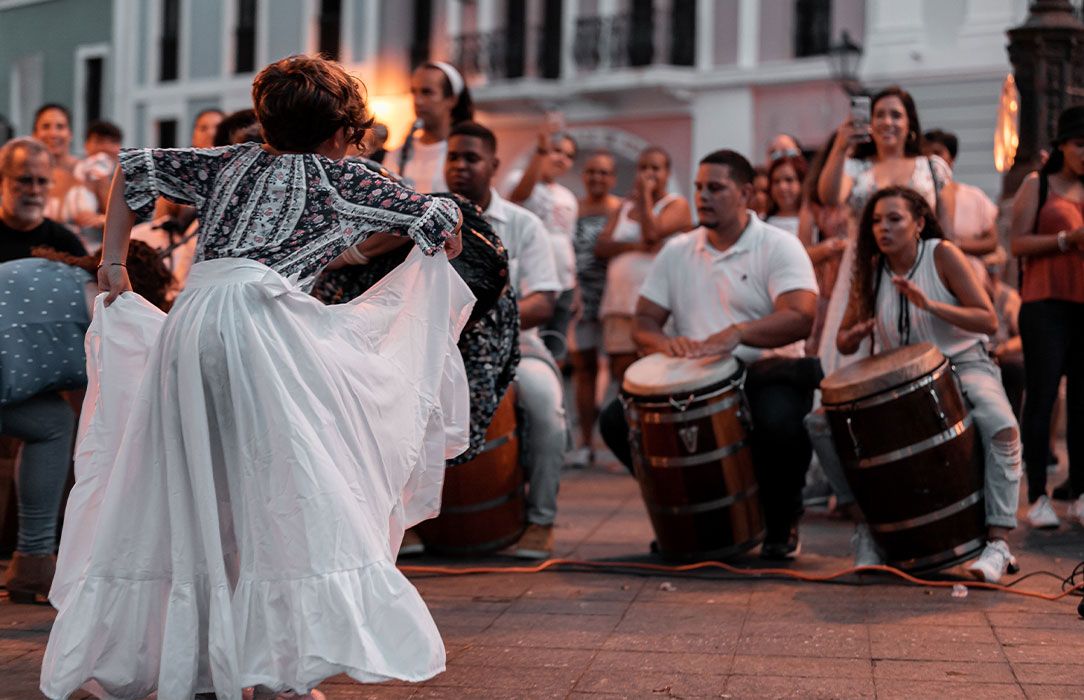
Mondays and Tuesdays are pretty quiet in Ponce, but the square starts to come alive on the weekends with live music, like salsa, bomba, plena and reggaeton. It’s a serious festival town, too. The week-long Carnaval Ponceño, which happens in February usually ending on Fat Tuesday (the day before Ash Wednesday), is Ponce’s biggest and most iconic event. The riotous party featuring colourful parades, costumed performers and live music is basically Ponce’s version of Mardi Gras. The Festival Nacional de la Bomba y la Plena happens in late November at Parque de la Abolición (Ponce is considered the birthplace of plena, a style of music deeply rooted in the Afro-Puerto Rican community) and features traditional dance performances, drumming workshops and live bomba and plena bands. And even though the Fiestas Patronales de Ponce (Saint’s Day Festival) every December is technically a religious festival in honour of Our Lady of Guadalupe, music plays a starring role there, too.
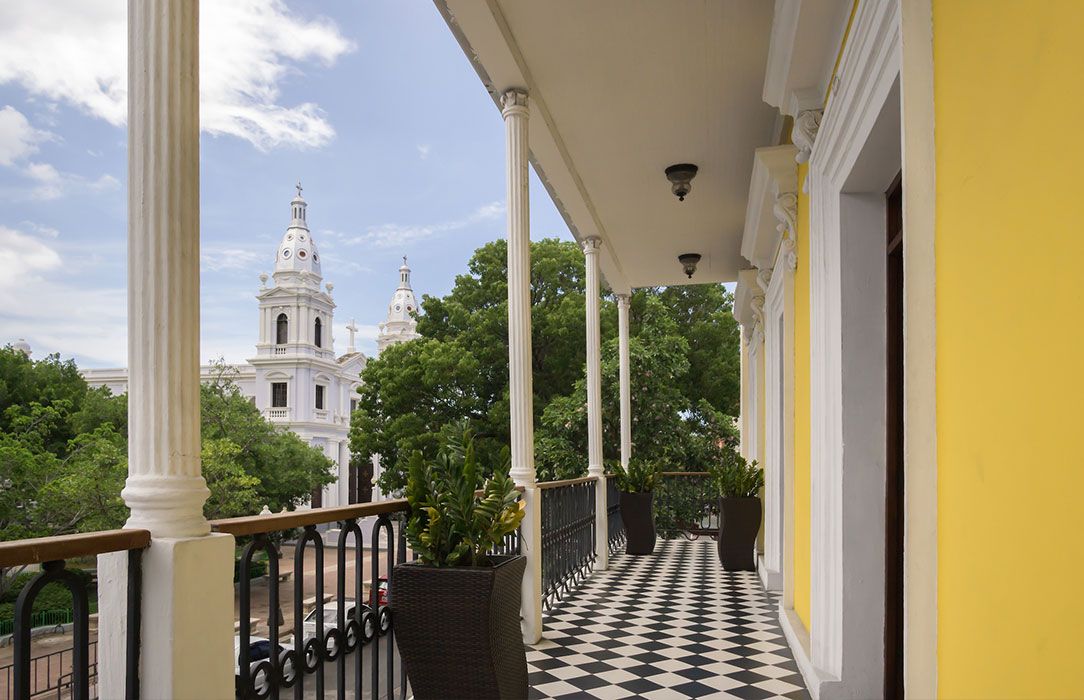
The best place to stay is the boutique Ponce Plaza Hotel & Casino. It is perfectly located right on Plaza Las Delicias historic public square. The original building dates back to 1882 and was once a family home, then a girls’ school and is now in its hotel era. While they’ve expanded the property in recent years to include a whole block of more modern rooms in the back, for the full-charm experience, be sure to request one of only seven “colonial” rooms in the main building, which come with beds topped with swooping vintage headboards, checkerboard floors, shutters and Juliet balconies. (Do not, however, do as I did, and fling open your vintage shutters to your Juliet balcony pretending you’re Maria from West Side Story and promptly smash the bedside lamp.)