





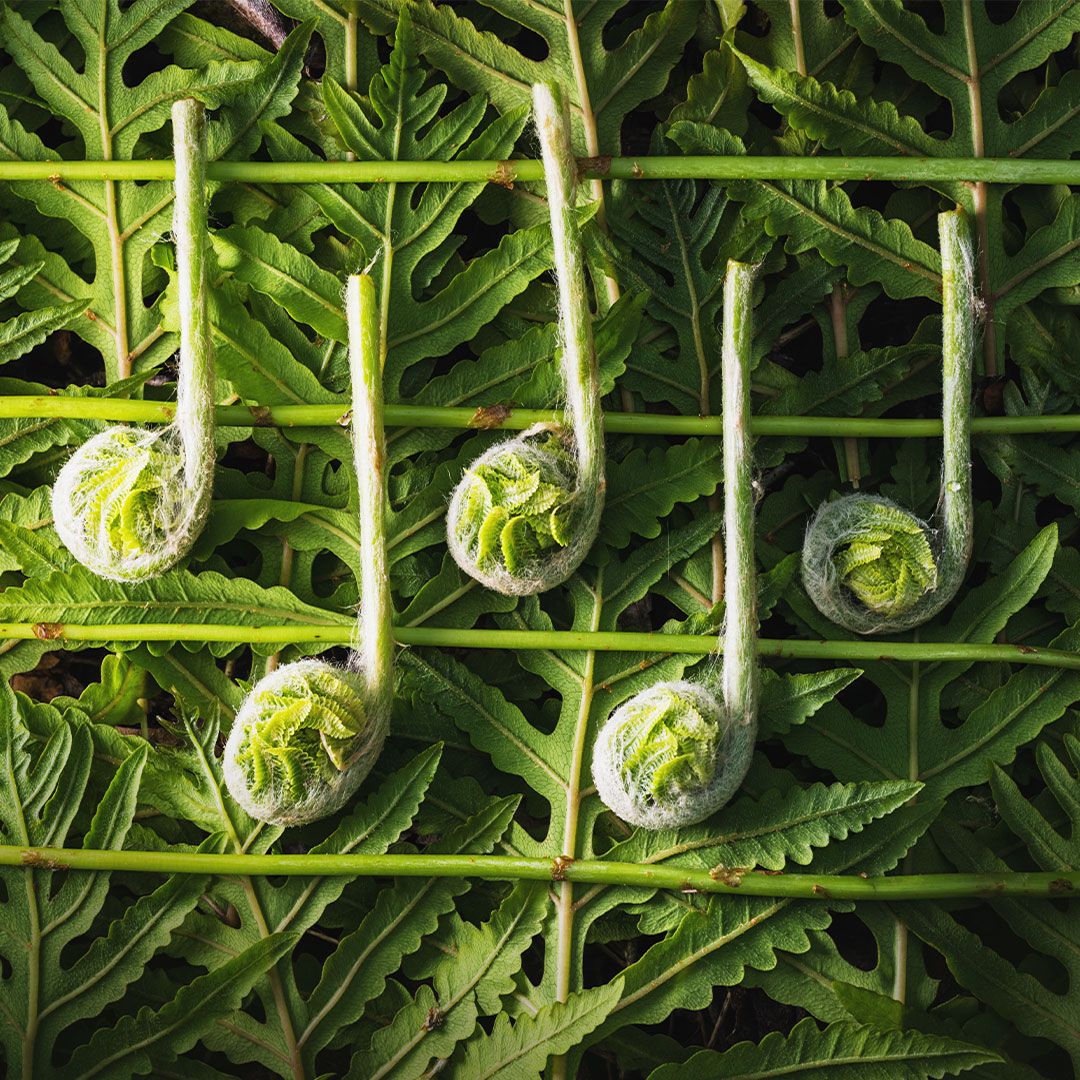
My initial reaction to being invited to a “plant concert” at Cayo Levantado Resort is skepticism. I’m at El Conuco Garden – an outdoor learning space at this Dominican Republic property on a private island off Samaná, its wildly beautiful, much-less visited north coast. The resort’s ethos is based on sustainability – we’ve already released butterflies into the wild; toured the garden that produces much of the on-site restaurants’ ingredients; and listened to Edili Martinez, El Conuco Garden’s environmental curator, explain the incredible ways in which plants work with their environments to survive. But this: An opportunity to hear plants sing? This feels a bit too make-believe.

But once our small group is seated around a large table, Martinez shares the science. Holding electrodes in each hand, she explains how they lead to a device that translates the plant’s energy into sound waves. Apparently, the idea isn’t new; researchers have been working on the tool since the late 1970s.
A member of Martinez’s team explains that when the electrodes are clipped to the root and leaf on a plant, it creates a closed energy circuit that makes a vibration. That vibration, in turn, creates a sound wave. Small vibrations give a fast, high-pitched sound; larger ones create longer, slower, deeper sounds.
I don a pair of headphones and wait as the team hooks up the clips to the cacao plant on the table. What I hear literally makes my jaw drop. I can best equate it with a sound bath, those long lingering tones that come when a practitioner rubs the rims of bowls of varying shapes and sizes until they thrum. At times, the tones feel musical; at others, it’s sequential (like the theme music from Close Encounters of the Third Kind), and sometimes it sounds like bubbles or a heartbeat.
Someone squeezes a leaf and the sound changes. Martinez says that the sounds vary depending on the type of plant, the person interacting with it and even the time of day and weather. And when she clips the electrodes to a different plant, we hear that for ourselves.
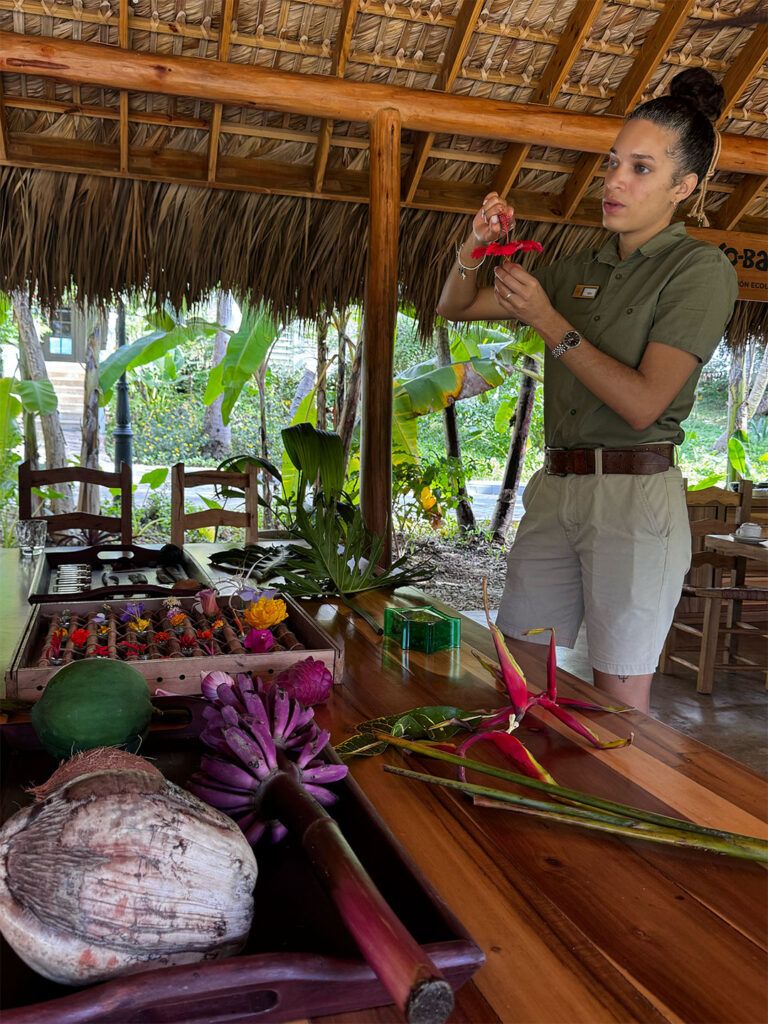
And then, to demonstrate the impact humans have on the environment, we are asked to create a chain. I touch a leaf on one plant, hold hands with the other participants in the group, and the person on the other end of the chain touches the leaf of another plant. Those plants are, in turn, connected to the device via electrodes. It takes a few seconds for the energy to flow through us, but soon enough, the sound comes through – considerably different from any of the sounds we’ve heard before.
The plants are reacting, it’s clear. What they’re communicating has yet to be fully deciphered. But, in my opinion, that isn’t the point. The session is a reminder that we are all living things, that what we do impacts each other and that our mutual survival serves us both. It reinforces the fact that sometimes the most beautiful encounters are the ones that require you to open your mind, be still and listen.