



In my family, vacations have historically involved what wilderness enthusiasts call Type 2 fun — activities that feel challenging, even harrowing, in the moment but become a badge of honour upon reflection and retelling. Think a two-kilometre portage through a muggy, buggy forest after a night spent in a mosquito-infested tent. Type 1 fun, on the other hand, is enjoyable both in the moment and in memory.
For me, there’s also room for what I call Type 1-plus fun – slightly challenging but pleasurable while it’s happening and accompanied by a good story afterward. As I enter my linen-wearing years, this is increasingly the kind of holiday I’m drawn to. Enter Belize, with its laid-back, worry-free yet memorable adventures at the beach and in the jungle – both within easy reach of each other.
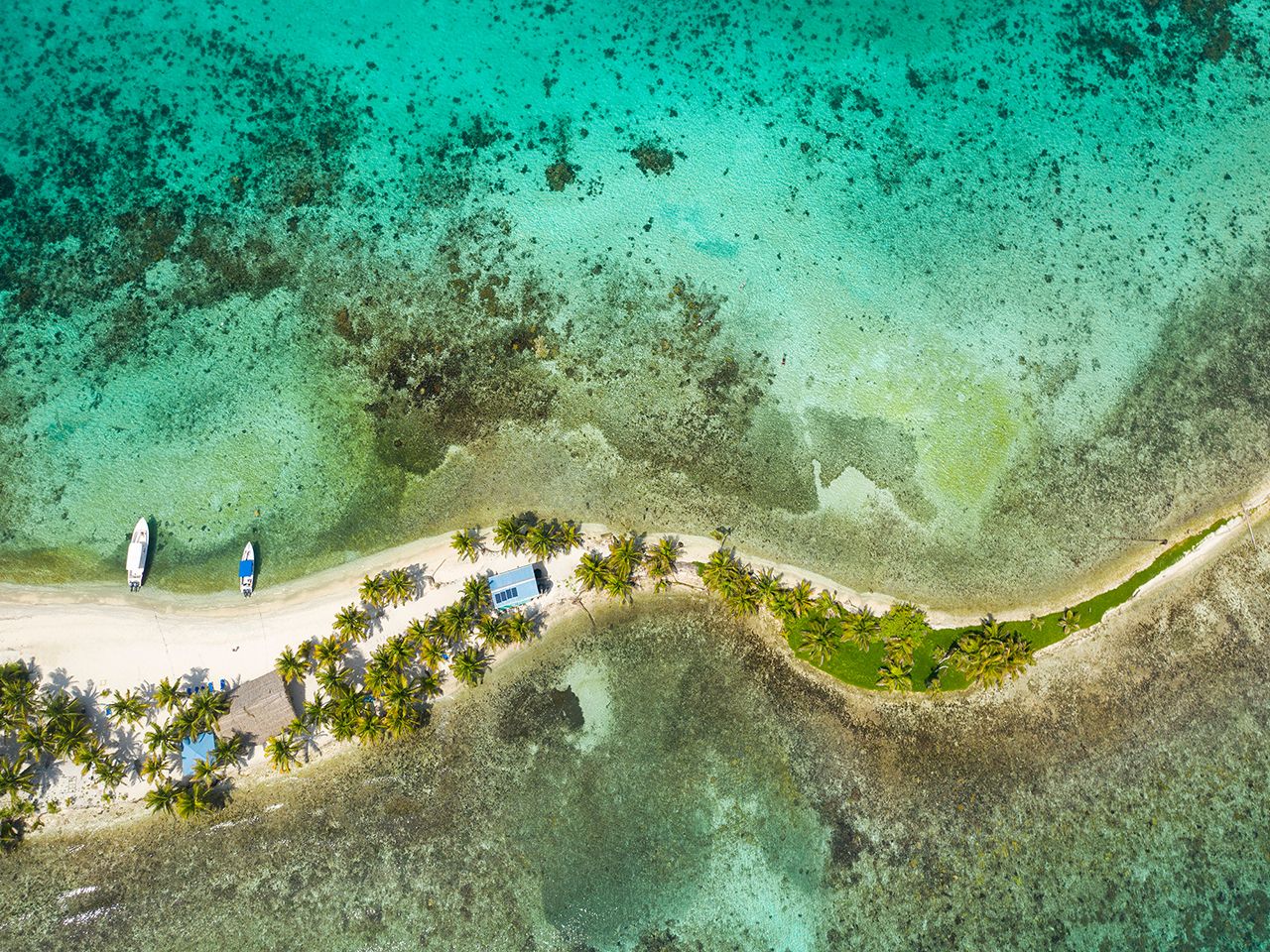
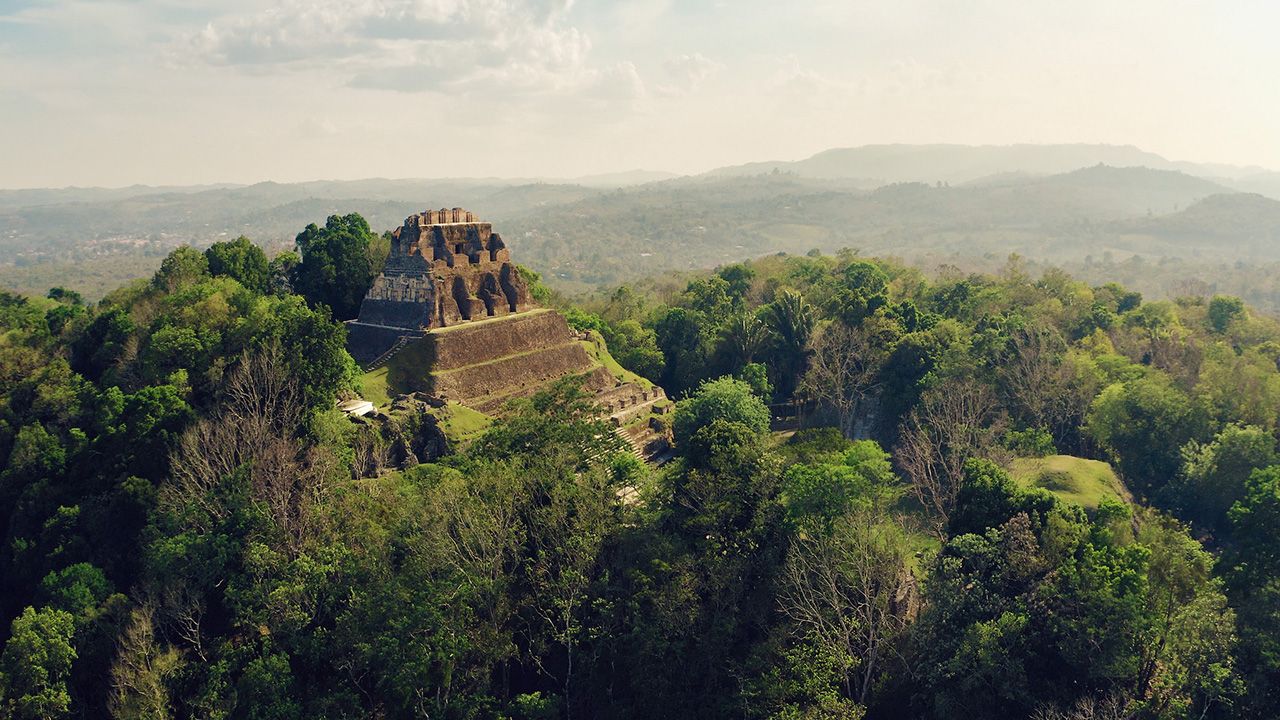
This former British colony is nipping at the heels of Costa Rica as it establishes itself as a go-to destination for adventure and ecotourism. Along Belize’s coast and its seemingly infinite cayes – some 450 beach-ringed islands – gentle waves and sugary white sand beckon you into crystalline water. Inland, protected jungles are filled with Maya sites so well preserved it feels wrong to call them ruins.
It’s an embarrassment of riches for a country small enough to fit inside Vancouver Island, with room to spare. Tourism remains pleasantly manageable: 562,000 travellers visited in 2024. Compare that with neighbouring Quintana Roo in Mexico, which welcomed 21 million visitors in the same period, and Belize’s numbers feel blissfully low.
Adventures by Sea
The Belize Barrier Reef – the world’s second-largest coral reef – stretches nearly 300 uninterrupted kilometres along the coast, making Belize a haven for snorkellers and divers. Like many travellers eager to immerse themselves in this underwater paradise, I used Ambergris Caye, the country’s largest island, as my jumping-off point.
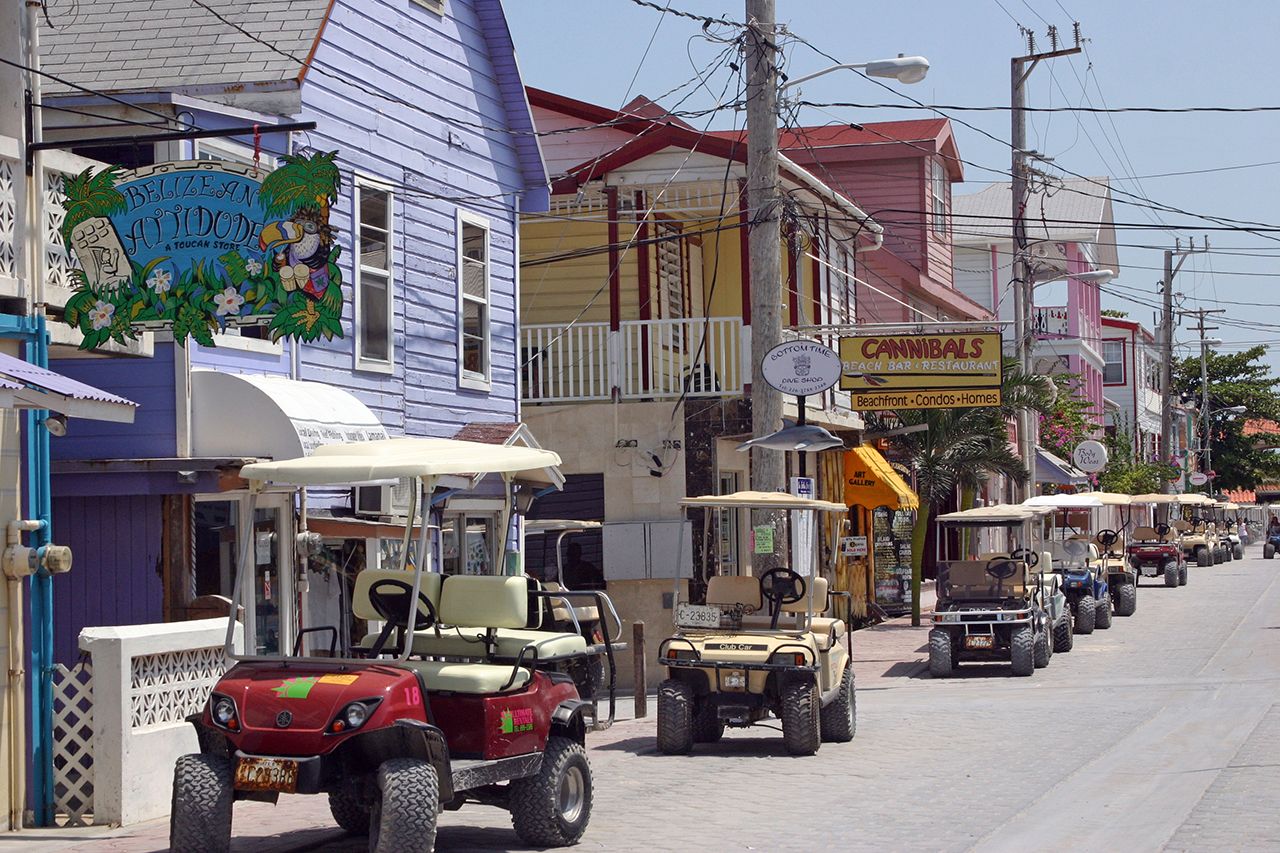
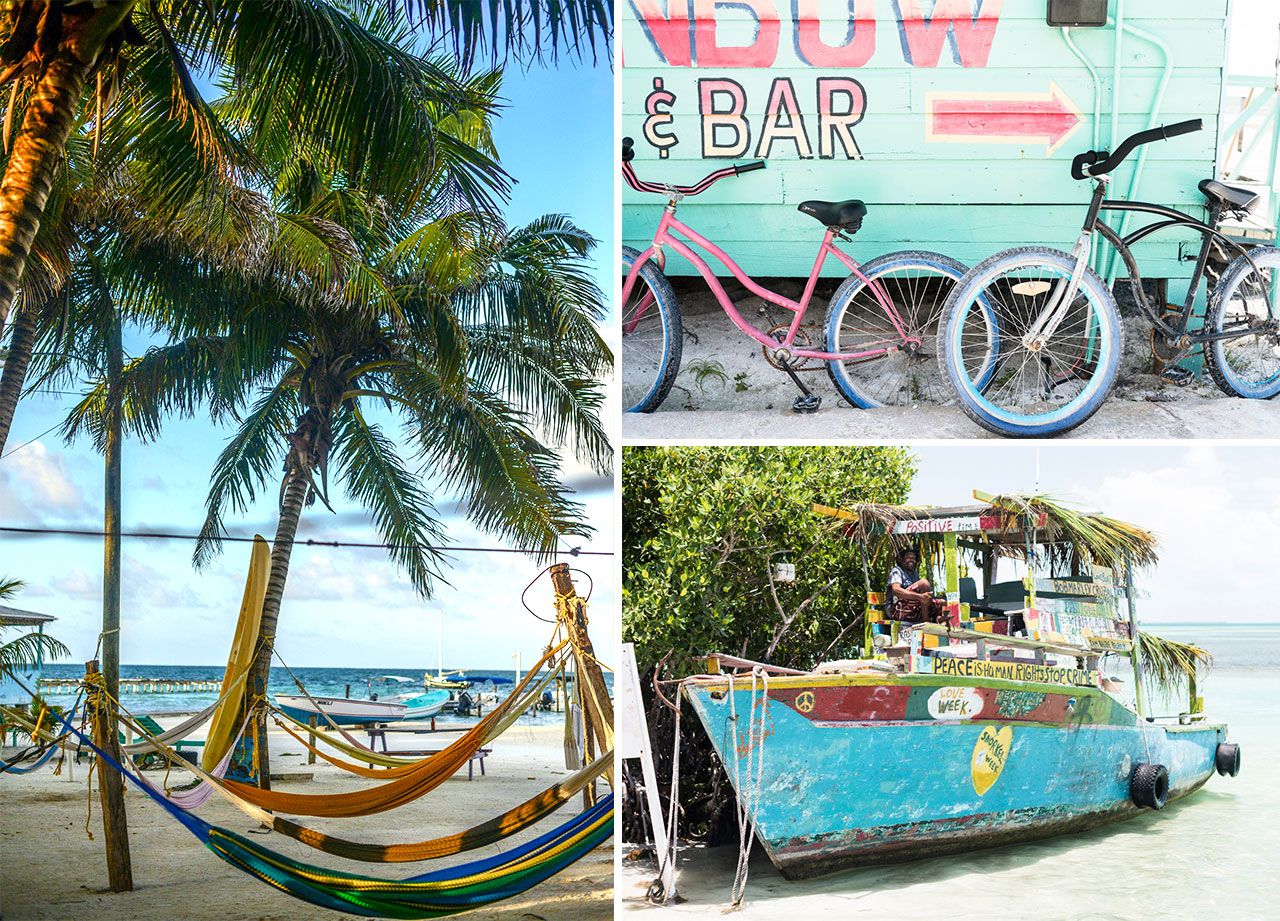
With vast mangrove forests, untouched coastline, and the reef just offshore, Ambergris Caye first gained popularity among divers seeking adventure. Today, the main town of San Pedro has evolved from a fishing village into a lively hub with luxury hotels and resorts. Still, it retains its beach-town charm – it’s hard to feel stressed when golf carts, often driven by flip-flop-clad locals and visitors alike, are the primary mode of transportation. And you’re never more than a few hundred yards from the sea.
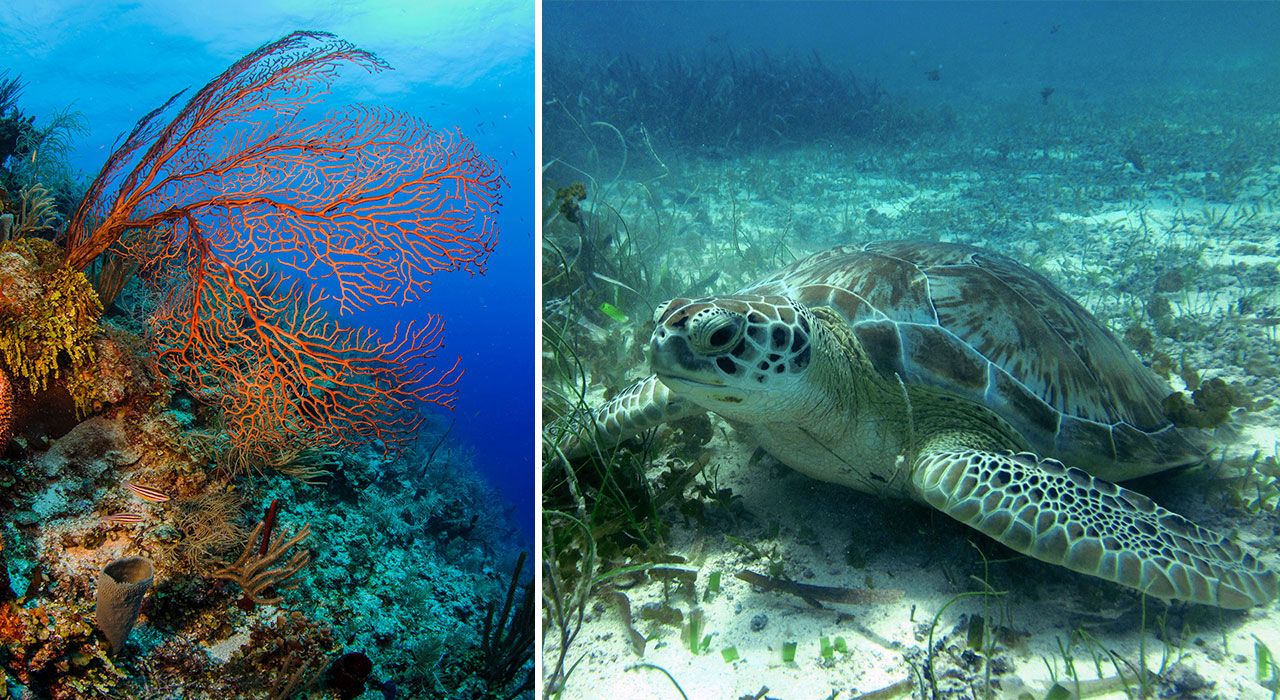
After a day acclimatizing to the slower pace of life, I booked a snorkelling tour to the Hol Chan Marine Reserve, an easy ten-minute boat ride from San Pedro. Hol Chan means “little channel” in Maya, referring to the natural break in the reef. Slipping into the turquoise water, I spent hours drifting gently in the reef’s calm shelter, gazing at sea turtles graze on seagrass while stingrays, nurse sharks and barracuda glided past. Watching the rainbow-hued parrot and angel fish dart in and out of the bright coral was mesmerizing.
Just 30 minutes south by water taxi lies Caye Caulker, a four-kilometre-long sliver of an island that lives by the motto “Go Slow.” The ethos is so relaxed you don’t even have to choose between swimming and drinking: palapa-shaded tables sit directly in the shallows at Sip N’ Dip Beach Bar, and at the island’s most popular swimming spot, The Split – formed when a 1961 hurricane split the island in two – picnic tables are set right in the water. Even the beachside Hardwood Gym, where barbell plates are carved from wood, offers frozen rum drinks for post-workout recovery.
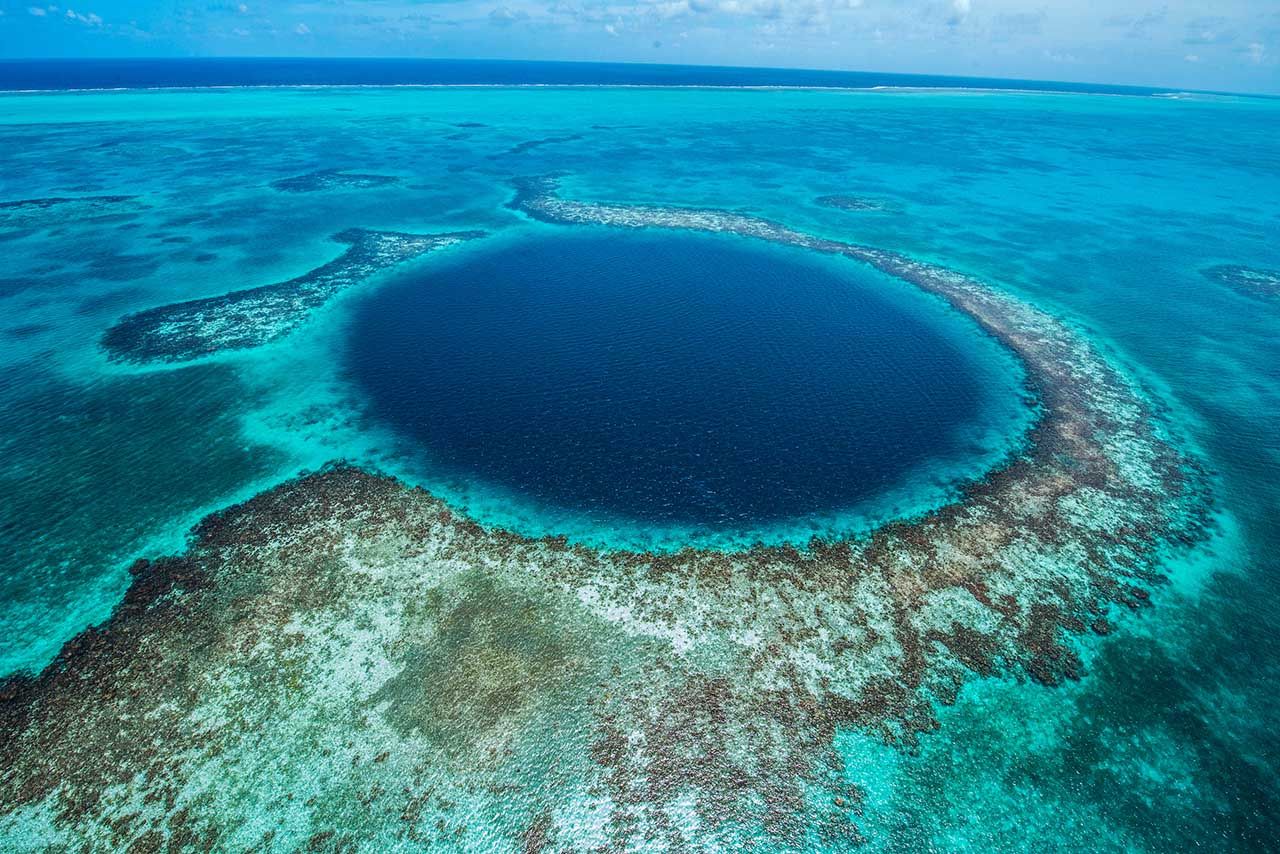
The region’s most famous attraction is the Great Blue Hole, a limestone sinkhole 70 kilometres offshore. It was brought to global attention by Jacques Cousteau, who explored it in 1971 and declared it one of the world’s top dive sites. Rather than go on a long boat ride, I opted for a one-hour flyover. From above, you can see the symmetry of the deep indigo circle, but the bird’s-eye view of the surrounding atolls and underwater limestone formations is equally as stunning. In 2018, Fabien Cousteau and Richard Branson mapped its depths, discovering massive stalactites rising from the ocean floor – but no trace of the rumoured Maya ruins.
Adventures on Land
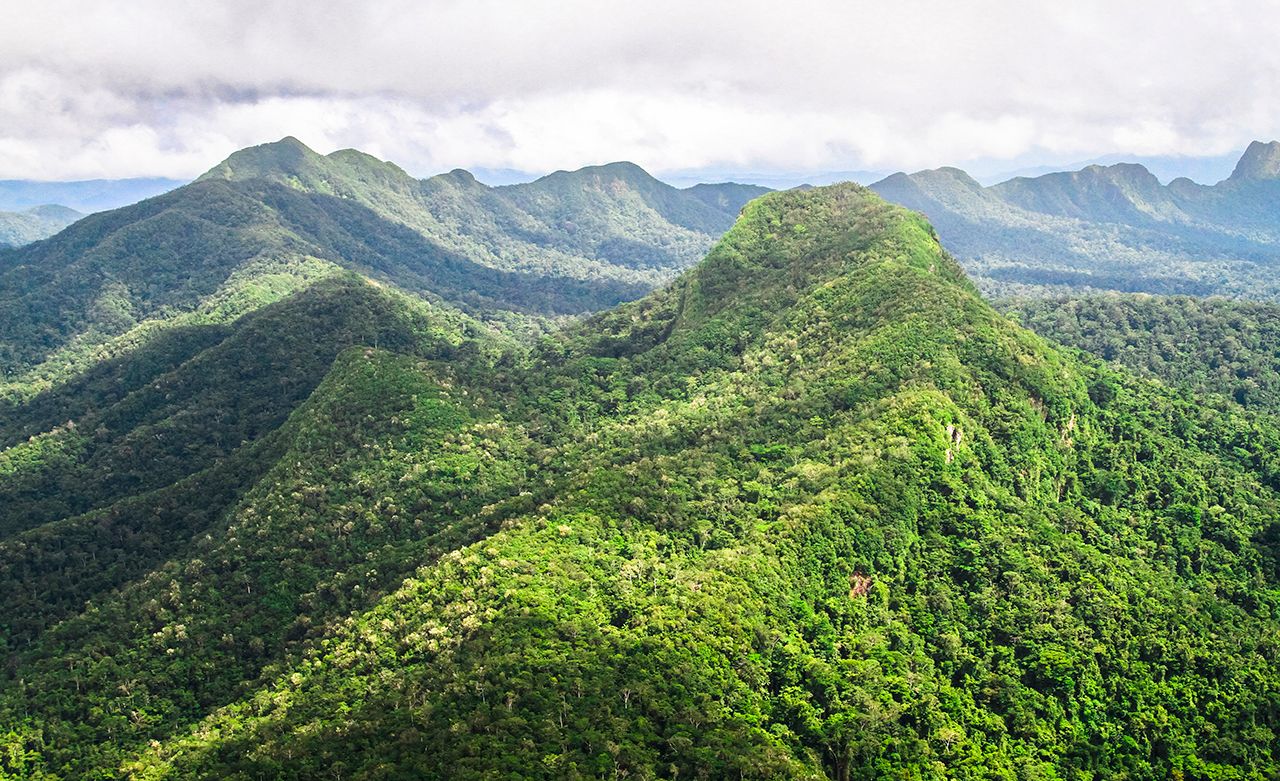
With the stress of regular life thoroughly erased after a few days by the sea, it was time to up the ante on the adventure side of my trip. Jungle-based activities are as extensive as the lush, green forests that cover more than 60 per cent of the country. Whether you want to see jaguars and toucans, paddle overgrown rivers, explore limestone caves, glide over the foliage on a zipline, experience Mayan cultural sites, or just chill out in a jungle lodge, it’s all here.
Unable to resist the pull of ancient civilizations – perhaps a genetic inheritance from my archaeologist grandfather, James Walter Graham, who was the Keeper of the Classical Collection at the Royal Ontario Museum – I headed to the Cayo District to visit Actun Tunichil Muknal (ATM Cave), about two hours from Belize City. Between 250 and 900 CE, the cave served as a sacred site for Maya ceremonies and sacrifices. Owing to its remote location, it wasn’t rediscovered until 1989. Today, visits are strictly regulated, with only 125 permits issued daily.
After a 45-minute jungle hike – easy, other than wading through the chilly Roaring River (more of slow flow, really) several times – our group reached the cave’s opening. The only way in is by swimming. Wearing a life jacket, helmet and headlamp, I slid into the water and entered the darkness through a jagged cleft in the limestone. The course of the river quickly narrowed and soon I was walking along the rocky river bottom, squeezing through tight spots, then emerging into cavernous spaces where my headlamp refracted off the crystals of enormous and endlessly varied stalactites and stalagmites.
Early in the trek, closest to the entrance to the cave, the Maya left sacrifices of pottery and food – always leaving behind broken pots, or pots with “kill holes,” to release the spirit within. I knew that our ultimate destination was the cave’s eponymous and grisly sacrifice: a crystallized skeleton known as the Crystal Maiden. Still, I was unprepared for the escalating sense of dread I would feel along the way. As we ventured further up river into the cave, the offerings grew more grim: blood had been spilled on altars and ceremonial knives lay abandoned nearby. I began to sense the increasing desperation that led the Maya further into what they considered the lair of the gods, as they sought to end droughts that lasted years, then decades, then entire generations.
Finally, after almost three hours of wading through this liminal zone, we scrambled up a large boulder and arrived at the entrance to the main sacrificial area. We added our shoes to the dozens of pairs waiting for their owners to return and entered this most sacred of spaces in our dripping wet socks.
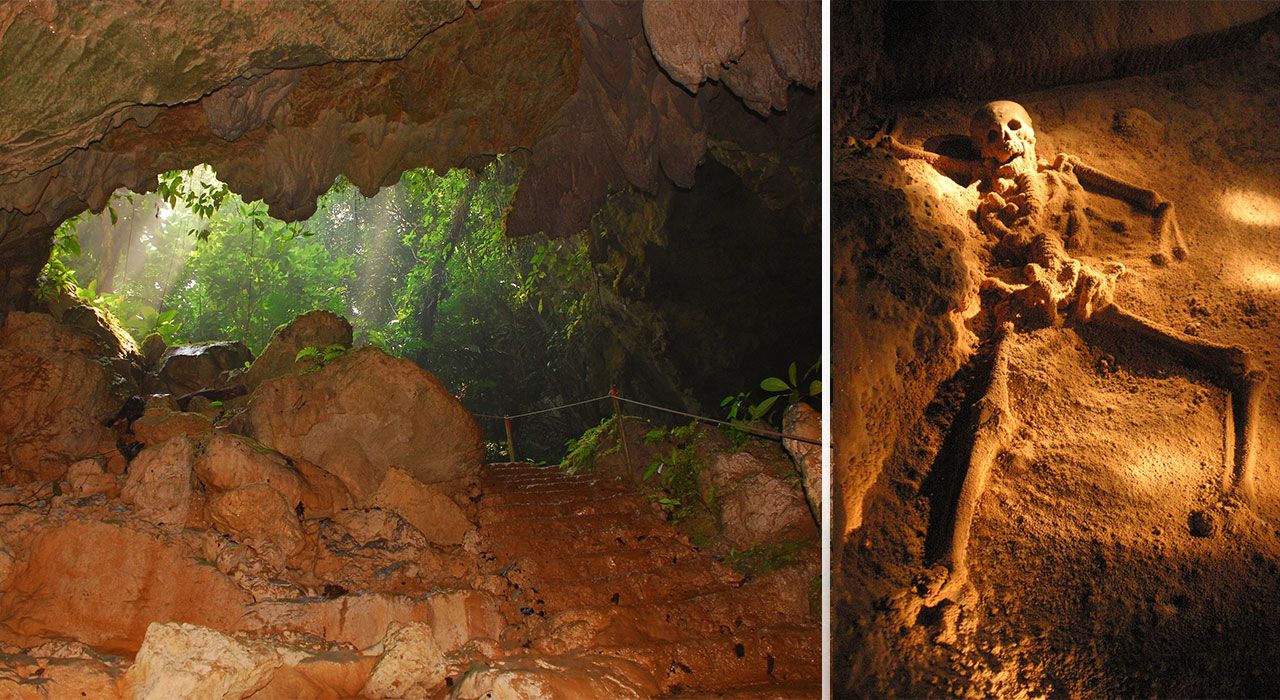
It was a lot to take in. Thousands upon thousands of pottery shards, intact vessels and dozens of human remains lay centimetres from the guide ropes that marked a narrow path through the relics. It was no wonder they had banned visitors from bringing in their phones; multiple people had dropped them, shattering delicate calcite-covered skulls. The Crystal Maiden (not actually a maiden, but probably a 17-year-old male, as it turns out) was the most intact of them all.
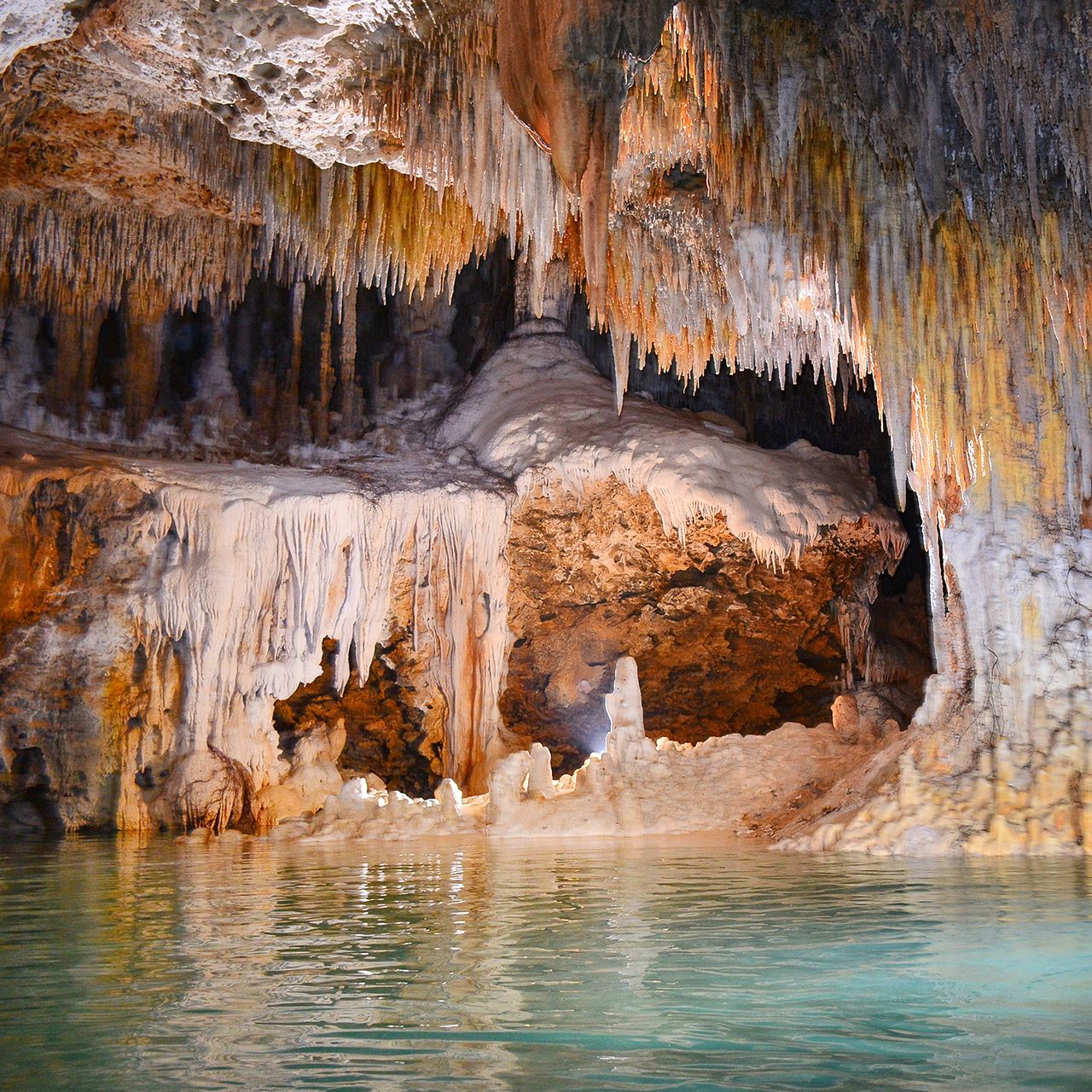
And then there was the Cathedral. As wide as a football field and three times as long, the cave ceiling soared far above us – our headlamps could not provide nearly enough light to do its majesty justice. If I had been a Maya shaman looking for a place where my sacrifice would be embraced by the gods, this would have seemed an obvious choice.
The country is full of caves like this, thanks to its mostly limestone bedrock. Unlike Mexico’s cenotes, where visitors commune with nature and the Maya underworld by swimming in deep limestone sinkholes, the cave systems here are more meandering and, in places like Barton Creek Cave, are best experienced by floating along in a canoe or inner tube.
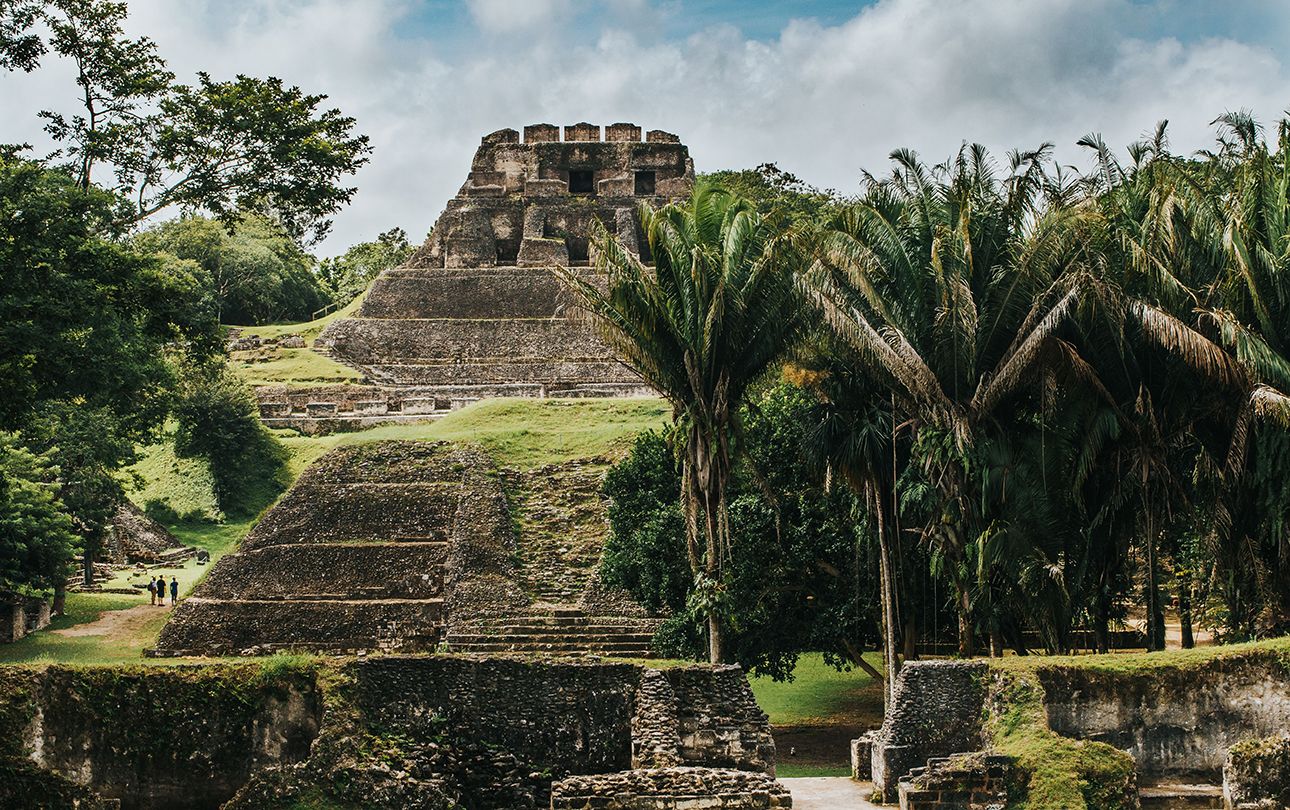
Belize was central to the Maya world for thousands of years, and its archaeological wealth is staggering. The largest site is Caracol, spanning 200 square kilometres includes Caana (Sky Palace), at 43 metres high, the pyramid is still the country’s tallest man-made structure. More accessible is Xunantunich, home to the towering El Castillo (The Castle). Reaching it involves crossing a river via hand-cranked ferry before driving up to the site – exactly the sort of Type 1-plus adventure that can be enjoyed while wearing a beautiful pair of flowy linen trousers.
WHERE TO STAY
On Ambergris Caye, I stayed at the Sunset Caribe hotel. Modern and sleek, its condo-style suites feature full kitchens and dining areas – ideal for families. Located on the water just outside San Pedro, the property is only a stone’s throw from the action, yet offers a peaceful place to enjoy the sunset over the bay.
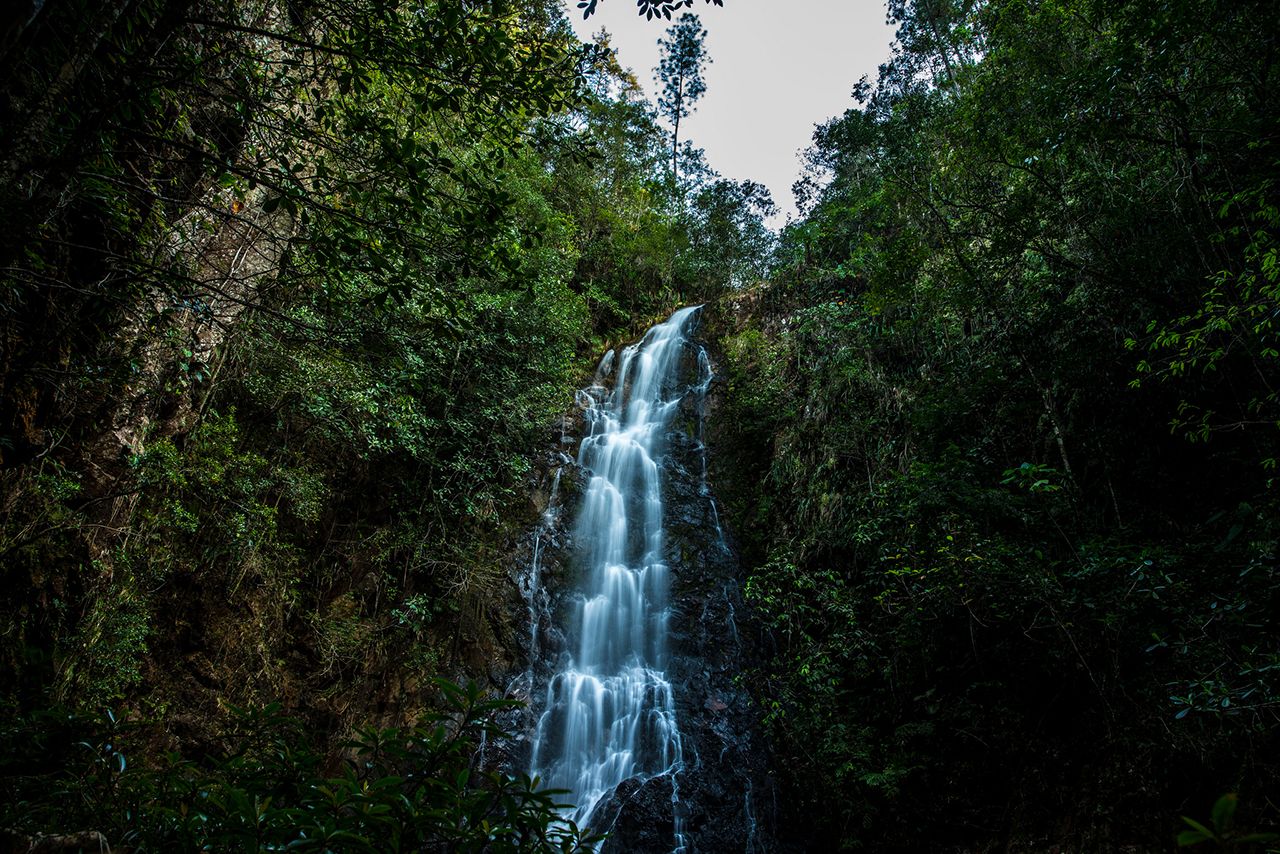
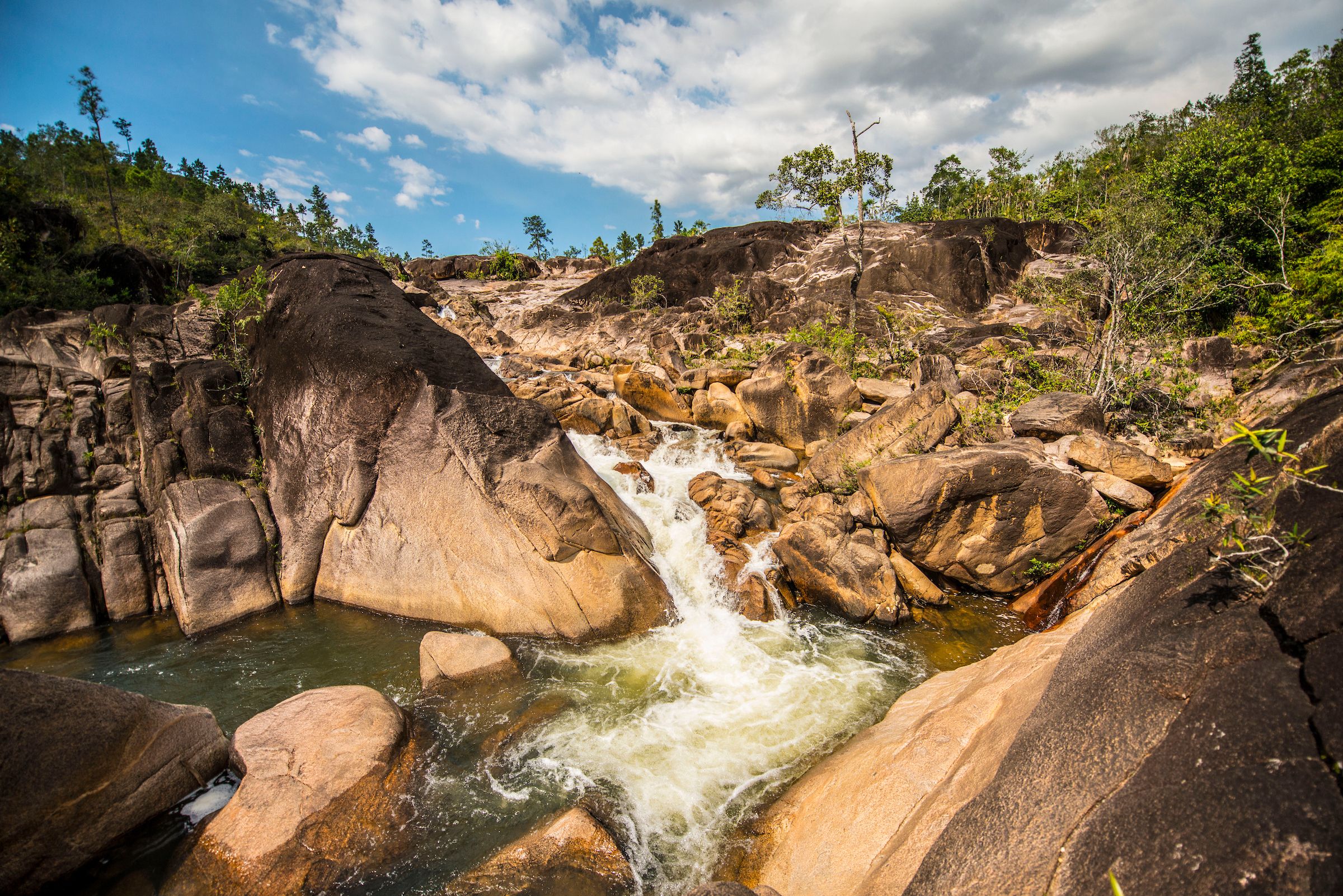
In the jungle, the luxe-rustic Gaia Riverlodge in the Mountain Pine Ridge Forest Reserve is a glorious tropical retreat. Each thatched-roof, treehouse-like casita is tucked into the lush hillside. The main lodge serves some of the best food I ate all week, much of it grown in the property’s extensive organic gardens. Down the hill, beside the Five Sisters waterfalls, a serene oasis invites guests to read, swim, nap, or indulge in a spa treatment. Day trips to Maya sites like Xunantunich, as well as to the ATM cave, can be easily arranged.
WHERE TO EAT
Surprisingly, in a world dominated by global food franchises, Belize has absolutely no chain restaurants. That leaves plenty of room for local cuisine to flourish, and generally speaking, the food is fresh and delicious. On the islands, you can always count on fresh tacos, salads, homemade salsa, and lots and lots of ceviche.
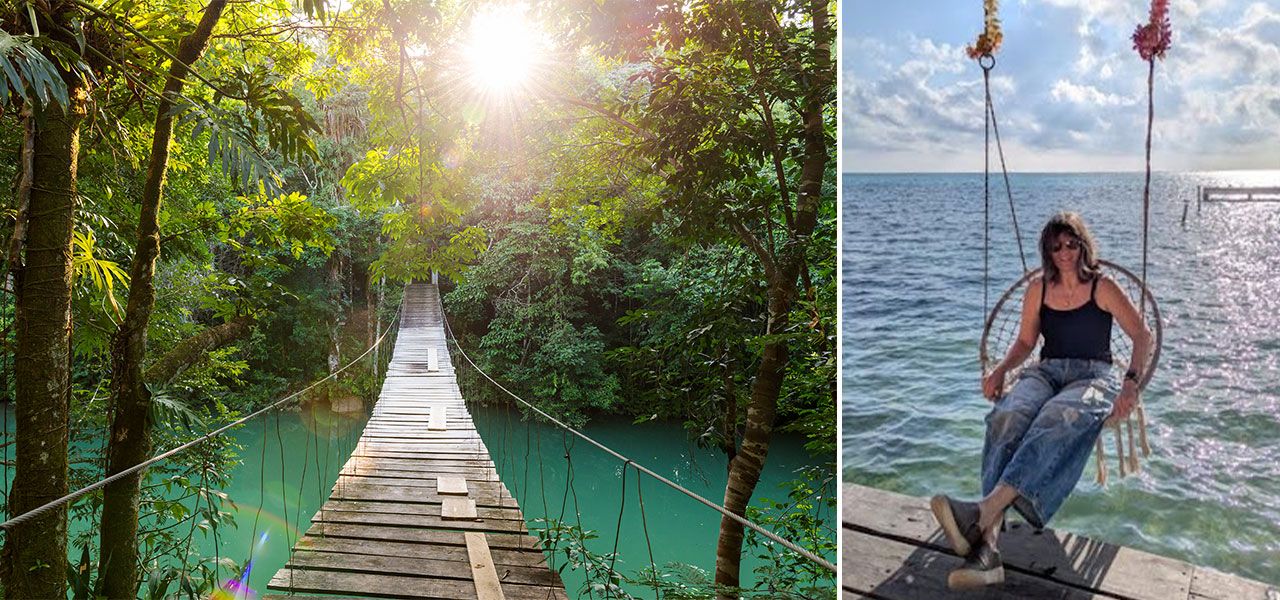
In San Pedro, I particularly enjoyed breakfast at Cool Beans Café, thanks in large part to its location at the end of a pier with sweeping ocean views – and a lovely rope swing right over the sea. Their menu included North American favourites like eggs and waffles, alongside a traditional Belizean breakfast of fry jacks (deep fried pieces of dough) and refried beans. I opted for the vegan version of the Maya breakfast, which included warm tortillas, beans, tofu scramble and fresh fruit.
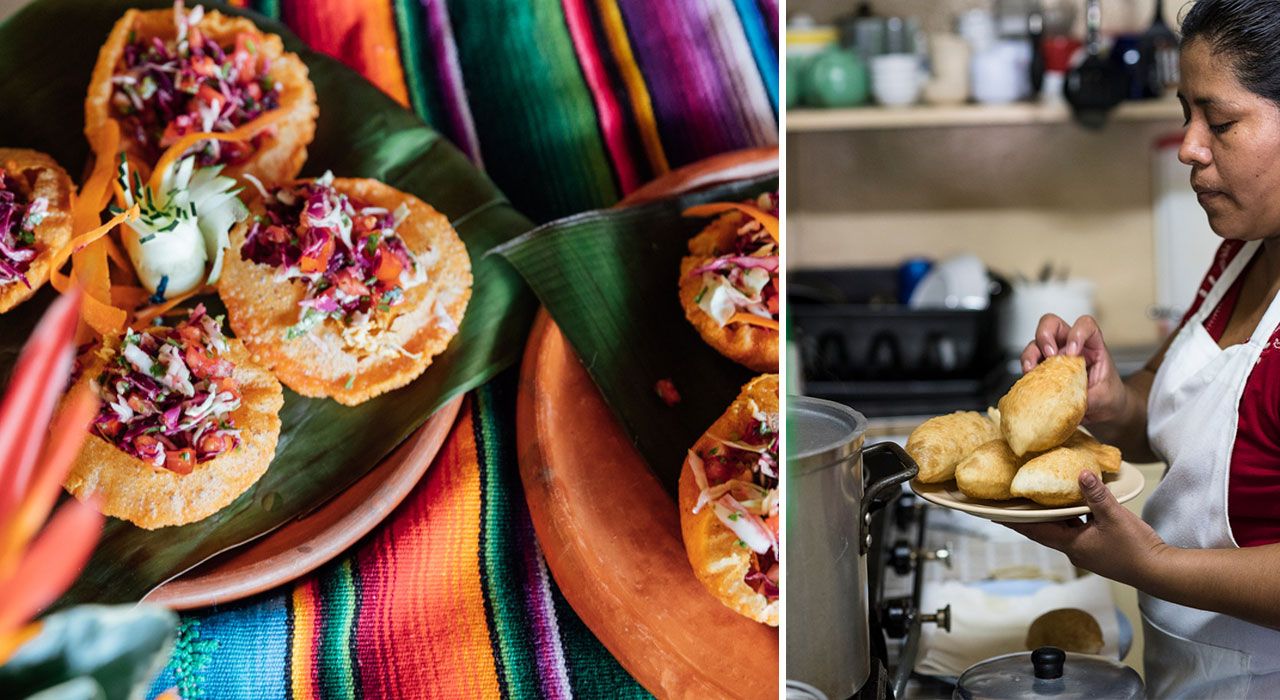
It’s also worth seeking out traditional local culinary experiences. I joined a Maya cooking night with sisters Clarita De La Fuente and Amirta Cocom at Ka’ana Resort in San Ignacio, where I learned to make tortillas and other traditional dishes by hand. The Afro-Indigenous Garifuna people – and their cuisine – are an essential part of the cultural fabric of southern Belize. I was fortunate to attend an evening of food, drumming, and dancing at Black & White Garifuna Restaurant in San Pedro.