





When I first walked the Camino de Santiago back in 2002, fewer than 70,000 pilgrims were granted a “Compostela”, the official certificate of completion for walking at least 100 kilometers. The journey felt intimate, personal, and often solitary. Fast forward to last year, 2025, and that number has swelled to over half a million. This massive growth is transforming the Camino experience, particularly on the most popular routes. At peak times on the famous Camino Francés, you can feel like you are in a long lineup or in a race to get from albergue (hostel) to albergue.
What few realize is that the Camino de Santiago is not just one path but many. In the Middle Ages when it began, pilgrims simply started from wherever they lived and created an infinite number of tributary paths that fed into a few more standard routes. Today, almost 90 percent of pilgrims walk either the Camino Francés or the Camino Portugués (and half of those start in towns 100 km from Santiago to meet the minimum requirement to obtain the Compostela), but there are lesser-known trails that continue to provide a far more contemplative experience. For those seeking solitude and a deeper connection to history, these alternative routes offer a glimpse into the Camino’s rich cultural heritage and spiritual essence.
I have now walked 23 different Caminos, including that first one in 2002. Last year, in December and January, and this past January and February, I embarked on two different versions of one of the lesser-traveled paths: the Camino Mozárabe. Spanning roughly 650 kilometers, one variant of this route stretches from Almería on Spain’s southern coast to Mérida, where it merges with the Vía de la Plata, which offers another 750 km of Camino to Santiago. Over 25 and 26 days respectively, I walked through landscapes steeped in Moorish history, passing through cities such as Granada and Córdoba, where the echoes of Al-Andalus (the medieval Muslim-ruled territory of the Iberian Peninsula, encompassing modern-day Spain and Portugal) still linger in the architecture and atmosphere.
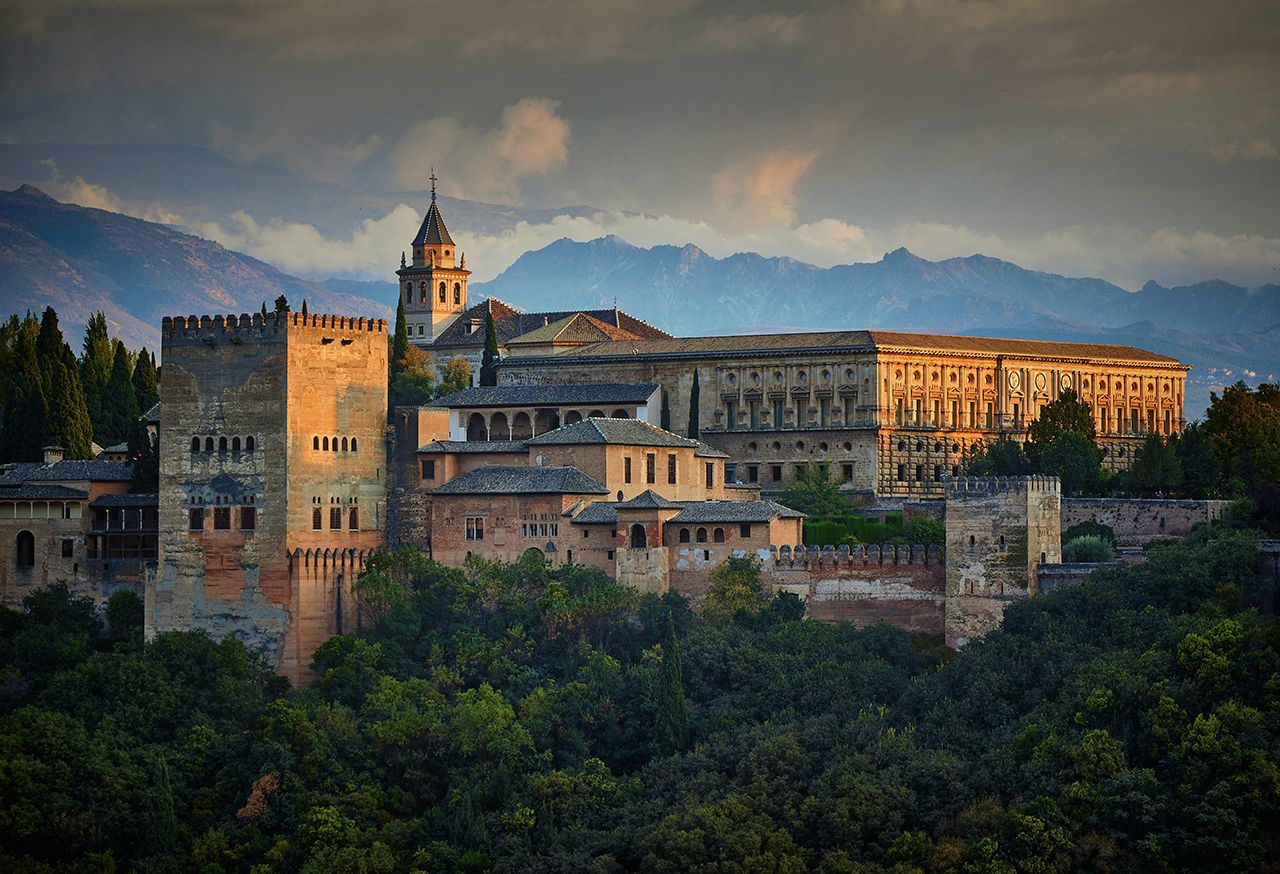
The Camino Mozárabe is unique in its historical depth; the route was used by Christians in the south under Moorish control, named for a group of Visigoths who lived there under Muslim rule during the Middle Ages. Unlike the northern routes, which are defined by their medieval Christian pilgrimage heritage, this path takes walkers through the heart of Spain’s Moorish past. The city of Granada, with its breathtaking Alhambra Palace, serves as an early highlight. Standing atop its ancient walls, gazing over the Albaicín quarter, I was reminded of the cultural crossroads that Spain has long been.
Because of the centuries of battles between Christian and Muslim forces, this area also has one of the highest concentrations of castles and fortresses in Europe for history buffs to enjoy. But those looking for spectacular scenery and nature will not be disappointed either.
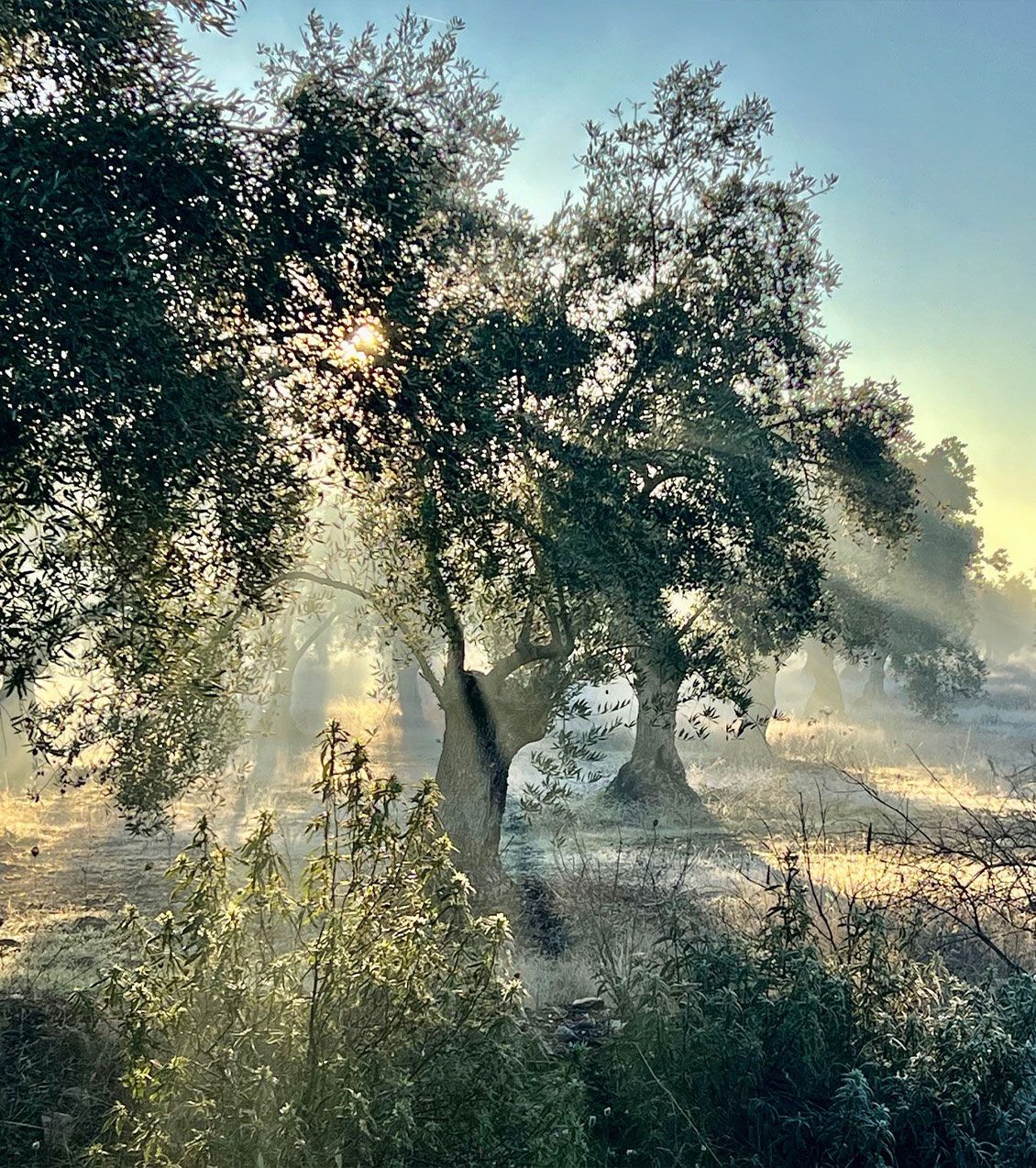
From Granada, the Camino winds through a sea of olive groves, rolling hills and small villages where modern tourism has barely made an impact. The route feels unfiltered, with few pilgrim services beyond the occasional albergue, making it a journey that requires a certain amount of self-sufficiency and resilience.
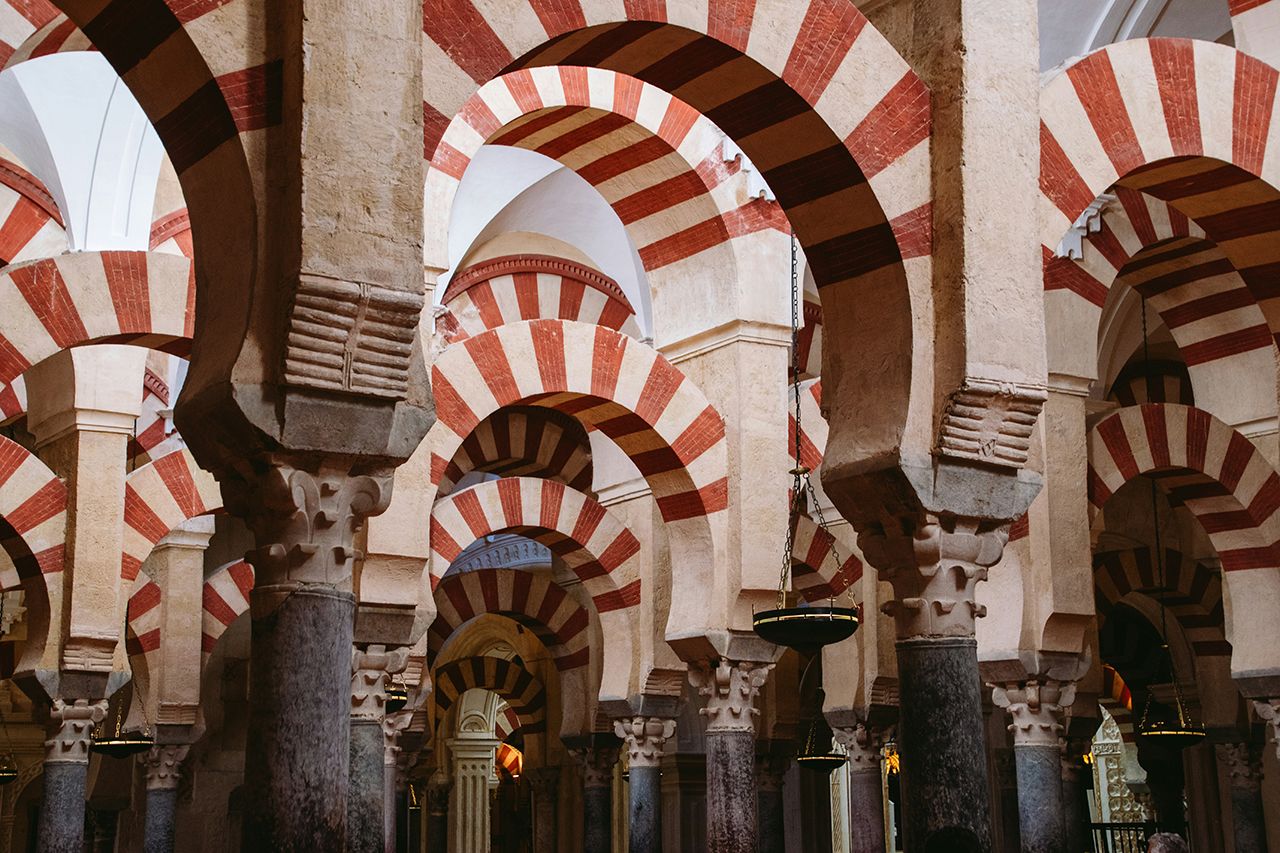
Córdoba, another jewel along the Mozárabe, was once the capital of the Umayyad Caliphate, a beacon of learning and architectural wonder. Walking into the city and stepping into the Mezquita, with its endless red-and-white bricked arches, was a life highlight in itself. It’s easy to imagine medieval travelers arriving here centuries ago, seeking refuge and inspiration as they made their way north.
Mérida is yet another marvel of time travel, with remarkable Roman ruins that take you back to its founding during the reign of Augustus Caesar. Or you can do the other variants that start in Malaga or Jaen.
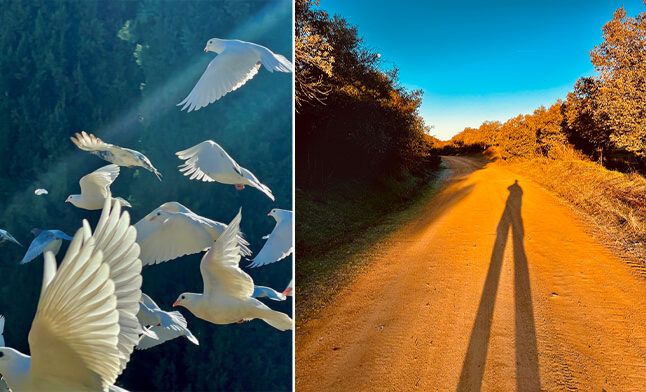
One of the most striking aspects of the Camino Mozárabe, particularly in December, January and February, is its solitude. On most nights, I was the sole pilgrim in the albergue, a stark contrast to the crowded dormitories of the Camino Francés (though they are far less full in January and February). The long stretches of walking alone through the Andalusian countryside allowed for deep reflection – something that can be difficult to find on busier routes.
Another treat, unlike on the Camino Francés, is that most of the local churches remain open during the day, even outside of Mass times. These provide wonderful opportunities for meditation or just gazing at remarkable art while resting on worn wooden pews.
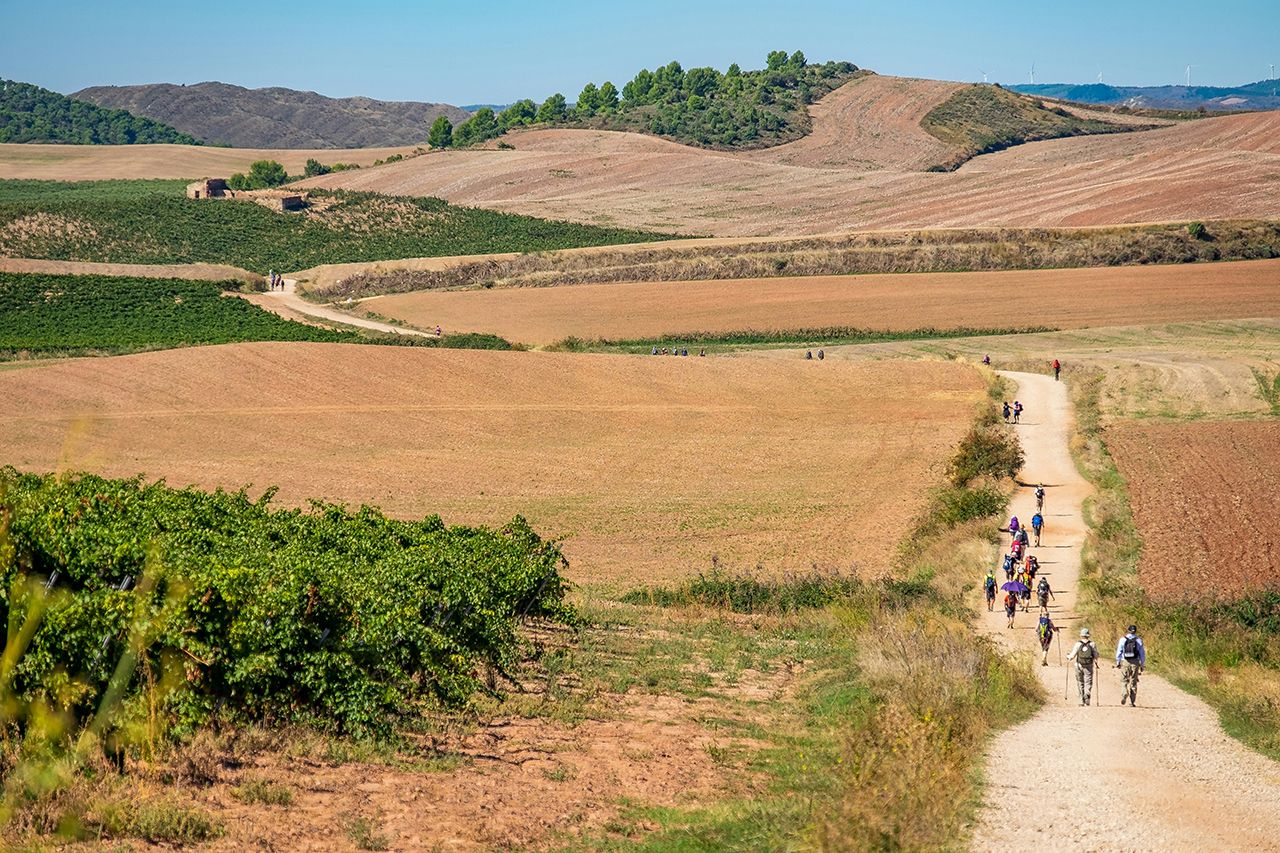
This solitude, however, also brought challenges. Unlike the Camino Francés, where cafes and rest stops are frequent, there were days when I would walk over 20 kilometers without encountering another person. I discovered that local pilgrim associations, particularly in the first section from Almeria to Granada, have begun to build out a remarkable network of albergues. For those willing to embrace the longer stages between towns and services than in some other Caminos, the reward is an unparalleled sense of peace and connection to the landscape.
As the Camino de Santiago continues to grow in popularity, these lesser-known routes become ever more valuable for those yearning for the spirit of pilgrimage as it once was. Walking through Andalusia on the Mozárabe, surrounded by echoes of the past and the quiet of the open road, I rediscovered what first drew me to the Camino over two decades ago – the journey within.
No matter which path you take, the Camino has a way of meeting you where you are. And in the end, that is what makes it so enduring.
Rocco Rossi has just published his first novel Finding Grace, a fictional tale about the Camino de Santiago. It is available globally on Amazon in both paperback and Kindle versions and in Canada can be ordered here.