





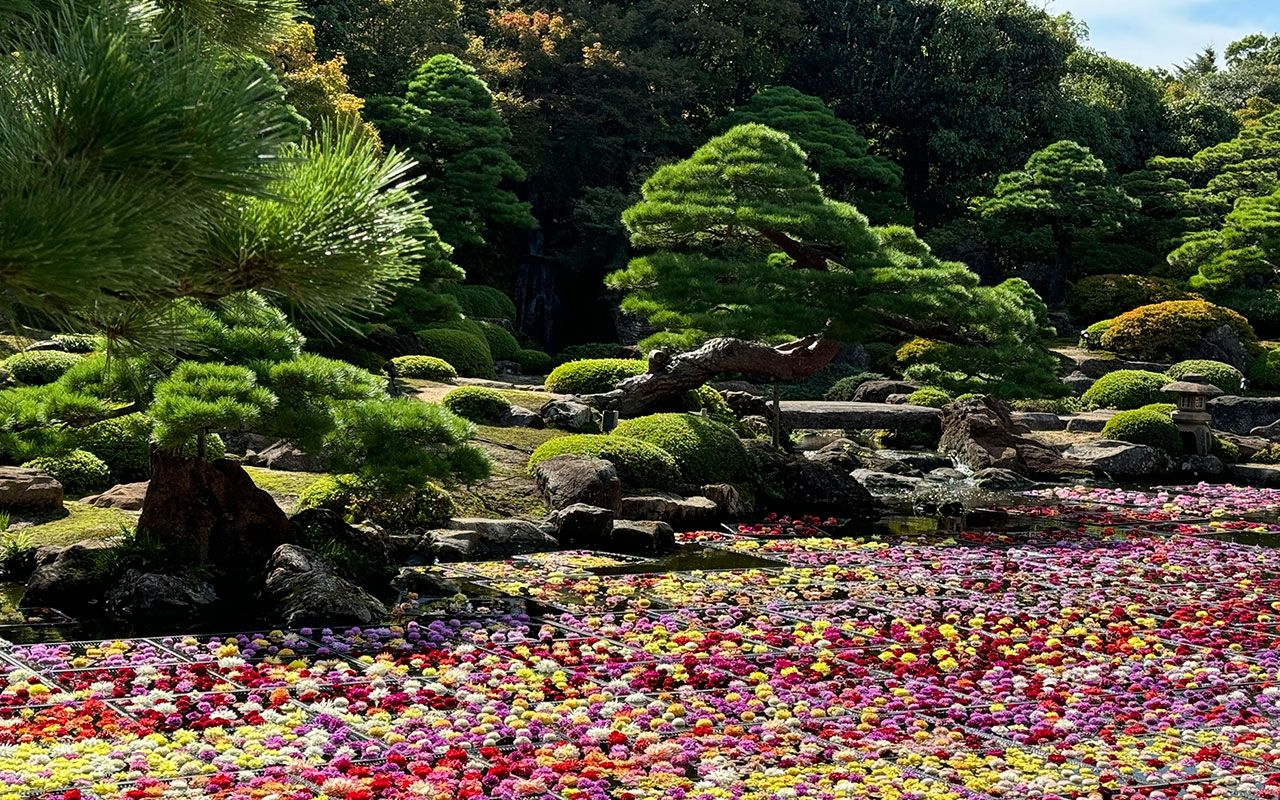
I’ve had a lifelong love affair with Japan, and everything I experienced during my first trip there over thirty years ago only made me love it more. This last trip will not break my love for this wonderful country and, should I find the strength to make another trip halfway across the world, perhaps I will have the joy of seeing it again.
That said, I feel obliged to caution strongly that what you see and experience will depend entirely on who has arranged your trip, and the fact that I actually booked this disaster is no one’s fault but my own. Evidently, I disregarded the wisdom of the poet Maya Angelou who wrote, “When someone shows you who they are, believe them,” as well as my own personal dictum, “Begin as you mean to go on.”
That said, after years of being caged by COVID, I was so eager to visit one of my favourite countries and breathe foreign air once again that I aligned myself with a travel company that never missed an opportunity to miss an opportunity.
The last tour I went on – a journey through Australia, organized by Ross Garden Tours and led by owner Christine Ross – was promoted, like this trip to Japan, through Pacific Horticulture, a digital magazine for garden enthusiasts.
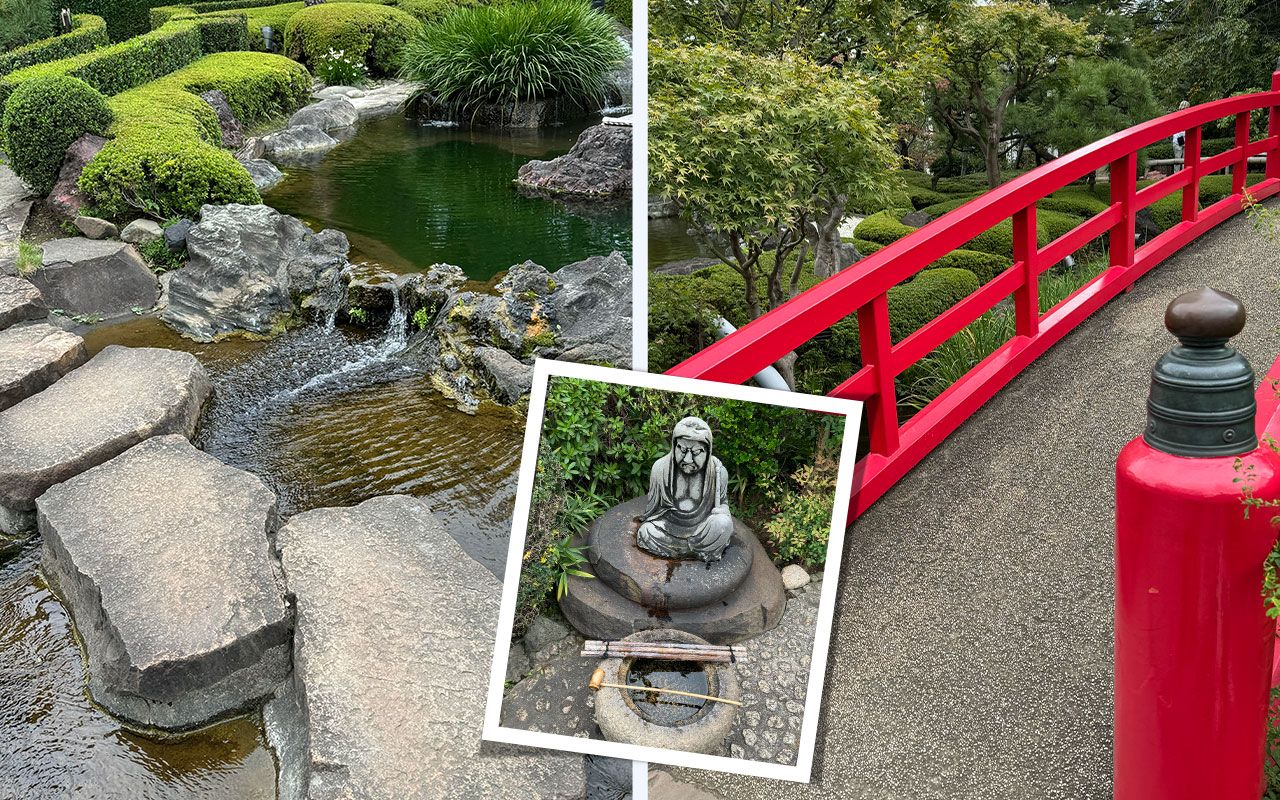
That first tour was everything this one wasn’t. It was warm, informal and wonderfully informative. We explored amazing gardens, met the people who created them and even enjoyed private visits where lunch and lively conversation were very much part of the experience.
So, when Pacific Horticulture announced another tour – this time (hallelujah!) to Japan – I was over the moon. I’d been searching for a garden-focused trip like this for years, and the endorsement of an organization I trusted only sealed the deal. I scarcely finished reading the announcement before calling Sterling Travel, the company Pacific Horticulture had entrusted with both its reputation and its readers, and booked what was, admittedly, a rather pricey adventure.
After handing over my $900 USD deposit to California-based Sterling Travel, I spent more than a month with radio silence from the organizers before discovering they had somehow “lost” my booking. Things only got more unsettling when they eventually found my file, addressing me by ‘Marylin Lighthouse’ (not my name!), making me question whether I really wanted to trust them with a trip 10,000 kilometres away from home.
I had decided to arrive a day early to recover from the journey. With no one else checking in at the Tokyo hotel, I couldn’t understand why the process was taking so long. The mystery was solved the following evening at our welcome banquet, where I first met my fellow travellers and we received our travel credentials: plastic lanyards to be worn around our necks. And whose name was printed on mine? You guessed it – Marylin Lighthouse had apparently made the trip after all.
Let me be clear: none of this had anything to do with Japan itself. This was my second visit – this time with a focus on gardens – but my first trip with my beloved [Lightstone’s partner is Moses Znaimer the founder and CEO of ZoomerMedia] had been pure magic: bright red torii gates, hot springs in Nikko, tea ceremonies, Noh theatre and even a sumo match in Kyoto. Absolute bliss.
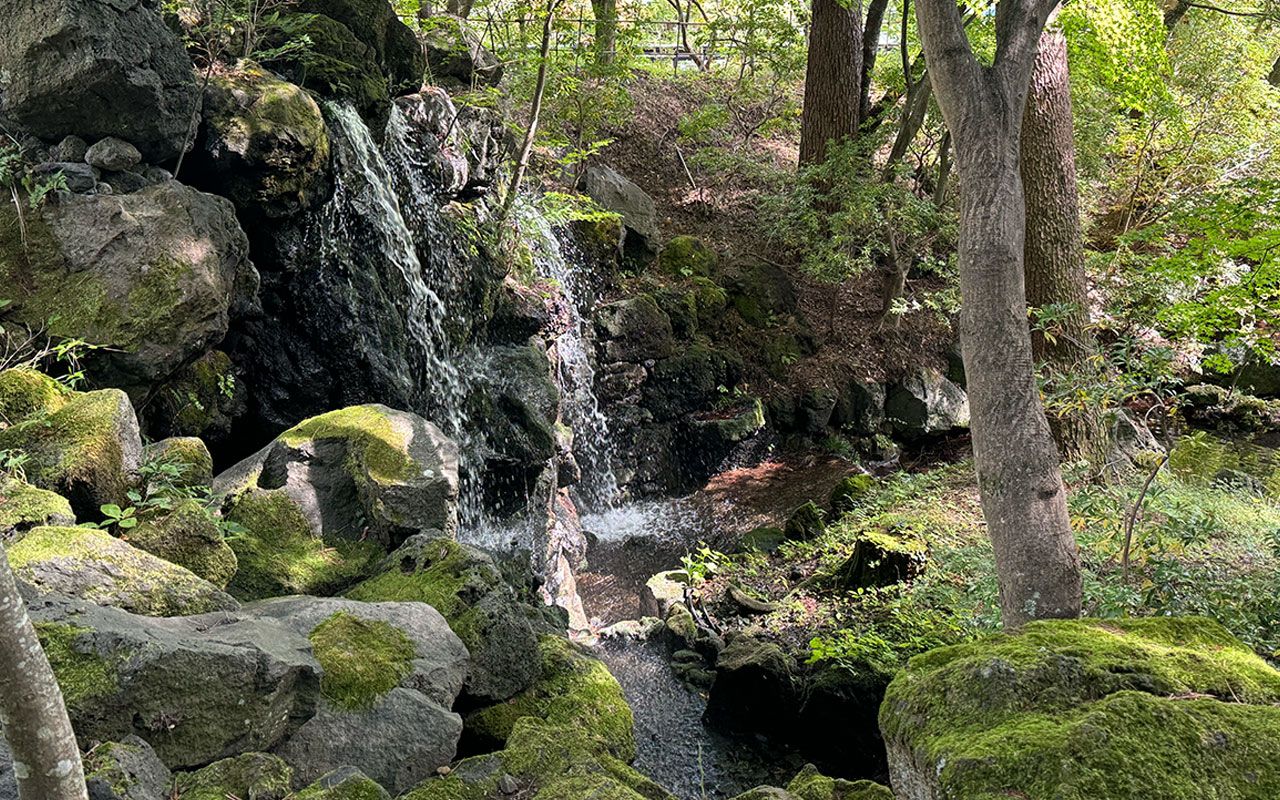
By this point, the experience had already been equal parts irritating and disappointing, but I was still clinging to the hope that things would improve. Spoiler alert: they didn’t. People always talk about those “if it’s Tuesday, it must be Paris” whirlwind tours, but until now I’d somehow avoided them. Well, there’s a first time for everything.
The next communication from Sterling Travel included the guest list. Aside from one other solo woman and a delightful couple, (all Canadians from the west of our country) everyone else was travelling in pairs mostly from the American West. By chance, we Canadians ended up together in the middle of the bus, and they were lovely people who actually wanted to chat. Sadly, all three of them fell very ill from a gastric complaint and were unable to be with us on the bus for many days.
Now, there is always the possibility that I am a truly hateful, unhygienic, unpleasant person with nothing to offer in experience or conversation, but the upshot of the situation was that I was alone. As alone as I have ever been. What baffled me most, though, was that a company bringing strangers together for two weeks in close quarters made no attempt to turn us into a group. Surely that’s Tour Planning 101.
To my mind, food is always the best (and easiest) way to bring people together, but our very first gathering, our opening banquet, which could have been a relaxed buffet designed to get people mingling, was instead a formal affair, after which everyone retreated to their corners. The next day we claimed our bus seats – and stayed in them for the rest of the trip.
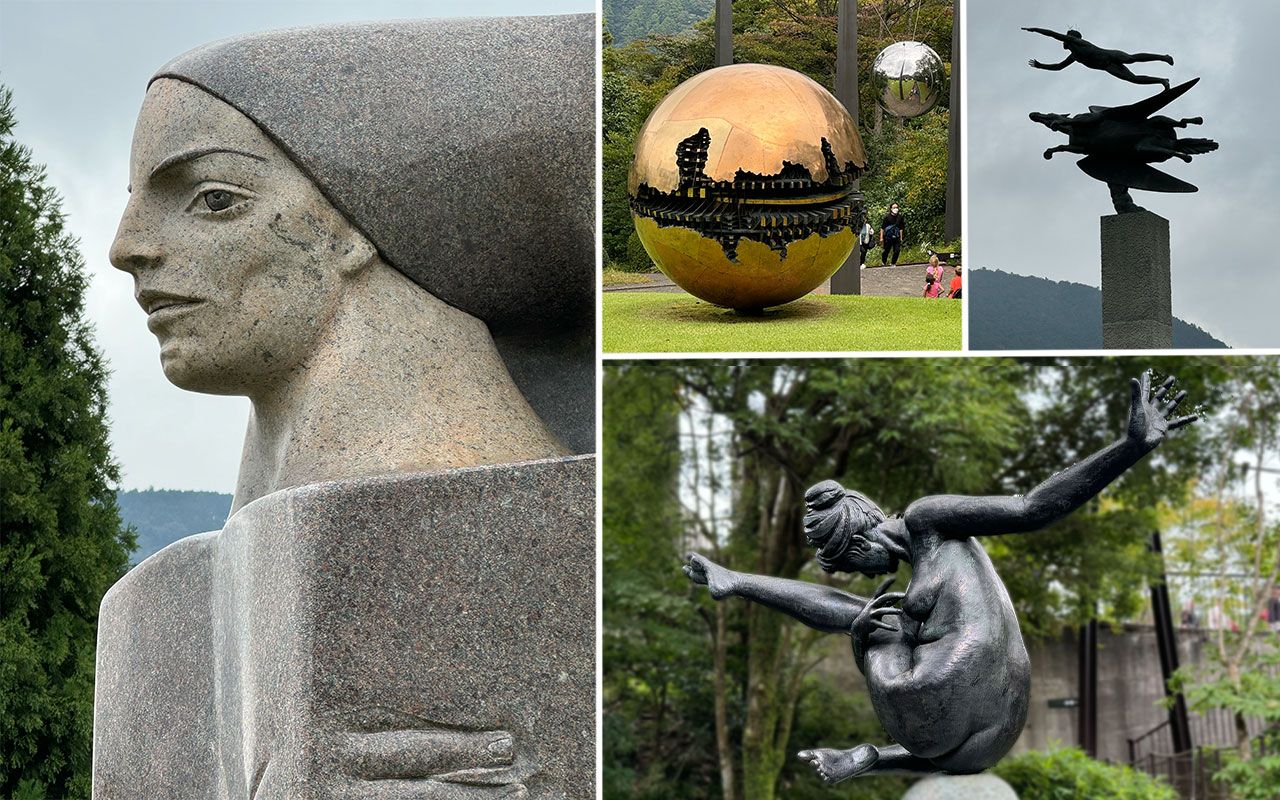
Lunches and dinners were entirely fend-for-yourself affairs. Without my fellow Canadians, I found myself eating alone more often than not. Perhaps someone noticed. But I suspect they didn’t.
And then there was the padding.
Our first “experience” involved travelling to the roof of a Tokyo skyscraper to visit a beehive project. We never actually saw any bees – or hives – but we did receive tiny jars of delicious honey and wore protective veils worthy of a low-budget sci-fi movie. The whole thing felt less like a horticultural tour and more like a field trip for six-year-olds.
Next came the sake factory.
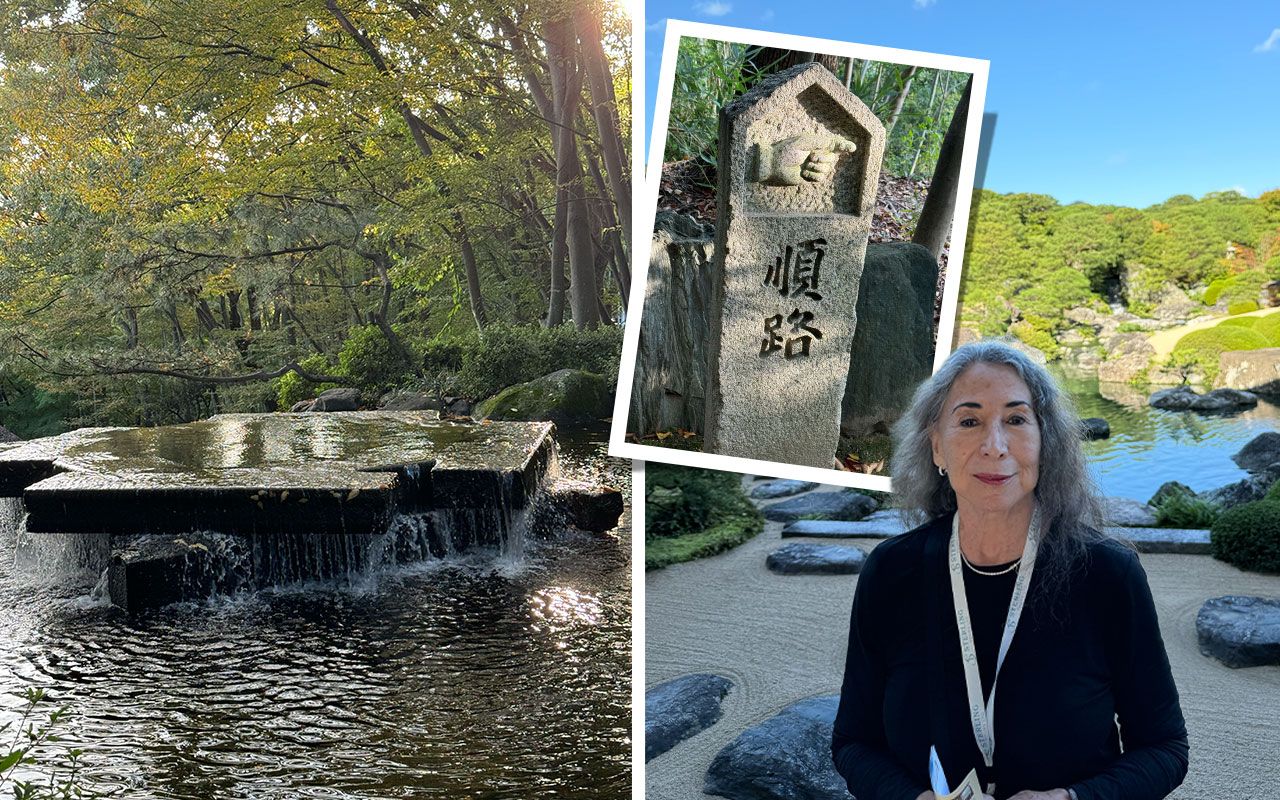
After hours on the bus, as we approached the actual factory, I noticed a great number of clay animal figurines lining the driveway. It turns out that they were sake decanters which I found rather charming, but on inquiry there was no one who could (or would) tell me anything about them.
Once inside the sake factory, I looked for the sake workers, anticipating a real life experience. Instead we stood around while someone explained the importance of the water used to make sake. Every word had to be delivered twice – first in Japanese, then translated by our guide, H. Fair enough. But after another wait, the grand reveal of the factory itself turned out to be…a video explaining how sake is made. A video. Followed by a thimble-sized tasting and, naturally, the gift shop.
I should add that I have nothing but admiration for the sake industry. My frustration lay not with the destination but with the question that kept returning to me: who exactly planned this itinerary? Pacific Horticulture? Sterling Travel? Someone with an unlimited tunnel budget?
Because there were tunnels. Endless tunnels.
Japan is mountainous, and much of our time was spent in complete darkness, gliding silently through tunnels for hours. During these epic stretches, I kept wondering why nobody thought to organize anything. A quiz. A singalong. A game. Anything that might transform 40 strangers into fellow travellers.
Now, full disclosure: I’m an entertainer. At the end of my television show Your All-Time Classic Hit Parade, which airs on ZoomerMedia’s VisionTV, we invite the audience to sing along, and the warmth and communication that takes place in a few brief moments is nothing short of magical.
But every time I entertained the idea of breaking the ice myself, an internal voice intervened: “Marilyn, stay in your seat and shut up! This is not your circus.”
Then came the wasabi farm.
After yet another marathon drive, we arrived to discover that the light-sensitive plants were covered in acres of black plastic. In other words, our destination was essentially a giant tarp.
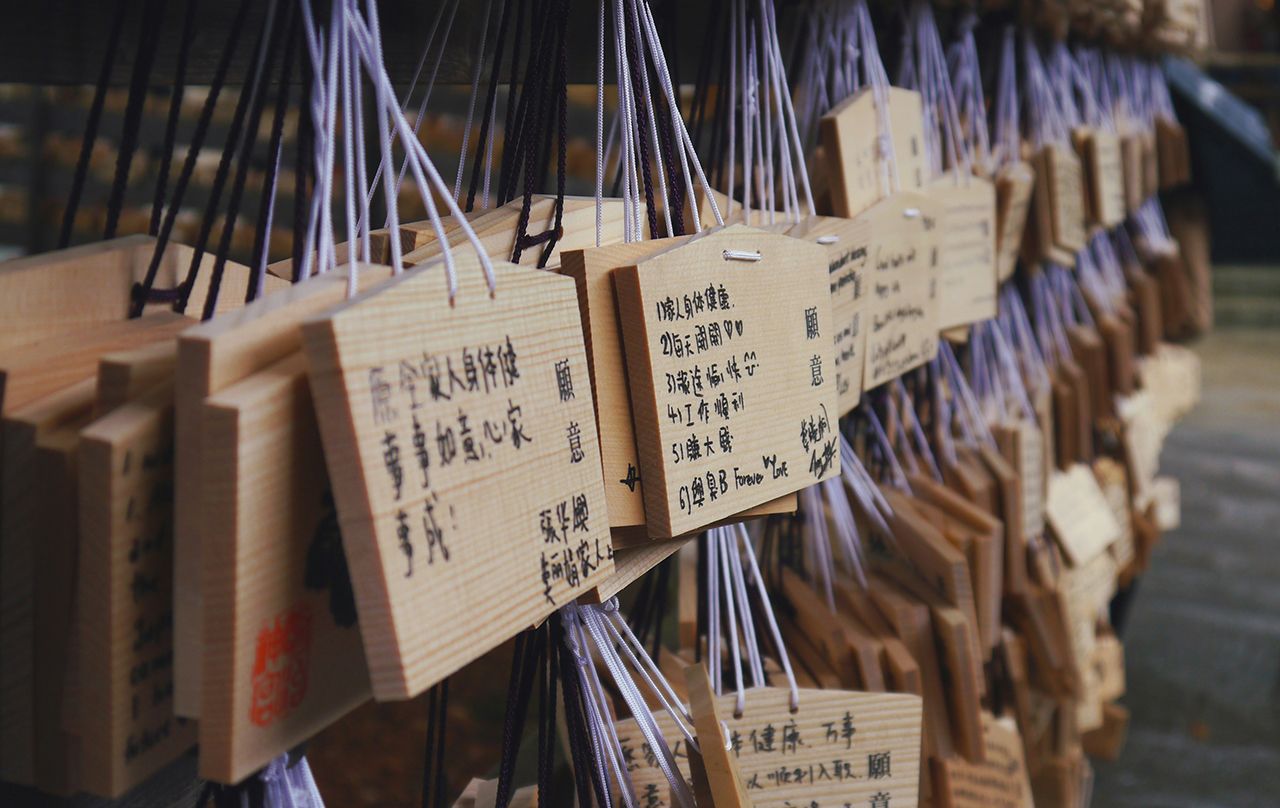
Another day brought us to a beautiful three-storey thatched farmhouse packed with antique farm equipment. Fascinating, perhaps – but there were no labels, no demonstrations and nobody to explain what anything was actually used for. We simply wandered through and moved on.
But nothing (it must be said) topped the wood-chip factory!
Again, it involved hours of tunnels. Again, there were obligatory hard hats worn nowhere near any actual danger. And again, we endured lengthy presentations – in two languages – about the economics of wood chips. Once we’d exhausted one location, we drove to another to hear even more about monetizing wood chips.
By this point, I was beginning to wonder whether I’d accidentally signed up for an MBA in rural resource management. And only afterwards did it strike me that H, our guide – a kind and approachable gentleman – had never actually talked about gardens. Not one. He had introduced us to a remarkable kimono artist and a celebrated painter via videos on the bus, but when we finally arrived at their studios, we were whisked quickly through and unceremoniously deposited in the gift shop.
There were, to be fair, some extraordinary gardens along the way. But without a garden guide to give us some context, some background, some history, and with no group (we were scattered far and wide) to share the experience, the experience rarely went beyond the surface.
The Imperial Gardens were perhaps the greatest missed opportunity of all. Calling them “gardens” is rather a misnomer, as each one is the size of a small town, or the size – shall we say – of Central Park in New York City. They were vast, complicated and entirely unexplained, with no one to guide and no one to tell the history of these amazing places. I happened to run into H while wandering one of these enormous grounds alone. Smiling, he asked whether I was having a wonderful time.
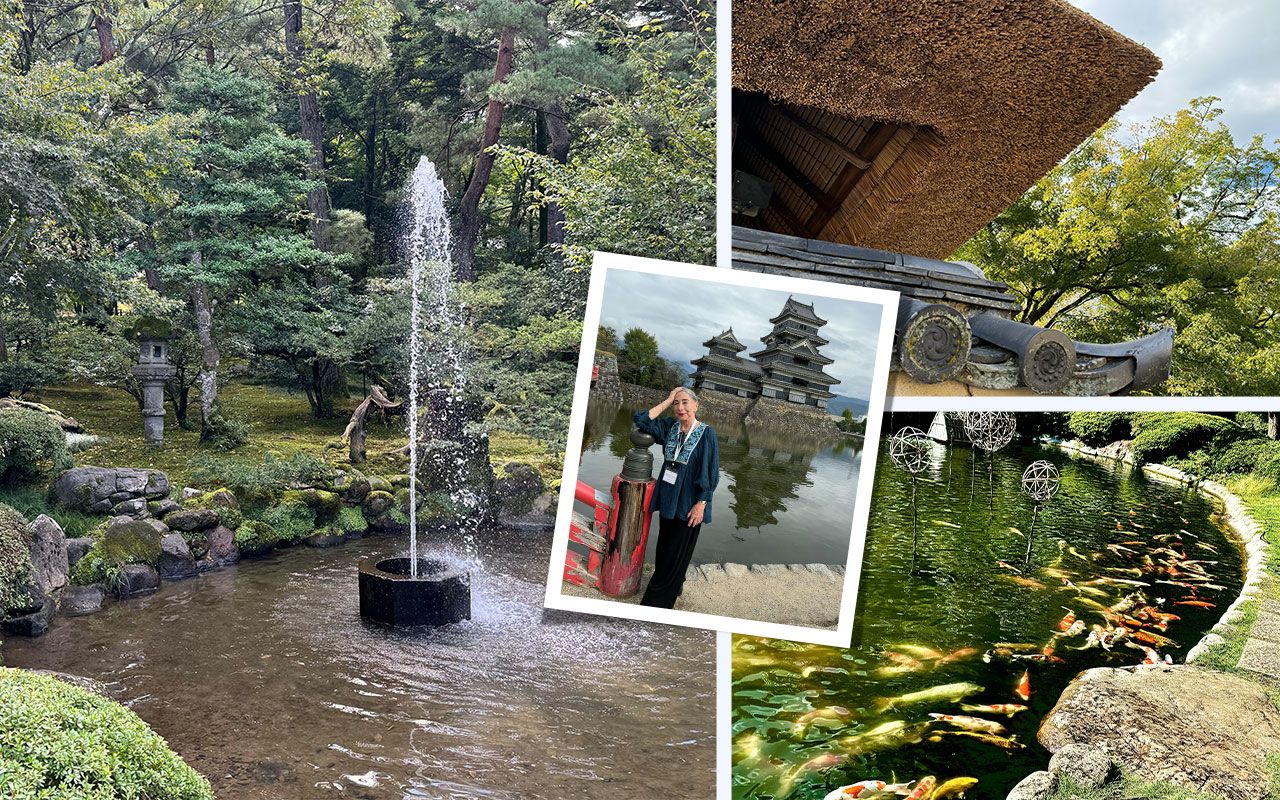
“Actually,” I replied, “it’s rather lonely.”
“But you’re among friends!” he said cheerfully.
“No,” I answered. “I’m not with friends. I’m alone.”
Our final banquet, held on the eve of departure, was every bit as stiff and uninspired as the first. Two tables were arranged at right angles, ensuring that conversation was limited to one’s immediate neighbours. Even on our last night together, after two weeks on the road, no effort had been made to turn a collection of strangers into a community. And somehow, that felt like the greatest missed opportunity of all.
Editor’s Note: We contacted both Pacific Horticulture and Sterling Travel for comment. Neither had responded by the time of publication.