





I’m clearly in my Maritime-provinces era. After visiting St. Andrew’s, N.B., last summer and loving the chill vibes, ocean air and stacks of seafood, I decided it’s time to return to Nova Scotia, where my husband and I had visited with our now 15-year-old when he was just a toddler. We loved it then, still felt iffy about U.S travel, and didn’t have the budget for a big overseas jaunt. Canadian road trip it is!
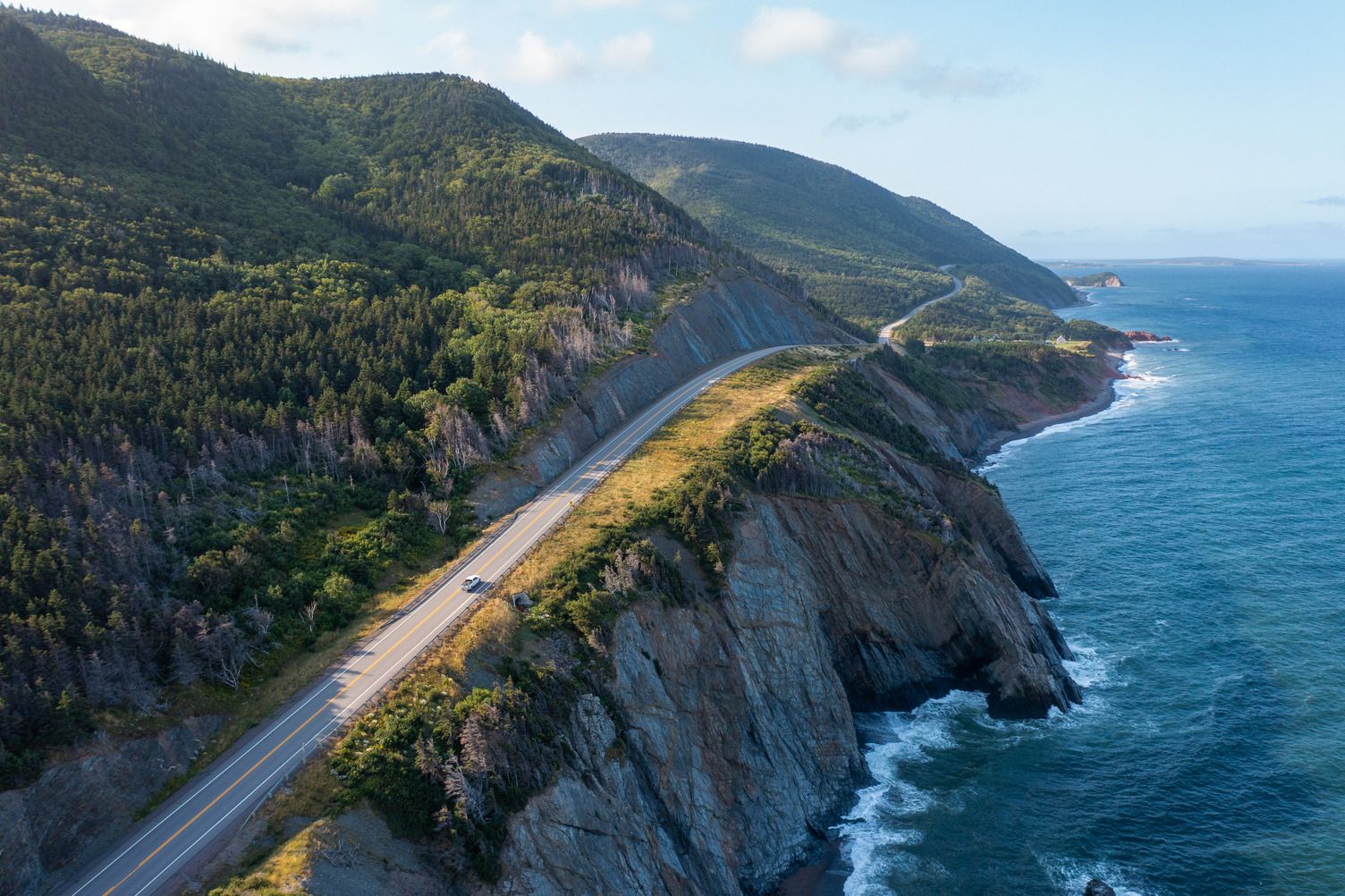
We decided to focus on Cape Breton, the rugged island at Nova Scotia’s northeastern tip, known for its dramatic coastline, rolling highlands and the spectacular Cabot Trail, which winds around its northern edge. We were after scenery, seafood, small towns and that particular Maritime combination of wilderness and easygoing charm. The whole journey, driving up from Halifax, took 10 days and it felt like we barely scratched the surface. Once our video-game-addled demon spawn adjusted to the slower pace, it was magical.
Although Cape Breton is technically connected to the mainland by the Canso Causeway, the island feels like a different planet. Geographically, it’s most famously home to the Cabot Trail, a gorgeous 185-mile (300-kilometre) loop stuffed with jaw-dropping cliffs and views of the Atlantic. It’s also home to the massive Cape Breton Highlands National Park. Culturally, Cape Breton is a unique melting pot, famed for its living Scottish Gaelic culture (fiddle music, square dances, and ceilidhs) alongside deep Mi’kmaw roots and Acadian French coastal villages.
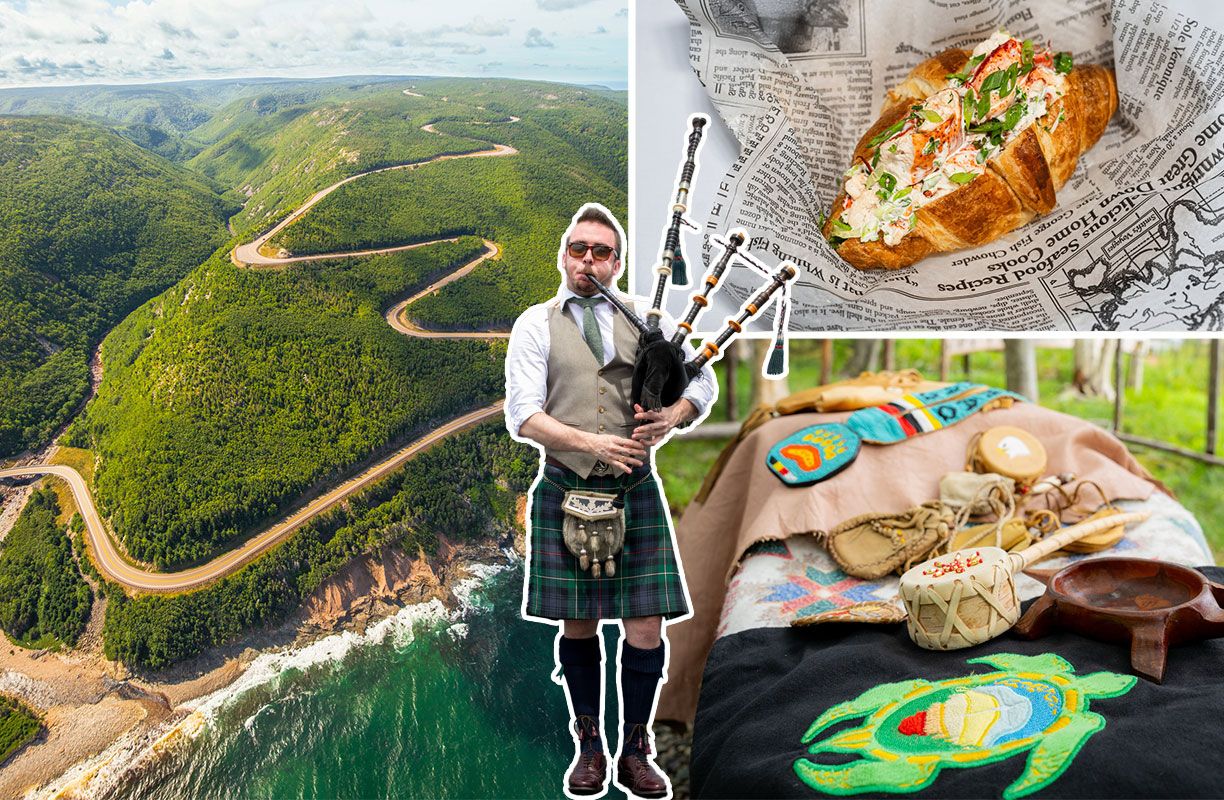
My advice when visiting Cape Breton is: 1) It’s actually quite big so 2) Don’t try to rush it! We originally had intended to burn our way around the island in three days but quickly realized that if we stuck to that plan, we would have just spent all our time in the car. Instead, we town-hopped for six days, felt like we missed approximately half of what there was to see, and still had a four-hour sprint back to the airport in Halifax from our last stop. To really experience Cape Breton – especially if you want to get in some all-day whale watching or golfing – I’d say six days is the minimum and eight would be more relaxing.
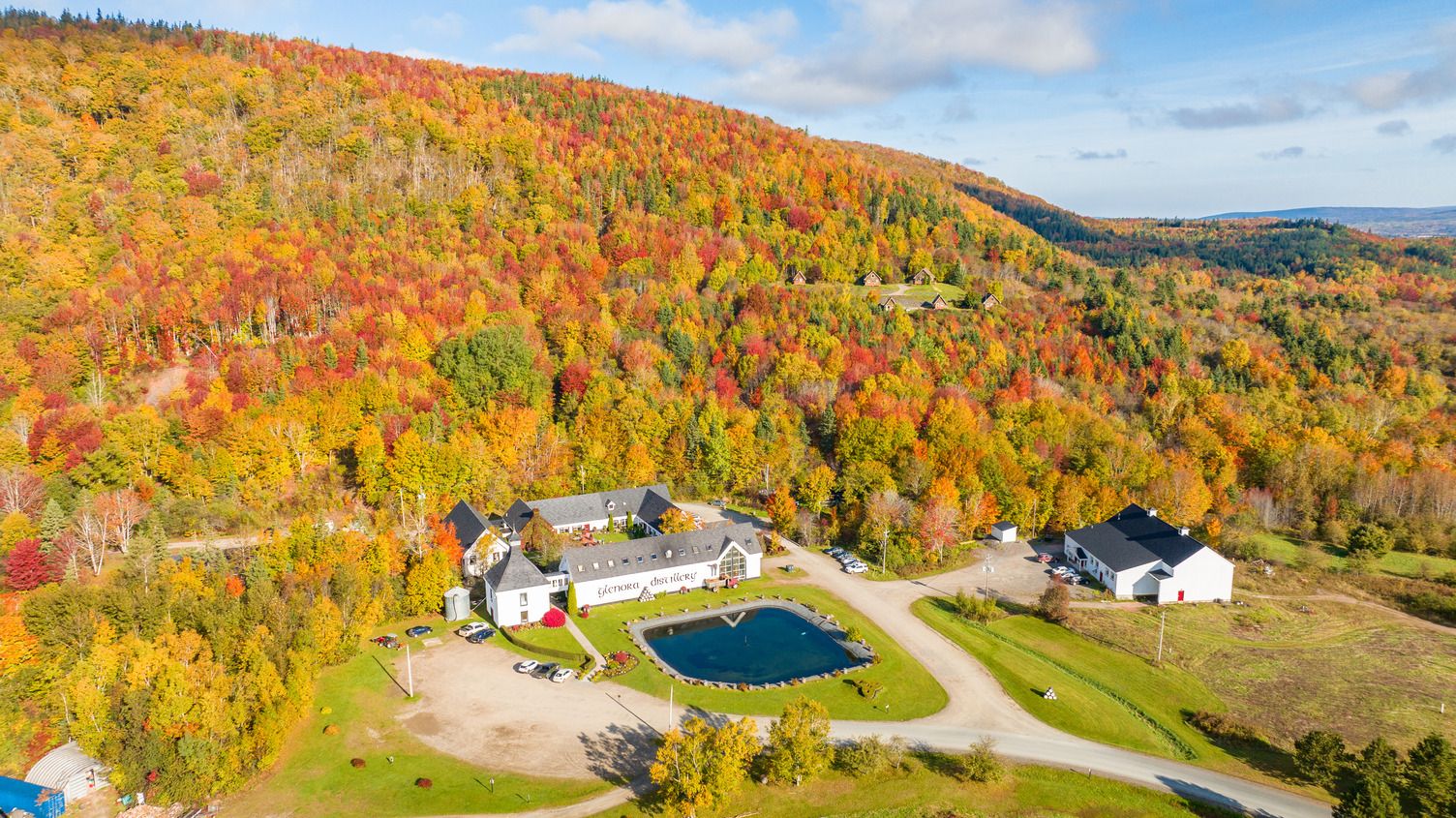
Glenville
If you, like me, have a whisky and general liquor-making aficionado in your entourage, a stop at the Glenora Inn & Distillery in the small town of Glenville is the stuff of a craft cocktail creator’s dreams. A tour of the facility is $7 and comes with a bracing shot of the good stuff, and then you can tuck into a five-pour whisky-tasting flight at the restaurant that takes you all the way from an eye-watering, completely unaged spirit to a smooth 22-year-old sipper. Want more? You can fill a bottle from two casks at the gift shop. Spending$3,000 for a 500 ml of the 31-year-old Glenora Single Barrel Select is probably a bit steep for most, but $114 for 250ml of the 22-year old? Practically a steal.
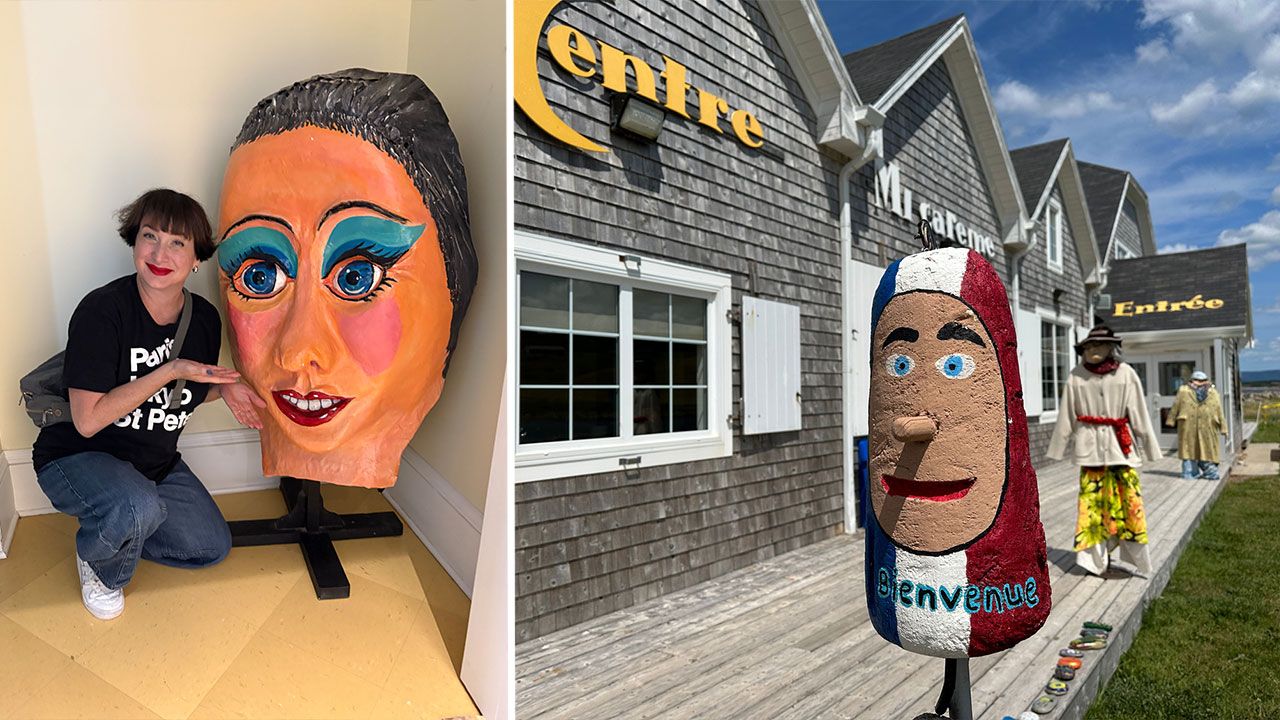
Grand-Étang
It’s worth making a quick stop at the trippy Centre de la Mi-Carême. This small museum is dedicated to the Acadian mid-Lent tradition where people historically dress up in wild outfits and masks and run from house to house partying. What’s not to love? Grand-Étang is also where you’ll find the fanciest dining option in the region at the 24-seat Table Doucet, where you’ll be treated to an imaginative, hyper-local, nine-course tasting menu that goes hard on seafood, foraged ingredients and natural wines (make reservations in advance).
Chéticamp
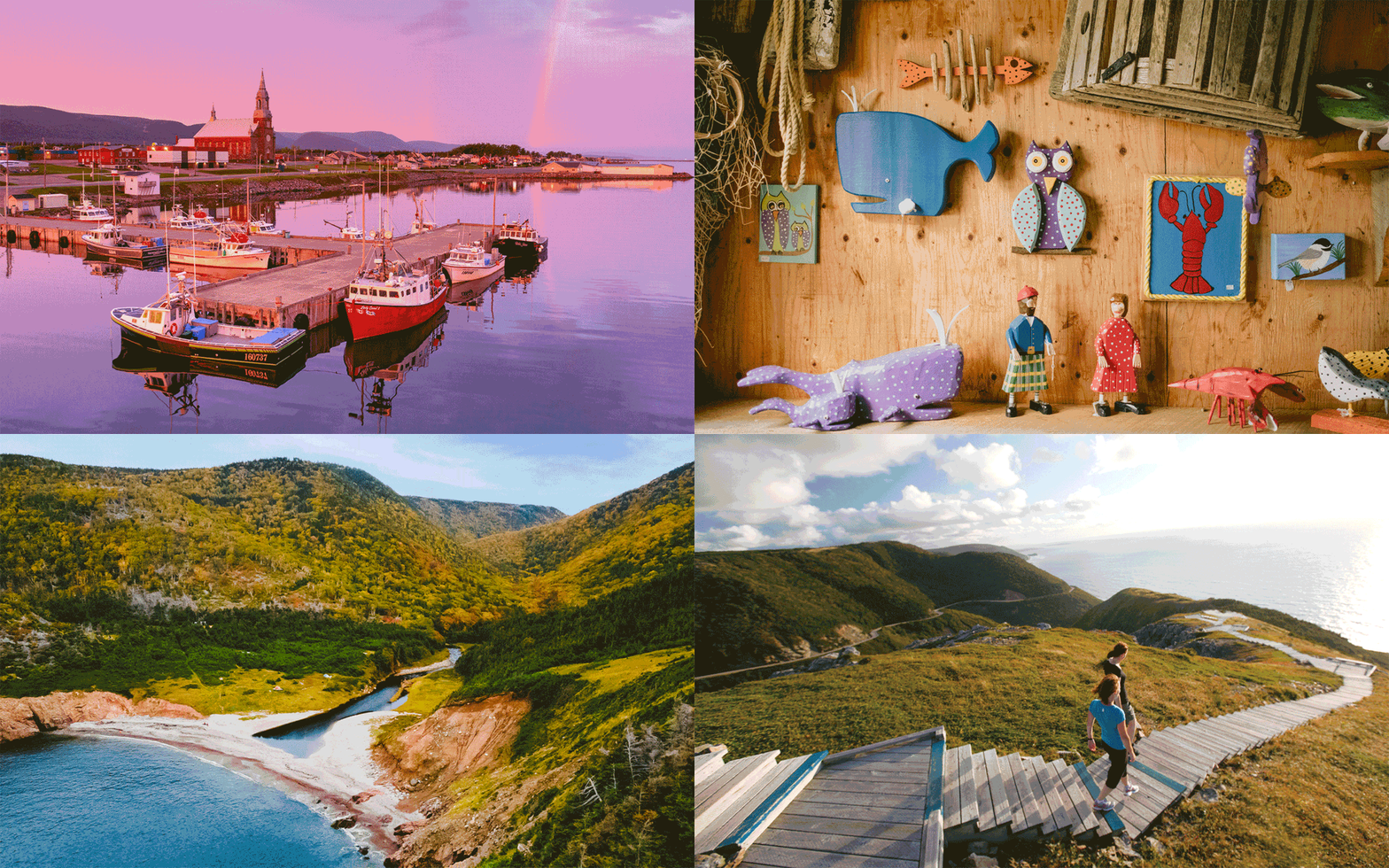
The Acadian fishing village of Chéticamp (pronounced the French way, with a “sh”) on Cape Breton’s west coast is sleepy but sweet and is the western gateway to Cape Breton Highlands National Park. Most of the in-town action happens within a few short blocks, including the posh little bakery and general store, Marguerite Boutique et Provisions, and the more upscale dining option, L’Abri restaurant. If you’re looking for something a little more casual, you can swing by The Doryman Pub & Grill for pub grub and live traditional music every night.
Chéticamp is where we set up, er, camp, to get to our morning hike at the popular, all-levels Skyline Trail. You need a park pass for each visitor and have to reserve your parking in advance (there are four-hour blocks for either morning or afternoon visits, and it takes up to three hours to walk the whole trail).
Even though the Skyline Trail is technically an easy hike, make sure you’re wearing hiking – or at least proper running – shoes. I made a true city-girl mistake thinking my fashion-y Adidas were good enough to save me from sore feet. Readers, they were not. But all the trudging about was worth it when we got to a dramatic headland cliff that’s about 1,300 feet (400 m) above the St. Lawrence, providing an eagle’s eye view of the Cabot Trail as it winds its way down the mountain and cars look like dinky toys. You can even watch for whales in the Gulf of St. Lawrence from the viewing decks.
While, sadly, we had to skip a whale watching excursion – one of the most beloved touristy pastimes in Cape Breton (because my son has never met a boat that doesn’t send him running for his sick bag) – it’s worth noting that Chéticamp is only about 40 minutes away from Pleasant Bay, a small fishing village that’s a primo launching spot for tours.
Ingonish
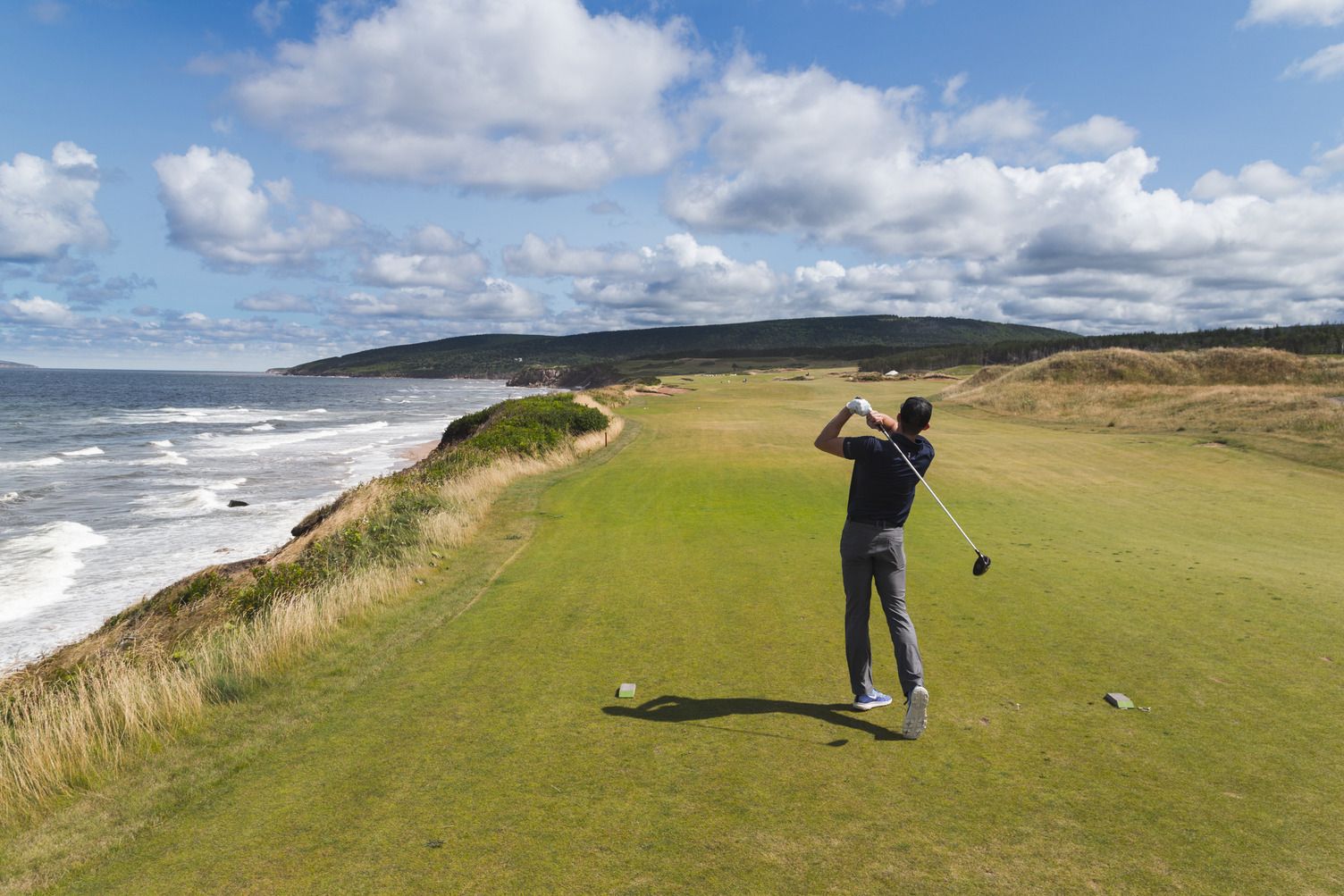
Golfers will want to make a point of teeing up at Cape Breton Highland Links, Stanley Thompson’s award-winning “mountain and ocean” course, which is carved right into the wilderness of Cape Breton Highlands National Park. We rode Atlantic Canada’s first gondola at Cape Smokey ski resort to the top of Cape Smokey to check out more incredible views of the Cabot Trail (so.many.views!). While the $58 price tag (teens are $45 and kids are $35, cheaper if you buy in advance online) might seem a bit much for what’s essentially a ride on a ski lift, once you’re at the top, there are a series of hiking trails and, best of all, access to complimentary kayaks on a sweet, still lake.
Louisbourg
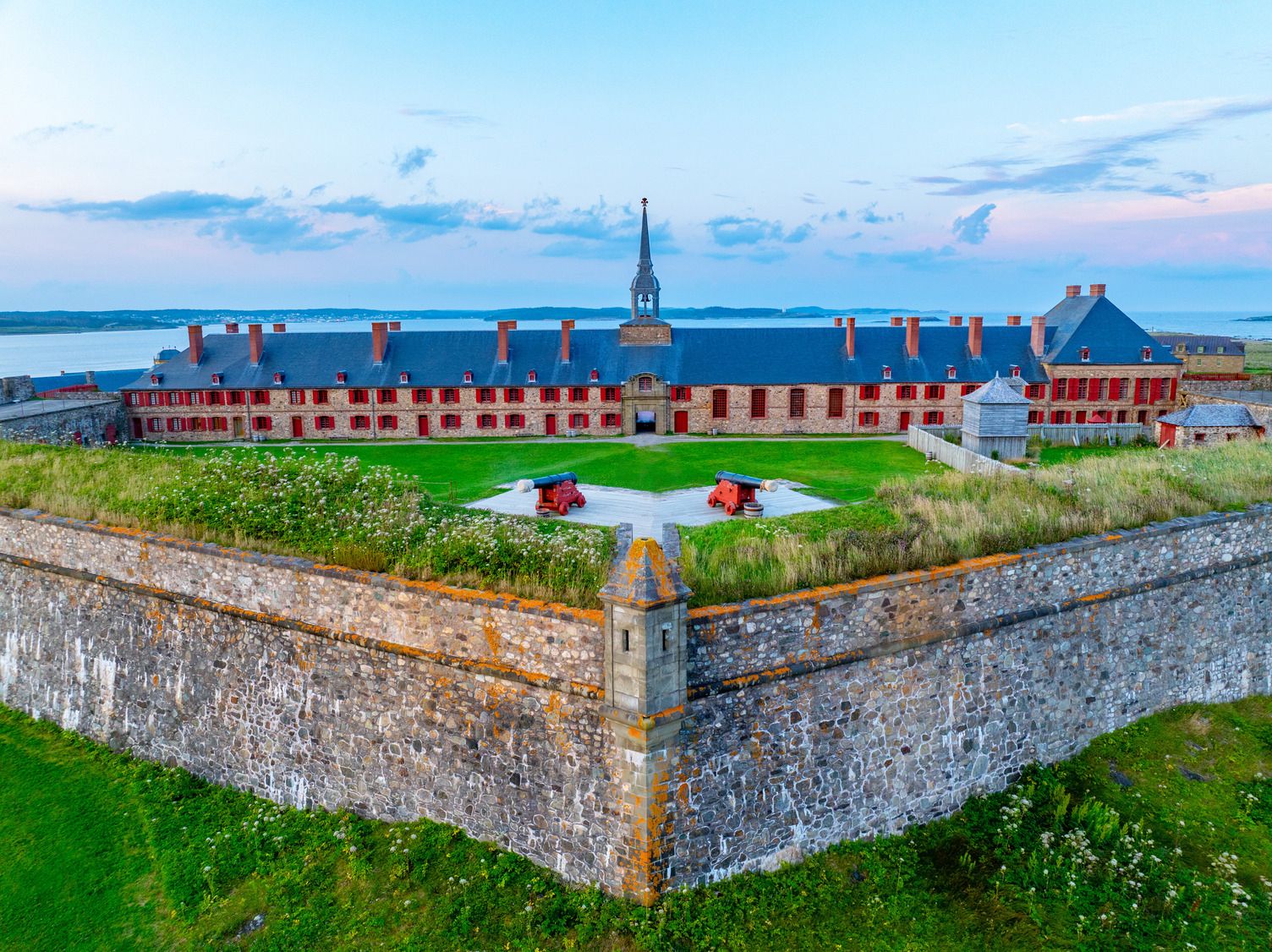
We skipped The Citadel in Halifax – Nova Scotia’s most famous historical fort – because we knew the even bigger Fortress of Louisbourg National Historic Site was awaiting us in Cape Breton. This site combines the actual ruins of the 18th century fort that once stood here, along with an expansive recreation – built between the 1960s to’80s – of a portion of the French colonial town that was both within and outside the fort’s walls. Costumed re-enactors do the usual pioneer-village schtick but the real gem is the detailed exhibits showing how the Canadian government ambitiously underwent an intensely inter-disciplinary research effort to recreate the town, which combined archaeological excavation, maps, plans and historical records from France, England, Scotland, the U.S and Canada.
Baddeck
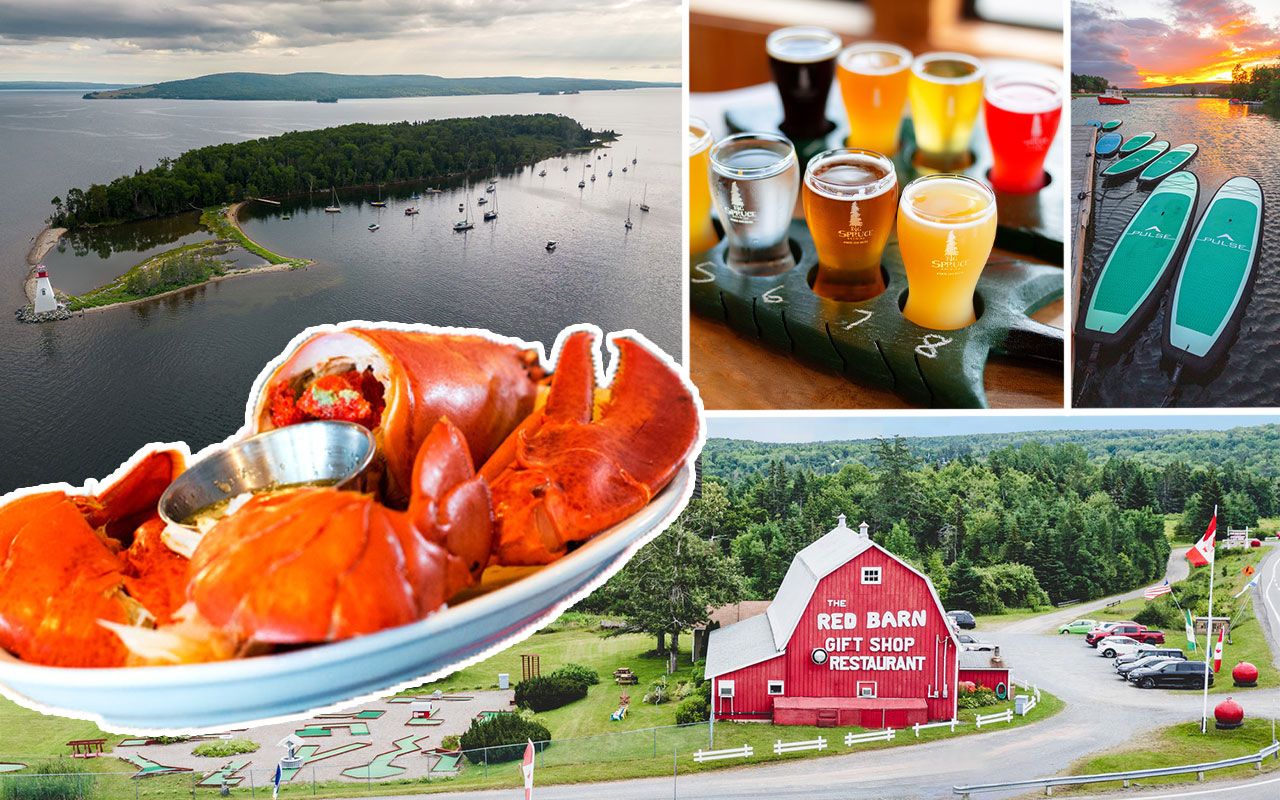
This picturesque town on the shores of Bras d’Or Lake feels like a much more intimate Muskoka. The summer homes clustered near the main drag of Chebucto Street are notably fancier than what we see on the rest of the island, and stylish little gift shops like Flying Kite Artisan Shop and Sand & Souls clearly cater to a crowd looking to make their cottage capital-C cute. While all-you-can eat lobster dinner at Baddeck Lobster Suppers is the go-to for dinner, all-day breakfast sandwiches from the groovy, retro-looking Highwheeler Cafe & Bakery are legendary, and we had a delightful lunch complete with lawn games just outside of town at Big Spruce Brewing, which has a delicious burger truck on site called Rose’s Smash Burgers. Baddeck was also where Mr. Telephone himself, Alexander Graham Bell, spent the final four decades of his life, so it’s where you’ll find the Alexander Graham Bell National Historic Site, a national park museum site commemorating the work of Baddeck’s most famous resident. (Guess what? It wasn’t just phones! Who knew?)
Where to Stay
Chéticamp: The Archie & Isidore Hotel
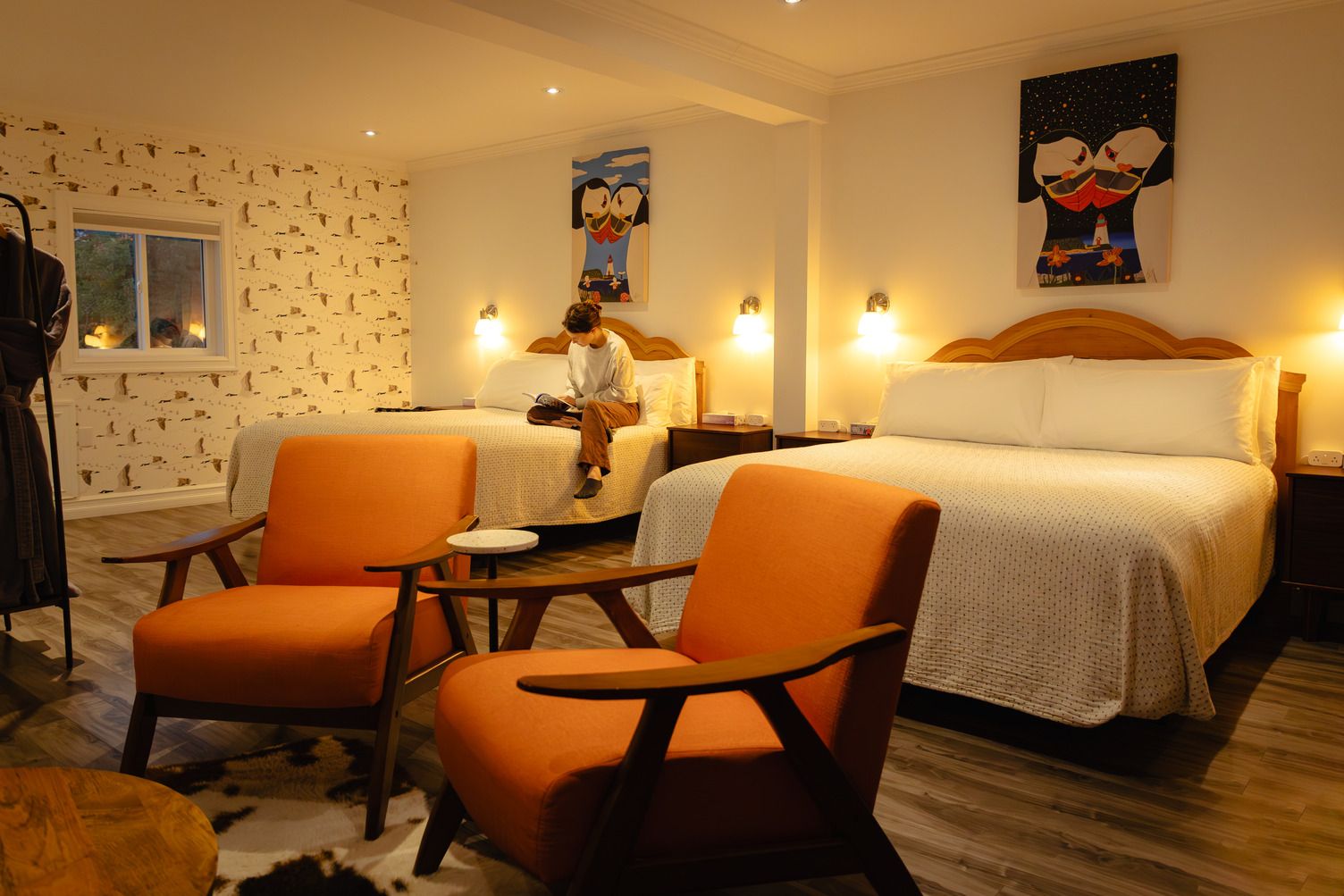
The accommodations in Cape Breton tend to be: 1) classic but somewhat generic; 2) old-school motels that haven’t gotten their Netflix-special redo or 3) camping (nope!). This adorable eight-room boutique hotel was the most city-girl-approved property we stayed in on the island. Am I a sucker for cute wallpaper, bright orange mid-century modern-esque lounge chairs and a cow-print rug? You bet I am! The rooms come stocked with Nespresso machines and snacks, there’s a communal kitchenette, and it’s on the main (er, the only?) drag close to several eateries. Deeper pockets can swing for a lakeside cabin at LaPointe Chalets.
Louisbourg: North Star Beach Suites
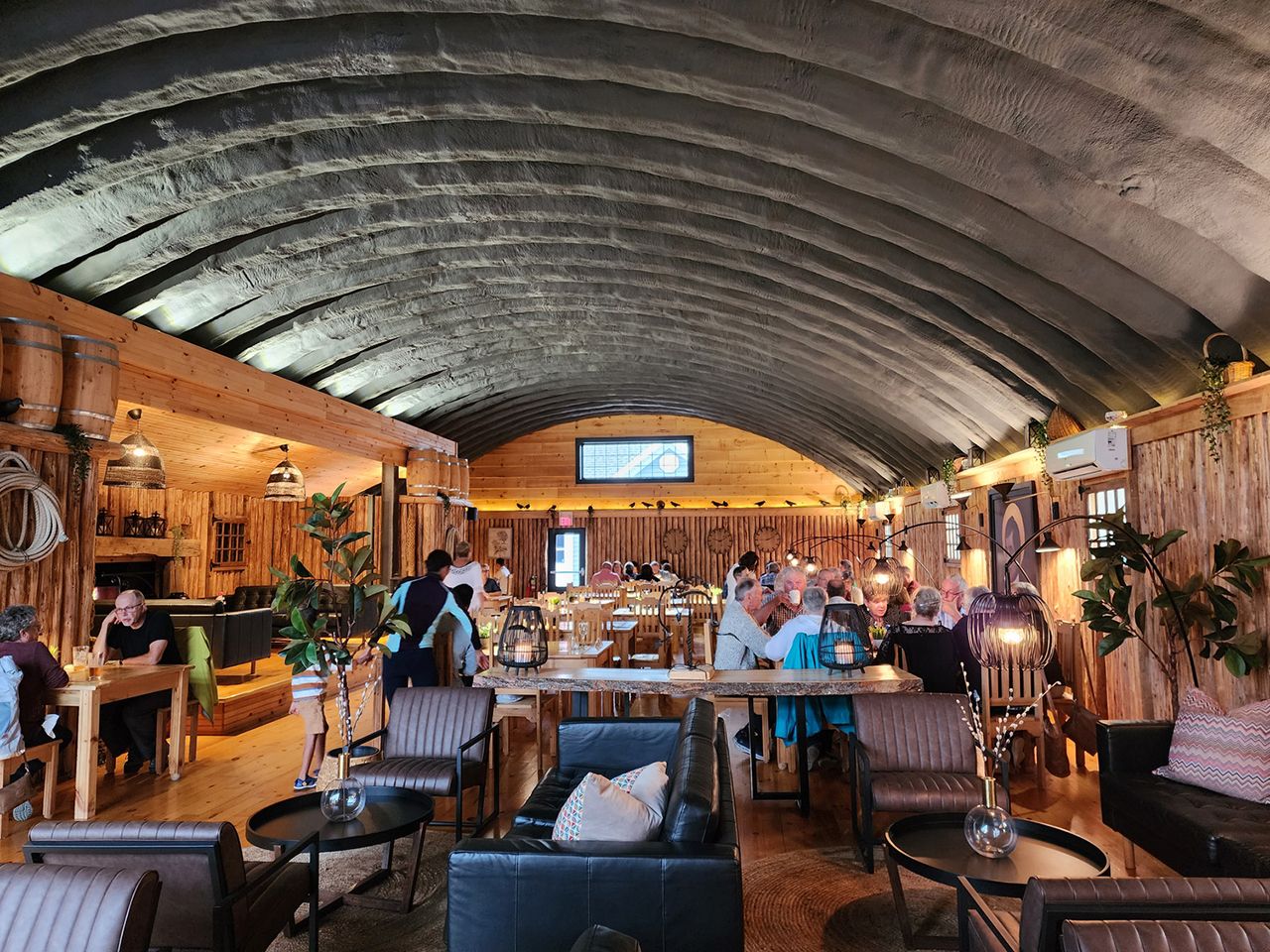
HGTV and Cottage Life interior-designer stars Colin and Justin overhauled the 22 rooms of this oceanfront resort just down the road from the Fortress of Louisbourg in 2022 with their signature chic, beachy vibes, and work on-site every summer. You can easily spot “the boys” (as the woman at the front desk calls them) bopping about the dining room balancing lobster rolls while posing for selfies. There are two restaurants and a cocktail bar as well as a bougie little gift shop. If you can’t snag a room but still want to visit the fortress, The Simon Hotel in Sydney is a good option that’s about a 40-minute drive away and also within striking distance of Indian Beach and Dominion Beach provincial parks.
Baddeck: Inverary Resort
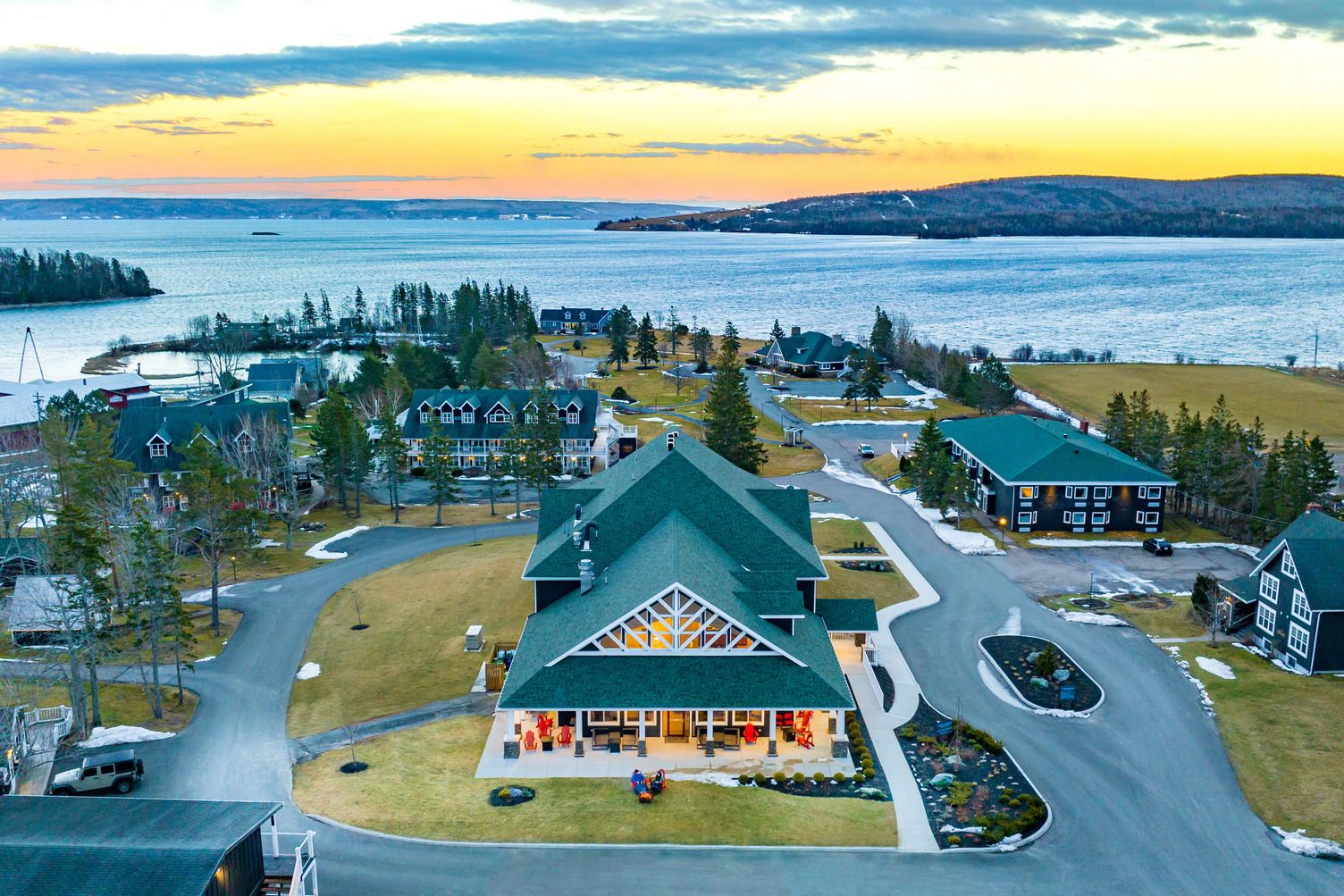
This resort, spread out over 11 acres on the banks of the Bras d’Ors Lake, feels like an overnight camp for grownups, complete with a life-size chessboard where my teen made mincemeat of his father in painfully short order. There’s pub food and live music every night at The Narrows Cafe and Bar, or a more refined, seafood-focused dinner on offer at the Lakeside Restaurant. (If you want to eat at Lakeside, make reservations in advance – we were out of luck when we arrived without one). While Inverary has been in operation since 1945, a series of recent renos meant our room looked as fresh as a wartime bride, with nary a wall scratch to be found. Renting kayaks and paddleboards costs extra, but taking a dip in the indoor pool, lounging on Muskoka chairs staring at the lake or sidling up the nightly bonfire is free.