





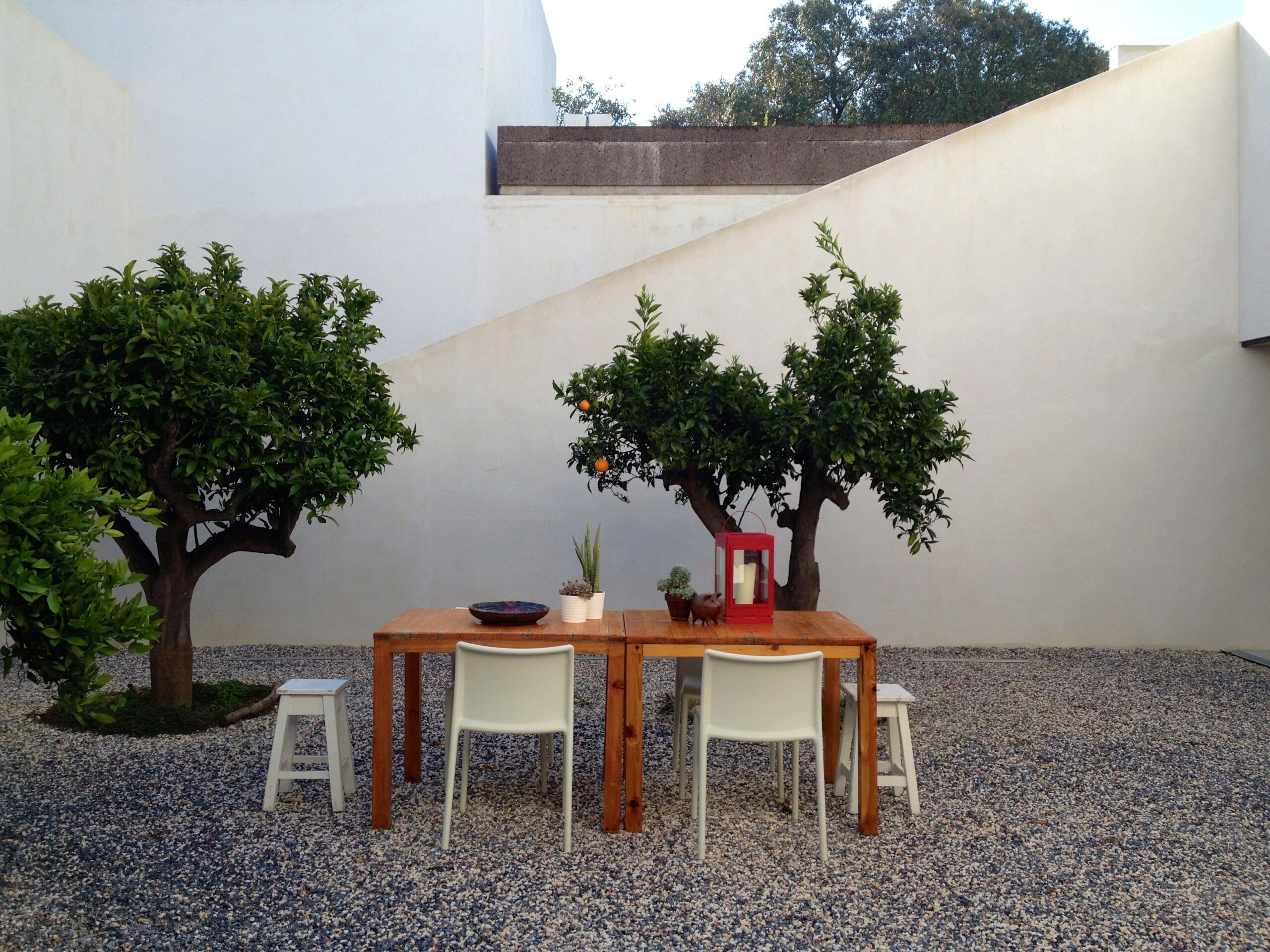
I’ve just arrived at Villa Extramuros, a modernist five-room hotel set amid olive groves in Portugal’s Alentejo region, near the small town of Arraiolos. It’s the first time I’ve seen sheep grazing near an infinity pool. But it won’t be the last. The divine owners of Villa Extramuros retired this past summer, and rumour has it that there will be a refresh and re-opening in the near future. Until then, the nearby L’AND Vineyards, a Relais & Chateaux hotel set in six acres of organically grown grapes, pairs the winning formula of contemporary architecture and sustainability set in the sweeping Alentejo landscape.
I’m on a week-long road trip in Portugal, where I’ll be checking into – to check out – the country’s new wave of eco-friendly boutique hotels and guest houses, starting with the regions surrounding Lisbon.
Portugal is suddenly at the forefront of high design yet comfortable retreats, which make good use of local materials like cork, clay, stone, wood and even wool, blending into the varied landscapes. My plan is to be green and serene.
On the road into Évora, the 20-century old capital of Alentejo, the minimalist beauty of sparse, gnarly cork oak trees gives way to hillside farmhouses and terracotta rooftops. Surrounded by medieval walls, the town is all handsome granite cobblestone and tile-clad buildings. At Café Alentejo, a casual welcome sees cracked green olives, oozing cheese and crunchy olive-oily bread hitting the table within seconds of our arrival, followed by local specialties like baked rice with duck that’s as homey as a casserole Monday.
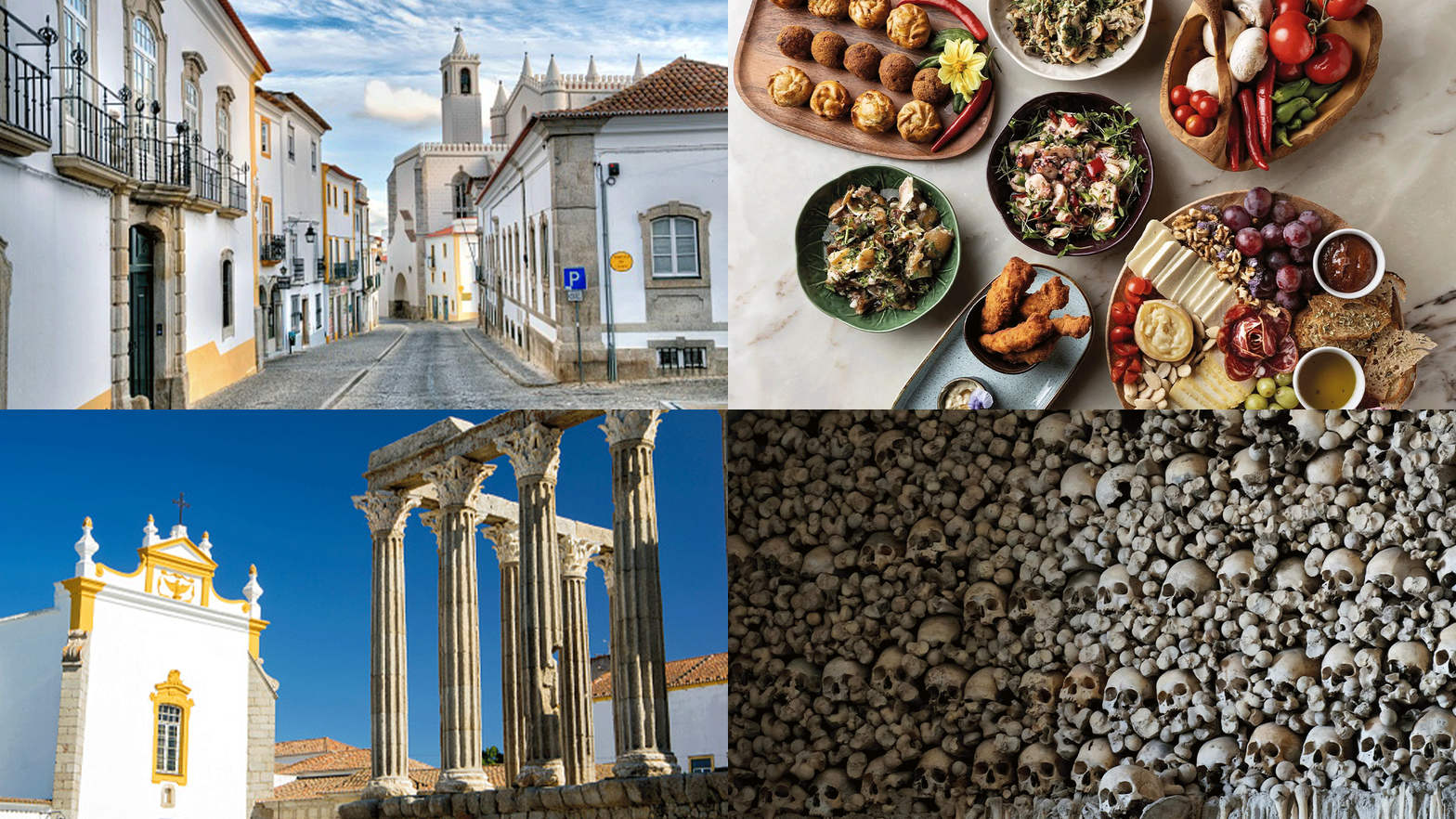
I love it here, I think, as I pop an olive. The town doesn’t feel like a museum of old culture. You see elements of the Roman era – including a Corinthian columned Temple to Diana – but the timeline keeps going. The city also appears to have an intimate relationship with death, owing in part to the Franciscan monks who created the hauntingly beautiful Capela dos Ossos, or Chapel of Bones, in the 17th century. The chapel is decorated with the bones and skulls of thousands of people whose remains were exhumed from overcrowded cemeteries.
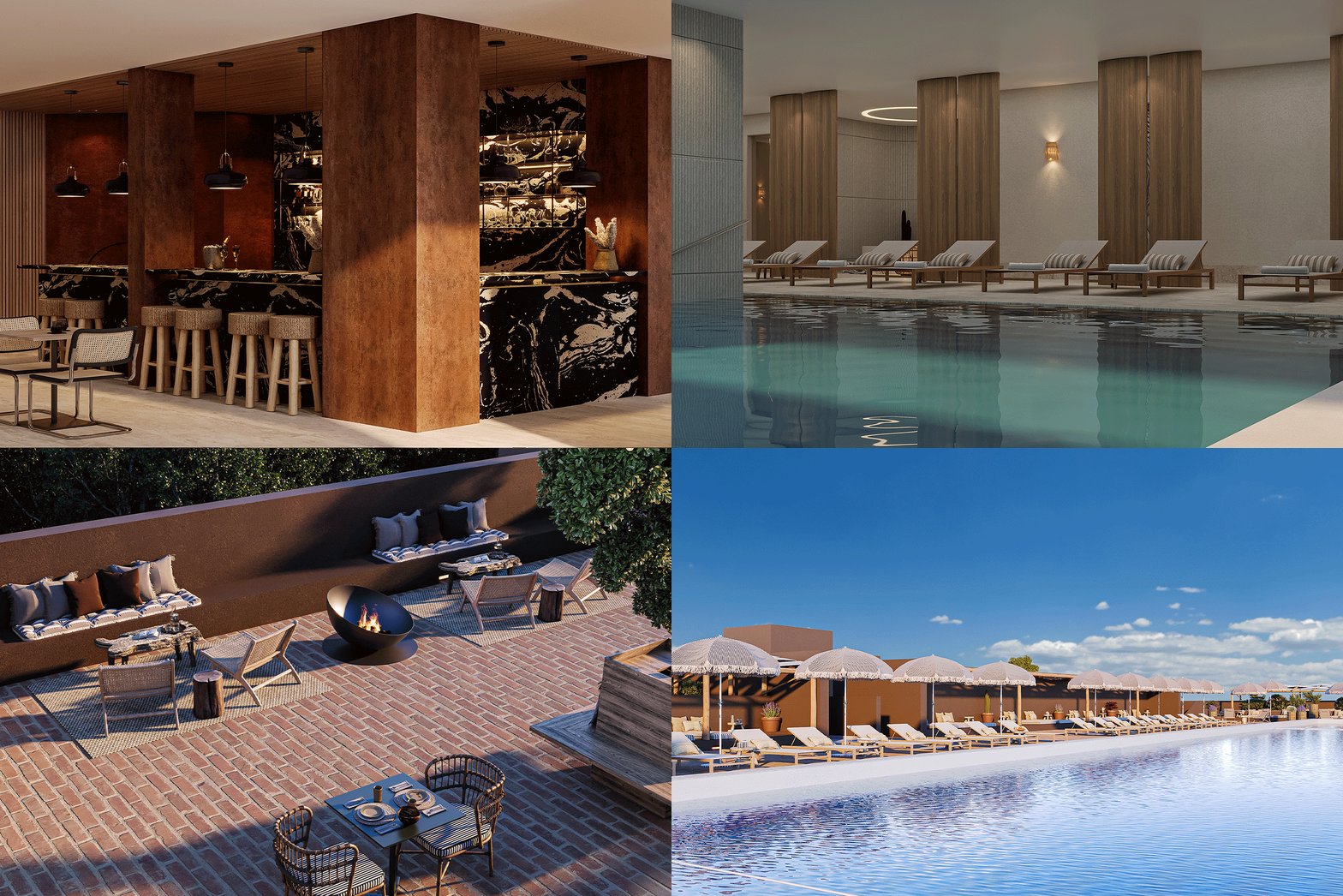
The partially solar- and geothermal-powered Ecorkhotel, also in the Évora district, illustrates how modernist high design can be rooted in the landscape. With its cork-clad main building (all sexy curves against a bold blue sky), and 56 whitewashed casita-style bungalows, plus all the trimmings of a great resort, a great restaurant, terrace bar and two infinity pools, here “eco” means anything but ugly. It’s ultra-modern but executed in natural materials. You feel utterly transported. To wit, I sit in the courtyard under an orange tree, reading up on a Cork Route excursion I may take (when in Évora)…
An hour northwest of Lisbon, I arrive in Óbidos, a buzzy town famous for its super-tasty cherry liqueur, called ginja, served in wee chocolate cups at spots like Petrarum Domus bar. (Tip: Skip the chocolate and have a double shot of ginja.)
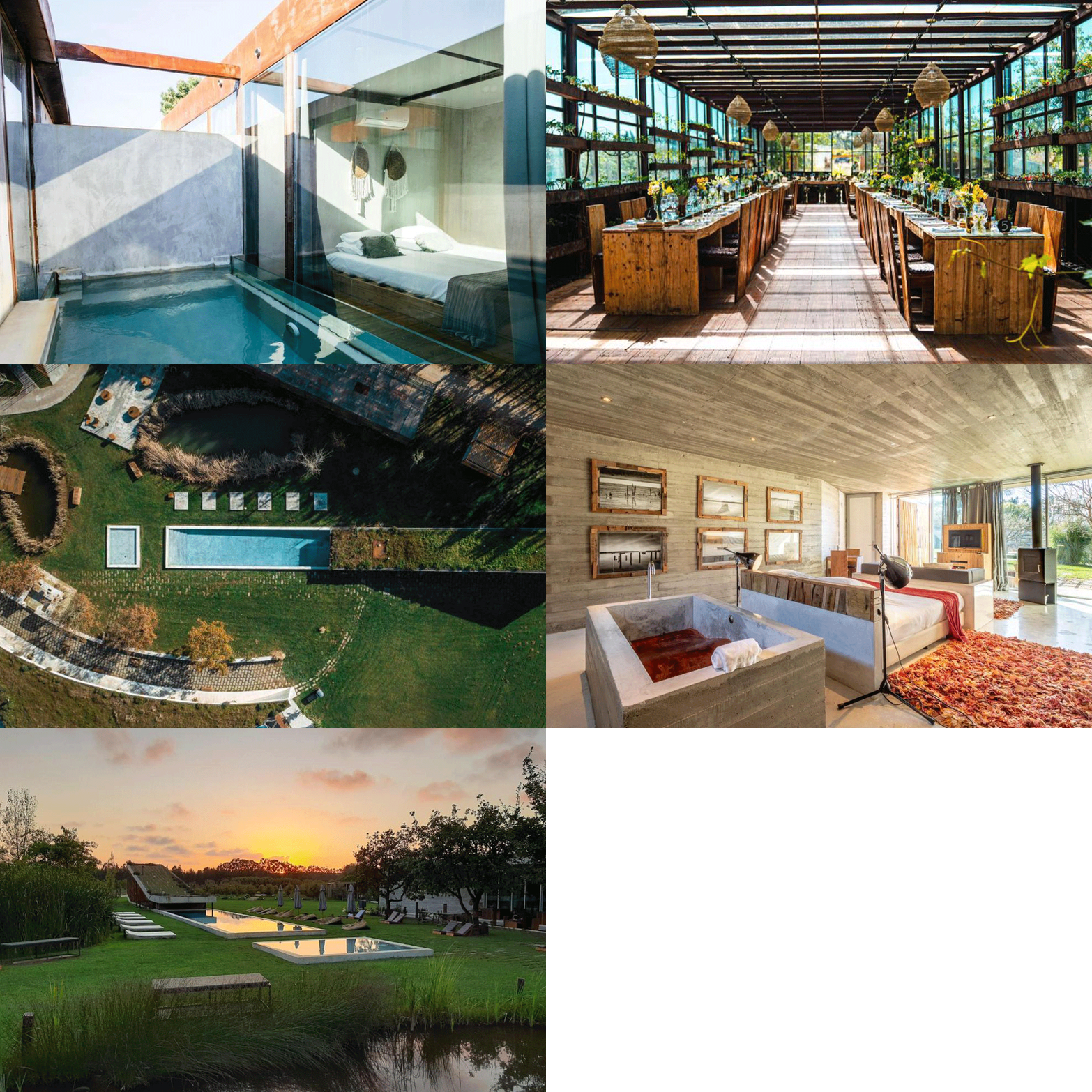
I leave the ancient city walls, amble four kilometres along a treed nature path – the seashore is just o’er yonder – and later check into Rio do Prado, which you can’t see until you arrive. But once you drive through the salvaged-steel front gates, you’re greeted by slabs of concrete and glass – roomy suites that appear to be emerging out of the surrounding meadowlands. There are eucalyptus window screens, a modernist greenhouse and firepits everywhere, perfect for gathering around while drinking local wine and eating wood-fired pizzas.
Rio do Prado’s curved main lodge basically spoons nature, while the grass-roofed Black Spa is almost fully underground. The creative green project even gives you a report card that maps your personal energy consumption during your stay, which makes me think twice about taking a deep salt bath in my room. Until I remember about the on-site plant for treating wastewater from the wash basins and baths.
As I sit on my front porch watching the sun slowly dip, the atmosphere engulfs me. It’s about what you hear (frogs and birdsong), what you see (everything is modern, recycled or upcycled) and how you feel (insanely relaxed).
A reddish-orange suspension bridge is also a gateway to my final stop: Lisbon, Portugal’s capital. The closer we get, the more she reveals herself from beneath a foggy cloak: layer upon layer of terracotta, palm trees, patterned promenades and multi-coloured tile. Gorgeously Mediterranean.
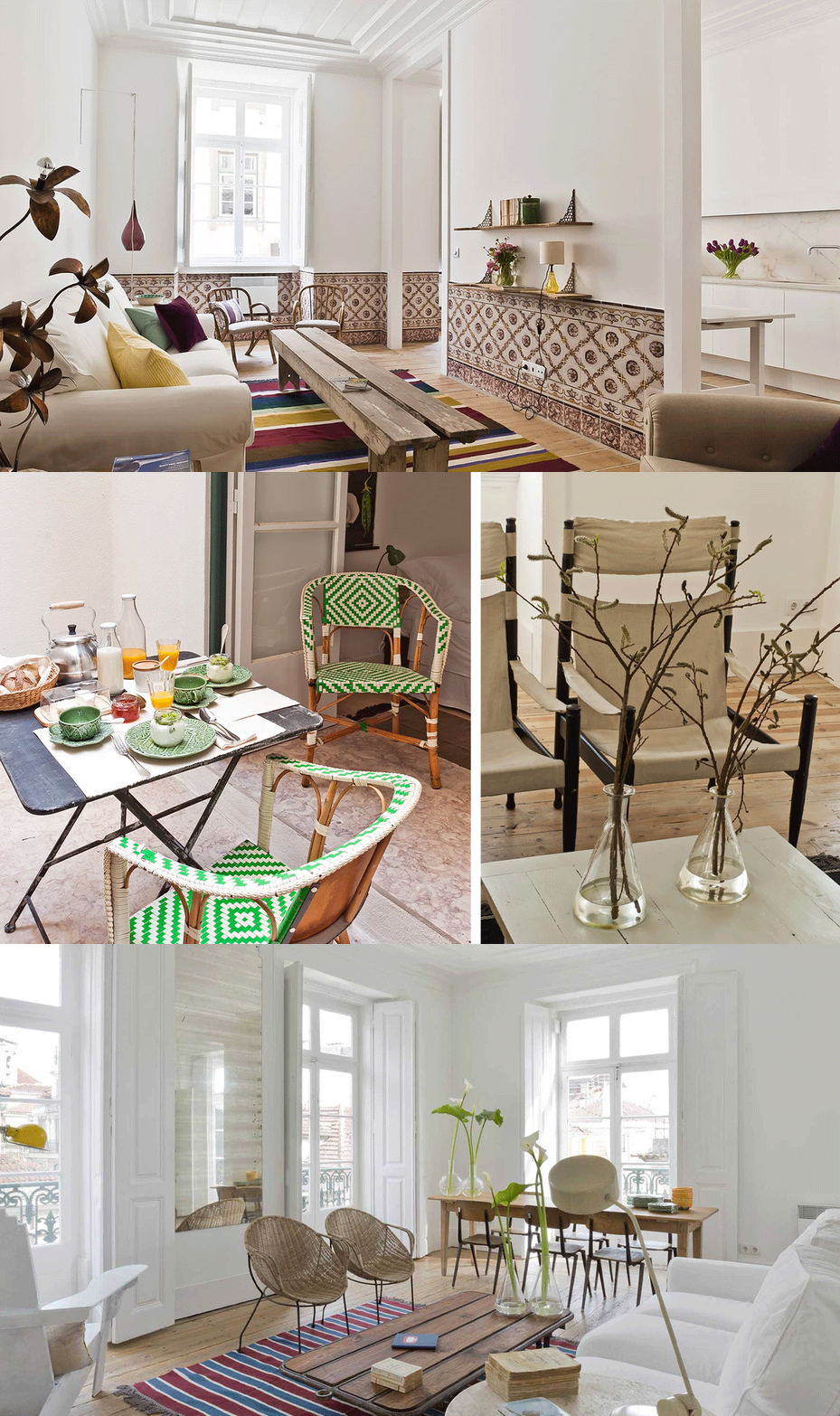
Baixa House, the sun-drenched rental apartments where I wish I lived for good, is located in an 18th-century property in the Baixa district and feels like crashing at a designer pal’s Lisbon pied-à-terre where all of your needs are cared for. There’s fresh bread hung on your doorknob each morning and homemade tea cakes when you return home from a long day of sightseeing. There are tons of shops and cafes nearby and even a handy wine store, just down below.
Designer Juan de Mayoralgo bargain-hunted his way through souks, estate sales and nearby flea market Feira da Ladra, designing 13 apartments on a strict budget. Each apartment is named after a famous Lisbon garden – this is a magnificently green city – and he’s pulled off a winning blend of rustic benches and weathered patio chairs softened with luxurious fabrics and botanical prints. The result is eclectic, personal and distinctly Portuguese.
But what I love most is that you have a key to the front door of an amazing historic building, coming home to your very own Lisbon apartment. It makes me feel like a citizen of the city, rather than just a design-loving tourist.
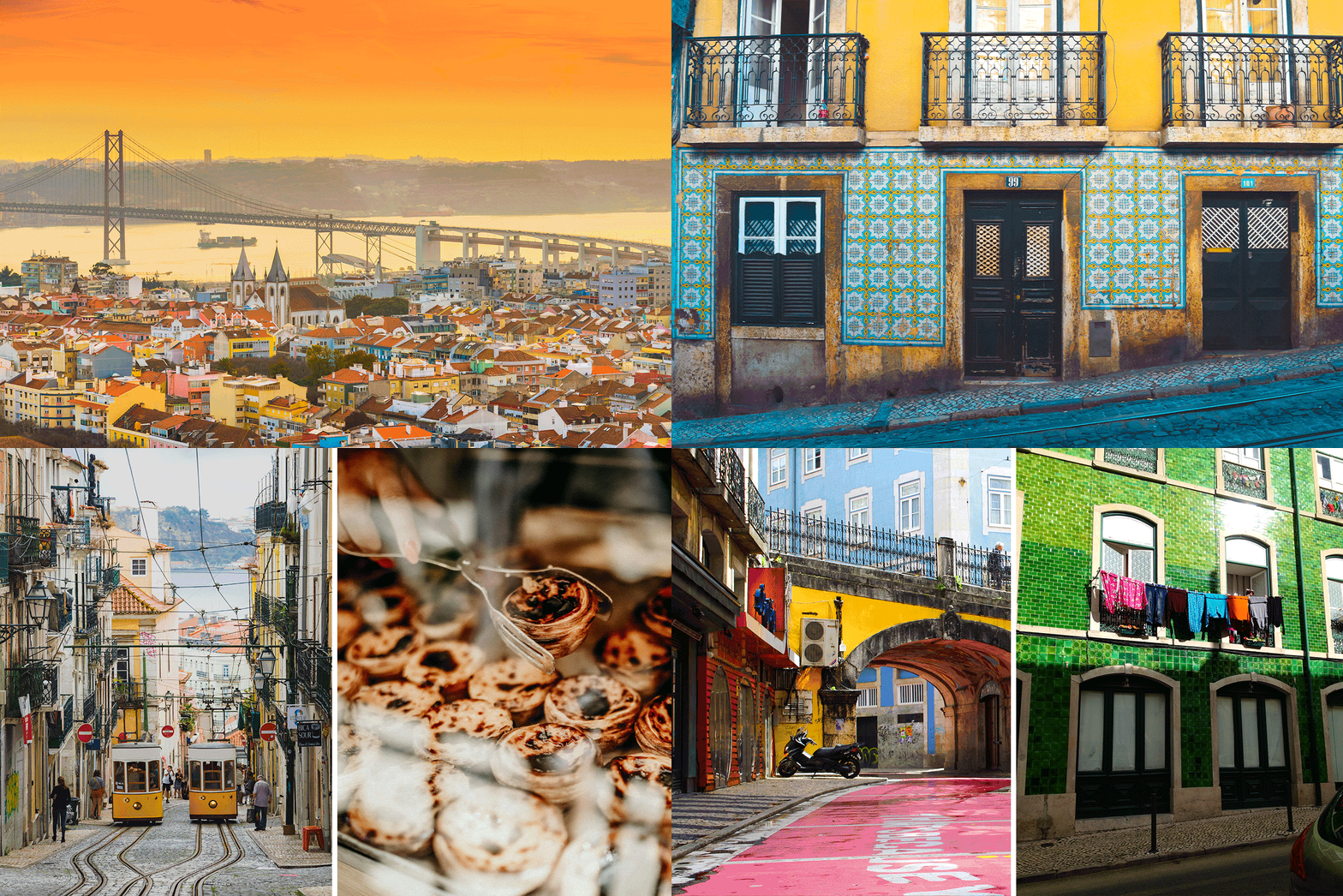
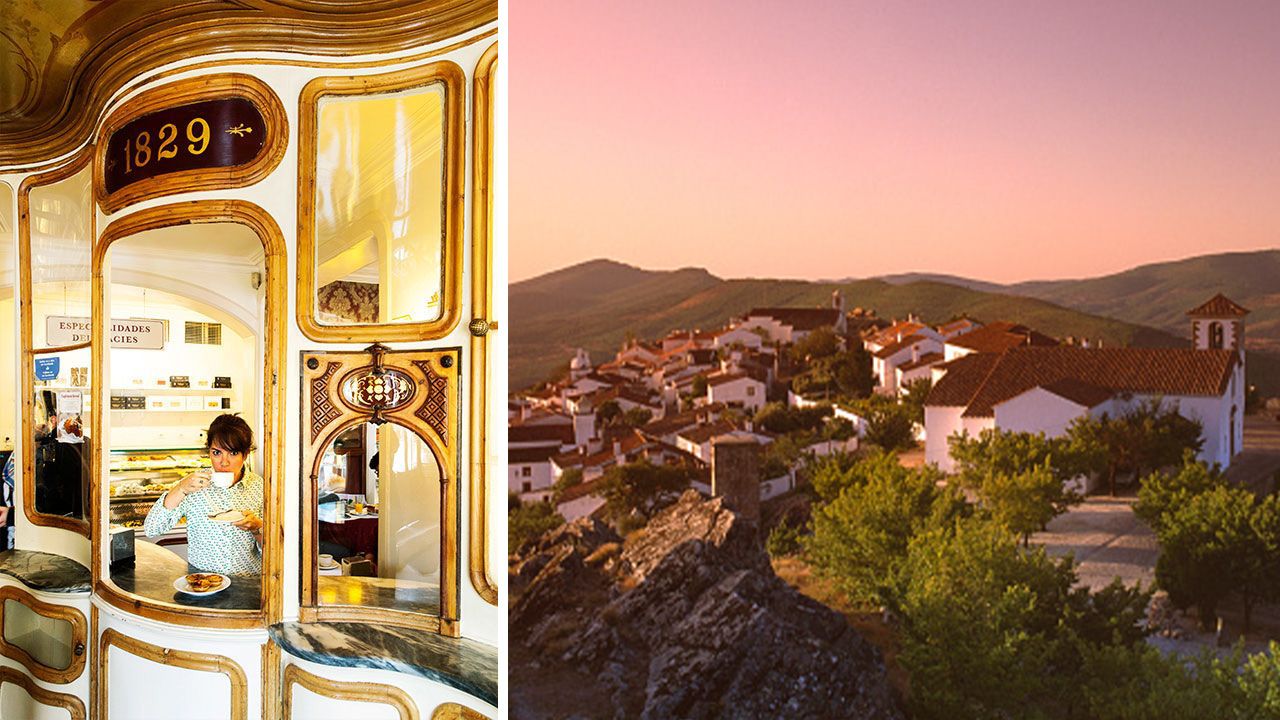
Portuguese tarts, pastéis de nata, are a way of life and should be eaten daily. Best bets in Lisbon: Antiga Confeitaria de Belém and Confeitaria Nacional – which has been producing tarts since 1829 and serves them warm.
Honouring Arraiolos’ famed rugs, Centro Interpretativo do Tapete de Arraiolos is a former medieval hospital transformed into a stunning museum, all done up in Estremoz marble by a cutting-edge architecture firm.
From soaps and sardines to books and blankets, pick up Portuguese-made products at A Vida Portuguesa, a chic gift shop.
*As of this writing, Villa Extramuros has just been sold and is undergoing renovations.