



Centuries ago, Marco Polo famously described Ceylon – now Sri Lanka – as “the finest island of its size in the world.” A promise of exotic wonder that still holds true today. For Canadian travellers like me who have yet to brave the human hive that is India, this tranquil “teardrop”, resting just south of its massive neighbor, offers a far less daunting entry point to the region.
While Sri Lanka distinctly charts its own cultural path, it shares a vibrant sensory tapestry with India. At the heart of this common heritage lies an age-old devotion to Ayurveda, an ancient wisdom based on natural medicine and holistic health that both lands hold dear.
Originating in India over 5,000 years ago as a secular medical system independent of any religious dogma, Ayurveda was long dismissed by the Dutch and British colonial powers in Ceylon. The island only fully restored the traditional wisdom to its prestigious status after gaining independence in 1948. It officially changed its name to Sri Lanka in 1972.
“People often think of Ayurveda as a simple wellness trend, but for us, it’s a science,” explains Dr. Shanika De Silva, a practitioner with a Bachelor of Ayurvedic Medicine and Surgery at Anantara Peace Haven Tangalle Resort where I’ve come for an Ayurvedic retreat. “Today, it’s taught in our universities right alongside modern medicine.”
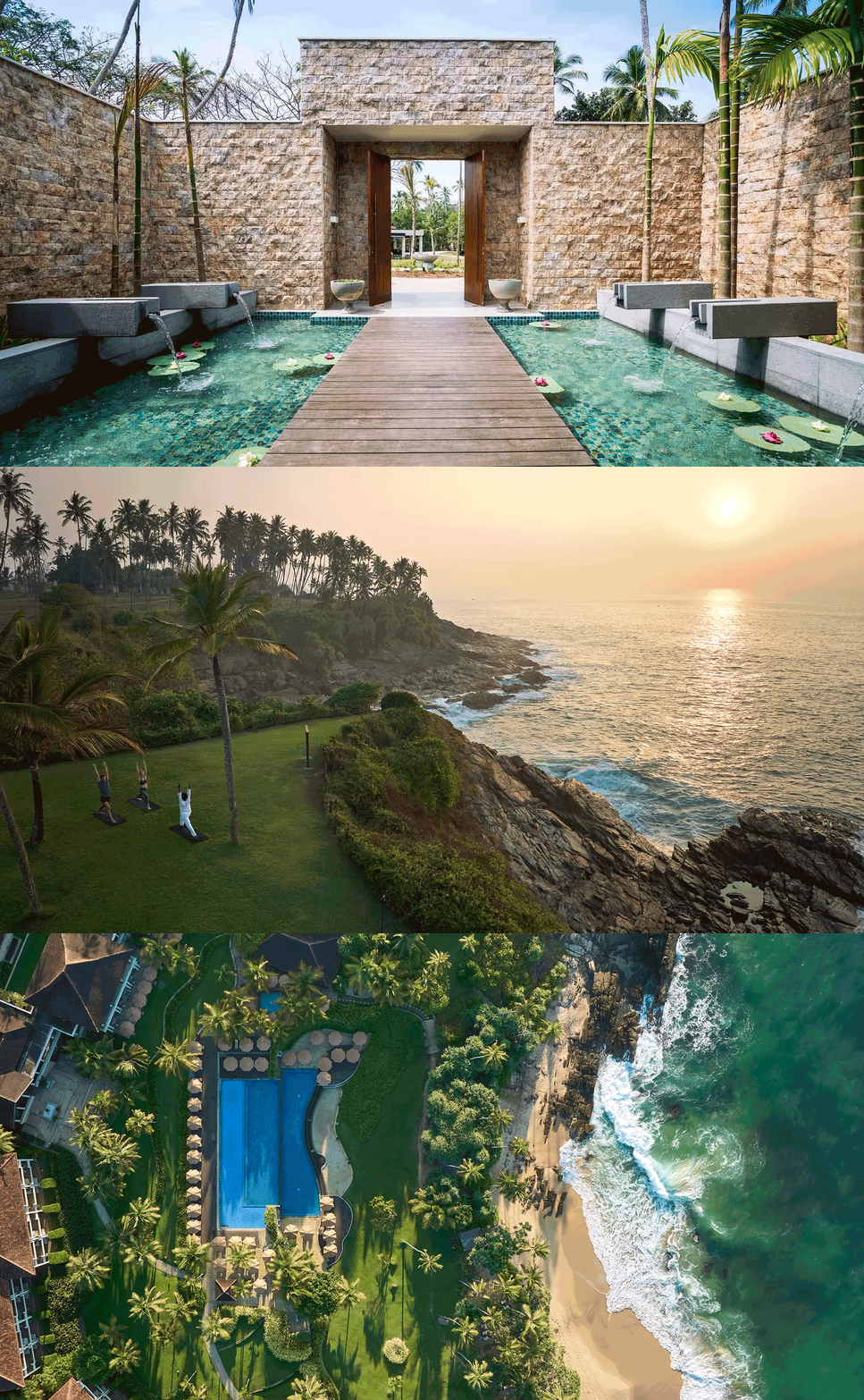
Overlooking the golden beaches of Tangalle, a lively coastal town in Sri Lanka’s deep south, Peace Haven fully earns its name, framed by swaying palms and the rolling Indian Ocean. Just a short stroll from the bustle of the local fish market and family-run stalls where fishermen mend their nets, the Anantara resort offers an idyllic sanctuary to experience the ancient wellness philosophy brought to life through regional flavors, without ever feeling like a cloistered oasis.
Known for its seven-day Ayurvedic retreats, it offers guests a complete reset.
Each program provides a tailored journey inviting travellers, often here seeking succour from the hectic pace of their everyday lives, to explore connections between physical health, emotional balance and daily nutrition. Like every well-being seeker arriving here, my personal quest begins with a one-on-one consultation mapping my original blueprint (prakriti) and present state of balance (vikriti).
Meaning “science of life” in Sanskrit, Ayurveda relies on an ancient holistic framework: balancing the body’s three fundamental forces, Vata (governing movement), Pitta (regulating metabolism), and Kapha (providing physical stability).
What follows is a deep dive into my daily routine, with questions probing everything from my sleep and digestion to my concentration and reaction to changing seasons. It appears my Pitta tends to dominate the mix, yielding a healthy appetite, no doubt, but also an intense disposition and a pesky tendency toward impatience and irritability under stress.
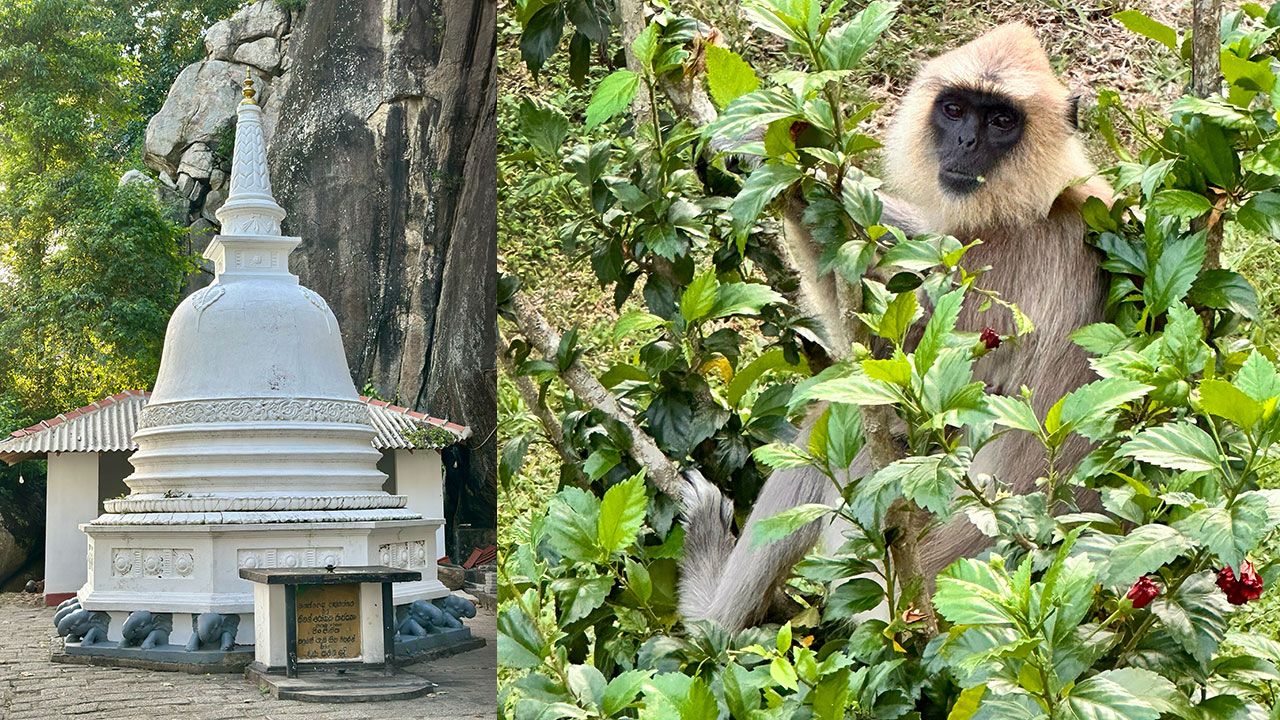
At this moment, pressure is the last thing on my mind. After witnessing coastal crews haul in a massive maadael – a traditional beach netting method where lines of fishermen rhythmically heave a giant crescent of mesh straight from the surf onto the sand – I traded the ocean spray for a grueling climb, pushing my way up the 500 steps to Mulkirigala, a breathtaking monastery overlooking endless jungle. Now, soaking in my bungalow pool’s quiet luxury, I watch a troop of grey langurs – a genus of Old World monkeys native to the Indian subcontinent – raid the resort’s manicured grounds, eyeing me curiously between enthusiastic bites of tropical blossoms and ripe fruits.
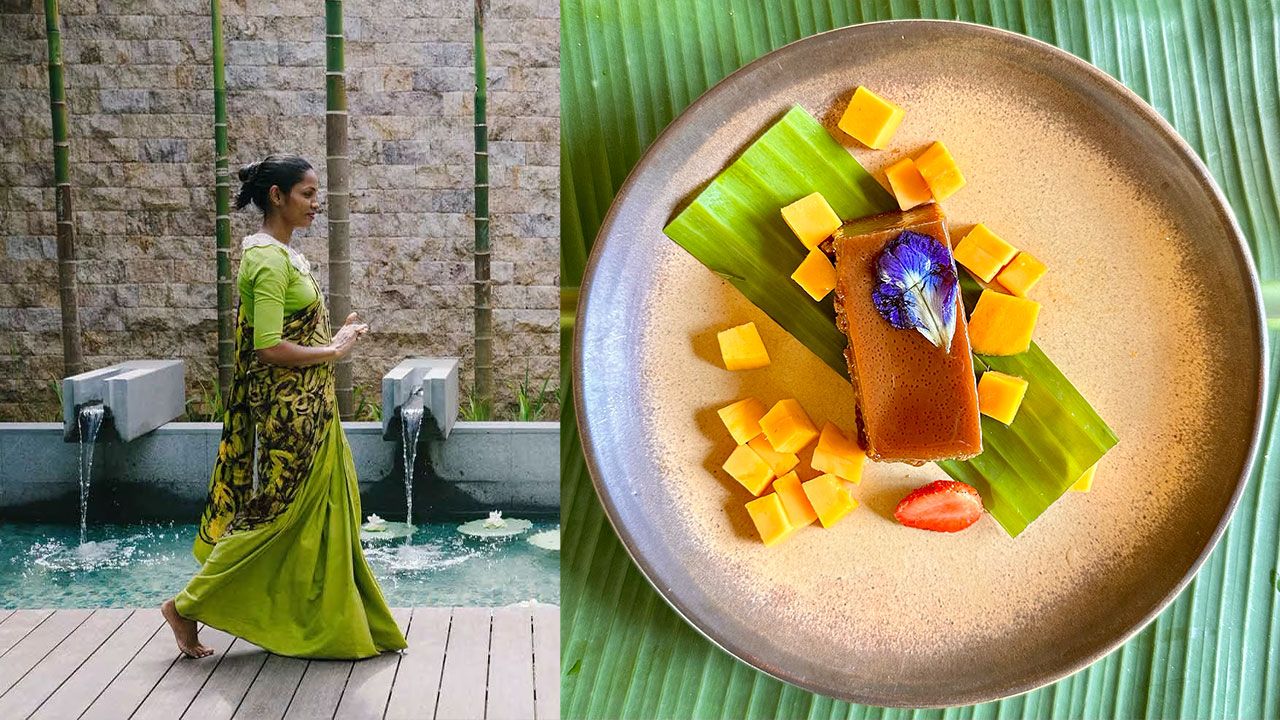
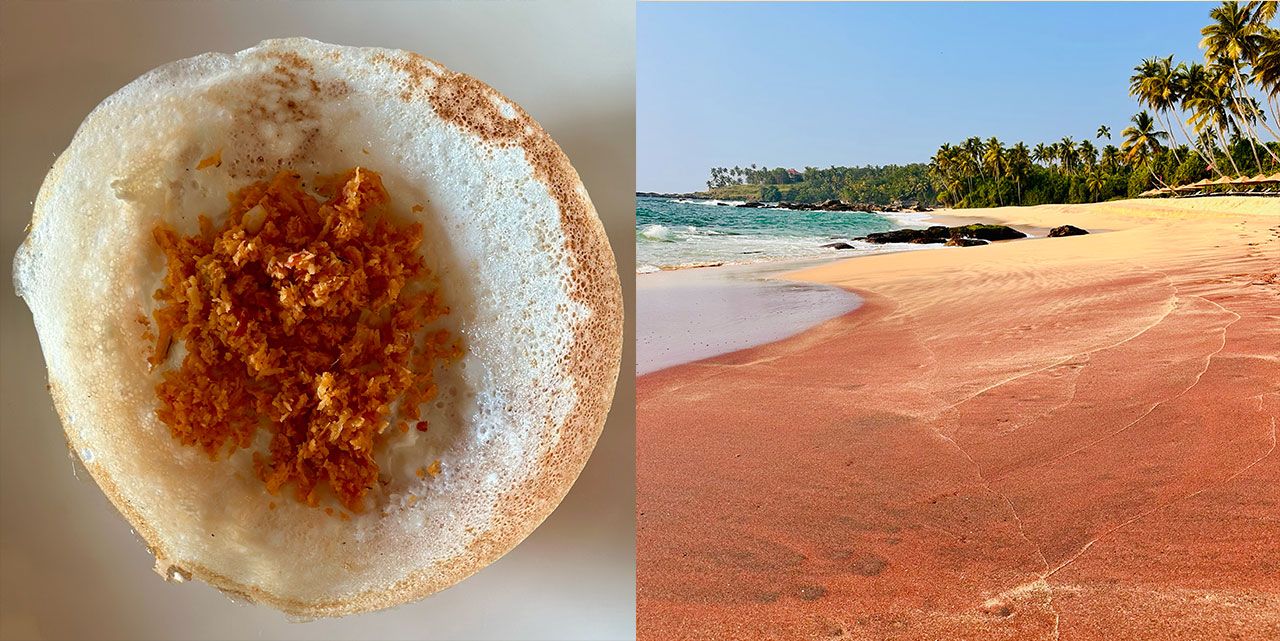
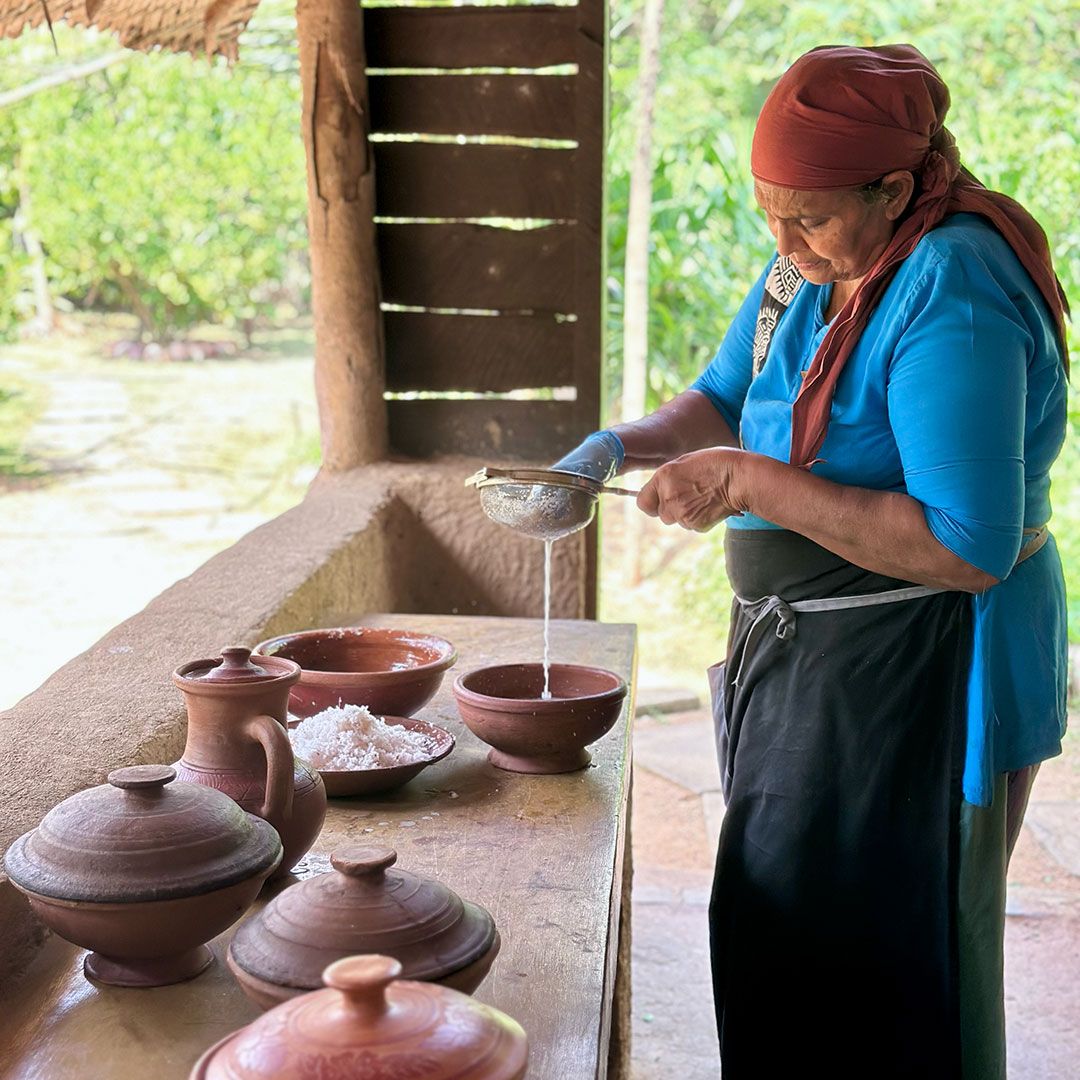
All this snacking inevitably stirs my appetite. Having discovered hoppers (crispy, bowl-shaped rice crepes served with zesty coconut sambol) at breakfast, I decide to dive deeper into local flavours for dinner with kottu roti, Sri Lanka’s defining street food. At Verala, Anantara’s beachfront grill, this beloved staple takes on a refined spin. The shredded flatbread, crisp vegetables and warm spices are tossed over an open flame, just steps from the waves. Much to my delight, this is merely a preview. Tomorrow brings the true highlight: a private hands-on experience with the resort’s resident chef affectionately known as “Mama Nilamani” in a traditional paddy-field kitchen. Guided by her artful mastery of spices, I hope to bring my doshas (the elemental forces governing body and mind) back into harmony.
First, I start my morning with Peace Haven’s daily ritual of oceanfront yoga and meditation. This was followed by ancestral bodywork – traditional ancient hands-on healing techniques that combine therapeutic oils, herbs and specific massage techniques to balance the body’s energy and promote healing – including Abhyanga, a full-body oil massage, and Shirodhara, where a steady stream of warm herbal oil flows over the third eye (forehead) to quiet internal chatter and finds its completion at the artisanal clay stoves.
Before any cooking begins, Mama Nilamani guides me through her garden. Leaves and roots gathered here are vital elements, handpicked to nourish the body while balancing every flavour. Take goraka, for example. A small tamarind-like tropical fruit used for generations to add a signature tang to Sri Lankan cooking, it plays a crucial role in curries, cutting through the richness of coconut milk, tempering chilies’ heat, and bringing all spices into a single symphony.
Ceylon cinnamon remains the undisputed star ingredient. Far milder and sweeter than common cassia (the closely related species found on standard supermarket shelves), it elevates everything from meat curries to perfumed rice, blending seamlessly with cardamom, cloves and black pepper. In Ayurveda, such warming spices are prized for boosting digestion and restoring energy.
“We even burn cinnamon wood for cooking because it’s healthier,” Nilamani explains, pointing toward nearby plantations shaped by centuries of colonial history. “Down south, it’s everywhere; we season almost every dish with it,” continues the mother of four, sharing recipes passed down through generations, as initial aromas drift from the clay hearth, instantly awakening taste buds.
Today’s menu unfolds as a sensory feast. Paired with snake gourd salad – a tropical vine vegetable finely sliced and tossed with fresh grated coconut, lime juice, and sweet peppers to cool the palate – my host sizzles up isso thel dala, succulent prawns sautéed with onions, garlic, chilies and whole spices.
The feast concludes with watalappan, a luscious steamed dessert rooted in the centuries-old Malay heritage brought by Southeast Asian settlers. Brimming with coconut milk and deep brown kithul jaggery (unrefined palm sugar with rich caramel undertones), this warm custard carries subtle notes of cardamom, nutmeg and Ceylon cinnamon.
Thoroughly sated yet remarkably light, I am left with the satisfying sense of having nourished body and soul without feeling overly full. Outside, a quiet path leads down to a wide crescent of golden sand punctuated by jagged black granite boulders against the rolling waves. Walking where ocean spray meets tropical greenery, I sense a striking resonance.
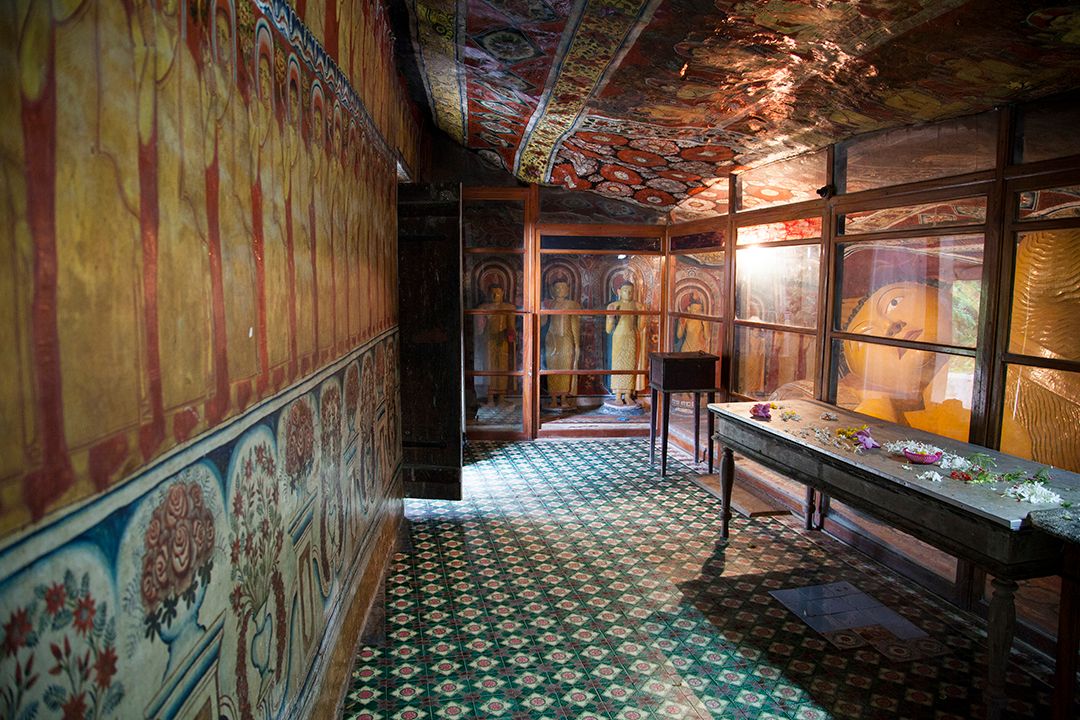
The relentless roar of the surf and the tearing gusts of the wind find their ultimate counterweight in a peaceful reclining Buddha seen earlier at Mulkirigala Rock Temple. Molded during 18th-century Kandyan times, this 14-metre sacred figure was shaped when Sri Lanka’s final independent monarchy fiercely defied European expansion from its mountain stronghold. To this day, the venerable effigy rests in parinirvana, the supreme expression of liberation and a quiet mind found in Theravada, an ancient school of Buddhism deeply rooted in the island.
Just inland from Tangalle’s churning waters where local fishermen navigate the coastal swells, this ancient sacred figure brings profound stillness, teaching the spirit to anchor amidst nature’s upheaval. The surrounding world may storm, but the inner self remains whole, untouched and fundamentally serene. As salty spray catches low golden light along the “teardrop” island’s southern coast, I carry away steady, grounded clarity, ready to step back into urban blur.
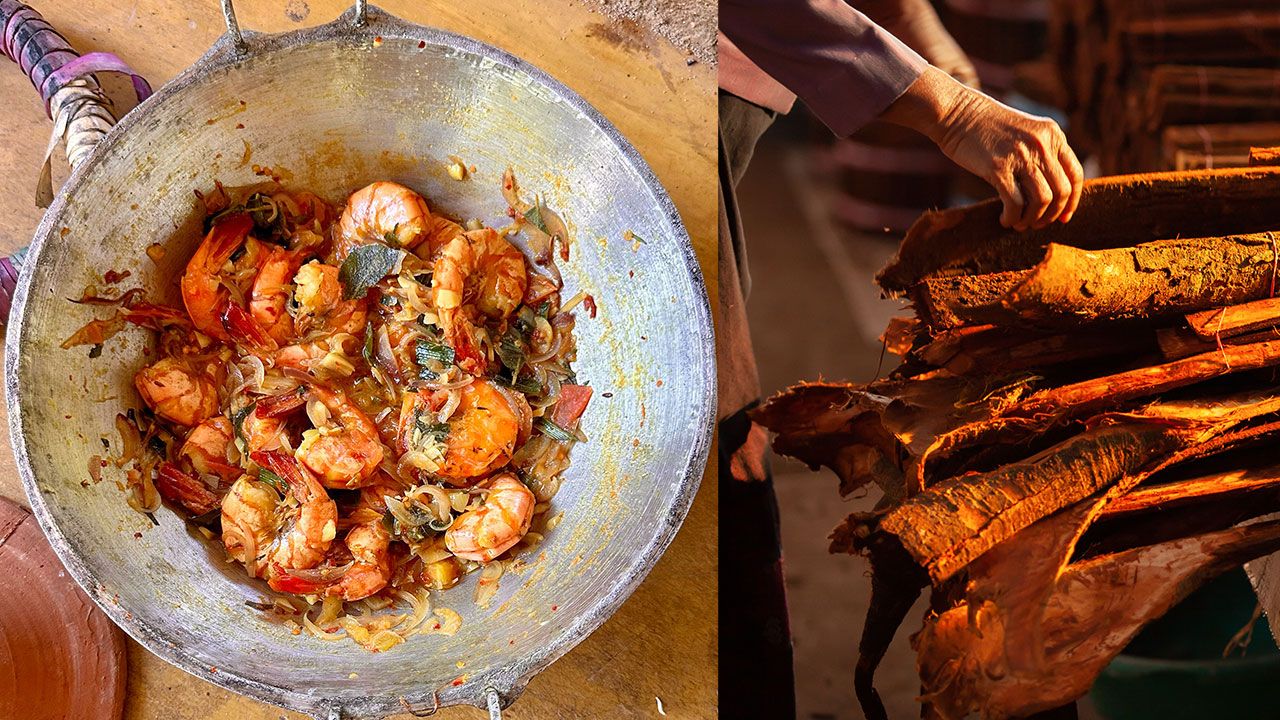
Cinnamon wood harvested from local plantations crackles in the stove, filling the open-air kitchen with a warm, aromatic fragrance; A Sri Lankan breakfast staple : golden, bowl-shaped hoppers paired with vibrant, spice-laced coconut sambol;The feast concludes with watalappan, a luscious steamed dessert rooted in the centuries-old Malay heritage brought by Southeast Asian settlers. Brimming with coconut milk and deep brown kithul jaggery (unrefined palm sugar with rich caramel undertones), this warm custard carries subtle notes of cardamom, nutmeg, and Ceylon cinnamon.
Thoroughly sated yet remarkably light, I am left with the satisfying sense of having nourished body and soul without feeling overly full. Outside, a quiet path leads down to a wide crescent of golden sand punctuated by jagged black granite boulders against the rolling waves. Walking where ocean spray meets tropical greenery, I sense a striking resonance.
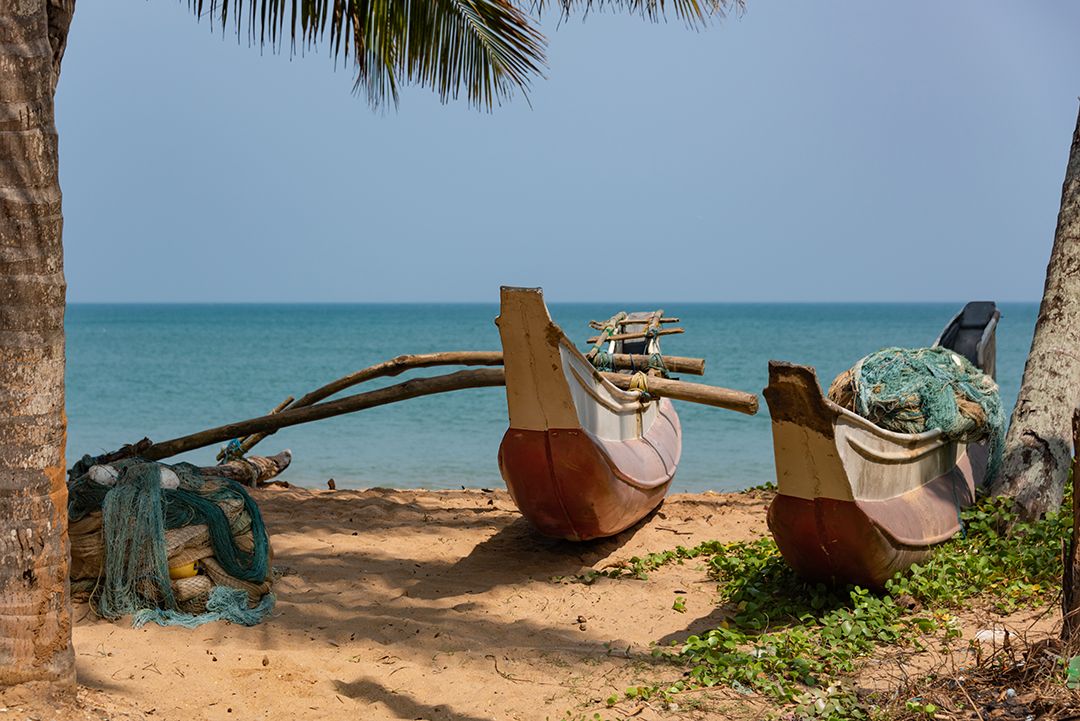
The relentless roar of the surf and the tearing gusts of the wind find their ultimate counterweight in a peaceful reclining Buddha seen earlier at Mulkirigala Rock Temple. Molded during 18th-century Kandyan times, this 14-metre sacred figure was shaped when Sri Lanka’s final independent monarchy fiercely defied European expansion from its mountain stronghold. To this day, the venerable effigy rests in parinirvana, the supreme expression of liberation and a quiet mind found in Theravada, an ancient school of Buddhism deeply rooted in the island.
Just inland from Tangalle’s churning waters where local fishermen navigate the coastal swells, this ancient sacred figure brings profound stillness, teaching the spirit to anchor amidst nature’s upheaval. The surrounding world may storm, but the inner self remains whole, untouched, and fundamentally serene. As salty spray catches low golden light along the “teardrop” island’s southern coast, I carry away steady, grounded clarity, ready to step back into urban blur.
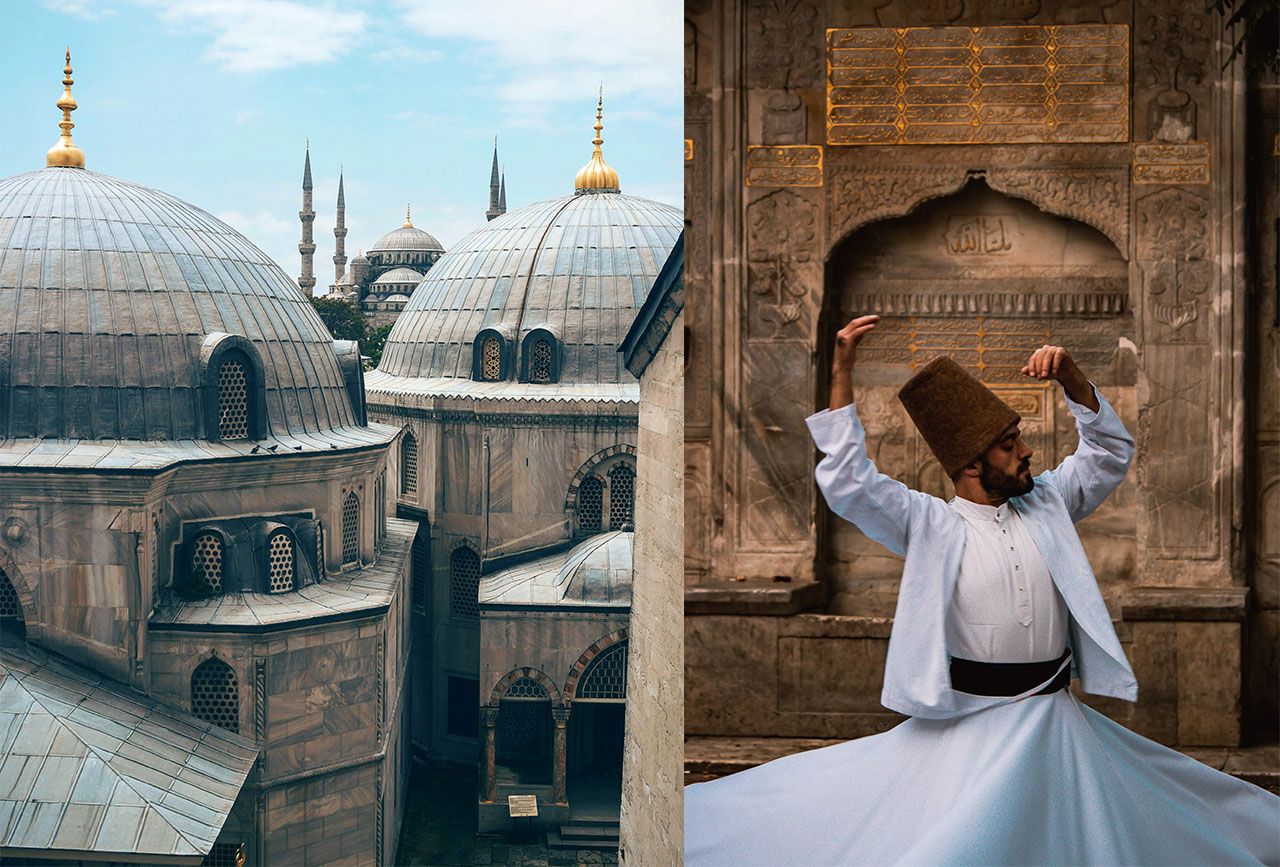
Though there are no direct flights from Canada to Sri Lanka’s capital city, Colombo, you can connect almost seamlessly via major international hubs. Turkish Airlines operates routes from Montreal to Bandaranaike International Airport (CMB) with a layover in Istanbul. Travellers can easily turn their journey into a dual-destination trip via the airline’s “Stopover in Istanbul” program. Stays between 20 hours and seven days qualify for complimentary hotel accommodations (one night at a 4-star property for Economy; two nights at a 5-star hotel for Business class). Applications must be made via Turkish Airlines’ portal at least 72 hours prior to departure. Under Sri Lanka’s expanded travel regulations, Canadian citizens are eligible for a fee-waived 30-day Electronic Travel Authorization (ETA), eliminating upfront visa costs for short-term stays and making the island even more alluring for snowbirds.
Upon arrival at Bandaranaike International Airport, reaching Tangalle on the southern coast takes approximately 3.5 to 4 hours by private car transfer via the Southern Expressway (E01). For a scenic alternative, travellers can take a 2.5-hour train ride along the coast from Colombo Fort to Matara, followed by a short 40-minute drive or tuk-tuk ride directly to Anantara Peace Haven Tangalle Resort.
Beyond the resort
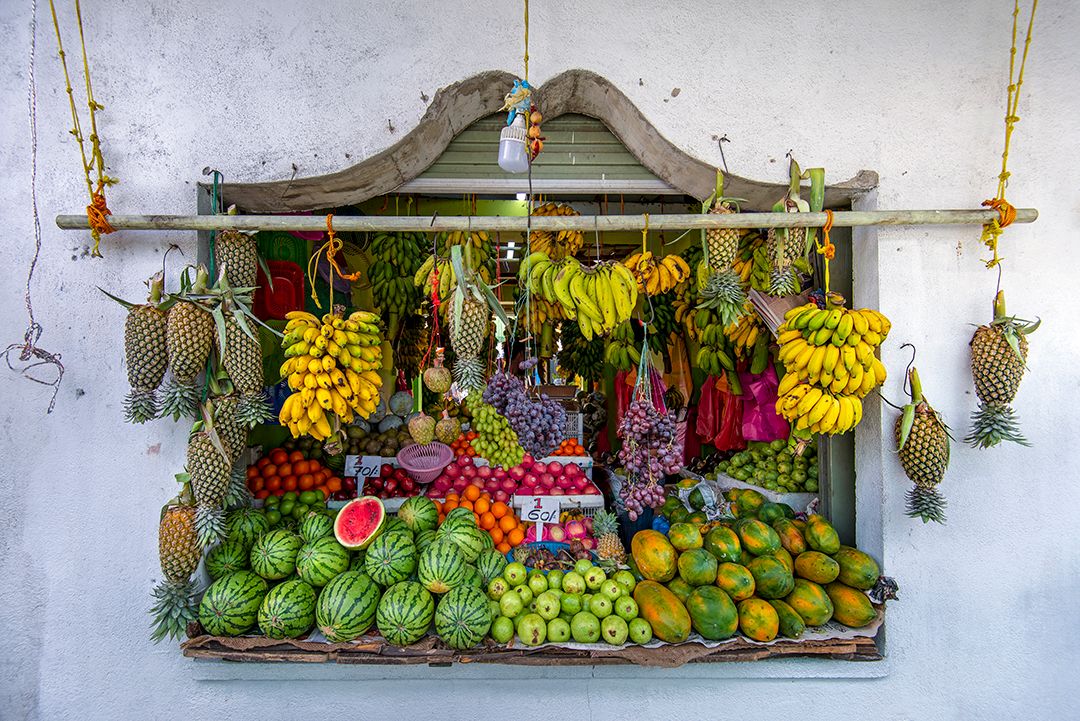
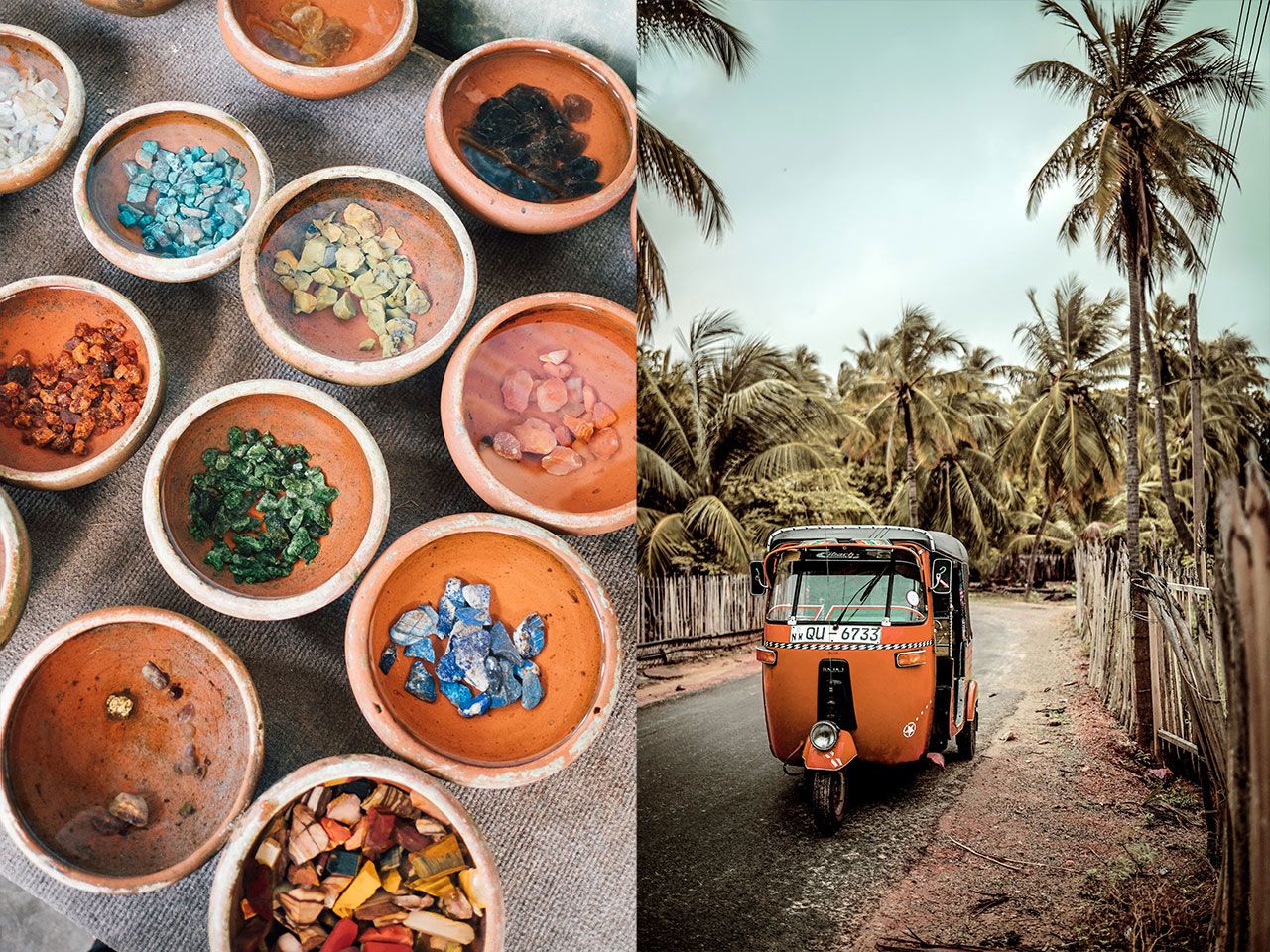
Tangalle by Tuk-Tuk: Hiring a local tuk-tuk driver is both remarkably simple and entirely safe for exploring Tangalle’s interior. A custom half-day loop easily connects the vibrant stalls of the morning market with quiet backcountry workshops, offering direct access to traditional pottery makers and family-run cinnamon plantations hidden in the lush hills. Be sure to pause for lunch at Ceylon Excel, a humble eatery celebrated for serving some of the finest, most authentic rice and curry in the region.
The Mulkirigala Rock Temple: Rising 205 meters above surrounding forest, this 3rd century BC monastic site is best visited early in the morning before coastal humidity sets in. The ascent along shaded stone steps connects five terraced tiers and seven cave shrines, housing exceptional Kandyan-era murals and monumental reclining Buddha figures.
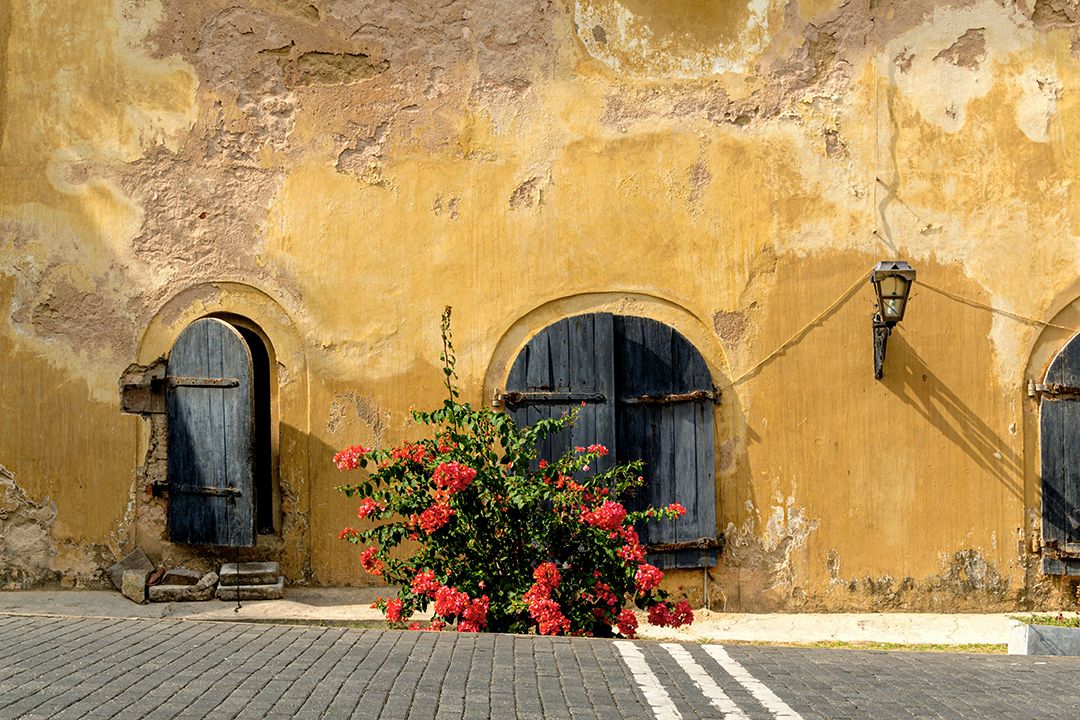
Coastal Heritage: A trip along the southern coast connects colonial maritime history with inland agriculture. Exploring Galle Fort’s cobblestone grid reveals well-preserved Dutch architecture framed by the Indian Ocean. En route, stopping at Handunugoda offers insight into single-origin tea production, notably its white tea crafted without direct hand contact during plucking.
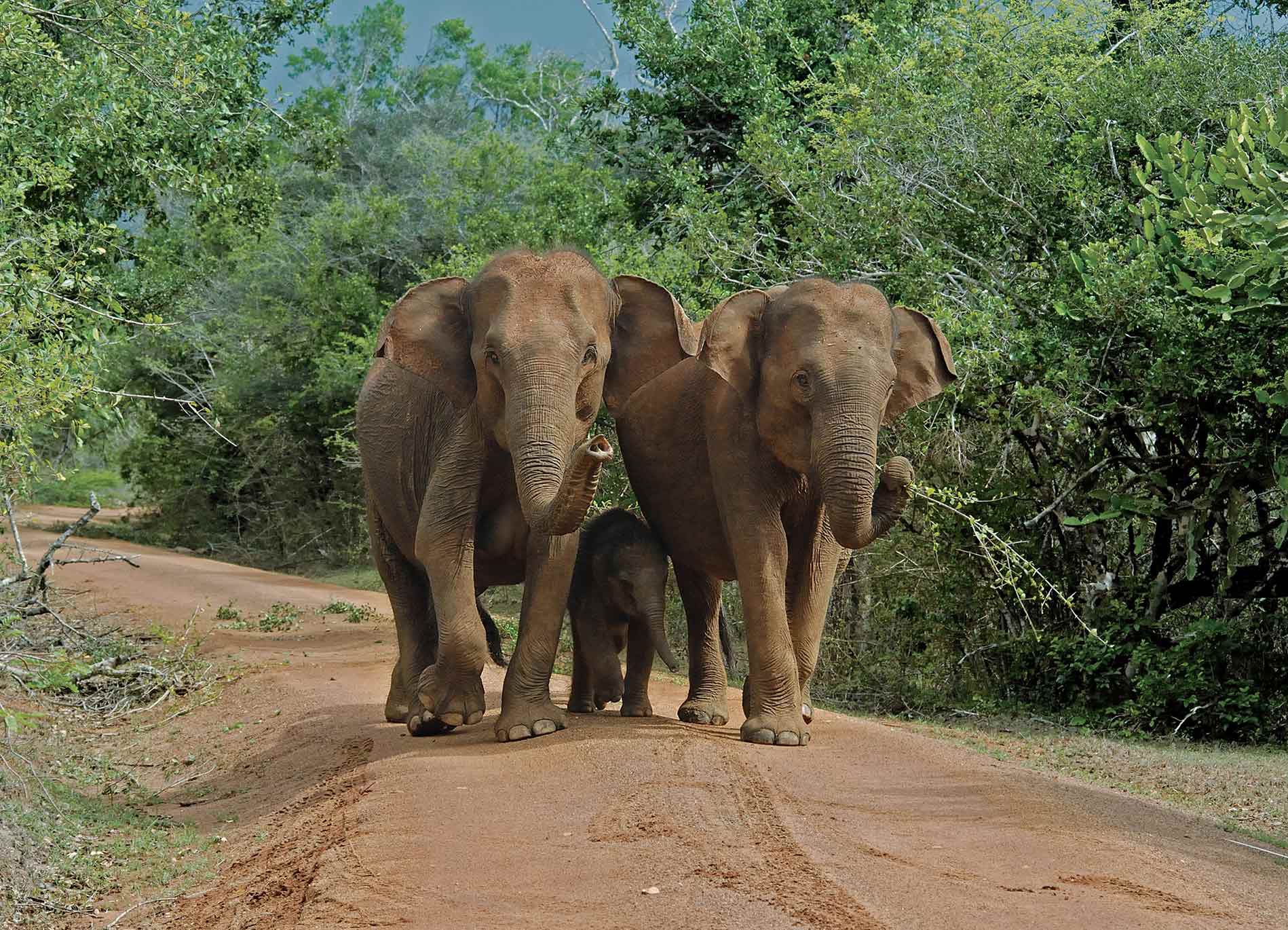
Wildlife Safaris: The region is home to some of Sri Lanka’s most captivating natural habitats. In Udawalawe National Park, herds of Asian elephants roam freely across open grasslands, while nearby Yala National Park boasts one of the highest densities of leopards in the world. Further along the coast, the rich wetlands of Kalametiya and Bundala Sanctuaries offer world-class birdwatching, providing shelter to hornbills, pelicans and vast flocks of migratory flamingos.