Through its website and daily newsletters, The Peak (a ZoomerMedia property) offers Canadians the news they need to understand business, tech, and other must-know stories.
In this dispatch, The Peak looks at the trade war that officially commenced over the weekend as Trump followed through on his tariff threats, as well as the devastating impact it will have on the auto industry.
Meanwhile, as Canada fights back with tariffs of their own, making a point to buy more Canadian goods will not only be good for your country, it’ll be good for your wallet too. Here are a few resources The Peak provided in their daily newsletter to help you find made-in-Canada options for common purchases: canadianmadeproducts.ca, madeinca.ca, madeincanadadirectory.ca
The Trade War Has Begun
Donald Trump kicked off the trade war he has been threatening for months on Saturday with steep tariffs against Canada and Mexico, provoking swift retaliation from the Canadian and Mexican governments.
The opening salvo: The U.S. announced it would apply tariffs of 25 per cent to all Canadian and Mexican imports beginning on Tuesday (along with a 10 per cent levy on imports from China). Canadian energy products will face a lower fee of 10%.
The response: Canada announced retaliatory tariffs of 25 per cent on $30 billion worth of U.S. imports beginning tomorrow, ramping up to cover $155 billion worth of goods by February 25.
- Prime Minister Trudeau said non-tariff options were also on the table, including export restrictions on critical minerals and “Buy Canadian” rules for government procurement.
- Across the country, provincial governments also took action, with Ontario, Quebec, and Nova Scotia pulling U.S. liquor from the shelves of government-run stores and B.C. ordering its liquor distributor to pull booze from Republican-led states.
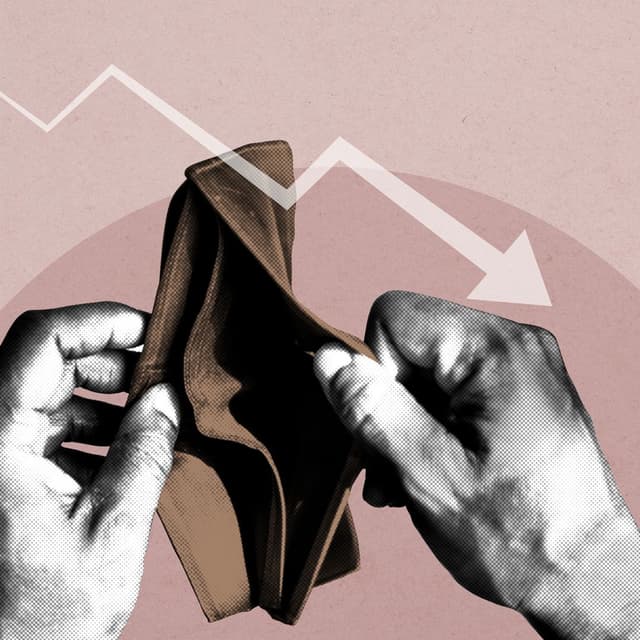
Why it matters: The effects of the trade war will be felt almost immediately, starting with price hikes on many everyday products.
- Produce and other perishable goods imported from the U.S. will get more expensive first. Prices for other imports like clothes and appliances that may already be stocked will likely take longer to rise.
- The loonie will also weaken, immediately increasing the cost of any purchases made in U.S. dollars.
- If the tariffs remain in place for an extended period of time, expect to see large lay-offs in sectors of the economy heavily exposed to U.S. exports, like energy, automotive, and machinery.
What’s next: Trump threatened to increase tariffs if Canada or Mexico retaliated, so this conflict could intensify further in the coming days. —Taylor Scollon
Auto Sector Facing Devastation From Trade War
The North American auto sector could be the first of many industries devastated by the Canada-U.S. trade war.
Driving the news: Leaders from North America’s auto industry are warning that tariffs will force some auto plants to shut down production in the coming days.
- One head of a large auto parts supplier in Ontario with factories in Canada, Mexico, and the U.S. said she expects to “see vehicle production in North America grind to a halt” within a week. The president of Canada’s Automotive Parts Manufacturers’ Association echoed that claim.
Why it matters: The auto manufacturing industry directly employs around 125,000 people in Canada and more than a million in the U.S. — even a temporary shutdown will be highly damaging to both economies.
Why it’s happening: North America’s auto sector is tightly integrated, with thousands of parts going into each vehicle, many of which will cross a border up to 8 times before being assembled into the final product. As a result, tariffs are expected to cost the industry US$60 billion.
- Canada and Mexico produce 5.3 million vehicles per year, most of which are imported into the U.S, and tariffs will raise the cost of the average vehicle by around $3,000, according to analysis by Wolfe Research.
Bottom line: As one of the continent’s most tightly integrated sectors, the auto industry will be one of the first to feel the consequences of the trade war. —TS
Visit The Peak’s website and sign up for the free daily email on Canadian business, tech, and finance that you’ll actually enjoy reading.
RELATED:
Strong and Free: How Regional Tensions and Changing Demographics Fuel Trump’s Annexation Threats