Federal budget day is an annual ritual that arrives with great fanfare and anticipation. The moment the finance minister announces the government’s fiscal plan for the upcoming year, the media, businesses and interest groups scramble to pore over the document, and spend the next few days celebrating wins or complaining about losses.
But once the initial frenzy dies down, the news cycle shifts and everyone moves on. Like the finance minister’s new pair of shoes, the sheen of a new budget fades all too quickly. (The quirky tradition whereby finance ministers buy new footwear before tabling a budget, thought to symbolize that they’re investing in Canadian-made goods, dates back to the 1950s. This year, Finance Minister François-Philippe Champagne purchased his new pair from Boulet Boots in Quebec.)
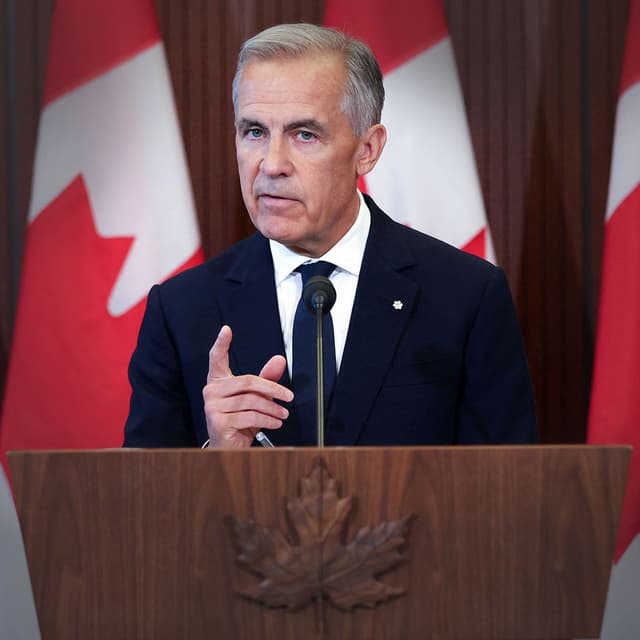
The 2025 budget, however, felt more momentous than usual, not only because we would get our first glimpse of Prime Minister Mark Carney’s financial acumen at work, but also because of the ominous warnings he had dropped this fall that a major financial reset was coming. Canada, he said, needs to overhaul our economic strategy to deal with new fiscal realities: low economic growth and tariff wars with the U.S. and China – a potent one-two punch that has staggered businesses, weakened our labour market, threatened our export industry and imperiled our manufacturing sector.
And the fact that the prime minister spent much of the weeks leading up to the Nov. 4 unveiling of his financial plan speaking ominously about the “pain” and “sacrifice” that lay ahead, everyone was expecting lots of cuts to the country’s costly social programs.
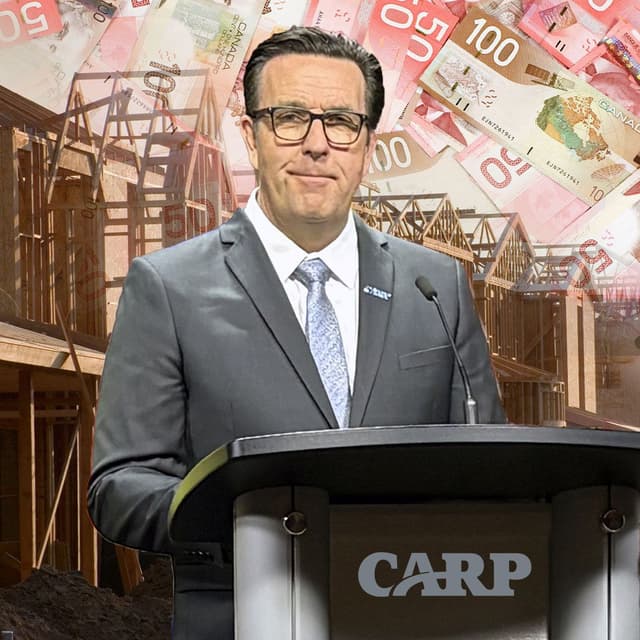
It’s little wonder that seniors groups like CARP (a ZoomerMedia partner), expressed concern that the pain and sacrifice ahead might mean that benefit programs that support older Canadians – like Old Age Security (OAS), the Guaranteed Income Supplement (GIS) and the National Dental Plan – were on the chopping block.
These fears spiked when the Globe and Mail published this pre-budget article by Dr. Paul Kershaw, founder of Generation Squeeze – a think tank that operates on the principle that millennials are getting screwed by wealthy older Canadians – demanding that the government reduce OAS for retired households with incomes over $100,000. This shot across the bow prompted CARP President Anthony Quinn to fire back with a warning post to its members headlined: “They’re Coming for Your Old Age Security.”
This scrappy generational exchange set the table for a budget that many expected would cut billions in program spending and direct those savings to tariff-busting initiatives like infrastructure projects, housing and defence.
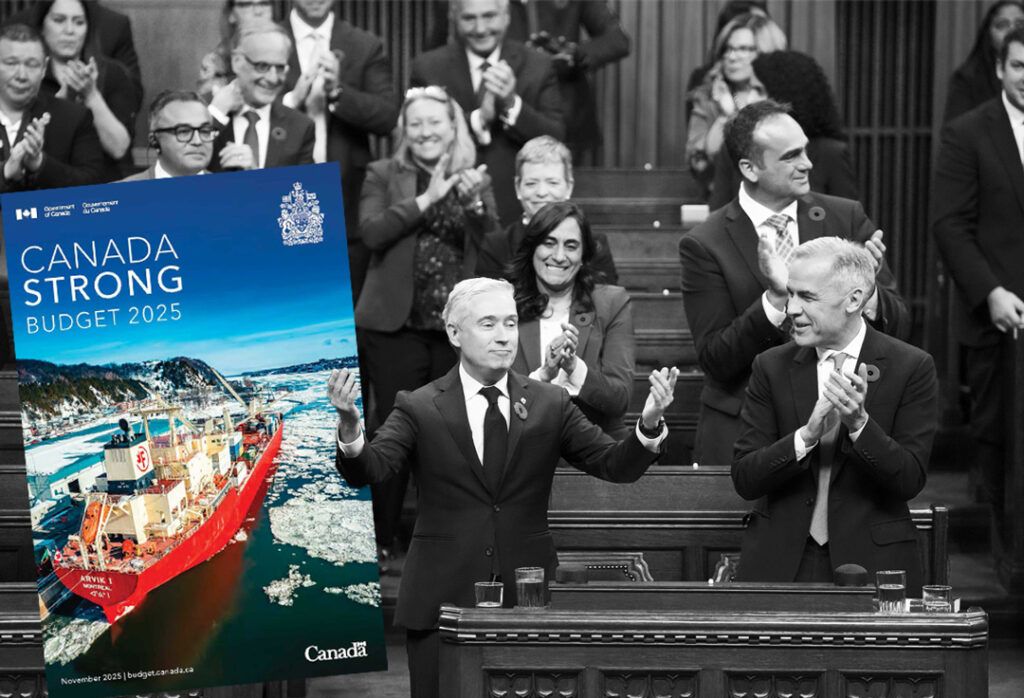
But when the budget finally dropped, the first question everyone asked was: where’s the pain and sacrifice? The Liberal government’s fiscal plan for next year contained a non-pandemic record amount of spending, including $21 billion in new outlays for next year, which will result in a deficit of $78.3 billion, more than double last year’s estimates. So what happened to all that austerity Carney had signalled?
The budget’s few notable spending reductions came at the expense of the civil service, which will see its 330,000-strong payroll reduced by 40,000 over the next five years – a goal that will likely be realized by workforce attrition and buyouts for near-retirement-age bureaucrats. Climate programs also got whacked, losing $3 billion in funding through scrapping tree-planting commitments, ending grants for home energy efficiency and reducing green subsidies for public transit.
Perhaps the biggest surprise of all was the absence of any new tax hikes – in fact, there were tax cuts. The luxury tax on purchases of private jets and boats was scrapped. And low-income earners (those making less than $53,000) will see their tax rates drop from 15% to 14% by 2026.
Speaking to Zoomer on budget day, Quinn welcomed the news that senior programs had been left intact. “Leading into the budget, there were loud voices calling on the government to gut OAS,” he says. “They didn’t act on that, which is a big win for older Canadians.”
Generation Squeeze didn’t share CARP’s enthusiasm that seniors programs made it through unscathed. In a fulminating post on its website, Kershaw described the government’s decision not to cut OAS as “a form of intergenerational theft” and “structural ageism against young people.”
Kershaw’s subtle twisting of the definition of ageism might be written off as a neat rhetorical trick if he wasn’t so influential. Besides being a tenured professor at UBC, he writes a regular column for the Globe and Mail, and his Generation Squeeze group draws funding from federal agencies like the Canadian Institutes of Health Research, the Public Health Agency of Canada and the Canadian Mortgage and Housing Corporation. He carries a lot of weight in federal and provincial policy circles.
Even Opposition Leader Pierre Poilievere has got caught up in the rhetoric. “Young people today form what I call ‘generation screwed.’ It’s the first generation that cannot afford a home in Canadian history. And now, the double gut punch, they have the worst employment number of any group of young people since the late 1990s,” he said in a September announcement.
Who’s to blame for the younger generation’s bleak prospects? Wealthy older Canadians, of course, which is why there’s a feeling the final chapter of this story hasn’t been written. Perhaps Carney is waiting to secure a stronger mandate before the other shoe drops and he can begin dismantling the system of senior entitlements. He is now only two seats shy of a majority after Nova Scotia Conservative Party MP Chris d’Entremont crossed the floor, a move he hailed as “exceptionally valuable and important.”
For his part, Quinn assures members that CARP will remain vigilant fighting against future attacks on the livelihoods of older Canadians. “Kershaw’s brand of ‘fairness’ means taking from those who built the country and redistributing it to fund experiments that serve his policy wish list. He calls it balance. We call it betrayal,” says Quinn. “We will continue to expose this false narrative, defend OAS and stand up for the Canadians who worked a lifetime to earn it. OAS is not a handout, it’s a promise.”
Seniors programs may be safe for another year. But the battle to protect them is far from over.