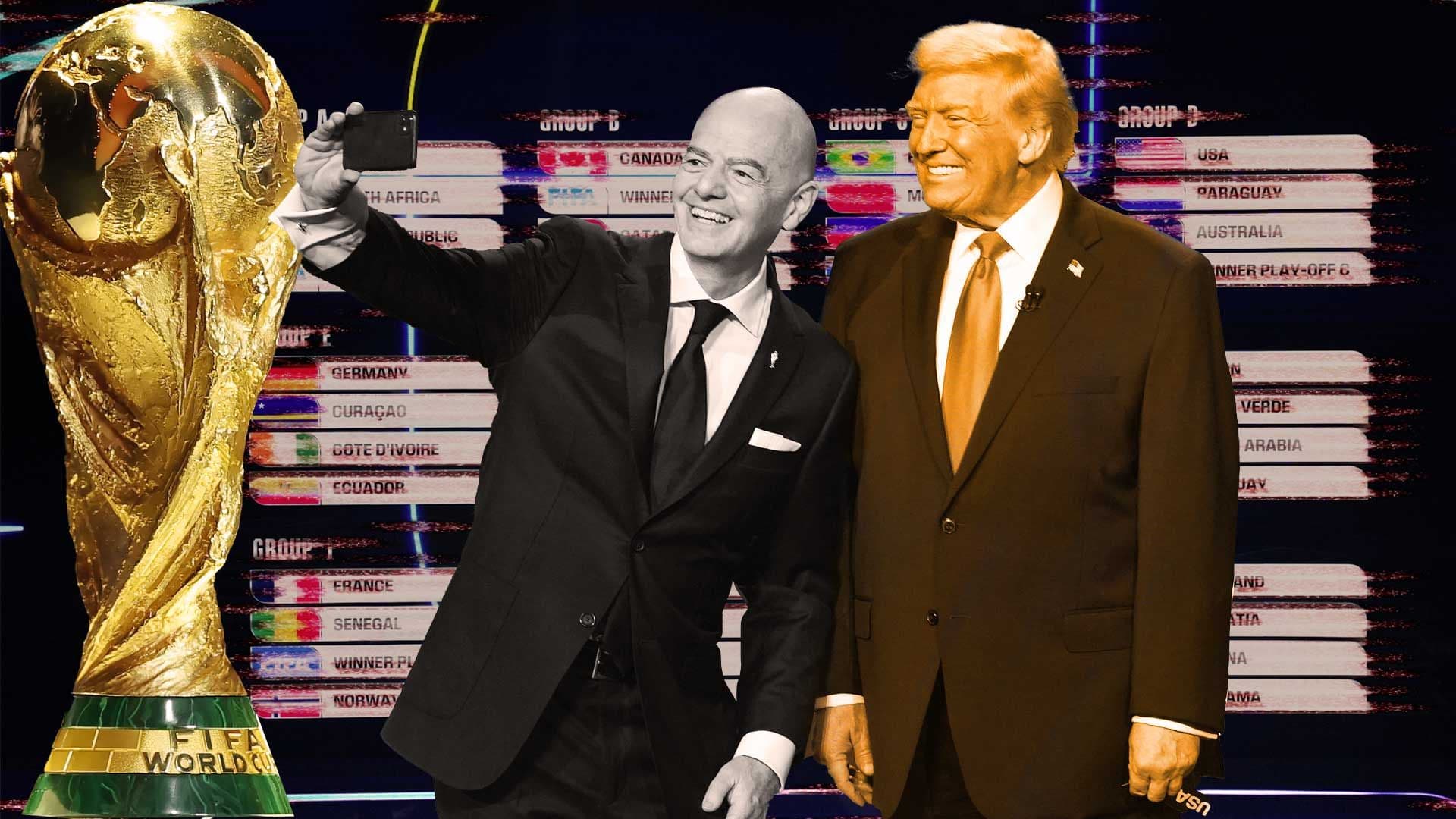
Gianni Infantino, the 54-year-old Swiss-Italian president of the International Federation of Association Football (FIFA), is clearly a man not given to understatement, certainly not when he’s hyping global soccer events like the 2026 World Cup to be held in Canada, the U.S. and Mexico this summer.
The World Cup, he exclaimed at a kickoff gala in Washington, D.C. in early December, “is simply the greatest event that humanity, that mankind, has ever seen and will ever see.” He somehow managed to top that ridiculous claim by referring to FIFA as the “official happiness provider for humanity for over 100 years,” before awarding U.S. President Donald Trump with FIFA’s peace prize.
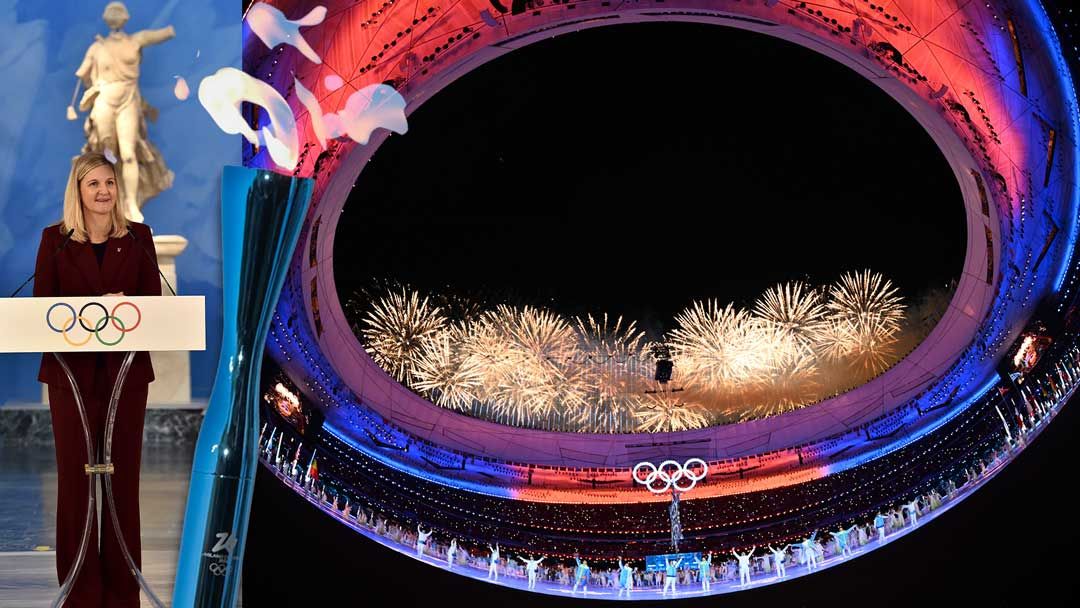
Kirsty Coventry, Infantino’s counterpart at the International Olympic Committee (IOC), shares his grandiosity when she sounds the trumpets for the winter games, which will roll out this February in Milano and Cortina, Italy. The 42-year-old Zimbabwe-born IOC president maintains that the Olympics “showcase the best of humanity.”
Watching athletes compete for glory on the world stage does indeed bring joy (especially when they win gold), which boosts national pride and provides a welcome respite from the doom-and-gloom headlines that we can’t ignore as we scroll through the news.
But any promises made by FIFA and the IOC, no matter how monumental, inevitably come with an equally inflated price tag – particularly for the cities that host their events. Just ask the taxpayers in Vancouver and Toronto who will be stuck with the bill to pay for the privilege of hosting the World Cup. Improving Infrastructure, laying on extra public transportation, upgrading the athletic facilities, staging a fan festival and providing extra policing to protect the athletes, keep rowdy fans in check and manage traffic flow to and from the games – these are just some of the mandated costs of doing business with FIFA.
Moreover, if reports are accurate that international fans, anxious about the U.S. visa and immigration crackdowns, might choose to watch the matches in Canada, then Toronto and Vancouver will have to absorb an unexpected influx of visitors. And while these soccer tourists will be a boon to the local economy – especially the tourist, hospitality and dining industries – the economic gain will only partially offset the larger costs to put on the show.
According to provincial figures, Vancouver’s final tab to put on seven games is projected to be between $483 million and $581 million. Meanwhile, Toronto city council is budgeting $380 million to put on six games, with overruns sure to come. In early January, Mayor Olivia Chow astutely distanced herself from any future blame, telling reporters: “I didn’t sign this deal … I’m saddled with it.”
Her Worship’s decided lack of Infantino-like enthusiasm for this grand soccer spectacle is echoed by human rights advocacy groups, which have forever claimed that holding mega-sporting events sucks up precious resources and distracts governments from addressing serious issues, like homelessness, drug addiction, mental health and poverty, that are tearing apart the fabric of the host cities.
Plus, these groups bemoan how countries that bid for Olympics (particularly China in 2008 and 2022 and Russia in 2014) or World Cups (Qatar in 2022 and Saudi Arabia in 2034) use these events to burnish their international reputations while distracting athletes and fans from looking too closely at their poor human rights records, a practice that’s become known as sportswashing. “Like the Olympics and other sport mega-events, World Cups are infamous for exploiting workers, violating human rights, criminalizing poverty, and damaging the environment,” says Helen Jefferson, professor of sociology at University of Toronto and board member of Bread not Circuses, “while corporate sponsors, media rights-holders and developers rake in the profits.”
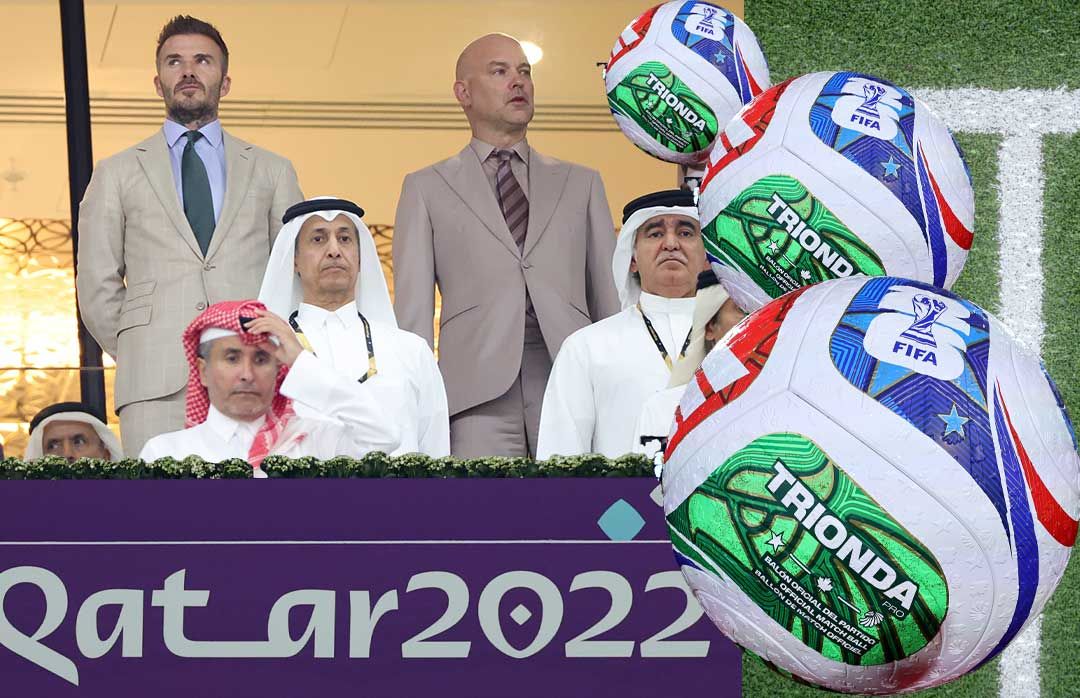
English soccer icon David Beckham (pictured below) was accused of sportswashing when he signed a lucrative deal to act as an ambassador for Qatar to help with its 2022 World Cup, despite the regime’s controversial human-rights record. “We understand that there are different and strongly held views about engagement in the Middle East but see it as positive that debate about the key issues has been stimulated directly by the first World Cup being held in the region,” Beckham said in a statement at the time, trying to deflect the criticism. “We hope that these conversations will lead to greater understanding and empathy toward all people and that progress will be achieved.”
That may be true but there’s a reason that FIFA and the IOC routinely ignore this criticism and continue to grow in wealth, scope and power – it’s because we viewers can’t get enough of the games. Whether you’re among the few who can afford to attend the events live or, like the rest of us, follow closely on television, it’s easy to get caught up in the drama, colour and the passion these games evoke.
And for once, Infantino wasn’t exaggerating when he described the demand for World Cup tickets as “absolutely crazy” – there are about 6.5 million tickets available for the 104 tournament games and, as of the beginning of the year, FIFA had been bombarded with 150 million ticket requests. Soccer-mad fans have no problem ponying up thousands of dollars to see Portuguese superstar Ronaldo play in his final international tournament. For the tournament final at MetLife Stadium in New Jersey, some ticket re-sale sites are listing the price for a single seat starting at US$8,000 and going as high as US$72,000. Extortion pricing? You bet – but they’re selling briskly.
With ticket demand soaring and global TV ratings exploding, broadcasters are happily shelling out incomprehensible rights fees and corporate sponsors are lining up to pay for the jingoistic ads that will air during these big global sporting events. It’s no surprise that the IOC is budgeting $13 billion in revenue between 2023 and 2026, a chunk of which will come from the winter games in Italy. And FIFA expects to generate at least $11 billion from the 2026 World Cup. These big numbers will no doubt bring great happiness to Infantino and Coventry. And no matter how loudly host-city mayors grouse about costs or human rights groups protest, their events will keep getting ever bigger.
Everyone remembers where they were when Sidney Crosby scored his “Golden Goal” for Canada against the U.S., capping off the hugely popular 2010 Winter Olympic Games in Vancouver. But few recall the environmental protests that took place leading up to the games or the staggering final bill, which some estimates suggest exceeded $6 billion. Now imagine the party if the Canadian men’s soccer team somehow manages to garner their first ever World Cup victory while playing on our own home turf? Nobody is going to worry about how much they paid for their tickets or complain about the increase to their tax bills.
It’s a golden formula that keeps sports fans happy and FIFA and the IOC cashing in. Let the games begin!