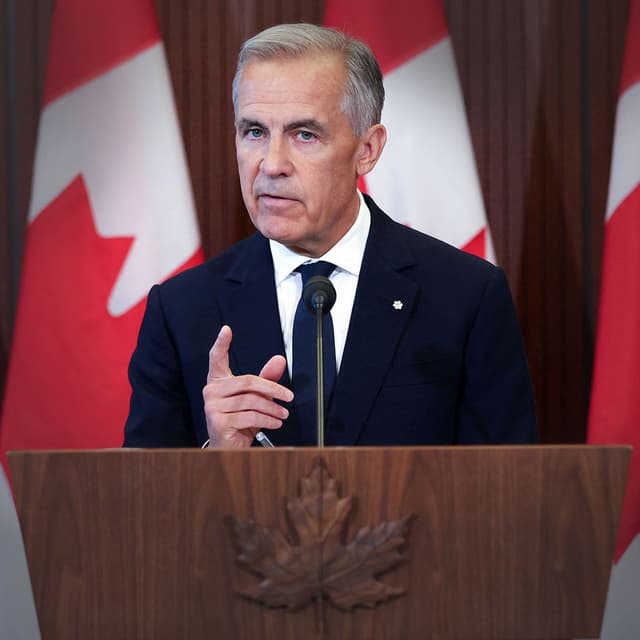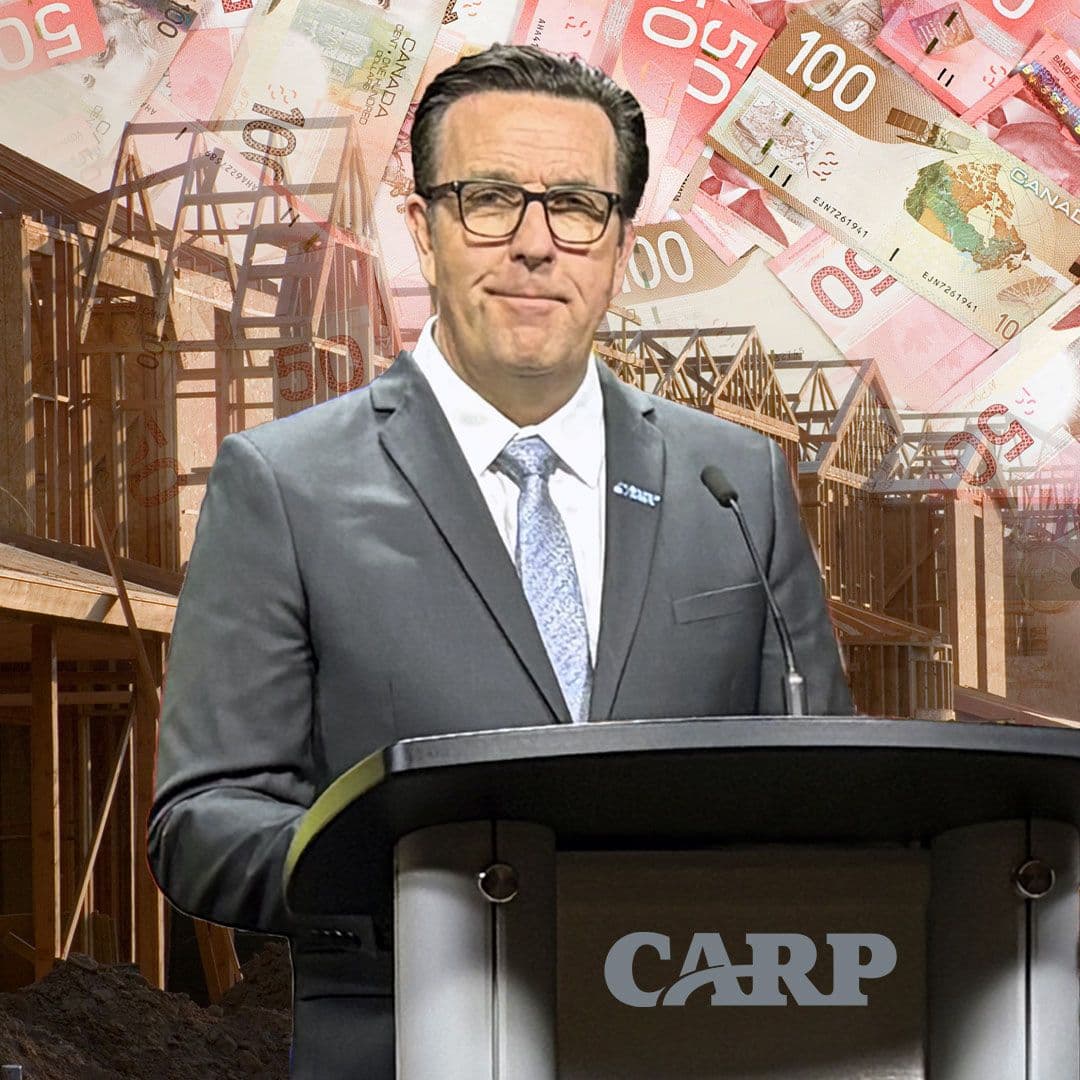
With the cost of living continuing to squeeze Canadians and homeownership well out of reach for many young people, CARP president Anthony Quinn is pushing back against rhetoric that blames seniors for younger generations’ economic struggles (CARP is a partner of ZoomerMedia).
“Seniors are mad as hell and they’re not going to take it anymore,” Quinn said at an Oct. Parliament Hill press conference, where he was raising awareness on seniors financial issues ahead of the federal government’s Nov. 4 budget. “They’re tired of being called rich, spoiled, entitled and greedy. Enough already.”
Quinn specifically cites a recent Maclean’s piece titled “The Great Generational Rip Off,” which includes a call from Paul Kershaw – founder of Generation Squeeze, a think tank focused on intergenerational equity – to lower the Old Age Security (OAS) household income threshold to $100,000. Kershaw is quoted in the magazine as saying: “The current political bargain asks young people to sacrifice their standard of living to safeguard windfalls for older people.”
Quinn addressed Kershaw’s call to cut OAS, explaining that the policy reform would target the middle class, rather than well-to-do seniors “hoarding wealth” as the Macleans suggests. “A couple with $100,000 between them can be two people living on $50,000 each before tax. That is not the financial elite,” Quinn explains. “A spouse’s income would become a new reason to reduce your pension. This reaches into the middle class, whatever label its promoters put on it. Seniors should not have to become poor before their security is worth defending.”
In response, CARP is calling on Parliament to reject OAS cuts, preserve full indexation and individual income assessment, and reject new eligibility tests based on household income or home value. Quinn argues that the generational blame game targeting seniors “does nothing for young people struggling with rent, wages or the cost of raising a family. It turns the people helping with tuition, groceries, child care and down payments into the enemy,” he adds. “Canada needs homes and opportunity. It does not need a campaign teaching children to resent their parents.”
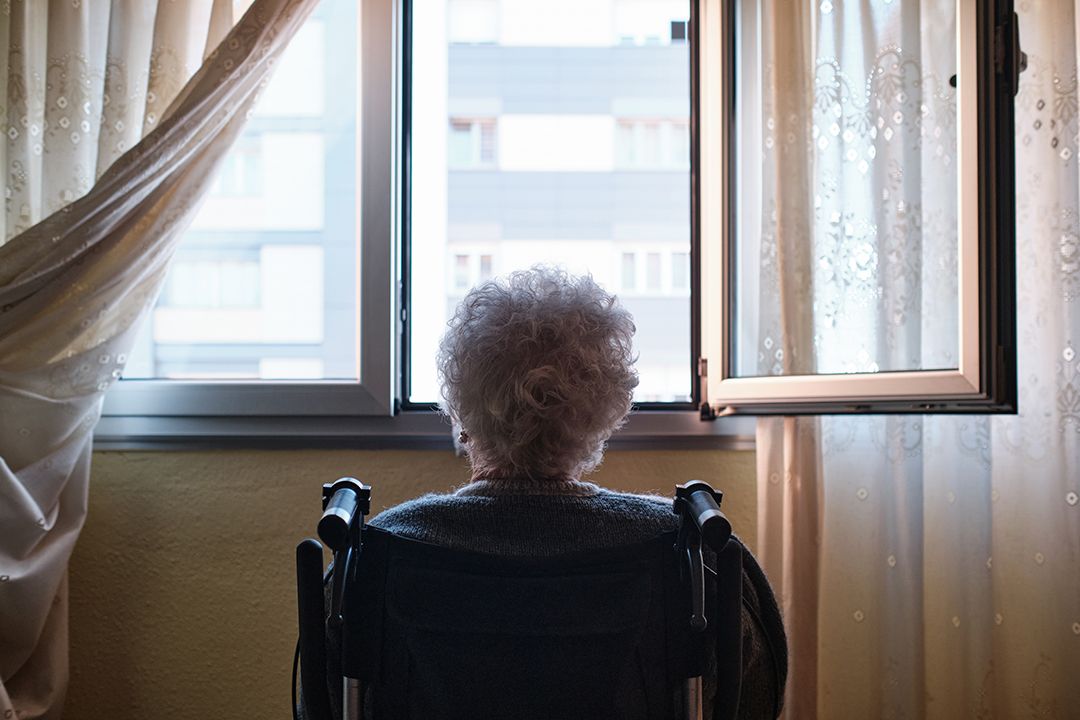
A recent survey from RBC certainly makes a case that Canadian seniors are helping rather than hindering their adult children as they navigate today’s economic headwinds. The September poll, which surveyed 1,000 Canadian parents with children aged 18 to 40, shows that financial support continues even as their children age: nearly one in five (19 percent) parents said they are even supporting children aged 35 to 40 and 21 per cent for ages 30 to 34.
Quinn calls accusations that seniors are hoarding wealth an outright insult. “It suggests that people who spent decades building a life should feel guilty for having something left,” he says. “That is ageist scapegoating and CARP is here to call it out.”
Meanwhile, the black-and-white thinking that divides the younger and older generations into haves and have-nots ignores the many varied experiences of seniors. “We’re not here to deny that there are wealthy seniors,” Quinn says. “There are also older renters, widows living alone, people whose pensions have not kept pace with their bills and couples watching the cost of care eat through their retirement savings.”
As for any further rebuttal, Quinn points to the long-fought 2016 CPP enhancement agreement, which gradually increased public pension benefits and contribution rates for the next cohort of seniors. “People in their 70s and 80s fought for a stronger CPP knowing they would never benefit from the enhancement themselves,” Quinn said. “They fought for their children and grandchildren. That is our answer to the accusation of selfishness. The wins of earlier seniors protect retirees today. The work we do now protects the seniors of tomorrow.”