

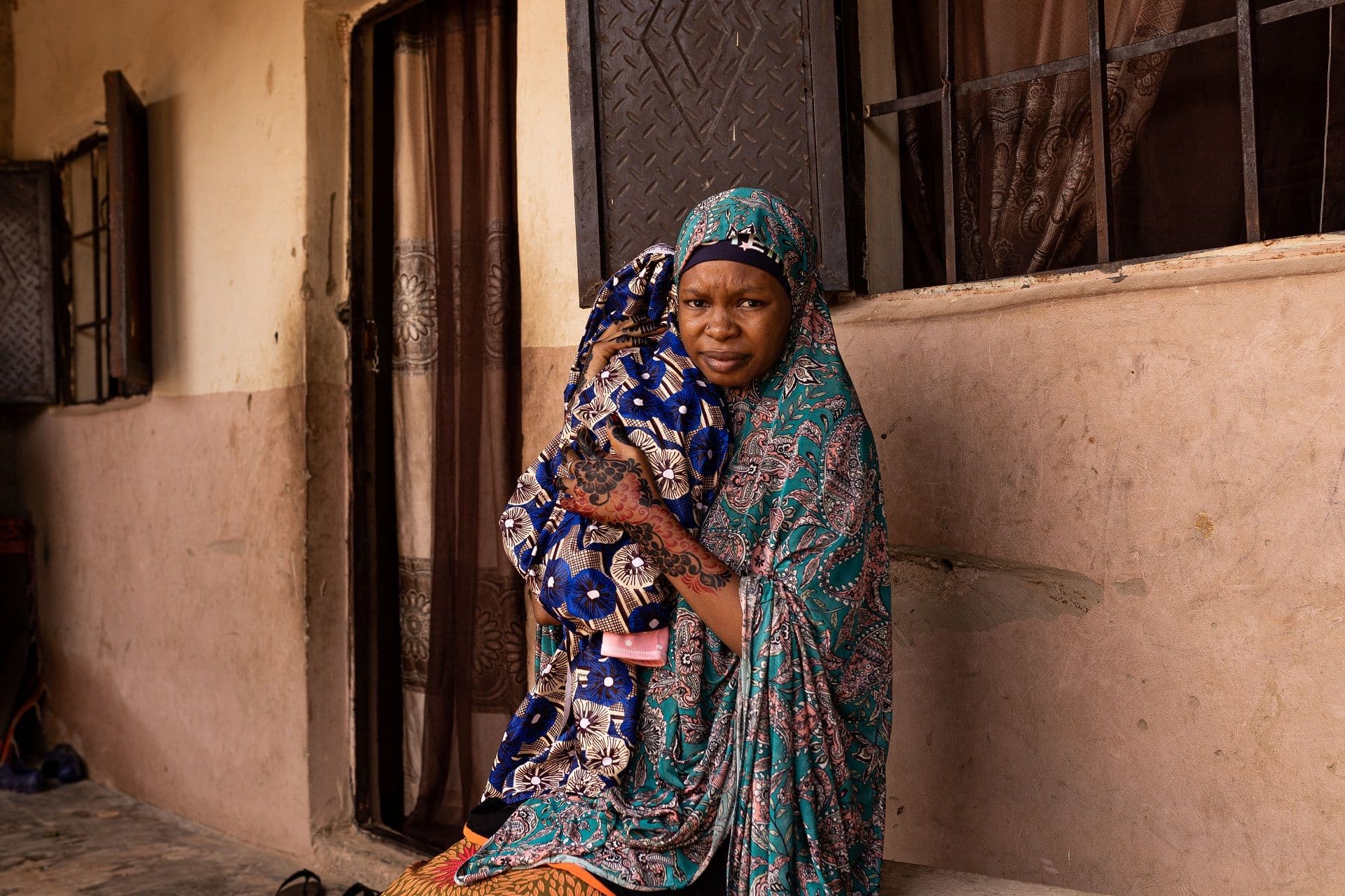
Stories from women in some of the world’s most remote places reveal that the challenges of giving birth safely are strikingly similar across continents. And they are preventable.
From Central African Republic to Bangladesh, three women reveal the barriers to safe childbirth, and how MSF is working to make care accessible.
“I don’t know what will become of her. She’s a girl,” says Hermina, cradling her newborn.
Women, girls and gender-diverse people around the world face health challenges, including during pregnancy and childbirth, due to a lack of access to medical care. Many have no choice but to give birth without medical assistance, increasing the risk of complications or death. Others — like Hermina — go to great lengths to ensure a safe delivery.
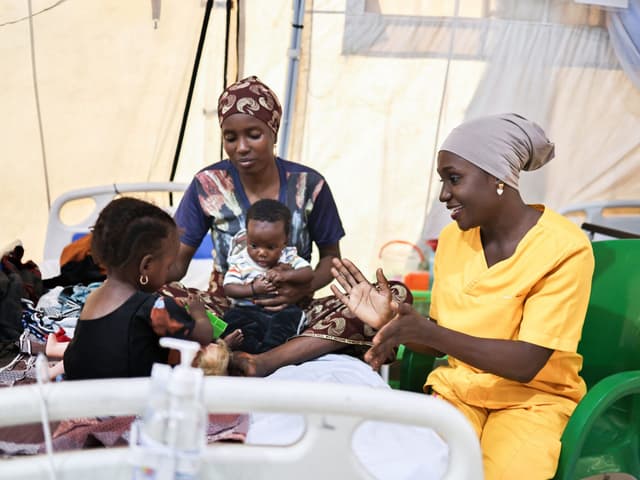
Hermina delivered her baby with support from the Doctors Without Borders/Médecins Sans Frontières (MSF) team at Batangafo hospital in northern CAR.
“I walked from five to nine in the morning,” Hermina tells MSF staff. “I had to come alone — my parents arrived the next day. My husband wanted to come but his bicycle broke down.”
In northern Nigeria, Murjanatu is waiting at the MSF-supported Shinkafi general hospital before being transferred to a referral hospital to treat her severe anemia. She delayed seeking care due to the cost, even for basic pregnancy check-ups.
“If you don’t have money, you can’t even go for prenatal consultations,” Murjanatu says. “No one will see you unless you pay.”
Some women travel more than 200 kilometres to Shinkafi to access MSF’s free services.
In Cox’s Bazar, Bangladesh, Sabera shares a similar experience. Close to delivering her sixth child, she highlights the financial and social barriers women face when seeking care. “Sometimes we have to sell household items or borrow money to get to the hospital in a medical emergency.”
These women’s stories echo one another. So do the diagnoses from the health workers who care for them. Every two minutes, a woman dies from complications of pregnancy or childbirth, warns the UN — often from causes that could have been prevented with access to timely and appropriate care.
Raquel Vives, a midwife and sexual and reproductive health expert with MSF, says maternal deaths often go unseen.
“These are not inevitable tragedies — most could be prevented with timely care,” Vives says. “The key is ensuring as many women as possible can give birth in a health facility with skilled birth attendants. But in many places where we work, resources barely function even for uncomplicated deliveries.”
In 2024, MSF teams around the world assisted more than 1,000 births per day — totalling 369,000 throughout the year. But the work goes far beyond the delivery room: MSF aims to reduce the delays and barriers that put pregnant women’s lives at risk.
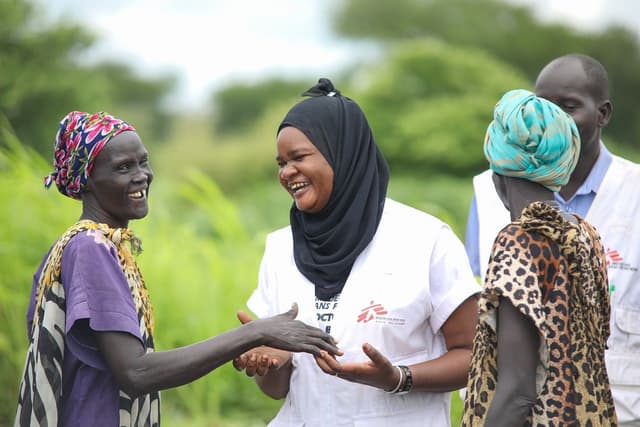
“Here MSF covers many needs—from food and medicine to surgery when needed. Transport is also provided, both to the hospital and back to their communities,” says Madina, a midwife at Shinkafi general hospital.
Maternal mortality reflects wider threats to women’s health and rights. Gender inequality further exacerbates these risks, as women often lack the autonomy, resources or decision-making power needed to access timely and safe care.
It does not have to be this way.
Surviving pregnancy should not depend on where a person is born. No person should have to walk for hours, wait for permission or go into debt to save their life.
Reproductive healthcare is an integral part of the medical care MSF provides.
Our ability to provide critical maternal health services around the world is thanks to the generosity of our donor community.
Support essential medical care, including maternal healthcare, by giving a gift to MSF today.