“Opportunities can come, too, and we may not recognize them. You’ve got to keep your eyes peeled,” Pamela Anderson says on a Zoom chat this week while discussing her Oscar-worthy performance in the film The Last Showgirl, after mentioning how she was frustrated by “wanting to do more” career-wise than the roles she was typically offered.
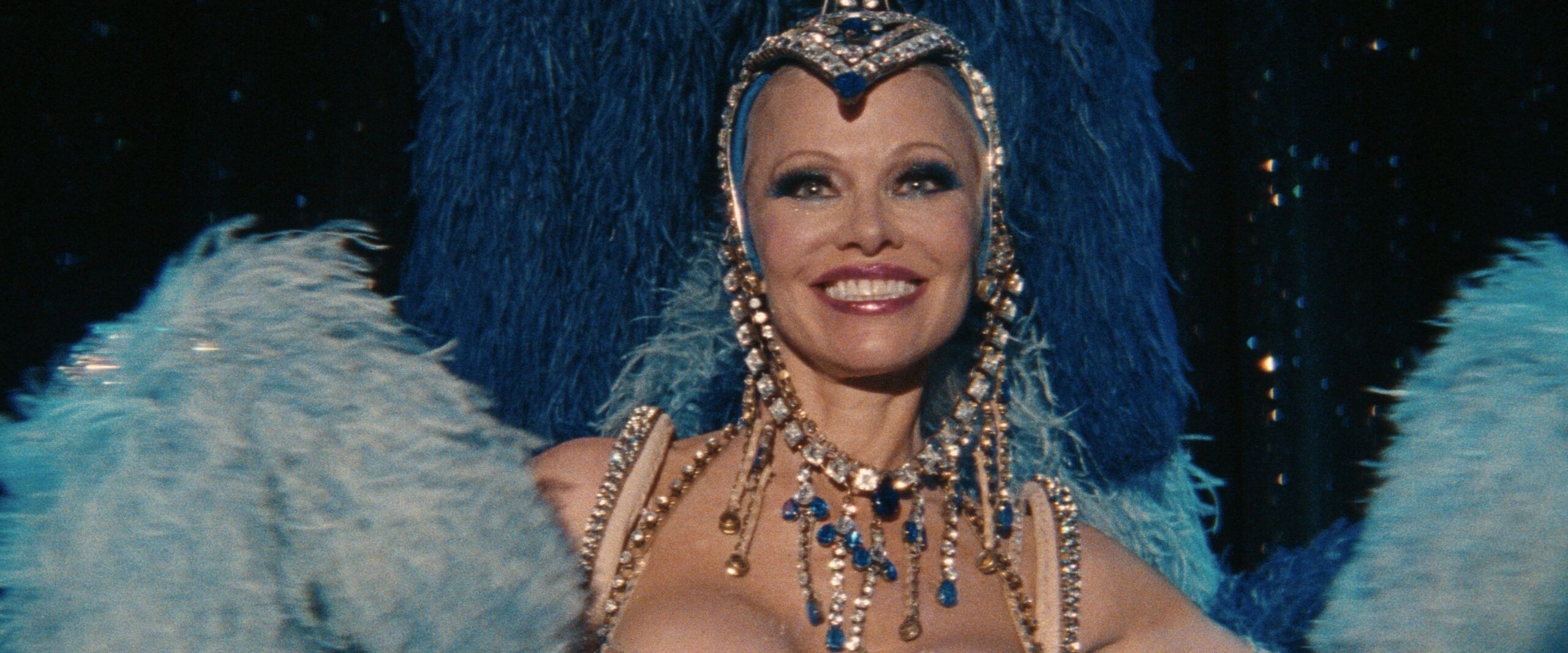
Thankfully, director Gia Coppola (granddaughter of Francis Ford Coppola) gave her that opportunity with a role that allows Anderson, 57, to showcase both her strengths and her vulnerabilities – not to mention how she still looks fantastic in a Bob Mackie Jubilee dancer costume.
In the film – which co-stars Jamie Lee Curtis, Kiernan Shipka, Brenda Song and Dave Bautista – Anderson plays Shelly, a Las Vegas dancer approaching 60 who learns that the bygone “razzle dazzle” show, as she calls it, which she headlines, is closing after 30 years and, thus, ponders what to do next at her age and with few other skills. It’s a metaphor for so many industries – and people – who “age out” of their chosen careers.
In real life, as Anderson got older and the two sons she has with former husband, rocker Tommy Lee, became thriving adults, she suddenly found herself feeling a bit insecure about where she would go next too.
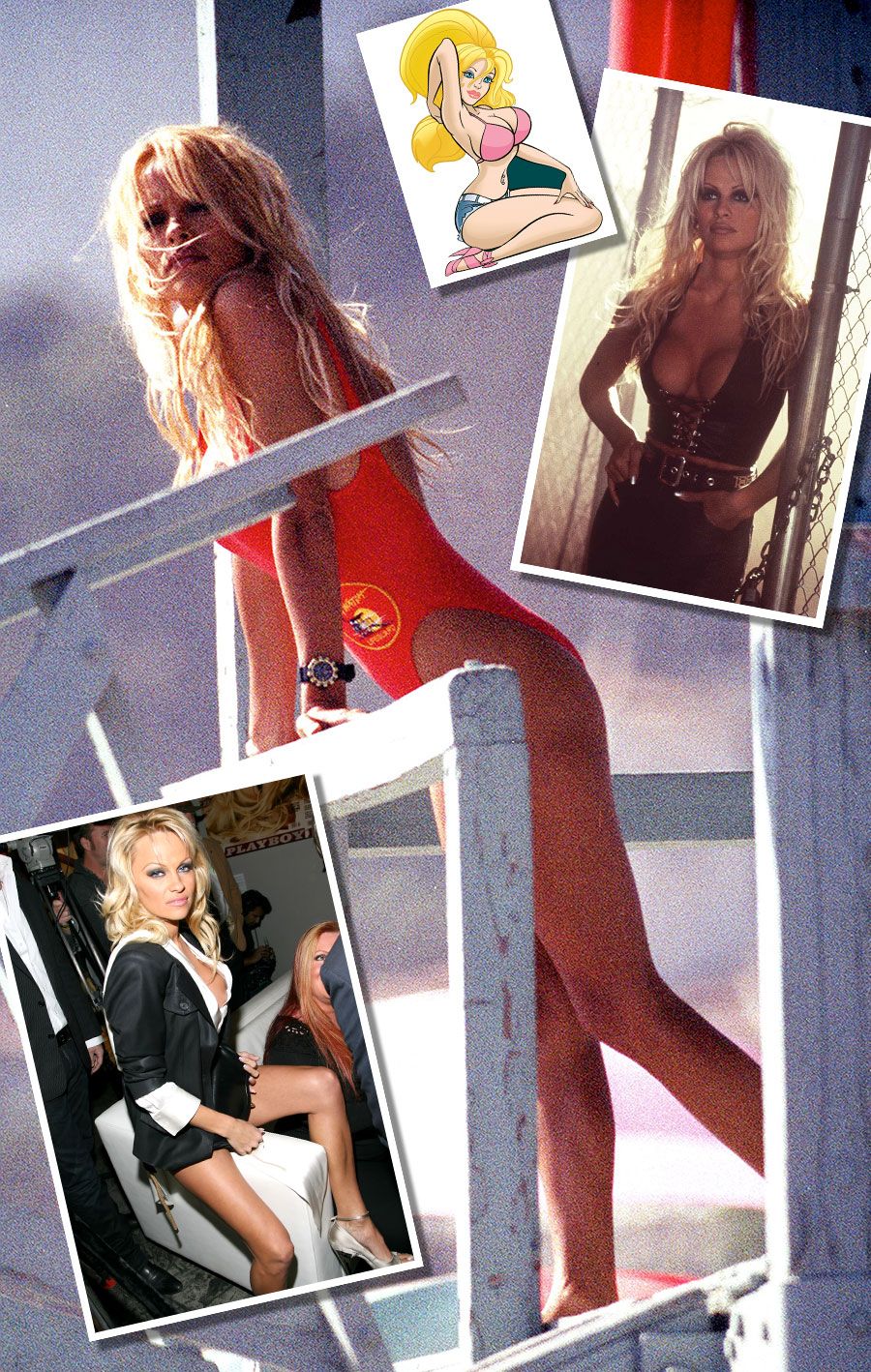
The B.C. native had built a career around her blonde bombshell persona, landing her first major role as Lisa, the “Tool Time Girl,” on the sitcom Home Improvement (1991-93) before the beach-babe lifeguard show Baywatch turned her into a global star and sex symbol. She went on to grace the cover of Playboy a record 13 times.
After Baywatch, she leaned into the bombshell image that she had built, starring in films like Barb Wire, voicing a stripper/superhero in Stan Lee’s animated show Stripperella and authoring two novels, Star and Star Struck, about an actress named Star Wood Leigh whose life bears striking similarities to the author’s.
Anderson almost painted herself into a corner that a women in her 50s in Hollywood could not escape. But she did.
Not only is she in a phenomenal film that allows her to show her scope as an actress – landing her the first major acting award nominations of her career, including from the Golden Globes and Screen Actor’s Guild, with an Oscar nod a distinct possibility – but she’s parlayed a few of her passion projects into a book and TV shows.
To start, she has two seasons of a home makeover show called Pamela’s Garden of Eden, which began as a personal project to renovate the gorgeous property she bought from her late grandmother on Vancouver Island – where she was born (on Centennial Day, no less) and raised – and then rolled into her helping her sons, Brandon and Dylan, renovate their home in Los Angeles. She also just released a plant-based cookbook, I Love You: Recipes From The Heart, while a TV show, Cooking With Love, is expected to air shortly.
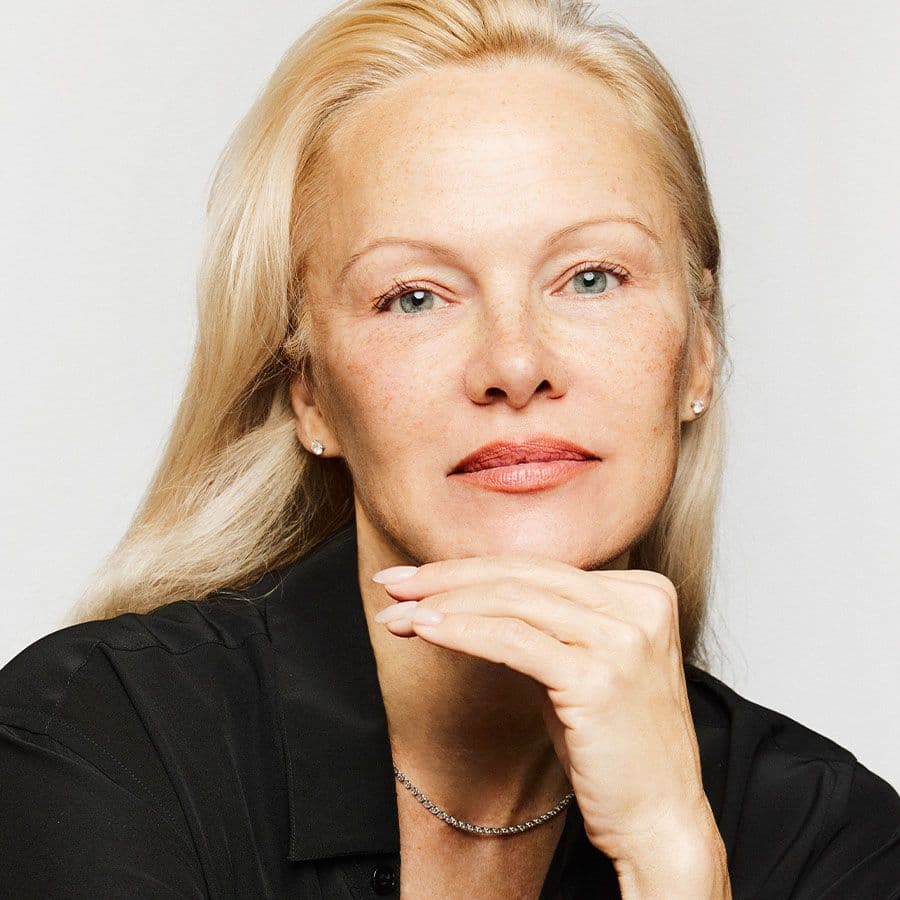
The actress also recently took another leap that seemed unthinkable for a woman north of 50 in an industry obsessed with youth and beauty: she’s decided to go makeup-free. As she noted in one Instagram post in which she eschewed cosmetics, “There is beauty in self acceptance, imperfection and love.”
Anderson spoke with Zoomer about the parallels between her Last Showgirl character and other older women who feel they’ve “aged out” of their profession, her decision to abandon her glammed-up look and why she can’t wait to play more challenging characters moving forward.
KAREN BLISS: I really appreciate you doing this interview because I know you have family in Los Angeles and many friends and colleagues. It’s hard to work when the wildfires are ongoing.
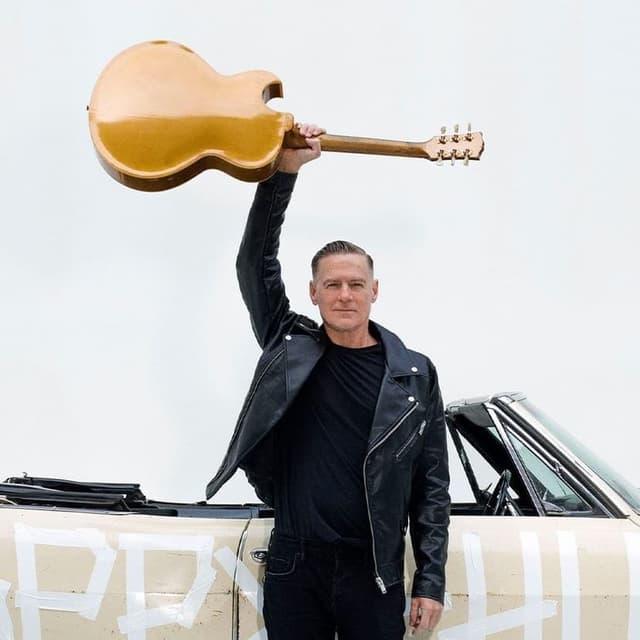
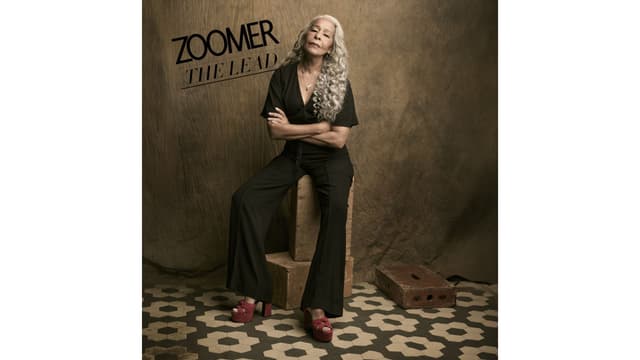
PAMELA ANDERSON: It is very hard, and it is hard to feel happy and sad at the same time. I’m very concerned and heartbroken. I’m also very proud of this film and excited for people to go see it, so there’s a lot of mixed emotions. I’m so glad that we’re speaking. I’m a friend of Bryan Adams. I love this magazine. I think I’ve been on the cover of this magazine. [Anderson was on the cover of Zoomer’s Summer 2013 issue, photographed for the story by Adams.]

KB: You were indeed, 12 years ago. We will get back to that, but I want to talk about The Last Showgirl first. Did you realize that when you read the script that your character’s story would have a bigger picture element to it, and that many women would be able to relate no matter what industry they were in?
PA: Oh, yeah. It’s so relatable in any industry. It’s also the mother-daughter story I thought was a really important part of the film. There’s no perfect way to be a parent and, also, to be a working parent or a single parent. So many careers and so many women, especially, seem to have an expiration date, but I think that this is not the end, actually.
I don’t want to give anything away at the end, but it is subjective; I always think the audience is a character in any film or any performance, and what people project onto the character is just as important as what the film is projecting onto them. I feel like they’re all hitting a crossroads, all these generations of women in the film. Not only in the entertainment business is this happening.
KB: Are you seeing that in the entertainment world – women in particular “aging out” of something that they’re so experienced and good at?
PA: Well, this is the thing, personally, I’m having this kind of inside-out experience where I feel like this is just the beginning of my career, but I did feel it was the end, too, not too long ago, and I came back into my garden and I made pickles and jams, and I thought, “I’m going to make my life beautiful no matter what.” But every woman is a movie, if you can scratch the surface and just go into a timeline and just realize that everybody’s very interesting. Women are very interesting creatures. That was what was fun to explore in this, is that we see this superficial image of the showgirl, but who’s holding up the rhinestones? They’ve got to go to the grocery store; they have relationship issues; they have kids, they have all sorts of things that aren’t seen, like Vegas during the day. So I feel there’s a lot of relatable parts of this.
Looking at the film and I’ve only seen it once [laughs] – and I saw it at TIFF [Toronto International Film Festival] with all my cast mates for the first time, and so it was so emotional to see it all together, and to be with them – I really think it’s struck a nerve. I do have people come up to me that have seen it and say, “Thank you for this because I had this conversation with my mother because we both went to the movie together, and it gave us an opportunity to talk about things that I could never talk to her about” That’s really rewarding.
KB: There is a sadness to it, the end of the classic Vegas showgirl era. I don’t think women in the audience would care if the showgirls were in their 40s or 50s, as long as they’re good at what they do. But, of course, men have typically been in charge of these productions.
PA: Well, that’s what Shelly’s been going through is that she doesn’t understand why you need more than that. That’s what I feel about this film. Why do we need more than this to be entertained? This is just about a woman and the family that she’s created in her workplace, and how she’s gotten this far – because it [life] does go by so fast, and it does go by in a blur.
You know, I think about my last two decades. I raised two beautiful kids, but the rest is kind of blur. It goes by so fast that you catch yourself at these pivotal moments. I think that’s why it [The Last Showgirl] does strike a nerve because she’s nostalgic and it’s important.
Also looking at the younger girls, thinking, “Where are they going to go?” If she’s doing this at this age, where does she go from here? And I feel the same way about actors. I feel like I’ve been there; I’ve navigated a wild experience somehow, but I felt like Mrs. Magoo because somehow I just navigated and made it through fairly unscathed [shrugs]. Sure, there were darker times and happier times, but I’m really glad to be on this end of it.
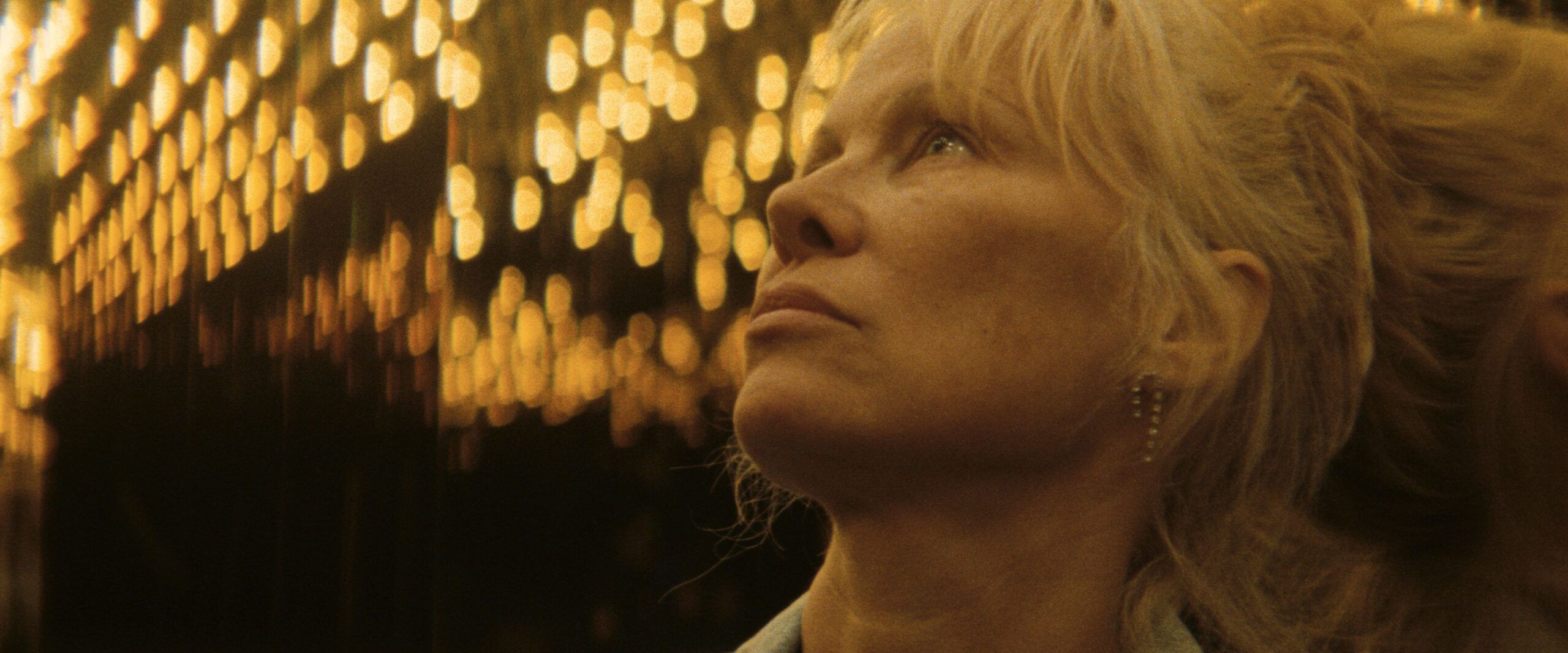
KB: Working in the arts is a fantastic life but, like Jamie Lee Curtis’ character in the film, we don’t often see artists retire – no matter how successful and wealthy they are. And then, you have other people who sacrificed being an actor or musician in order to take care of their family, but hate their job and can’t wait to retire.
PA: I felt very frustrated. I didn’t know if you really would consider me an artist because I kind of got away with murder in a bathing suit, and that was my job, and then I was going to Samuel French [Bookshop] and reading Tennessee Williams plays, and taking acting classes privately, and wanting to do more, but I thought, “I think that’s it. I think that’s all people are going to look at me as.”
I really beat myself up, thinking I blew it. I didn’t work hard enough. Somehow, I fell into the trappings of becoming this thing that didn’t have a lot of respect, and I had to really work on myself and change things around. And I did that over the last few years, really focused on that after my kids were grown and happily on their own and thriving. I turned my focus back onto myself and thought, “I’ve got to figure out, what are my original thoughts? What did I ever really want to do? I wish I would have done more.” And then it all came about, so I was very lucky. I think opportunities can come too and we may not recognize them. You’ve got to keep your eyes peeled.
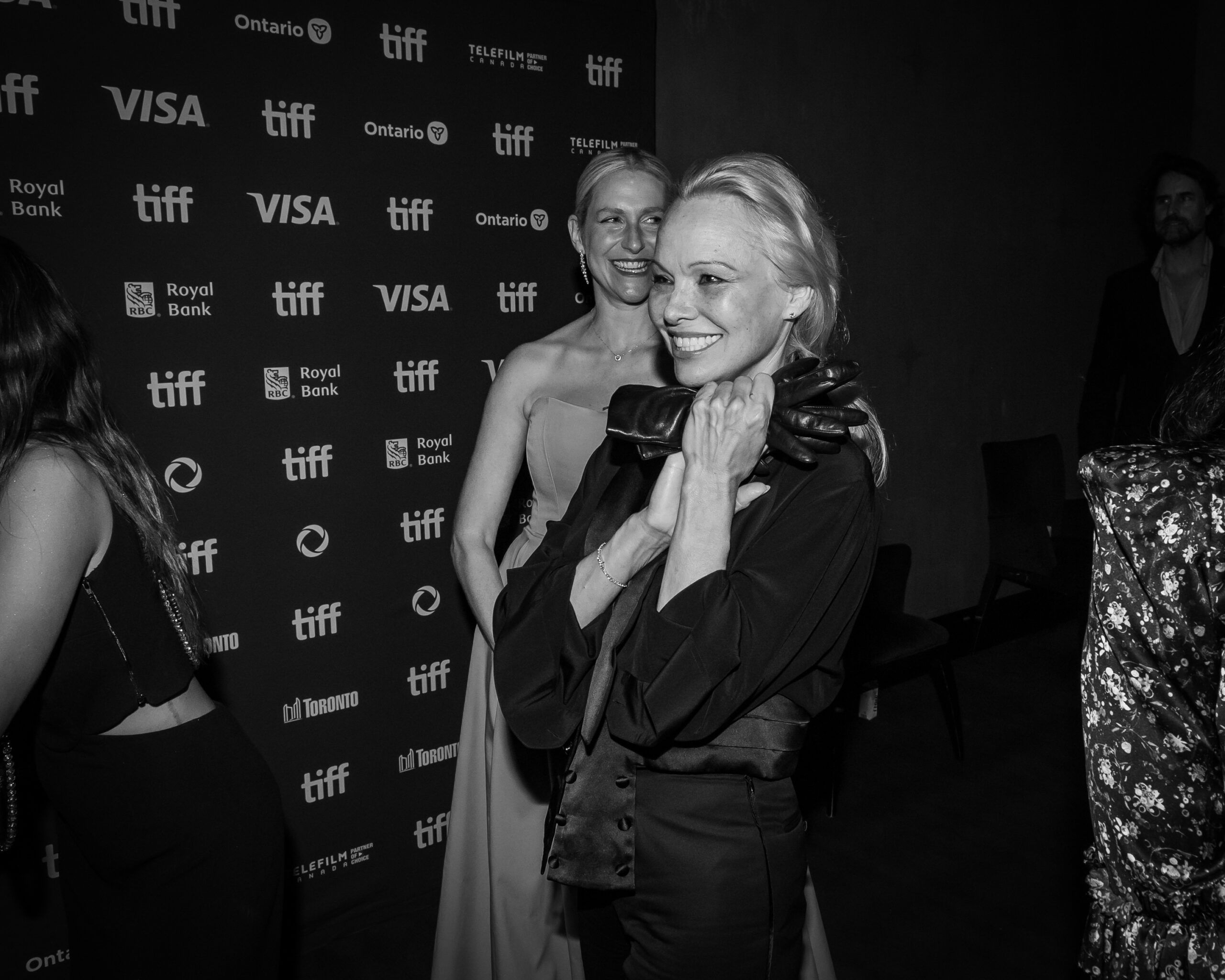
KB: Now, back to the interview you did in 2013 for Zoomer. In talking about aging, you said, “It’s just a part of life. I don’t want to do that chasing youth thing. I think that’s a no-win situation,” and you absolutely did that. I stopped doing my nails. I haven’t let my hair go grey yet, like Paulina Porizkova, but when she did that and you stopped wearing makeup, it was a big deal. But then, there are still so many young people on Instagram not happy unless their photo is run through a filter first. What’s your perspective on that?
PA: I think that as long as you know what you really look like and you look in the mirror and you’re happy with that, then everything else is a bonus. Filter away, wear makeup. But I think you should have makeup-free dinner parties, I don’t know [laughs]. And it’s hard not to get caught up in what everybody else is doing.
There’s no judgment to be wherever you are in your beauty journey. I just felt I needed more time. I didn’t want to spend all that time in glam. I have no glam team. I have no stylist. I style myself now, and I know that probably sounds crazy to even bring up because it’s hard to relate to that, but people must know that actors run around with huge teams of people, and I’m just freestyle. I’ve got nobody with me; I have my great assistant, I have to say that. I’m really fortunate; he does a little bit of everything, but it’s fast and furious, kind of a poetic, romantic way to live. I really like depending on myself, and I think that’s the Canadian girl in me. The Vancouver Island girl is I can do it myself. I’ve got that part of me, and I don’t need all that attention and craziness and chaos around me.
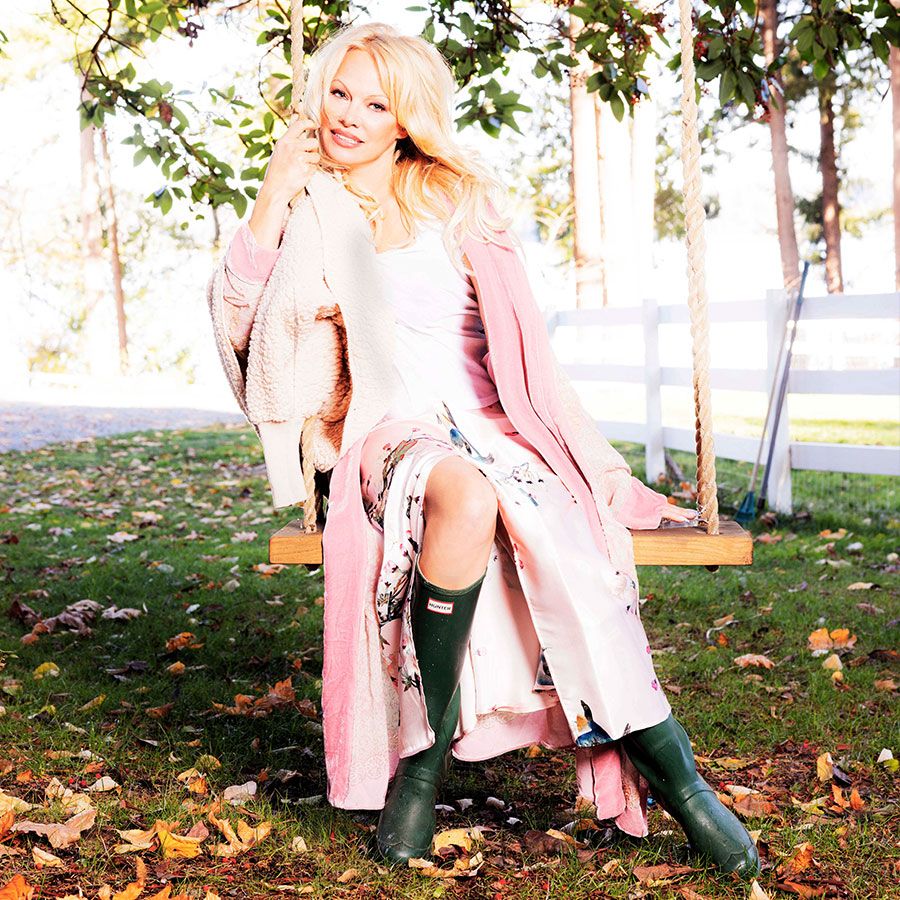
I really am curious about what I have to offer from the inside now. I can’t wait to play more challenging characters. I’ve been talking to wonderful directors. I’ve always been so inspired by those people that have people that they regularly work with, like [Jean-Luc] Godard and Anna Karina … or [John] Cassavetes and Gena Rowlands. I want to find my collaborator who I can work with and really discover things about myself that I don’t know exist. I want to know what’s in there. I want to know what I have to offer, and I think it’s very hard to find those things when we’re very busy people in our lives.
It takes going back to nature, finding out who you are, and that’s been my big experiment.
The Last Showgirl opens in theatres on January 17.
* This interview has been edited and condensed.