Learn how Ontario municipalities and taxpayers are collectively saving over $200 million in costs while improving outcomes for Ontarians and the environment.
As of January 1, 2026, households across the province are benefitting from a new-producer funded, province-wide recycling program that will make it easier for Ontarians to recycle more materials, no matter where they live in the province.
Ontario’s three-year transition to extended producer responsibility (EPR) for packaging and paper products is complete. Ontarians now have access to a convenient and modern blue box recycling program that captures more materials and improves recycling outcomes. The program is 100% funded by producers – the companies that supply packaging and paper products to consumers in Ontario, including the familiar brands and retailers residents interact with every day. This means municipalities and taxpayers no longer pay for recycling services.
“January 1, 2026, marked a major milestone and step forward for recycling in Ontario,” said Allen Langdon, CEO of Circular Materials. “Ontario residents are now able to recycle more materials than ever before and recycle the same materials no matter where they live across the province. This will make recycling easier for residents, improve recovery rates and help advance a circular economy in Ontario. By leaving the province and planet better than when we found it, we will leave a sustainable legacy that benefits generations to come.”
Changing Recycling: A proven approach
The Province of Ontario released the Blue Box regulation in June 2021, shifting the financial and operational responsibility of recycling to the producers of packaging and paper products. The EPR model is recognized as one of the most effective mechanisms for improving recycling rates.
EPR is a data-driven model with accountability and improved recovery targets at its foundation. Rooted in principles of continuous improvement, EPR enables operational efficiencies, drives recycling and packaging innovation, and creates stronger accountability and performance throughout the system.
Additionally, by shifting financial responsibility to producers, EPR enables municipalities to redirect their budgets to other local initiatives. Under this new system, Ontario municipalities are collectively saving over $200 million in costs.
The three-year transition to the new system began on July 1, 2023, with communities onboarding into the new program over time. As of January 1, 2026, 383 communities and 12 First Nations in Ontario have fully transitioned to the EPR program.
Consistency makes recycling easier and builds a greener, and more sustainable Ontario
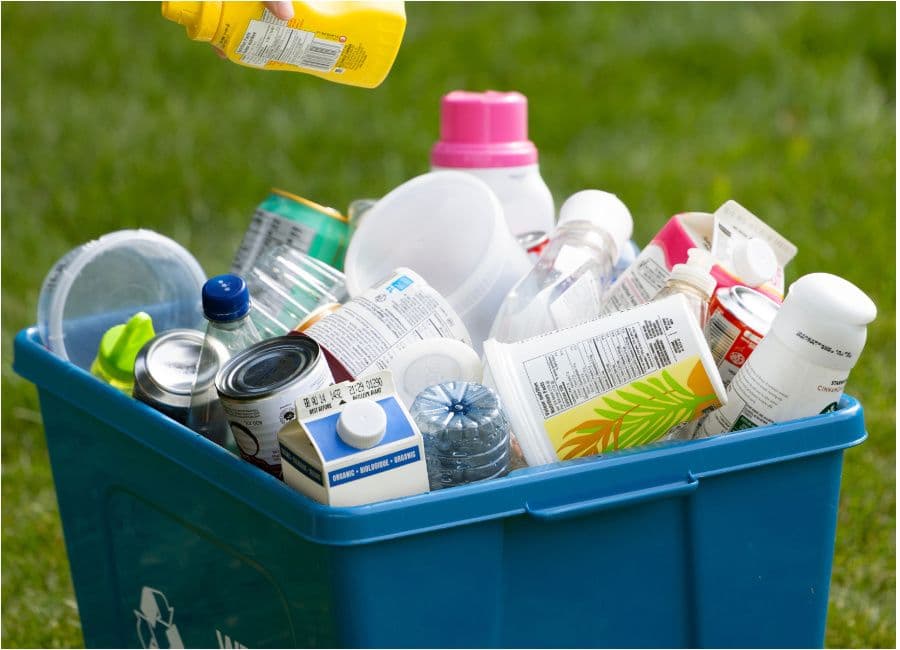
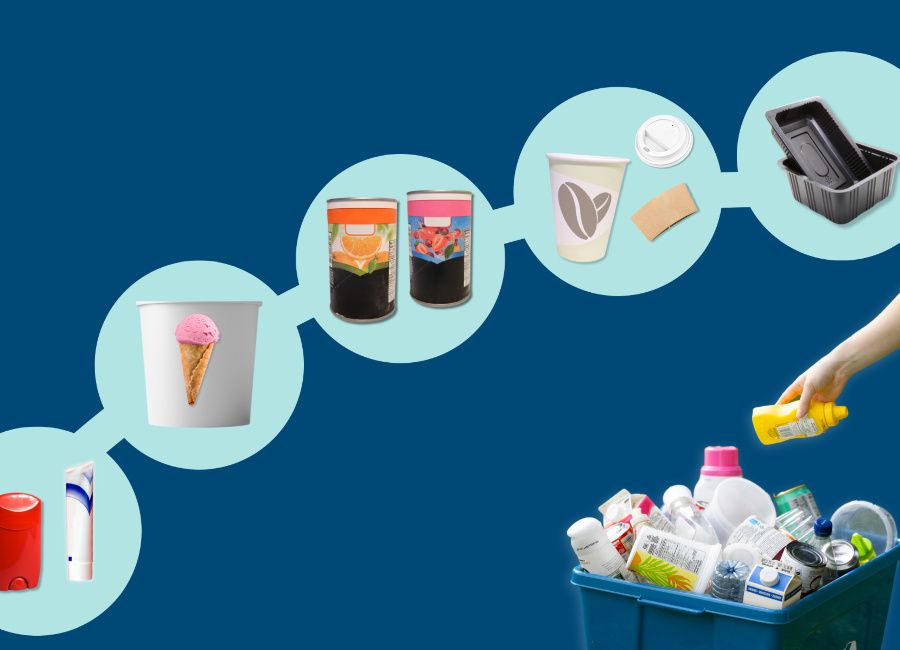
Previously, materials collected for recycling varied by community across the province. For the first time, a new province-wide material list now applies in every community, whether you live in downtown Toronto or northern Ontario. The new list also expands the items that can be recycled to add hot and cold beverage cups (coffee cups), black plastic containers, frozen juice containers, ice cream tubs, toothpaste tubes, deodorant and more. For households, this new system means consistency and less guesswork – ensuring their recycling efforts are making a difference.
Supporting residents through the transition
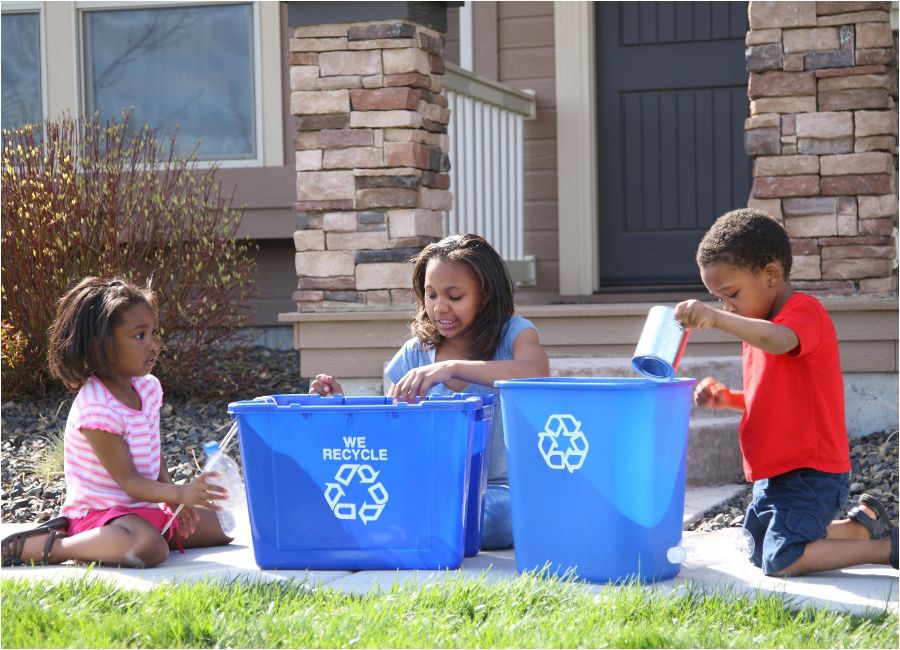
Circular Materials has been working with communities to support a smooth transition to the new system. Community-specific webpages provide local collection schedules and service updates.
Advancing the circular economy through innovation and efficiency
One initiative in development is Circular Materials’ Material Access Program, a made-in-Ontario innovation that will return recycled materials directly to producers for use in new packaging and products as post-consumer recycled content.
“Through the Material Access Program, we will work to ensure that materials collected and recycled from households go back to producers for use in their new packaging and products. This reduces the need for virgin natural resources and keeps valuable materials in circulation. That is the circular economy in action,” said Allen Langdon, CEO of Circular Materials.
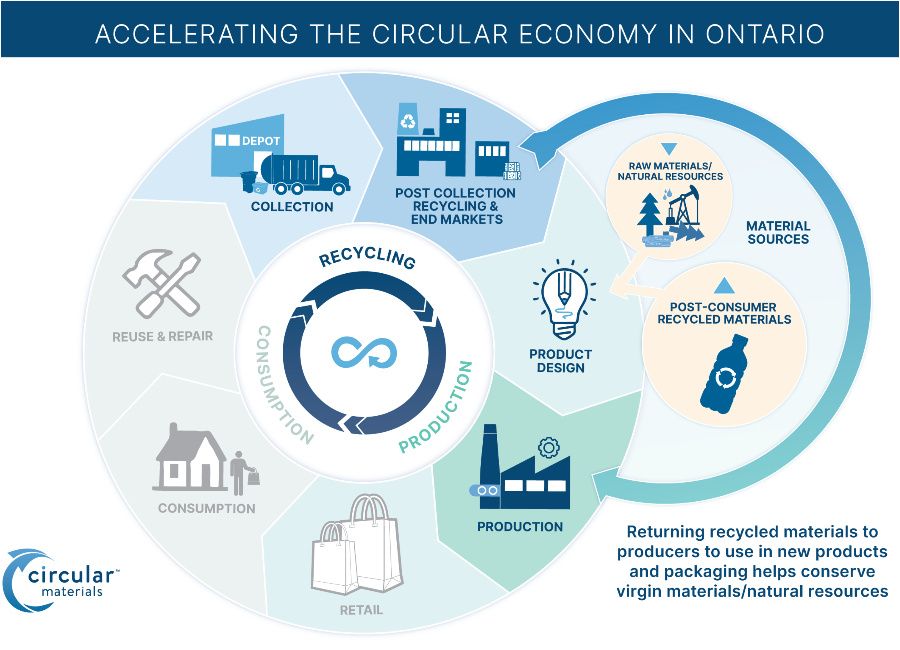
A recycling system under EPR regulation is about more than new recycling bins and lists. It is a fundamental rethinking of how we use everyday materials from beginning to end. In this way, Ontarians can become leaders in driving a circular economy for paper and packaging over the long term for the benefit of people and the planet.
To learn about the recent advancements and changes to the recycling system across Ontario, visit circularmaterials.ca/