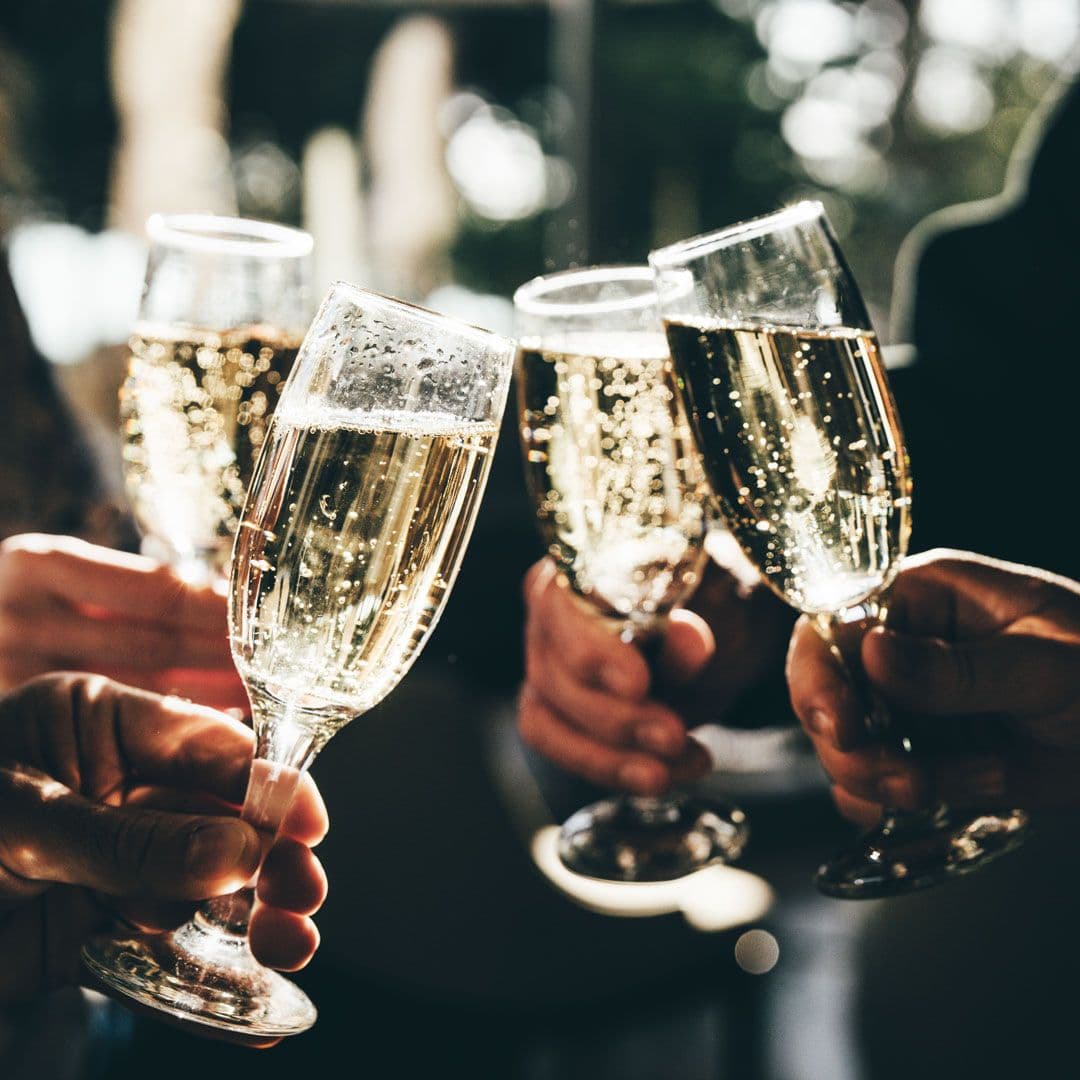
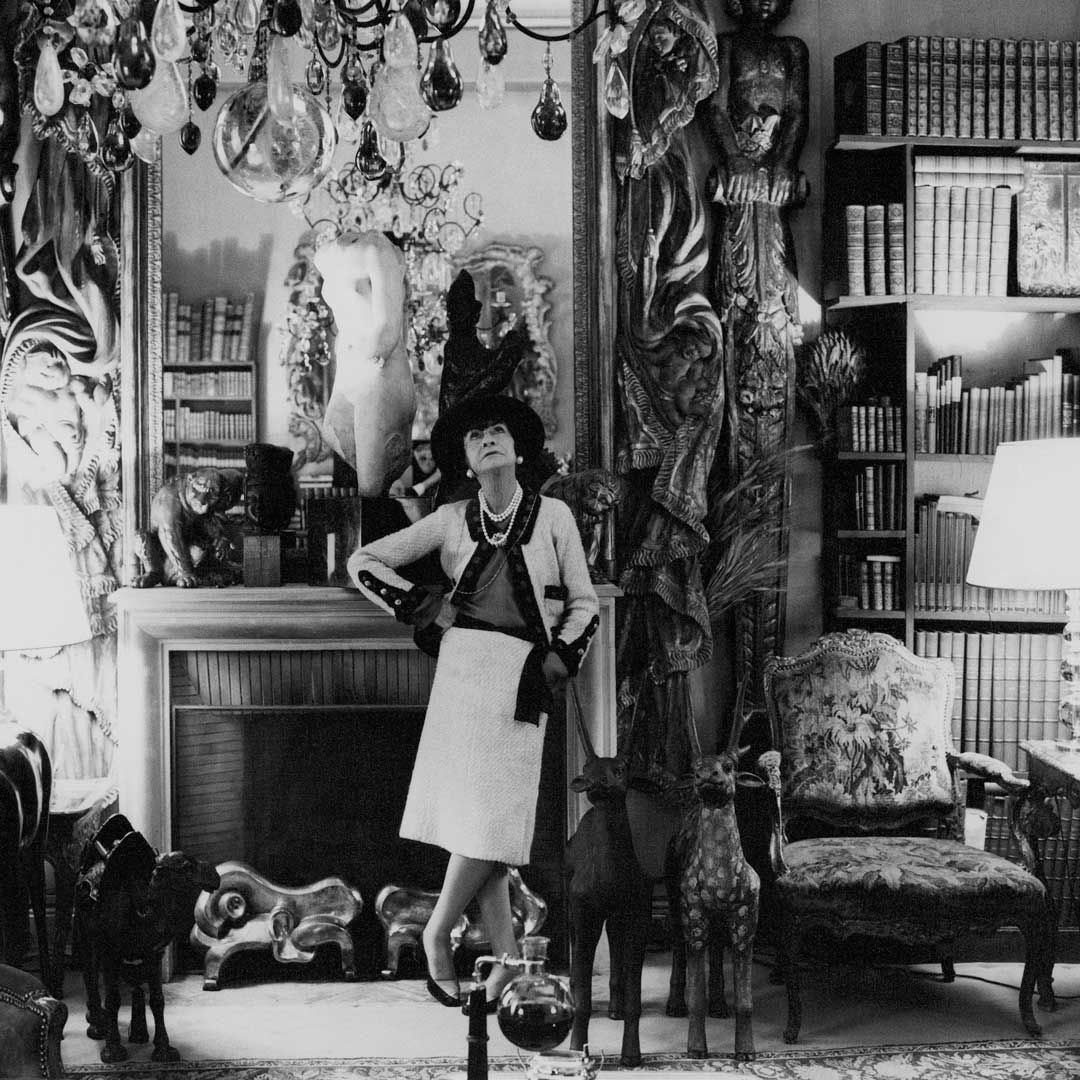
“I only drink Champagne on two occasions, when I am in love and when I am not.” It seems Coco Chanel was ahead of her time not only in matters of little black dresses. The bubbly has long been a preferred wine of the stylish set. Long before there was a Champagne Papi, and before Beyoncé and Jay-Z popped the cork of a bottle of Armand de Brignac in the backseat of their town car in Tiffany & Co.’s diamond-studded “Date Night” ad from 2021, it was the French aristocracy that indulged in the bubbly. From 15th century kings of France to Mary Antoinette who, a couple of centuries later, reportedly commissioned a coupe modeled after her left breast, Champagne has long been the go-to vino of the elite.
Fast forward to the present day and sparkling wine has been fully democratized. (To be clear, champagne itself is sparkling wine; it can only be called Champagne, however, if it’s produced in the Champagne region of France.) Some reports, in fact, claim that many regular folk sip it regularly, enjoying some bubbly as part of their casual, end-of-day, wind-down routine. And according to Statscan, sparkling wine sales in Canada were up 5.9 per cent between 2022 and 2023. That’s especially significant when you consider the relatively flat 0.6 per cent growth for wine sales in general during the same period and.
Once rarified, bubbly now clearly belongs as much on humble backyard terraces as it does in an elegant French chateau.
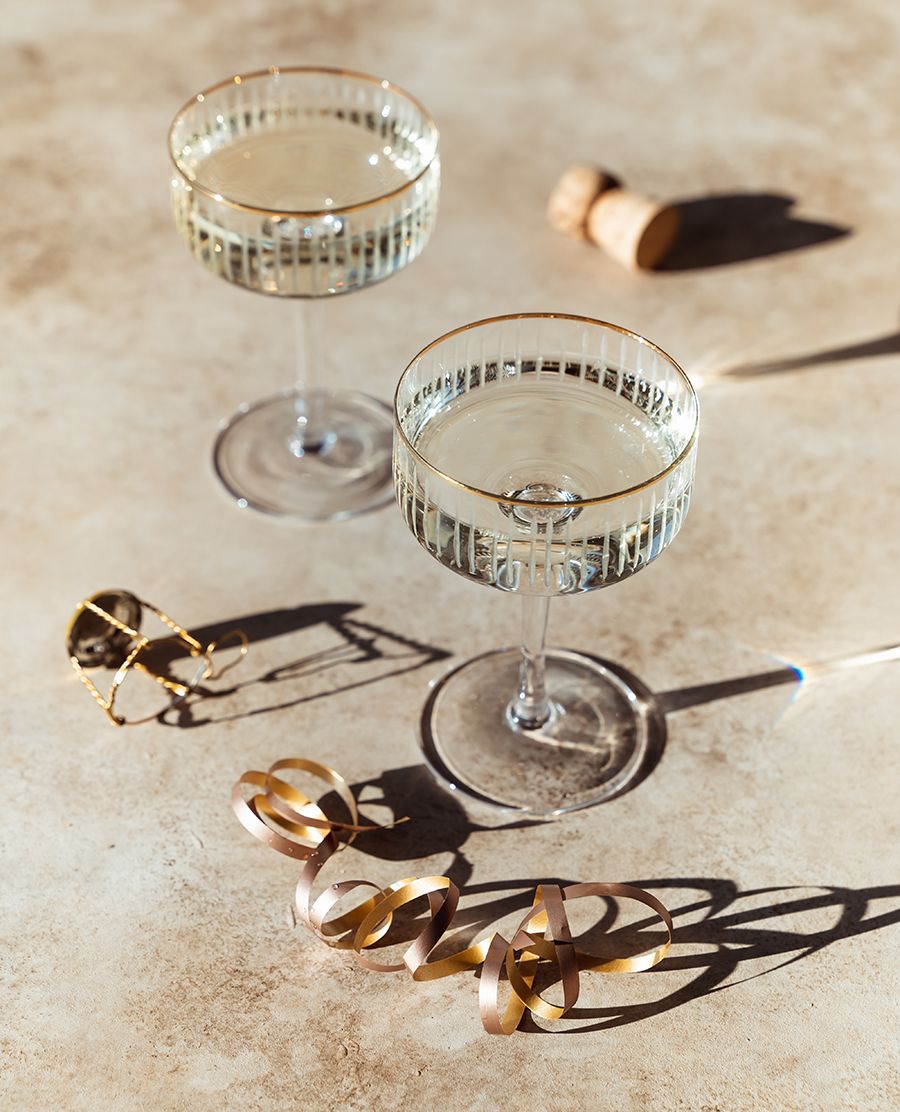
There’s a host of reasons why sparkling wine has bubbled up in the zeitgeist. There’s the fact that, whether one is sipping a high-end French sparkler or a more budget-minded bubbly, it’s fun. It glitters like diamonds. It’s quaffed from fancy flutes and coupes. And there’s that inextricable link to the rich and famous, making it deliciously apropos for today’s celebrity-obsessed culture.
Sparkling wine is also an exceptional food match, thanks to its signature high acid and palate-cleansing carbonation. So that syncs perfectly with this era’s foodie culture, too.
Bone-dry styles of bubbly are also increasingly available, which appeal to a slice of the modern-day population seeking healthier, lower-sugar, and lower-alcohol options (Sparkling typically measures in at 11-12 per cent alcohol compared to a big bold 15 percent ABV Cab from California.)
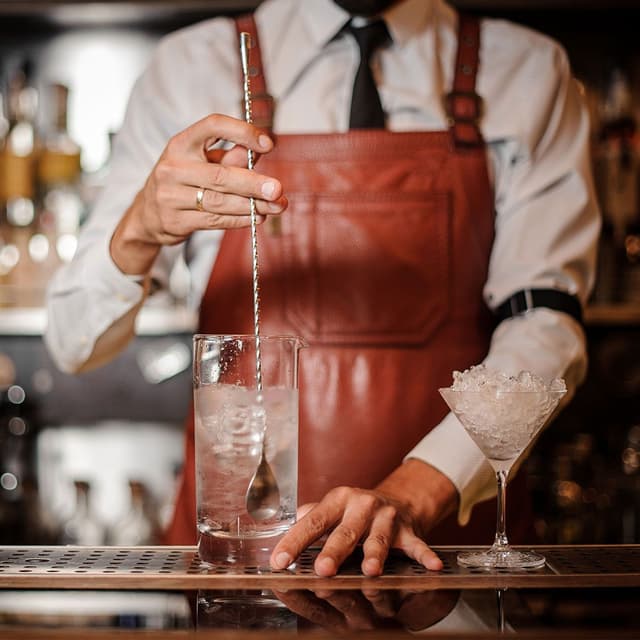
You can also attribute some of the category’s growth to the spritz cocktails – a trend which shows no sign of fizzing out in popularity any time soon. There, sparkling wine plays an essential role in recipes combined with liqueurs, soda, fruit and herbs. From the Campari Spritz to the Hugo Spritz, fizz is fashionable. And undeniably Instagrammable! Champagne, Prosecco, Cava, Crémant: Whatever bubby you choose to sip, it’s a virtual and shareable party in a glass.
Recent innovations such as the Coravin – an easy-to-use-at-home, wine-preservation system that allows one to pour from a bottle without popping the cork – have also made it easier for wine enthusiasts to justify higher-end bubbly purchases. The product’s arrival has also been a boon to fine-dining restaurants, allowing them to expand their sparkling wine by-the-glass menus to include top-tier wines that, in the past, were strictly by-the-bottle orders. It’s a win-win for diners and restaurants, as the sommelier can shelve that “opened” bottle at its effervescent peak for weeks.
Glory, however, should not be given to Champagne alone. Worldwide, sales volumes of Champagne, from Tattinger and Bollinger to Veuve and Krug, are just a drop in the overall business bucket. In fact, more bottles of Prosecco are sold annually than Champagne and Cava combined. Good news, since most of us don’t have a @champagnepapi-sized bank account. From trendy unfiltered natural-wine Pét-Nat (that’s short for Pétillant Naturel) to Prosecco to pretty-and-pink vintage Dom Perignon, there are now bubbles for every budget.
A BRIEF HISTORY: The OG of Bubbly
Champagne is, of course, considered the ultimate – the OG of sparkling wine. But really, is it all that it’s hyped up to be? Is it worthy of the hallowed reputation, and the intimidating prices? Or is it all just savvy marketing?
Risking derision, the question is posed to James Peden, president of the Canadian Association of Professional Sommeliers (CAPS) and Director of Operations for the Liberty Entertainment Group, which owns and operates many top Toronto restaurants including Michelin-starred Don Alfonso 1890, Blue Blood Steakhouse and the Cibo eateries.
His answer is a resounding yes. “That extra $25 or $30 that you’ll spend to get into the category is like a different stratosphere altogether.”
“Champagne is one of my favourite things in this world,” he says. And he admits that the love just keeps getting deeper as his wine knowledge and experience grows.
For the sparkling-wine curious and enthusiasts, Champagne’s exceptionality is the result of many factors: older established vines, the limestone-and-chalk soils of the region, the noble grapes from which it is made, but perhaps most importantly, the “methode Champenoise” or méthode traditonelle process by which it is made.
And it’s a highly regulated process, governed by the Comité interprofessionnel du vin de Champagne (CIVC) trade association, which was founded in 1941. Think of it as the French wine police, who dictate everything from what grapes can be used to make Champagne to how long the wine must be aged. Its main mission was “to defend Champagne against imitations and misuse by other sparkling wine producers who sought to free-ride on the reputation of the Champagne designation to promote their wines unfairly.”
Production-wise, making Champagne involves hand-picked grapes being pressed and the resulting juice being fermented to a dry wine. Then comes the tirage – when yeast and sugar is added. The blend is next rebottled to start a second fermentation. That wine is aged on its lees (a term used for those yeast particles that have started dying as they gobble up that tirage sugar) for a period of time to develop texture and the bready, toasty and nutty flavours – referred to as “autolytic” notes – found in quality Champagne. Bottles are then stored and aged upside down, and ever-so-slowly turned over a period of time. Clarification happens during this “riddling” step as dead yeast settles in the neck of the bottle. The bottles are then placed into sub-zero liquid to freeze that sediment so it can be easily removed or disgorged. Finally, the vessel gets topped up with a shot of wine and sugar (dosage) and corked again before being shipped to wine lovers the world over.
Beyond Champagne, winemakers employ this traditional method in Spain to make Cava, in Italy to make Franciacorta, and in France (as well as Australia and Canada) to make Crémant. In the case of Crémant, the name was given to sparkling wine made in the traditional method and using the permitted grape varietals in France, but crafted outside of the Champagne region. The result was the establishment of various Crémants in nearby regions – Crémant d’Alsace, Crémant de Loire and Crémant de Bourgogne.
Wine enthusiasts take note: the traditional method is considered the gold standard of production so, when shopping, look for it called out on the label. It is an indicator of quality, and hints at the complex character of the wine in the bottle.
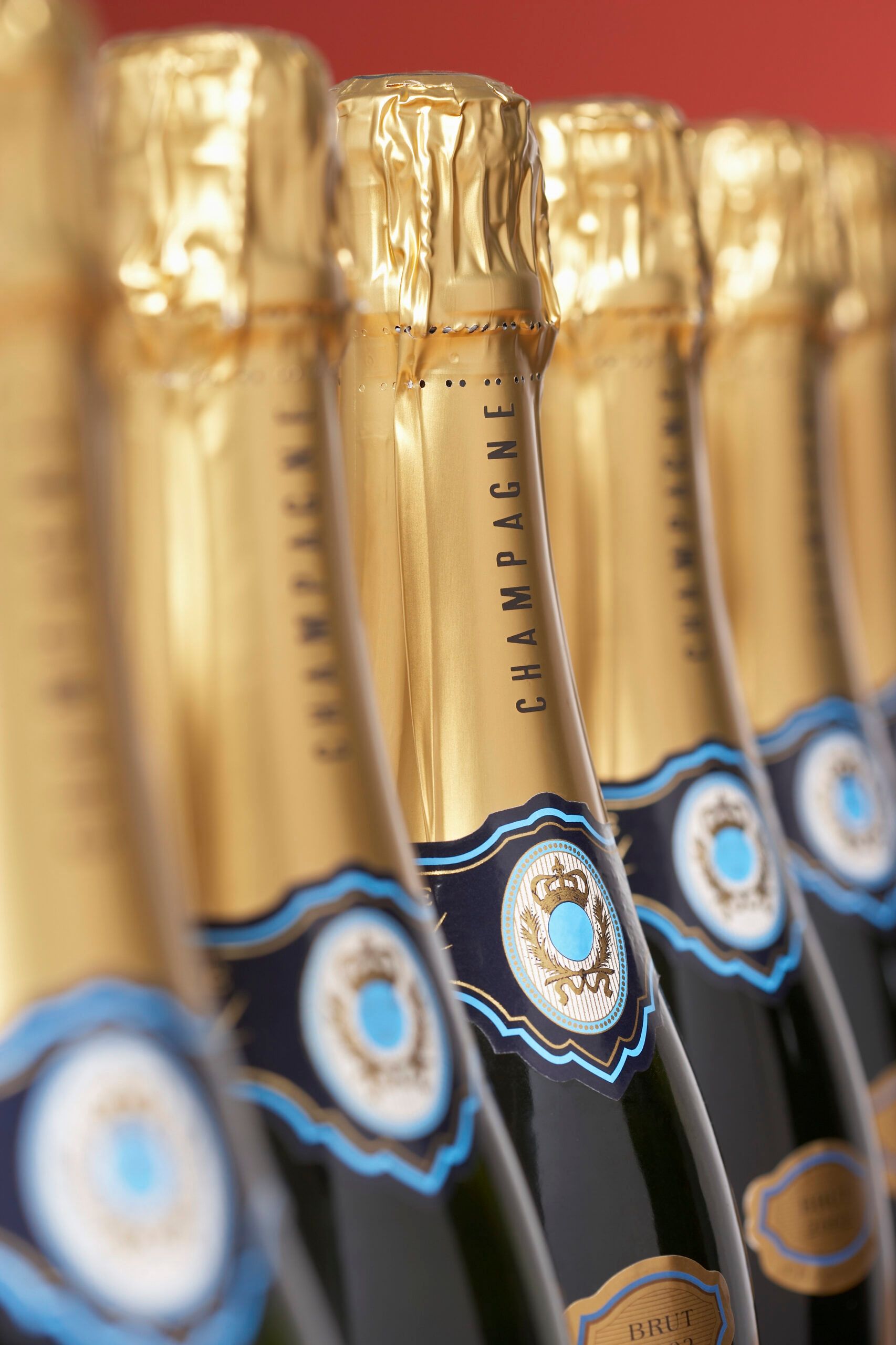
FROM PÉT-NAT TO PROSECCO
One way to navigate, and shop, the world of sparkling wine is to understand winemaking basics and how it affects taste, character and price. Here’s a quick primer to begin on the key production methods beyond the traditional:
Ancestrale Method:
This méthode ancestrale actually predates the traditional method process. Here, fermentation is stopped by chilling and filtration. Once the wine is in the bottle, it completes the fermentation process with the carbon dioxide trapped inside. When the ideal Co2 level is achieved, the bottle is chilled, riddled and disgorged in the same way as the traditional method. In this case, though, no dosage is added. The result is a beautifully cloudy, unfiltered wine with a natural sweetness and a light effervescence. Think trendy Pét-Nats, a wine style that’s been trending over the last few years with natural-wine fans.
Transfer Method: Elegance in a Glass
With the transfer method, wine undergoes secondary fermentation in the bottle, just like the traditional method, however, it’s then transferred into tanks before being sent through pressurized filters to remove the lees and rebottled. This process, often used for large-format bottles of quality sparklers including Champagne, Franciacorta and Cava, preserves the wine’s elegance and flavours and offers a balance of fruit notes with a creamy mouthfeel thanks in part to those fine, long-lasting bubbles or mousse.
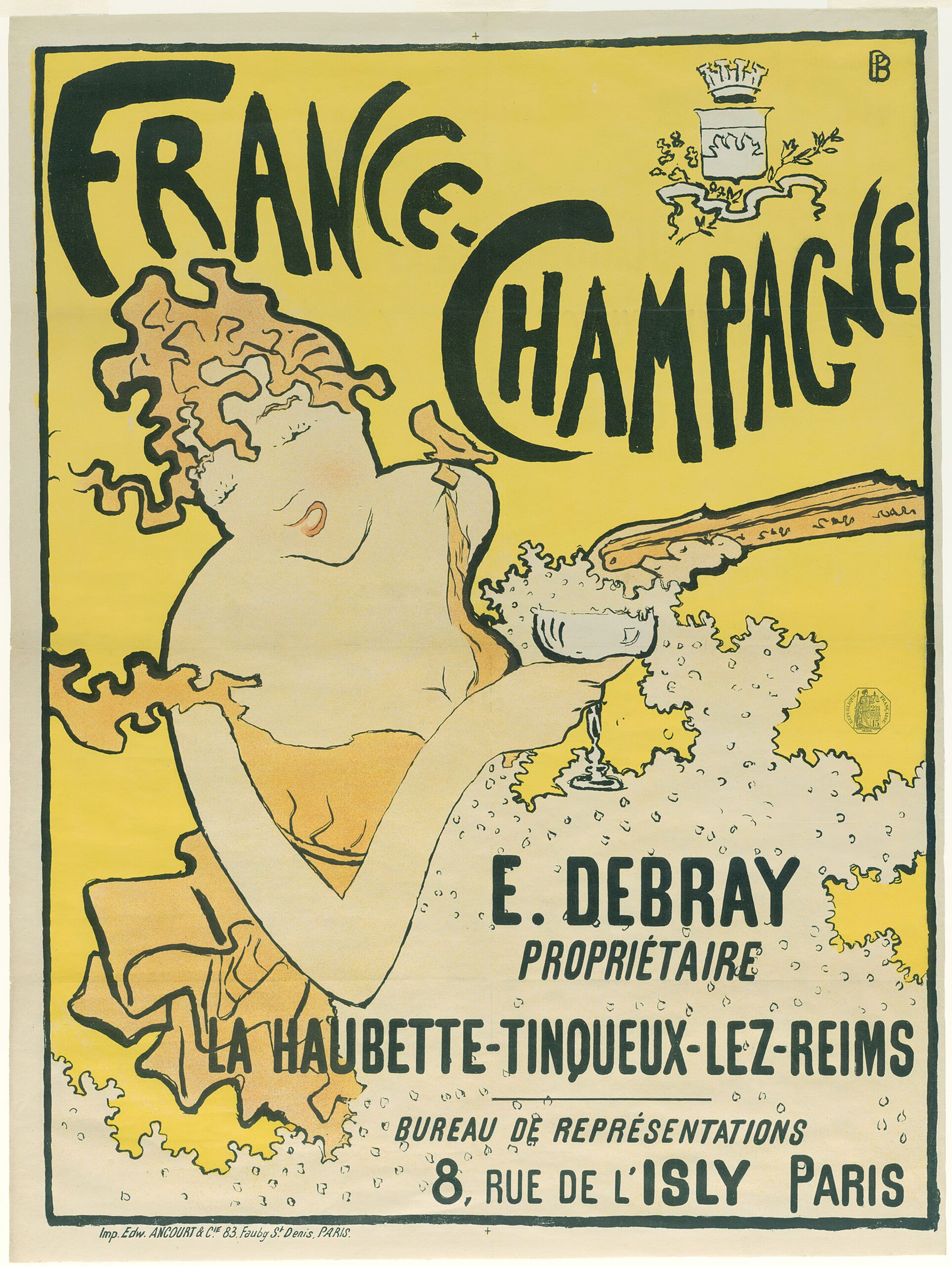
Charmat or Tank Method: The Fresh One
Most Italian Prosecco and Lambrusco is made using this method. Here, the tirage is added to a base wine which has already been fermented to dryness. The liquid is then placed in a large tank to undergo second fermentation (verses in-bottle for traditional method). As the wine ferments, pressure builds up in the tank, thereby creating those desired bubbles. The wine is then filtered, a dosage added; it’s bottled, and then released immediately for sale. Style-wise, tank method wines are typically fresh with signature yeasty secondary flavours and big, explosive but short-lived bubbles.
Gas-Injected Method: Basic Bubbles
Last but not least, we have the fast and easy carbonation method. Here wine is gas-injected with CO2 in a large tank. Typically, these are lower-quality, easy-drinking sparklers with pronounced fruit notes and frothy, soda-pop style bubbles.
Understand sparkling winemaking methods and aging requirements and you start to appreciate the costs. Consider, for example, the minimum three years aging required for vintage Champagne. All that time sitting and fermenting and taking up space in the winery – and not generating cash flow – as more complex flavours are being developed. Suddenly that three-digit price makes more sense.
FROM CHAMPAGNE TO CAVA: A Sommelier’s Shopping Tips
James Peden’s personal go-to may be Champagne, but his insider tips can help guide your sparkling-wine shopping beyond the iconic French bottles and help you get the best bubbly for your buck.
Go with Crémant if you love Champagne but not the price tag, he says. “This is a very close lateral.” In other words, same traditional method as Champagne, same noble French grapes (Chardonnay and Pinot Noir), same fine mousse and a similar toasty complexity.
On the topic of Cava and Franciacorta, Peden says the former has a distinct (and not universally enjoyed) tartness because of the grape varieties used. Franciacorta on the other hand, can be hard to tell apart from Champagne, especially if you spend a bit more and get a bottle with plenty of body and texture because of its aging. “It’s immediately more fruit-forward and definitely less complex than Champagne, but still outrageously tasty,” he says.
Prosecco definitely has its place, he adds. “It’s the freshest and least complex. They’re not using old vines. They’re not aging at the winery. They just make it, pressurize it and off it goes. It’s meant to be enjoyed immediately. Simple and celebratory.” Consider it ideal for cocktail making, too, especially if you’re whipping up a round of spritzes or bottomless brunch mimosas.
Choosing Homegrown Sparklers
Sparkling wine is also a specialty in many wine regions in Canada, from Benjamin Bridge in Nova Scotia to Noble Ridge in the Okanagan area, and myriad makers in Ontario’s Prince Edward County and Niagara regions too. It’s the country’s cold climate – east to west – and the unique terroirs of these regions, that make it well suited to cultivating the right high-acid grapes required to make top-tier bubbly.
Among Niagara’s sparkling wine newsmakers is Domaine Le Clos Jordanne, based as per its title, in Jordan, Ontario. Its winemaker, Thomas Bachelder, is one of this country’s most-lauded. He debuted the brand’s first sparkling wine at the newly expanded winery earlier this year. His is a traditional-method blanc de noir sparkler (a white from red grapes). And in a nod to his Quebecois roots and to his training – honed in Burgundy as well as Oregon – Bachelder and his associate winemaker, Phillip Brown, have graced it with a Crémant de Jordanne label.
Seems fitting given the wine’s traditional method of production, the French grape varietals, and the fact that the vineyard is a near copy of the limestone-laced, silt and clay soil makeup of Burgundy. The resulting bubbly is a lively, approachable wine with plenty of red fruit – fresh strawberry, raspberry leaf, red apple peel – along with notes of baked apple, nutmeg, vanilla, and a lean chalky, elegant minerality.
“Champagne, or sparkling wine made traditionally, kind of eases its way into your life and becomes a part of the way you do dinners,” he says. “It’s not just a celebration wine, and it’s not just a Saturday night wine or a friends-over wine, although it’s all those things. It’s becoming this thing where you’re making an effort with the food, and … it makes the taste buds open up and makes people feel that they’re heading into a great meal. It just enlivens everything.”
CHAMPAGNE: Sommelier Selects
James Peden offers good-better-best recommendations for Champagne shopping.
GOOD: Delamotte Blanc de Blancs Brut
“For $110 or so, you can get a blanc de blancs made with Chardonnay that doesn’t make it into Salon (which is $1,300 a bottle). This wine always punches above its weight class and is worth every penny. Such a good bottle to take you through an entire tasting menu because wines like this pair well with everything.”
BETTER: Charles Heidsieck Brut Reserve
“This is around $95, and it has some of the oldest base wines you will ever find in a brut non-vintage blend. Wines as old as 30 years go into this Champagne, giving it very complex flavours and aromas that overdeliver for the price. My favourite food and wine pairing is fried chicken and Champagne, and a rich, oxidative Champagne like this is what makes the pairing perfect.”
BEST: Bollinger Special Cuvée Brut
“I cannot stress enough how underpriced this Champagne is. It is $100 on the nose and outperforms Champagnes that cost $300-plus in blind tastings. Richness, depth and complexity are all off the charts. Serve it to yourself in a burgundy glass and enjoy the aromas that unfold with frequent small pours. If Bollinger is good enough for James Bond, it’s good enough for me!”