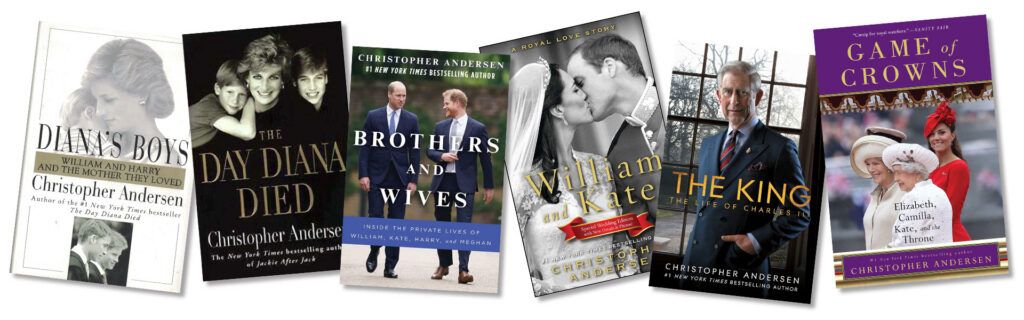
Last week’s publication of Kate: The Courage, Grace and Power of the Woman Who Will Be Queen by renowned royal and celebrity biographer Christopher Andersen comes at a pivotal moment for the Princess of Wales and the British Royal Family. On the heels of King Charles III and Queen Camilla’s high-stakes visit to the United States, in a time of war and social unrest, the senior working Royals are seizing back the spotlight after a couple of years of health crises and scandals – particularly the ugly, tenacious issue of the King’s brother Andrew and his Epstein ties.
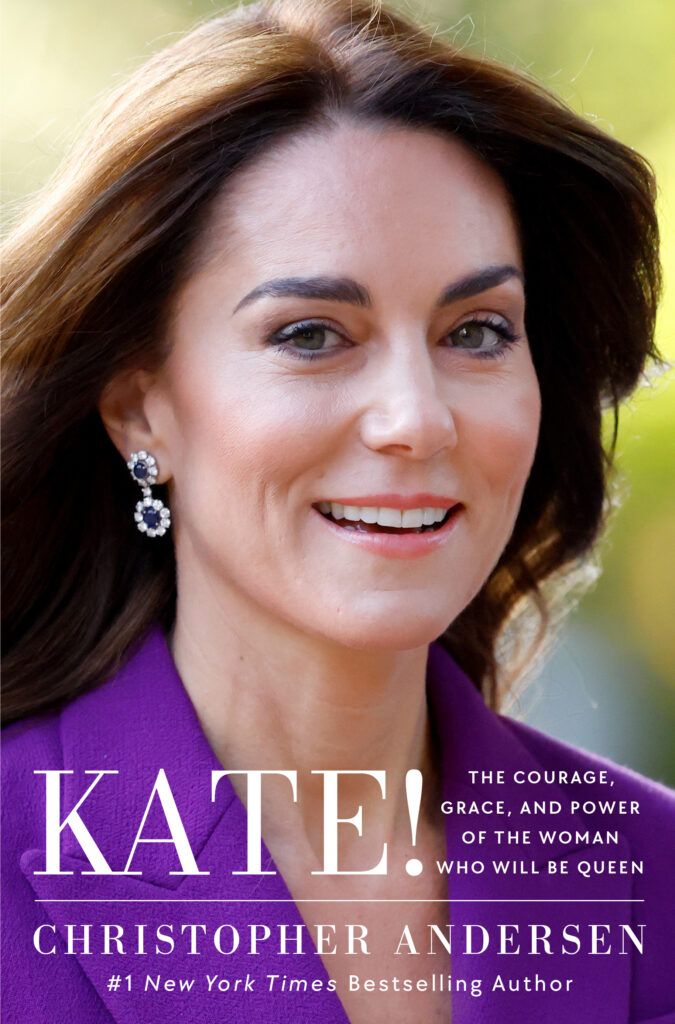
If anyone can cut through that chaos, it is Catherine, Princess of Wales. There is no star brighter than the commoner (as the Brits dub the non-noble-born) who, alongside her dashing, fairy-tale prince, represents the glamorous and popular – as well as solid and dependable – next generation of the Monarchy. William and Kate recently celebrated their 15th wedding anniversary and new birthday portraits were released as Louis, their youngest, turned eight, and middle child Charlotte turned 11. Kate is back to near full speed in her royal duties, having been declared cancer-free following her harrowing health battle.
The big news from Andersen’s book, which broke when the embargo was lifted on May 5, was that Kate was fed up with Prince Harry after he gave an interview to the BBC saying, “I don’t know how much longer my father has.” It was implied that Kate had no time for Harry’s fearmongering and speculation, having endured the same health trauma as the King. Andersen reported, via a Sandringham staffer, that “Princess Catherine is the sweetest, most loving person you could ever know, but like everyone else, she has her limits.” Indeed, an important thread in his biography is that the bond between Kate and Charles has strengthened through their simultaneous cancer experiences. There was also a tidbit about Charles and Camilla reportedly asking Catherine to spell her name with a K to avoid more “CR” royal insignia.

Andersen’s strength lies less in bombshell revelations than in the careful, considered texture of his reporting. As the founding editor of People magazine, he understands keenly that we yearn to know that stars are just like us – that human feelings, frustrations and joys give us dimension. Celebrities – and royals — can seem black and white, like larger-than-life cardboard cutouts, and we forget they have feelings that can be hurt. The Royal Family is an extreme case of this phenomenon: our fascination stems from the remove at which they are perched. The less we know, the more we want to know. Andersen has done a great job in this book, and his seven previous royal publications, working his contacts from below stairs to offer dimensional glimpses of his subject’s humanity – strength and frailty alike.
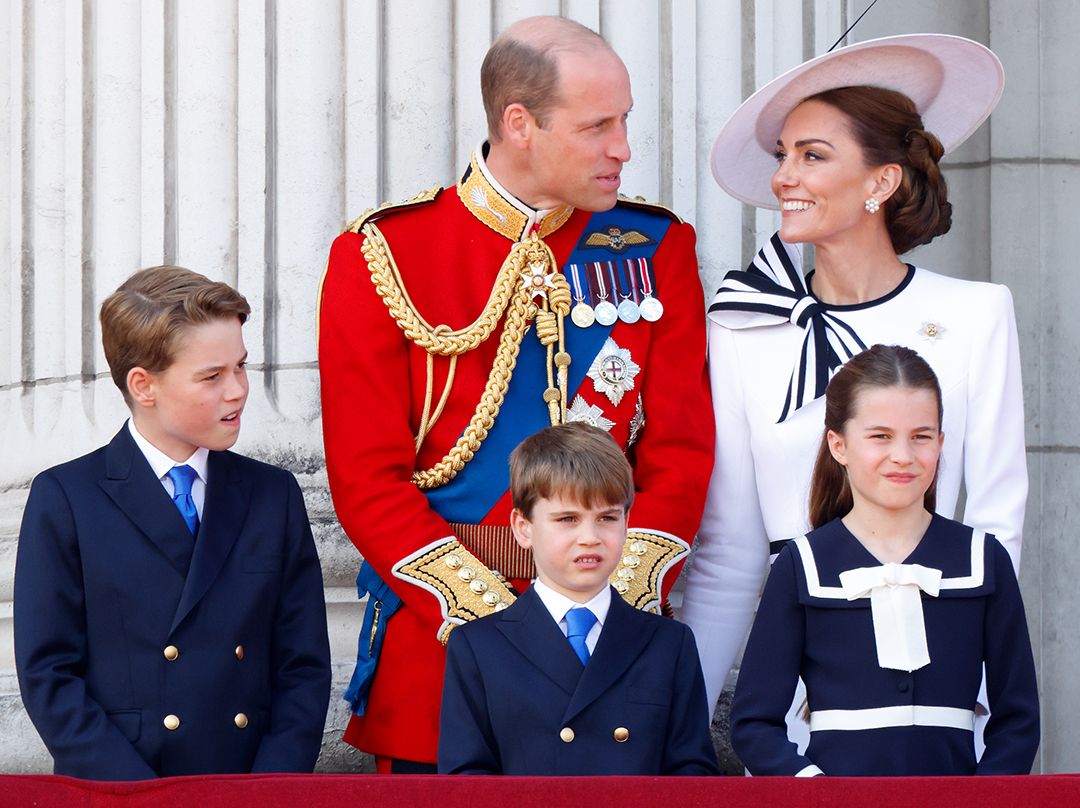
Kate, as Andersen says, never puts a foot wrong. That begs the question: how could that possibly be, given the vast pressures on her shoulders? Notwithstanding undergoing life-saving treatment in the public eye, she is a woman who has to parent three young children, while wearing hats and heels and with a hundred cameras and millions of eyes on her.
Andersen granted me a rare interview ahead of the book’s publication to discuss why he believes Kate is so special, what makes her stand out and why he feels she will be a great Queen.
Zoomer: What qualities does Kate possess that make her such a focus for the future of the monarchy in Britain? How was she able to step out of middle-class life with such aplomb?
Christopher Andersen: I’ve been covering the Royal Family for 52 years … there is no one else quite like her among senior Royals. It would be tempting to say she is Diana 2.0, but Kate is a complete original. Like Diana, she has that common touch that makes her relatable to the average person. But unlike Diana, she was not “born to the purple.” Kate’s roots are not merely middle class but working class and, as such, she will be the first “commoner queen.” She is a descendant of coal miners from the north of England and her mother, Carole, grew up in public housing. That someone from such comparatively humble origins should rise to become the wife of a future Monarch and the mother of another is staggering. Don’t forget, although Kate and William have just celebrated their 15th wedding anniversary, they have actually been together for 25 years.
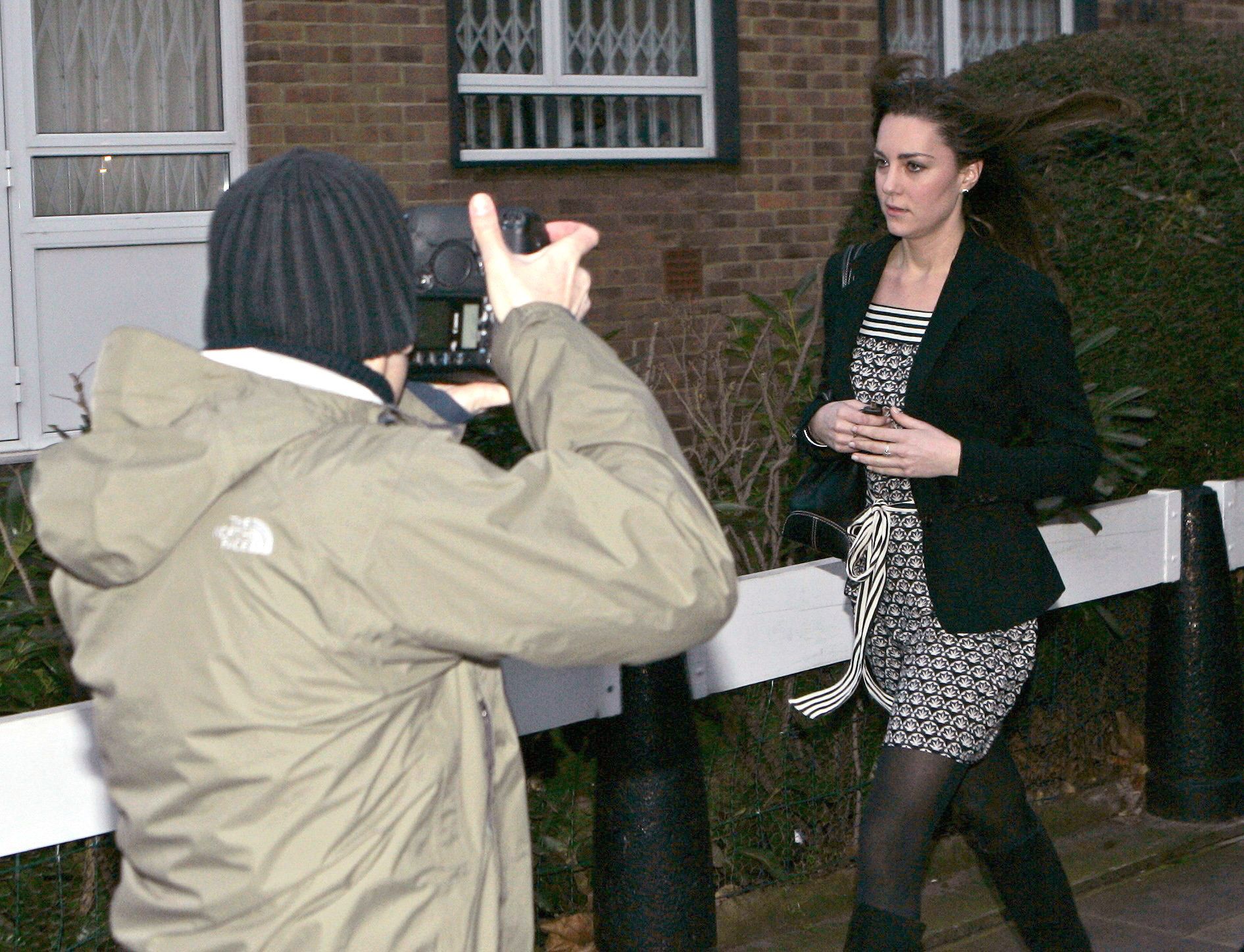
Those first 10 years were the “Waity Katie” decade, when Kate – and the Middletons – were batted around mercilessly by the tabloid press and faced scepticism from some within royal circles who didn’t think she was good enough to marry a Prince of the Realm. Kate proved them all wrong, spectacularly. Kate brings compassion, grace, warmth and charisma – not to mention a wealth of style, wit, beauty, pure old-fashioned grit and patience – to the Royal table. The Princess of Wales, along with her forward-thinking husband, has proven to be a much-needed shot in the arm for an ancient and musty institution that was in very real danger of going extinct.
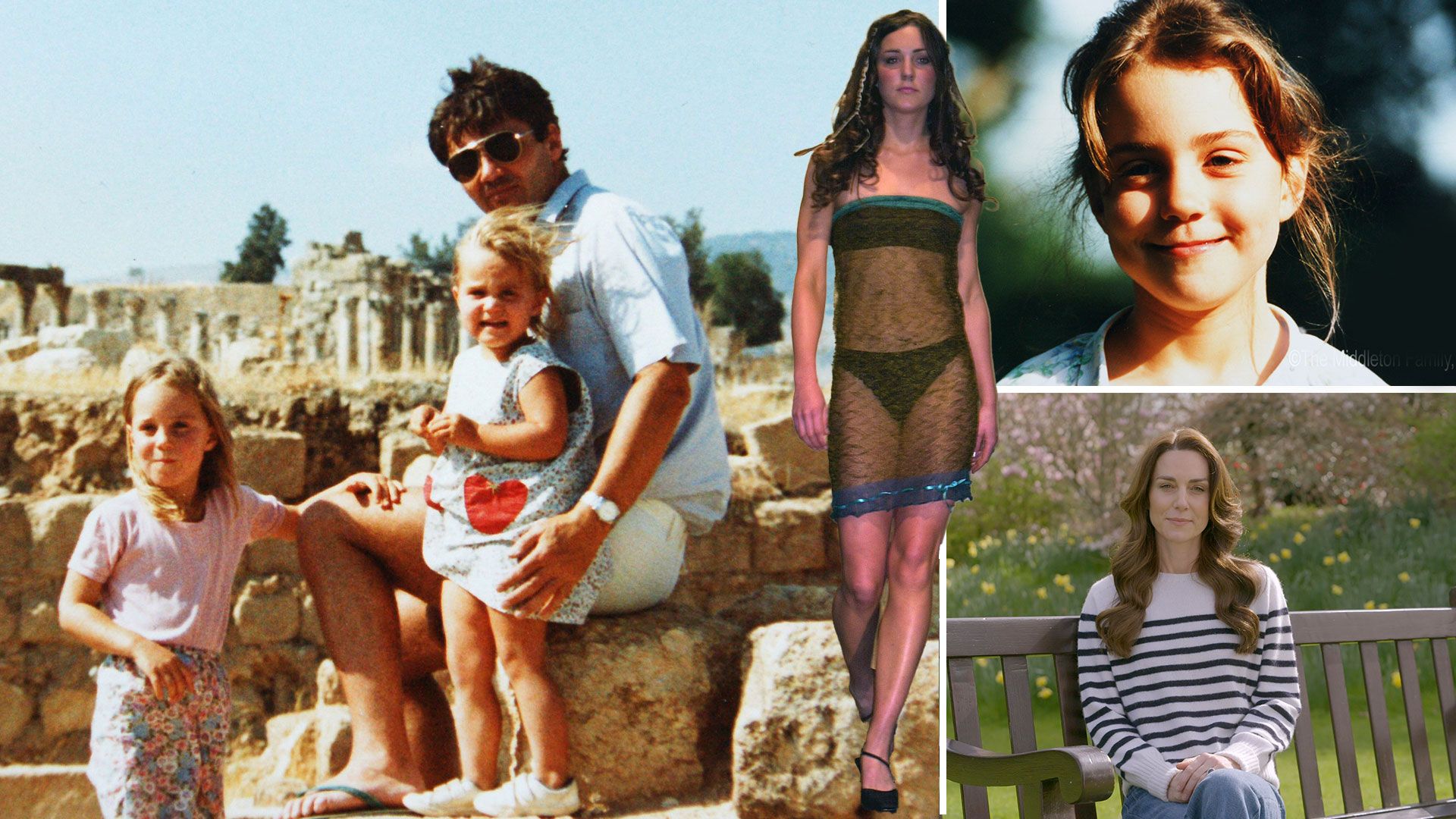
Where did these qualities come from? Unlike Diana, Kate had a very happy childhood with parents who loved each other. And, also unlike Diana, Kate has a husband who loves and stands by her. If she hadn’t been blessed with so much love and support throughout her life, it’s anyone’s guess whether those qualities would have blossomed the way they have. Whatever the reasons, Kate is a force of nature in her own right – and a complete original. Because she has such a strong sense of self, Kate has been able, as the Brits love to say, to “never put a foot wrong.”
Zoomer: Your sources describe Kate as “much cooler” than the other girls at boarding school. Has she always had the knack of standing back and observing? Where does that confidence come from?
CA: Kate has always had a natural reserve. One of her friends, Jules Knight told me: “there is a serenity about her, a kind of calm,” and that Kate is “a great listener.” When she first saw William at the University of St Andrews, Kate held back rather than foist herself on William the way the other students did. She has always had a natural poise. And because she had [reportedly] been bullied at school, even after she became very popular she could empathize with those who didn’t quite fit in. Kate hated cliques and always stood up to the mean girls. There is universal agreement among those who know her that she is incredibly kind and always has been. I don’t think her parents get enough credit for instilling those qualities in her.
Zoomer: How have the challenges along the way, through her courtship with William and now 15 years of marriage, shaped Kate and prepared her to be Queen one day?
CA: William has always been very protective of Kate. He was worried from the start that she might fall victim to the same pressures his mother Diana did — and that she might also be hounded to her death, as he believed Diana was. But people don’t appreciate how much emotional support Kate has given William as he battled trauma and grief following Diana’s death (as he has publicly discussed) and its aftermath. He was also in a very dark place while he worked as an air ambulance pilot in Norfolk. He came home feeling that, as he put it, “death was around every corner.” Kate has been there for him in all these moments when he was suffering extreme mood swings, anger issues and feelings of hopelessness. Kate has always been William’s rock.
At the same time, she had to deal with the pressures of royal life. No sooner did she join the Royal Family than she was criticized for not working hard enough. Kate made it clear that her husband and their young family were her first priority, and that she needed to be there for her children, not spending all of her time unveiling plaques, planting trees and cutting ribbons across the U.K.
Zoomer: How different is Kate today than she was when she walked down the aisle?
CA: Kate hasn’t changed much at all – but she has definitely brought change to the Monarchy. Every sovereign needs to be loved by his or her subjects. The British people loved and respected Queen Elizabeth II. Charles does not command that sort of affection quite yet but he is working on it. Kate has been a beloved figure since she first stepped into the spotlight a quarter century ago, and today she ranks as the most popular Royal – with an approval rating of 74 percent [according to polling].
Zoomer: In your account, Kate seems to be deeply loved within the ranks of the senior working Royal Family. You highlight, in particular, the King’s bond with his daughter-in-law. How did their simultaneous cancer journeys bring them closer?
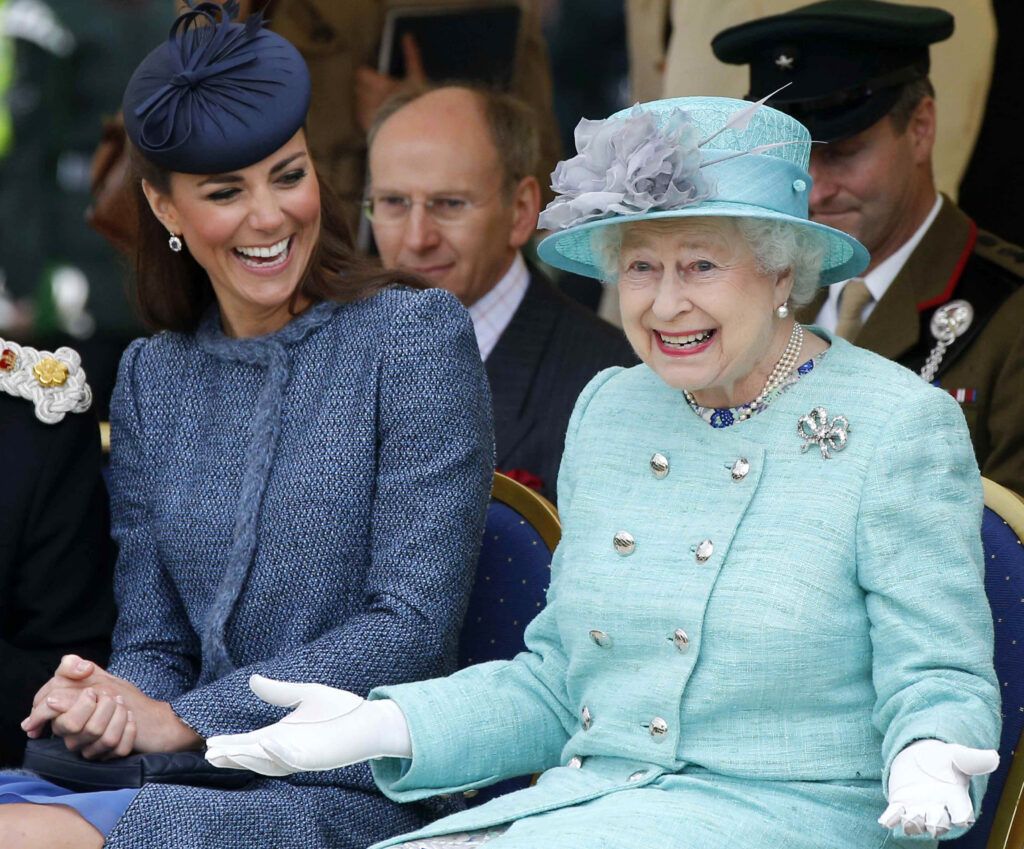
CA: It was such a cruel twist of fate for both King Charles and Kate to be diagnosed with cancer at practically the same moment. One of the most touching scenes in my book is when the King and Kate are both at The London Clinic at the same time and he ambles down the hall to cheer her up when he learns the news of her diagnosis. What she didn’t know at the time was that Charles had just learned that he had cancer as well. They were always fond of each other, but their shared cancer journey has strengthened that bond even more. They engage in all sorts of public displays of affection that wouldn’t have happened in the past – there are lots of hugs and kisses and especially laughter. Kate and the King make each other laugh, and because of that Camilla, who saw Kate as unwanted competition and who has been reported as having a more complex early relationship with Kate, has grown fonder of her. Kate clearly lifts the King’s spirits every time he sees her, and Camilla is grateful for that.
Zoomer: You take great care to describe the way the Waleses broke the news of Kate’s cancer to their children. Is motherhood the key to her relatability, as was the case with Diana?
CA: Within moments of learning of her cancer diagnosis – feeling that the bottom of her world had simply dropped out, as she described it – Kate’s thoughts turned to the children and how to tell them. Kate and William decided to wait until spring break so they could have the children home to break the news gently. But that meant Kate would vanish from public view and undergo chemotherapy in private for nearly two months. I describe the entire operation in the book and, as fascinating as that was, it paled in comparison to “Kategate,” the wave of conspiracy theories that erupted online during her absence.
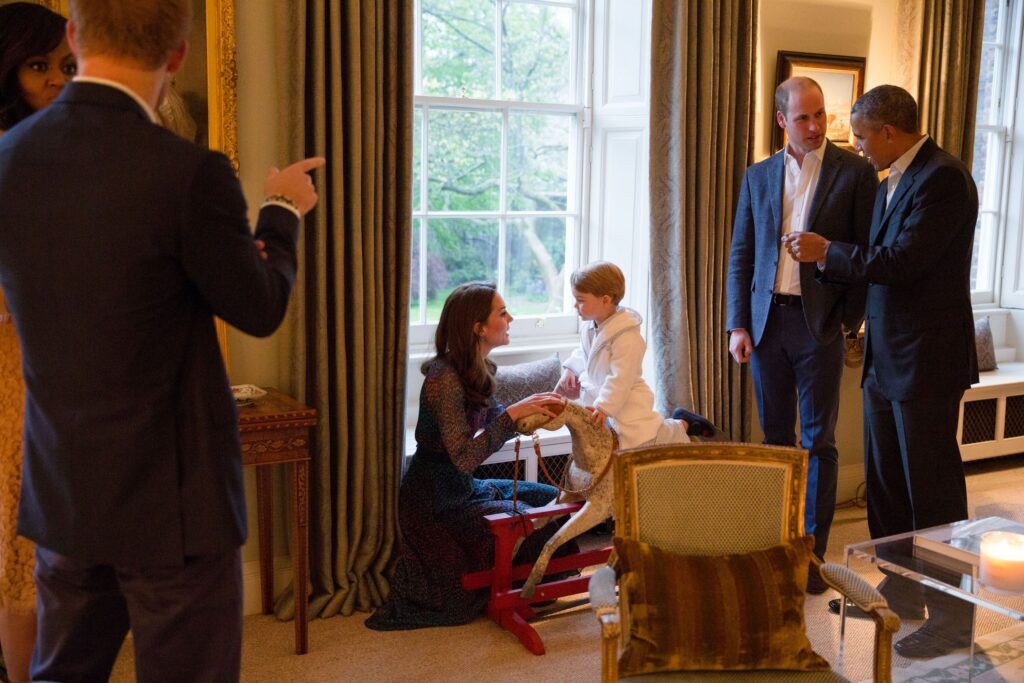
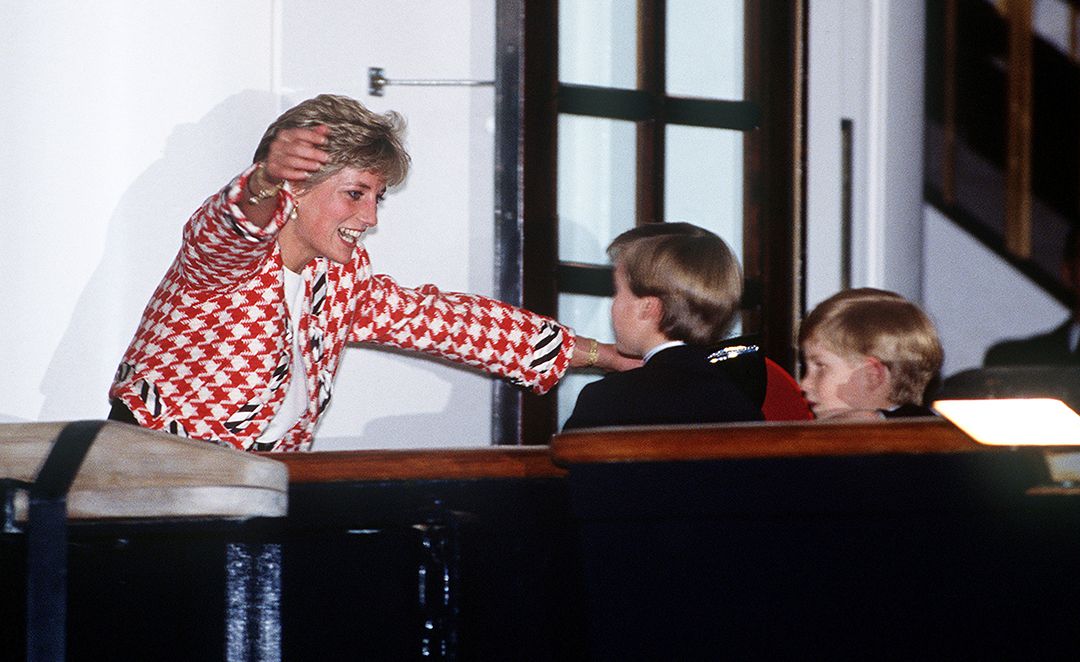
The care William and Kate took to explain the situation to George, Charlotte, and Louis without frightening them speaks volumes about them as parents. They are well aware of their role in history and their duty to country and Commonwealth – but family comes first. Time and again I heard the same thing from those around them: their children are everything to them.
Zoomer: You take great care to describe the way the Waleses broke the news of Kate’s cancer to their children. Is motherhood the key to her relatability, as was the case with Diana?
CA: Kate is indisputably the No.1 fashion and style icon of our time. No one can touch her when it comes to influencing what women wear. The remarkable thing is how effortless it appears. She can rent a gown for $100, arrive at a gala and outshine everyone. She also lives up to her belief in sustainability – she does not hesitate to rewear dresses even at high-profile events where she knows it will be noticed and reported on.
She is also a practitioner of soft power, making sure her clothing always carries meaning; whether it’s wearing red at a state banquet for Chinese President Xi — red symbolizing good fortune in Chinese culture — or a shimmering gold gown at a state dinner honoring Donald Trump. World leaders, frankly, fall over themselves around her. She puts them at ease and draws them in and that makes her not only the Monarchy’s most important asset but also a significant diplomatic asset for the United Kingdom.