Age-related macular degeneration (AMD) – the blurring, and eventually the loss, of central vision needed to see what’s straight ahead of you – isn’t one of those sexy conditions you hear about ad nauseum, but with more than 2.5 million Canadians dealing with this progressive, inflammatory eye disease, it’s something we should be, well, keeping an eye on.
February is AMD Month, and according to the Canadian Ophthalmological Society, this disease is the leading cause of vision loss in Canadians ages 55 and older; more than 200,000 cases are diagnosed a year.
It happens when there’s damage to the macula (the tissue at the back of the eye responsible for central vision). In many cases there are no early warning signs. The condition is diagnosed via dilated eye exam and/or a macular scan with an optical coherence tomographer.
The condition can come on slowly or quickly. As it progresses, it affects your ability to drive, read and even recognize faces. People who have light-coloured eyes, smoke, don’t protect their eyes from the sun or those who have a family history are most at risk, but age also plays a role – risk increases after you turn 50 and again at 60. Actress Dame Judi Dench, author Stephen King and singer/songwriter Stevie Nicks have all been open about their experience with AMD.
The good news, though, is that what you eat – and what you don’t – can significantly decrease your risk. “Foods and your diet have a direct effect on the health of your eyes, including the macula,” says Dr. Michael Sebastian, a Toronto-based optometrist who became a certified holistic nutritional consultant because of the connection between nutrition and the eyes. “There’s a long list of what you should add to your diet and what you should avoid. AMD is an inflammatory disease, and we have an epidemic of inflammatory diseases in the Western hemisphere. But you can make a difference with what you eat.”
What to Load Up On
Probiotics (kefir, sauerkraut, plain yogurt and kimchi) and certain proteins (organic chicken, grass-fed beef, lentils, wild-caught fish and shellfish) are on the load-up list, and, no surprise here, fruits and veggies reign supreme. We’ve been told carrots are good for our eyes since childhood and Dr. Sebastian says that still rings true today – it’s the beta-carotene (the red-orange pigment in fruits and vegetables) that comes into play here. Besides carrots, bell peppers, squash, sweet potatoes and cantaloupe are vital to healthy eyes. Blueberries, broccoli, purple yams, spinach and cabbage are also good options.
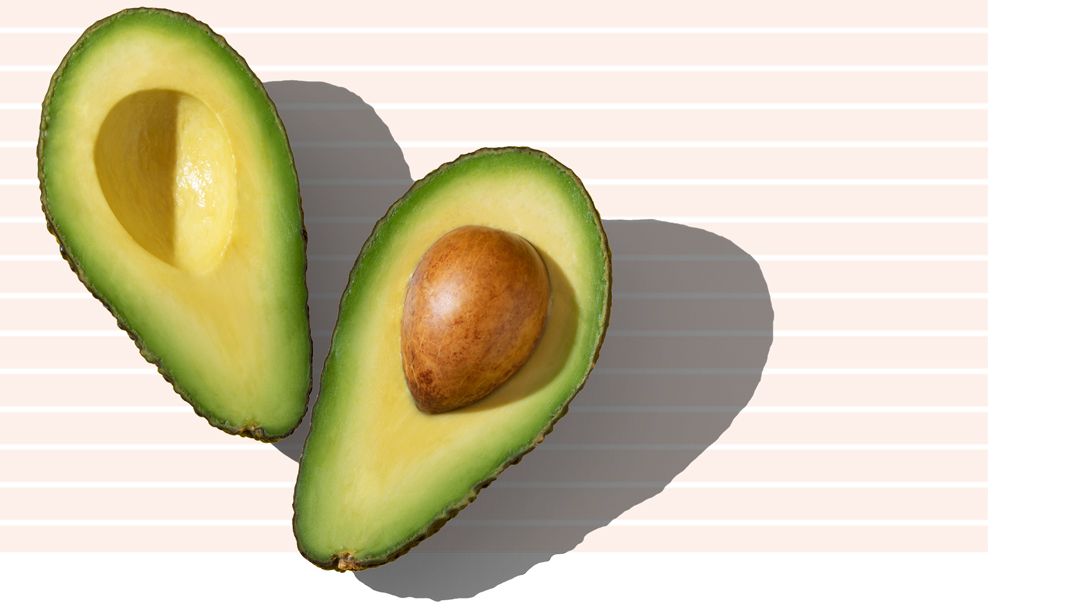
Beta-carotene is fat soluble, so for it to do its job, you need healthy fats in your diet to absorb it. “Most people are healthy-fat deficient because everyone was told that fats cause obesity, which they don’t. But not all fats are good. The trick is to know which are good for you and which aren’t,” he says, adding saturated fats have been vilified in past decades, but they’re not dangerous as was once thought. Consider consuming more olive and coconut oils, avocado, grass-fed butter, omega-3s, nuts, ghee, cod liver oil, grass-fed beef tallow, organic bacon and seafood. “You also need the healthy fats for the absorption of lutein and zeaxanthin, two antioxidants and carotenoids that you need for the maculas,” he says. You’ll get lots of these carotenoids from kale, spinach, collards, romaine lettuce, broccoli and peas, as well as eggs – especially the yolks. They’re also available in supplement form.

What to Skip
The major offenders are inflammatory foods, and Dr. Sebastian says one of the biggest culprits is gluten. “Anything made with wheat, barley and rye is highly inflammatory because of the way we process it,” he says. “And anything that converts to sugar very fast in your body, like chips, fries, rice, corn and potatoes, are problems.” Sugar, bad trans fats (margarine), vegetable oil, canola oil and seed oils are no-nos, as are alcohol, artificial sweeteners and pesticide-ridden foods (wheat, corn, soy and oats).
Zoomer Rx
It’s very important to get your eyes checked regularly, so keep up with exams. The Canadian Association of Optometrists recommends adults ages 40 to 64 be checked every two years, and those 65 and older should have their eyes monitored annually. You might need more frequent visits if you have diabetes or high blood pressure, a family history of eye diseases or if you take medications that have vision-related side effects.