Testosterone doesn’t have the greatest rep. If it summons that type-A macho man image in your mind, you’ve been misled. This sex hormone is vital to men’s health (PSA: Women need it, too) and it plays a role in things like muscle size and strength, libido and sperm production, plus it stimulates bone marrow to make red blood cells, which affects energy levels and metabolism.
While women deal with plummeting estrogen levels during menopause, men go through andropause – a gradual, age-related decline in testosterone. After 40, levels start dropping up to two percent a year, then continue to decline with age. Lower levels come with side effects – by age 55 or so, there’s muscle loss, changes in strength, low libido (and sometimes changes in erectile function), depression and irritability, brittle bones and decreased energy and stamina to contend with.
Studies show about 20 percent of men over 60 have low testosterone levels; that number rises to about 50 percent by the time they’re 75 or so. A diagnosis of testosterone deficiency is made when patients have both low total testosterone levels and symptoms. According to the American Urological Association, testing and prescriptions associated with low testosterone have tripled in recent years, and while there are supplements, medications and even testosterone replacement therapy available, there are natural ways men can prevent a bigger drop. “Poor sleep, stress and chronic illnesses (like type 2 diabetes) may accelerate these declines, but physical activity and a strong diet as mitigating factors may slow it,” says Andy De Santis, a registered dietitian in Toronto.
De Santis admits there’s no one magic food that can fully transform testosterone levels, but there are some natural boosters that don’t hurt to include in your diet. “Certainly, being low in key nutrients, like vitamin D, that are involved in testosterone production and can increase the risk of low testosterone. Equally, low zinc and magnesium have been correlated with low levels, but supplementing these compounds in people who already eat enough isn’t likely to have any influence on testosterone,” he says. While losing body fat, ensuring you undergo physical activity (especially resistance training) and getting quality sleep helps the most, correcting specific nutrient shortcomings isn’t a bad idea. Here are some foods to consider.
Vitamin D – Fatty Fish
This nutrient stimulates testosterone-producing cells, it helps testosterone stay active in the body and it slows down aromatase, which is the enzyme responsible for converting testosterone to estrogen. Fatty fish – think salmon, tuna, mackerel, trout and sardines – are already recommended for heart health (those omega-3s are quite the gems), but they’re also packed with vitamin D (most typically known as the vitamin that helps use calcium to keep your teeth and bones strong). Men over 50 need 600 to 800 IU (international units) of the vitamin a day – three ounces of cooked salmon (about the size of a deck of cards) has about 570 IU and one tablespoon of cod liver oil has 1,360 IU. If you’re not a fan of fish, the good news is that in Canada, vitamin D is added to cow’s milk and margarine, and foods like cheese, yogurt and plant-based drinks are often fortified with vitamin D. Egg yolks are also an excellent source – just one large scrambled egg has about 45 IU.
Zinc – Oysters and Other Shellfish
Zinc is a trace mineral that stimulates testosterone production – it helps secrete the luteinizing hormone, which signals the body to produce testosterone. It also plays a role in the functioning of the immune system and metabolism. Older men need about 11 milligrams of zinc daily, but since many adults over 65 are at a higher risk of deficiency (thanks to reduced absorption and changes in their diet), they can have up to 40 milligrams a day. Raw oysters are packed with plenty of zinc – just two or three have up to 59 milligrams. There’s also a good amount in crab, clams and mussels, as well as beef, liver and lentils.
Magnesium – Leafy Greens
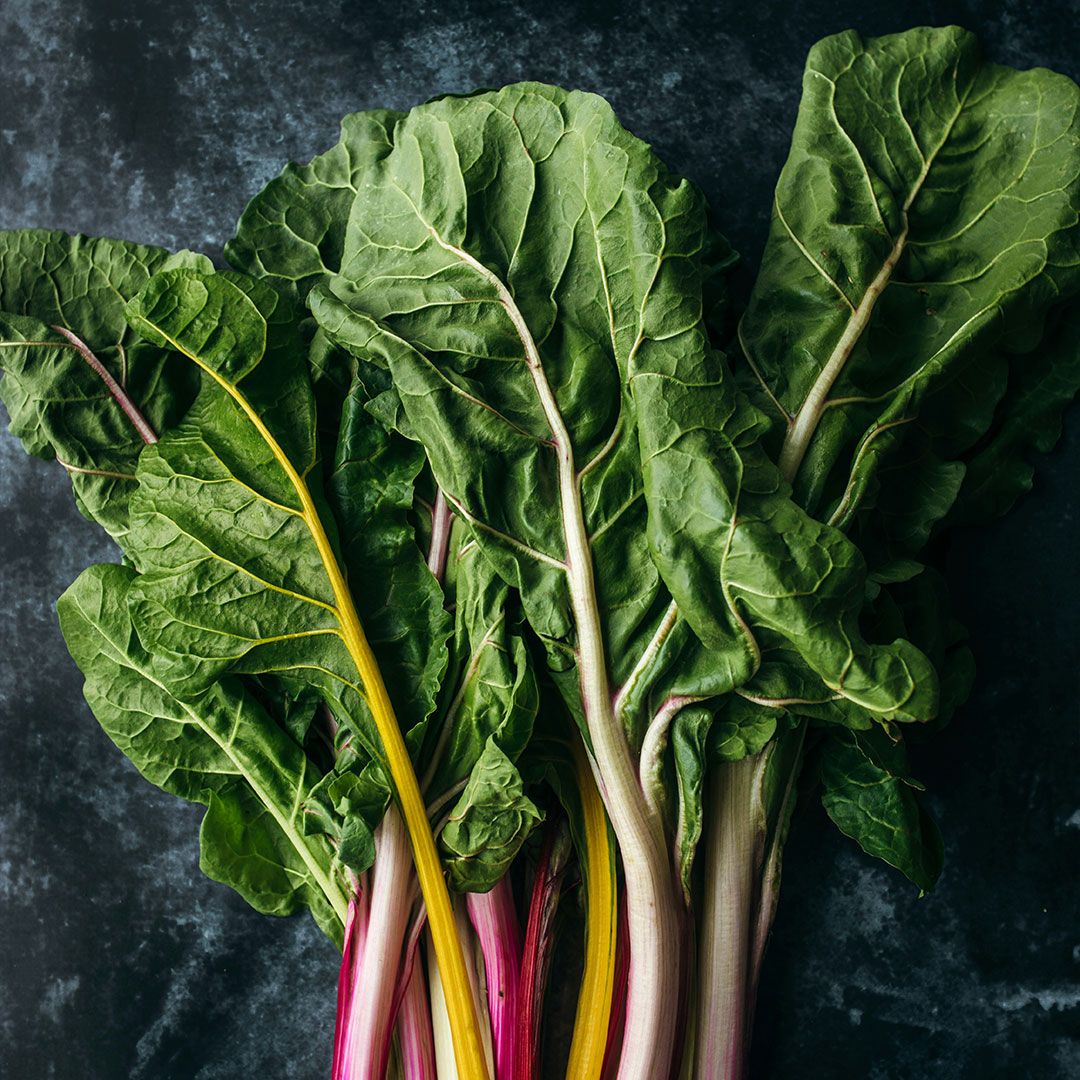
The more greens you eat, the better. A study in the journal Nutrients found men who ate more dark leafy greens – swiss chard, spinach, kale and broccoli – had higher testosterone levels than men who didn’t eat these veggies. These foods are high in magnesium, which supports the body’s ability to produce and use testosterone. It also helps to lower cortisol – the stress hormone destroys testosterone. Men should aim for 400 to 420 milligrams per day, which isn’t hard to achieve since a half cup of cooked spinach has 83 milligrams, a cup of cooked kale has 74 milligrams and a cup of cooked broccoli has up to 33 milligrams. “Kale and collards are also high in calcium, which reduces the risk of colorectal cancer, increasingly common in men,” says De Santis. While you’re at it, throw some seeds and nuts into your kale salads: There’s 129 milligrams of magnesium in a quarter-cup of sunflower seeds and a whopping 307 milligrams for a quarter-cup of pumpkin seeds.
Polyphenols – Extra-virgin Olive Oil
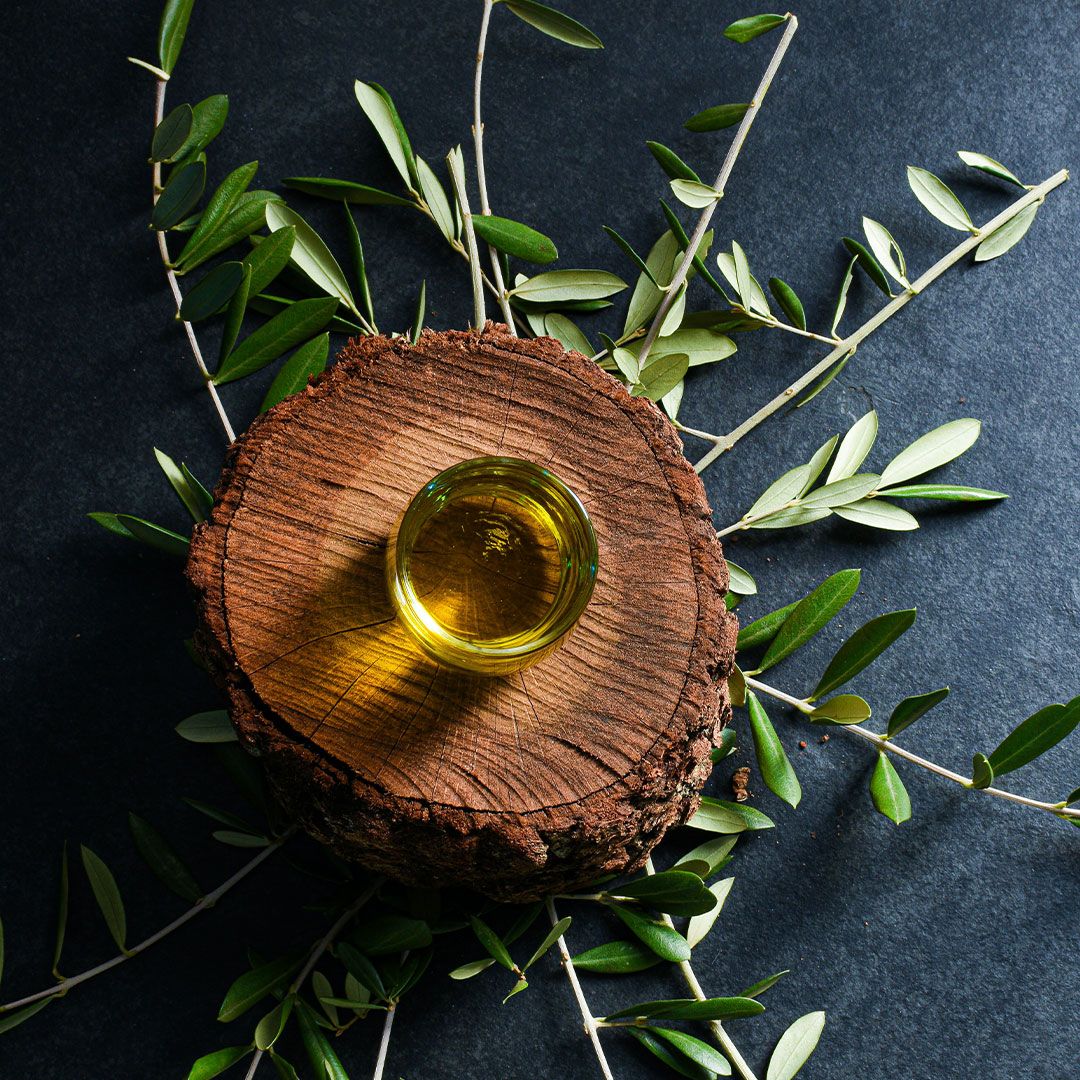
You probably already know the hype surrounding extra-virgin olive oil (EVOO) – it’s lauded for its cardiovascular protection (it’s full of heart-healthy monounsaturated fats) and helps lower LDL “bad” cholesterol and raise HDL “good” cholesterol. It also has polyphenols, natural plant compounds that are natural antioxidants and have anti-inflammatory properties. They reduce oxidative stress in the testicles, which helps the body convert cholesterol into testosterone. Besides EVOO, polyphenols are found in brightly coloured foods like berries, carrots, chili peppers, red cabbage and spinach. They’re also packed into cumin, dark chocolate, green tea and flax seeds.
Zoomer Rx
Your health-care provider can check your testosterone levels when you go for your next blood test. (Book a morning appointment – that’s when levels are highest.) Total testosterone (the entire amount of the hormone in the blood) is generally measured in nanomoles per litre (or nmol/L). If your levels are low, ask your doctor about the underlying cause, the severity of the deficiency and the best treatment options.