Getting older may bring its share of challenges, but it also comes with an ever-growing range of ways to stay healthy, active and independent. Medical research is opening doors to new treatments, while advances in technology are finding smarter ways to address some of the frustrations that can affect our everyday lives. The trick is knowing what’s out there, what’s worth paying attention to and how to make the most of it. Here are five promising developments that could make a difference.
Get Jabbed
Those pesky mosquito-borne diseases can be a literal pain. And if you’re spending part of the cold-weather season in the Caribbean, Latin America, parts of Southeast Asia or some pockets of southern Europe and haven’t heard of the Chikungunya virus, take note. This illness, transmitted to humans from mosquitoes, can cause severe, long-lasting joint pain and chronic arthritis, and it poses a big risk to travellers older than 50 – seniors face a higher risk of debilitating complications. “About half of people infected will experience severe joint pain that lasts for months to years,” says Dr. Sherilyn Houle, an associate professor at the University of Waterloo School of Pharmacy. “The risk is higher in older adults, those with pre-existing joint pain or inflammation and those with medical conditions like diabetes and heart disease. Joint pain from this infection can impact a person’s mobility, independence and quality of life.
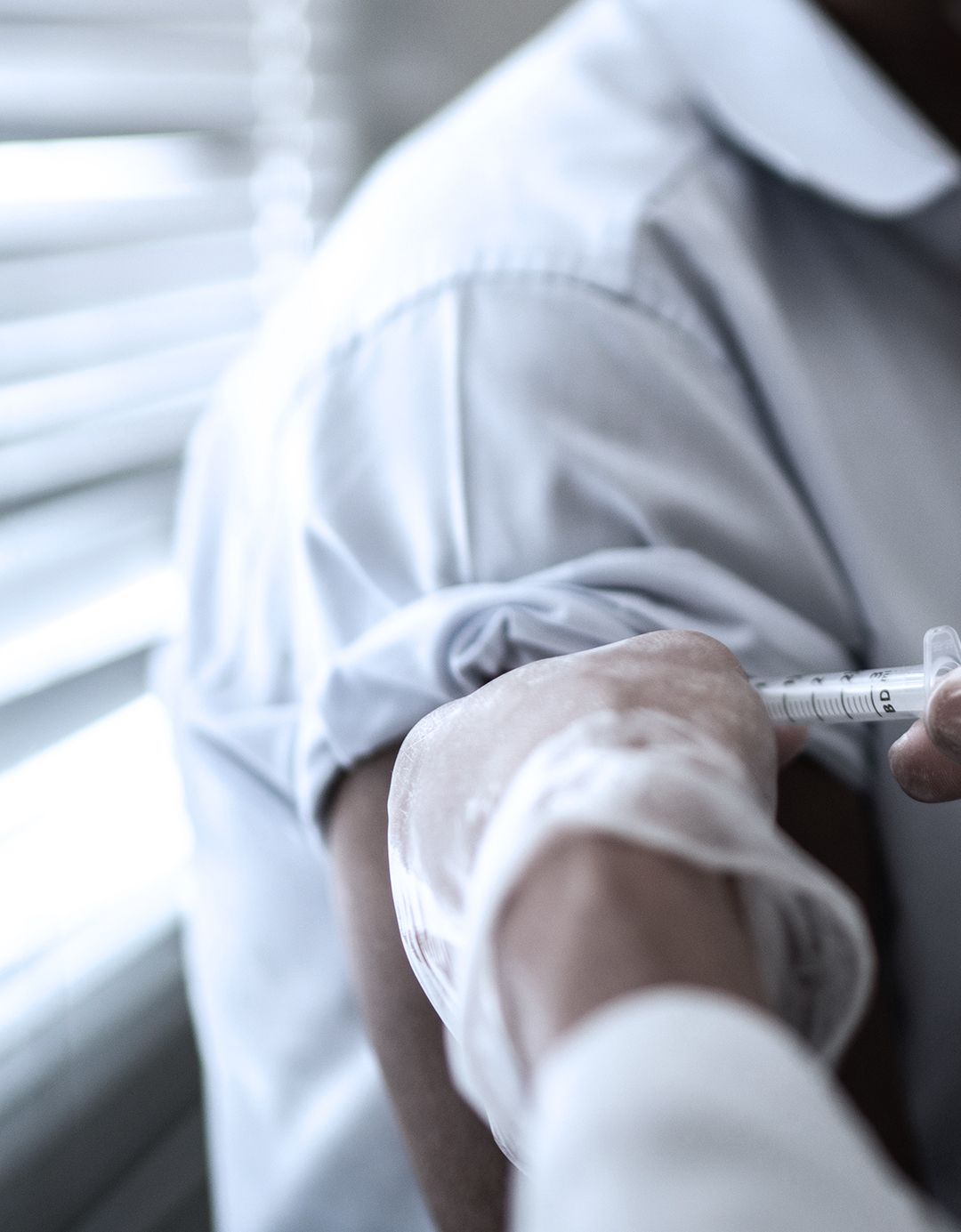
In June, Health Canada officially approved the Vimkunya vaccine to protect travellers from disease caused by chikungunya virus. Clinical data shows Vimkunya has a highly effective immune response in most adults 65 and older within three weeks of a single dose. Houle says this vaccine is safe for most adults, including those with underlying medical conditions or a weakened immune system. Speak to your healthcare provider or pharmacist before leaving on holiday.
Breathe Easier

If you have sleep apnea, we don’t have to tell you how bothersome CPAP masks are. Call it annoying, uncomfortable, hard to maintain, whatever – a whopping 30 to 50 percent of people prescribed these machines eventually give up and stop using them altogether, which we know can be hazardous.
Health Canada recently approved a popular weight-loss drug to treat moderate-to-severe sleep apnea (including obstructive sleep apnea in adults with obesity). Zepbound (tirzepatide) targets the upper-airway fat deposits that block breathing, reducing nighttime respiratory events by up to 63 percent. Clinical trials found sleep apnea patients taking Zepbound who didn’t use a CPAP had 25 fewer breathing interruptions per hour, compared with five fewer among those taking a placebo. This doesn’t mean you should toss out your machine, but it does suggest that a chat with your health-care provider could make nighttime more comfortable, and free of air leaks.
Stay on Your Feet

When it comes to falling, the stats are grim. Statistics Canada says one in three older adults fall at least once every year, and nearly half experience a serious injury. Falls now account for 83 percent of all injury-related hospitalizations among Canadian seniors (think fractures and sprains) and they’re the leading cause of injury-related death, with more than 7,600 senior fall-related deaths recorded every year.
New developments that could be available in households soon are contactless fall detectors that use radar sensors. Pontosense, Waterloo, Ont.-based company, has a product called Silver Shield, which uses radar sensing and AI to detect falls without wearable devices or cameras. In February, three Quebec-based tech companies launched a pilot using sensors, smart watches and connected bracelets with AI to automatically detect falls, alert caregivers, locate someone who’s wandered and improve monitoring between caregiver visits. It’s now being tested in seniors’ residences in the province. Likewise, researchers in B.C. are testing technology that monitors seniors inside their homes using wearable pendants, wall devices and discreet sensors – no microphones or cameras. They not only sense falls, but detect a person’s activity levels and medication adherence. For now, if you’re worried about falls, try predictive smart bands or watches that measure your behaviour and can flag a fall before it even happens. Your doctor, nurse practitioner or physical therapist can point you in the right direction.
Get Back in Motion

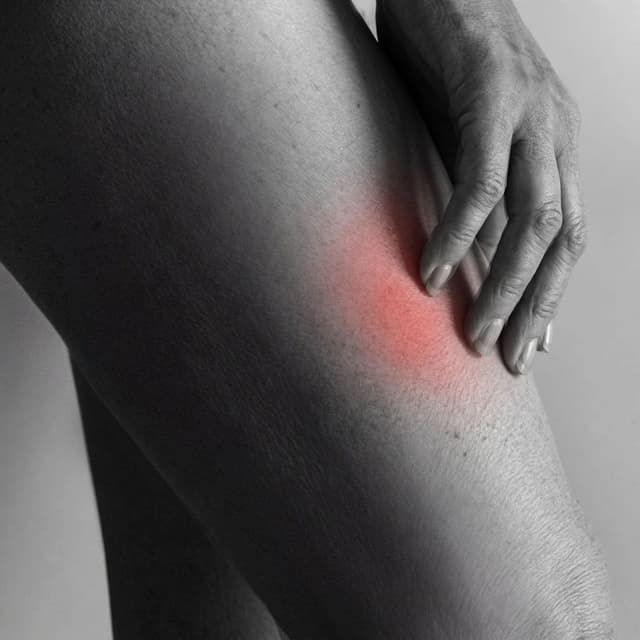
The lower back is involved in almost everything we do. “So, when it hurts, it can have a significant impact on someone’s function, impacting sleep, activity levels, independence and overall quality of life,” says Jessica Roy, a physiotherapist in Halifax. “One of the most important messages I give my patients is that back pain does not automatically mean that something is seriously wrong or that the spine is being damaged every time we move. In most cases, gradually returning to normal movement and activity is an important part of recovery.
If you’re suffering from lower back pain, gentle movement while building strength and restoring mobility is key. Heat helps for muscle stiffness and relaxation, and ice can soothe more acute pain. Stretching is also advised. Here’s an exercise that Roy says can offer relief. Do two to three repetitions on each side.
• Lie on your back on a comfortable but supportive surface.
• Bend one knee and slowly bring it toward your chest.
• Put your hands behind your thigh or around your shin.
• Gently bring the knee toward your chest until you feel a comfortable stretch in your lower back
Turn Up the Volume

One in seven seniors over 65 say they have a hearing disability, which makes sense, since audiometric hearing loss affects about 40 to 50 percent of this age group. Despite the high rate of hearing loss, only a fraction of people who would benefit from hearing aids actually use them. In fact, Statistics Canada findings and research from Canadian Hearing Services say only one in six people with hearing loss use these helpful medical devices
There’s a lot happening in the hearing-technology industry, including voice isolation, which separates a voice from background noise and competing voices. In September, hearing-aid brand Signia Canada announced its new MaX hearing aidd, a small device that sits discreetly behind the ear (with a virtually invisible wire that feeds sound to the ear canal) and simultaneously processes speech, background noise, the surrounding environment and the wearer’s own voice. The system continually adjusts to the sounds in the environment, making it super helpful in places like restaurants and other noisy environments. This tech is available now at local hearing clinics across Canada.