Caribana weekend in Toronto always features the summer’s hottest events, in both temperature and vibes, and none more so than Drake’s All Canadian North Stars concert in 2022, when the superstar rapper leveraged his global platform to salute the city’s pioneering hip hop and R&B artists he credits for paving his way.
The multigenerational lineup of legends included emcees Kardinal Offishall, k-os, Maestro Fresh Wes and singer-songwriter Nelly Furtado, who had been absent from the music scene in years prior.
The sold-out audience erupted in frenzied delight at the unexpected appearance of the beloved 10-time Juno-winning songstress, who strolled out on stage at History singing her 2006 chart-topping club bop Promiscuous.
“It’s like Honey Jam all over again tonight,” enthused Furtado, soaking up the adoration of the crowd and referencing the 1997 Lee’s Palace show, where she was scouted by the manager who guided her to Grammy-winning, multimillion-album-selling, international stardom.
That wave of nostalgia and adulation reignited the 46-year-old mom of three’s creative spark, catapulting her out of a five-year sabbatical and into a TikTok-fuelled “Nellysance” that included hosting the Junos (after a 17-year absence), recording a Tiny Desk Concert and releasing her first album in seven years.
Meanwhile, Honey Jam – the annual all-female showcase, founded by Ebonnie Rowe, that’s staged at various venues around Toronto since 1995 – remains one of the country’s most fruitful talent incubators (alums include Jully Black, Melanie Fiona and Kellylee Evans).
The post-Star Search, pre-American Idol amateur night has been a summer essential for music executives, insiders and fans who assemble in droves for the program’s always-on-time start, with the hopes of catching the next Canadian R&B diva – someone who can reach that Deborah Cox level of international fame.
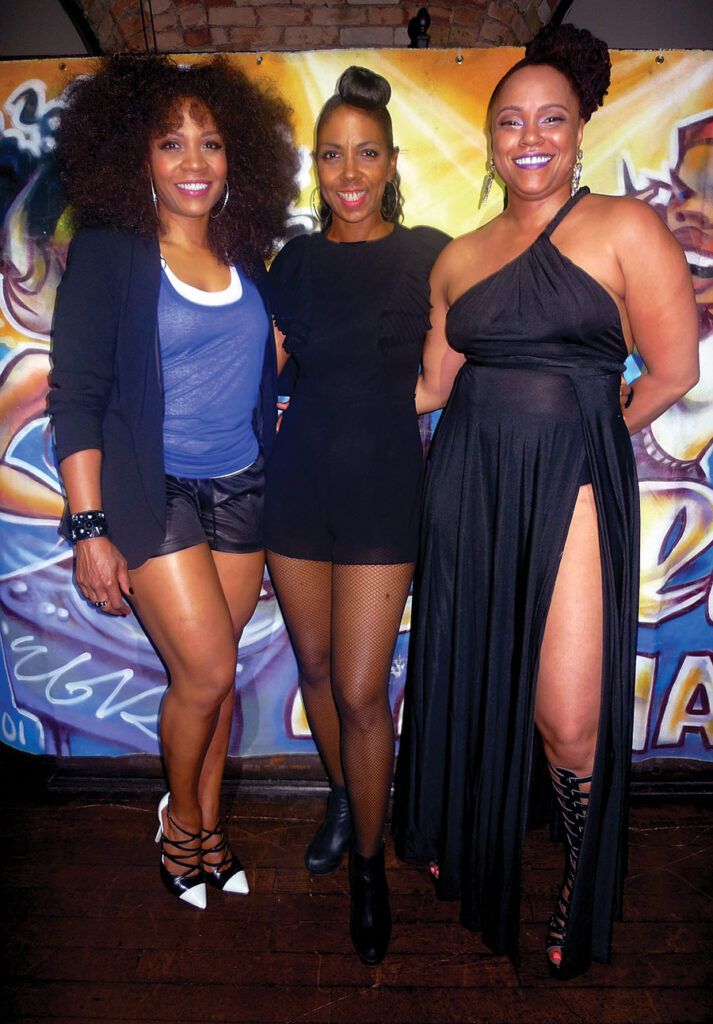
Though gratified by its achievements, Rowe – executive director of the non-profit PhemPhat Entertainment Group, which oversees Honey Jam’s events and its many mentorship initiatives – is pained that the series’ enduring relevance signals “persisting issues for women in the industry” not limited to sexism and sexual harassment.
There are also ongoing concerns, she says, “related to being considered for opportunities, being represented more in positions of power at high executive levels and in non-traditional roles in the industry, like producers, engineers, etc. … and general recognition and respect. There should really be no more ‘firsts’ at this stage and no more tokenism.”
Rowe’s commitment to uplifting women and her enduring impact across Canadian music have garnered honours from Billboard Canada and Women in Music Canada. And on July 30, Honey Jam will celebrate its 30th anniversary milestone with its first Massey Hall production.
But in some ways, for Rowe, it’s the worst of times, “with the economic uncertainty and a climate where corporate funding is beginning to turn away from initiatives that support and celebrate equity, diversity and inclusion, culture and women’s initiatives, which are our pillars.
“While celebrating 30 years is a huge accomplishment and source of joy, I’m fighting for the survival of the program,” she tells Zoomer. “But you don’t get to 30 years without having relentless tenacity, so we press on.”
Pressing on is the self-described social activist’s superpower – she’s known for her “I take ‘no’ as a suggestion” moxie.
“Ebonnie is strong, Ebonnie is smart, she is focused, she has a vision, she is determined,” Director X tells Zoomer. Before he came to the fore making music videos for Rihanna, Drake and Justin Bieber, the Brampton-raised filmmaker designed promo flyers for Rowe’s signature event. “Honey Jam is one of those foundational Toronto things. There’s a sisterhood energy there that is special.”
Rowe was born in Montreal to a Barbadian diplomat father and educator mother and was the youngest of three kids. She was spurred to activism by a horrendous incident that has been lost to the archives. Few remember the story of 15-year-old Michael Habib, the son of Jamaican immigrants who was killed by a white supremacist at Toronto’s Fairview Mall in the spring of 1975. Twelve-year-old Rowe was at the shopping centre that day and heard the gunshot. “It could have been me,” she says.
The incident sparked in her a desire to understand and confront anti-Black racism, from reading The Autobiography of Malcolm X to challenging high-school teachers who thought she couldn’t handle honours classes. And nearly two decades later, dismayed by the high dropout rates of Black students, she co-founded Each One Teach One, a mentorship program for Black teens.
Through that initiative, she learned how ’90s misogynistic rap was impacting the female mentees’ self-esteem and interactions with male peers, and Rowe highlighted the issue on an episode of the CKLN-FM’s popular “The Power Move Show” and in an all-female edition of Mic Check magazine. “We had a wrap party for the magazine, and we called it Honey Jam,” Rowe says. “And then everyone came up to me and was like, ‘When’s the next one?’ And I said, ‘Let’s see; let’s try it for a year.’ And here we are, 30 years later.”
Those early, hardscrabble days were buoyed by a committed team of volunteers, and Rowe’s full-time day job. “I was working as a legal assistant, and if the lawyer was in court, I would go and use the phone in the coatroom to do a (Honey Jam) interview… I was funding Honey Jam for the first 10 to 15 years from that salary.”
She also battled critics of her mission to boost Black women singers, DJs and rappers. “There were people who were actively working against us and telling people not to sponsor us, and they assumed that because we were pro-female, we were anti-male. They didn’t like any of the stuff that was being said about hip hop.”
There’s certainly more representation for Black women on the charts and air waves these days, says Vivian Barclay, who filmed the first Honey Jam as a radio and television arts student at Ryerson University (now Toronto Metropolitan University), and later became an audition judge, workshop panelist and current president of the PhemPhat board. But some things haven’t changed: “You could say the [mainstream hip-hop] lyrics are just as stupid, but now we just have more women involved.”
Barclay, also a former managing director of Warner Chappell Music Canada, remembers many sit-up-and-pay-attention Honey Jam debuts, like Montreal rapper Tara Chase, wearing a yellow raincoat while spitting incendiary verses, and, of course, the series’ greatest success story, then-17-year-old Victoria native Furtado, who earned a huge ovation as she became Honey Jam’s first woman not of colour on the bill.
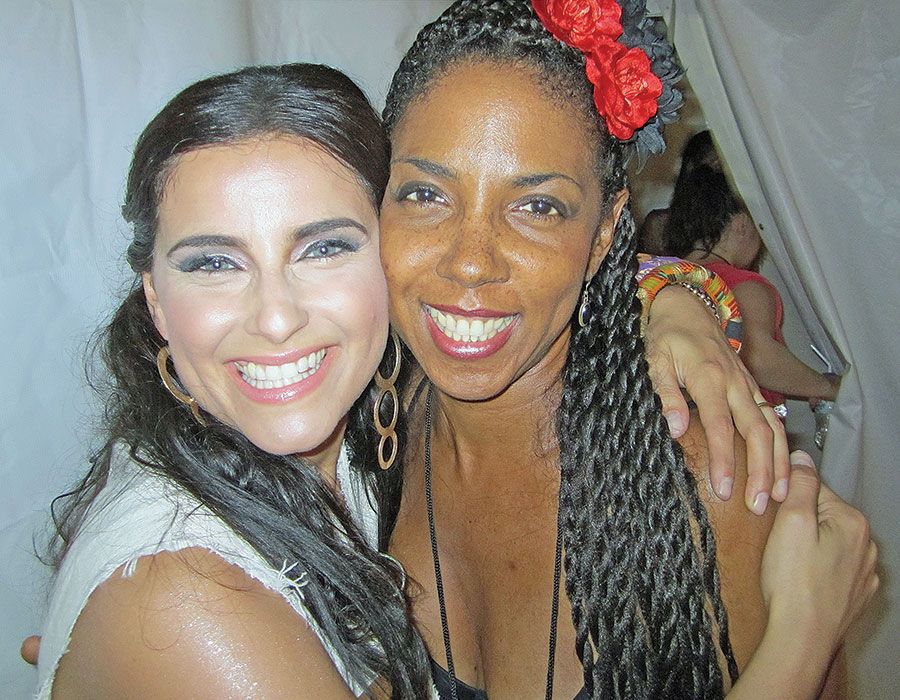
“[Our intention] was really about trying to give a space for young Black women in the city,” explained Barclay of the debate to include the Portuguese Canadian. “Then came along Nelly. It was undeniable that she was a really great artist. That was the catalyst for us opening up who we had on the shows in later years.”
Similar to how Alanis Morissette’s global reign in the 1990s created a ripple effect for Canadian women in rock – Avril Lavigne, Emily Haines, Serena Ryder – Honey Jam and Furtado’s breakthrough, with her cross-cultural blend of pop, folk, R&B, hip hop, rap and Brazilian fado and bossa nova, created space for other Canadian artists who might not have fit traditional industry expectations. This includes Honey Jam performers like Juno Award winners Savannah Ré and Haviah Mighty, and Lu Kala, who opened for Cyndi Lauper on the
Toronto stop of her farewell tour, as well as contemporary pop talents like Alessia Cara, Jessie Reyez and Tate McRae.
“As much stress as it is, it’s also my greatest joy,” said Rowe, 62. “I don’t have any children, so it’s a way to be a mom. Some of the artists send me Mother’s Day greetings … And I am a fierce mama bear, as if they were mine.”
Even though other women-focused music organizations have stepped up to challenge the inequities, Rowe doesn’t consider them competitors. “I despise gatekeeping, and there are too many people who practice it, and who hold to their chest their knowledge and connections and think helping someone else succeed somehow diminishes their own accomplishments,” she says. “And those things hurt my heart, because one of the taglines of Each One Teach One was ‘Lift as you rise’ and I believe that we’re all supposed to do that.”
A version of this article appeared in the Summer 2025 issue with the headline ‘That’s Her Jam’, p. 138.
RELATED: