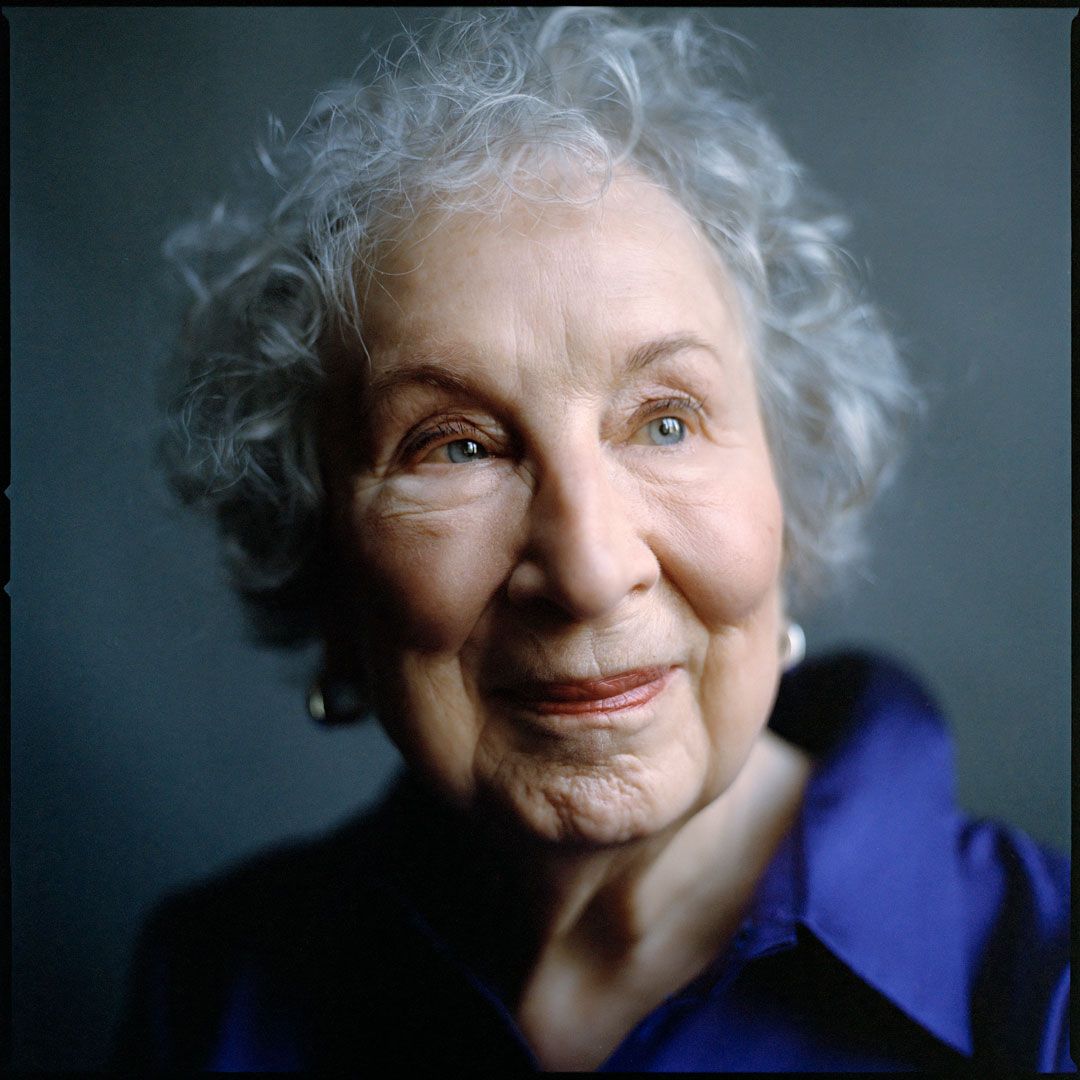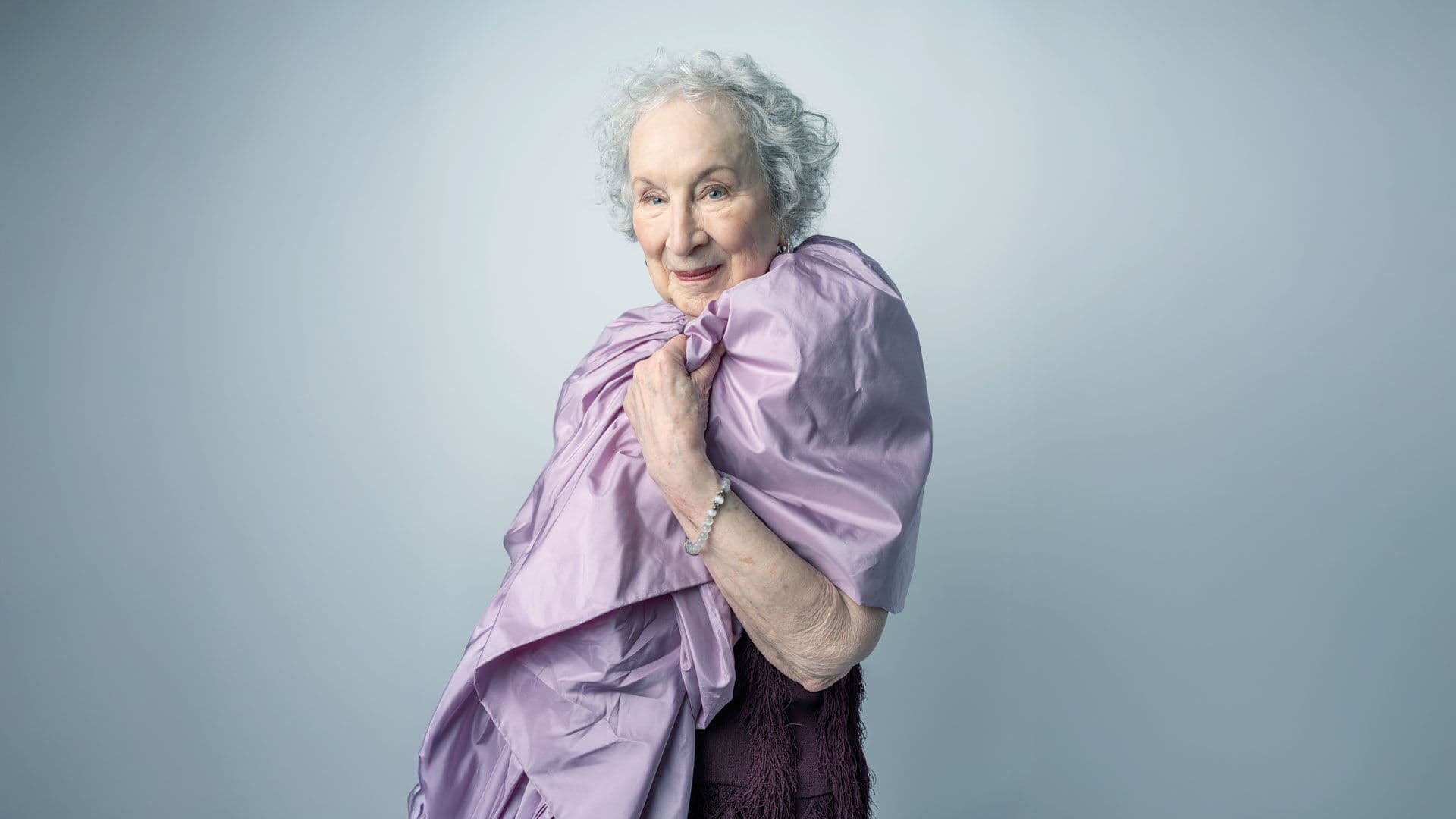
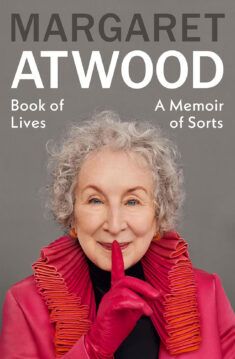
The literary lioness’s new memoir is called Book of Lives: A Memoir of Sorts, which is apt for a woman who contains multitudes. She’s a novelist, poet, playwright, advocate, inventor, mischief-maker and bird lover. “Every writer is at least two beings,” she writes. “The one who lives, and the one who writes.” Here, by the numbers and in her own words, we present a brief history of all things Atwood.
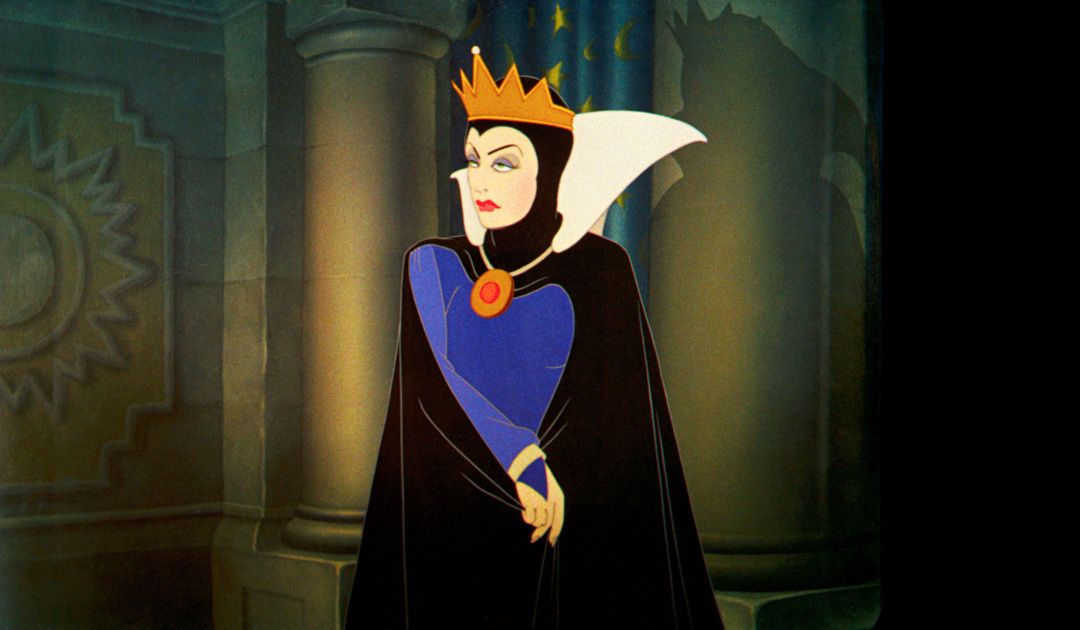
6 | Age at which Margaret Atwood saw Snow White and the Seven Dwarfs, and first stumbled on the heart of storytelling, which is darkness: “…it’s the wicked queen who has the best scenes,” she writes in her autobiography. “Every writer knows this is the truth. And every writer also knows that without the wicked queen, or her avatars – the alien invasion, the hurricane, the marriage-breaker, the sinister assassin, the snakes on a plane, the killer in the country house – there is no plot.”
12 | High school grade in which young Peggy Atwood helped create Synthesia, an opera about fabrics, for home economics class. Its top-billed roles were Orlon, Nylon and Dacron, and decades later, members of the cast would come up to the writer at events and she’d join them in singing songs from the production.
16 | Age at which Canada’s most celebrated novelist chose her career path, after composing a four-line poem while walking past her high school’s football field. “You create art of any kind because you feel you must,” she writes. “It’s not a sensible way of spending your time, which may be wasted as far as making a living goes.” Her parents, not having a crystal ball into the future, were dubious. “Well, if you’re going to be a writer, you’d better learn to spell,” was her mother’s advice.
50 | Number of pennies it cost in 1961 – when Canada still had pennies – to purchase Double Persephone, a chapbook featuring seven of Atwood’s poems. It was her first publication, and it won the E.J. Pratt Medal for Poetry.
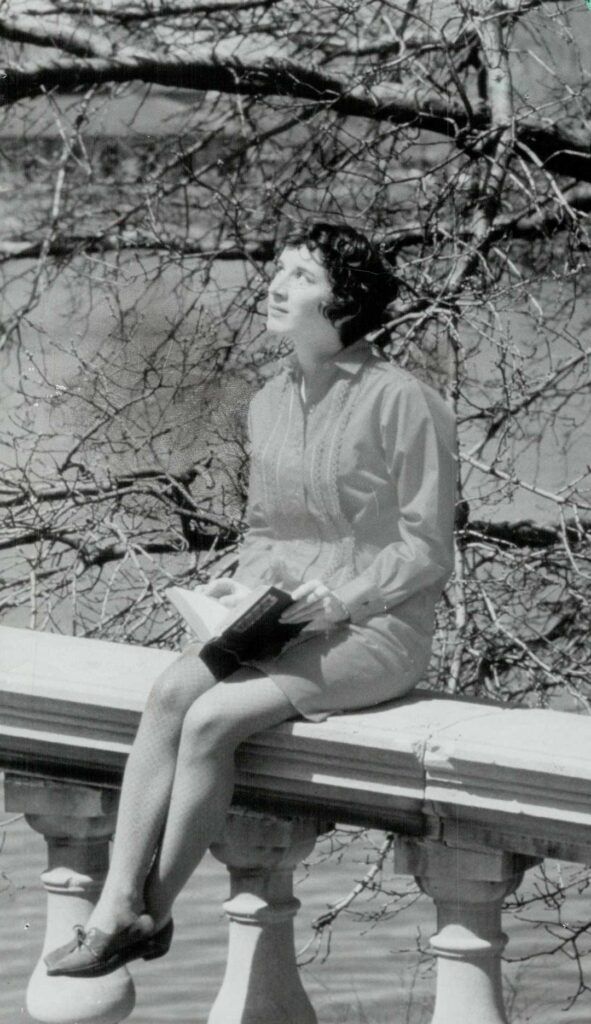
18,238,247 | Number of people living in Canada in 1961, when Atwood had a summer job as a census-taker. Suspicion of the government ran high even then, and, says Atwood, “one old lady chased me out of her house with a meat cleaver.”
4 | Number of drinks that publisher Jack McClelland consumed when meeting Atwood (who only had one) to discuss her writing career. McClelland & Stewart published Atwood’s first novel, The Edible Woman, in 1969, which was the beginning of a long professional partnership. McClelland “gambled on Canadian writing at a time when most people thought there wasn’t much of it, apart from journalism and Beautiful Canada calendars,” Atwood writes. “He was one of those who conjured it into being.”
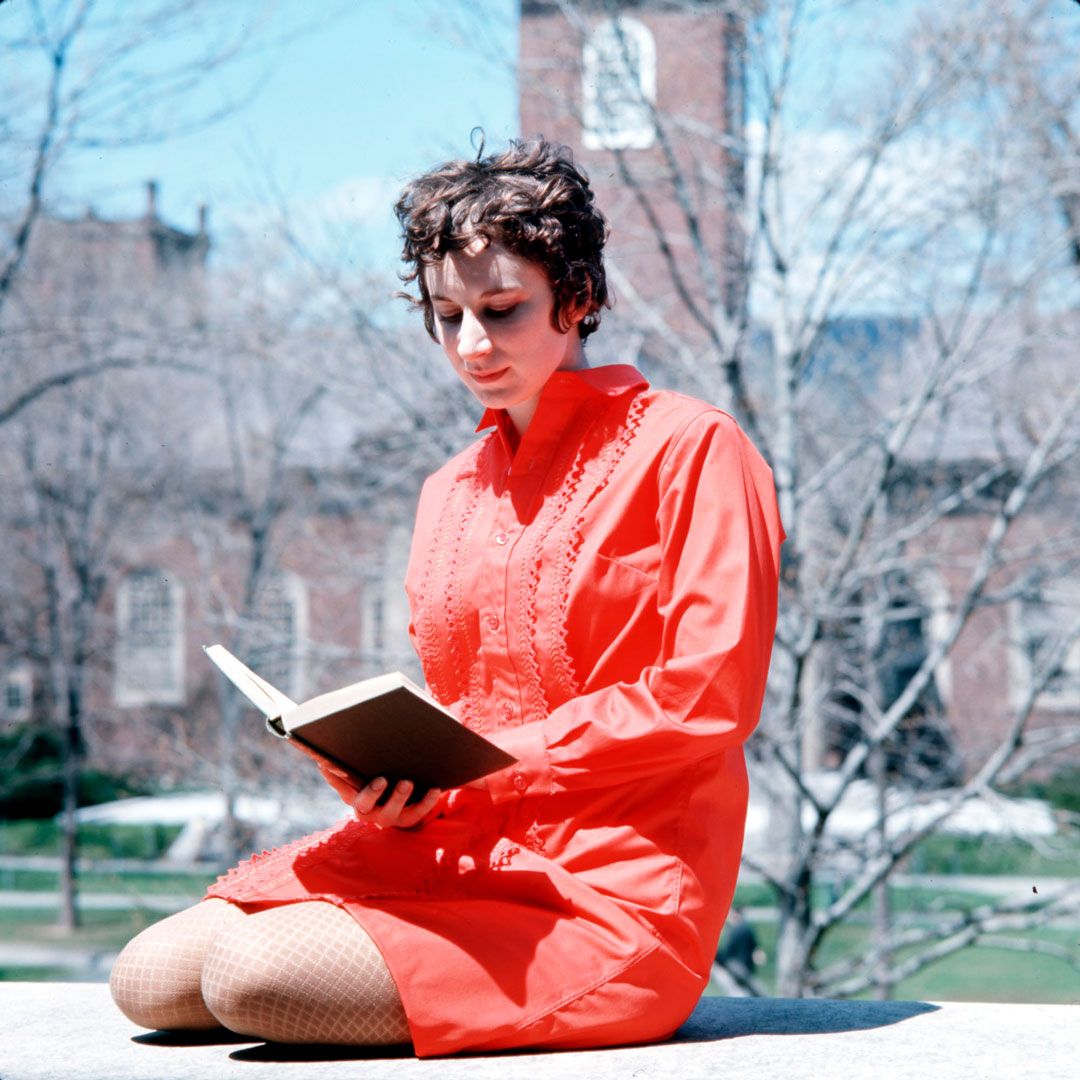
6 | Number of weeks Atwood was given to write a screenplay for a film adaptation of The Edible Woman in 1970. She was paid $7,000, which was “a small fortune” at the time.
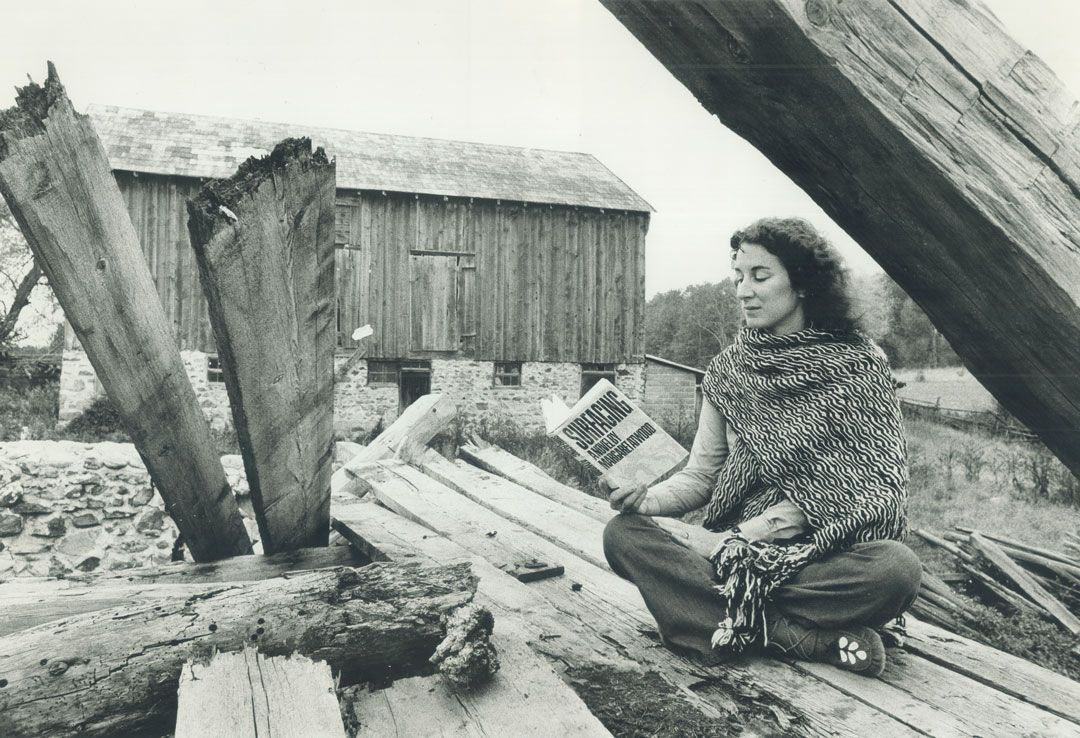
15 | Titles are hard, as every novelist knows, and Atwood went through 15 possibilities, including Bloodlines, before settling on Life Before Man as the name of her 1979 novel. “You either have the title almost immediately, or you write down a list of all possible titles and start eliminating them.”
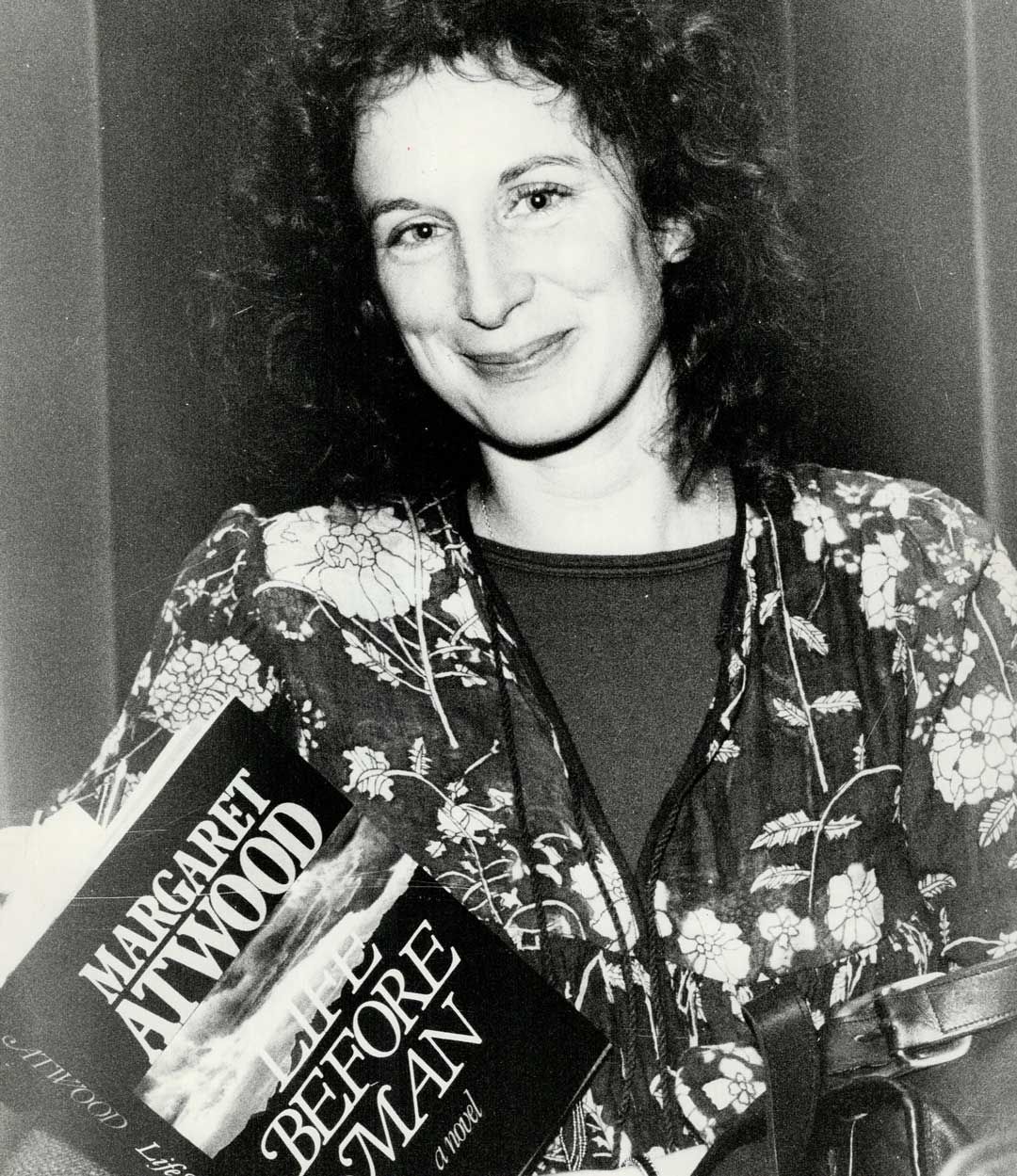
1986 | Year The Handmaid’s Tale was nominated for a Booker Prize. The novel had sold only “a few thousand” copies in the U.K., says Atwood, before this recognition. “Much alcohol was consumed at the ceremony,” she writes, though the prize was ultimately won by Kingsley Amis for The Old Devils. Four other Atwood novels were nominated for Bookers – Cat’s Eye, Alias Grace, The Blind Assassin and The Testaments. The latter two were winners.
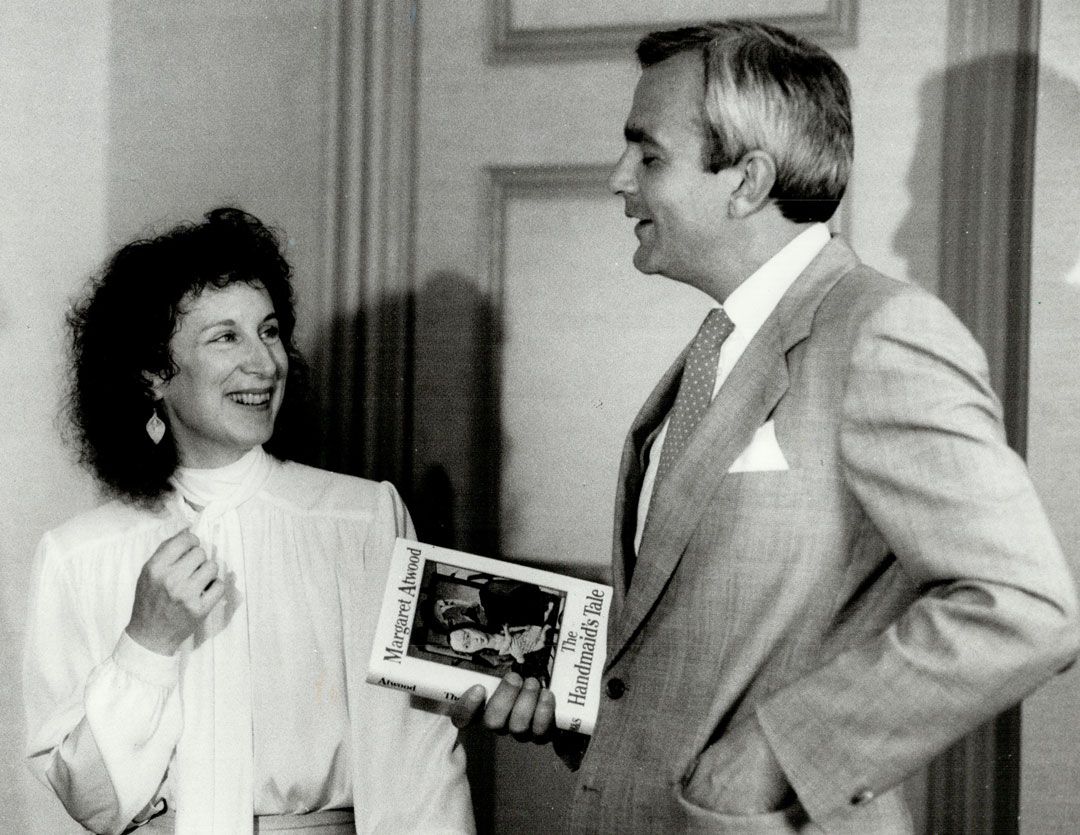
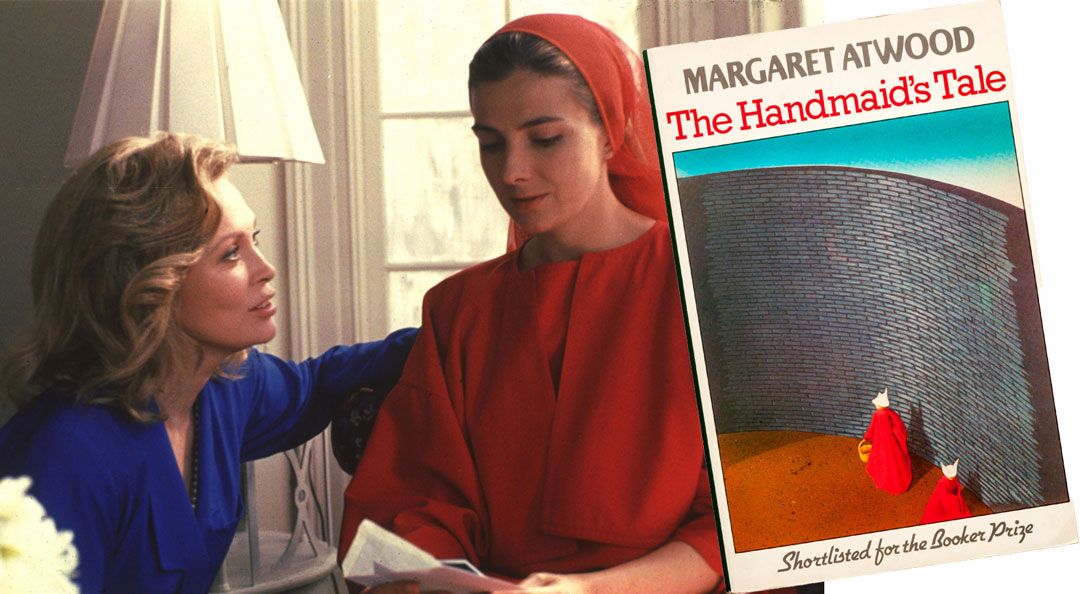
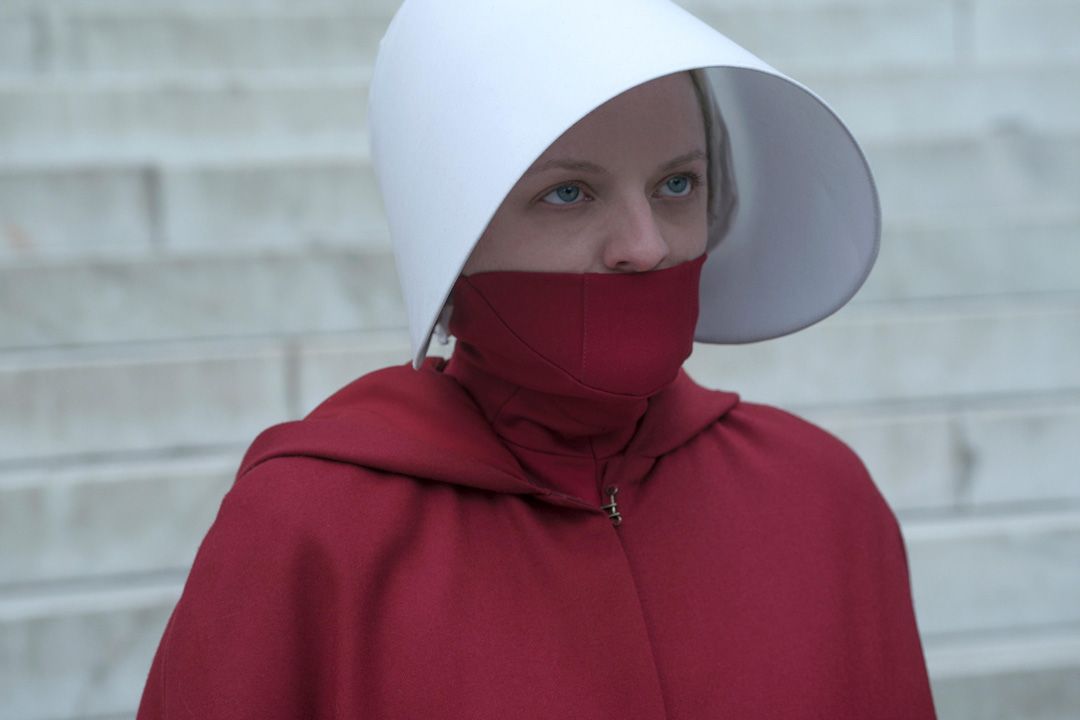
8,000,000 | Number of copies (give or take) of The Handmaid’s Tale sold since its publication in 1985. As well as an opera, a graphic novel, a film and a TV series, Atwood’s tale of enforced female subservience under a Christian nationalist government has also been adopted as a potent symbol of resistance to the rollback of women’s rights
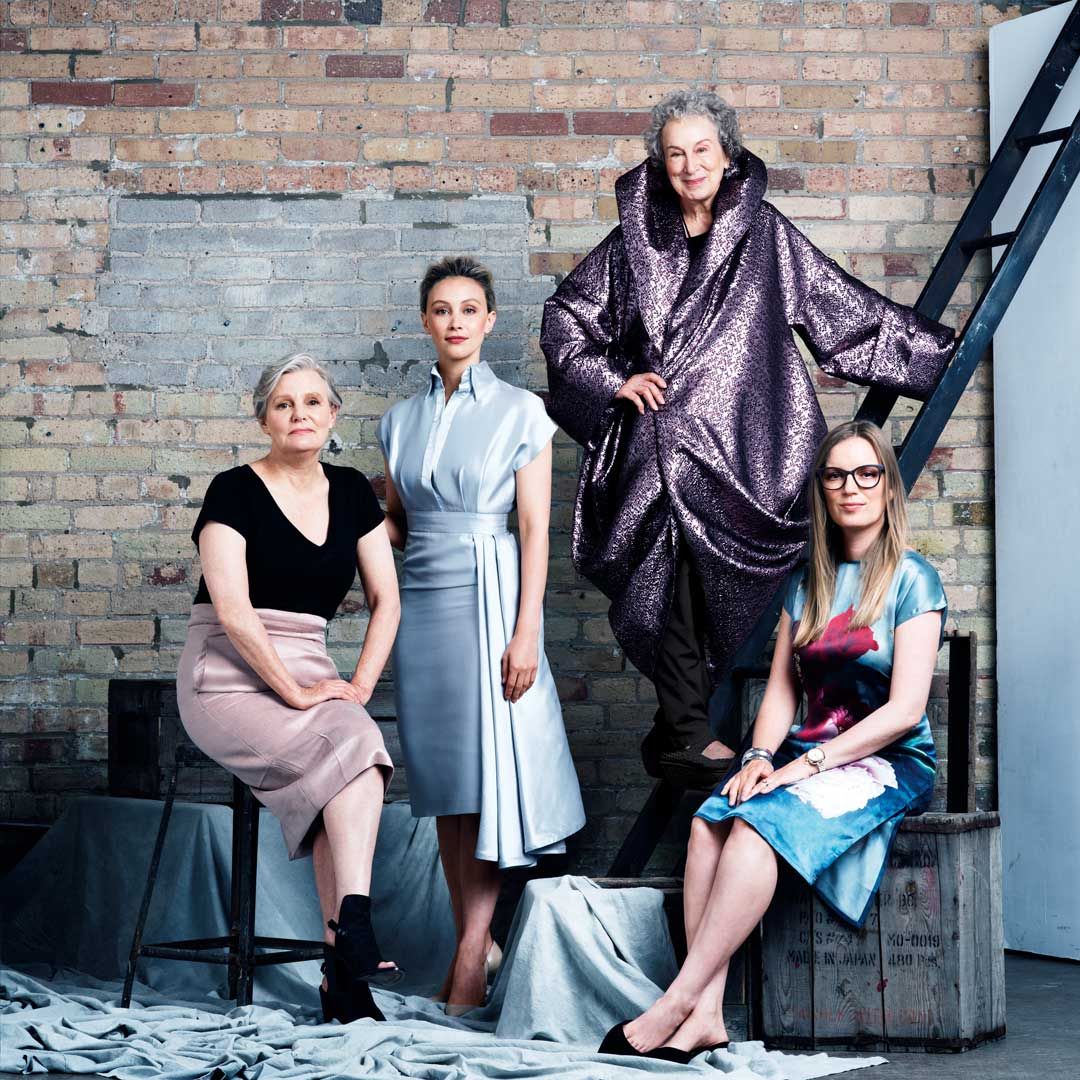
18 | Age at which Sarah Polley, having just read and loved Alias Grace, asked if she could adapt it for the screen. Twenty years later, Polley did indeed write the screenplay for the six-part miniseries, in which Atwood had a cameo billed as “Disagreeable Woman.” If you want to spot her onscreen, Atwood provides a hint: “I’m in the church scene, doing some glaring and malicious whispering in a bonnet.” Polley, like many readers, wanted to know if Grace Marks, who was a real historical figure, was guilty of murder. Atwood replied that she didn’t know, that it was impossible to know. It was the job of the reader, or viewer, to fill in the blanks left by history.
3 | Different approaches Atwood tried (and abandoned) to write The Blind Assassin, her book-within-a-book. “I’d set out with the idea of writing about my grandmother’s and my mother’s generations …. But both of these women were too nice to be put in a novel by me.”
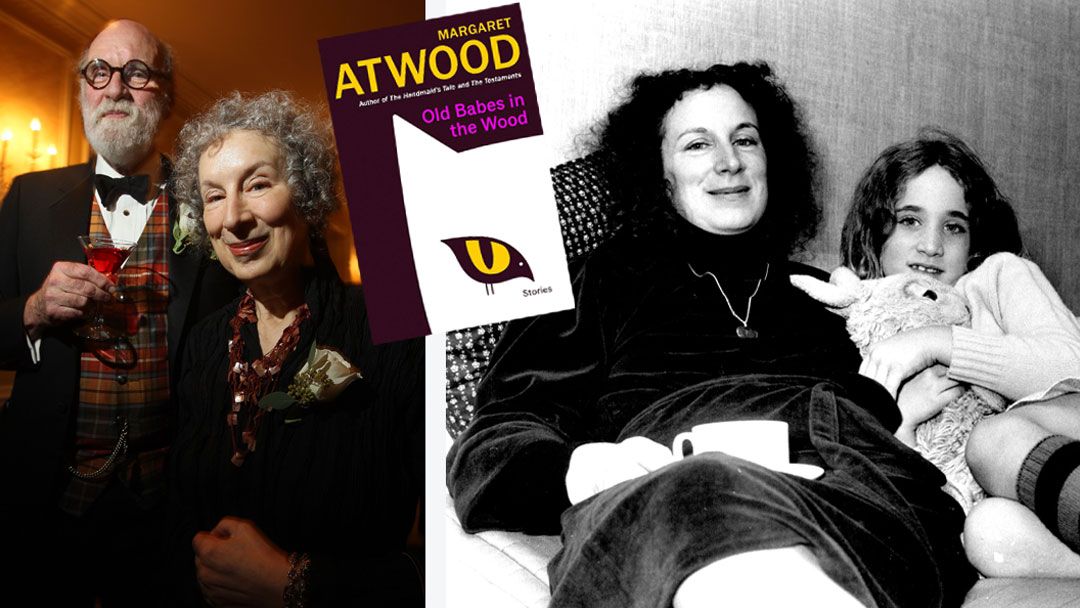
2019 | Year that author Graeme Gibson, Atwood’s partner of more than four decades, died while accompanying her on a book tour for The Testaments, a sequel to The Handmaid’s Tale. Their love story was long-lived and expansive: they were bound not just by a love of literature, but also of birds, nature and freedom of expression (they worked together to support Canadian authors through PEN Canada and the Writers’ Trust). They have one daughter, Jess. In 2023, Atwood published Old Babes in the Wood, a collection of stories centred on their relationship. “Did I cry a lot while writing these stories? Yes. Did I believe, on some level, that Graeme could hear them, and that he would laugh at the funny parts and appreciate the details? That too. I’m not alone in this. The dead appear to us in dreams, and sometimes they talk to us even when we’re awake.”
65 | Number of novels, plays, graphic novels, non-fiction, children’s books, memoir, poetry and short story collections Margaret Atwood has published. Also the traditional age of retirement in Canada, which she shows no sign of acknowledging.