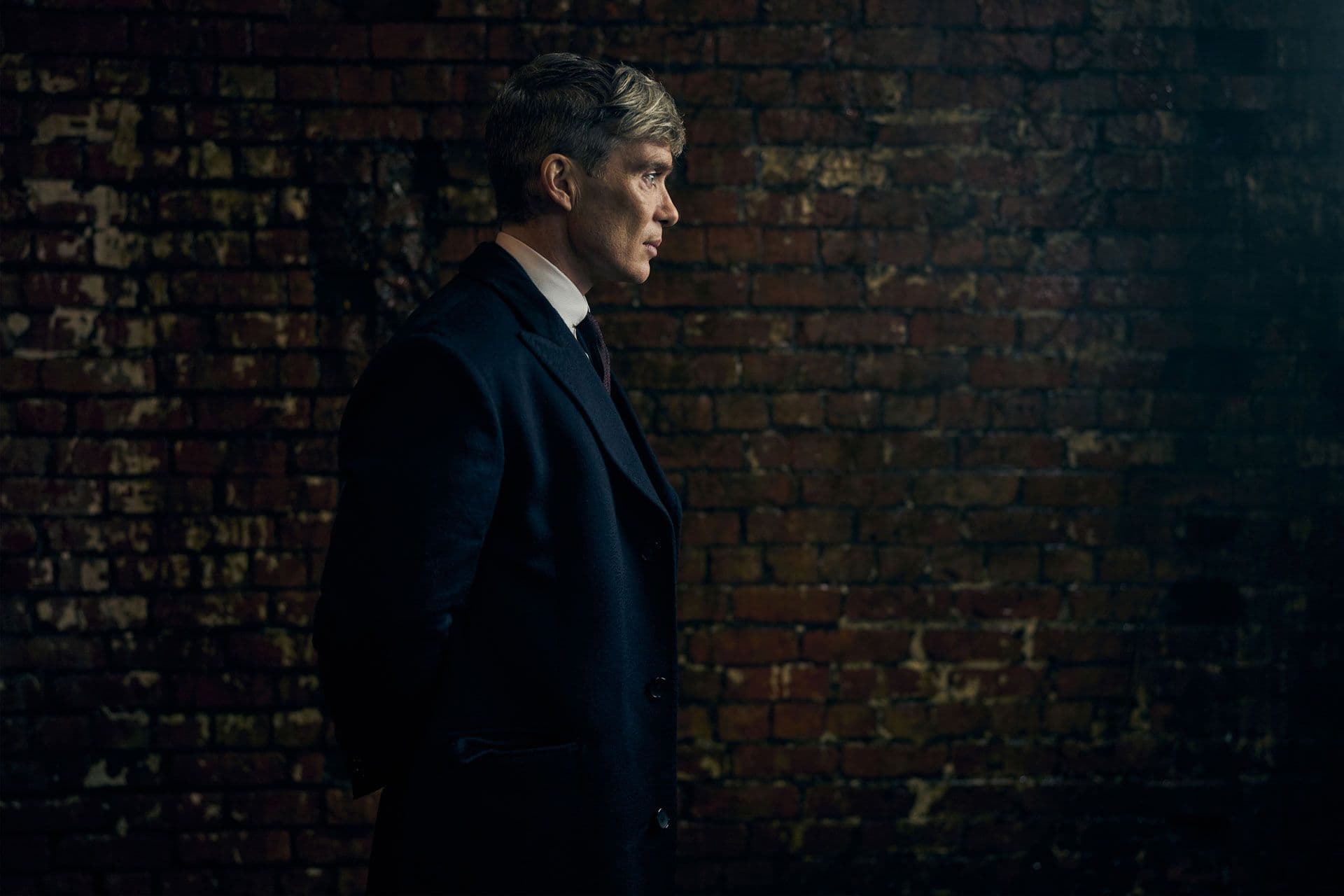
Who would have thought the ruthless, real-life Peaky Blinders gang would become hometown heroes in Birmingham, the U.K. city where they once ran riot? All it took was 100-odd years, the birth of screen-based tourism, and the creativity of Birmingham writer-producer-creator Steven Knight, who spun family stories of his dad’s larcenous bookmaker uncles into a popular Netflix series.
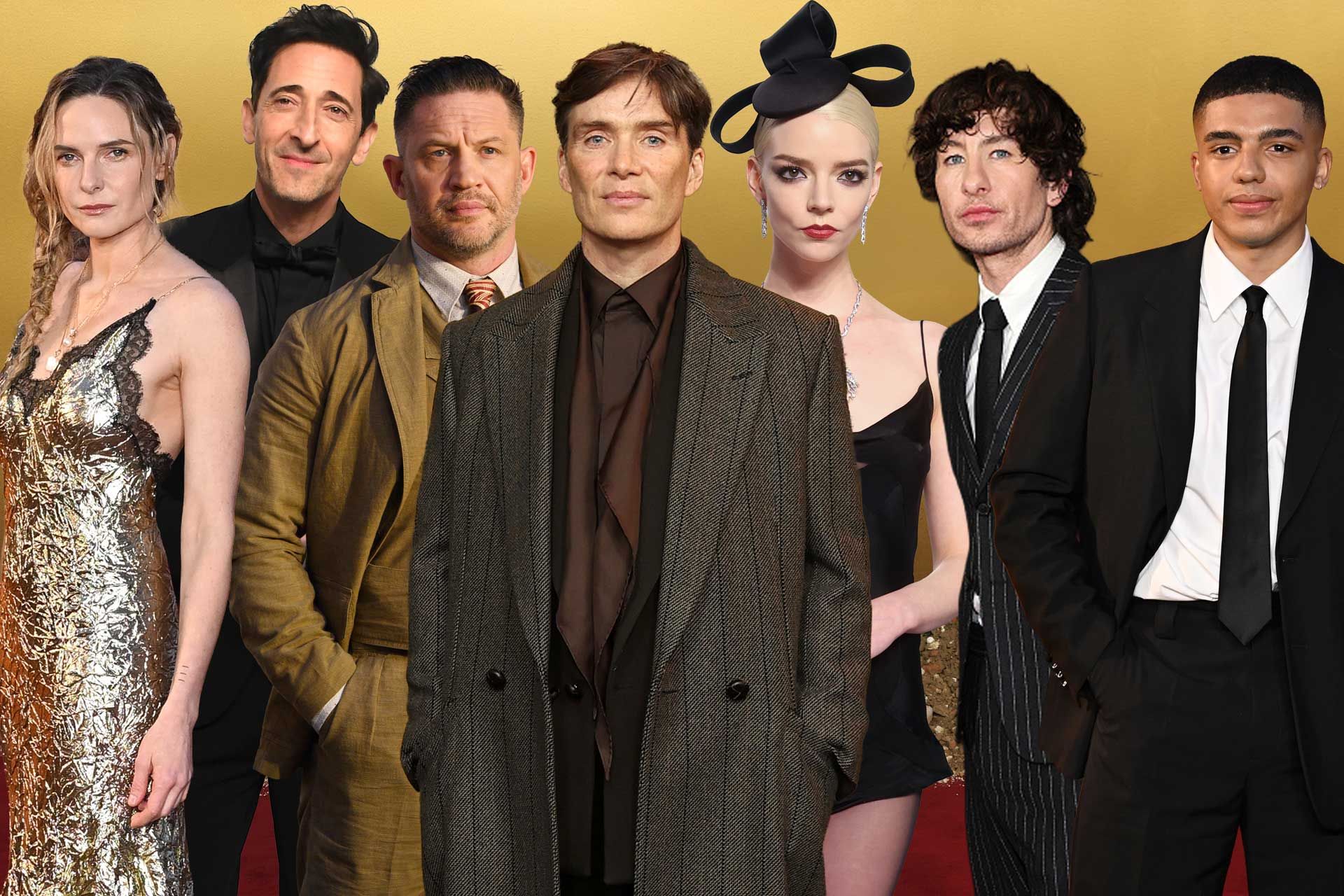
While the TV show ran from 2013 to 2022, the notorious criminals have been welcomed back with the recent feature film Peaky Blinders: An Immortal Man (now streaming on Netflix). Viewers can’t seem to get enough of Oscar-winner Cillian Murphy’s unforgettable performance as patriarch Tommy Shelby, not to mention all the other recognizable faces – including Tom Hardy, Adrian Brody, Josh O’Connor, Stephen Graham, Anya Taylor-Joy and the late Helen McCrory – who’ve dropped in and out of the picture over the series’ six seasons. Soon after the series premiered, travellers started flocking to Birmingham for Peaky-themed tours (see my own experience below), and new fans continue to discover and fall for the on- and off-screen criminals. And for their clothes – and caps.
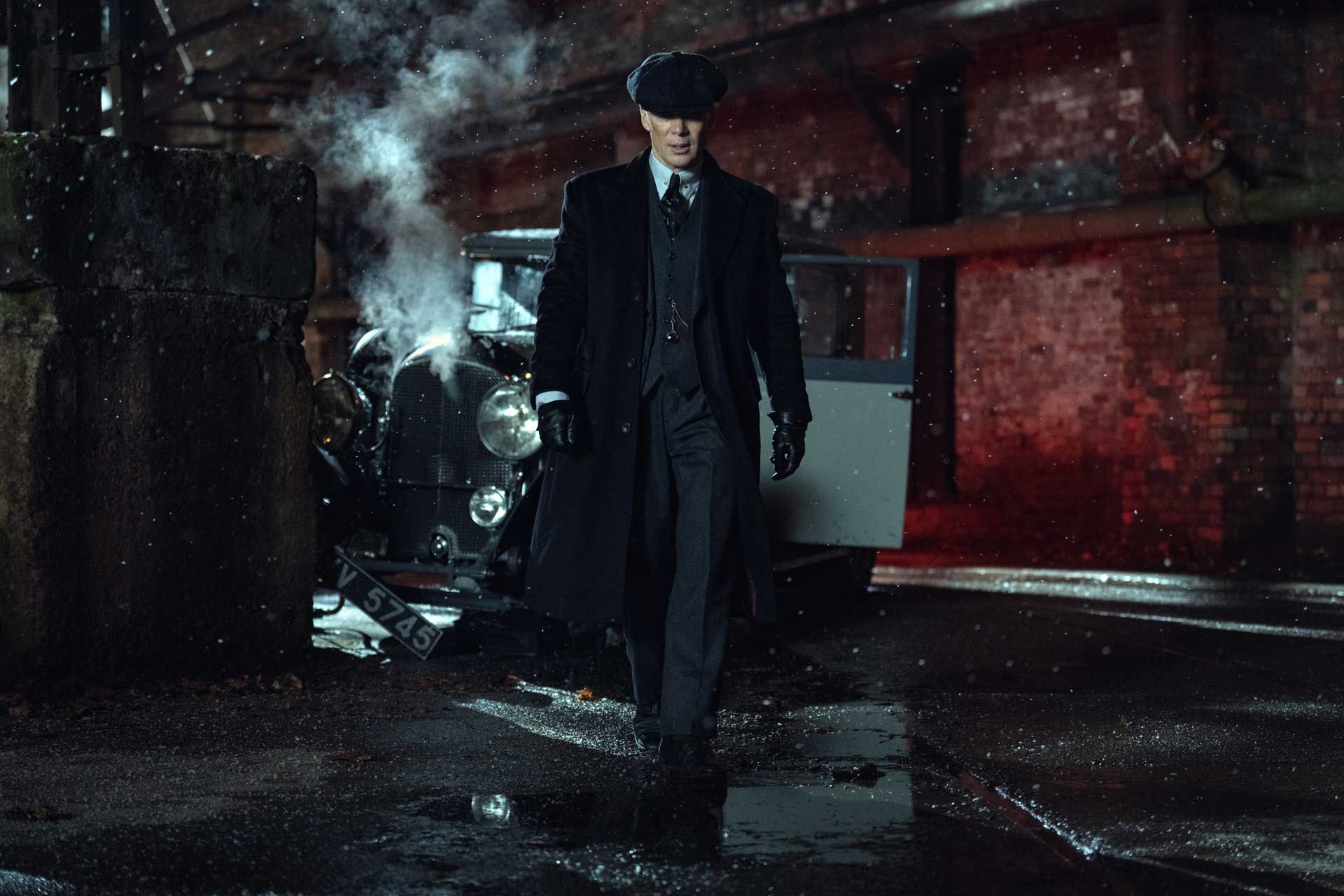
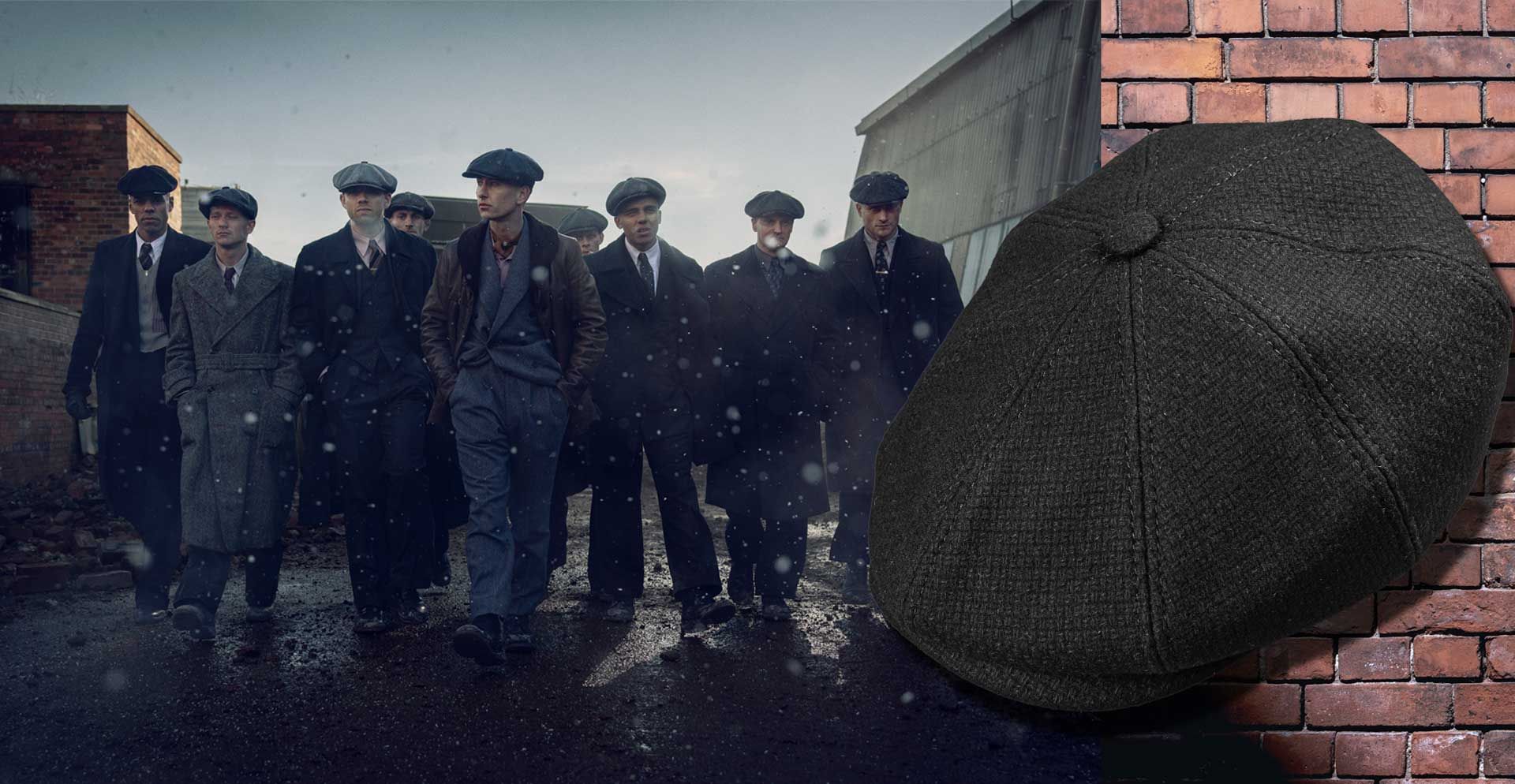
The “blinders” term is regional slang for a sharp dresser – and the gang’s slick fashion sense was their trademark, thanks to their bespoke suits made by top tailors in exchange for protection. As Tommy puts it, “My suits are on the house, or the house burns down.” Meanwhile, the characters’ preferred headgear, the flat cap, immediately caught fire, although it’s doubtful your average fan is sewing a razor blade into the brim like the Shelby crew.
At the heart of it all is the coolly dangerous lead character, Tommy, a ruthless antihero dogged by self-doubt and regret, who managed the unpredictable effects of trauma he suffered in the First World War by controlling his own patch of gritty Birmingham with his Irish-Romani crime family – cue themes of family bonds, betrayal, class struggle and post-war damage, and top it with a smattering of sex. When I spoke to series creator Knight, he said one of his formative gigs was writing the screenplay for David Cronenberg’s Eastern Promises. “It was one of the first times I wrote about men, the way men are with each other, which I seem to do a lot,” he explains. “It’s not deliberate. But it seems to be a part of what I do.” He’ll soon be collaborating with another Canadian filmmaking icon, as he’s been tapped to write the script for the new James Bond film that’s being directed by Quebec’s Denis Villeneuve. There’s no release date yet. There’s not even a new 007, although there’s been plenty of speculation about who will slide behind the wheel of Daniel Craig’s sleek Aston Martin.
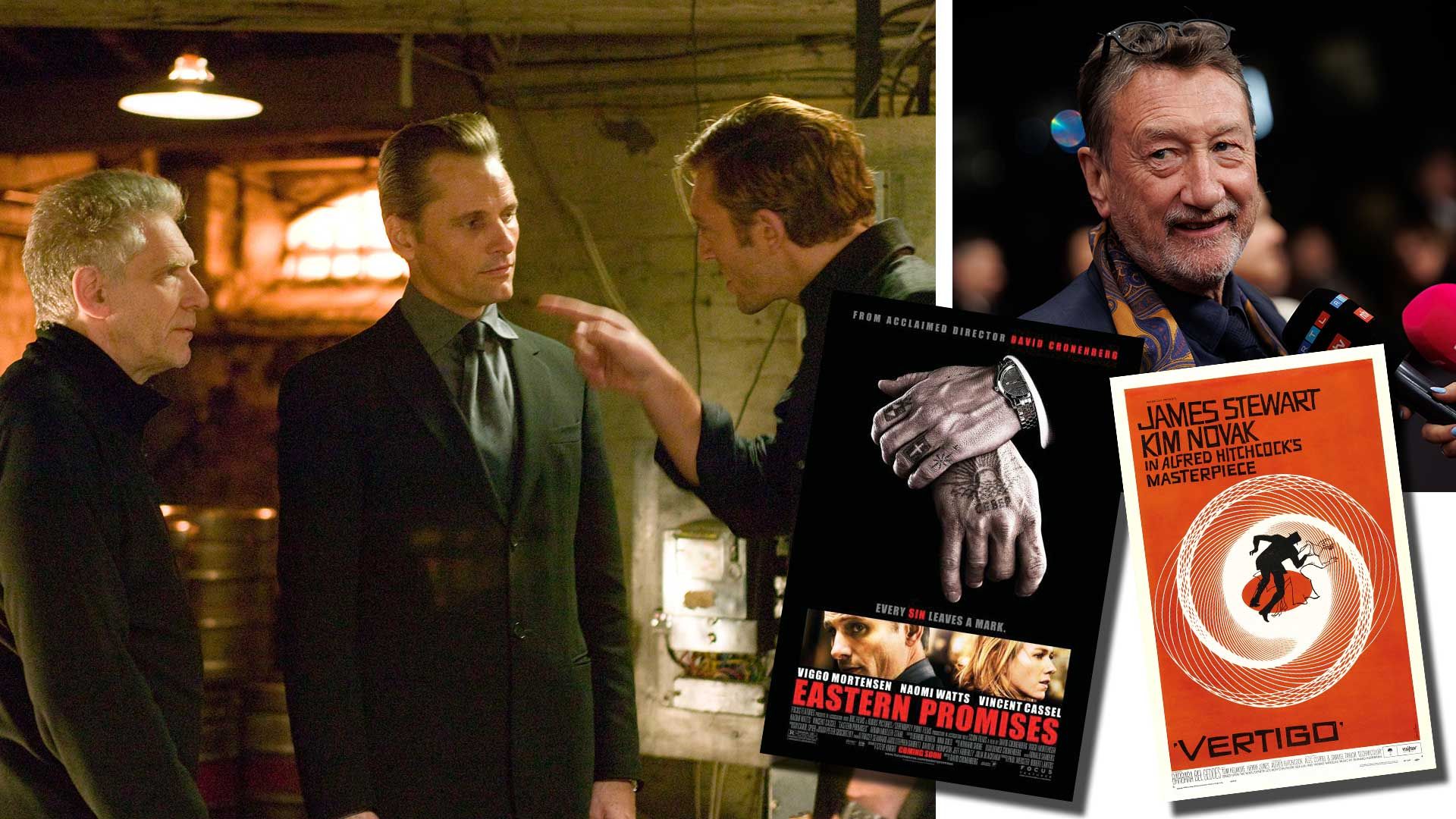
Meanwhile, Knight is also working on the screenplay for a remake of Alfred Hitchcock’s Vertigo, starring Robert Downey, Jr. We spoke with him just ahead of the theatrical release of The Immortal Man, which takes place in 1940s wartime Birmingham. Fans finally learn what happened to Tommy after he rode off on a white horse at the end of season six. And Saltburn’s Barry Keoghan joins the franchise as Tommy’s illegitimate son, Duke, a bad seed who ran the Shelby gang in Tommy’s absence and isn’t too keen to hand the reins back to his absentee dad.
Any chance that with this film we’ve reached peak Peaky, I asked Knight, who insists that’s not the case. He continues to write new adventures about the gang and their loves, enemies and associates. In fact, he confirmed that a Peaky spinoff (of two six-episode seasons) is on the way, which will be set in the 1950s with a new cast, including Stranger Things‘ Charlie Heaton and Jamie Bell (of Billy Elliot fame, who will replace Keoghan as Duke): “I want this world to live for as long as people want it.”
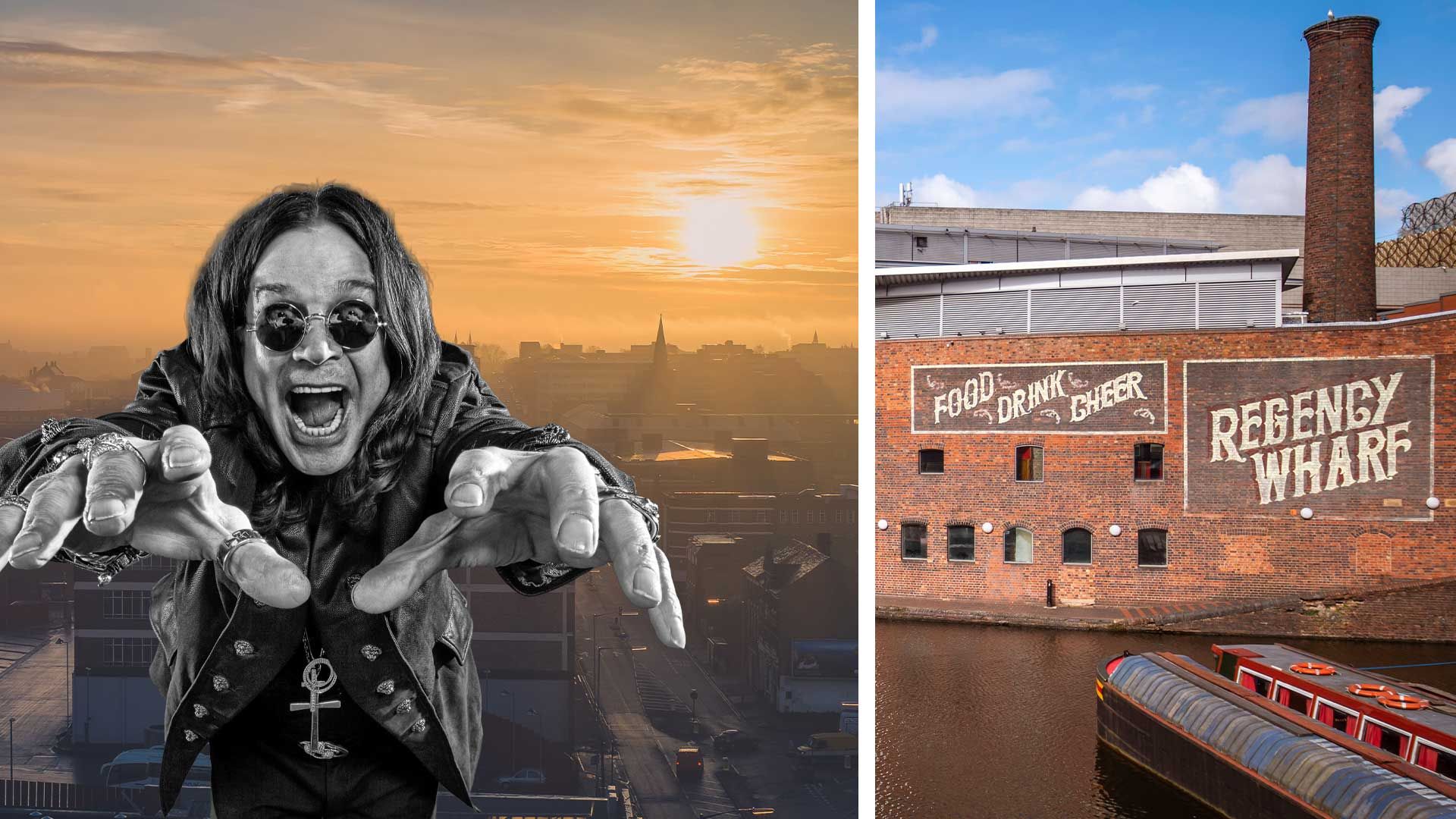
Digging Hip Digbeth
The more Peaky, the better for Brummies – as Birmingham locals are called – and the surrounding West Midlands.
The series has sparked spending on everything from flat caps to walking tours. In 2019 alone, the show’s fifth season was credited with bumping tourist spending in the West Midlands (about 180 kilometres northwest of London) by several million pounds.
Arriving in Birmingham (courtesy of Visit Britain), I signed up for a Top Tours Global gang history walk, led by Edward Gostick, who dresses as fictional character Edward Shelby. We made stops at the West Midlands Police Museum and the Industrial Age area called the Gun Quarter, where munitions were made. “The Peaky effect will do for Birmingham a bit like Nottingham has with Robin Hood, or William Shakespeare with Stratford,” Gostick tells the group. “It’s giving us our theme in a lot of ways, and really put Birmingham on the map, especially with international tourism.”
The original Peaky Blinders gang were given their name by the newspapers in 1890, after savagely beating a man who went into The Rainbow pub in the Digbeth industrial quarter and made the mistake of ordering a soft drink instead of a beer. That was all it took to set the gang members into a rage. The pub still stands.
As for the razor blade-lined flat caps, that’s not reality, Gostick says. The lads probably wore billycocks, a kind of bowler, down over their eyes. But I’ll take fiction over fact when Tommy looks up from the brim of his lowered cap. Interior scenes for The Immortal Man were filmed in Knight’s new studio complex, Digbeth Loc. The site, in the once-gritty Irish neighbourhood, has a personal connection for the writer. His father once worked in one of the warehouses as a blacksmith. Now, Knight aims to make the West Midlands “the new Hollywood” with his studio. He also has his sights set on Los Angeles, Toronto and Vancouver branches of Digbeth Loc. “I love Canada,” says Knight, who has spent time in Calgary and Banff, as well as Vancouver, when filming See, the 2019 series he created starring Jason Momoa. He also worked at a few restaurants in Toronto when he was “a foolish 21-year-old” after he and his then-girlfriend landed in the city during their travels. He worked in a pub called the Robin Hood that he says “was run by Armenians and full of Brummies and people from Coventry who worked at the Ford Oakville assembly plant.”
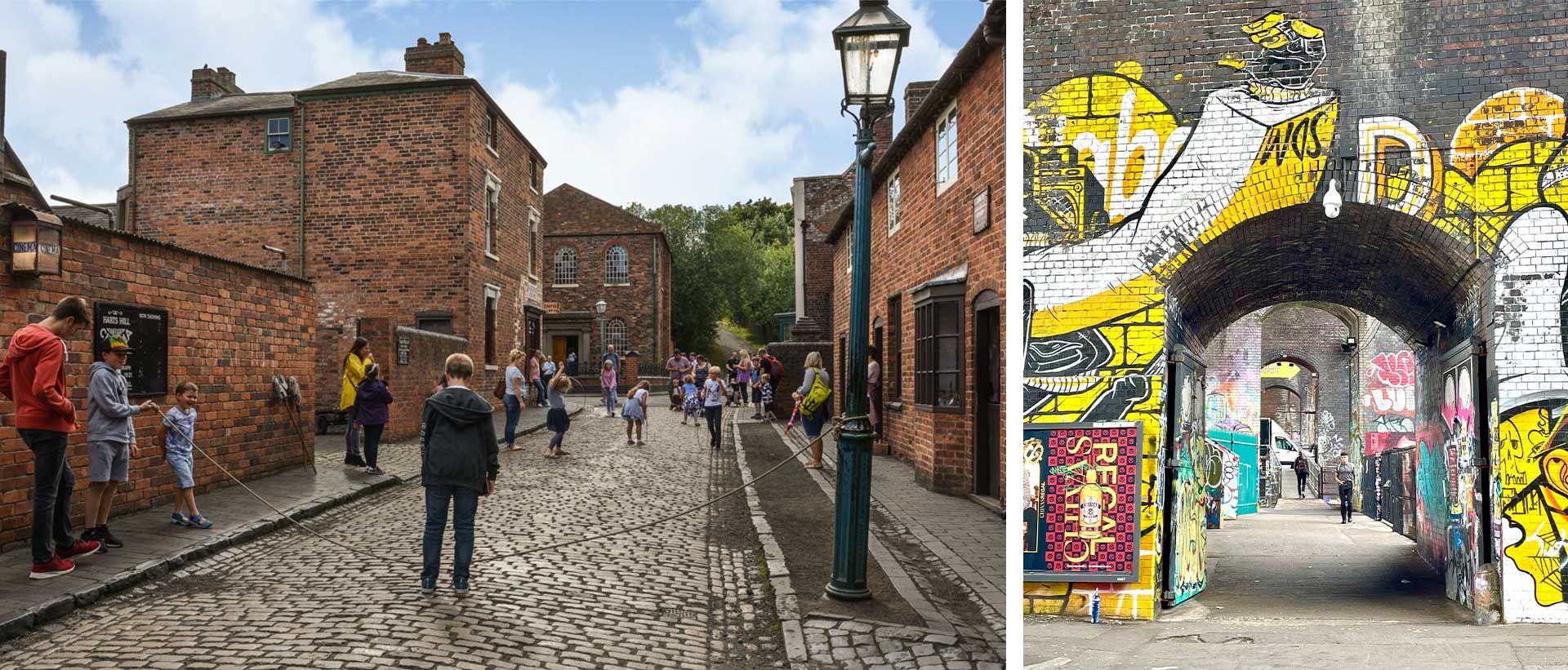
Today, he’s part of the revitalization of Digbeth, which has been dubbed “the coolest neighbourhood in Britain” by the Sunday Times, thanks to its arts scene and clubs, small pubs and cafés. (Although, once it was best known to Canadians as the home of Bird’s Custard Factory, proprietor of the eggless powdered custard used to make Nanaimo bars.) The neighbourhood has plenty of screen-ready brick arches, alleys and cobblestone streets, along with colourful murals. Knight himself has commissioned a new 50-metre portrait of the Peaky Blinders cast for a wall outside Digbeth Loc. Studios. “Digbeth is a great place and getting better and better as well,” he says. “I’m very passionate about the city that I’m from, and I want there to be a legacy, which the studio is part of and Peaky is part of.”
Gang Land
Gostick tells tour guests that while the Peaky Blinders were real, they came along years earlier than the show’s 1920s setting. They also weren’t the only ones terrorizing Birmingham. There were dozens of other “slogging gangs” – more violent fighters than criminals – in the 1890s that grew into larger groups like the Birmingham Boys, who were involved in bookmaking and organized crime in the 1910s to the ’30s. The series features real-life outlaws like Birmingham Boys gang leader William Kimber, Gostick said, called Billy Kimber on-screen.
Tom Hardy’s Peaky character, Alfie Solomons, who doesn’t return for the film, was based on Alfred Solomon, the leader of a Jewish gang in London’s Camden Town.
The real Peaky Blinders members certainly weren’t community-minded like the Shelby gang, who protect locals while thumbing their noses at the wealthy and well-connected establishment. Gostick said the real Peaky Blinders put their interests first and were more thugs and villains than the heroes of the working-class inner-city neighbourhood of Small Heath, as the series portrays them.
Nights at the Museum
The Black Country Living Museum in Dudley (a short drive from Birmingham) has an open-air collection of more than 50 replica, relocated or restored shops, houses and industries dating from the late 19th century to 1939. “I actually want to live at the Black Country Living Museum, with that pub,” said Knight. “It’s just fantastic.” Knight calls the collection of cobblestone streets, canals and rebuilt heritage his “home base” for shooting Peaky Blinders episodes, as well as The Immortal Man.
The museum stays open a few evenings a year for popular Peaky Blinders Nights, where up to 2,000 people gather in flat caps and flapper dresses to listen to live music and mingle with others dressed like historic characters from the show. The setting looks like an Industrial Age painting, with a curving longboat canal that passes a fiery forge. The sharp sound of the blacksmith hammering steel into a linked chain carries across the area that fans will recognize as Charlie’s yard on the show, and a short brick bridge over the canal is the hidden spot where Freddie Thorne and Ada Shelby met in secret. There’s also a circa-1842 lime kiln where baby Ruby Shelby was conceived, the ill-fated child of Tommy Shelby and Lizzie Stark. If these brick walls could talk.
From Beatles to Blinders
Head north a couple of hours to Liverpool, and you’ll find more than 2,000 heritage buildings and fine Victorian and Georgian streetscapes, which make the city a natural location choice for filming Peaky Blinders. Here, I took the BritMovie Tours Peaky Blinders-themed walk, which has an “official” stamp from the series.
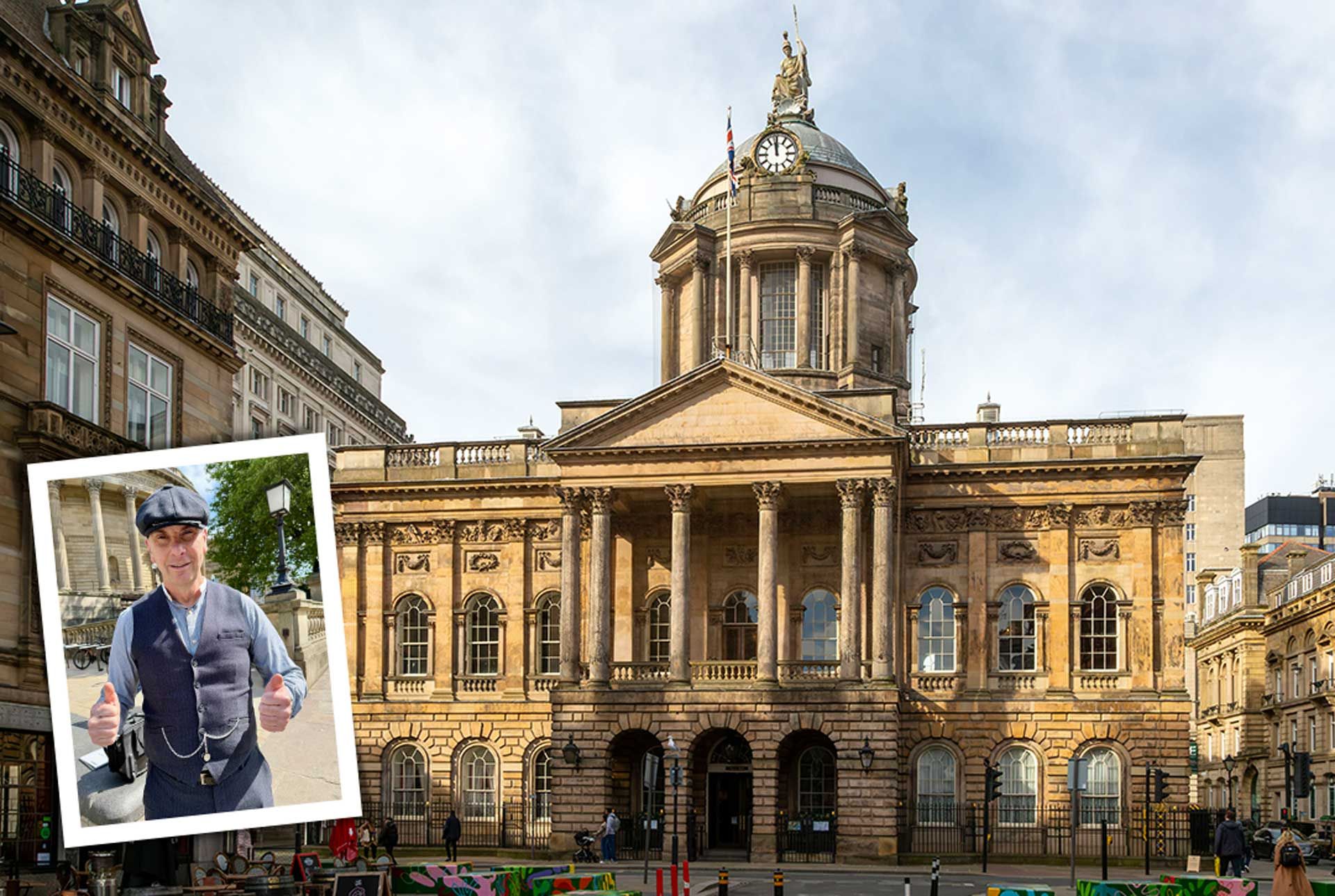
Our blue-badge tour guide, Gary Friday – meaning he has his profession’s highest qualification in the U.K. – met us on the steps of the 18th-century Liverpool Town Hall, the first of 10 filming locations we’d visit. “Gary Friday, born on a Saturday, Liverpool born and bred,” he said in a thick Scouse accent, the unmistakable Liverpudlian dialect. He was immaculately barbered and dressed in the sharp style adopted by the Shelby gang members, with a tailored vest, wool trousers, crisp shirt and flat cap. “You look at them Peaky Blinders fellas, they took pride in themselves,” Friday said as he checked his pocket watch.
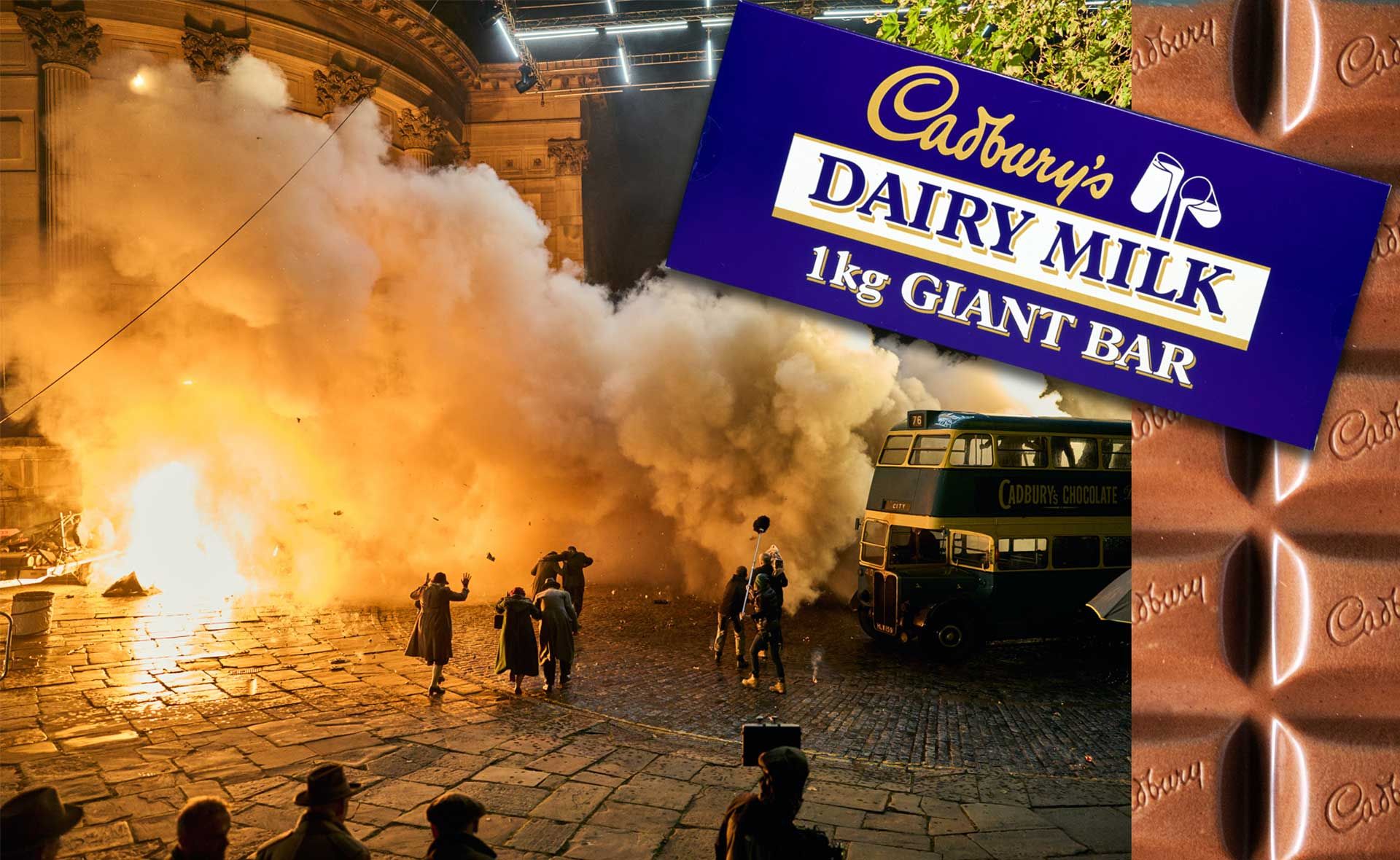
He said Liverpool delivers the goods as a location for the series. While London has 10 times the number of heritage buildings, it costs far less to shoot in Liverpool, and there’s less red tape than in the capital. “Here it costs you a Mars bar and a bag of crisps,” he said, before starting the four-hour tour. Friday carried a large binder filled with photos and maps. When we stopped at filming locations, he explained the history of the place and showed us how it appeared on-screen. He knew the details of every episode. He also talked knowledgeably about how series plotlines follow post-First World War politics, including the advent of women’s rights, social upheaval and the rise of British fascism. Tommy’s nemesis, Sir Oswald Mosley (Sam Claflin), was a real person, he said, the founder and political leader of the antisemitic British Union of Fascists. We saw where scenes of Mosley’s fascist rally were shot outside the magnificent columns of the neoclassical St. George’s Hall – and inside the impressive building, the Shelby family saw one of their own killed in season three.
Dozens of handsome, white-marble period mansions line Liverpool’s well-preserved Georgian Quarter, a popular filming area for Peaky scenes. As we walked along Falkner Square, Friday stopped outside a house which stood in for Field Marshall Russell’s home in London’s Belgravia, where gang member John Shelby delivered a bomb through the letterbox. Our small group finished the tour in a pub over pints of ale. None of us – especially me, who had only seen season one – had Friday’s level of Peaky knowledge. He admitted it did take him a while to warm to the series. He found the Birmingham accents hard to follow. It was his older sister Barbara (he’s the youngest of 10) who convinced him to start watching with her. The first night, they binged four episodes. “He’s a genius, Steven Knight. Honestly, his writing is incredible,” said Friday. “It’s like shining a light on the social history of Britain. That’s what Peaky Blinders does. It’s like holding hands with history.”
WHERE TO STAY
In Birmingham: Aloft Birmingham Eastside is within walking distance of central Birmingham. The Mount Hotel country manor is in Wolverhampton, West Midlands, situated in two Edwardian grand homes, about a 30-minute drive from central Birmingham.
In Liverpool: The Halyard Liverpool is a Vignette Collection hotel in the city’s historic Ropewalks district, within walking distance of much of the city.