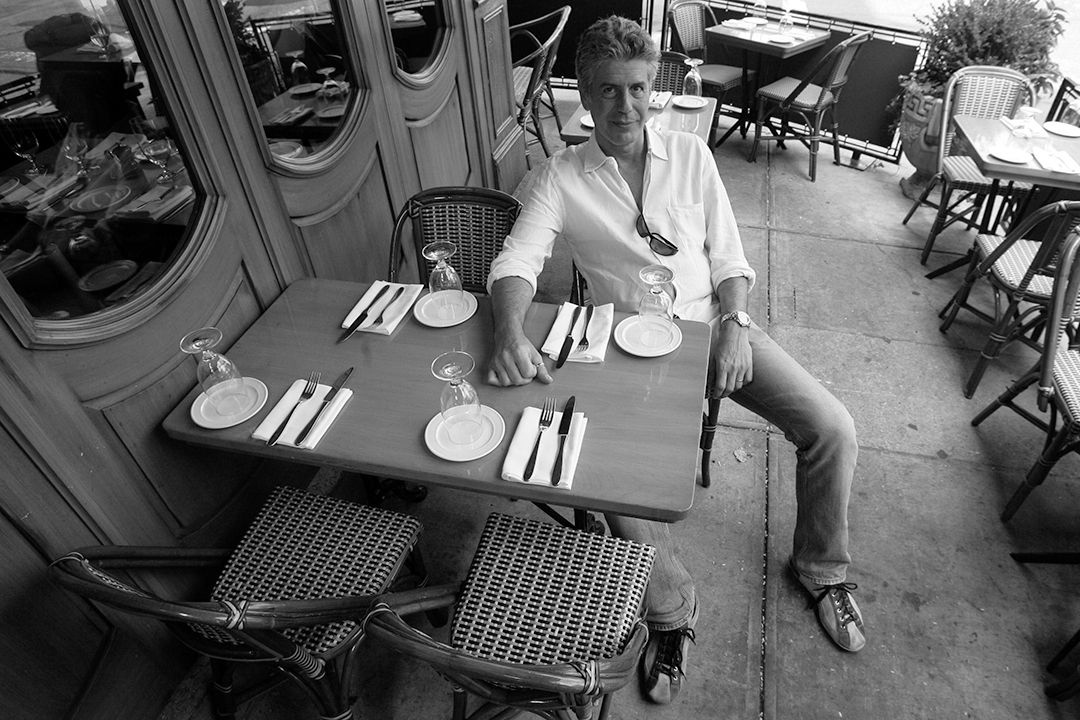
There’s never been anyone quite like him, before or since. Master chef, bestselling author, charismatic TV star, vérité filmmaker, junkie savant, bacchanalian anthropologist. Equally at home in a Michelin-starred kitchen or braving questionable street food, Anthony Bourdain behaved like a buccaneer out to repatriate our taste buds. He liked to compare kitchens to pirate ships, ragged militias always a knife-edge away from anarchy. It’s as if he’d folded the entire ’60s menu of sex, drugs and rock ‘n’ roll into the sensuality of food, with a habanero kick of class politics. Not just food for food’s sake, but food as metaphor, slicing into history, culture and politics as he ate his way around the world like an urbane Odysseus. The relish with which he savoured those nights in the culinary wild, inhaling pleasure from the world on our behalf, seemed almost illicit.
Now, even eight years after his death, Bourdain’s life is overshadowed by the shock of how he chose to end it, hanging from a bathrobe belt in a French hotel room while filming the 12th season of his CNN series Anthony Bourdain: Parts Unknown. And in light of that, any attempt to turn his epic life into a reverential Hollywood biopic would risk being inauthentic and sentimental, even if an actor could be found to impersonate him.
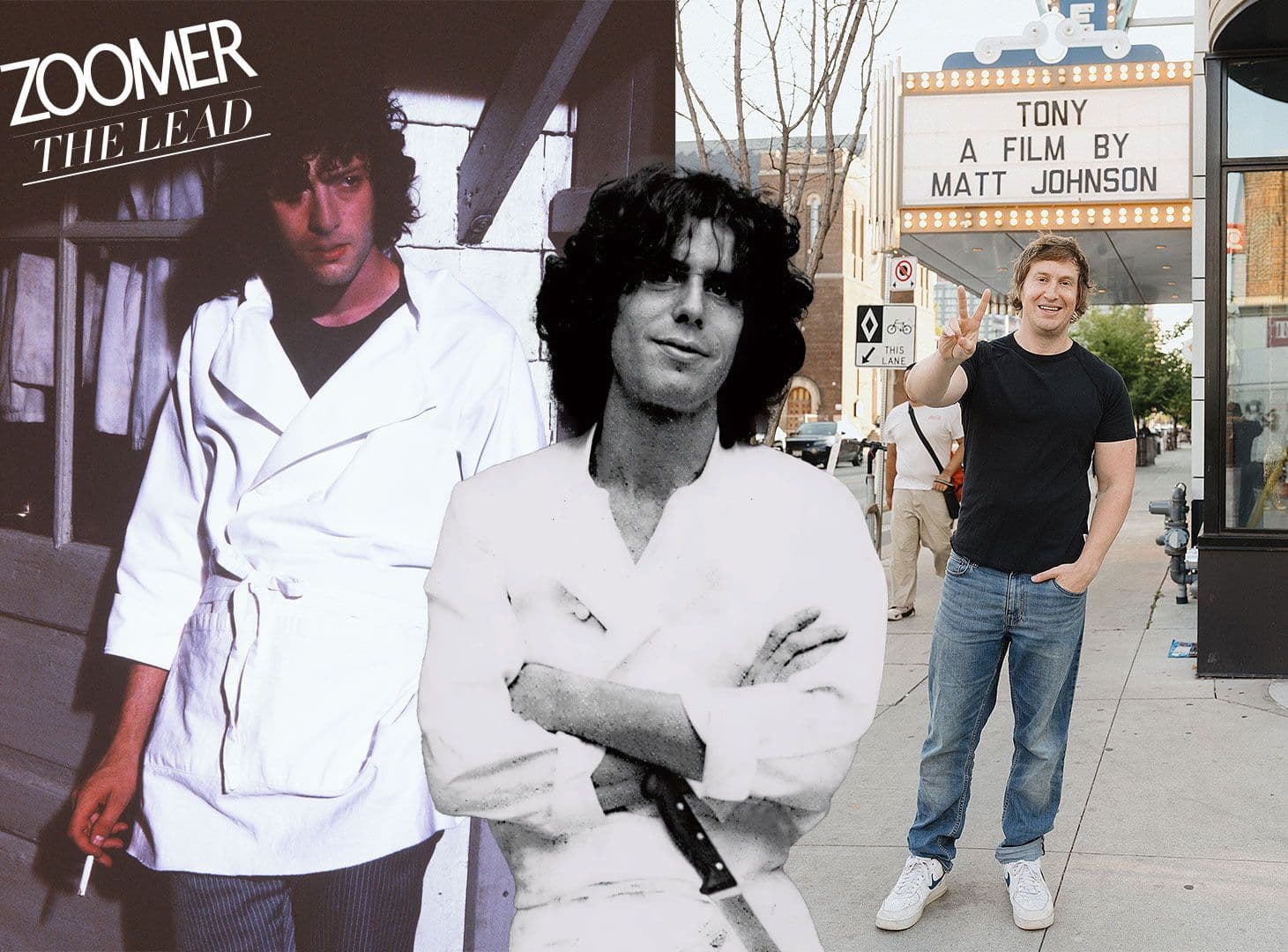
But Tony, which opens in Canadian theatres this week, deftly sidesteps all pitfalls by showing us Bourdain at a time when no one knew who he was, himself included. Set entirely in the summer of 1975, this delectable coming-of-age story portrays him as an arrogant 19-year-old kid who stumbles into a kitchen job in a Cape Cod seafood joint while pursuing the girl of his dreams and pretending to write a novel. This Tony, at the outset, is an obnoxious poseur who bears little resemblance to the one we know – which the film confirms right off the bat in an epigraph quoting Bourdain’s memoir Kitchen Confidential: “I was a spoiled, miserable, narcissistic, self-destructive and thoughtless young lout.” Talk about setting the table – for a slouching anti-hero who has to pay his dues, not just to get the girl and learn how to shuck an oyster, but to get real and become Anthony Bourdain.
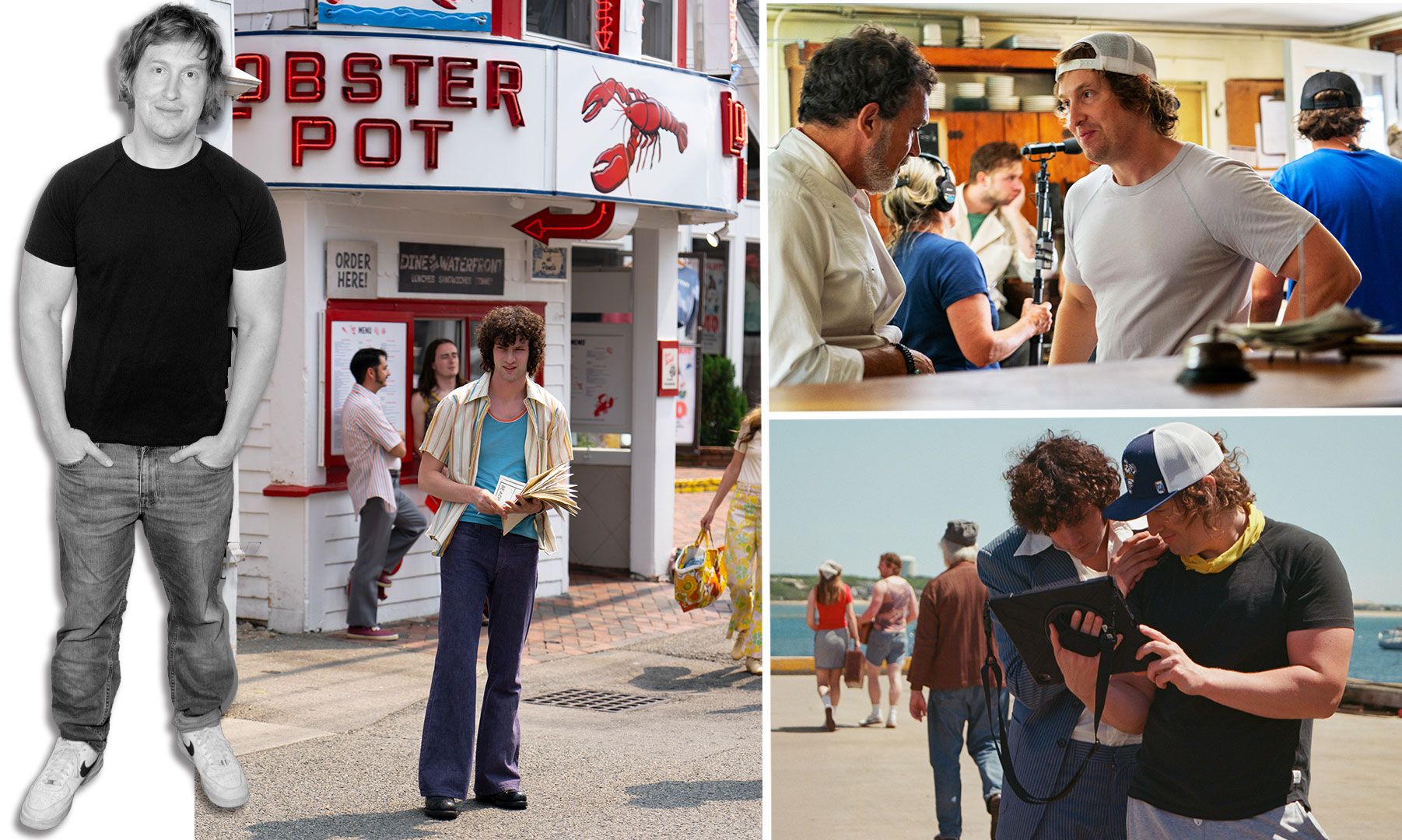
Tony is the fifth feature from renegade Toronto filmmaker Matt Johnson, who, at 40, appears to have undergone his own belated coming-of-age while making it. And it bears almost no resemblance to his previous work. He has made a career of casting himself in goofball misadventures, from the re-engineered origin story of BlackBerry (2023) to the hilarious time-travel romp of Nirvanna the Band the Show the Movie (2025). But with Tony, it’s as if Matt has cannonballed through the looking glass and landed in Hollywood. (Note to reader: I’ll be calling him Matt throughout this piece because I’ve known him for years and it feels weird to keep typing our shared surname). While modest by Hollywood standards, Tony is much larger and more conventional than anything he’s done, and it has catapulted the resident provoc-auteur of Canadian cinema into the major leagues. Last summer, Matt went straight from filming Nirvanna as guerilla docu-fiction with handheld cameras in the streets of his hometown to shooting a studio picture backed by Hollywood’s A24 on the shores of New England with the likes of Antonio Banderas and Oscar-nominated cinematographer Michael Bauman (One Battle After Another). Miraculously, as if to the manner born, he pulled it off with easy-going grace, re-shaping Bourdain’s origin story into a charming, feel-good summer treat that opened last week in the U.S. to a solid consensus of positive reviews.
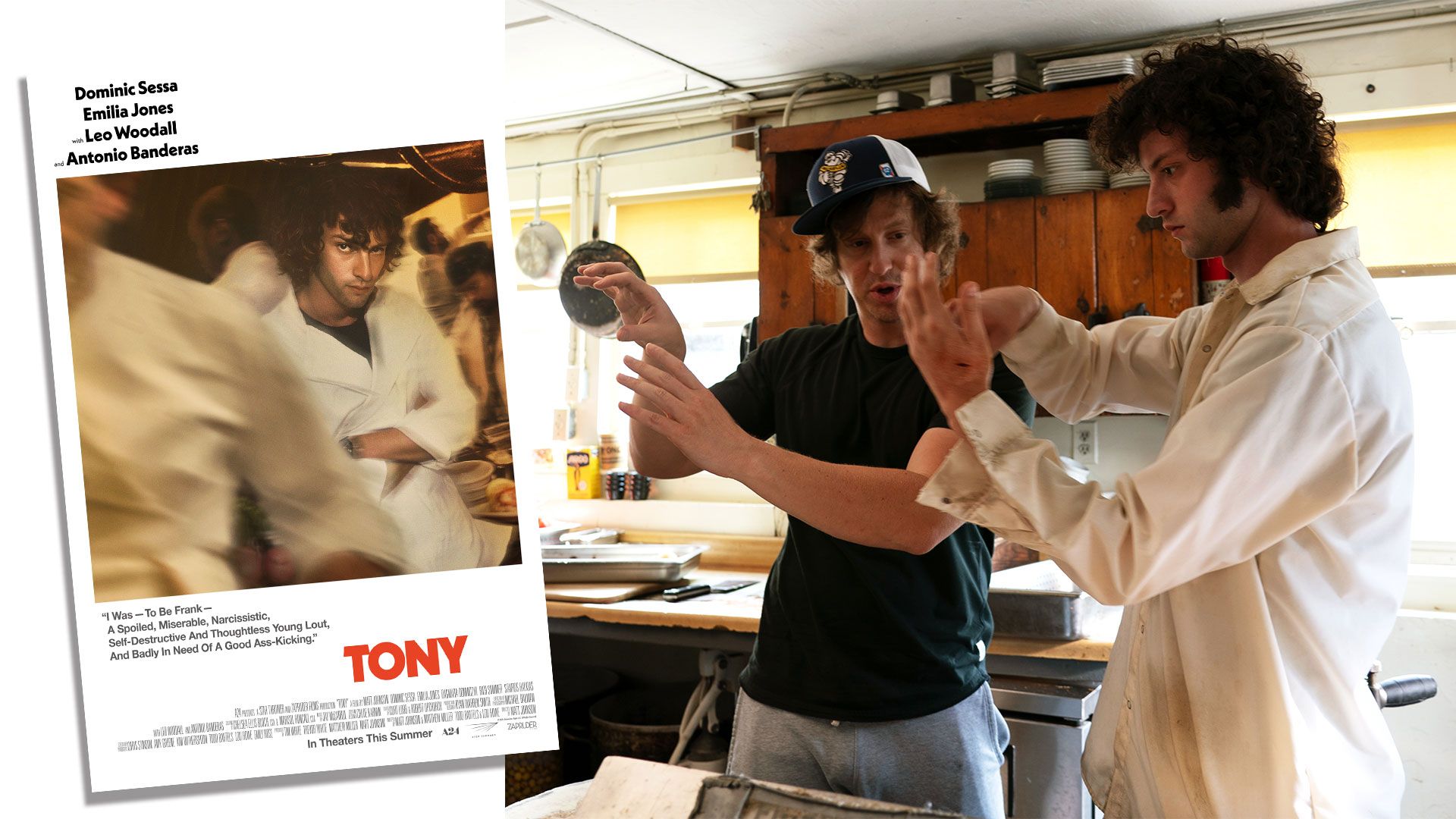
The key to Tony‘s success, and its very existence, was the casting of 23-year-old American actor Dominic Sessa, who fulfills the promise of his breakout role as a boarding-school brat in The Holdovers (2023) with a star-making performance as the young Bourdain. It was Sessa who inspired Matt to make the movie after the director initially turned down the project. In the wake of BlackBerry, “I was getting offered all kinds of things to write or direct based on an article or a book – biopics, corporate true stories, or anything that seemed BlackBerry adjacent,” Matt told me after introducing Tony‘s Toronto premiere to a rapturous hometown crowd in early August. “One of those was this movie of Anthony Bourdain when he was young.” Sitting in a restaurant booth of a midtown bistro, in his trademark white T-shirt and jeans, he said, “I wasn’t interested, in the same way that I wasn’t interested in doing any other real-world story to follow up BlackBerry.”
But he had an epiphany over lunch at the Chelsea Hotel in Manhattan, with Dominic Sessa. “I’d wanted to meet him, not for any particular project. He told me afterwards that he had heard about a Bourdain film. But we talked about everything but that. We talked about his time at Deerfield Private School and about what it was like for him as a hockey player when he broke his leg, skateboarding. And I saw something where I was like, ‘Oh, this is a movie. And Anthony Bourdain is the perfect vehicle.’ Within 30 minutes I knew, okay, I have to make this movie and it needs to be about Dominic Sessa.” He doesn’t mean that quite as literally as it sounds. Tony is about Bourdain. But in what seems like an inversion of method acting, it’s as if Matt wanted the character to become the actor, rather than the other way around.
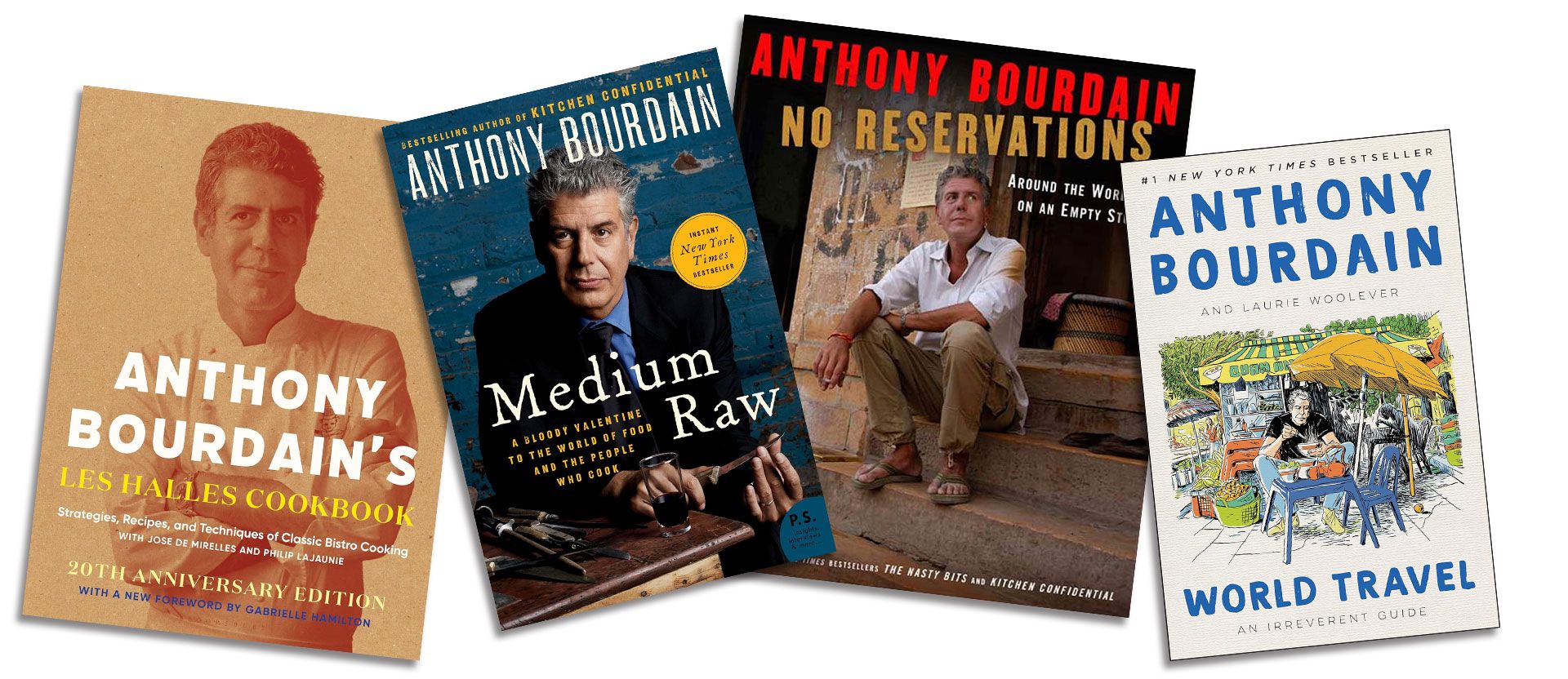
The director knew very little about Bourdain at the outset. He had watched just one episode of Parts Unknown. “I saw where he goes from Montreal to Quebec City with those Joe Beef chefs maybe ten times,” he says, “because, I’m an uncontrollable patriot and whenever an American grants an imprimatur to our country, I pay attention. I caught the rhythm he spoke in. He’s a self-deprecating wordsmith in a grimy business, so I sort of understood his appeal. And I knew he’d written that book Kitchen Confidential, but only sat down and read it after I’d met Dominic.” He went on to devour the rest of Bourdain’s catalogue, another dozen volumes that include pulp fiction, graphic novels and cookbooks.
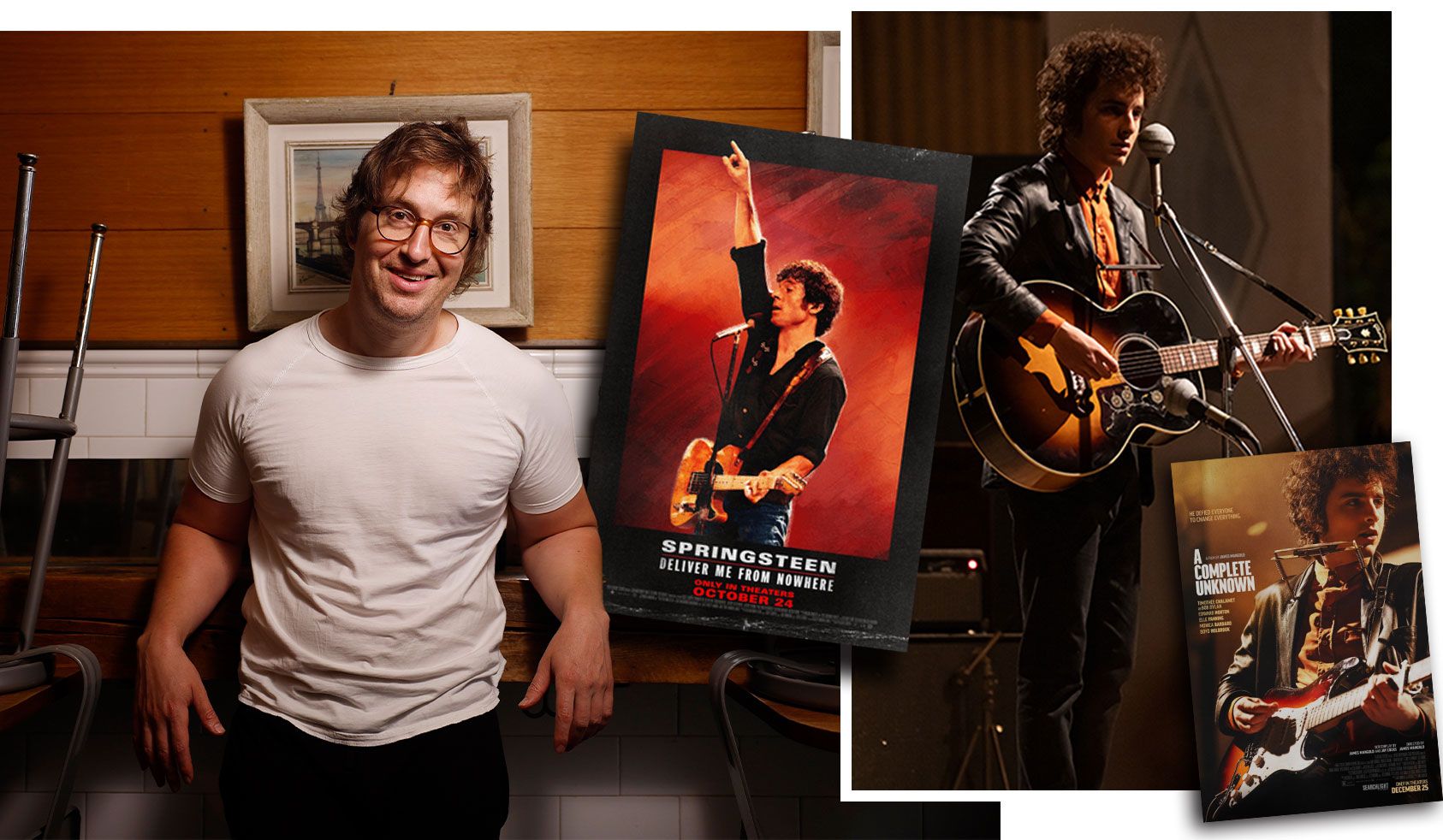
With a fresh palate, Matt tried to reimagine Bourdain on his own terms, playing fast and loose with the facts. “In the same way that I approached BlackBerry,” he says, “I can be curious about his life in the way that a totally neophyte audience will be curious. We all know enough about this guy that we aren’t going to get a lot out of seeing the greatest hits replayed.” Citing biopics about Queen, Elton John and Michael Jackson, he adds, “It almost seems like their goal is to deify the subject and distance them from the audience.” By focussing on a thin sliver of Bourdain’s life, Tony is more akin to the recent films about Bob Dylan (A Complete Unknown) and Bruce Springsteen (Deliver Me from Nowhere), but with a crucial difference. Both Bob and the Boss were already world-famous when they crossed their Rubicon in those stories. Bourdain is a spoiled nobody from New Jersey, looking for some action up the coast and getting blindsided by a culinary subculture that hit him like a rogue wave.
The entire movie takes place in that summer of ’75, which flies by in just a single chapter of Kitchen Confidential. But Matt says he “amalgamated” incidents spanning a decade of Tony’s life, from ages 15 to 25. “I tried to pull from as much reality as I could, and fill in the gaps to give it a throughline – finding the connection between Bourdain observing a woman who just got married having sex with a line cook, and Bourdain burning his hand on a cast-iron pan.” Yet while trying to do justice to his subject, Matt compressed and shifted chronologies while concocting some key plot points. That, he says, required “extensive changes” to the original script by American screenwriters Todd Bartels and Lou Howe. They are still credited as co-writers, but you can find their early version online, on the Black List of unpublished screenplays, and very little of it has survived.
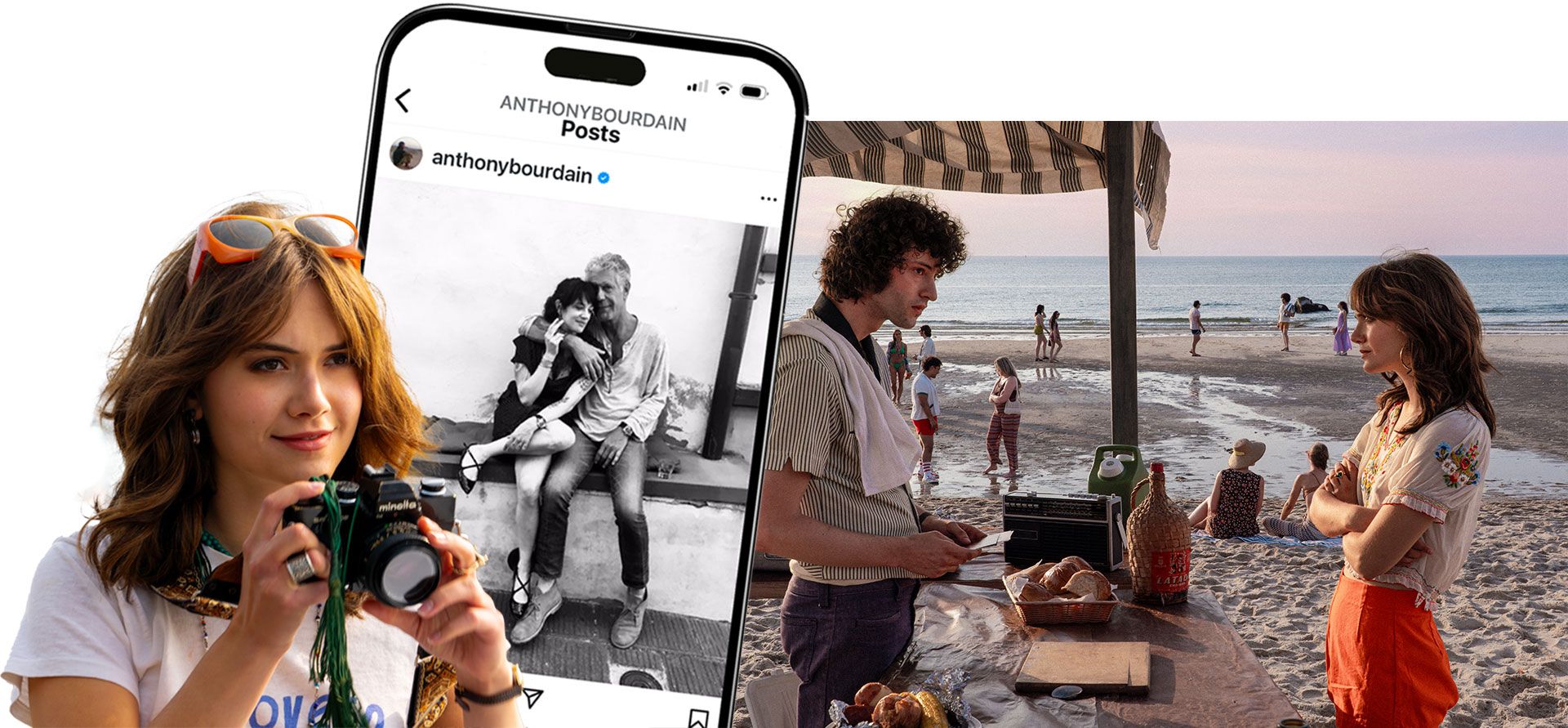
One of the biggest changes was in the treatment of Nancy Putkoski, Bourdain’s first wife. In the opening pages of the original script, Tony and Nancy are already carrying on like a seasoned couple, with Tony doing loquacious riffs on an old routine that they’re Bonnie and Clyde. In the movie, when Tony tracks Nancy down in Provincetown, Mass., they have barely met, and their romance evolves as more of a teased flirtation, simmering on the back burner of the narrative. As Nancy, Emily Jones (CODA, Task) holds her own in a superb cast, but with her story simply framing the narrative, there’s not much of her. The main romance is among the guys. Matt says “the vision I had when I met Dom [Sessa] was, ‘Let’s make this movie about you, kid.’” And true to that vision, Tony turned out to be more of a Dom-com than a romcom.
“Yeah,” Matt concedes, laughing. “What else is new with my movies?” Then, gazing off into the middle distance, he says, “I think that these homo social relationships that men find themselves in are more important than we all like to let on.”
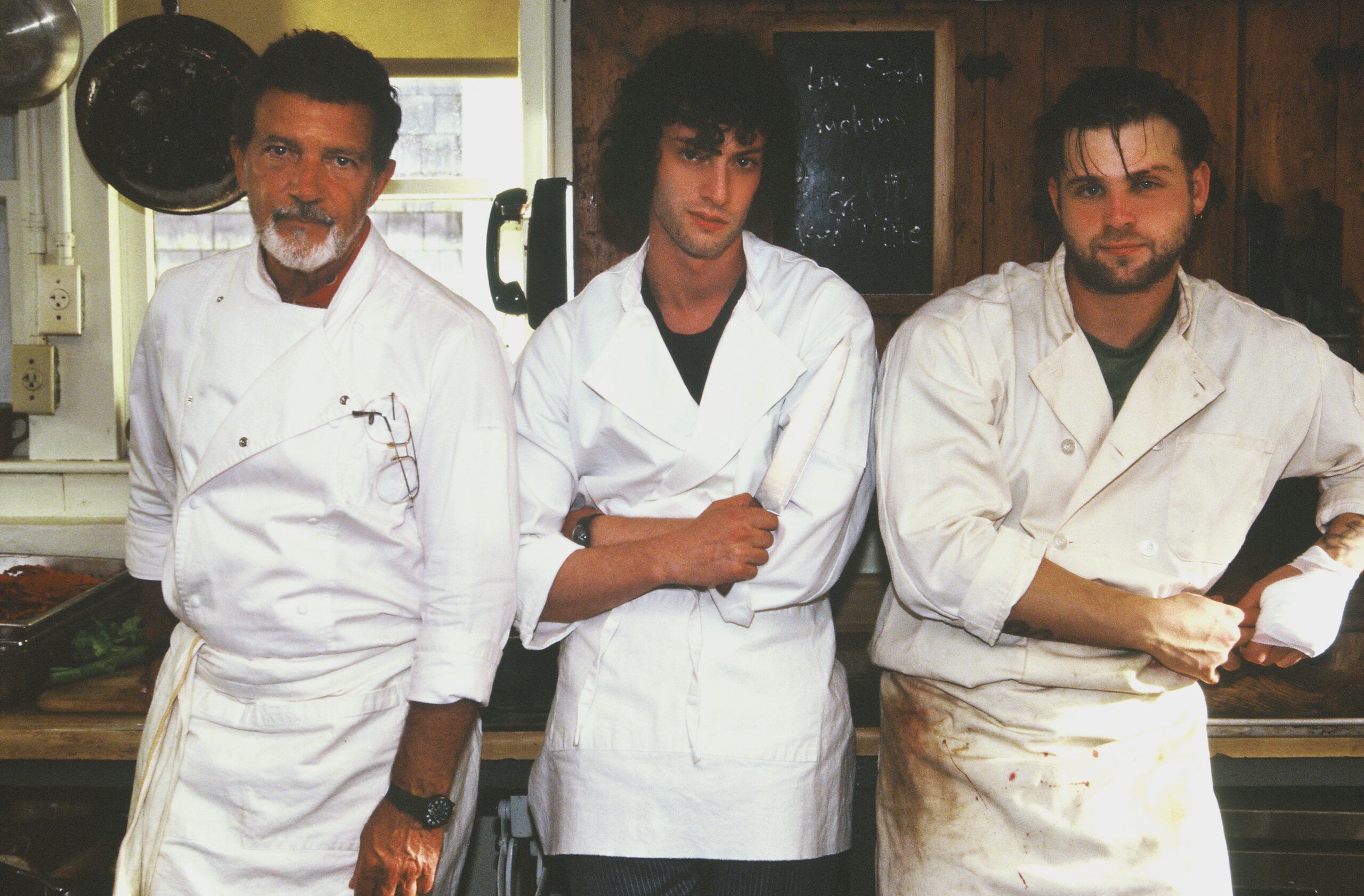
Tony unfolds as a boot-camp bromance set in a kitchen ruled by a burnt-out maestro of high cuisine known simply as Chef (a sublimely wry Antonio Banderas). Chef adopts Bourdain like a stray cat, lets him sleep on his porch in a hammock, and throws him into the fray of his kitchen as a dishwasher. First hazed then befriended by the crew, the rookie falls under the seductive influence of Sal (Leo Woodall), a line cook with a taste for a line of coke and a hit of smack. Woodall, a British actor who brings a potent stealth to whatever he touches, from The White Lotus to Tuner, serves as a hedonistic counterpoint to the sage father figure played by Banderas, and as Tony’s street-hardened big brother, he all but steals the movie.
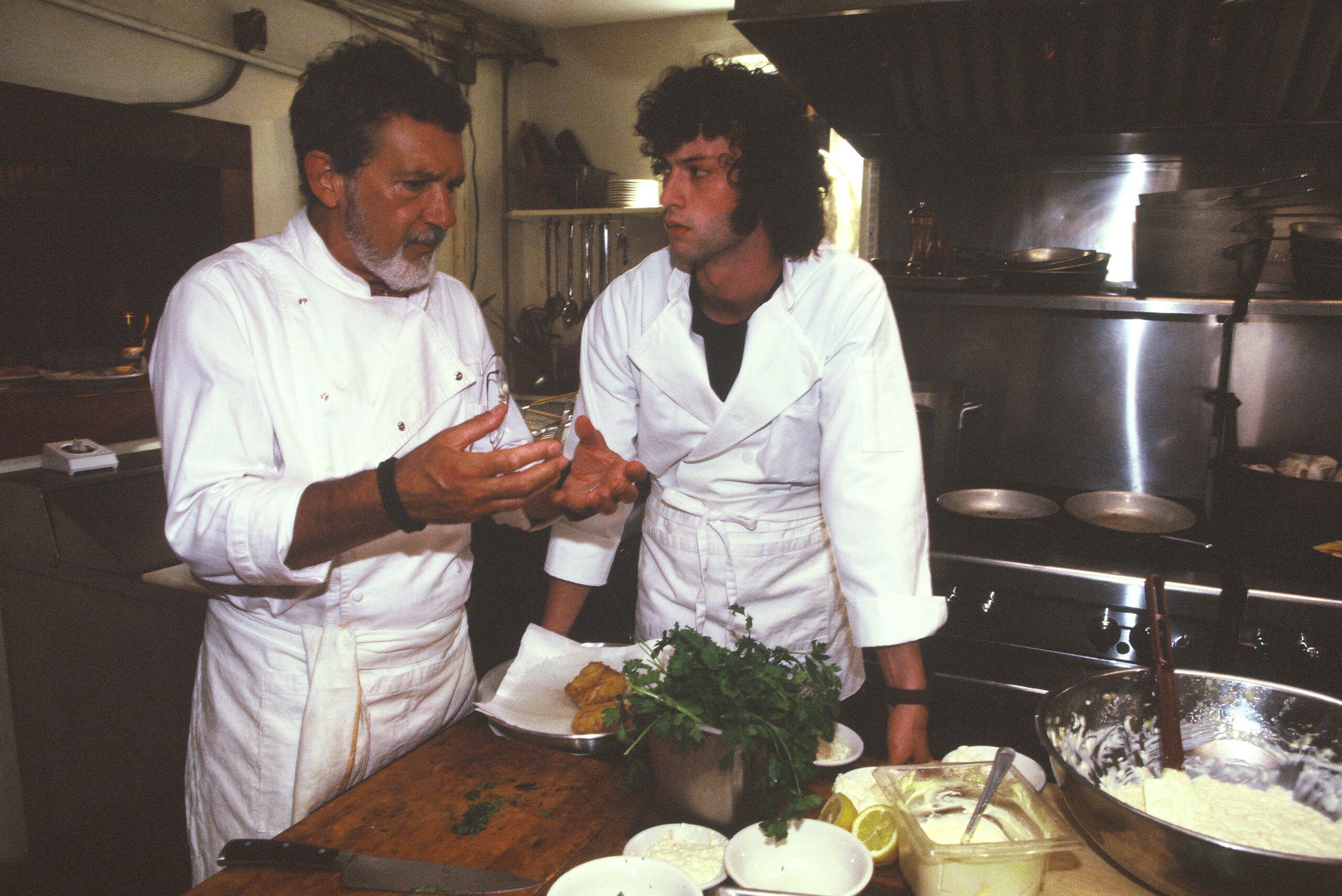
This salt-of-the-earth kitchen and its buccaneering crew are exactly what Bourdain would come to fetishize in Kitchen Confidential, and over the course of his career. Deeply romantic yet stubbornly rooted in the real world, his view of cuisine as a craft is a far cry from the meticulous art that has become the staple of TV kitchens since his death, from Olympian chef showdowns to The Bear. That FX series started out with a grit and authenticity that Bourdain would have admired. But after three seasons, as overwritten scripts collapsed like soufflés, and an under-directed cast of fine actors was left in existential limbo, hung out to dry like slabs of prosciutto, the show began to look like a failed restaurant. Matt says he had only seen the first five minutes of the first episode when he embarked on Tony. “I was lucky to have avoided it, because our approach to the kitchen scenes didn’t fall under the influence of how they’d done things, which I heard was extremely fastidious, one of a kind. I’m sure if I’d seen all The Bear, it would have affected me. And I wonder if I would have even been interested in making the movie.”
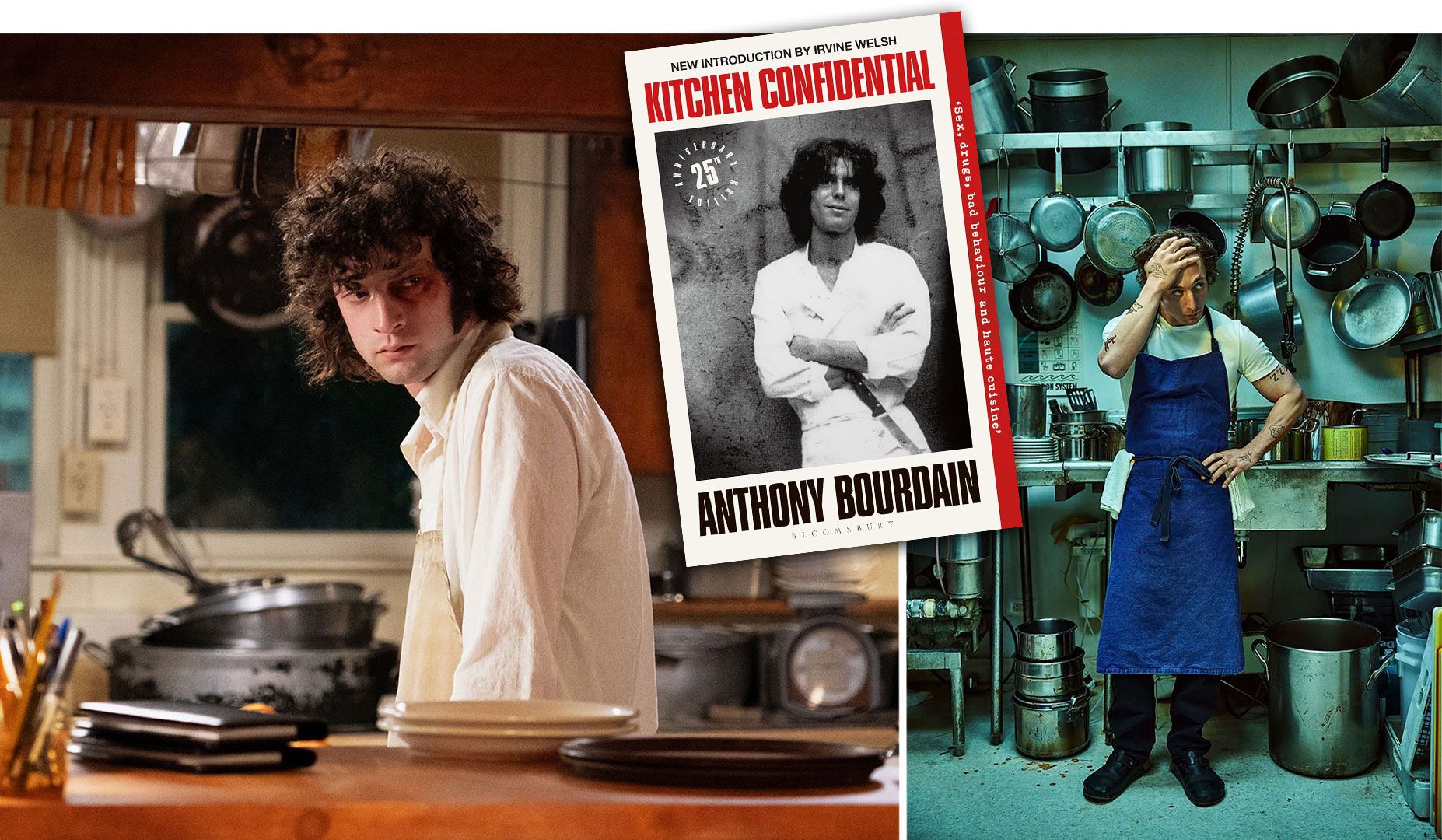
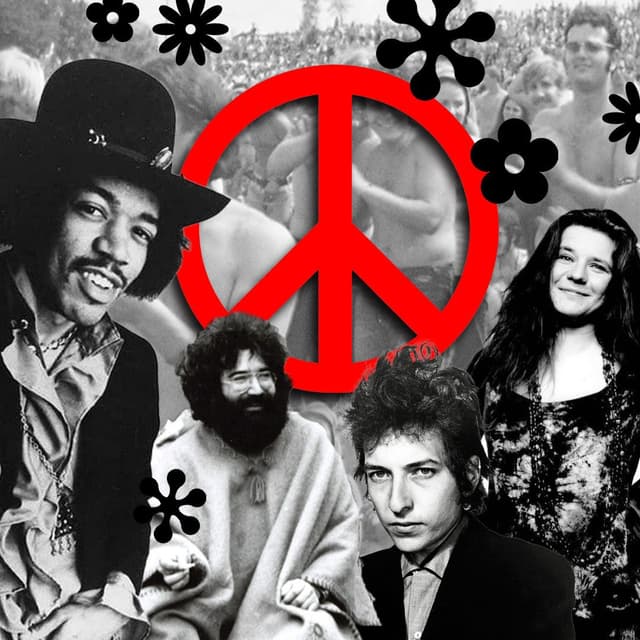
In contrast to the insular angst of The Bear, the kitchens where Bourdain cut his teeth were rooted in a brash culture of ’70s and ’80s rock ‘n’ roll. His heroes were Iggy Pop and the Ramones. In Kitchen Confidential, recalling an early gig as a sous-chef in a Soho, he writes: “In West Village saloons, we recruited every young, pot-smoking, head-banging hooligan we’d ever worked with, filling their heads with dreams of glory. ‘We’re forming . . . like . . . a rock ‘n’ roll band, man, an all-star group of culinary superstars.” Back in the day, rock and restaurants went hand in hand. When I think of Bourdain, I’m always reminded of a friend, the late Zalman Yanovsky, once guitarist for the Lovin’ Spoonful, who created the legendary restaurant Chez Piggy in Kingston, Ont., with his wife, Rose Richardson. Zal’s approach to the restaurant and the guitar were related. Whether channeling his lust for life into R&B or braised lamb shanks, he believed in the basics – delivering bold flavours and honest ingredients with gusto and finesse, but without fuss.
“If I had to choose, I’d pick the hole in the wall dump over the gentrified bistro owned by your average pretentious hipster every time”
– Anthony Bourdain
Born a few years later than Zal and earlier than Bourdain, I’m smack dab in the middle of the ’60s generation that tried to set the world on fire and, in the eyes of our progeny, left a smoldering ruin. And as our interview wound down, I have to ask Matt how he feels about my generation. “I look at it as a truly magical time, the way we view the Dark Ages as a source of magic,” he says, dead serious. “I don’t think of myself facing a cultural hangover from this period. I have no negative associations with it. As to Bourdain’s specific generation, I find him to be a bit of a Gen-X role model in disguise. I think he’s actually posing as the generation under his. And with Sessa, I’m trying to pose as the generation under my own, because all the movies I make are about that period in my life – late teens, early 20s. Even as the world keeps moving on and I get older, it’s like I’m slowly, year by year, moving up the ladder of that time in my life “
Tony is the first movie Matt has directed without casting himself. But he still seems to have made his presence felt – at times, I could sense his unbridled energy reflected in Sessa’s performance, even his look. “Dom did me a real service in finding parts of me to bring out,” Matt admits. “And because I’m not in the movie, I could really make it personal. I’m trying to mirror a moment of growth where I realized I need to stop lying to people. That’s what is dramatized in the film – the moment a young man realizes he has to stop lying because it’s better to start at the bottom of something, honestly, than pretending that you are at the top of some imaginary status that you’ve created.” Then he adds, “Even though this movie is about someone who now would be in their 70s, it is trying to approach it from the perspective of Dominic Sessa, the 23-year-old living on planet Earth in 2025. It’s truly a Gen Z perspective, expressing that his struggles with adolescence, manhood, deception, women are not so different from those that Anthony Bourdain had at that time. I don’t believe we’re so different.”
And what about the lingering shadow of Bourdain’s suicide?
“It’s funny,” Matt says, “because I didn’t have relationship with him as a fan, or someone who watched him, his suicide was just a news item to me. It didn’t have an emotional valence. So I could approach telling this story from a place of hope – of Tony, of Dominic Sessa, realizing something profound about his life – without needing to answer his final curtain call.”
The movie does, however, include a darkly funny allusion to suicide, when Tony asks Banderas’s character about an engraving on the wall depicting the 17th century French chef François Vatel about to impale himself on his sword. Bourdain explains that the chef, preparing an elaborate fish dinner for Louis XIV, committed suicide because “the fish didn’t arrive on time.” Which leaves Tony baffled. Matt says he came across the story in Bourdain’s writings, where “he talks about Vatel almost as a verb, like the ‘Vatelian’ nature of perfectionism. I’d never heard of this guy, and it was almost like Bourdain reaching from the grave, saying, ‘Hey, I left this for you.’ ” In the film, Tony’s mentor presents Vatel’s suicide story as an object lesson in uncompromising cuisine, and “Tony literally says, what do you mean? That doesn’t make any sense. And yet … Bourdain does kill himself at what I would consider a young age, when he’s on top of the world.”
Food for thought. All layered into a light summer movie, a generous spread where three generations of men in search of themselves – Matt, Dominic and Tony – learn that maturity is not half as boring as it’s cracked up to be.