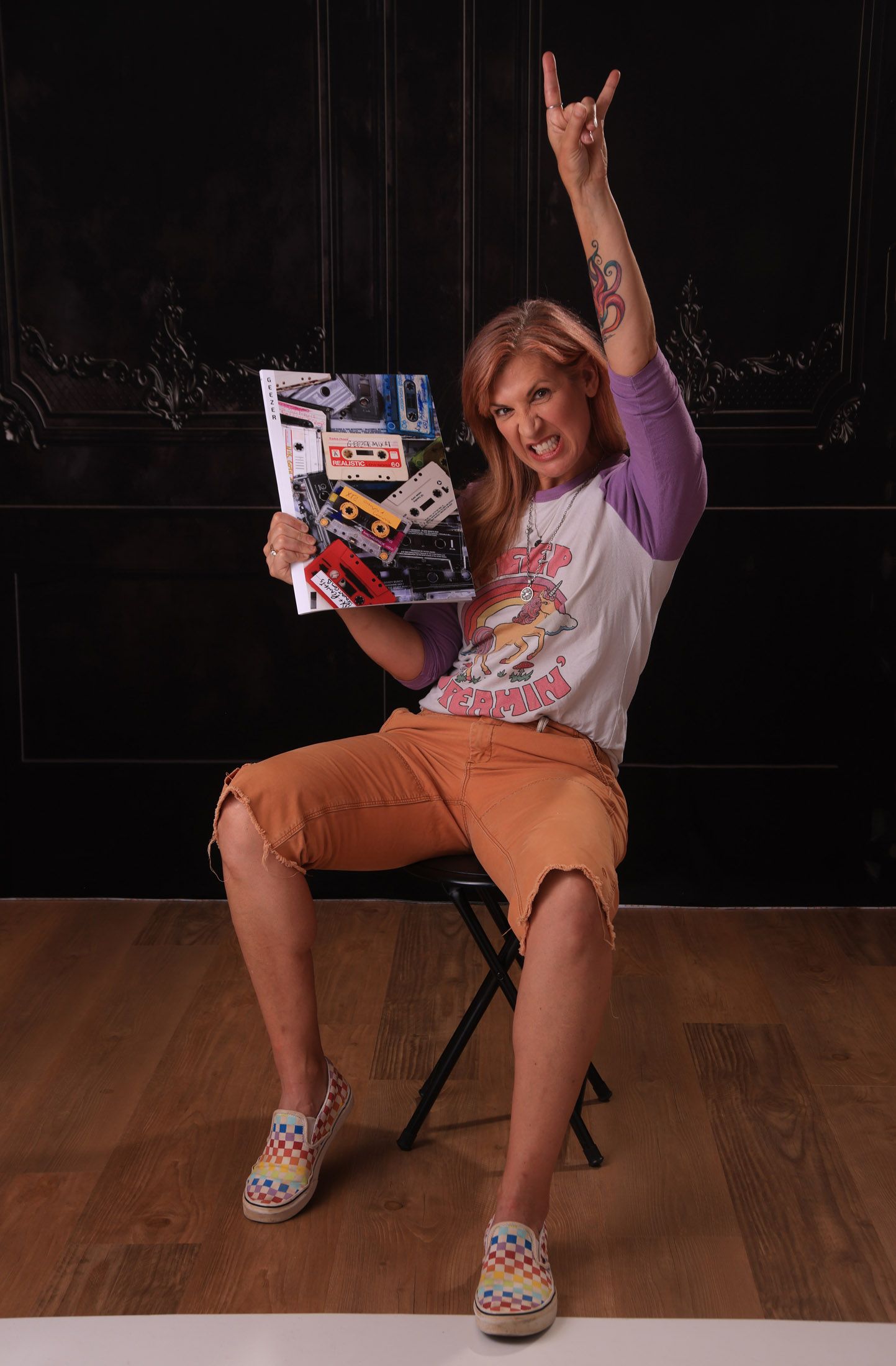
Despite being a self-professed “child of the theatre,” Laura LeBleu can hardly use the phrase “second act” to describe her latest venture as the woman behind Geezer magazine – a brand spanking new print publication catering to Generation X (the cohort born roughly between 1965 and 1980) and their unique experience of aging.
The metaphor simply wouldn’t hold up for the 54-year-old creative polymath. Her resume reads like some sort of fever dream bucket list with job titles that include Emmy award-winning TV producer, stilt-walking circus ringmaster, theatre producer, underground drag performer, tech writer, copywriter and creative director – to name just a few – as well as a Masters in Creative Writing and Literature from Harvard.
“This couldn’t have happened if I hadn’t had all of those wild disparate experiences in my past,” she tells me on a Zoom call from her home in Nevada City, California. “All of these different things have led me to who I am today, and given me the skills that I needed to create a magazine and to get people on board.”
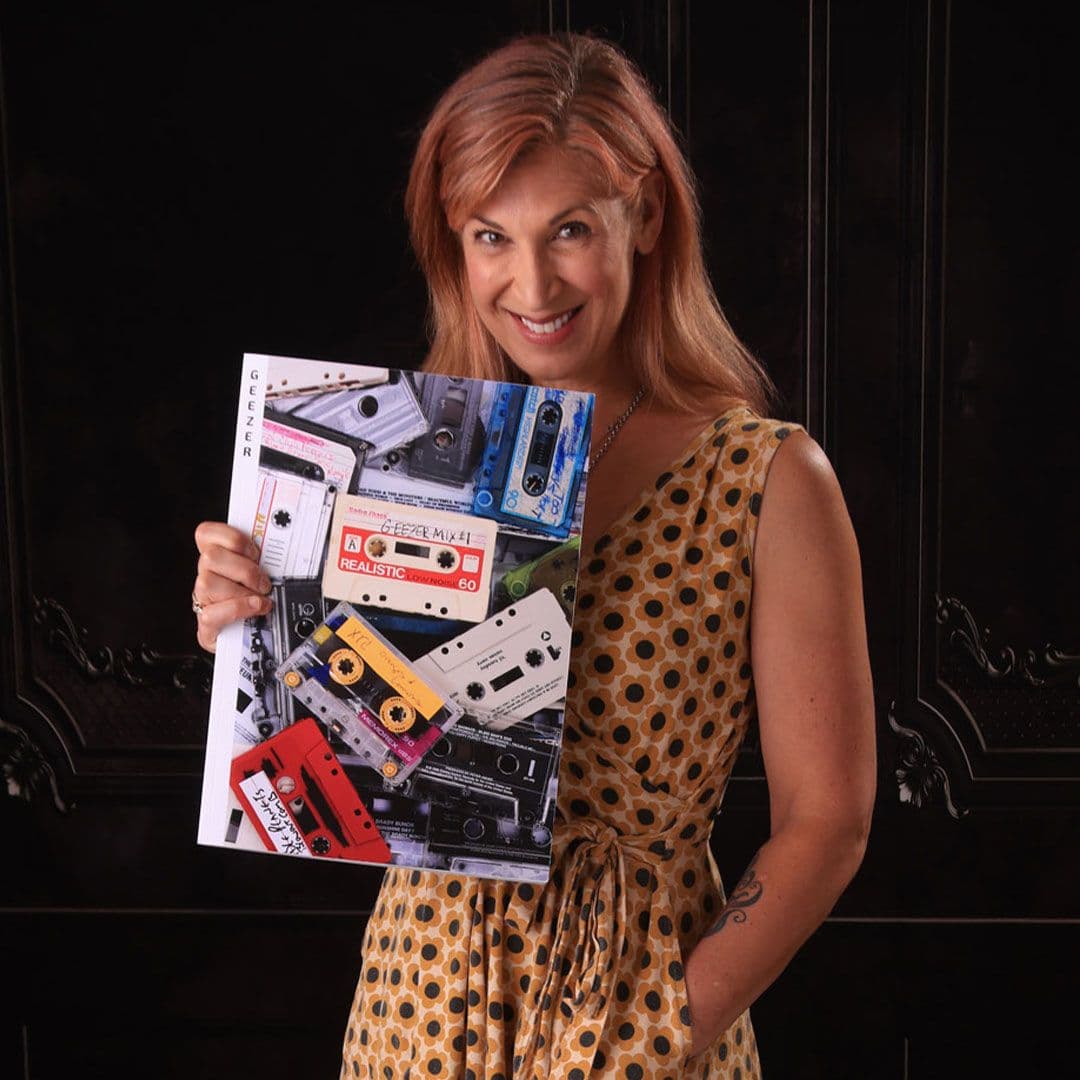
LeBleu released her first issue in Nov. 2025 and is already generating plenty of buzz – from MR Magazine naming Geezer its Magazine Launch of the Year to an offer from Barnes & Noble to put Geezer on its shelves. “It’s my late-in-life creative Hail Mary,” she says of the publication, which she funds entirely herself. “I have been writing for other people for the last 25 years, spending all my creative currency on other people. I finally thought, ‘I’m going to invest in myself.’”
Her eureka moment came in the shower. “It just struck me. I’m going to make a print magazine for Gen X and it’s going to be called Geezer,” she recalls. “It was a focus group of one, there were no discussions or marketing meetings.”
Her idea was for “a culture magazine that not only brings us together with some of the nostalgia of growing up in the ’70s and ’80s, but really addresses the kind of [stuff] that we’re going through as we navigate midlife and the things that no one warned us about,” she says. “I want this magazine to feel like a warm, validating hug.”
Not unlike other publications serving the older demo – AARP in the U.S., The Oldie in the U.K., Happy Age in Italy, and (yours truly) Zoomer – Geezer embraces the idea that there’s no simple, one-size-fits-all formula for how any one generation experiences aging. “We’re aging so differently than our parents,” LeBleu says. “We’re writing our own scripts and we’re doing it in a way that’s a lot more individual.”
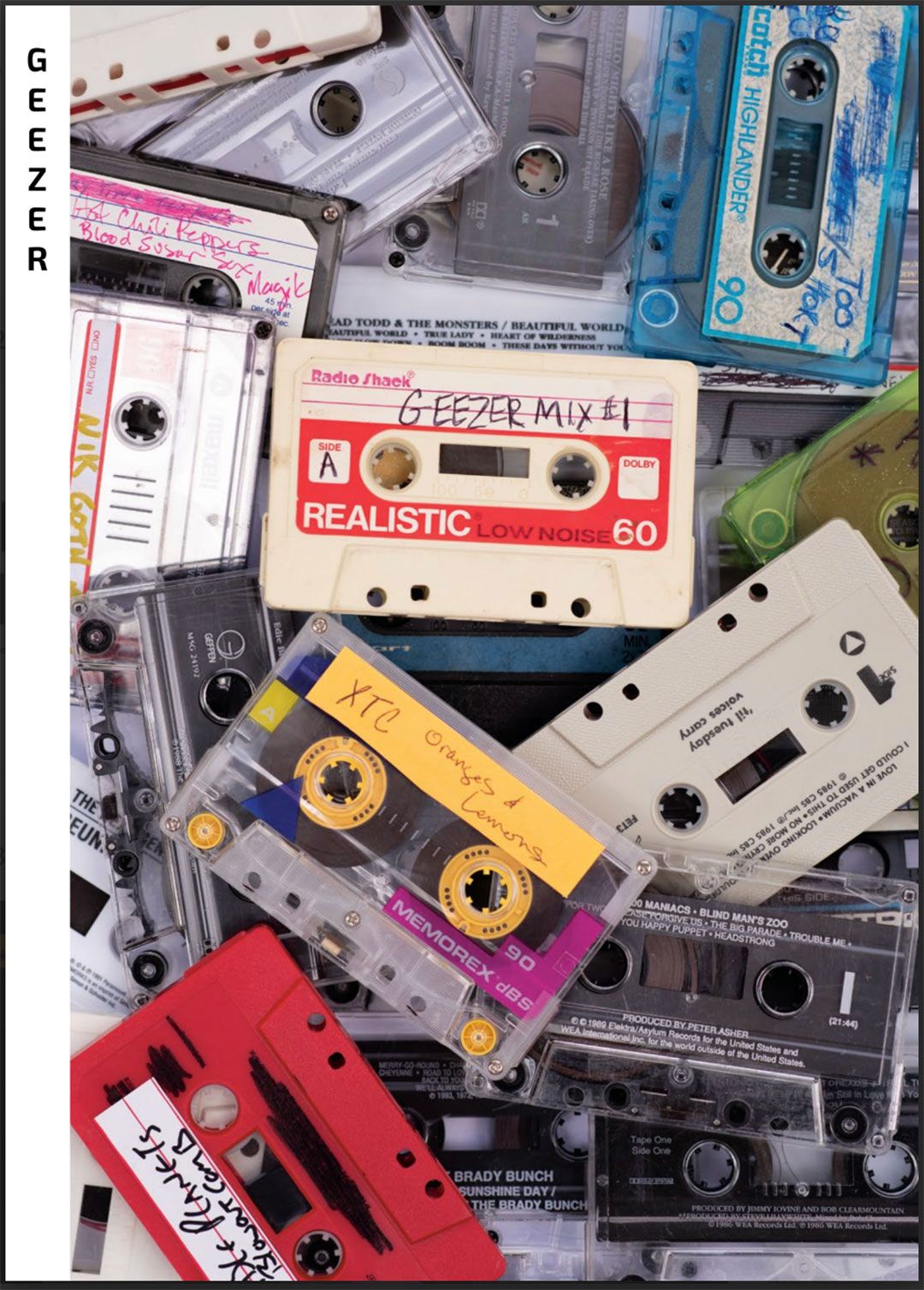
And she’s not shy about playing up the nostalgia angle. Her first cover featured a pile of cassette tapes with one labelled “Geezer Mix #1” – calling back to the days of dubbing mixtapes from the radio.
As for using what’s widely considered an insult for elders as the name of the publication, she assumed her fellow Gen Xers would appreciate the tongue-firmly-in-cheek moniker. “I thought it was hilarious,” she laughs. “We’re the detached generation that loves irony so this is an ironic name. Obviously, I don’t consider us anything other than vibrant and young.”
Meanwhile, her magazine concept may have started formulating years earlier, not with a spark, but with flames. As she approached 50, she received her first copy of AARP magazine – complete with coupons and promises of a padded cooler bag – which she promptly set ablaze.
“I did,” she unabashedly confirms. “This is no shade on them,” she adds before throwing an entire gazebo’s worth at the publication produced by the nonprofit and nonpartisan organization – which, when it was founded in 1958, was known as the American Association of Retired Persons.
“They do good work,” she concedes, insisting that there’s no malice behind her trash-talking. “But they are beholden to our parents’ generation. Because they do a lot of marketing and lobbying, they have a lot of external forces they have to contend with. They can’t be as raw and authentic.”
View this post on Instagram
Meanwhile, her visceral reaction – which summoned her oft-cited act of pyro-rebellion – may have spawned from the imagery the publication tends to employ.
“They do this thing where they use this crappy stock photography of the old dude carrying a skateboard and you’re like ‘man, there is no f—ng way that man has ever ridden a skateboard.’”
So with the aim of creating a space just for Gen X in an increasingly deafening digital world, she turned to print. The resulting publication – which is closer to the size of a coffee table book and is printed on 80-pound environmentally friendly paper – makes a statement both with its aesthetic and content.
“I have a tendency to zig when everyone else is zagging,” she says of her choice to go the print route. “For the last few decades, we’ve just been force-fed empty calories of digital content. There’s something really satisfying about holding that print magazine in your hands. It grounds you in a way that you cannot be grounded when you’re on a computer or phone.”
Her editorial direction is driven by the uniqueness of Gen X’s experiences, including break-neck changes in technology, burgeoning sexual liberation, the AIDS epidemic and – one that may explain her multi-faceted career – navigating the very new and welcome opportunities ushered in by the Boomer generation with the second wave of feminism.
“For me, the X really stands for experimental,” she says. “We grew up as the children of massive cultural upheaval. We had a lot of patriarchy, but we were the first generation who were fed the messaging that you can do it all [and] be it all.”
LeBleu says that overarching message was a double-edged sword, with ambition often giving way to burnout for many women of her generation navigating midlife. “I would never want to go back to the repressive times before that, but we have to acknowledge that there was no precedent for a lot of the stuff that we’ve dealt with.”
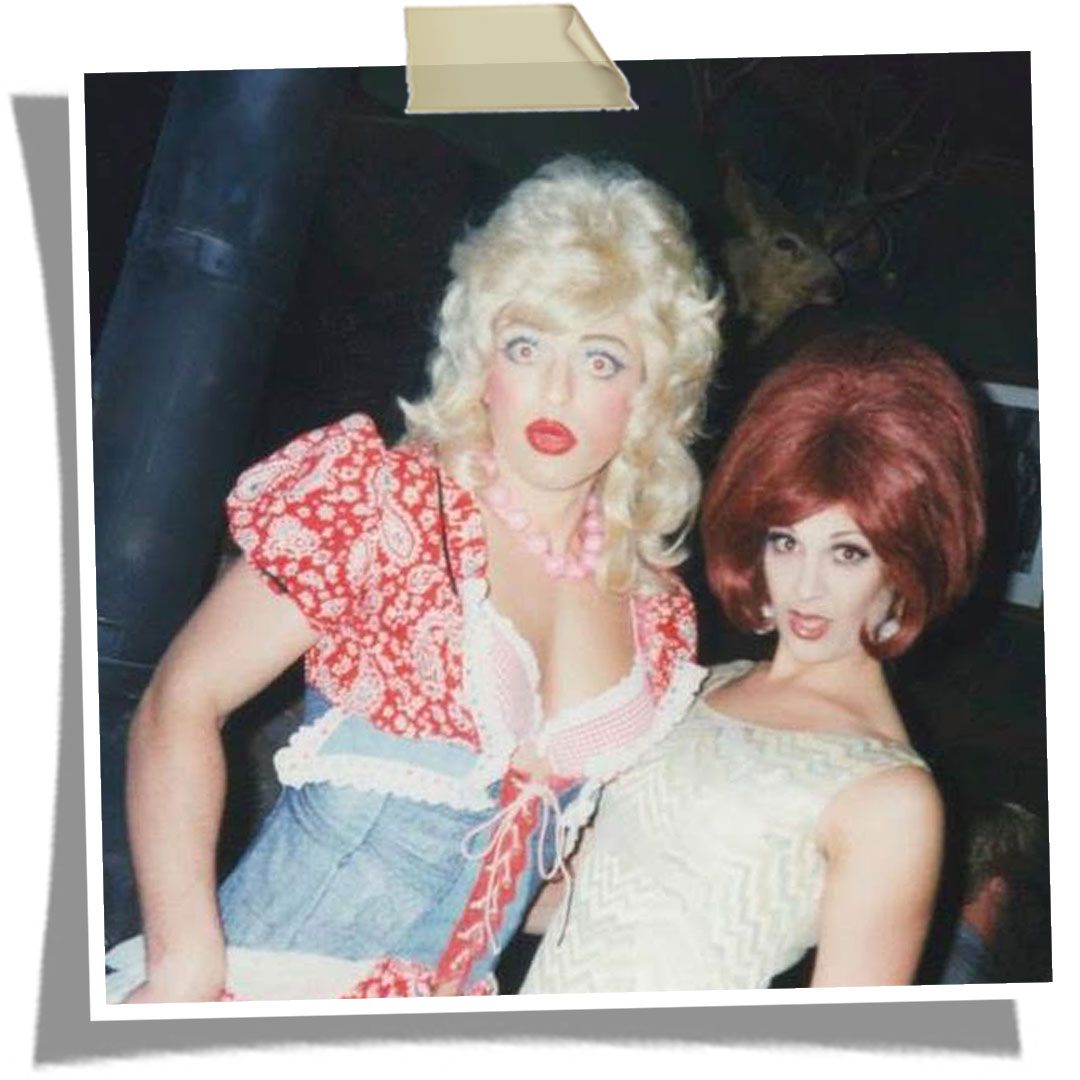
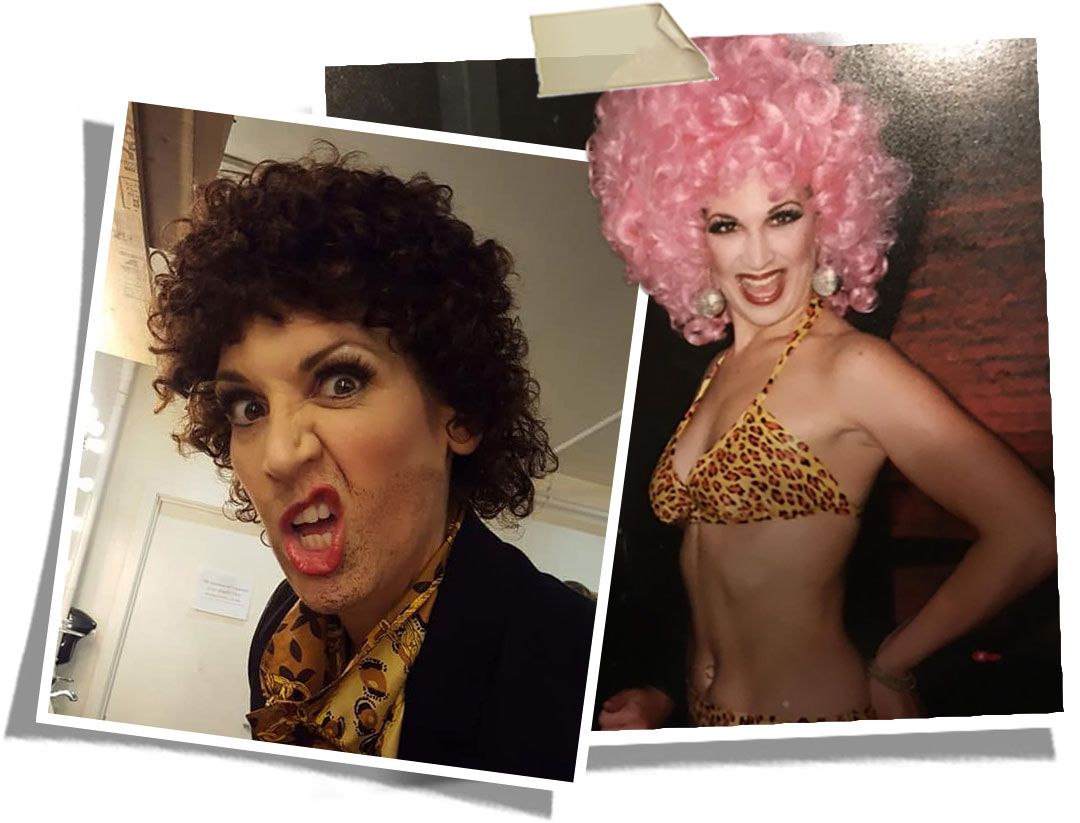
LeBleu hasn’t exactly needed a blueprint. Hailing from El Paso, Texas, she’s never been afraid to embrace the experimental nature of her cohort. Fresh off of earning her theatre degree at New Mexico State University in the ’90s, she headed to San Francisco, where she promptly landed the lead in a drag punk rock musical set in outer space as a glammed up version of Lucille Ball.
“I found my people, which I would have never imagined,” she says of the city’s thriving LBGTQ thespian community. “I’m this straight white chick from Texas and it ends up that my energy is very much drag.”
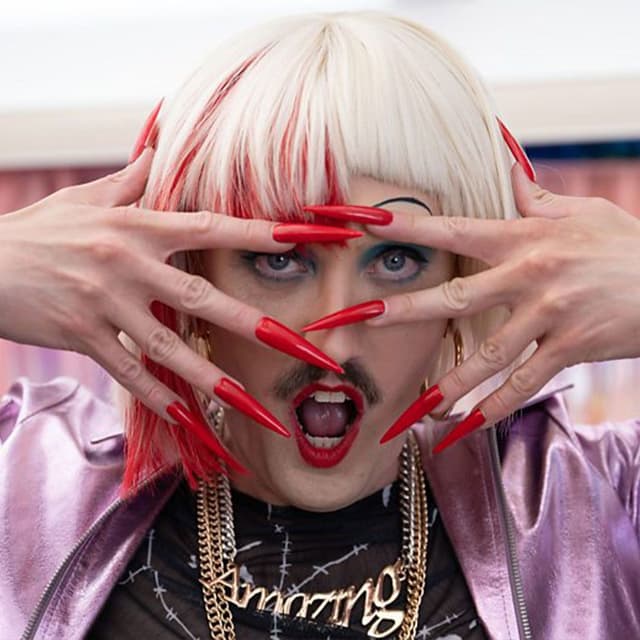
It wasn’t her last dabble in the shapeshifting art. Since her first intergalactic role, she’s played a faux queen (a woman playing a man playing a woman), a drag king and most recently a drag version of Buffy, the Vampire Slayer. “Drag is over the top, it’s embracing the absurd and I just love things that don’t take themselves too seriously,” she says.
Later, she launched a small theatre company in New York, an experience she says was another crucial building block in her career. “Every single skill that I used in producing plays is directly related to creating a magazine,” she says. “It is such a proving ground and a learning opportunity for how to do a lot with very little.”
Today, as one of Geezer’s contributing writers, she welcomes what’s most comfortable, which paradoxically lands her outside of her comfort zone. The aforementioned sex party story, titled Come for the Orgy, Stay for the Personal Growth, saw her attend a 50-plus play party, where she chatted with attendees about the importance of consent and the value of their sex-positive community.
“Why even be alive if you just do the same thing over and over again?” she says of her neverending quest for the unexpected.
It’s a question that perhaps best encapsulates the restless curiosity of both Geezer and its creator. After all, it takes a confident leap into the unknown to transform a shower thought into a substantial magazine that captures a generation’s spirit. So the question remains, how do we ensure our water-logged epiphanies don’t swirl down the drain with our final rinse?
“If you have an idea or something you’ve wanted to do that’s just been living inside you, you need to listen to that,” she says. “Mid-life is a time where you ask yourself: if not now, then when? It’s just this wonderfully powerful time where you have a convergence of a lifetime of experience, just a bit more time to yourself and the resources to do the thing that you’ve always wanted to do.
“Hopefully by this point, you give fewer shits about making mistakes and you care a lot more about finding your own joy,” she adds. “Make a mistake. Get out there, do it.”