The legendary film critic Roger Ebert once said, “No good movie is too long and no bad movie is too short.” Fortunately Musk, which clocks in at three-and-a-half hours plus a 10-minute intermission, falls on the good side of that equation. Its duration beats Lawrence of Arabia by three minutes and The Odyssey by almost an hour. That’s pretty audacious for a documentary powered by talking heads. But unlike Christopher Nolan’s epic, which occasionally ran aground, this odyssey into the whizbang brain of Elon Musk doesn’t drag for a moment.
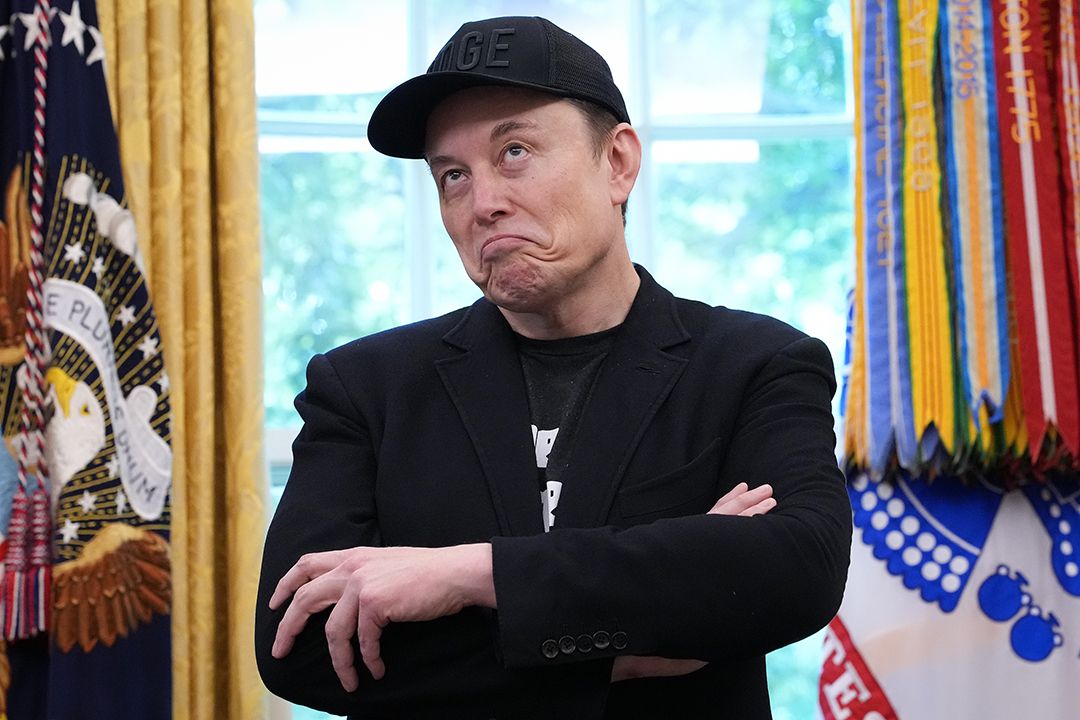
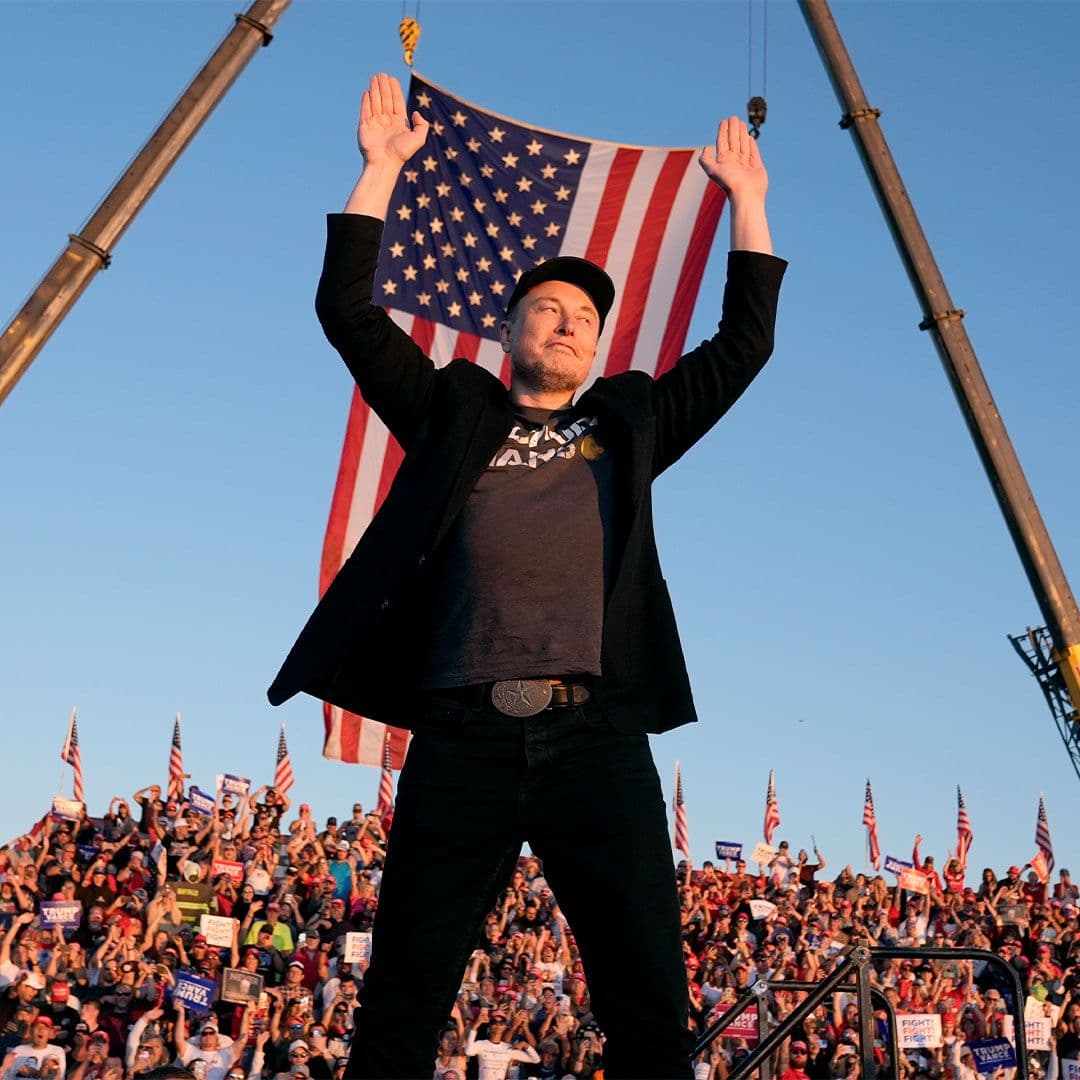
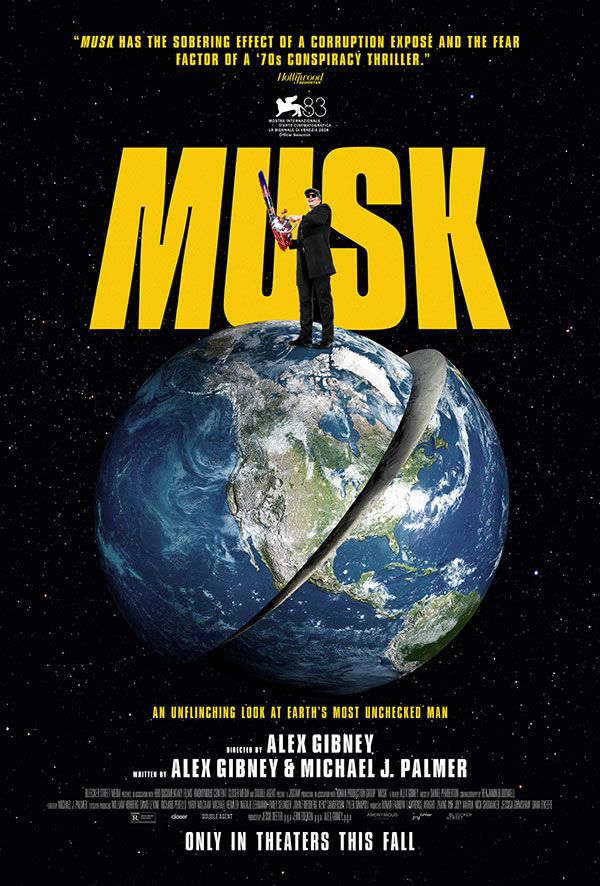
Directed by 72-year-old Oscar-winner Alex Gibney, Musk is a masterful portrait of the trillionaire who put AI in the driver’s seat with Tesla, turned Twitter into his X-Man megaphone, girdled the Earth with over 12,000 satellites, took a chainsaw to the U.S. government with DOGE, and has made a SpaceX promise to put life on Mars. Unsurprisingly, the 55-year-old boy genius was not remotely ready for his close-up. Even before Gibney had begun shooting, Musk tagged him on X with posts that called him “a douche” and said the film was “a hatchet job.” If that’s the case, it’s a quicksilver axe with more blades than a Swiss Army knife, mirroring its subject as a kaleidoscopic and unwitting self-portrait. After Musk declined to be interviewed, Gibney created a life-like CG avatar of him that speaks with Musk’s own words, drawn from thousands of hours of archival audio. Gibney playfully remodels Elon as an ingenious simulation of the dude who was once fixated on the Matrix-like prospect that all of human reality is a simulation, controlled by an AI force that he mused “may keep us around as pets.”
The film unfolds as a lacerating exposé. It shows how Musk launched his career with a spectacular string of failures, technical and financial, that are illustrated with countless shots of SpaceX rockets bursting into flames before reaching altitude. Not unlike Trump, who made a virtue of bankruptcy, Musk is shown to have a Midas touch that spins fool’s gold from failure. Even his boast as the engineer who created Tesla seems suspect, given that Tesla co-founder Martin Eberhard, later ousted from the company, was the brains behind the electric vehicle – their rift recalls the one between the two Steves, Wozniak and Jobs, who founded Apple. Meanwhile Gibney rolls out graphic examples of how Tesla covered up the data showing how fatal crashes of self-driving cars were caused by overrides built into their programming.
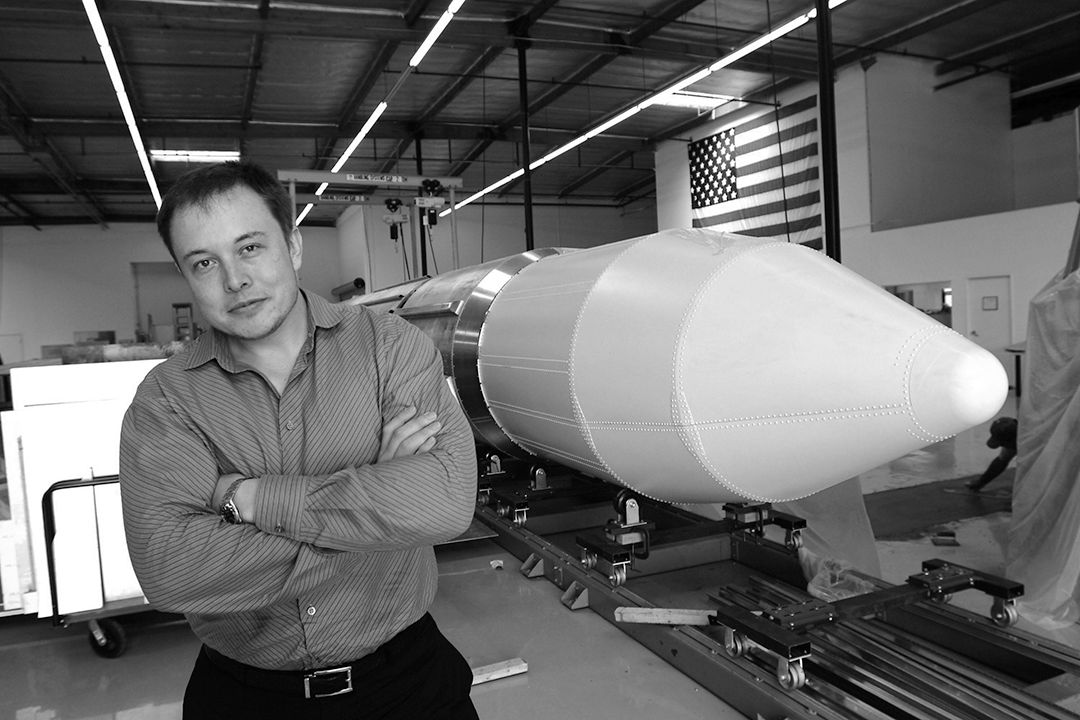
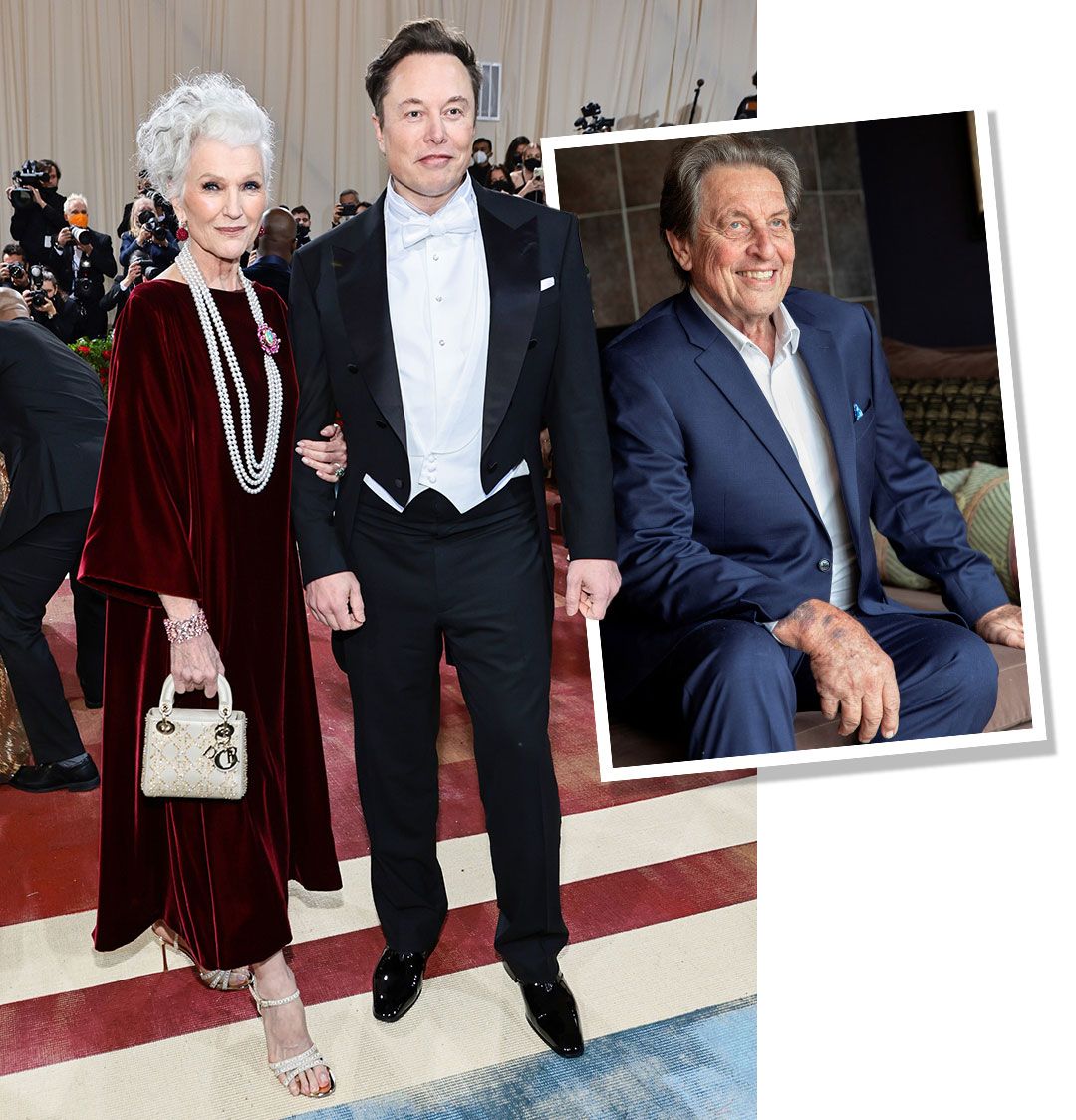
But most disturbing are the film’s insights into Musk’s personal life, from his childhood in South Africa, where he was raised by an abusive father and bullied at school, to his now self-avowed mission to recruit breeders who will spread his seed far and wide. Gibney conducts a heart-breaking interview with his first wife, Justine Musk, 54, who bore six of his children (one of whom died in infancy), and with former conservative influencer Ashley St. Clair, 28, the mother of his son Romulus, who says she turned down a $40 million NDA offer to stay silent. Together, they paint a chilling portrait of misogyny right out of The Handmaid’s Tale.
Gibney has devoted his career to investigating corporate delusions of grandeur in documentaries ranging from Enron: The Smartest Guys in the Room (2005) to The Inventor: Out for Blood in Silicon Valley (2019) – the latter targeting convicted Theranos fraudster Elizabeth Holmes, who is also the focus of You Can See Everything, an acclaimed new documentary from Canadian Nathan Fielder and Lance Oppenheim that is expected to rival Musk as an Oscar nominee. I spoke to Gibney after Musk‘s September premiere at the Toronto International Film Festival:
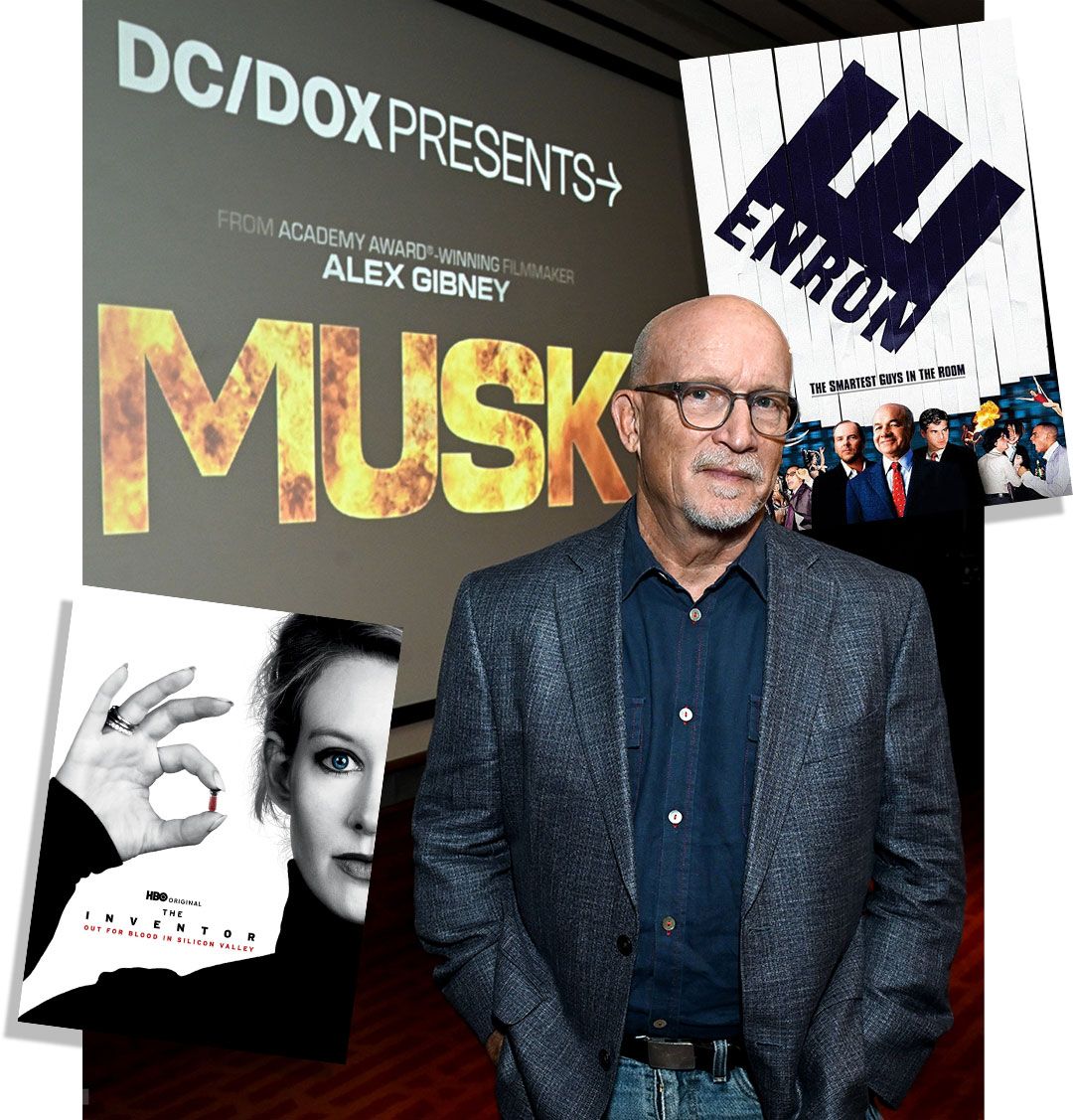
BRIAN D. JOHSON: You began making this film in 2023. So much has happened since then, in the Elon-ization of the planet. What surprised you most about Musk after having him in your head for three years?
ALEX GIBNEY: What surprised me, oddly, was what a familiar character he was. This is a character I recognized from other films I had done, like Enron, The Inventor: Out for Blood in Silicon Valley, or even The Armstrong Lie – people who create their own reality. The stakes were bigger, his power and influence were bigger. But at its heart it wasn’t really a tech story. It was the story of a confidence man who, maybe armed by a sense of a noble cause, felt entitled to keep pulling these cons. The cons kept getting bigger and bigger and bigger until the ultimate con of all was the idea that he was going to end waste, fraud and abuse at the federal government and in so doing, destroy it.
BJ: So the con is Elon’s ultimate invention?
AG: Yeah. I would argue that his genius is as a “stock pumper.” But creating the image of himself that people believe him. Because his value is pegged in an almost religious belief in him as this magnificent being who’s going to deliver riches to all of us in the future.
BJ: Do you think he sincerely believes in his own con? More than Trump? They seem like two sides of a double-headed coin.
AG: I think Trump is a bit more cynical than Musk. Trump is just a ruthless person who pursues his self-interest no matter what. Musk has an elaborate rationalization for what he does, which is that he has some sort of grand design for the planet and civilization. But that just becomes a rationalization for reckless and performative cruelty, and avaricious greed.
BJ: You talk about your film as being like Toto in The Wizard of Oz, tugging back the curtain, revealing the machinations. But between Musk and Trump, who’s wizard? Who has the power?
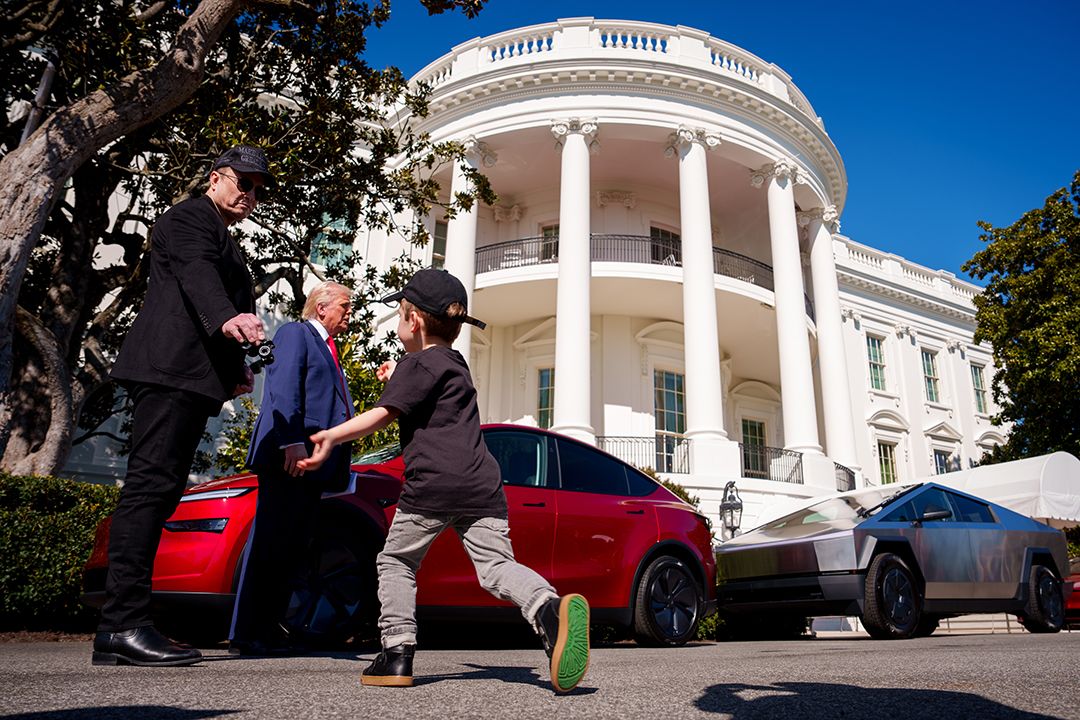
AG: Both. There’s a moment in the film where I said – and I think I’ve got this right – that Musk had the money to keep Trump in power, and Trump had the power to keep Musk in money.
BJ: Musk was among those who was originally raising the alarm that with AI, we are opening a Pandora’s box, summoning a demon that will kill us or, if we’re lucky, keep us around as pets. What changed his mind, or did it change?
AG: Here’s the question that the film asks and doesn’t definitively answer because you never know. Did Musk change because he decided, well, if you can’t beat ’em join ’em? Was he so concerned about the existential risk of AI that he thought that he had to join the team? Or because it was moving so fast, did he sound the alarm because he was behind and wanted other people to slow down so he could catch up?
BJ: At this point he seems chuffed by the fact that he’s become a kind of AI action figure, AI in humanoid form? Do you think he cares about humanity? Because he originally positioned himself as its saviour.
AG: Well, that’s the question. Does he care or is he just selfish? Or was this an example of some of the characters I’ve dealt with in the past who were afflicted with what the police call “noble cause corruption” – if you decide that you’re pursuing a noble cause, you make calculations early on that you can bend the rules to get where you need to go, because the end justifies the means. But what happens over time is that you believe you’re entitled to limitless corruption in pursuit of those goals. And then, weirdly, it turns your goals inside out. The ultimate planet savior ends up being responsible for electing the man who’s doing more to destroy the planet than anybody on Earth.
BJ: And Trump never had that original humanitarian goal.
AG: Right. He was always self-centered. It was always about him. And he created himself as a brand. But there are many similarities between Trump and Musk. They both create a fictitious character that people seem interested in investing in. Also, their malignant narcissism is very similar. But I do think that Musk, at least in the beginning, was motivated to some extent, whether it was a rationalization or not, by this noble cause.
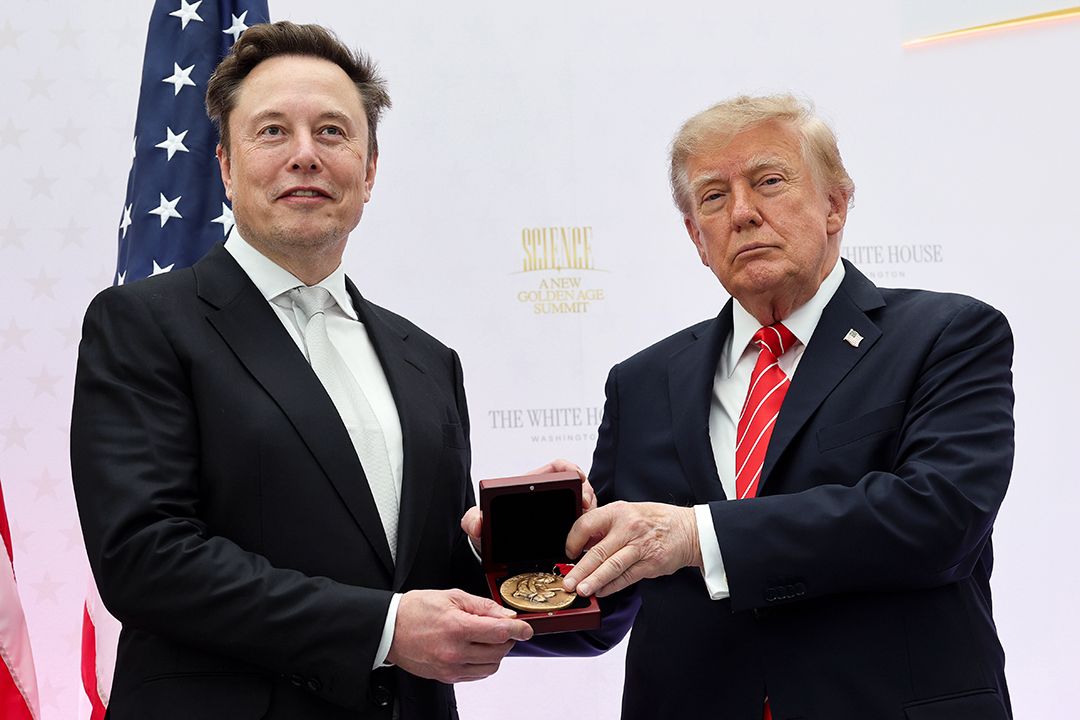
BJ: The film exposes Musk’s crimes of negligence, virtual mass murders, in eviscerating detail. There’s the cover up of more than 60 deaths in Tesla autopilot car crashes, at least one of which was proved to be the result of the vehicle overriding the warnings of its own system. And on a genocidal scale, there are the deaths of an estimated 14 million people, including 4.5 million children expected from DOGE’s cuts to American foreign aid. Do you think this guy will ever be brought to account?
AG: I hope so. Not under this administration. That’s the beauty of his alliance with Trump, who has turned the FBI and the Department of Justice into sort of a protection racket. And right now he’s under protection. If the Democrats get the Congress in the midterm elections and things swing in 2028, there’s going to be a reckoning.
BJ: You don’t walk out of this film feeling hopeful. It makes me wonder if it’s too late to stop him.
AG: Well, there’s a great line in the film by Katie Drummond, the Editor of Wired, who says, you realize at the end of the day it’s bullshit, but it’s kinda too late because he has so much power. And he has such enormous power that the value of his stock is so great that he has virtually unlimited resources.
BJ: At the beginning of the film you say you set out to solve a mystery – why did Musk set out to accumulate so much power and why did we give it to him? Did you crack that puzzle?
AG: I’m not sure I cracked the puzzle in the sense that I can’t say for sure that he was headed in the direction that he ultimately arrived at. But I do think that what he did very cleverly is to use the flaws of the American system to his great advantage, with the reward-hacking of the federal government under Obama and Trump 1 and Biden. He used the pay-to-play system in American politics to achieve enormous power. And it was his savvy understanding of the flaws in that system which allowed him to get there.
BJ: Let’s go beyond the politics and talk about the film. And to give it credit, it’s not didactic. It’s an epic work of documentary art that breaks new ground. You make Musk an involuntary participant, channeling his archival voice through a life-like avatar, and animating his conquests in a video game console – which goes beyond metaphor. And you deliver it in a four-hour movie, including the intermission. Which is pretty bold.
AG: It is bold [laughing] . . .
BJ: Clearly this will limit its theatrical release. Does that concern you?
AG: Ultimately, I just felt that the size of the story warranted its length. Just prior to Trump’s wounding by an assassin, we were ready and on target to deliver a two-hour film. But when Musk hitched his wagon to Trump, HBO said you gotta make it longer and gotta to make it deeper. And rather than compress everything, so it was just a stone-skipping exercise, we wanted to give some depth, character and humanity to the story. But the story had become much bigger and the stakes had become much bigger. So I felt that it was warranted because you had to tell a big enough version of the story to really understand what had happened.
BJ: Did HBO ever say, “Look, let’s make this a series?”
AG: They just said make it longer. How HBO runs it when it gets to them is up to them. But I think that we invested in the idea of it as a bigger story and we’ll see. So far the results have been good. It seems people are compelled enough by the narrative to sit there for three hours and 45 minutes.
BJ: Well, I’m one of them, and I’m glad you went big, not just because of the subject and its importance, but because documentary is ghettoized. When it comes to an auteur film competing for the Palme d’Or in Cannes, a dramatic feature in which not much happens for two or three hours, it’s considered normal. It’s almost unheard of for a documentary to run this long. Though there have been exceptions [notably Claude Lanzmann’s 1985 Holocaust film Shoah, which ran over nine-and-a-half hours].
AG: I know. It was daunting even for us. And it wasn’t like we were stretching it. There were wonderful sequences that were deeply painful for me to cut out. Our six-hour cut was pretty good. Then we got down to five hours. And we were like, “Oh my God, what are we going to cut?” We had to cut huge sections that I deeply lament.
BJ: Which was the one that you kind of felt most . . .
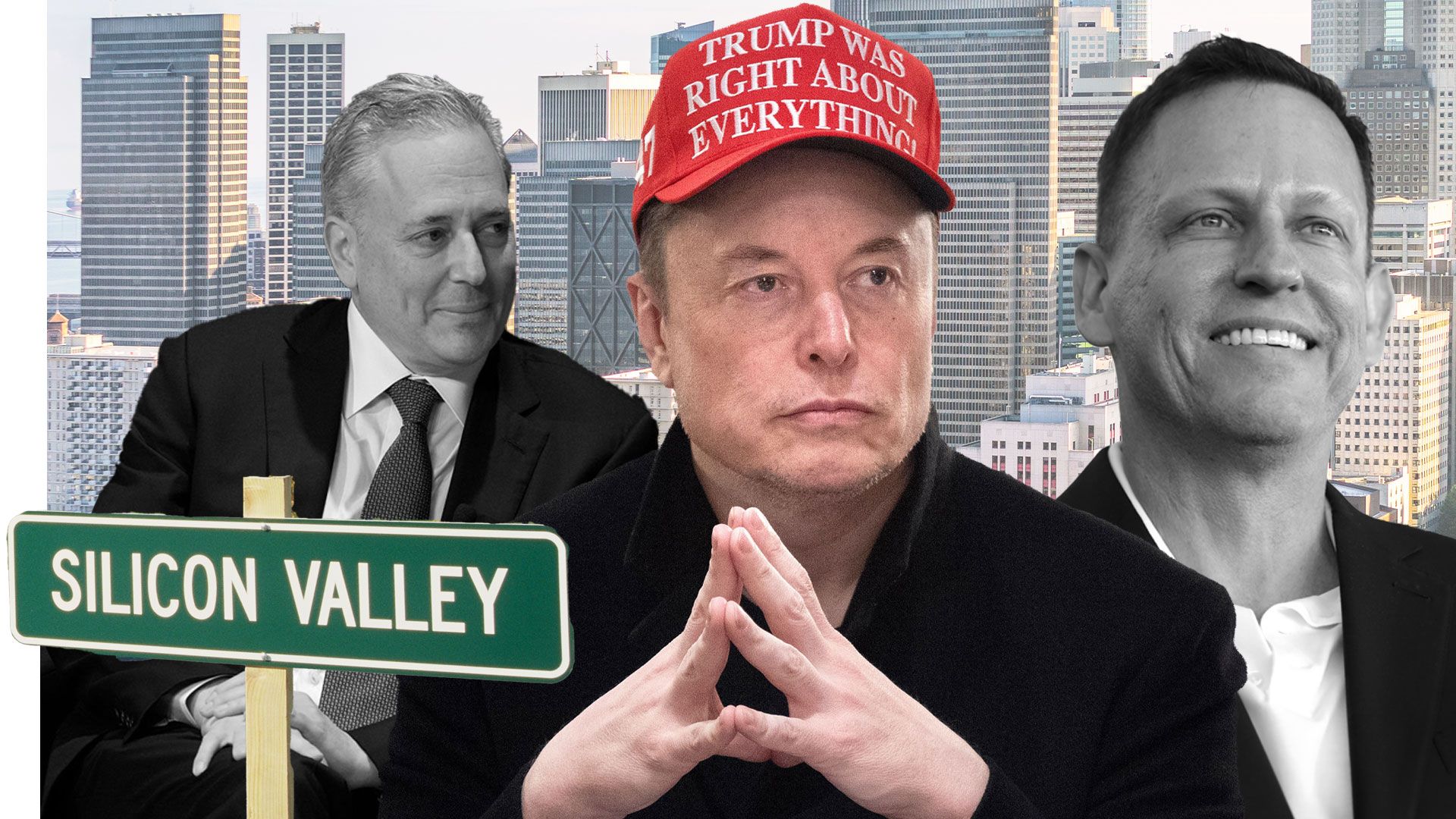
AG: Bad about losing? There was a very strange investigation into Putin’s attempt to gain influence over prominent South Africans in Silicon Valley – Elon Musk, David Sacks and Peter Thiel [a German-American billionaire who lived in South Africa as a child]. That was an interesting angle. Thiel famously did become an informant for the FBI. That was one. And there was another, this absolutely astonishing con relating to SolarCity (a California energy company acquired by Tesla).
BJ: What effect do you hope your film will have?
AG: I hope it will galvanize people. I ask: why did we let him accrue this much power? Well, it’s time for us to take our power back.
BJ: How does that happen?
AG: It happens at the local level, community organizing. It happens through the ballot box.
BJ: Do you expect retaliation? Do you think Musk will try to shut the film down?
AG: He’s already threatened to sue. Is that the first shot across the bow? He puts himself in a kind of ironic position. After all, he says he took over Twitter because he’s a free speech absolutist.
BJ: Do you think that he’ll watch the film, and maybe even get a perverse kick out of it?
AG: There may be parts that he’ll enjoy. Frankly, I thought, the avatar made him look pretty good.
BJ: You gave him a nice tan.
AG: I gave him a nice tan and a chiseled jaw. But I think he won’t watch it because he doesn’t have that kind of attention span.