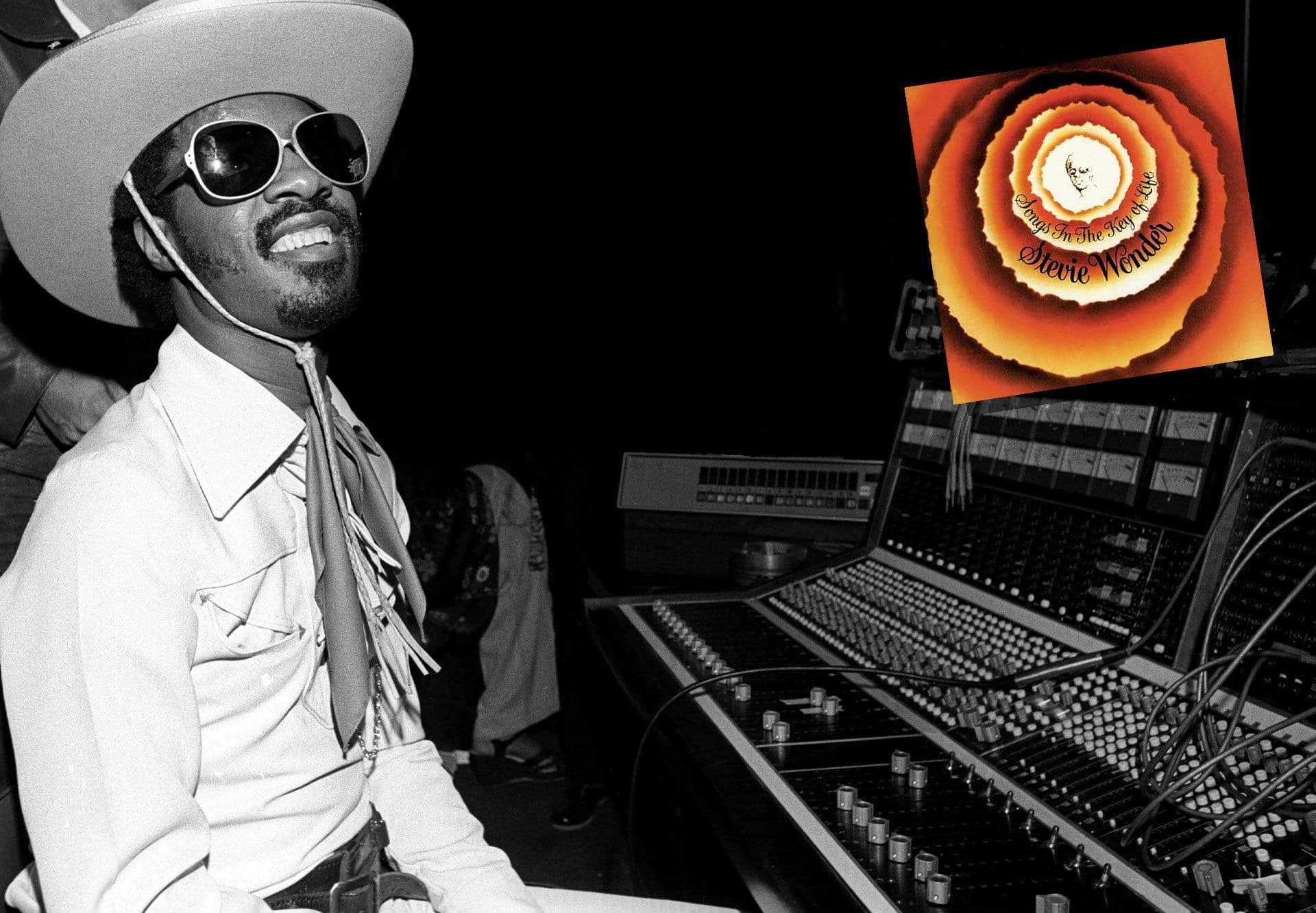
“Did you ever think that love would be in need of love?” Stevie Wonder slips that question into the first track on his 1976 album Songs in the Key of Life. He’s already been singing for five minutes about the serious news he has to pass on to everybody – “that love’s in need of love today” – and he’s doing it so passionately, so purposefully, so Stevie. And then he hammers it home, pointing out the inconceivability of turning our back on love. Stevie wrote the seminal album and opening song two years after Watergate and the end of the Vietnam War during much societal unrest as the advances and dreams of the civil rights movement were fading fast. This was a time for intervention – and Wonder had the antidote. “Songs in the Key of Life is essentially about the eternal power of love,” posted Canadian singer-songwriter Rufus Wainwright on the album’s 50th anniversary on Sept. 28. “Boy, do we need that message now, perhaps more than ever.”
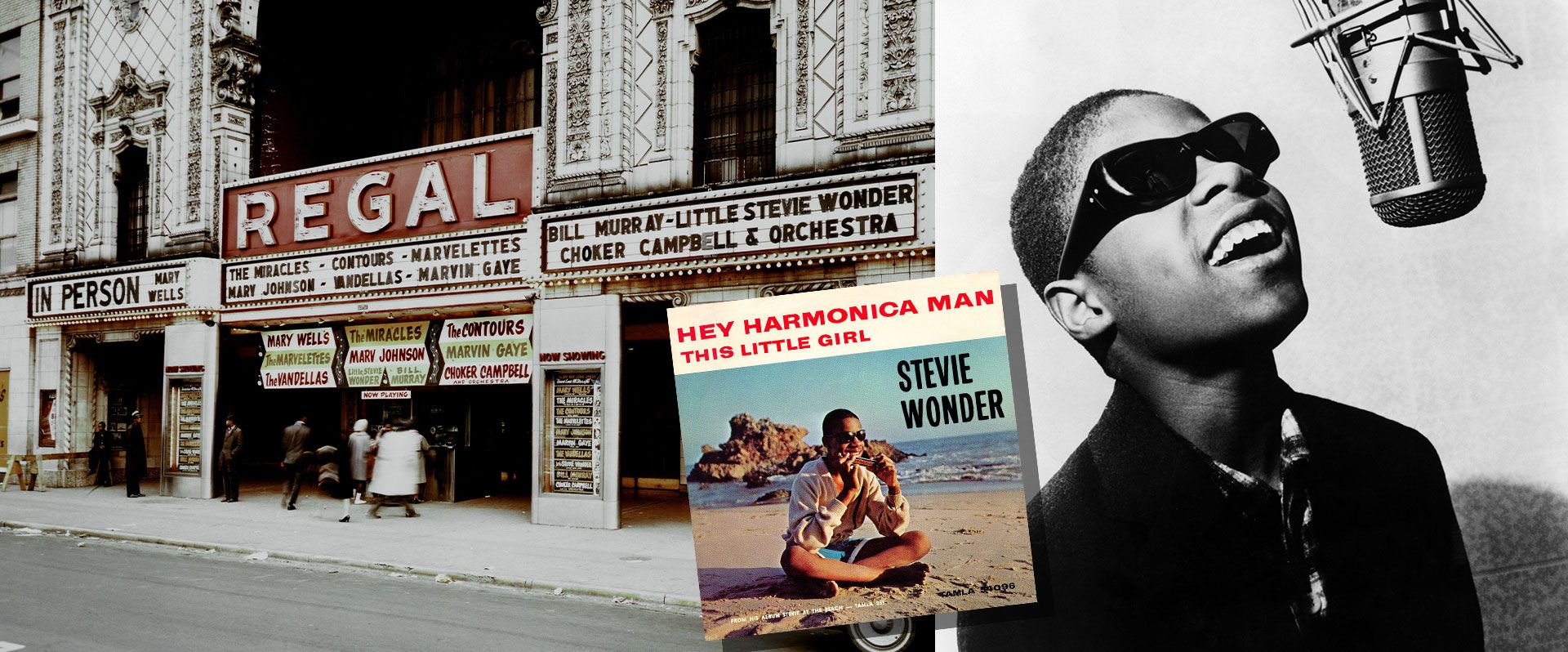
Stevie, now 76, is many things: a musical prodigy, a technical innovator and a lifelong ambassador for peace and harmony. And with the beauty, insightfulness and timelessness of his lyrics, he’s also one of the greatest love poets that ever lived, right up there with the likes of Shakespeare, Byron and Neruda. Like Wainwright, I was born in 1973, making me three years old when Songs in the Key of Life arrived on the living room turntable. It brought immediate joy – there was never any fighting in the house when we were in the state of Wonderlove. In this album, you experienced the euphoria of love for a child in Isn’t She Lovely, the throes of romantic love in Knocks Me Off My Feet, the discomfort of performative love in Ordinary Pain, the high of spiritual love in Have a Talk with God, and the reality of love on life support with Love’s In Need of Love Today. Then, he seemingly brings it all together in the masterpiece that is As:
So make sure when you say you’re in it, but not of it
You’re not helpin’ to make this earth
A place sometimes called hell
Change your words into truths
And then change that truth into love
And maybe our children’s grandchildren
And their great grandchildren will tell
I’ll be loving you
On the anniversary, I pulled out my dad’s copy of Songs in the Key of Life from his record collection, which I inherited just four years ago. It’s an impressive vinyl trove, kept in old milk crates that were easily transportable on weekends when he was DJing weddings in our small southwestern Ontario town. Living across the border from Motown, it’s no surprise that he has decades worth of analog Wonder, from the Little Stevie days to the pop hits of later decades. In the ’80s, when a couple would ask for him to play I Just Called to Say I Love You during their reception, he would – it’s an early evening slow jam crowd pleaser. But later in the night, when the dancefloor was in the groove, he’d reach for Songs in the Key of Life, and give them I Wish or Sir Duke so – as Stevie says – “You can feel it all over.”
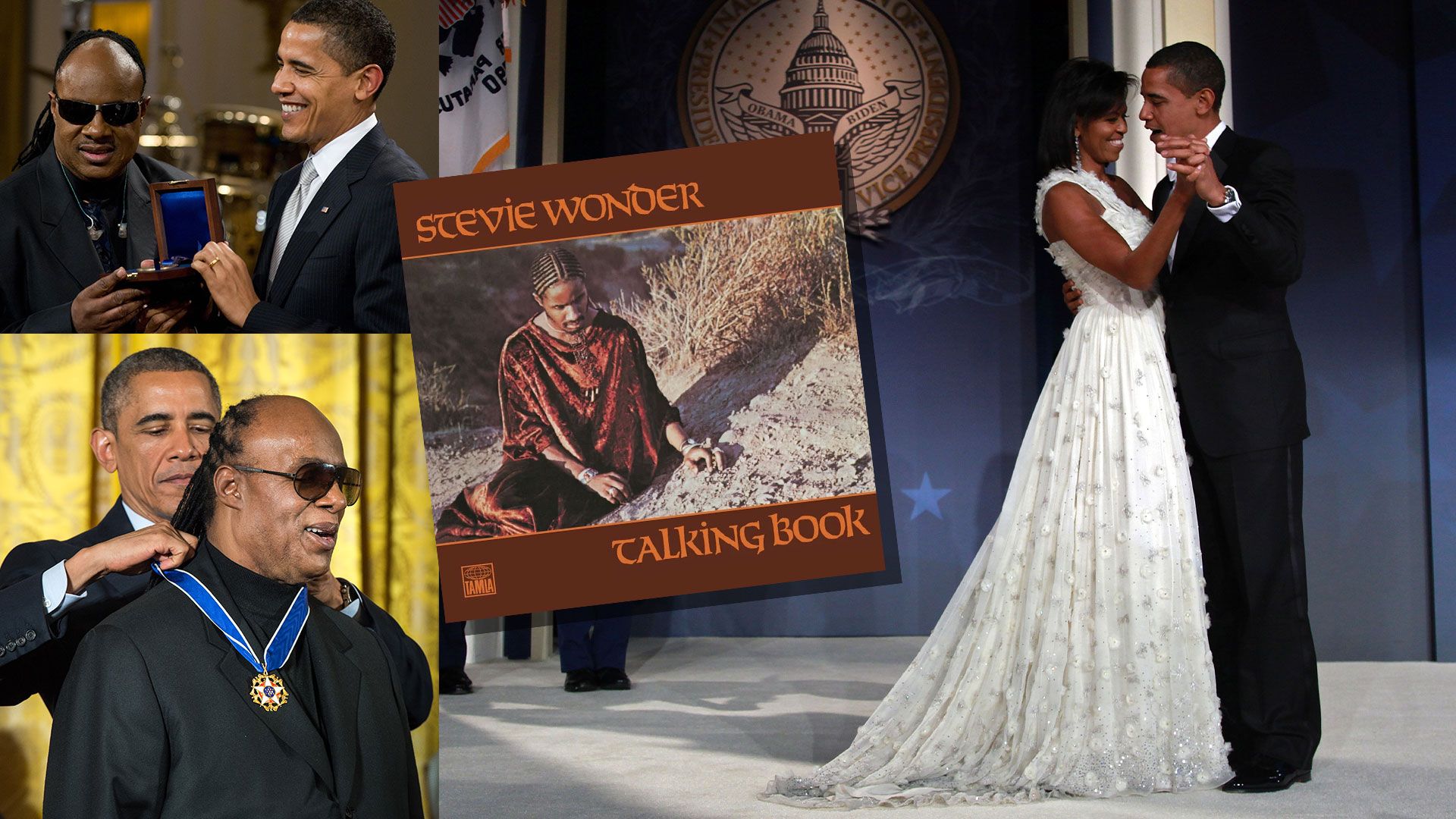
Imagine all the people who have played Stevie at their weddings. In 1992, the Obamas first dance was to You and I from Wonder’s 1972 album Talking Book. “I think it’s fair to say that had I not been a Stevie Wonder fan, Michelle might not have dated me,” Barack said when he presented Stevie with the Library of Congress’ Gershwin Prize. “We might not have married. The fact that we agreed on Stevie was part of the essence of our courtship.” And we know that Wonder himself serenaded Whitney Houston and Bobby Brown and John Legend and Chrissy Teigen at their respective nuptials. To this day, Wonder is still all about celebration, recently giving the world a gift on his own album’s birthday. Not only will he embark on another Songs in the Key of Life tour starting Oct. 13, playing the album front to back at 18 stops in Europe and the U.S., but he’s also opened up his vault for the 50th anniversary and released four songs that were recorded in those 1976 sessions. ”We didn’t add to the album,” Wonder says. “But they were part of what I was feeling and discovering as we made it.” Guess what? They have a little something to say about love.
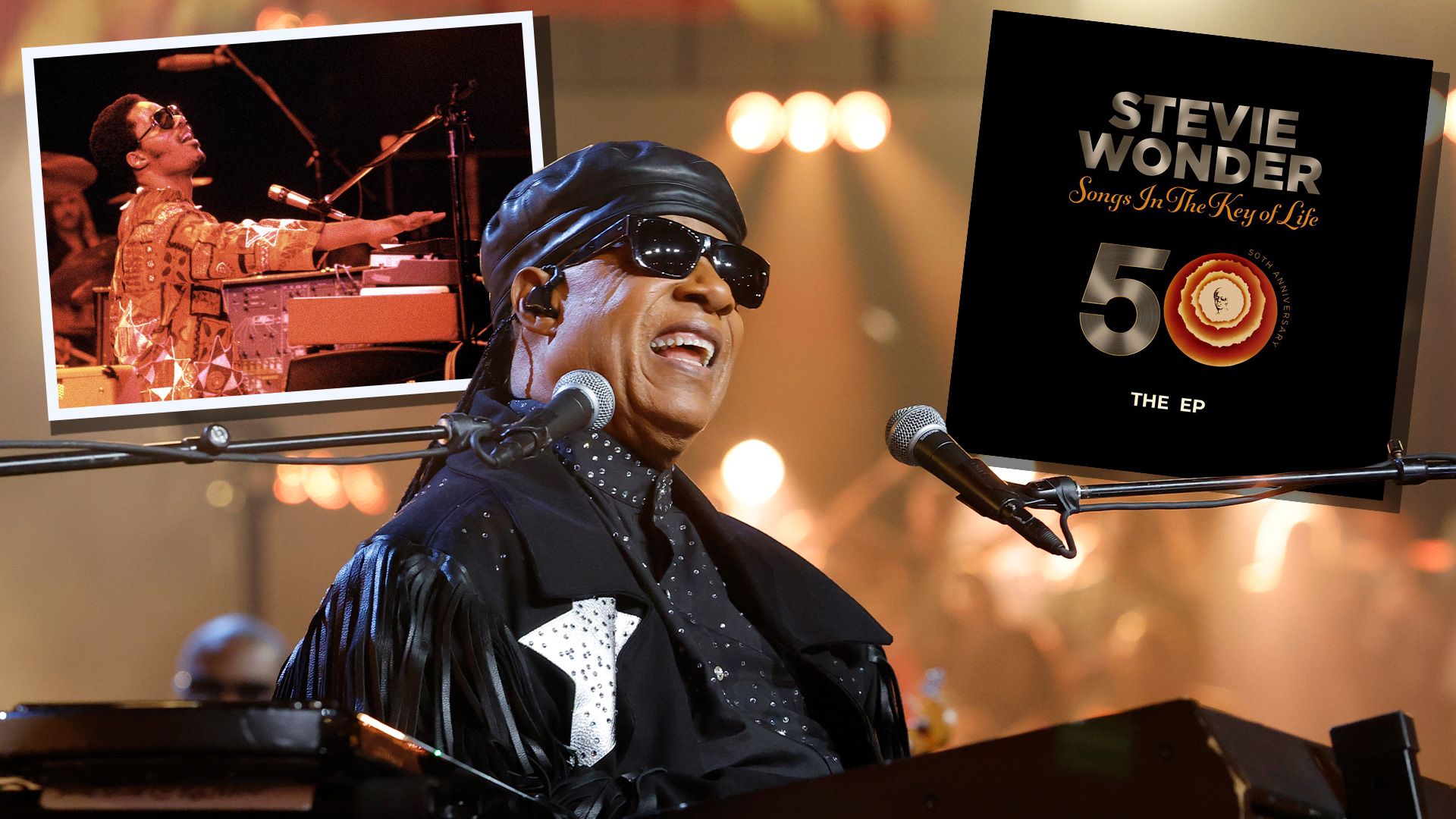
Add these four songs to an already double-length album, which originally came with its own four-song 7-inch EP and you’ve got a 25-song epic accomplishment. And we haven’t even gotten to the fact that Songs in the Key of Life is not a standalone stroke of musical genius, this was actually Stevie’s fifth album in the unprecedented string of career transforming, Grammy-winning, technologically groundbreaking, societal mood-taking albums he created from 1972 to 1976. “When I was at that point where you start getting involved in music,” Barack Obama told Rolling Stone, “Stevie had that run with Music of My Mind, Talking Book, Fulfillingness’ First Finale and Innervisions, and then Songs in the Key of Life. Those are as brilliant a set of five albums as we’ve ever seen.”
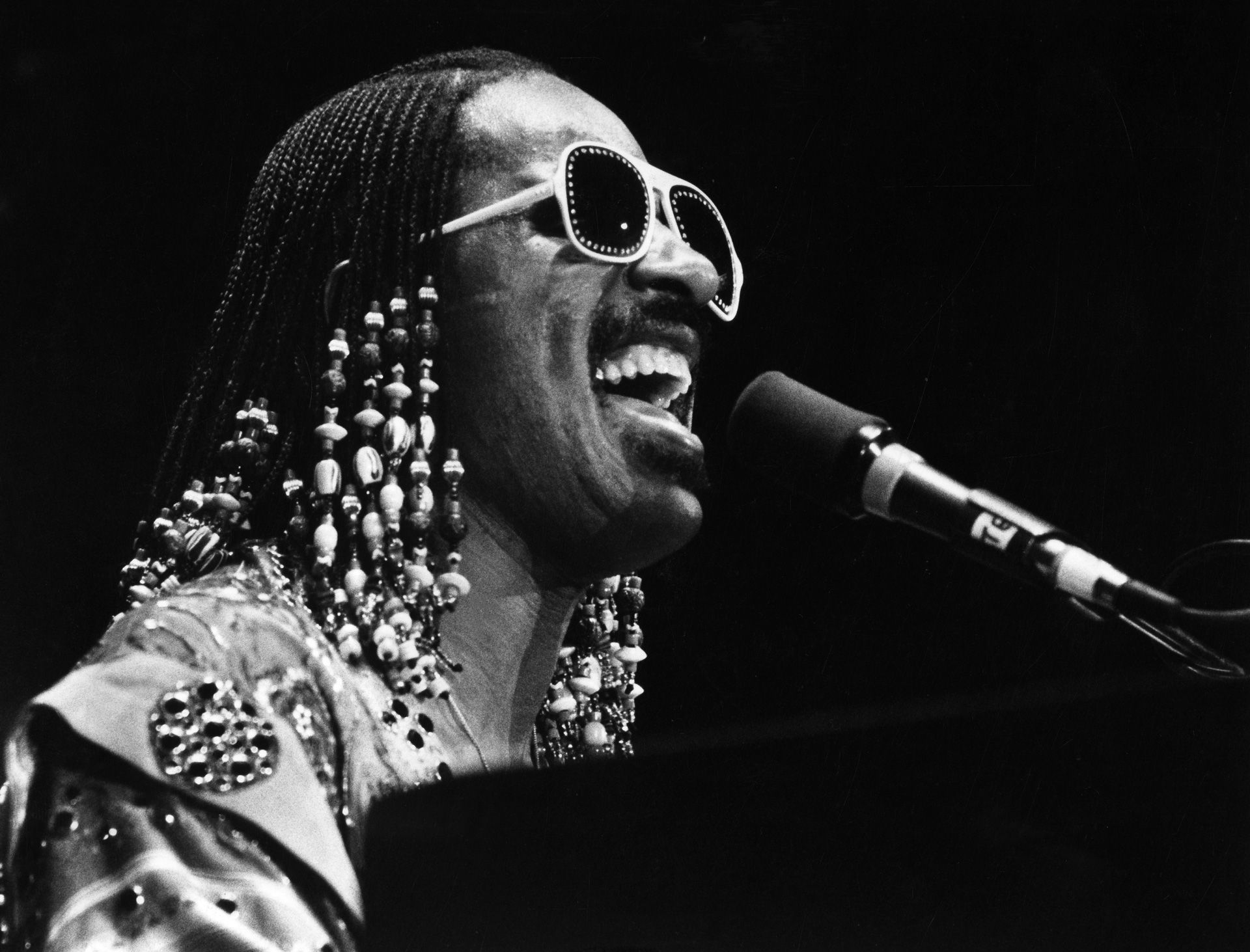
Michelle agrees and is the producer, along with fellow Stevie Wonder superfan Questlove, of The Wonder of Stevie podcast, in which music critic Wesley Morris does the deepest of dives into those legendary five albums, exploring all facets of Wonder’s life and musical maturation at the time, including how, before recording Music of My Mind, he walked away from the Motown label in order to make records with no oversight and only came back when they gave him complete artistic control and a 120 per cent bump in royalties; how he was introduced to the Moog and TONTO synthesizers during this time, which allowed for a complete change and broadening of sound; and how he navigated a divorce, a near fatal car crash that put in him a coma for four days, and first-time fatherhood in that four-year period.
View this post on Instagram
…
In one of the last episodes of the podcast, Morris interviews Stevie, offering up a surprising theory: “I think that it’s not easy for a Black American to simply write a love song,” Morris says referring to the racism and discrimination Wonder would have experienced and witnessed. “I think there is a kind of political act in that choice, and I hear that struggle sometimes in your music and I’m wondering if I’m hearing it correctly?” Stevie doesn’t hesitate: “As a Black man, I’ve always felt good about love and loving someone and being in love or writing songs about love,” he says. “I wanted everyone to relate to just how important love is and so when we can really connect to love, and we can watch the news, and we can hear about … a little baby whether they be white, Black, brown, whatever colour they might be, being burned up in a fire, it’s going to hurt you. It doesn’t matter what it is. That’s when you really love. When you really love, that’s the focus of what you are.”
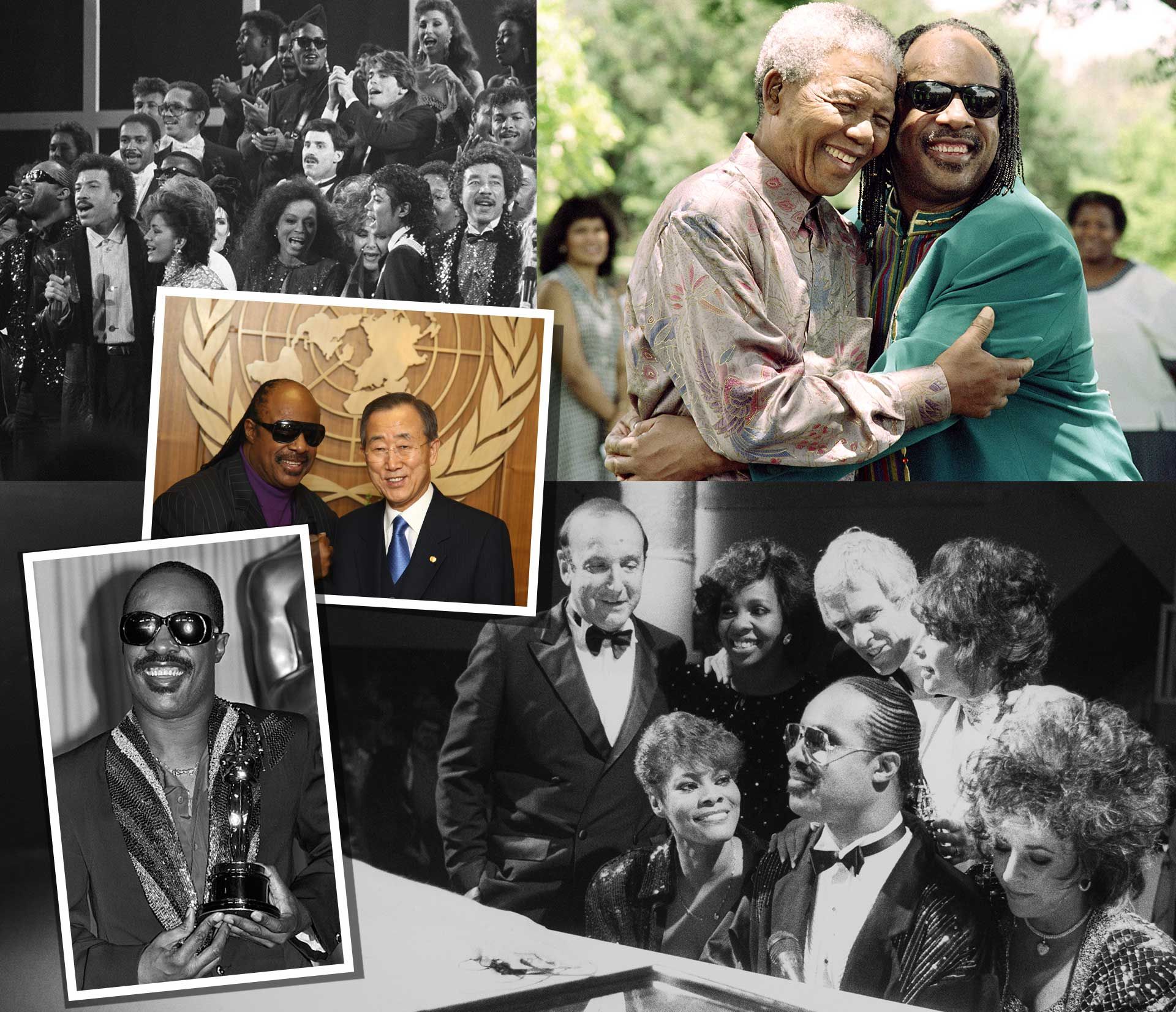
This is the man who led the charge for a national holiday for Martin Luther King, Jr. Day, dedicated his 1985 Academy Award to Nelson Mandela, is a UN Messenger of Peace since 2009 with a focus on disabilities, and has produced and sung on charitable projects like We Are the World for famine relief and That’s What Friends Are For to fund AIDS research. “Stevie is that rare kind of artist,” Michelle Obama said when she spoke at the 2024 Wonder of Stevie premiere, “who in this age, where folks want to seek fame and fortune and likes, Stevie Wonder is the true influencer … because he always thought about using his platform to speak out on justice, racism, he took risks while he was making brilliant music. His music impacted and was influenced and influenced and innovated in every arena – jazz, rock, pop, soul, gospel, classical. And he did it all with that Stevie kind of love, you know, what we don’t get enough of in our culture today. He truly believes that we can be connected, and be better to one another through love and music and all of that. He is the originator of hope.”
And that just makes you feel it all over.