

If you want to know what joy sounds like, speak with Tomson Highway. Or better yet, catch Tomson Highway: Permanent Astonishment, the poignant and spectacularly cinematic new documentary based on the multilingual, multihyphenate Cree playwright, author and composer’s 2021 memoir of the same name. The film makes its world premiere Nov. 11 at Toronto’s TIFF Lightbox, streaming on CBC and APTN at some point in the 2027-28 broadcast season.
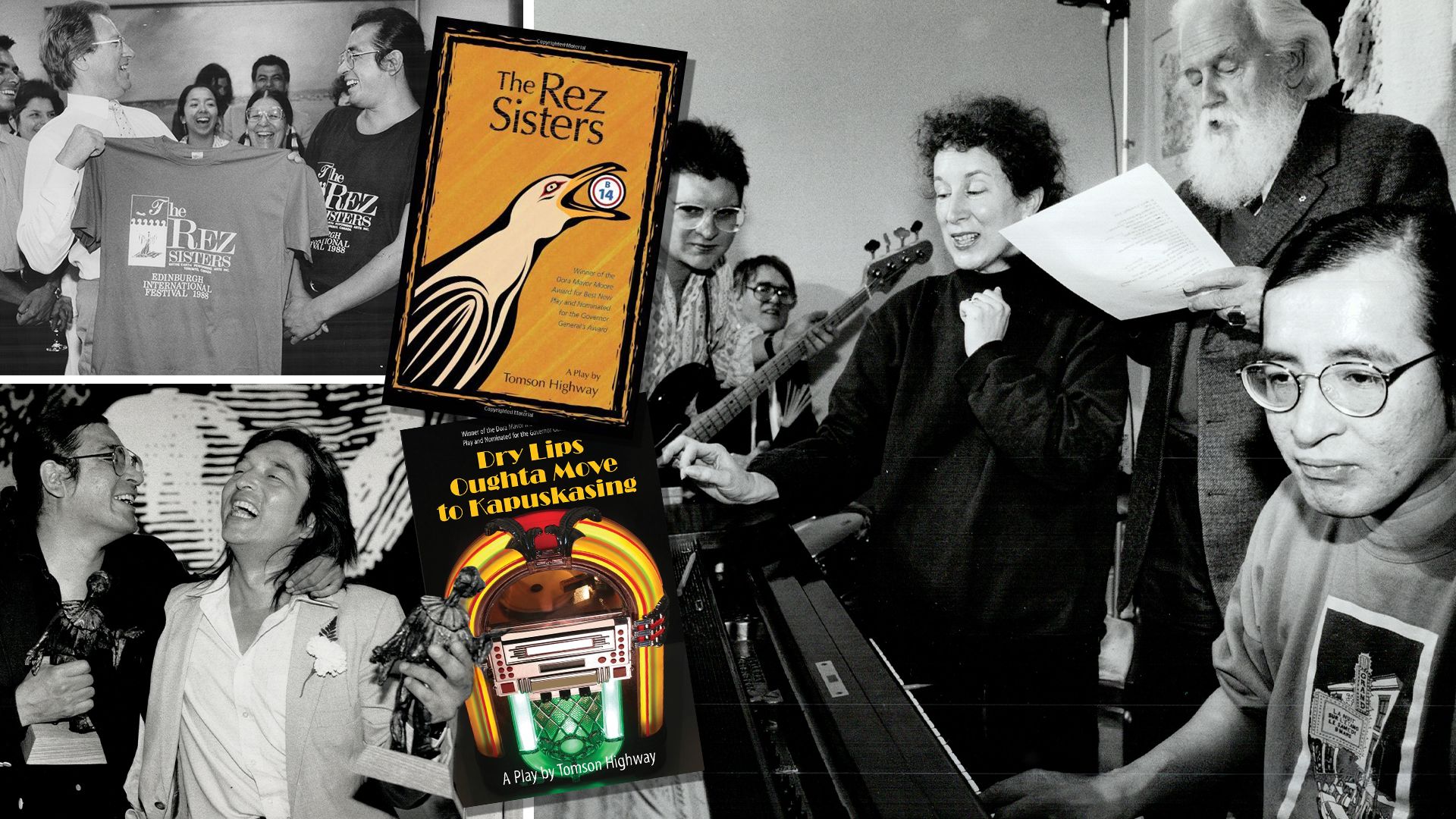
Arguably best known for a pair of plays – The Rez Sisters and Dry Lips Oughta Move to Kapuskasing – written and produced to great acclaim in the 1980s and notably focused on Indigenous people and staged with Indigenous actors, Highway “kicked open the doors to Indigenous theatre” in Canada, as one person interviewed in the doc notes.
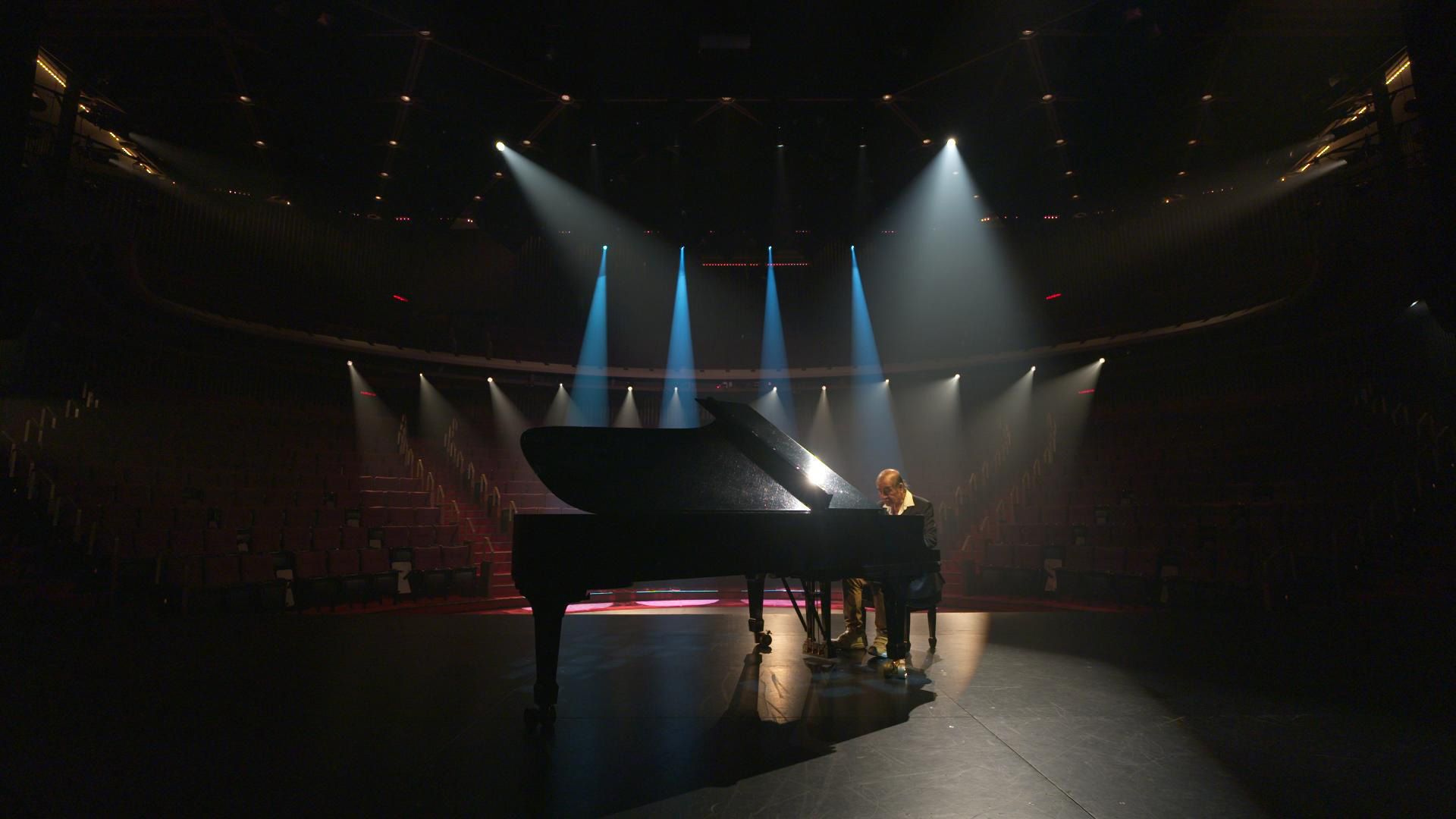
Throughout a dynamic career, Highway, 74, has authored multiple works of fiction and nonfiction, many translated into Cree and French, which the peripatetic Highway speaks at the Gatineau, Que., home he shares with his longtime partner, Raymond Lalonde. He is also a classically trained pianist.
But for all his accomplishments, what comes through most palpably in Permanent Astonishment is Highway’s unstinting humour and joie de vivre, even during tragic periods, such as the 1990 AIDS-related death of his beloved brother, the celebrated dancer René Highway.
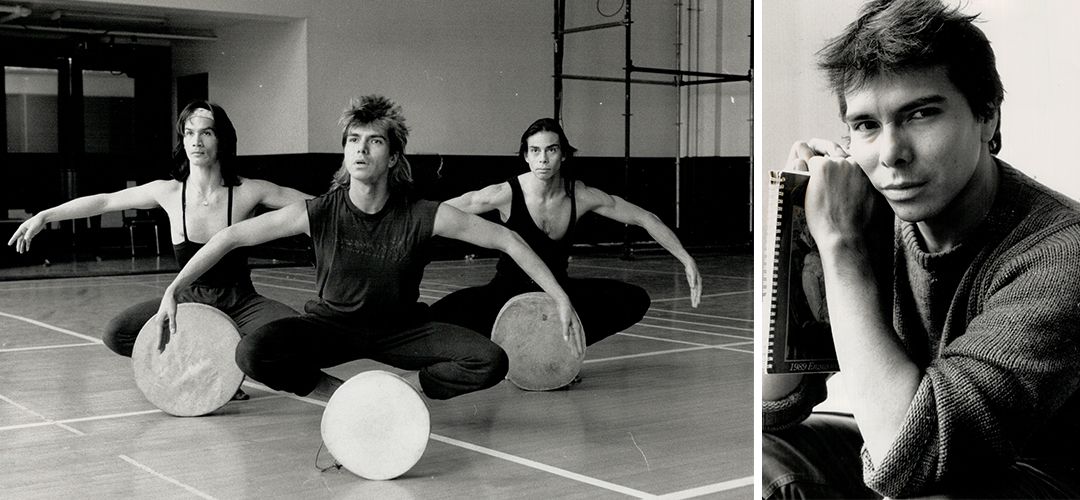
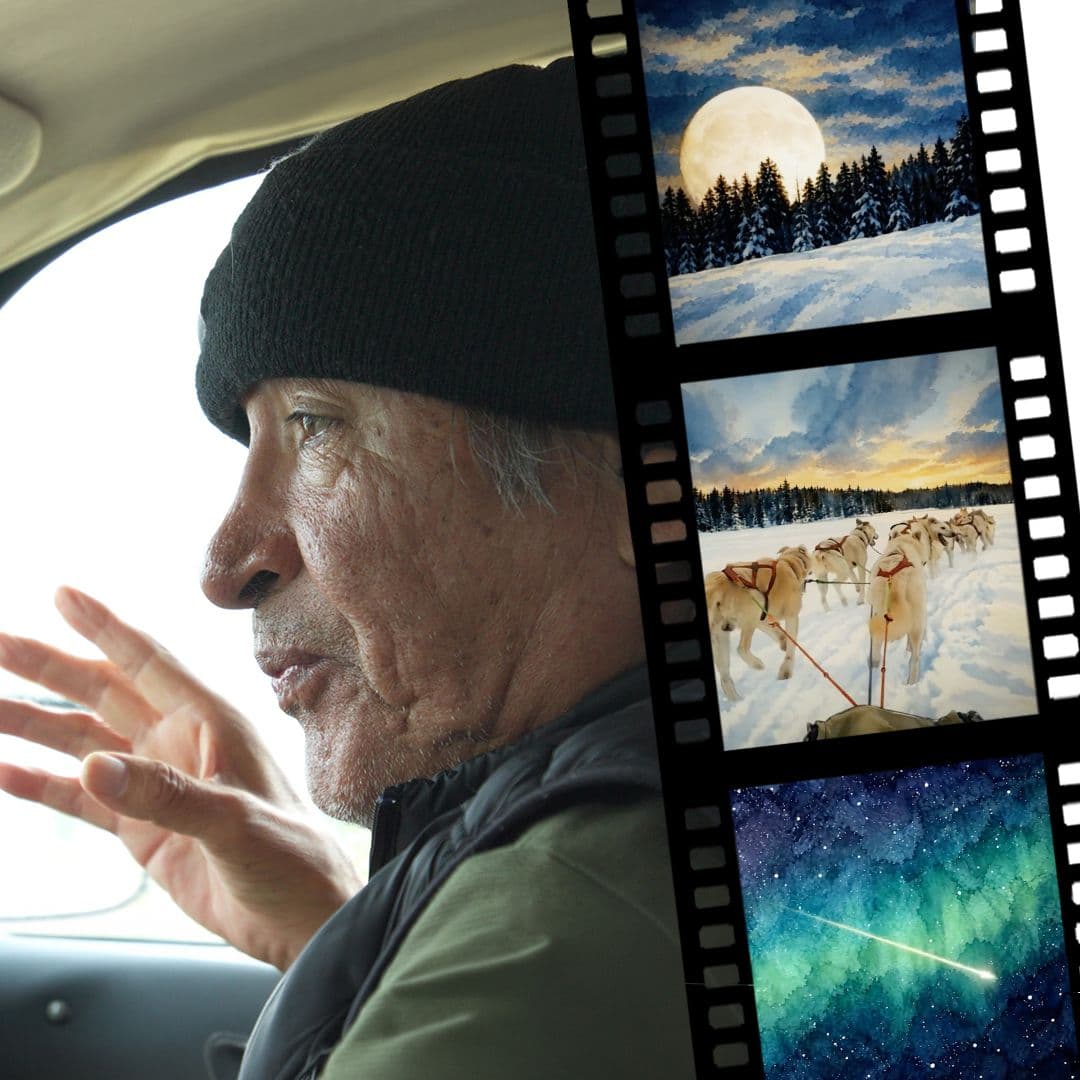
The siblings were born to doting parents in tiny Brochet, Man. Their austere upbringing, without electricity but with campfires and kayaking on the glimmering shores of Reindeer Lake near the Saskatchewan border, ignited Highway’s imagination, inculcating the gratitude and wonder that drives him and his widely fêted work. Accolades include Officer of the Order of Canada and Governor General’s Performing Arts Award for Lifetime Artistic Achievement
At the premiere, Highway will see the cinematic tribute for the first time, he tells Zoomer: “I don’t like being on camera. I’m not photogenic and I don’t like that kind of exposure.” But what the audience will see is someone absolutely content. “I’ve never been happier in my life,” he says on screen. “I could easily die in this beautiful house, lying on my beautiful bed and just float away on a cloud of bliss.”

Zoomer: The documentary makes clear that joy is your North Star. Among other things, you attribute it to being conceived after your father won a 1951 dogsledding championship, being born on the same day as the Feast of St. Nicolas (Dec. 6) and being raised by loving parents “on the most beautiful location on the face of the Earth.” How do you maintain joy day-to-day?
Tomson Highway: I keep a very positive perspective on life, both my life and life in general. Ultimately, it goes much deeper than that. I have read a lot, of course, and been educated by many wonderful teachers and master musicians. It boils down to theology. [He offers a long digression on religion and monotheism.] I dig very deeply into the psychology of the human condition.
Z: In the doc, you talk about growing up without toys and how you had to rely on your imagination for amusement. Did that ability to conjure worlds in your head shape you as a writer?
TH: Probably. We had no TV, no radio, no record player … nothing. Our television, if you want to put it that way, was campfires, candles. Flames are where we saw our pictures; we saw people dancing and animals cavorting around. That’s where our imaginary universe was nurtured. And the older I get, the more I realize how privileged my childhood was.
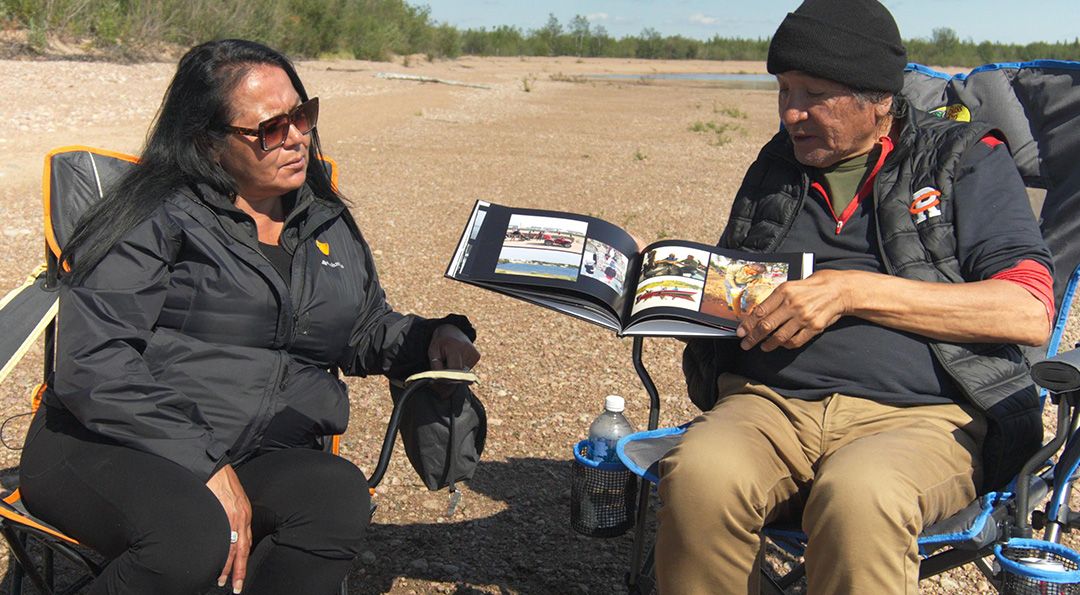
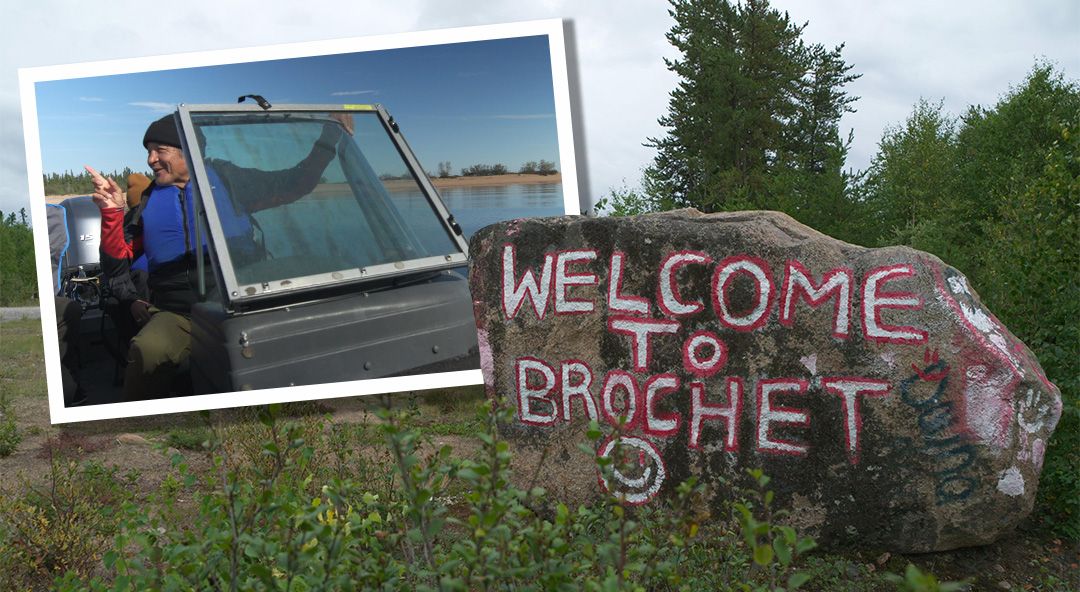
Z: Although electricity arrived in your village in 1973 and with it, television and the English language…
TH: Yes, but by then I was 21 and already educated, so my intellect had been developed.
Z: You are credited with leading Indigenous theatre in Canada and beyond. When you see TV shows like North of North, for example, which give a mainstream platform to Indigenous voices and perspectives, do you trace a line back to your work?
TH: To tell you the truth, my partner Raymond and I haven’t owned a television in about 40 years, so I can’t answer that question [Laughs]. But I am glad to hear that it is happening.
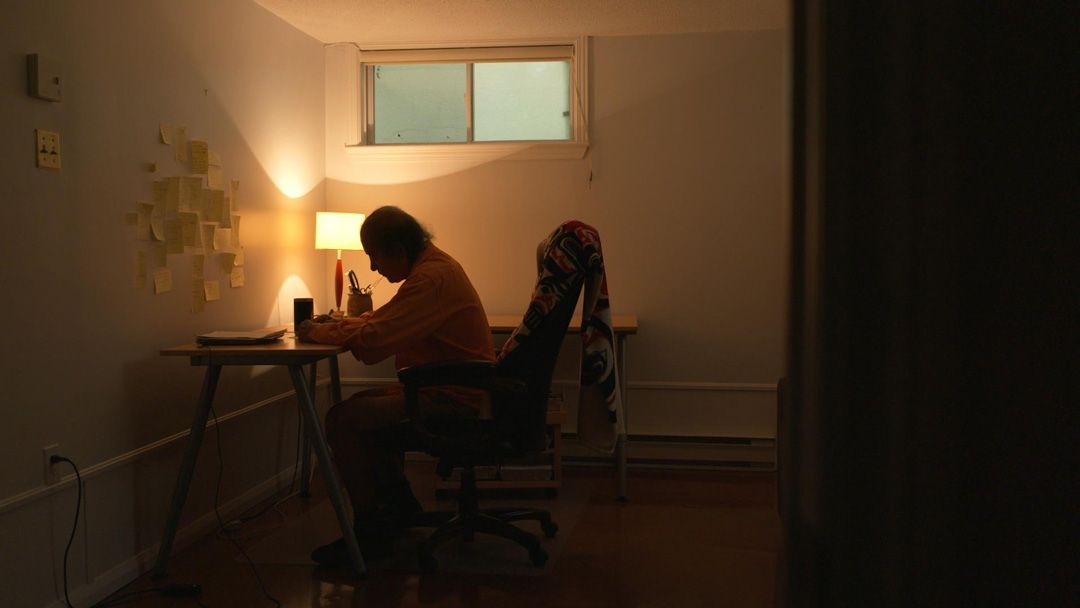
Z: Are you working on anything now, books or plays?
TH: Oh yes, lots. I always have songs and stories going on inside my head. My imagination is fully alive. But I won’t be specific. Artists are among the most superstitious people in the world. We talk about something, and it probably won’t happen. The publisher will die, accidents will happen, and you’ll jinx the project – and it will never come to fruition. I’ve seen too many go down the drain.
Z: You turn 75 in December. Any tips for successful aging?
TH: Laughter. My father laughed his way through life; making people laugh was his purpose in life. I grew up with that, and I want to be like my father, making people laugh wherever I go. That’s my specialty.
Z: Your late parents, Joe and Pelagie Highway, sounded extraordinary.
TH: They were. I had the best parents. The richest star in Hollywood can never have the kind of fantastic marriage my parents had, which was full of love and laughter. And that’s where I get it from. Even though they lost five of their 12 children in childhood [all to pneumonia]. High infant mortality rate. But that’s why people have a lot of children in the north. If you have 12 kids and five die, you have seven to live for. Conversely, if you have only one child and they die, that family is devastated. Surviving children help maintain the joy.
Z: You’ll be seeing the film for the first time at the premiere. How are you feeling ahead of it?
TH: I don’t really think about it. But getting back to religion. Christianity tells us the reason to exist on Earth is to suffer and if we do, we will perhaps be deserving of happiness in the hereafter. For us Cree, the reason for existence on planet Earth is not to suffer or to apologize for a sin we were not responsible for making. We are here for one reason, and that reason is to laugh. That’s the heart of it. We are here for a good time. I have a fantastic life filled with love and joy. Life is life and death is death – and it’s so important to come to terms with that. Meantime, you are here to laugh.