Cancer touches nearly every life, whether we have faced it ourselves, lost someone dear to us or are currently caring for a loved one or family member. But thanks to the groundbreaking efforts of four of our country’s leading researchers – Tak Mak, Juliet Daniel, Robin Urquhart and Dr. David Huntsman – we can look forward to a future where cancer is no longer a devastating diagnosis, but instead becomes a conquerable challenge.
Tak Mak: Trailblazing scientist in cancer immunotherapy
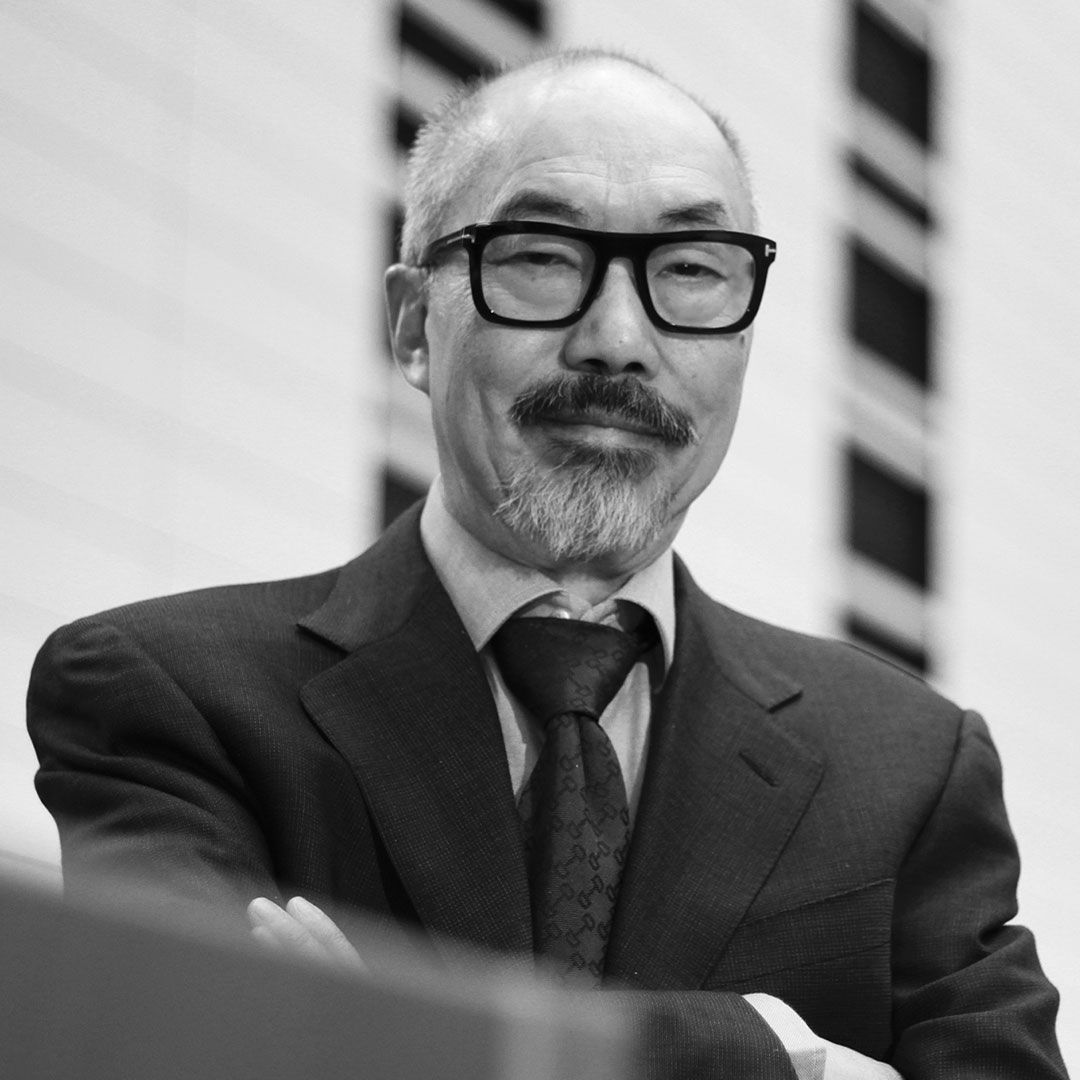
As an undergrad in biochemistry at the University of Wisconsin, a Chinese student named Tak Mak took a job washing test tubes for $1 an hour. But his boss said Mak could earn $1.50 an hour if he did research, and so began the career of one of the most influential scientists in cancer immunotherapy.
After completing his PhD in biochemistry at the University of Alberta, Mak moved to Toronto to work at the Ontario Cancer Institute. Starting in the early 1980s, his Toronto lab became a crucible for extraordinary work on T cells, a type of white blood cell that helps the immune system fight infections. Mak discovered the Holy Grail of immunology – namely, the genetic structure of the receptor on human T cells that allows them to detect viruses and bacteria. Today, at 78, Mak is a senior scientist at Princess Margaret Cancer Centre and a professor of medical biophysics and immunology at the University of Toronto. He has no plans to retire.
What do T cells do? T cells are the detectives of your body, so they decide whether other [molecules] are bad or good. If they are good, T cells leave them alone. If bad? Kill.
In 1984, you discovered the genetic structure of T cell receptors. How did this lead to new cancer treatments? Two ways: One is called CAR T-cell therapy [chimeric antigen receptor T-cell therapy]. The idea is to take the T cell receptor and put an antibody on the outside – one that can recognize a cancer cell [and kill it]. This was perfected by [Columbia University genetic engineer] Michel Sadelain, a brilliant guy. You take T cells from [the patient’s blood] and you genetically insert the antibody, then you inject the T cells back into the patient, and they multiply.
What are the main cancers treated with CAR T-cell therapy? Leukemia, lymphoma and myeloma [a cancer that forms in the blood’s plasma cells].
What was the second immunotherapy breakthrough? In 1995, we discovered the “brake” that stops T cells from attacking human cells, including cancer cells – a protein called CTLA-4 [cytotoxic T-lymphocyte-associated protein 4]. My good friend [American immunologist] James Allison made a drug to block it. I was laughing at him, saying, ‘Come on, Jim, don’t waste your time’… until one day, he showed me the clinical trial, and I almost cried. In 2018, he won the Nobel Prize for that amazing, impactful discovery that has saved the lives of millions.
How common is this “immune checkpoint therapy”? It is routine for melanoma, lung cancer, bladder cancer, kidney cancer, Hodgkin lymphoma. Before, you had surgery, radiation and chemotherapy. Now, with some cancers, you start with immunotherapy. It’s the fourth pillar of cancer treatment.
Shirley, your wife of 29 years, died of breast cancer in 1998. Could immunotherapy have saved her? No. She died very young, in her late 40s. We’ve come a long way with breast cancer since then, but the one Shirley had, called triple negative, still kills 70 per cent [of patients], and so it keeps me focused.
In 2023, you won the Pezcoller Foundation-AACR International Award for extraordinary achievement in cancer research. When will you know it’s time to quit? In our work, if I’m not training younger doctors, if I’m not producing useful information that contributes to the knowledge of the world, I would not receive grants and I would be let go. But we just had a paper accepted by the high-impact journal Immunity that shows that the regeneration of the liver is also controlled by the brain. So, we are still doing really interesting work.
Juliet Daniel: The cancer biologist behind the Kaiso gene
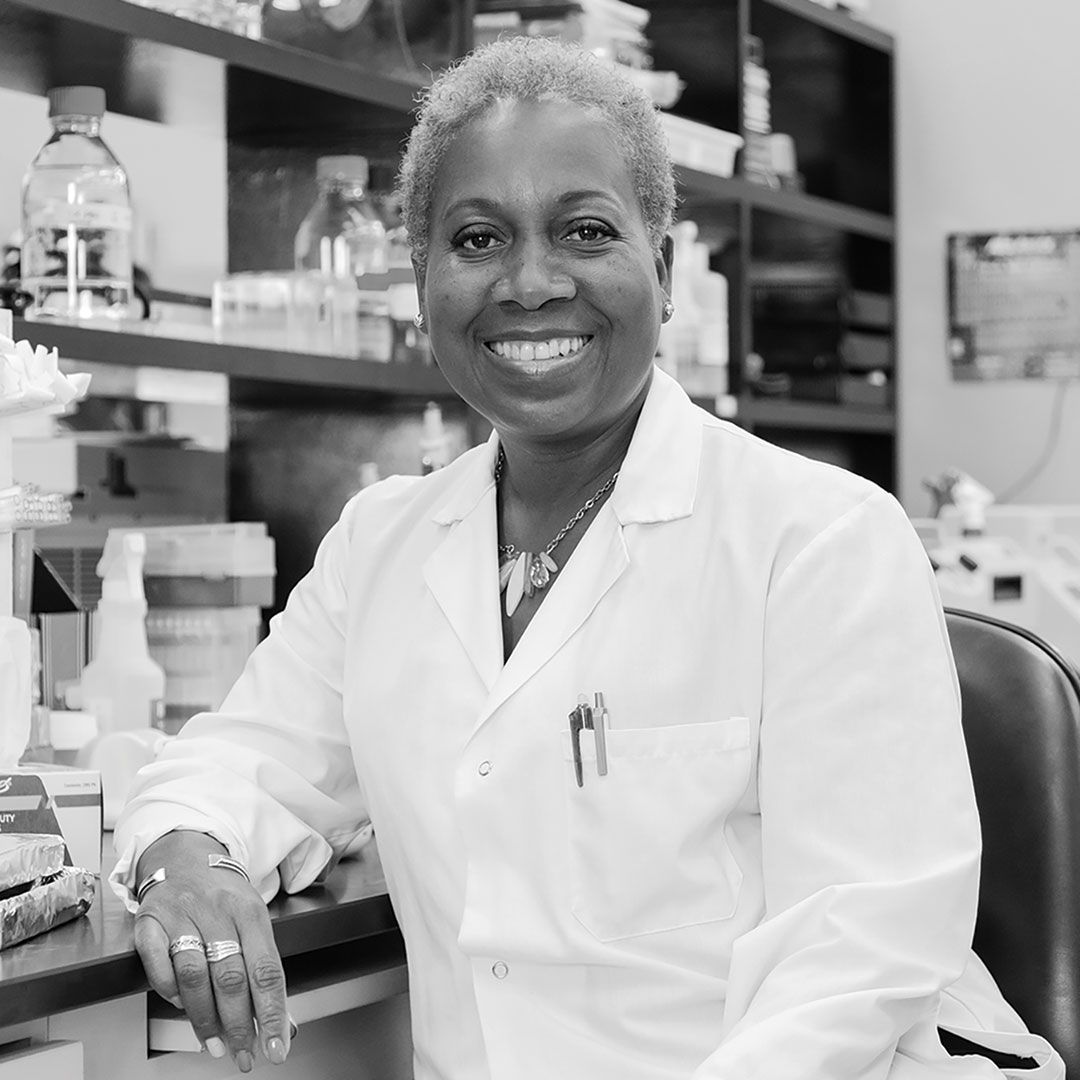
Night after night, as a postdoctoral fellow in Memphis, Tennessee, Juliet Daniel toiled away in a lab to the sound of Caribbean beats. There, she discovered a gene that allows cancer cells to break away from tumours and spread, so she named it Kaiso – a type of calypso music.
Born and raised in Barbados, Daniel moved to Canada at 18 to study life sciences at Queen’s University in Kingston, Ont.; she then got her PhD in microbiology at the University of British Columbia. After her gene discovery, she moved to Hamilton, Ont., to join McMaster University’s biology department, where she became a full professor. In 2024, just months before she turned 60, the federal government’s Canadian Intellectual Property Office recognized her as one of three Black Innovators in Research and Medicine.
Most genes are identified by numbers and letters. Why was it important to make Kaiso stand out? When I went to conferences, I hardly saw any Caribbean scientists or Black scientists. So I wanted to name it something Caribbean, but I wanted it to be subtle. I figured, Kaiso is the genre of music I really, really love. That’s how I came up with the name.
What does the Kaiso gene do? The gene encodes a protein that regulates the expression of other genes in cells, and some of those genes are known to promote cancer. Some are tumour suppressors, but if Kaiso [blocks] them, then the tumour will keep growing. So Kaiso can activate or repress genes depending on which pathway is activated, or which gene is regulating at that moment in time.
So, it’s not an on-off switch: If you have this gene, you’ll get cancer? Exactly. If it was that simple, we’d have cures for everything by now.
Which cancers might involve Kaiso? In our lab, we study breast and colon cancer. Others are studying Kaiso in lung cancer, pancreatic cancer and prostate cancer. But in our lab, when Kaiso is highly expressed, the tumours tend to be more aggressive and metastatic.
What is the link between Kaiso and aggressive triple-negative breast cancer, which disproportionately affects Black and Hispanic women? We’re trying to tease that out. West African women have a lot more Kaiso expression than African American women, and a lot more than white women. Black men with prostate cancer and poor survival have a lot more Kaiso expression than white men with prostate cancer. So, Kaiso could be a predisposing factor from our African ancestors.
Do you have a personal connection to cancer? My neighbour in Barbados died of breast cancer. About six weeks later, my mom was diagnosed with ovarian cancer, and then she died. So, those two things pretty much steered me towards cancer research at the end of my undergrad at Queen’s. And I myself am a breast cancer survivor.
How might your work help others survive cancer? We published a paper showing that, in mice, if we knock out Kaiso, we actually prevent tumours from metastasizing to the lungs or the liver. … [so] we may be on to something that could contribute to a treatment. I don’t think a cure is the right word, but a treatment that could save many lives.
Robin Urquhart: Uncovering why lung cancer strikes non-smokers
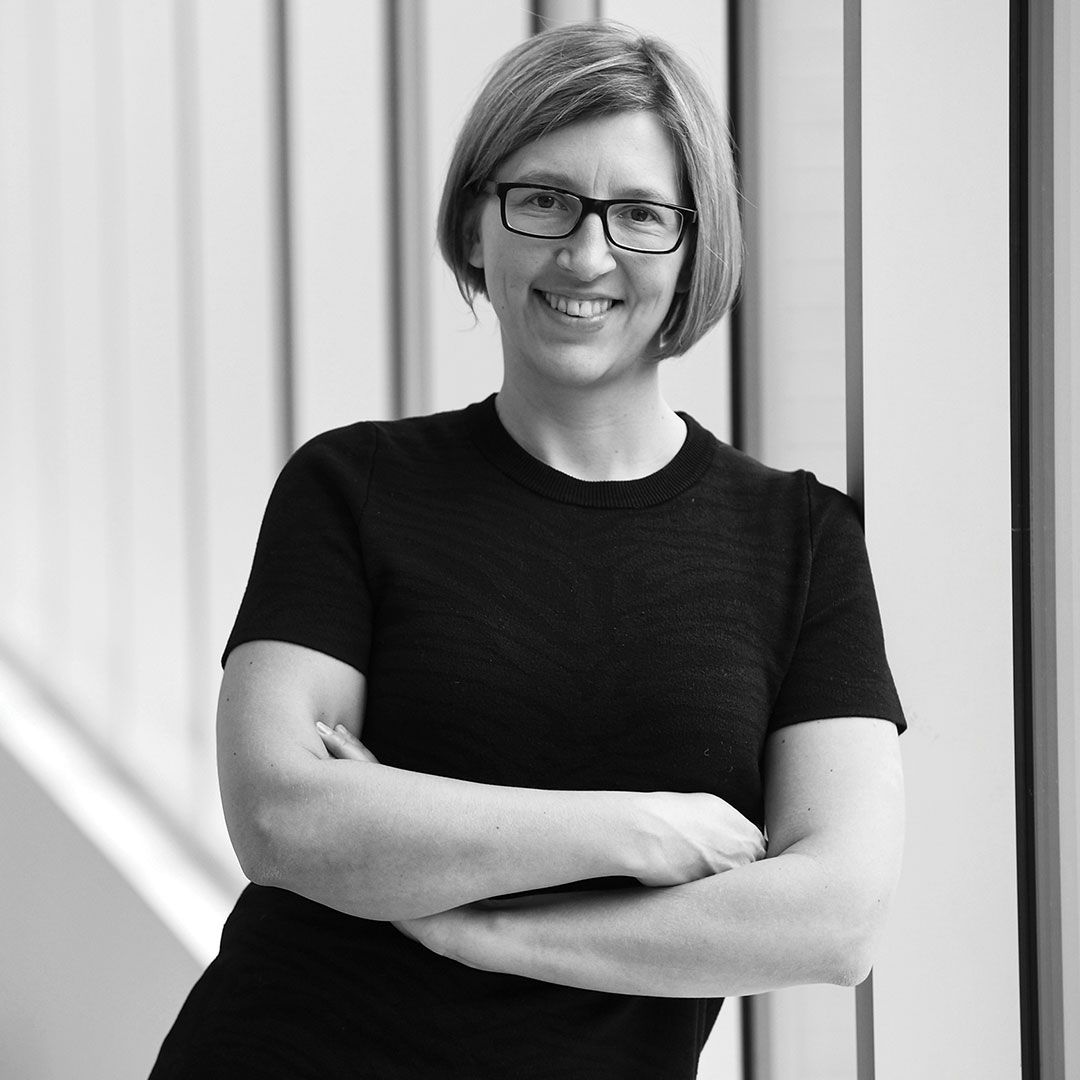
Robin Urquhart’s father died of pancreatic cancer when she was 11. Three years later, her mother was diagnosed with the same cancer and died within months.
Orphaned at 14, Urquhart never forgot the power plant looming over her community in rural Newfoundland and always wondered if environmental factors had something to do with the cancers in the community.
Urquhart is now an associate professor in the Department of Community Health and Epidemiology at Dalhousie University and the lead investigator on a five-year, $5-million Canadian Cancer Society Breakthrough Team Grant to study the environmental risks of lung cancer in non-smokers.
Speaking from Halifax, the 44-year-old researcher explains why Canadians need to pay attention to radon gas, arsenic and wildfires.
What compelled you to study lung cancer? The first person I ever knew to have cancer was my great aunt, who babysat me from when I was a newborn to age 4. She got lung cancer and died quickly. The thing about lung cancer is it kills more Canadians than breast, prostate and colorectal cancers combined.
How common is lung cancer in non-smokers? About 25 to 30 per cent of lung cancers today are not attributed to smoking.
What are the main causes of lung cancer? Radon gas is the second biggest contributor in Canada [after smoking]. The risk is based on our geology, our home type and how it’s constructed. Another big contributor is arsenic. Arsenic [can be] in well water and certain foods, like rice and wheat. And air pollution [as a risk factor] can increase with wildfires.
How can we know we’ve been exposed to radon, which is an odourless gas, or arsenic, which is a tasteless metal? There are radon and arsenic maps of Canada, radon tests to use at home and monitoring devices to look at arsenic in well water. What we’re doing is looking at people’s exposure through their toenails. Radon is a gas, not a metal, but when it breaks down in the body, it turns into an isotope of lead. The metals will sit in our toenails.
How can identifying risks increase lung cancer survival? Right now, lung cancer screening programs are based on age and smoking history. But of everybody diagnosed with lung cancer today, 40 per cent will never be eligible for current screening, even if they’re smokers. Survival rates are really low because we’re getting them too late … So, we have a huge collection of toenails from Atlantic Canadians. We can look at their [radon and arsenic] exposures and then follow these individuals. What we’re doing over the next two years is translating this [data] into a risk score. I’m not sure how that will unfold with screening but absolutely, [monitoring] with toenails is less invasive [than CT scans using radiation].
How can people donate their toenails? Go to EvictRadon.org. We also get questionnaire data about their housing and if they’re on well water. It’s the piping that comes into the house from the well that sucks in the radon.
When it comes to lung cancer, what do you want people to understand? We have to get out of the mindset that people have done it to themselves. Even if you’re a smoker, you were manipulated by tobacco companies into using this product. So yeah, it’s not someone’s fault they got lung cancer.
Dr. David Huntsman: Flipping the script on ovarian cancer
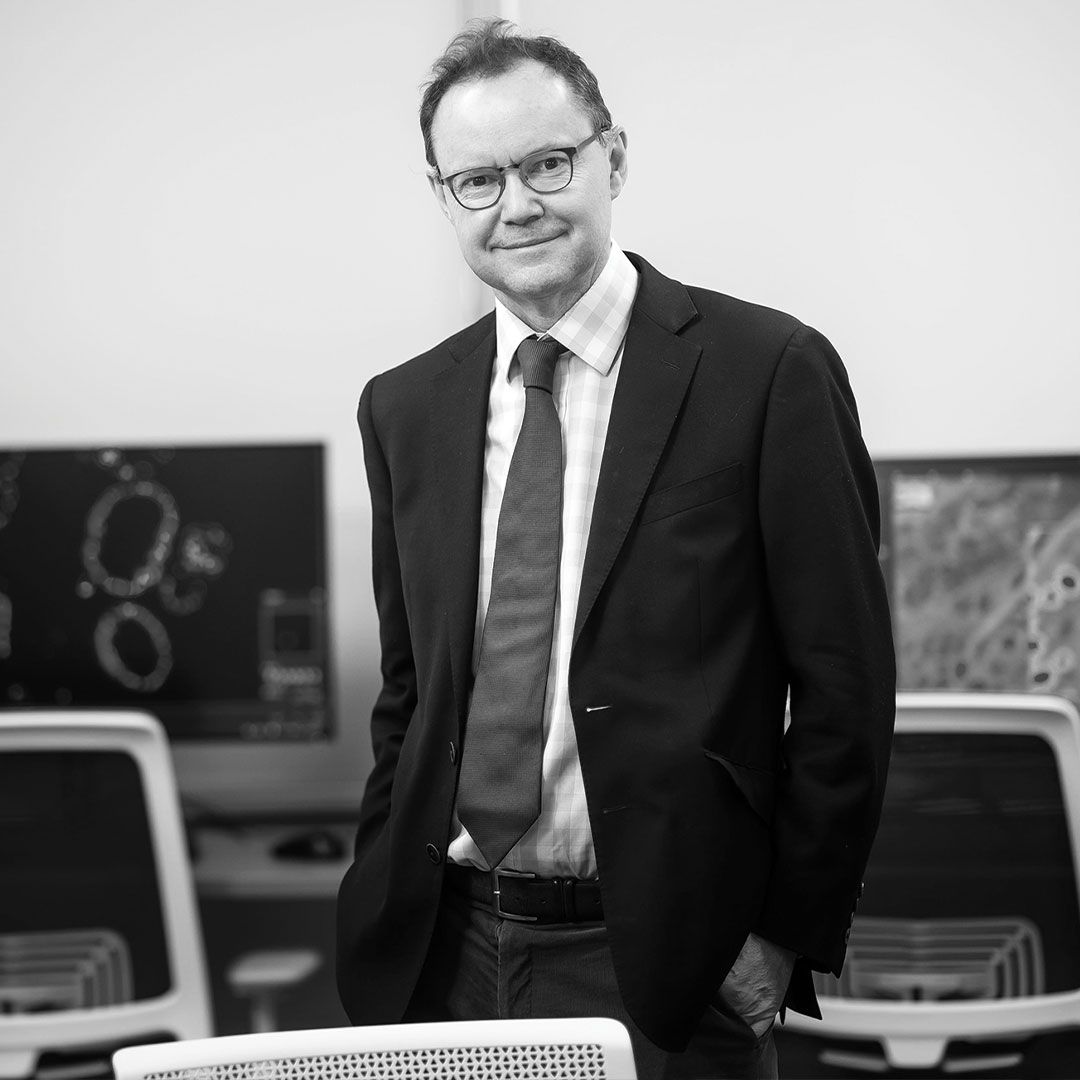
As a young physician in rural Newfoundland, Dr. David Huntsman was struck by how many diseases he did not fully understand. So, he moved to British Columbia to do residencies in pathology and genetics, and then realized he had the skills needed to do research on ovarian cancer – once known as the “whispering disease,” because no one talked about it.
Born in England and largely raised in Newfoundland, the 59-year-old researcher is now a department head at BC Cancer and a professor of pathology and laboratory medicine as well as obstetrics and gynecology at the University of British Columbia. He holds a Tier 1 Canada Research Chair in molecular and genomic pathology, awarded to world leaders in their field.
From his office in Vancouver, Huntsman describes the surprising things people can do to prevent ovarian cancers.
What are the main risk factors for ovarian cancer? Age is a risk factor, and family history and a history of endometriosis are important. But I must stress that only a small portion of women with endometriosis get cancer. It’s not something people should be frightened of.
Do you recommend genetic testing? Absolutely. Anybody with a family history of ovarian cancers should be tested for the BRCA mutations.
What is the current approach to prevention? If women are getting procedures done where their fallopian tubes could be removed, they should ask for them to be removed if their gynecologist does not suggest it, because the most common type of ovarian cancer starts in the fallopian tubes. And the second- and third-most common types pass through the fallopian tube, because they usually start with an endometriosis from the uterus.
Right now, we have really strong evidence that salpingectomy [fallopian tube removal] is safe and could greatly reduce the chance of getting ovarian cancer. And
that’s become global practice.
Even for women with no sign of ovarian cancer? Exactly. This is prevention while leaving the ovaries, because, particularly for younger women, removing the ovaries can cause long-term health consequences.
Any other recommendations for prevention? It turns out birth control pills are incredibly protective. Women who took five years of birth control pills reduced their risk of ovarian cancer by
50 per cent. And having multiple pregnancies reduces risk, but we’re not recommending that as a strategy for cancer prevention.
Is hormone therapy for menopausal symptoms protective? No. It wouldn’t decrease the risk, but it wouldn’t likely increase it either.
What’s on the horizon for ovarian cancer treatment? Current treatments still include classic chemotherapeutic agents, which really are toxic. [But] one of our colleagues, Dr. Yvette Drew, is doing an exciting clinical trial with three drugs: one targeting the immune system, one targeting [cancerous] blood vessels and the third targeting the way DNA is repaired in cancer cells. Together, they seem to have a really strong impact, and the side effects profile is way better.
What has surprised you most about cancer? The incredible resilience people have. People are smart. They realize that, for most ovarian cancers, there’s a good likelihood this may end up killing them, [yet] they almost invariably respond by agreeing that we can use their tumor samples for our research. Everything we do is dependent on that incredible, generous response to what is really the worst day anyone can imagine.