In 1969, my father took me to the première of the blockbuster movie Battle of Britain. I was blown away by the realism. After nearly a lifetime of researching and writing more than a dozen military histories, I was compelled to write about the Canadians who had actually fought the Luftwaffe in the Battle of Britain, in order to bring to light their heroic deeds, which had essentially slipped through the cracks of history.
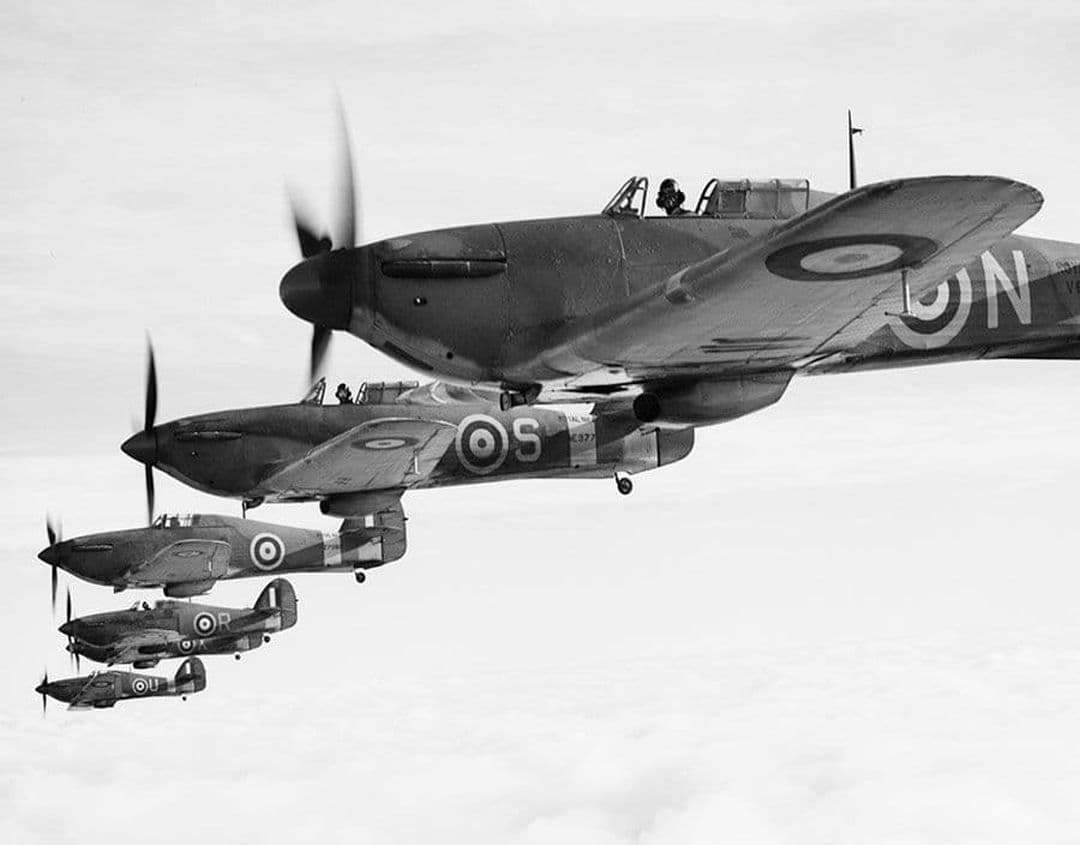
In the summer of 1940, Adolf Hitler’s armies had conquered most of northwestern Europe. Their final obstacle was Britain. All the German air force had to do was wipe the skies clear of the Royal Air Force, so that hundreds of thousands of German troops could launch an amphibious invasion of the U.K.
For 113 perilous days that summer, as the Luftwaffe sought to crush the RAF, Commonwealth pilots scrambled from British airfields, flying their Hurricane and Spitfire fighter aircraft, hoping to thwart Hitler’s plan.
Among nearly 3,000 aircrew in that first test of Allied skill, resilience and courage in the air, more than 100 pilots flew with the “Canada” patch on their shoulder, and another 200 Canadian ground crew kept their fighters in the air. Still more of our men and women – engineers, medics and civilians – served behind the scenes to ensure victory. Even before they’d won the Battle of Britain, Winston Churchill captured the essence of their achievement that summer: “Never in the field of human conflict was so much owed by so many to so few.”
In my book Battle of Britain: Canadian Airmen in Their Finest Hour (Sutherland House), I profile those who played key roles in this crucial battle. Here are some of the “few.”
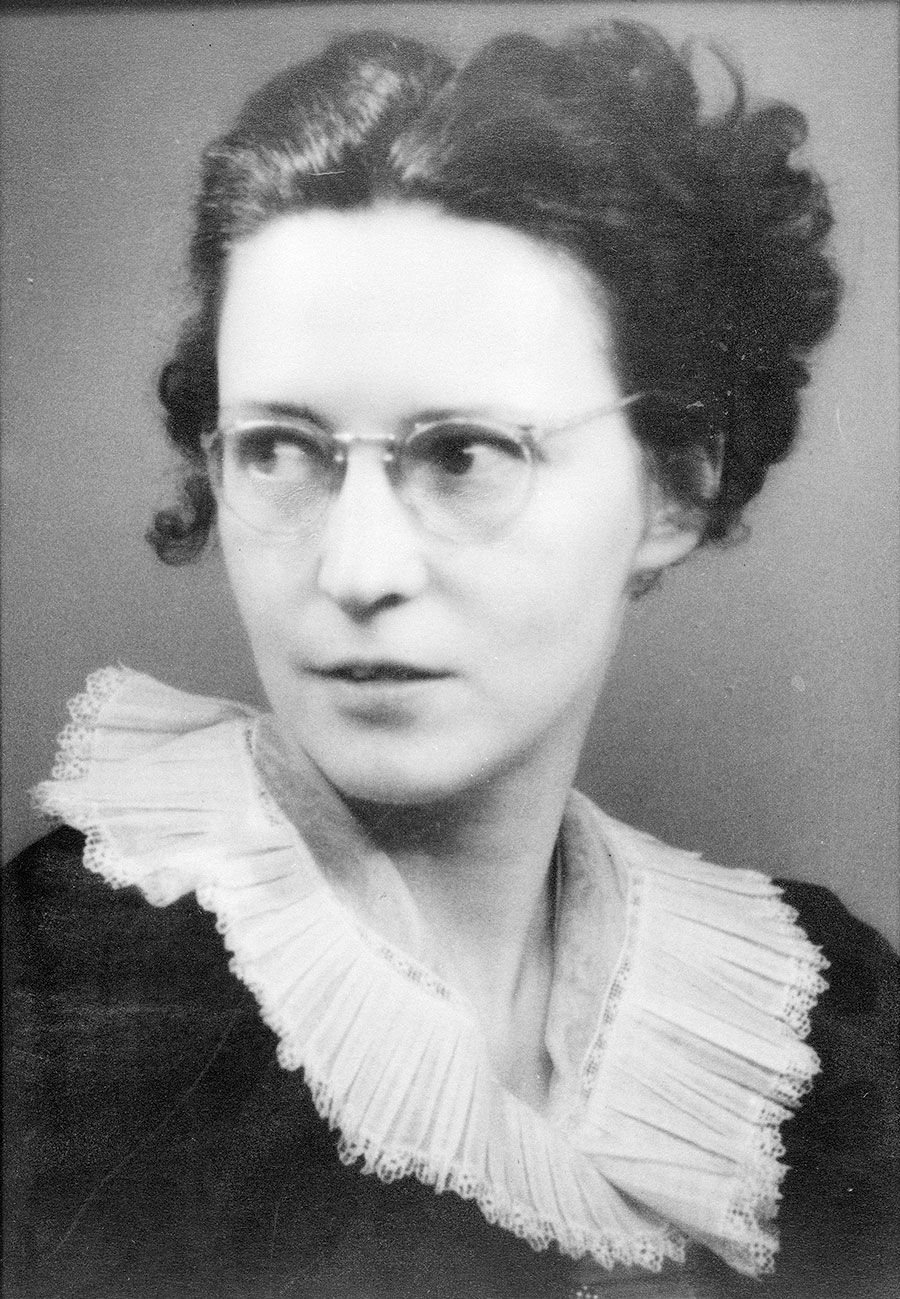
Elsie MacGill, Aero-Engineer
Just last year, the Royal Canadian Mint issued a loonie with the engraving of a woman’s face and a colour inlay of a Hurricane fighter aircraft. I saved that dollar coin and discovered the Battle of Britain story of Elsie MacGill.
MacGill broke the employment glass ceiling a generation before the term was even invented. At only 16, the Vancouver native enrolled at the University of British Columbia; in 1927, she became the first woman to complete an electrical engineering degree at the University of Toronto; and two years later, she was the first woman in North America to earn a master’s in aeronautical engineering at the University of Michigan.
No mean feat, considering that she’d contracted polio but undaunted she had written her final MA exams in a hospital bed. She also published papers on aircraft design, which secured her entry into the Engineering Institute of Canada and also gave her a public platform.
“Aviation and women are taking each other seriously,” she wrote at the time. “The glaring headlines, frenzied publicity and overwhelming popularity of the pioneers is dissipating.”
It was expertise, not popularity, that allowed MacGill to play a pivotal role in the Battle of Britain. Canadian Car and Foundry Co., based in Fort William, Ont., brought her on board when it won a British Air Ministry contract to assemble Hawker Hurricane fighter aircraft. In June of 1940, just as France was falling and Allied expeditionary forces were retreating from Dunkirk, MacGill was poring over more than 3,600 of the Hurricane’s schematic drawings, designing de-icing systems for the fighter’s wings and overseeing assembly of 40 Hurricanes for delivery to Britain.
“Aeroplanes are not like baby carriages,” she wrote in a paper on the challenges of her job. “The easy acceptance of the application of mass production methods of aeroplane construction arises from sad ignorance of
the problems involved.”
Can-Car’s reputation soared as MacGill’s aircraft arrived just in time for deployment against the Luftwaffe. She became known as the “Queen of the Hurricanes,” a moniker that was used years later to title a graphic novel about her achievements.
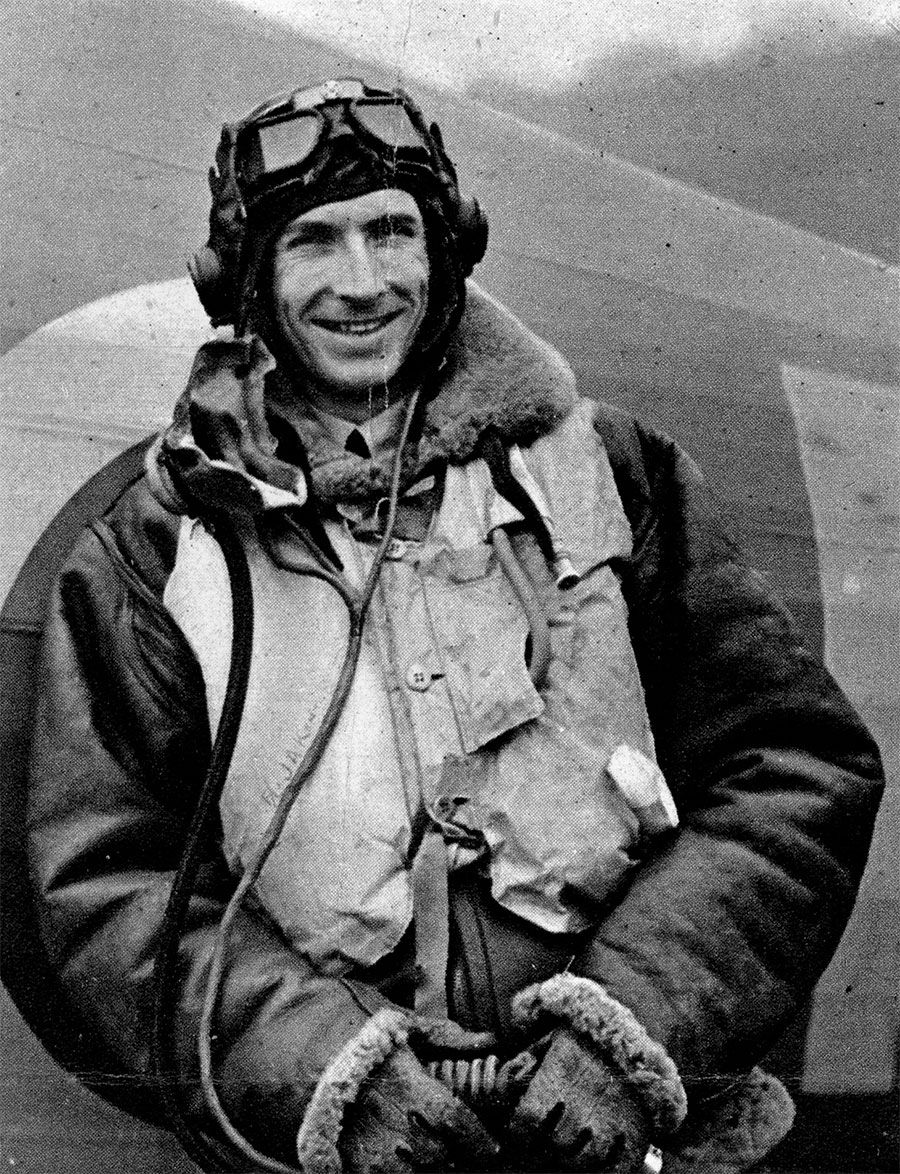
Johnny Kent, Fighter Pilot
When I found memoirs of young Winnipegger Johnny Kent – who wrote that he was attracted to flying just for the romance of it – his story captivated me.
The day the Luftwaffe launched its first major assault on air defences in Britain – July 10, 1940 – RAF commanders didn’t quite know where to put Canadian fighter pilot Johnny Kent. As a 21-year-old, he had crossed the Atlantic on a cattle boat in 1935 to apply for and earn an RAF officer’s commission and then pinballed around British air bases: first as a test pilot (he flew experimental flights, including intentionally crashing into defensive barrage balloons to assess their effectiveness (earning an Air Force Cross medal); then as a flight instructor and finally flying high-altitude reconnaissance missions over Germany, photographing enemy troop movements.
He had not, however, fired a single shot in anger, military slang for facing the enemy in live action rather than practice.
“The extraordinary difference between the First World War and this one,” Kent wrote in his memoir, “[was] in the first you had to fight like hell to keep out of it, while in this one you had to fight like hell to get into it.”
Then, as German aircraft strafed and bombed RAF air bases across southern England, Kent got his combat assignment: to lead a portion of RAF No. 303 Squadron consisting of Polish fighter pilots. Few spoke any English.
To teach them air combat skills, he concocted a phonetic combination of Polish and English words. Thus, leading his new charges around the Hurricane fighter aircraft, he’d say slowly, “Ae-ro-plane.” “Sa-mo-lot,” they’d reply (in phonetic Polish).
Despite the language barrier, Kent’s Polish fighters destroyed 126 enemy aircraft in six weeks that summer, becoming the highest-scoring squadron in the Battle of Britain.
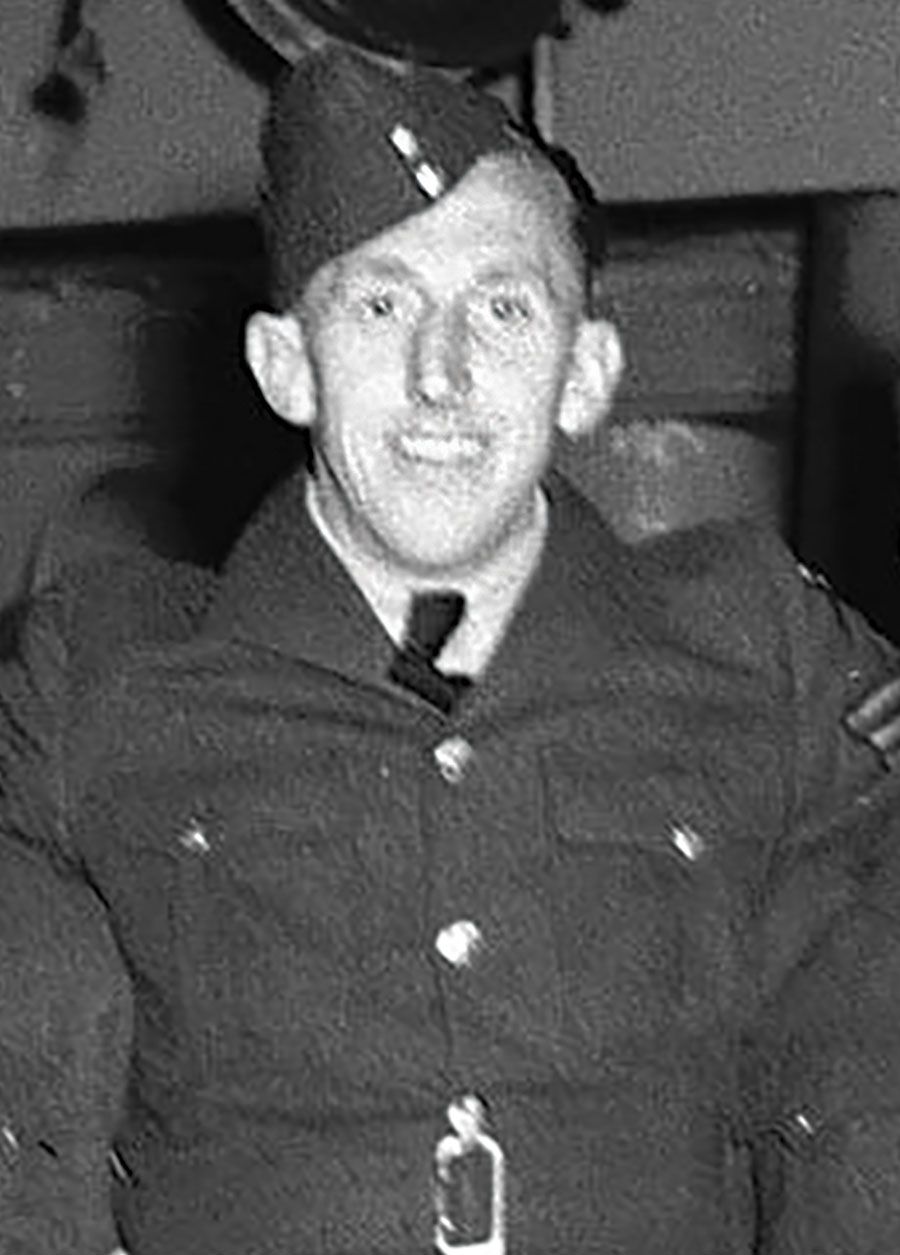
John Burdes, Airframe Mechanic
Correspondence I tripped over in a Vancouver basement several years ago, revealed some of the most bizarre habits of Battle of Britain veterans, in particular, that of RCAF chief mechanic John “Slim” Burdes, who led his fellow ground crew repairing fighter aircraft at night while singing Cab Calloway’s Minnie the Moocher.
That summer of 1940, when daily “scramble” calls came through on a phone at Northolt airfield, north of London, the Canadian pilots of RCAF No. 1 Fighter Squadron dashed from their dispersal hut to the Hurricane flight line. They’d been awake since 3:30 a.m., scarfed down breakfast and had their “Mae West” life jackets at the ready.
Meanwhile, Burdes and his fellow “erks” (ground crewmen) were up even earlier, ensuring that a dozen fighter planes could be airborne in as few as 30 seconds after the call. Just weeks before the Luftwaffe began sending nighttime bombing raids, known as the Blitz, Burdes and about 200 other Canadian airframe and aero-engine mechanics, technicians, armourers and repair tradesmen arrived at Northolt to keep those Canadian Hurricanes in the fight.
A native of New Westminster, B.C., Burdes survived the Depression by working in lumber camps and when the war broke out, he joined the RCAF. “He had more creative talent in his hands than any man I know,” Edwin Reyno, one of the No. 1 Fighter Squadron’s pilots, recalled in his journal. “In the middle of the Blitz,”
Reyno wrote, “Burdes had his boys repairing engines by flashlight because of the blackout. He even had them singing at the tops of their voices while doing it.”
Not to mention the follow-through. By the time pilots reached their fighters, Burdes’ erks were helping to strap them into their cockpits and pulling blocks away from their undercarriages for rapid takeoff.
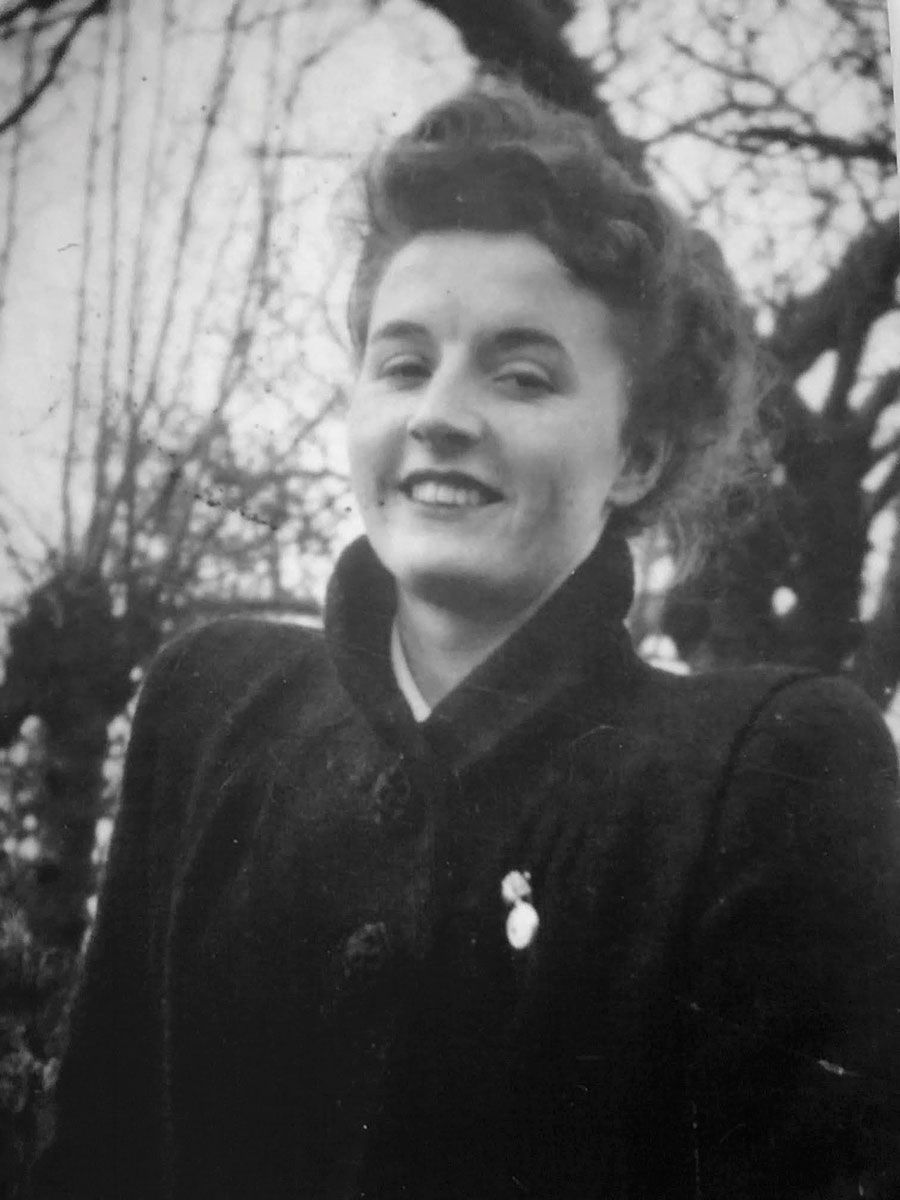
Dorothy Firth, Fire Watcher
I met Dorothy Firth Marshall at her Toronto apartment in 2023, shortly after her 100th birthday. (Firth is the only one of the four who is still alive; at 102 her memory remains sharp.) During my interview, she was still bubbling over her attendance at a Buckingham Palace garden party for centenarians in 2019, smiling at the honour of being included among “6,000 of the Queen’s closest friends.” Then, she got serious about serving and surviving in the Blitz during the Battle of Britain.
When she graduated from secondary school in London in 1939, her choices to help the war effort were limited: It was either the women’s armed forces or volunteer service. “I was called up by the fire department,” the Renfrew, Scotland native said, “So, I went on duty. They gave me this dreadful uniform – a serge blue jacket and skirt, white shirt, helmet, lisle stockings and black shoes.” (Dorothy confided that the cotton stockings were most unflattering. But to the chagrin of many young women of the day, they were the only option – all nylon was diverted to the war effort to make rope, parachutes and tarps.)
In her first evening shift as a fire-watcher, her colleagues advised her to douse incendiary bombs “with a bucket of sand and a shovel.” Nobody dared tell her that Luftwaffe bombers dropped an average of 13,000 incendiaries a night on London and other U.K. cities. The explosives contained thermite (a mixture of aluminum powder and iron oxide), which would ignite fires that burned warehouses, chemical plants, hospitals, churches and residential neighbourhoods at temperatures up to 4,500 degrees Fahrenheit.
“Incendiaries came raining down, like in a shower, and they could start a fire anywhere,” she said. “It was a nasty feeling when the sirens went off, because you never knew how fast the Germans
were coming.”
In 1944, long after the Battle of Britain was won, Firth met Canadian tank commander George Marshall. This time, sparks of the romantic kind flew. They were married and, in 1946, she emigrated to Canada as a war bride, with her newborn son.
A version of this article appeared in the October/November 2024 issue with the headline ‘Chasing Shadows’, p. 58.