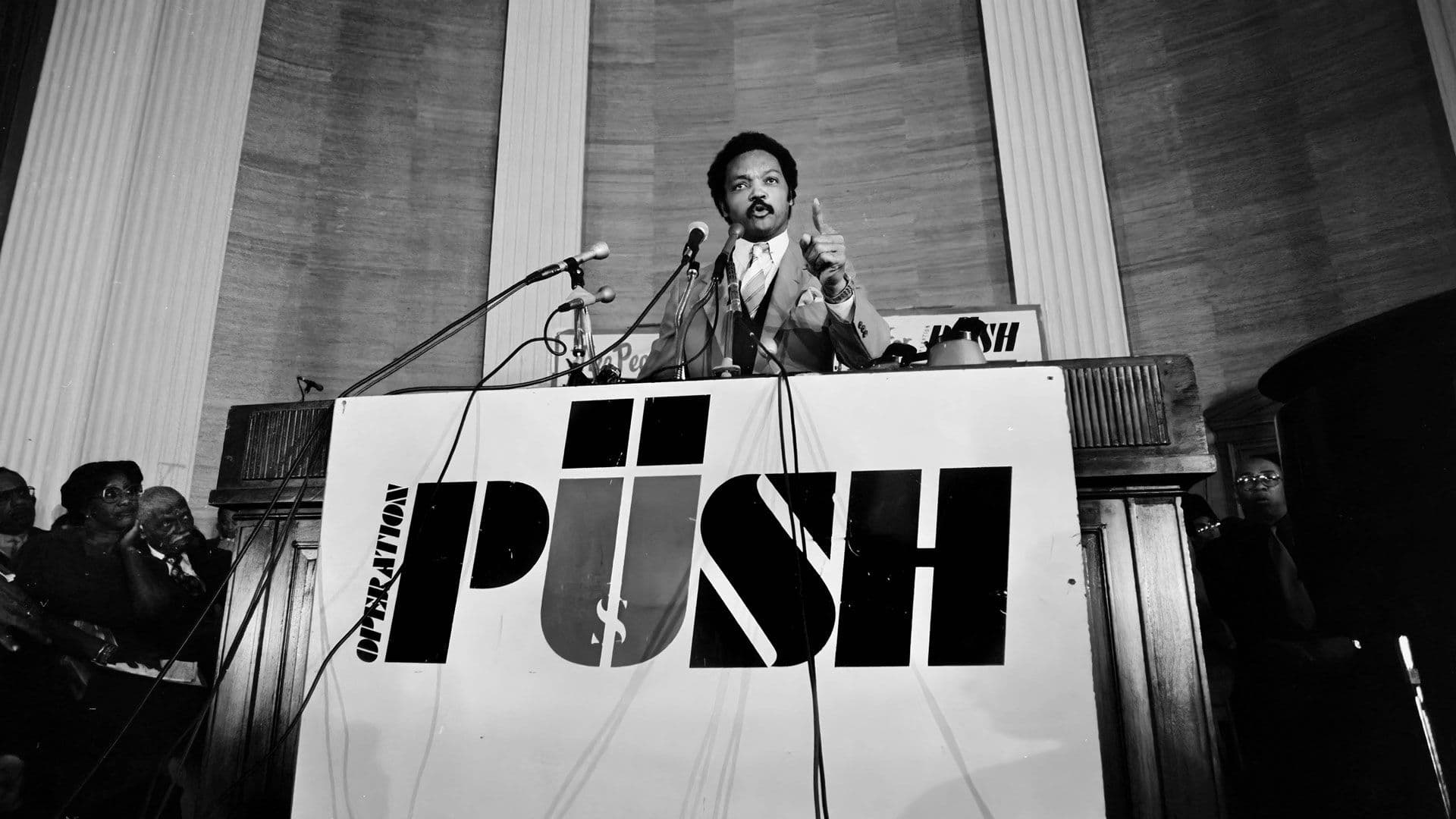
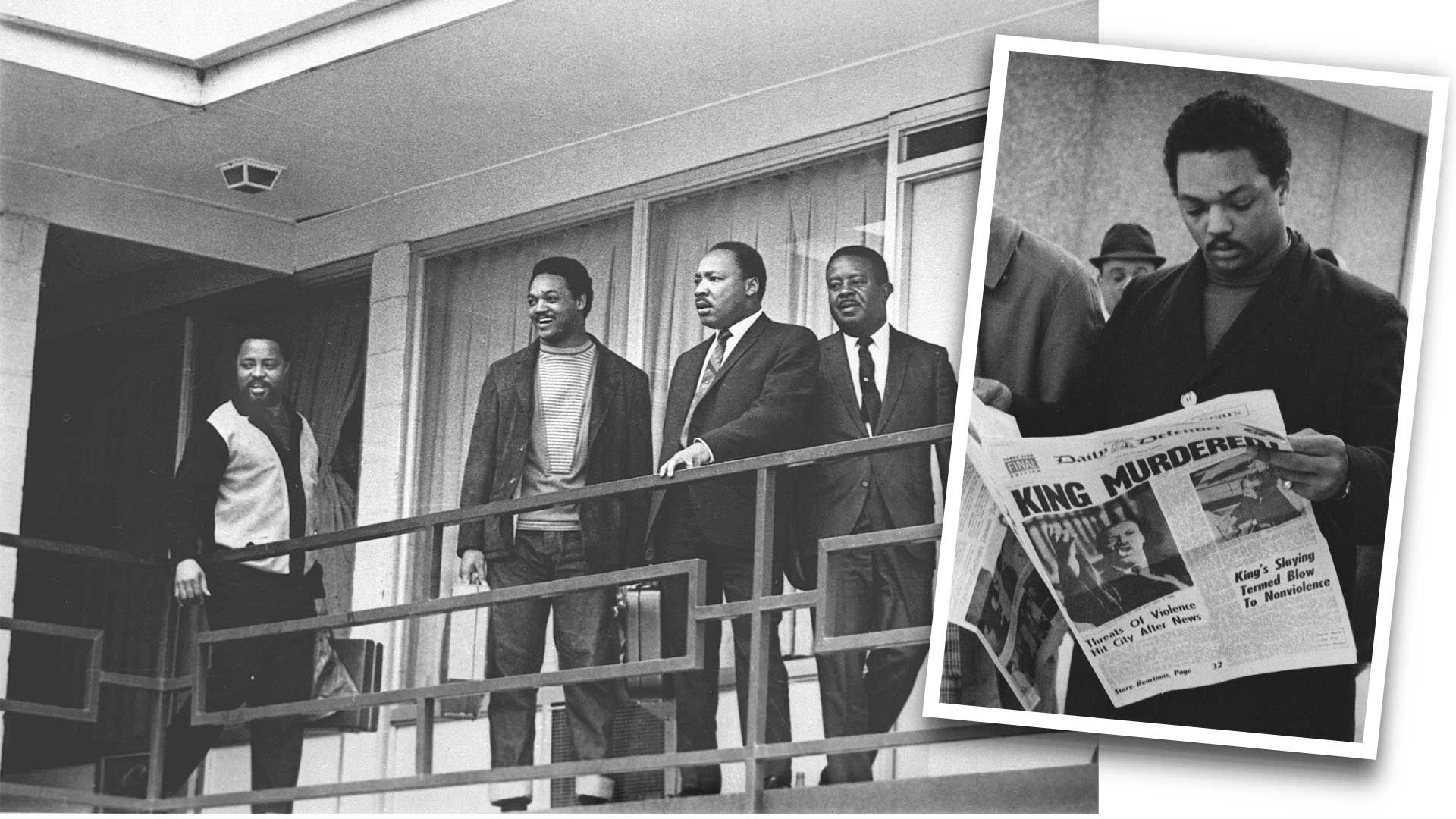
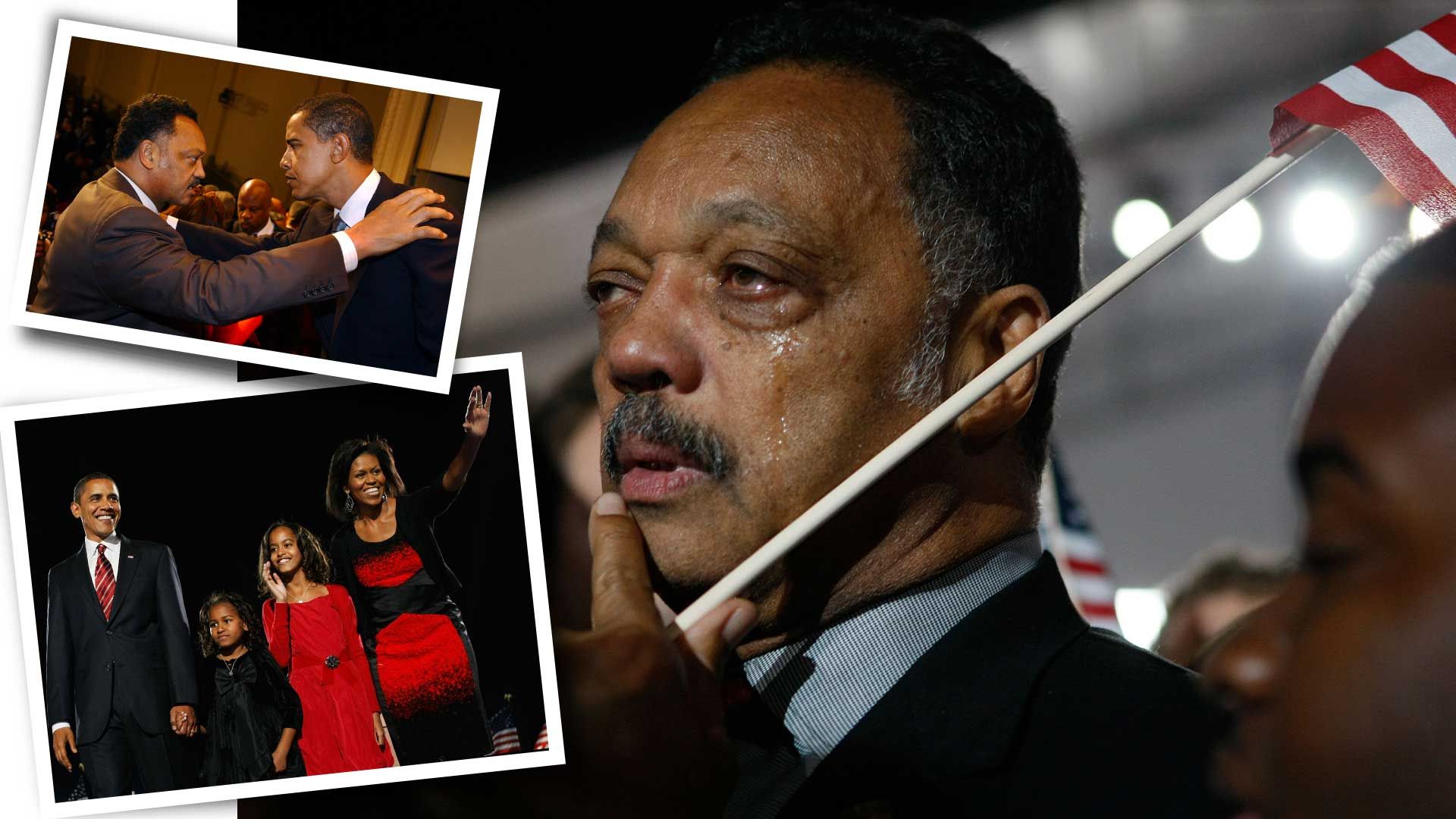
From witnessing the assassination of his leader and mentor Dr. Martin Luther King Jr. on a Lorraine Motel balcony in Memphis Tenn. in 1968, to being in Grant Park, Chicago, to see Barack Obama give his victory speech after winning the 2008 American Presidential election, the Reverend Jesse Jackson Sr., who has died at the age of 84, was the bridge that spanned the four decades that it took for the civil rights era to manifest a dream: the election of the first African American president in a country historically riven with slavery and segregation and still struggling with systemic anti-Black racism.
A photograph of Jackson with tears streaming down his face that night as Obama began to speak has become the defining image of the Obama era, reflecting the emotion of a towering figure who worked throughout his life to bend “the arc of the moral universe” towards the justice Dr. King sacrificed his life for. An historic figure in his own right, Jackson’s catchphrase was “Keep Hope Alive.” But his death comes during Black History Month at a time when the Trump administration is trying to erase fundamental aspects of Black history and thought, while the right-leaning and controlled Supreme Court is debating rolling back more key elements of the 1965 Civil Rights Act, passed into law by President Lyndon B. Johnson with Dr. King at his side.
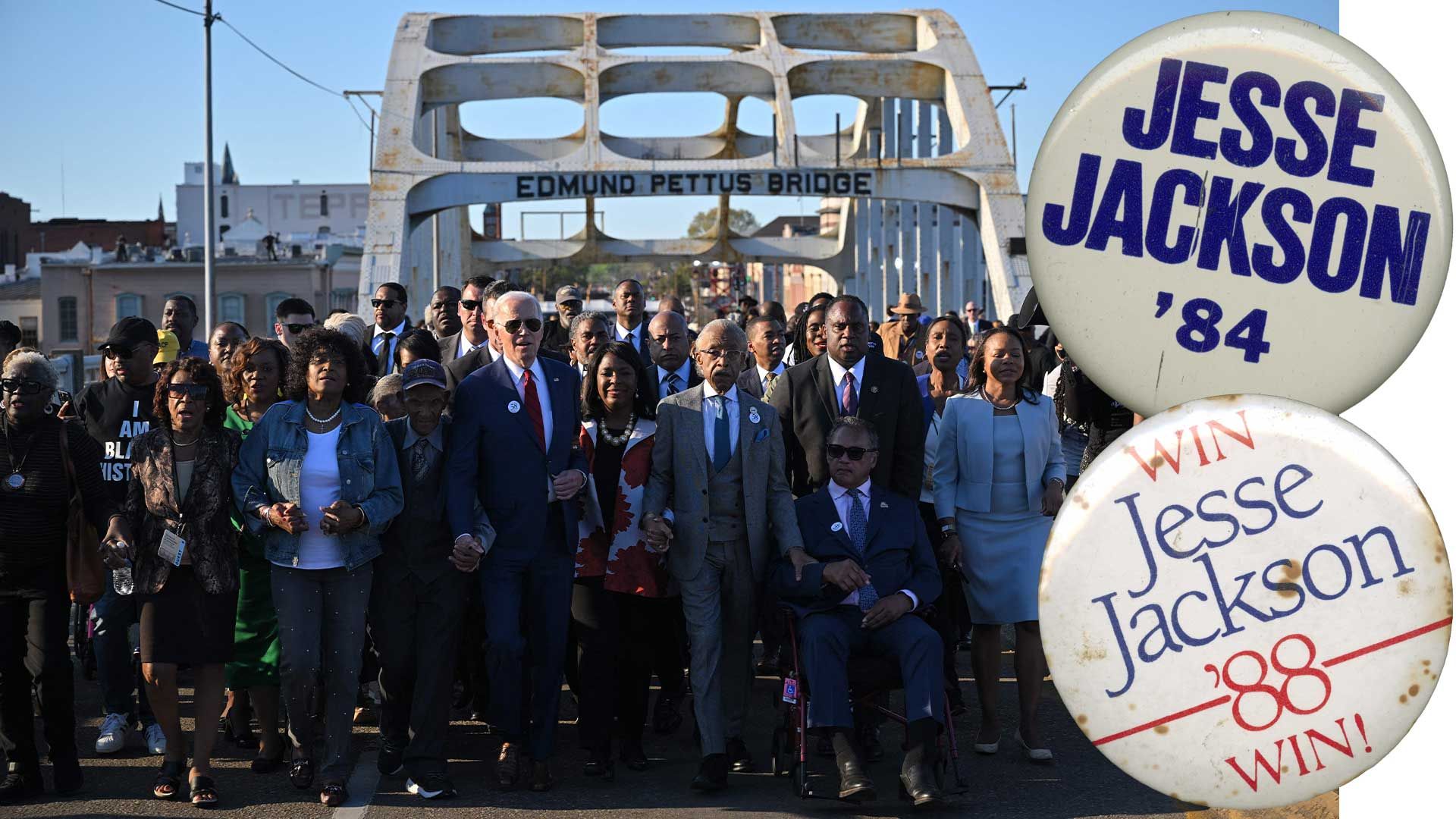
A trail-blazing civil rights activist as founder of the Rainbow PUSH Coalition, Jackson’s audacious runs to be the Democratic party nominee for president in 1984 and 1988 was a catalyst of American political power. With his “One Vote” doctrine, which preached the agency of each individual to make change, he mobilized millions of African Americans to register to vote. The Reverend also forced the Democratic Party to change its convention nominating stance to proportional representation. Both these achievements ensured the rise of presidents Obama and Bill Clinton, and Joe Biden’s DOA 2020 run was resuscitated by the Black southern vote halfway through the primaries.
A dazzling orator until Parkinson’s disease stole his voice in his later years, Jackson plied this talent as an ordained Baptist minister. Despite setbacks and controversy, his charismatic and forceful presence in pop culture beyond politics helped propel his policies and initiatives, such as Operation Bread Basket for economic equality, forward. He spoofed his “angry Black man” image by reading Green Eggs and Ham on a 1991 episode of Saturday Night Live. In a 1972 grace note, he sat on a Sesame Street stoop surrounded by children, whom he led in a church-inflected call-and-response of his incantation: “I am somebody.”
View this post on Instagram
A statement released by the Jackson family announcing the Reverend’s death stated in part: “His unwavering commitment to justice, equality and human rights helped shape a global movement for freedom and dignity.” It added, “Our father was a servant leader – not only to our family, but to the oppressed, the voiceless and the overlooked around the world”
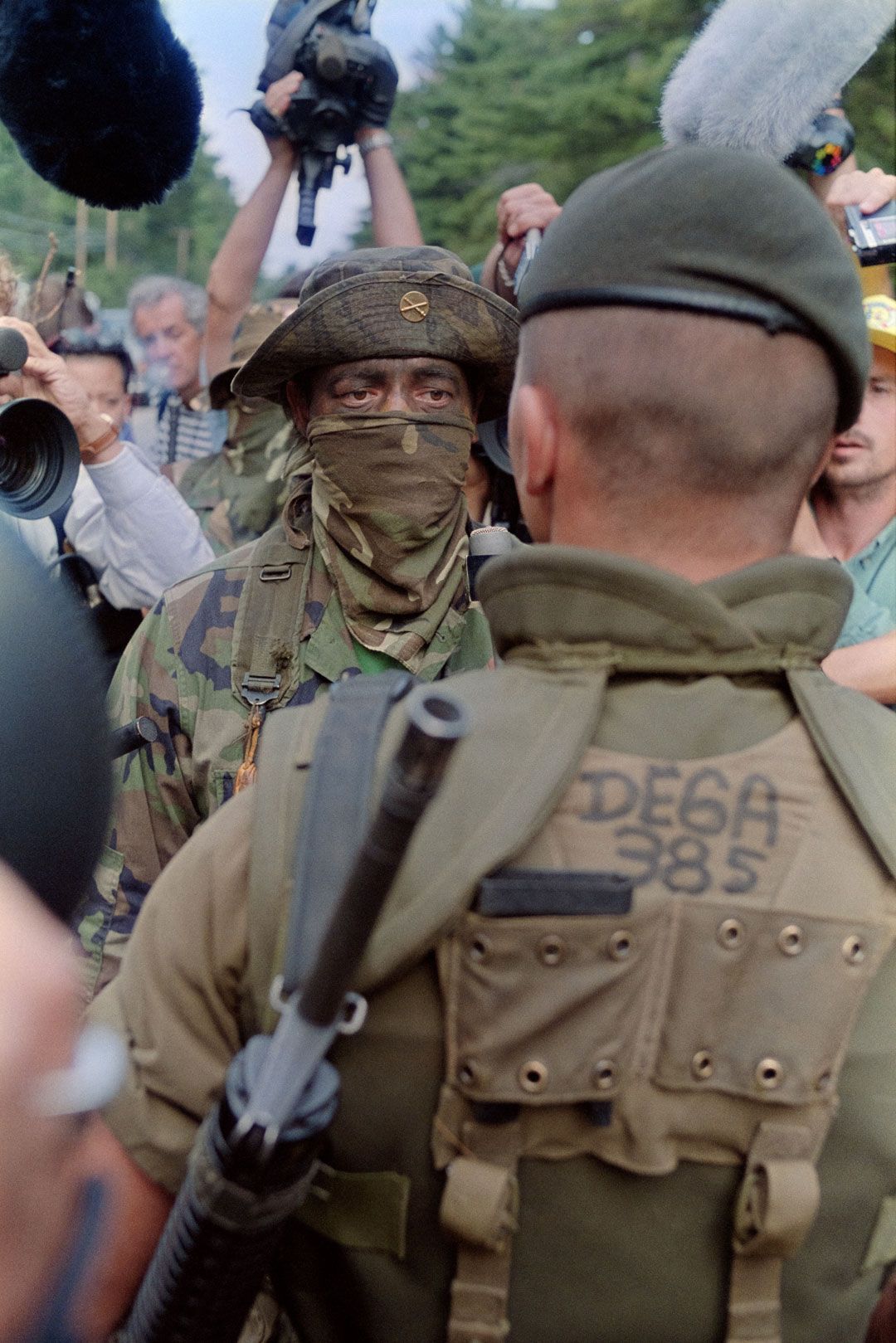
This work brought him north where in 1990 he served as a mediator in Quebec’s Oka Crisis, a months-long standoff – leading to two fatalities – between provincial police, the Canadian Army and Mohawk protestors. In 2018, after a meeting with then Prime Minister Justin Trudeau in the face of President Trump’s tariff threats, Jackson praised Canada for its legacy as the end of The Underground Railroad. “The Statue of Liberty should be between Windsor, Canada and Detroit. We should relate to them with a friendly tone – because of the historic nature of our relationship…,” he told Politco. ”We are eternally bound.”