Having had my own withering moment at American Vogue, when I was interviewed by Grace Coddington, their all-powerful creative director, days after arriving in New York from London in 1997, I relished the first Devil Wears Prada movie released in 2006. Coddington was incredibly condescending to me, saying, “You do know, we actually work here,” perpetuating the stereotype that Condé Nast in London, where I worked for Tatler, was full of trust-fund girls. Needless to say, I didn’t get the position. However, I certainly felt the tenor of the place both from my interview and from my many years as an editor in New York – and it was as stressful and terrifying as the movie about how a diva fashion editor treats her beleaguered assistant – depicts. In the ’90s,when I was in New York, Wintour was a sphinx-like force, operating from the 13th floor of the Condé Nast offices on Madison Avenue. There’s some truth to the movie’s unflattering portrayal of her and what she was like to work for in real life. She was to be avoided, if possible, in the hall, on the elevator or anywhere else you might encounter her. I have so many stories of tennis scores (Wintour is a fiend for the sport) being delivered to her while she was front row during the shows, of designers being reduced to wrecks when she reviewed their collections, of absurd demands.
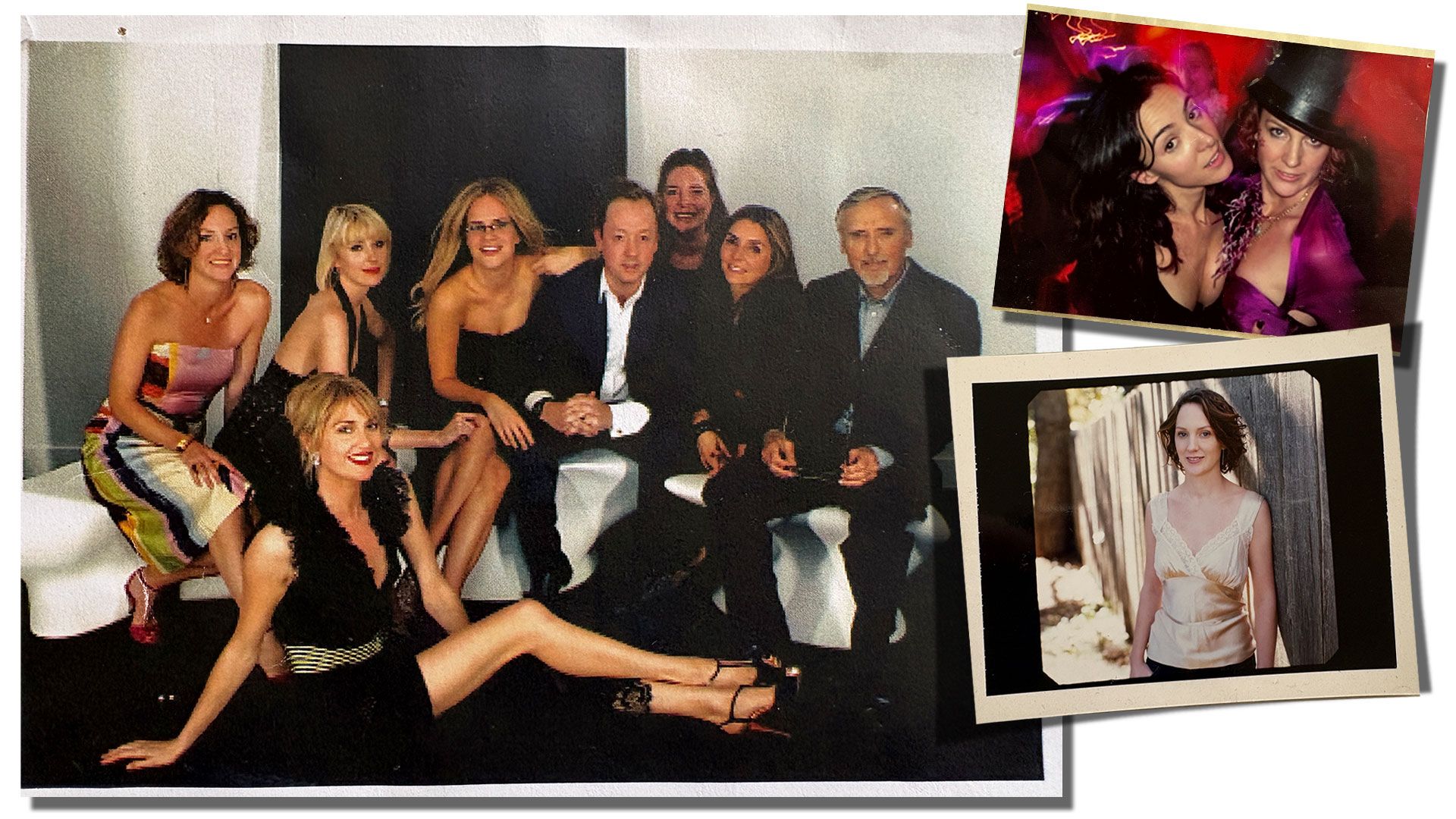
Fashion watchers witnessed Coddington’s subversive turn in the 2009 documentary The September Issue, where she was positioned as a narrative counterpoint to Wintour’s froideur. But when I met her, I didn’t grasp that she was more than simply a fashion VIP and the gatekeeper to Vogue and Wintour. It was only later, as I whirled around New York magazines, moving to Condé Nast Women’s Sports & Fitness, Mirabella and Jane, that I learned her full story.
Her successful modelling career had made her a London it-girl in the ’70s, when she was briefly married to the legendary restaurateur Michael Chow – together they opened Mr. Chow, an ultra-glamorous Chinese restaurant in Knightsbridge that I was lucky enough to go to a few times as a young girl. When a car accident in 1967 meant Coddington had to undergo multiple surgeries on her face, she switched gears and moved into fashion styling at British Vogue.
Then, like all great British editors of the ’90s, she moved across the Atlantic where she and Wintour reshaped Vogue and American fashion, while one of her closest friends and Wintour’s sworn rival, fellow Brit Liz Tilberis, shook up Harper’s Bazaar along with the legendary creative director, Fabien Baron. With Tilberis’s untimely death in 1999, Harper’s Bazaar went through several decades out in the fashion wilderness while Wintour’s American Vogue, and the entire global brand that she took control of as artistic director of Condé Nast, ascended.
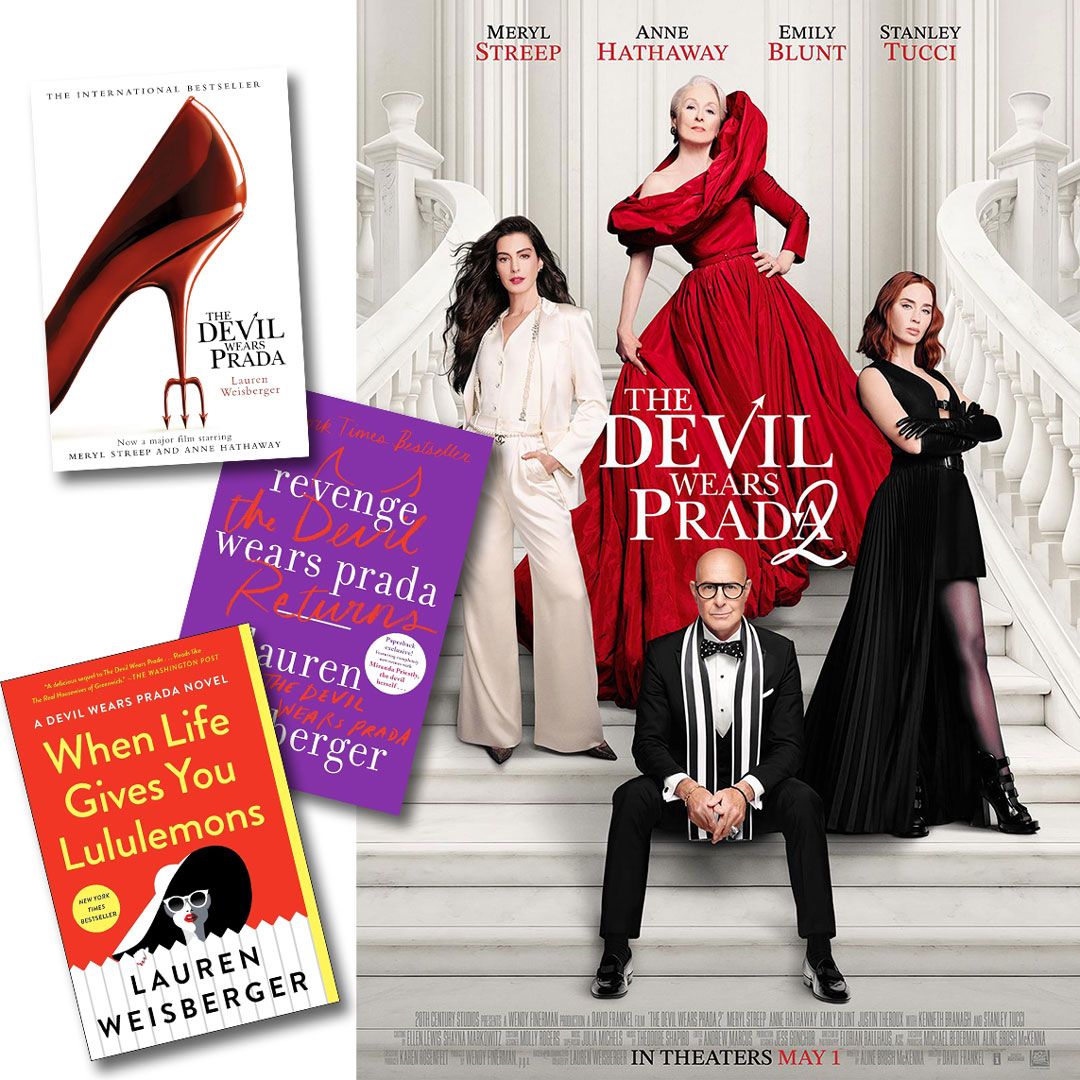
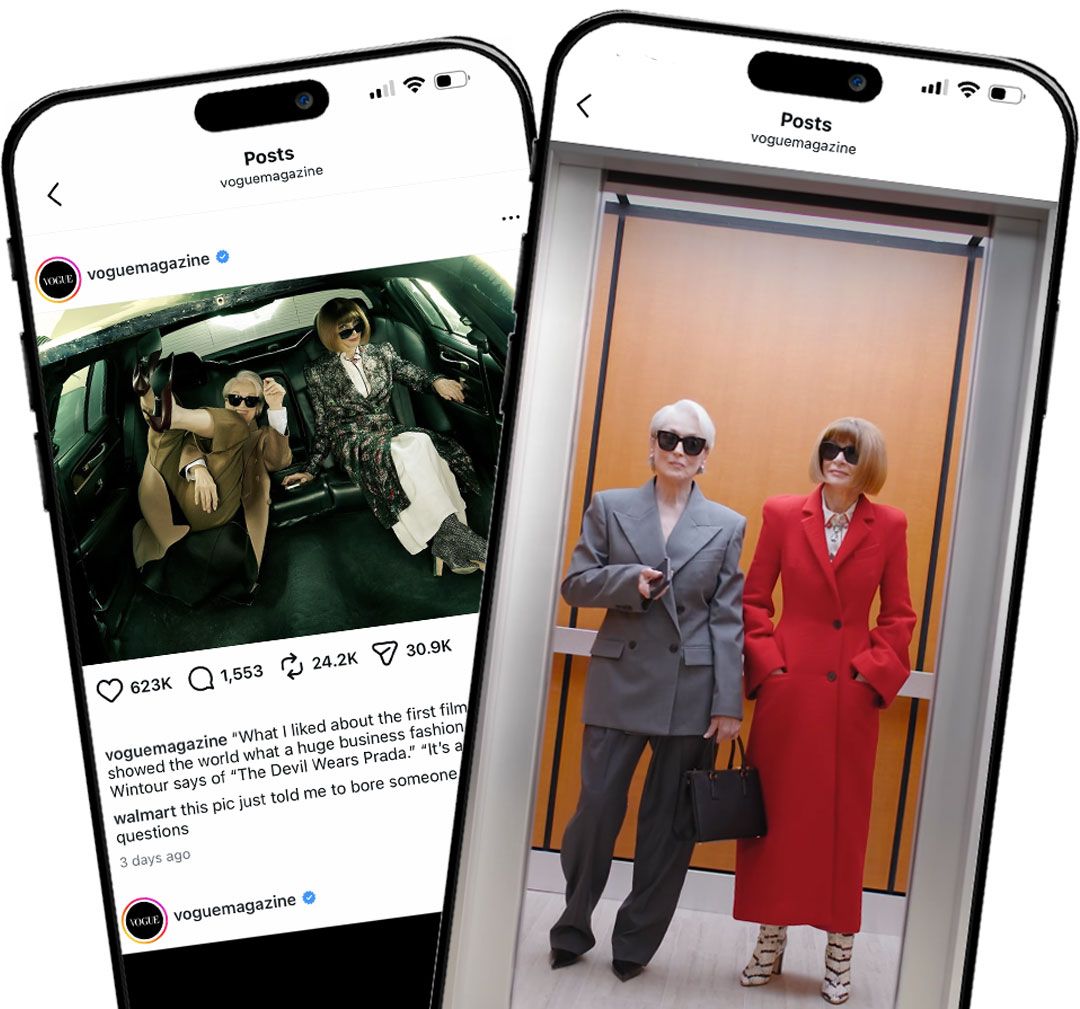
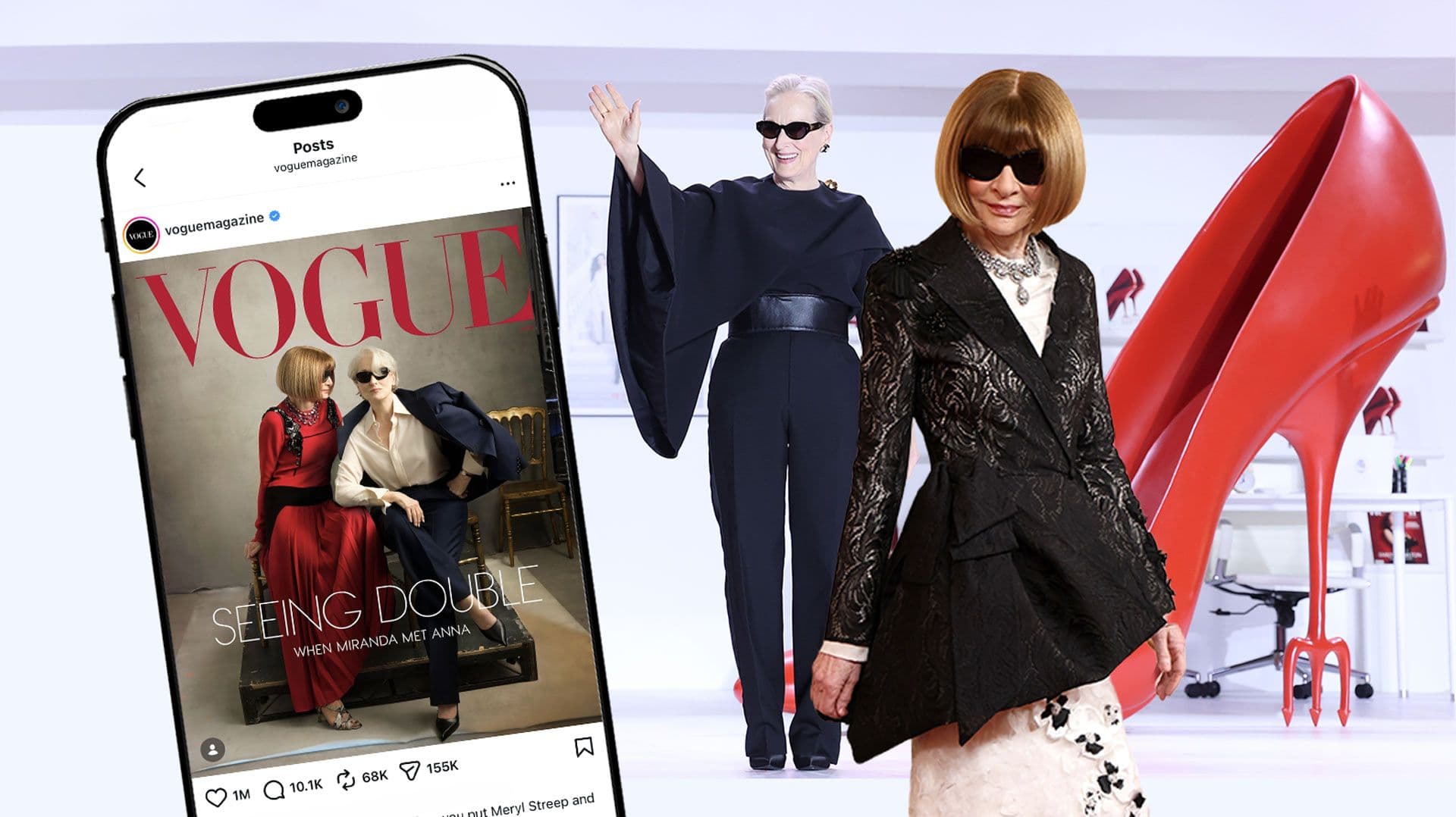
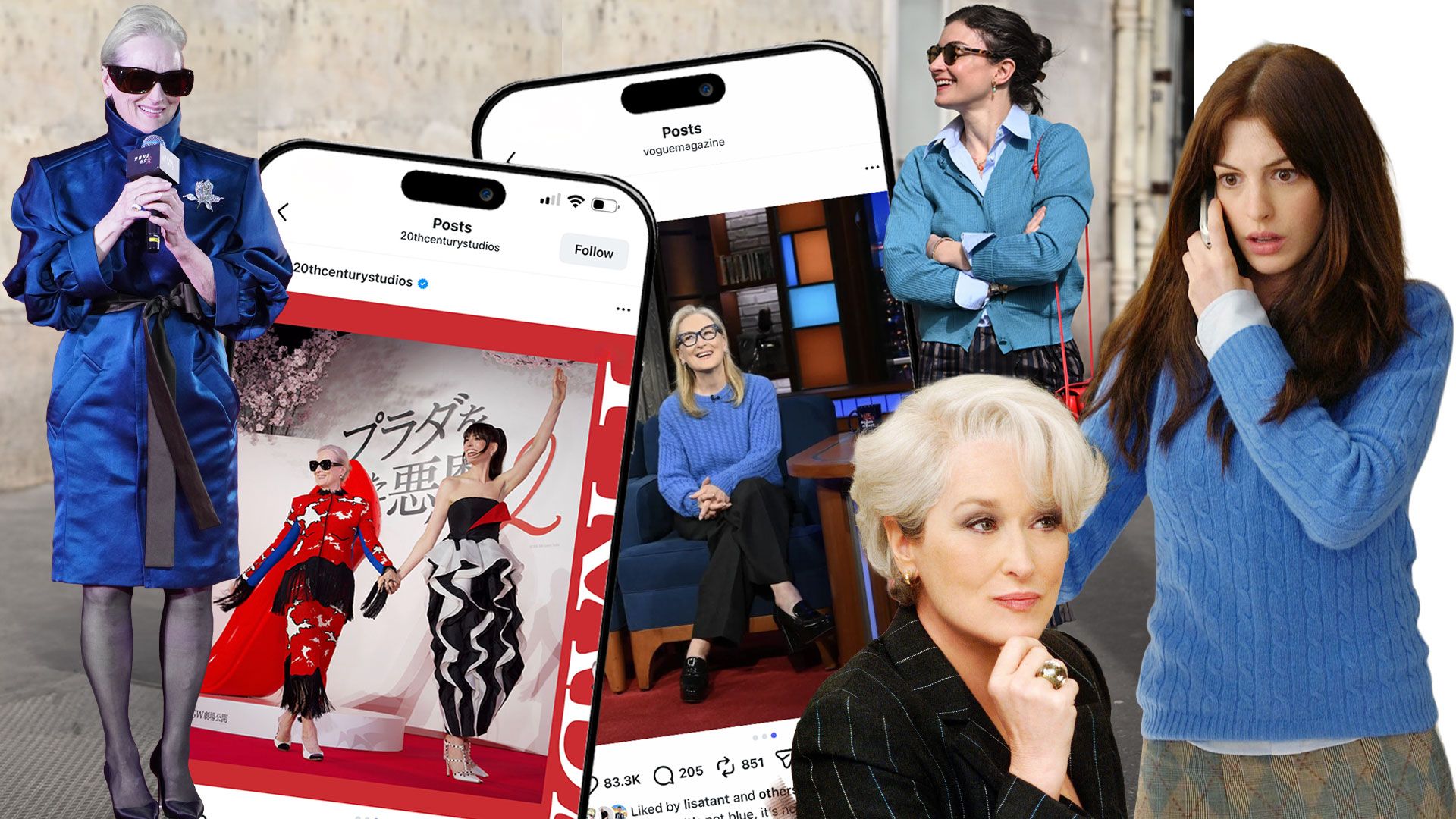
When the first The Devil Wears Prada film came out, Wintour’s initial response was one of cool indulgence: she showed up to the premiere wearing Prada. In fact, her response to the film, a runaway hit that became part of the pop culture lexicon, only added to Vogue’s power and its place in the conversation. Fast-forward 20 years: as the media has devolved into a plethora of platforms – with new players and audiences pulling attention from the glossies – Wintour is suddenly everywhere The Devil Wears Prada 2 (DWP2) is. She even assumed the Miranda Priestly character when presenting with Anne Hathaway’s ‘Andy’ at the 2026 Oscars. And now, in a very meta moment, is on the cover of Vogue with Meryl Streep as Priestly, who we know is a thinly veiled Wintour.
Wintour seems to be making the ultimate assertion that, although she has supposedly ceded her position at Vogue, she is still calling the shots – or is that shoots? In fact, since stepping down as the actual editor-in-chief, Wintour seems to have stepped up her publicity, with this cover being her latest act of assertion – not just of her dominance of the glossier side of publishing, but of the fact that magazine covers still matter and can create a lot of buzz in our digital world. I wouldn’t have wanted to do the clothing pull and the run-through for that shoot, nor for any others at Vogue, but I am certainly glad that the cover of Vogue still has power and can cut through all the noise with poise.
It was, in fact, Coddington who was the sittings editor for the current “Seeing Double” cover, photographed by Annie Leibovitz in Red Hook, “under the darkest cloak of secrecy,” reports Chloë Malle in her newsletter. Malle, who will never have the title of editor-in-chief of American Vogue, (reportedly Wintour saw to it she would be the last of the title holders). In a sign of these digital times her moniker is Head of Editorial Content for Vogue US, and she is naturally still reporting to Wintour, as is everyone at Condé Nast nowadays. Malle, however, gets in a few nice, slightly spiky, details about the shoot, letting slip that Wintour “shushed” Streep’s youngest daughter, Louisa Jacobson, when she spilled about it at the Calvin Klein show, and that Vogue’s Global fashion director, Virginia Smith, “travelled with the clothes to set, loading and unloading the trunks herself.” Unheard of in prior eras, when Smith’s assistant would have had an assistant who would have done the schlepping. Another interesting observation: Wintour, Streep and Leibovitz are all 76 years old. This is both positive and negative – I don’t think even they could have dreamed that they would be shooting, let alone gracing, Vogue covers at that age – but I’m also not convinced they should be either in the service of Hollywood promotions – or at this point in their lives. It might be time for the Queen of Fashion to abdicate.
I discussed this Devil Wears Prada 2 phenomenon with Zoomer’s style writer, Leanne Delap, (well actually, she emailed me a typed tizzy about the Old Navy x DWP2 blue cable-knit sweater collaboration) who said, “It feels like beating something into the ground, especially after the Streep/Wintour cover.” Who could forget Priestly’s blistering monologue in the film about the blue sweater actually being cerulean? As groundbreaking as florals in spring – if you know, you know. “Do real women really want to celebrate the world of Vogue any longer?” wonders Delap. “Anna the arbiter has become a visible moving part of her own grist mill.”
Could it be that Wintour is now playing a caricature of Wintour with her cronies propping her up, and with Malle desperately bumping up against the stiletto ceiling? Or is it Wintour who has not only outlasted but outsmarted us all?