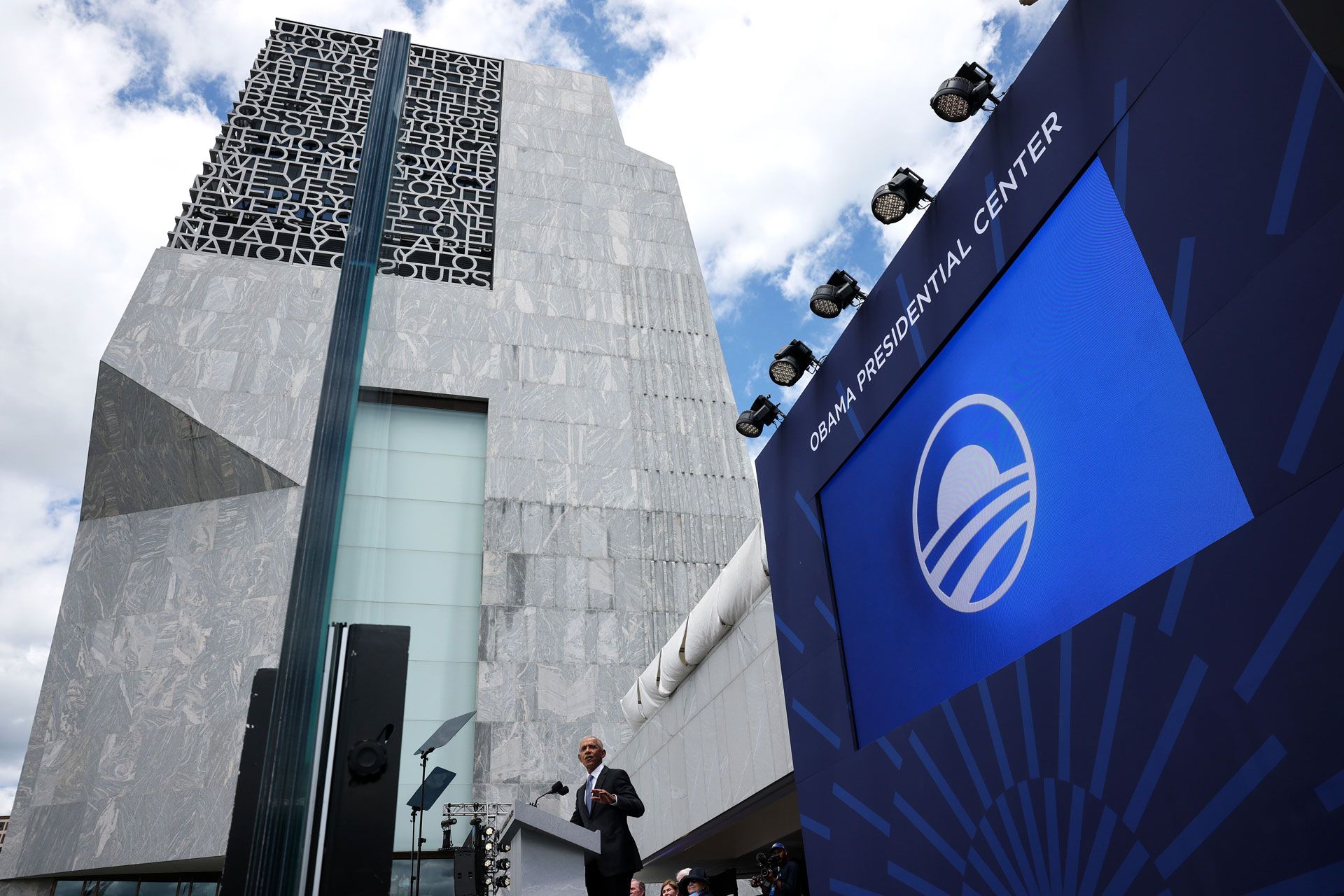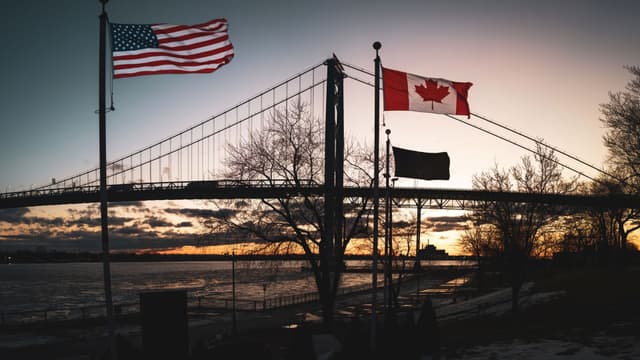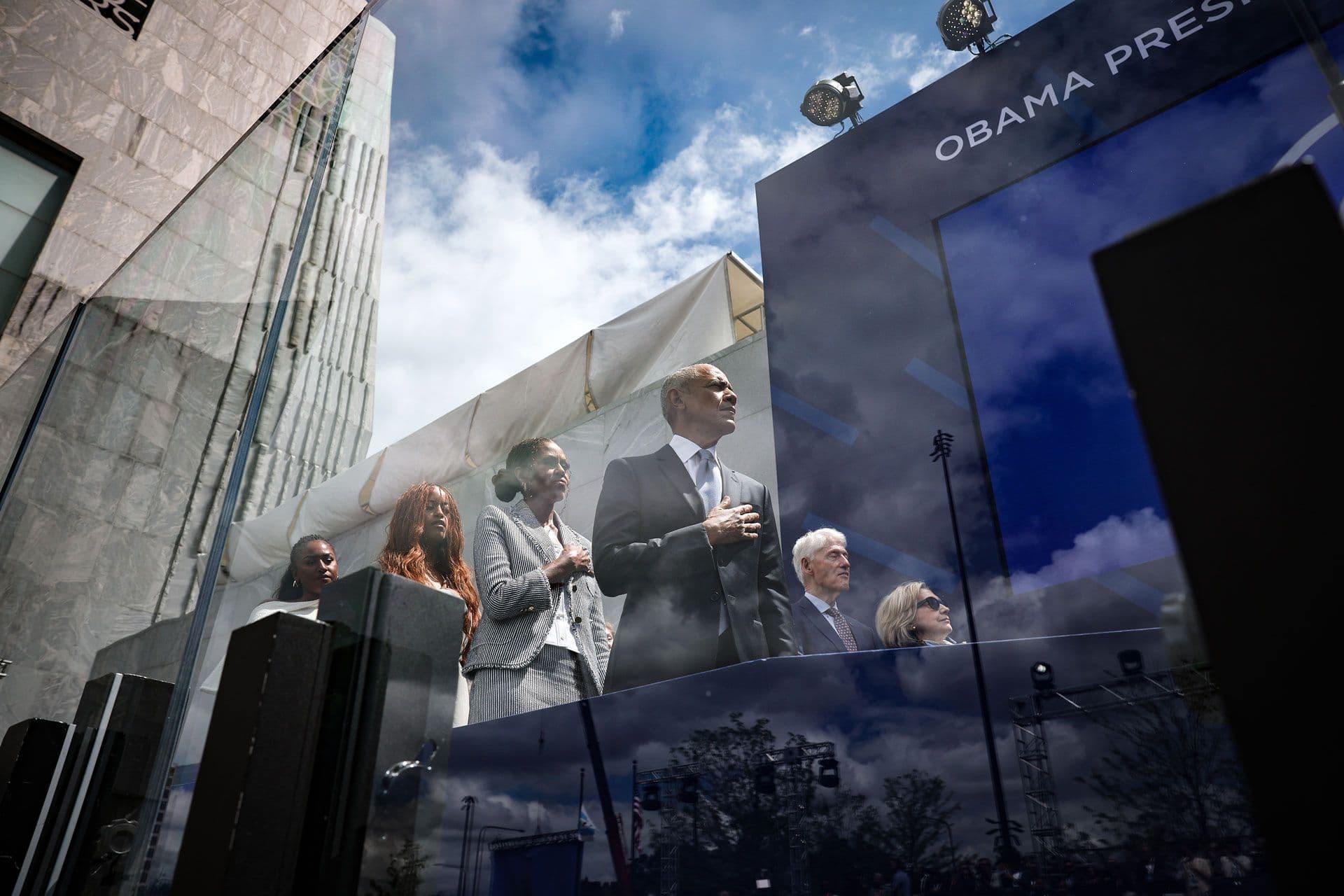
After a week of festivities culminating in an opening ceremony attended by foreign dignitaries, such as former Canadian Prime Minister Justin Trudeau, every pivotal cultural leader of the past half century from Hollywood and beyond, and every living former president and first lady, the Obama Presidential Center is, as of today – Juneteenth – open to the public. Of course, it had to be on Juneteenth – a portmanteau of June 19th – the day in 1865 when Union troops finally arrived in Galveston, Texas, with news of The Emancipation Proclamation, a full two and a half years after President Lincoln had decreed it, freeing the last of the enslaved. These ancestors could not have foreseen that there would be a National Museum of African American History and Culture that would dub Juneteenth the country’s second independence day. Or imagine the influence of a Fredrick Douglass, the activism of the Reverend Doctor Martin Luther King Jr. and that a Black man, Barack Obama, lifted up by an unprecedented rainbow coalition of voters, would be elected and re-elected to the highest office in the land.
The symbolism and significance of Obama’s role as the first African-American President of The United States, serving as the 44th from 2009 to 2017, is threaded through the design and location of the centre – a collection of buildings dotted across 19.3 acres on the South Side of Chicago. The location is rooted in Obama’s origin story. After a peripatetic life, which saw the Hawaiian-born Obama live in Honolulu, Indonesia, Northern California and New York, he moved to Chicago in his 20s to work as a community organizer on the South Side. He eventually met and married Michelle LaVaughn Robinson who was as a descendant of slaves, unlike her husband who was born to a Kenyan father and white American mother. The future Mrs. Obama’s family arrived on the South Side of Chicago through the Great Migration from the Southern states, and she was born and raised there. The couple bought their first home, which they still own, in that neighbourhood. Reflecting this, the Obama centre is conceived less like a traditional presidential library of hushed historic exhibitions. It certainly has those, including a replica of the Oval Office during his terms and a collection of Mrs. Obama’s occasion dressing outfits, but it’s also a living, breathing art-filled community centre with educational and social activations – from a branch of the Chicago Public Library to a vegetable garden that reflects the couple’s and their administrations’ values, interests and ideas for creating a future that will keep bending towards justice, so to speak.
This moment in the Obama legacy comes at an inflection point that puts into sharp relief a manifestation of two Americas. Just as the opening festivities began to ramp up, President Donald Trump, who was responsible for spreading the Birther Conspiracy theory when Obama was in office – and continues to racially attack and disparage the Obamas on his own social media platform and at the recent G7 conference – held an Ultimate Fighting Championship on the White House Lawn. In his and First Lady Melania Trump’s presence, one of the fighters insulted Michelle Obama with a racist, transphobic smear culled from the bowels of the internet and brought a smile to Trump’s face. Despite Michelle Obama having served eight years in that residence and famously saying, “I wake up in a house built by slaves,” neither the White House nor the Trumps condemned the remarks or apologized for them. But, as Michelle Obama even more famously said, “When they go low, we go high.”
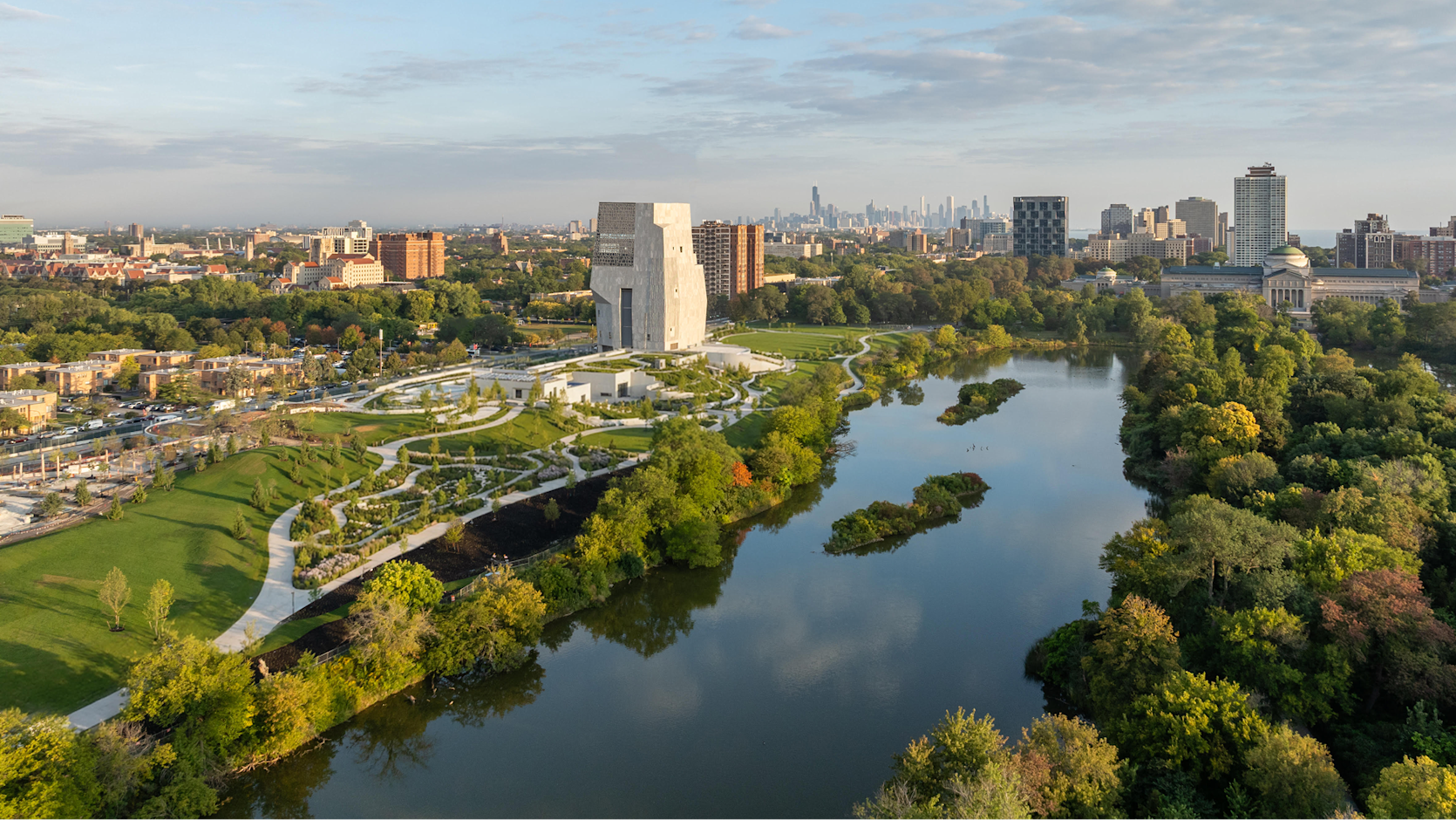
The Obama Presidential Center’s focal point is a striking modernist tower, dubbed the Obamalisk, which is crowned with an etching of words from the “2015 Selma” speech Obama gave to mark the 50th anniversary of the Selma to Montgomery Marches, which resulted in Bloody Sunday and kicked the Civil Rights Movement into high gear. They say, “You are America. Unconstrained by habit and convention. Unencumbered by what it is, ready to seize what ought to be. For everywhere in this country, there are first steps to be taken, there is new ground to cover, there are more bridges to be crossed. America is not the project of any one person, the single most powerful word in our democracy is the word ‘We.’ ‘We The People.’ ‘We Shall Overcome.’ ‘Yes We Can.’ That word is owned by no one. It belongs to everyone. Oh, what a glorious task we are given to continually try to improve this great nation of ours.”