I was the only Canadian reporter inside Westminster Abbey at the wedding of Prince William and Catherine Middleton in 2011, and I was definitely the only reporter to be chastised by a guard carrying an enormous ceremonial pike: “There’s no tweeting in the Abbey!” he growled. I sheepishly put my phone away, since I enjoyed having my head attached to my body.
I looked around at the rows of visiting dignitaries (and the Beckhams) and watched as a hungover-looking Prince Harry steadied his brother’s nerves with a glance and a word. A ghost haunted the ancient church – the ghost of their mother. Fourteen years earlier, her casket lay in the Abbey, draped with white flowers and carrying a card that broke the world’s heart with one handwritten word: “Mummy”.
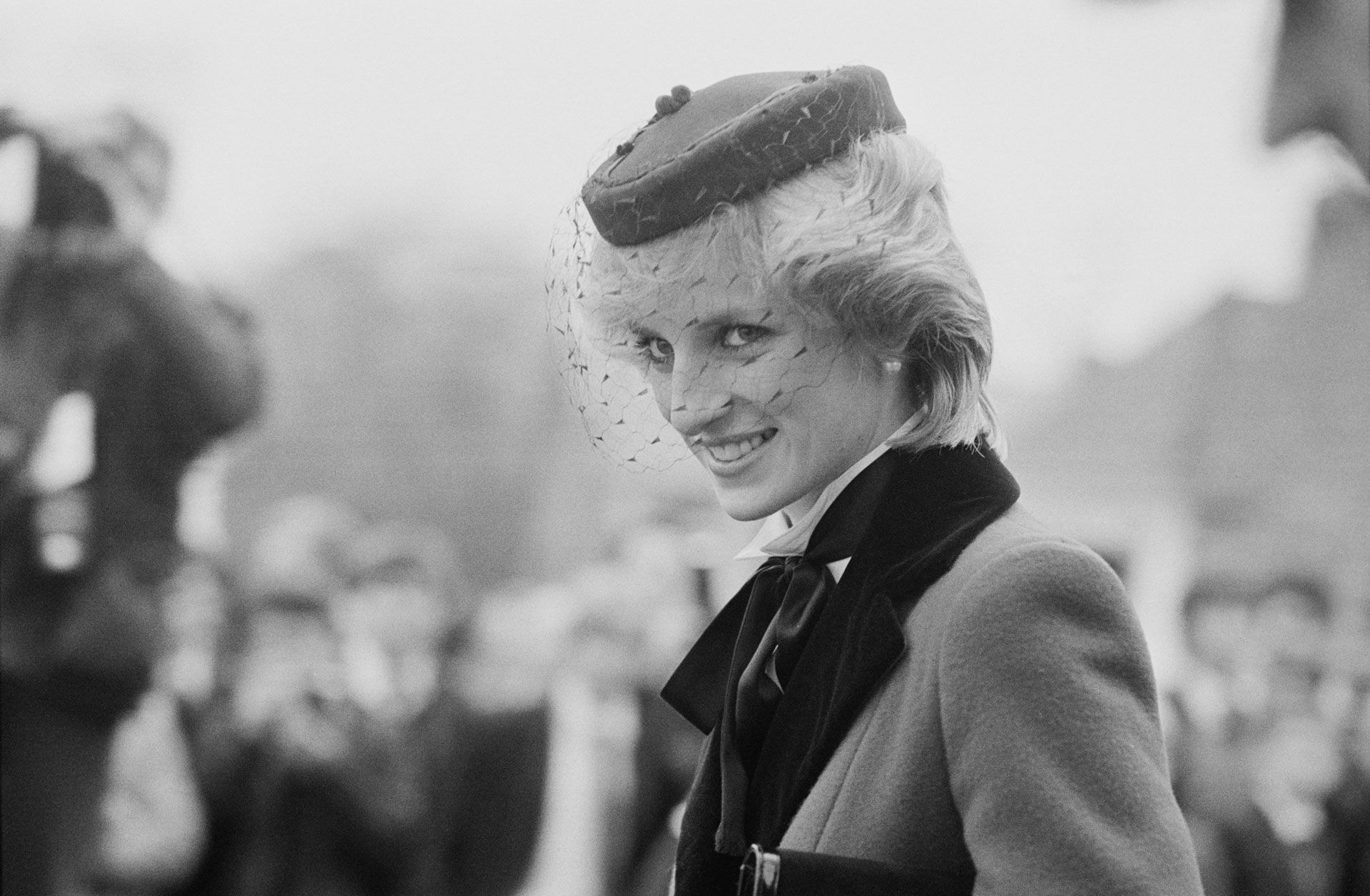
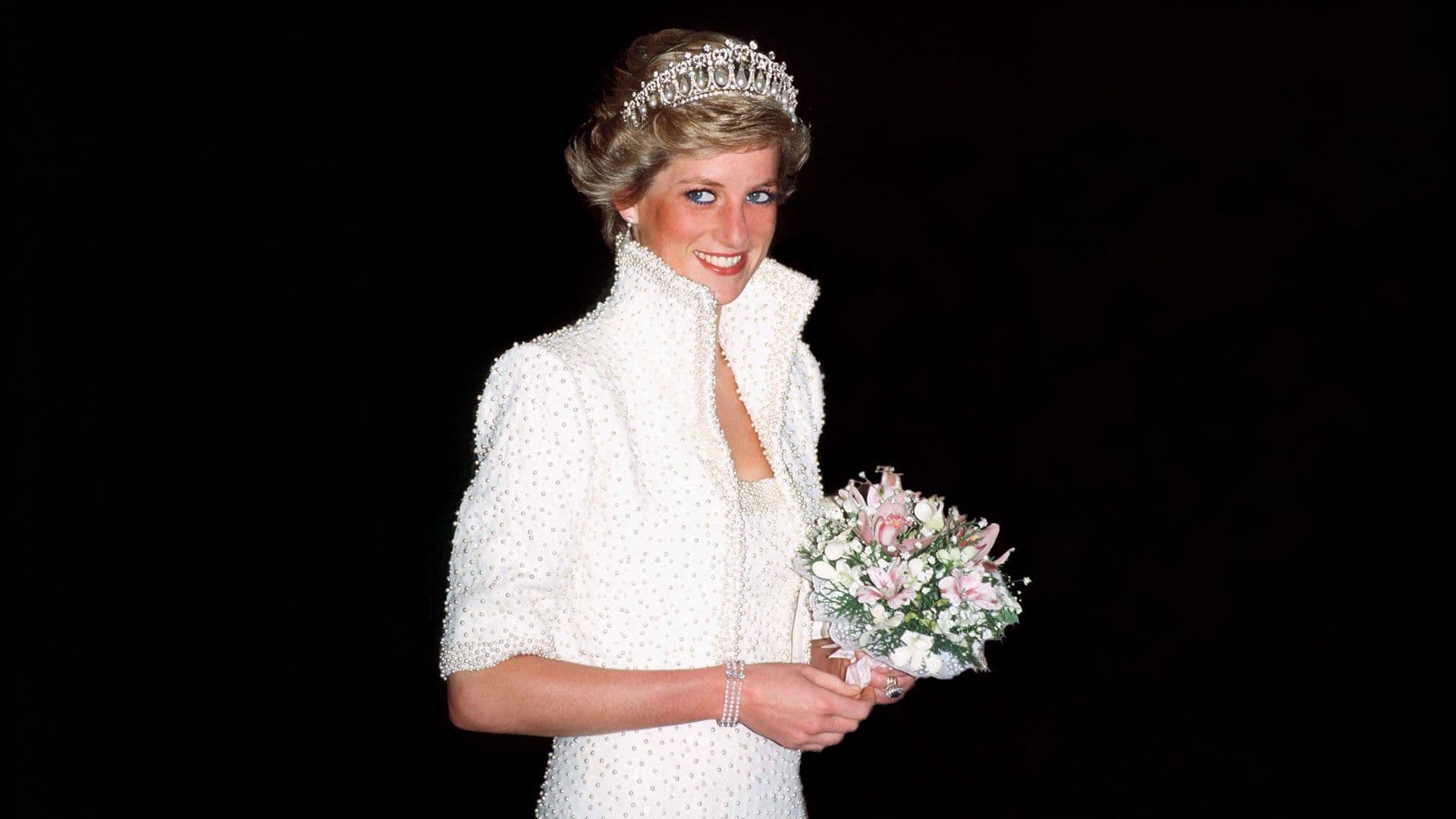
If she had survived the crash caused by the paparazzi and her drunk driver in the Pont de l’Alma tunnel in 1997, Princess Diana would have turned 65 on July 1. Old enough to qualify for seniors’ discounts in London – at Specsavers, in Boots, on the Tube. If only she had outlived her final ill-advised misadventure with playboy Dodi al-Fayed, a brief detour she’d taken from a renewed life of purpose. If only she had lived long enough to know better.
But she died that summer, and for a brief period the world convulsed in an odd spasm of grief. I was convulsed in an odd spasm of grief, as embarrassing as that is to admit. I was always fascinated by Diana, part of my larger fixation on glamorous, slightly unhinged women with big hearts, good taste in jewelry and terrible taste in men (see also: Elizabeth Taylor). I’ve never liked the idea of monarchy, a distaste I would learn to hide when I worked as a reporter in London for eight years. But there was something different about Diana when she was introduced to the world as a skittish teenager. She had a vulnerability at odds with the family, calcified by time and tradition, that she would marry into.
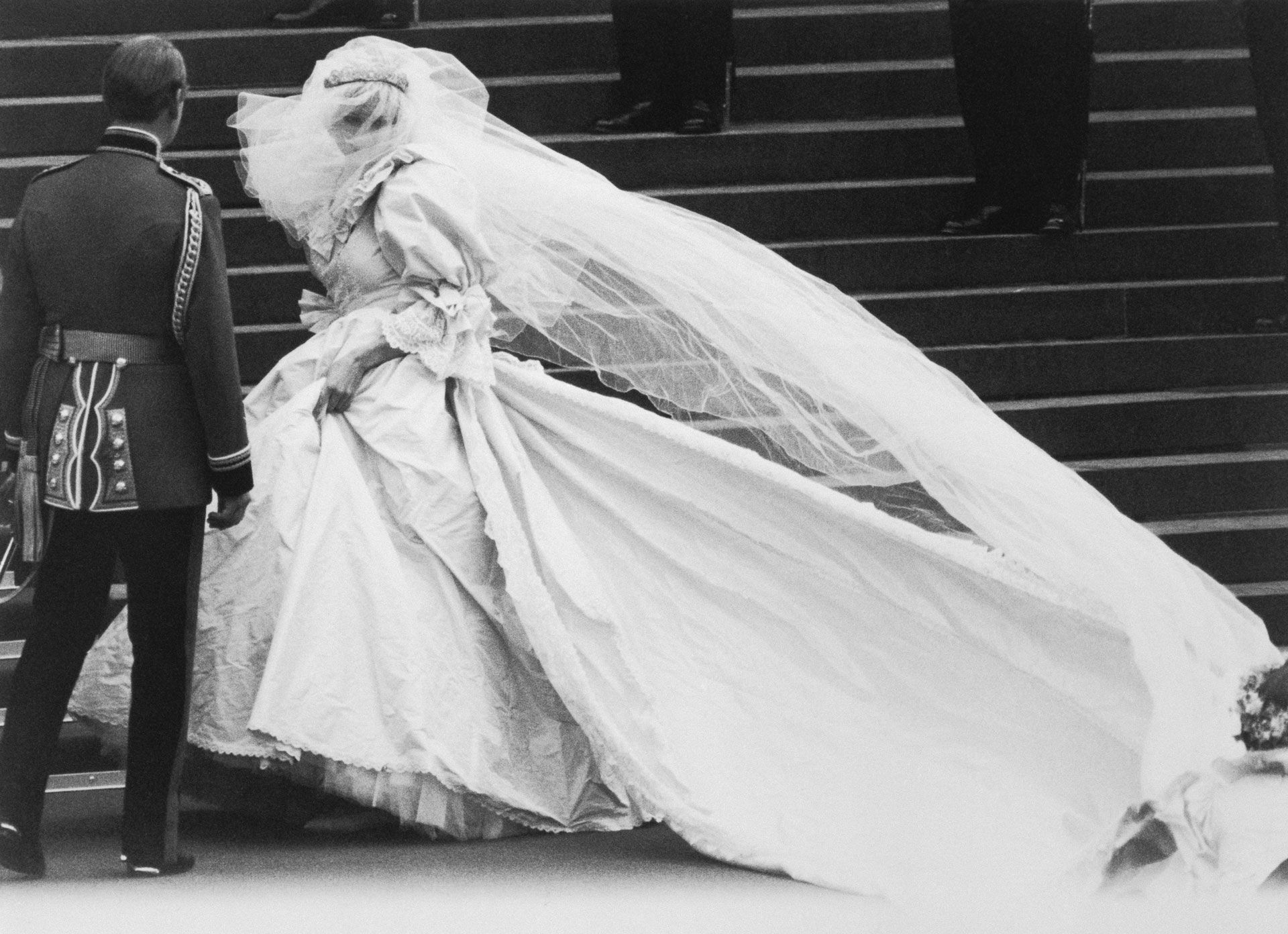
My grandmother and I woke before dawn in her house in rural Nova Scotia on that July morning in 1981 to watch Diana spill out of the royal carriage, her train wrinkled and bangs awry. At that point, it seemed like a fairytale, but we know now that she was having doubts. The marriage hadn’t even started and there were already three people in it. When she mangled Charles’s name at the altar, was it anxiety or a ghostly whisper from her 18th-century ancestor, the maverick Duchess of Devonshire, telling her to run?
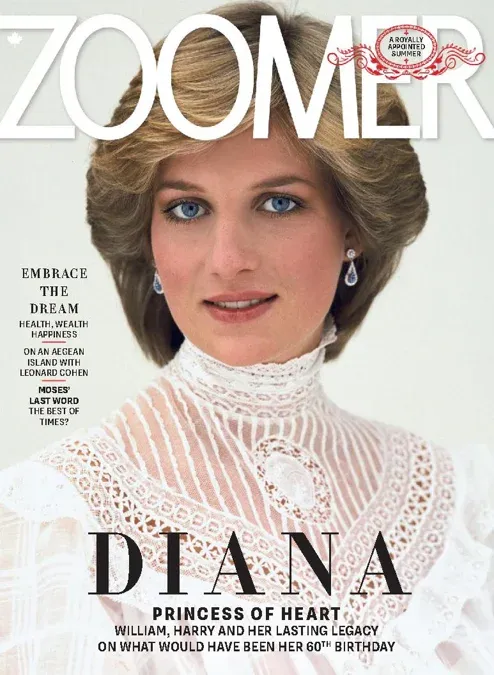
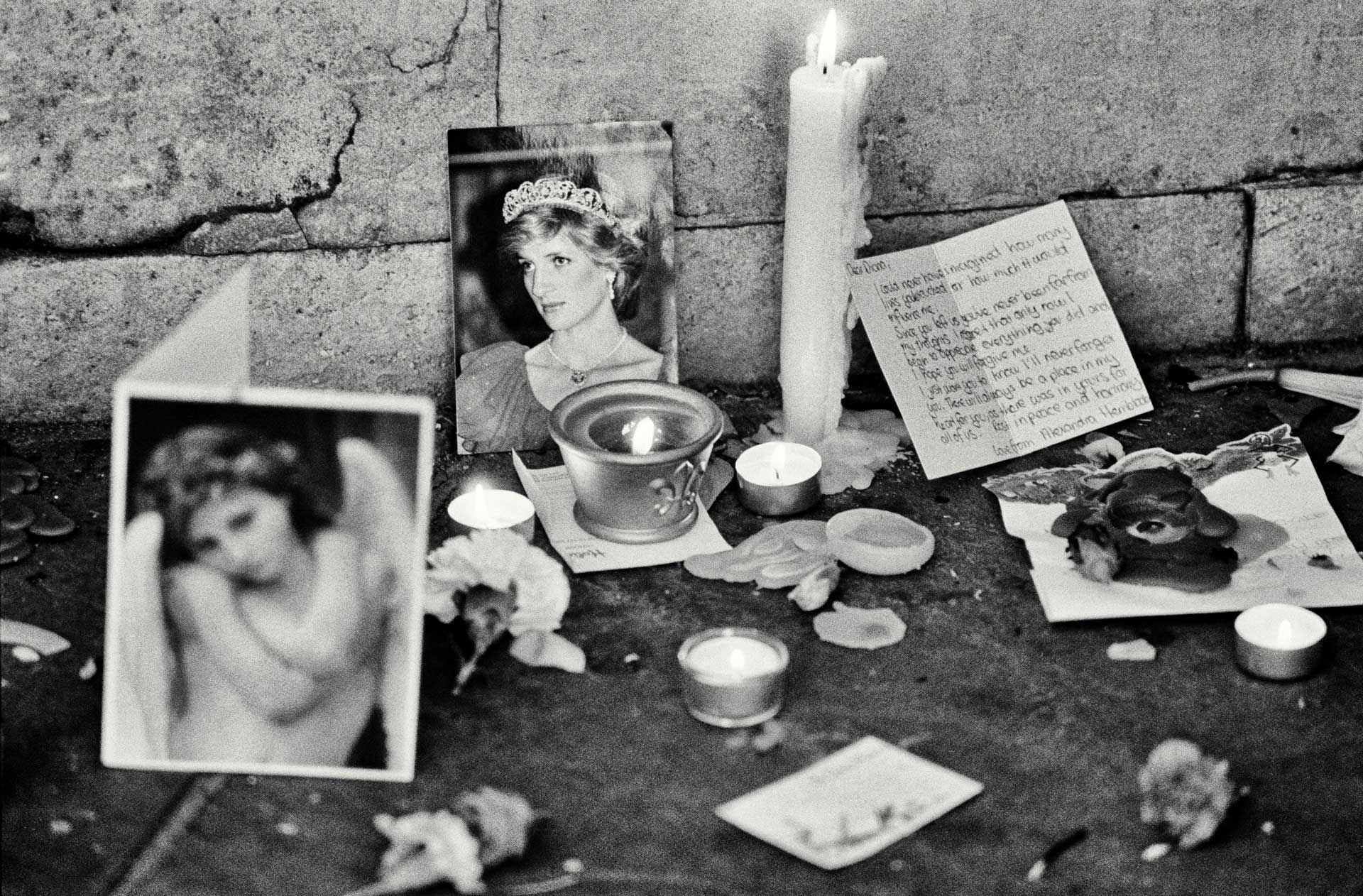
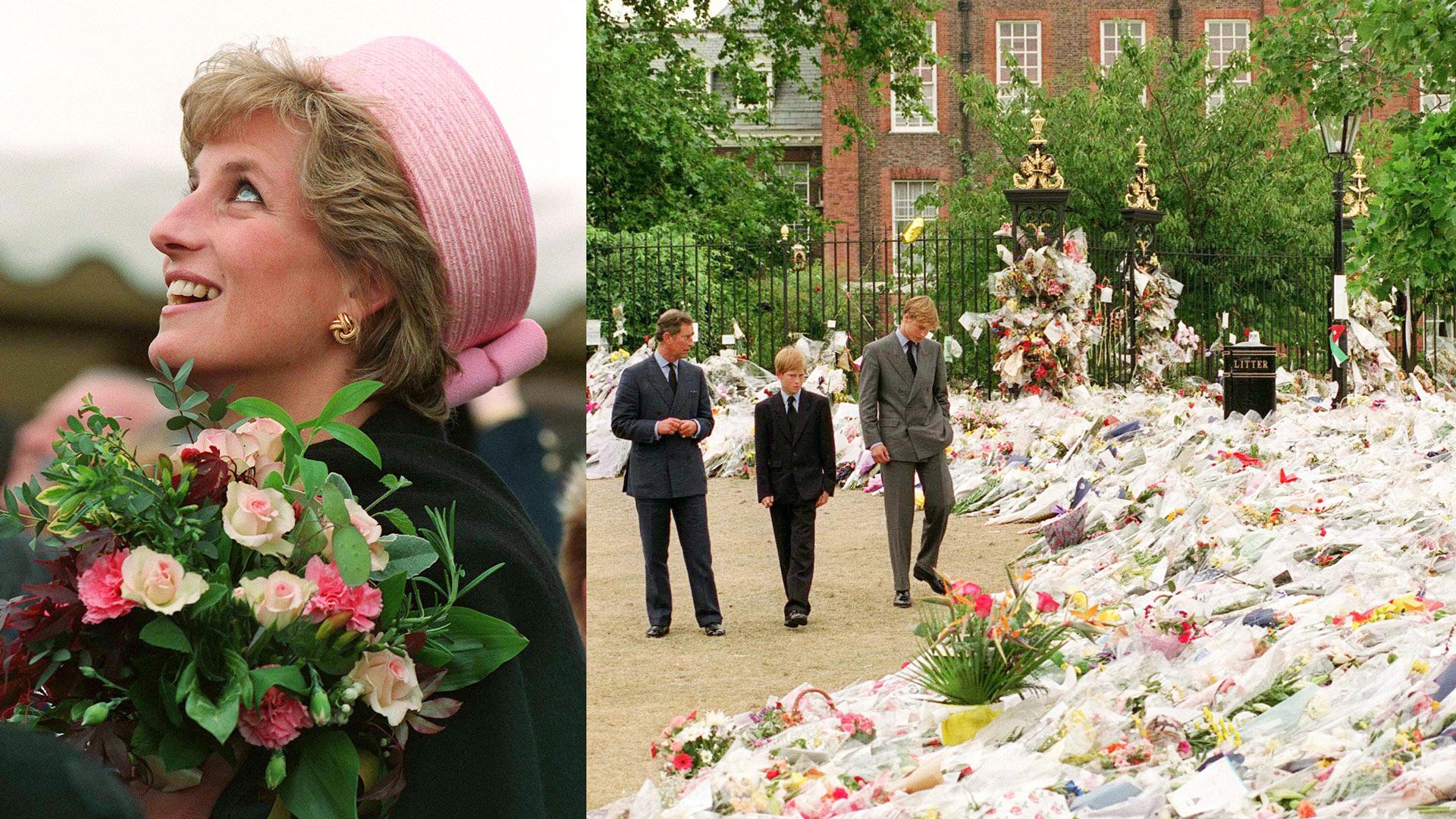
I woke again in the pre-dawn hours 16 years later to watch Diana’s funeral. I mixed a pitcher of screwdrivers and sat with two friends as the spectacle unfolded: the numb sons forced to parade through their grief like good little soldiers, the furious brother’s eulogy, Elton John warbling about a candle snuffed before its time.
I was working in Toronto at The Globe and Mail, which went into overtime at the news of Diana’s death. A wave of disbelieving, near-hysterical laughter rolled through the newsroom when we heard that Mother Teresa had also died. Surely both of them couldn’t be gone at the same moment? I’d written so many stories about Diana during my early career, and I had an uneasy sense that maybe, in some small way, I was also to blame. As I whispered to a colleague, “I think we’ve all got ink on our hands.”
Years later, I moved to London with my family and walked the same streets where she had once lived – first as the ultimate Sloane Ranger and later as a modern-day Florence Nightingale in Ferragamo pumps, bringing comfort to the sick and discarded.
On the 10th anniversary of Diana’s death, I wrote about her complex legacy. On one hand, people seemed embarrassed by their earlier emotional abandon. One woman I spoke to lamented the fact that there were no flowers at her wedding, held on the day of Diana’s funeral, because the florists were all occupied elsewhere. I interviewed Peter Morgan, screenwriter of The Crown and The Queen, who put it quite succinctly: “The British people acted like lunatics that week.”
At the same time, the cultural sausage factory could not stop turning her life into content: That year alone saw a deluge of documentaries and books, titles that ranged from Diana: The People’s Princess to Diana: The Troubled Princess. To this day, her image continues to be a beacon for serious actresses, from Kristen Stewart to Naomi Watts to Emma Corrin, who have all tried to capture her light. There was even Netflix’s dreadful Diana: the Musical, which has hopefully tap-danced onto the ash heap of history. In the words of the late Hilary Mantel, the greatest modern literary chronicler of royalty: “She no longer exists as herself, only as what we made of her. … As a phenomenon, she was bigger than all of us: self-renewing as the seasons, always desired and never possessed.”
In the material reality of London, Diana’s memory was much dimmer. The streets where she walked at night, disguised so that she could visit homeless shelters, really don’t memorialize her at all. There’s a fountain in Hyde Park, which was snidely nicknamed “the ditch” when it opened, that draws tourists who dabble their feet. The Princess Diana Playground is a more joyful monument to her memory. I would take my kids to play there and watch them clamber up the giant wooden pirate ship and think about that last fateful summer of her life, when she was frozen in the world’s eye, a lonely golden girl marooned on a stranger’s yacht.
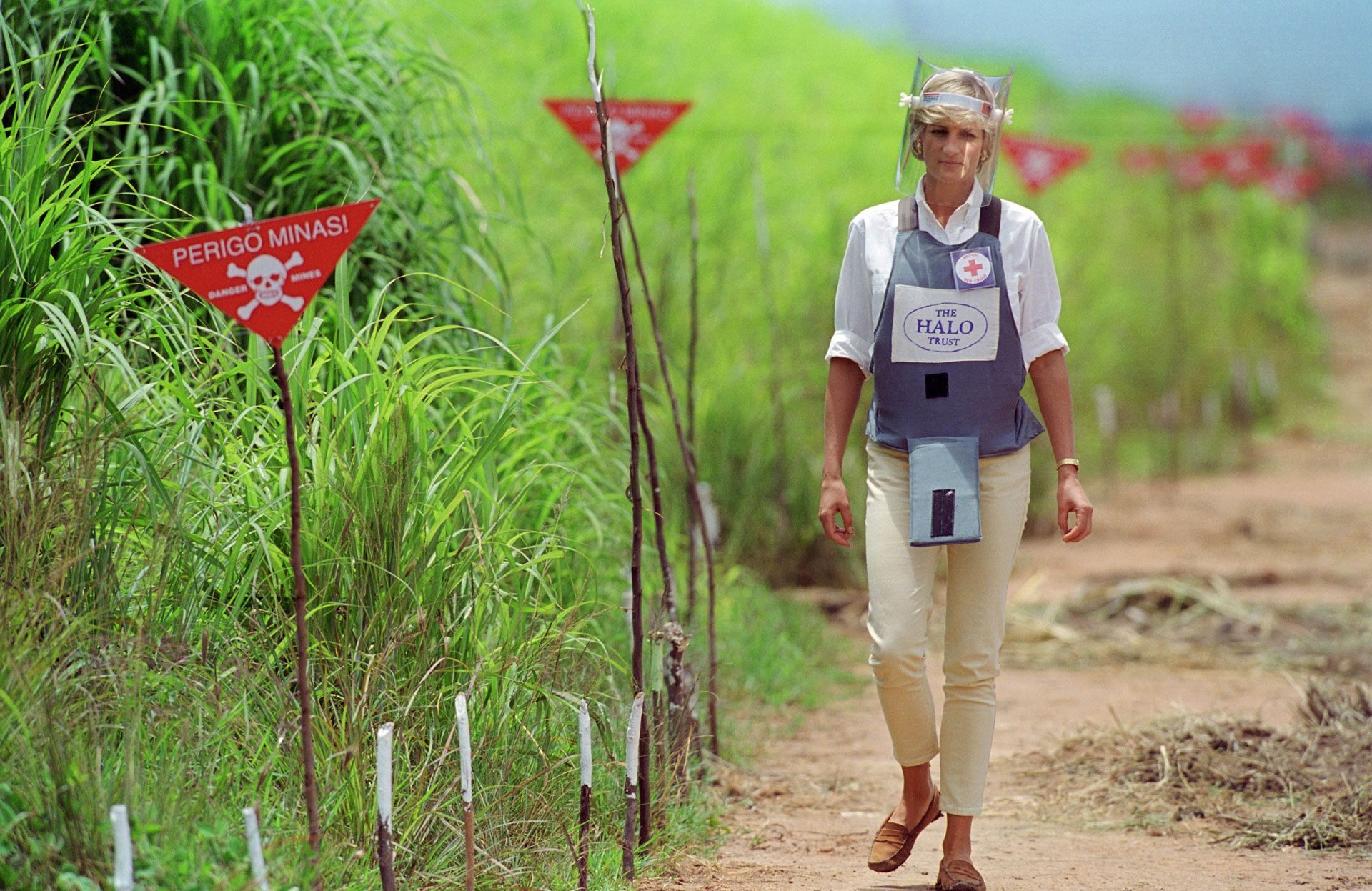
That summer was meant to mark a new direction for a wandering princess. She had shocked the world when she walked through a field recently cleared of landmines in Angola, and sat listening to those who had lost limbs. This was to be her future – a humanitarian, the living embodiment of empathy. If it made her ex-husband look terrible by comparison, well, that was just a side benefit.
Now, the world is losing its commitment to ending the catastrophe of landmines. In fact, in just a few decades, the world seems to have lost much of the compassion that was her trademark. It’s a colder place, with technology in the ascendant and humans in silos. That same technology has ensured that no one will ever be as singularly famous as Diana was. Our cultural kaleidoscope is fractured into too many glittering fragments for any one person to hold the world’s gaze. Her sons try to carry on her legacy; Prince Harry works with disabled veterans and is deeply tied to Africa, even walking the same landmine field his mother crossed. Prince William is committed to mental health charities. But I can’t help thinking that the rupture between the brothers would have broken her heart. Perhaps if she’d lived she would have managed to act as mediator between their warring houses. She’d lived through enough familial chaos to know that, in a battle between pride and peace, peace was always the better path.
What would Diana’s life have looked like at 65? I want to imagine her thriving, in her own complicated way. She would be campaigning for peace and compassion, while continuing to shop at Harvey Nichols. She would be taking her grandchildren on the roller coasters at Alton Towers theme park, like she did with her own sons. She might have married someone hot and unexpected, like David Tennant or Idris Elba. Or perhaps she would stay single, gloriously liberated from the world’s expectations – an eccentric granny, finally free to follow her bliss. Where there was once an imperfect person, we can imagine a perfect future.