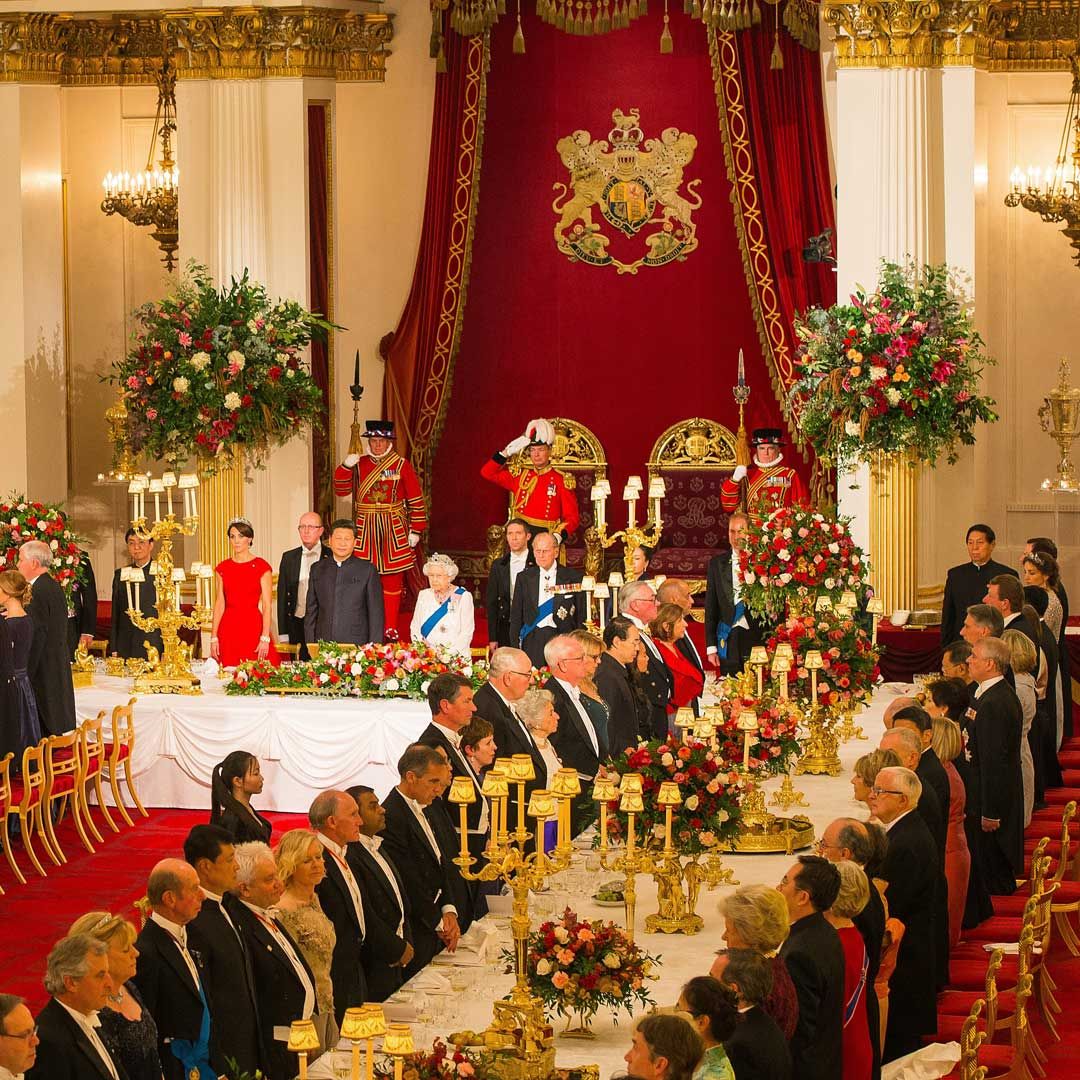
Tom Parker Bowles is an award-winning food writer and critic with more than two decades of experience – an achievement dwarfed only, perhaps, by his connection to the throne: his mother is Queen Camilla and stepfather (and godfather) is King Charles. And it’s that relationship that influenced the topic for Cooking & the Crown: Royal Recipes from Queen Victoria to King Charles III (Ten Speed Press).
Parker Bowles spent months combing through royal archives and reading letters, diaries and cookbooks by royals, their chefs and those who’ve eaten at palace tables laden with priceless silver, porcelain and food. And make no mistake: while he enjoys an insider’s vantage point of the monarchy, Tom Parker Bowles is the soul of discretion and his focus in this book is strictly on the intersection of food and royalty.
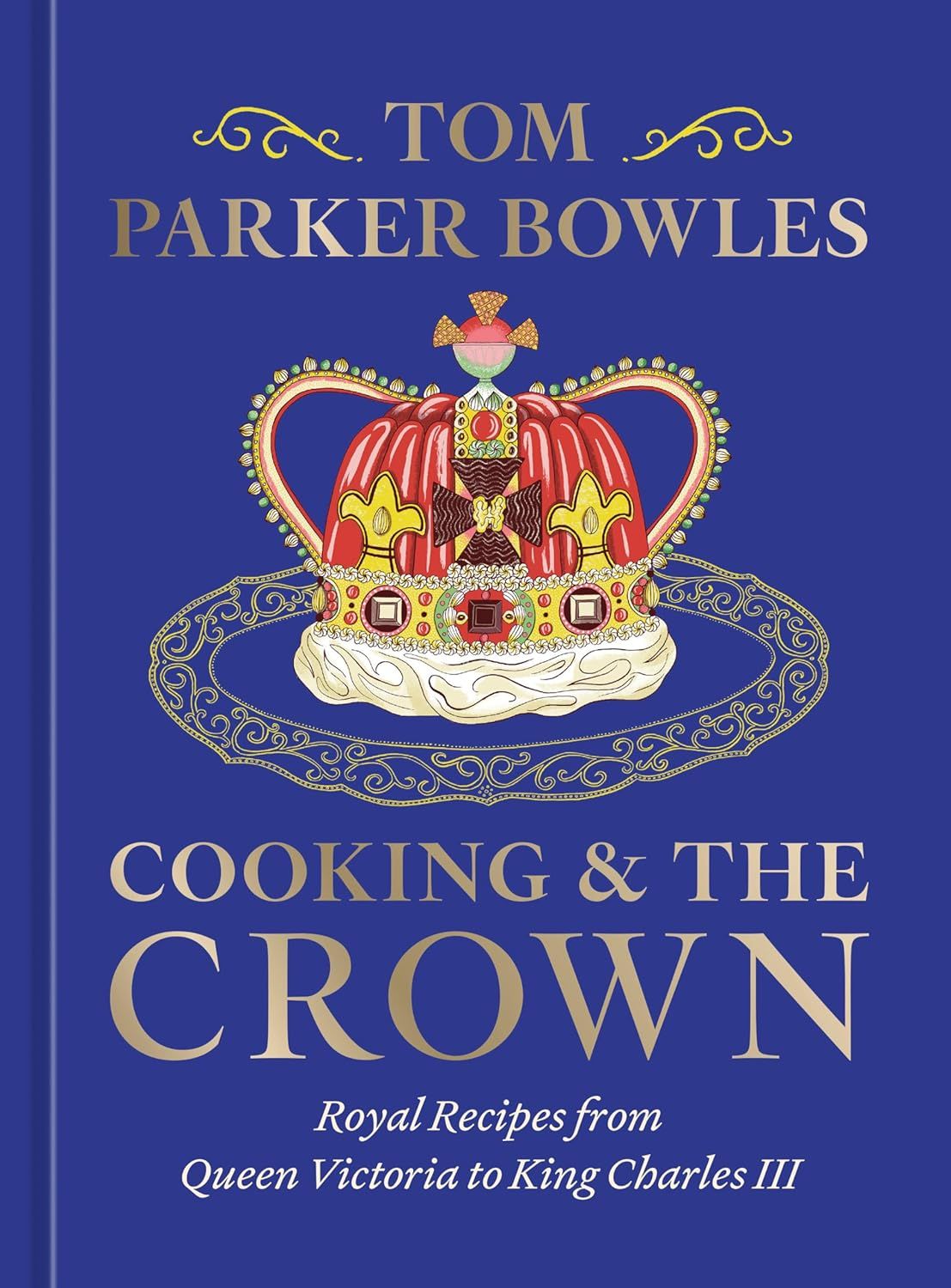
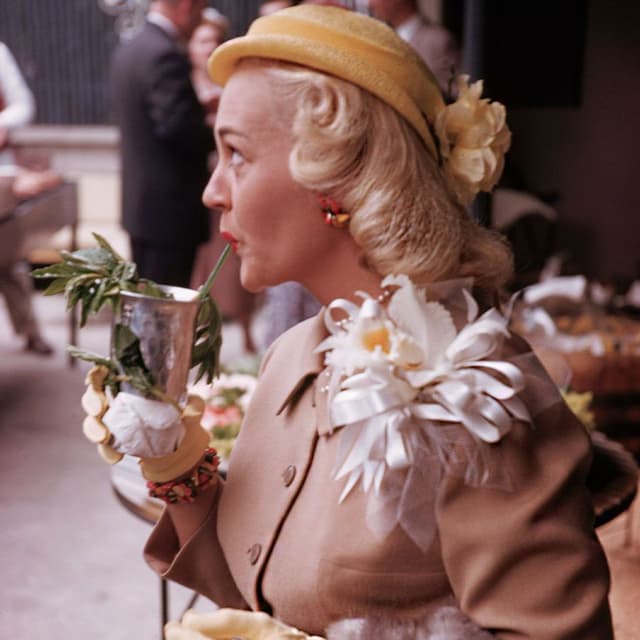
The result is what Parker Bowles calls “a taste of royal life,” an absorbing look at how menus have evolved from the lavish multi-course dinners of Queen Victoria to the streamlined eating habits of the current monarch, who only recently restarted eating lunches under the direction of his doctors while undergoing cancer treatment. Parker Bowles’ text is accompanied by dozens of recipes ranging from dessert confections served at state banquets to historic meals, such as the hot dogs served to King George VI and his wife Queen Elizabeth by U.S. President Franklin Roosevelt in 1939. There’s even the famous gin & Dubonnet recipe, concocted daily for Queen Elizabeth the Queen Mother and her daughter, Elizabeth II.
“You may be surprised by the simplicity of many of the recipes,” explains Parker Bowles in his book. Indeed, his first breakfast option is the porridge that his mother, Queen Camilla, eats every day in winter along with a teaspoon of honey from royal beehives. “Food is the great leveler. I want to strip away the pomp and circumstance and get right to the meat of the matter – a collection of wonderful recipes that you really want to cook from over two centuries of regal eating.”
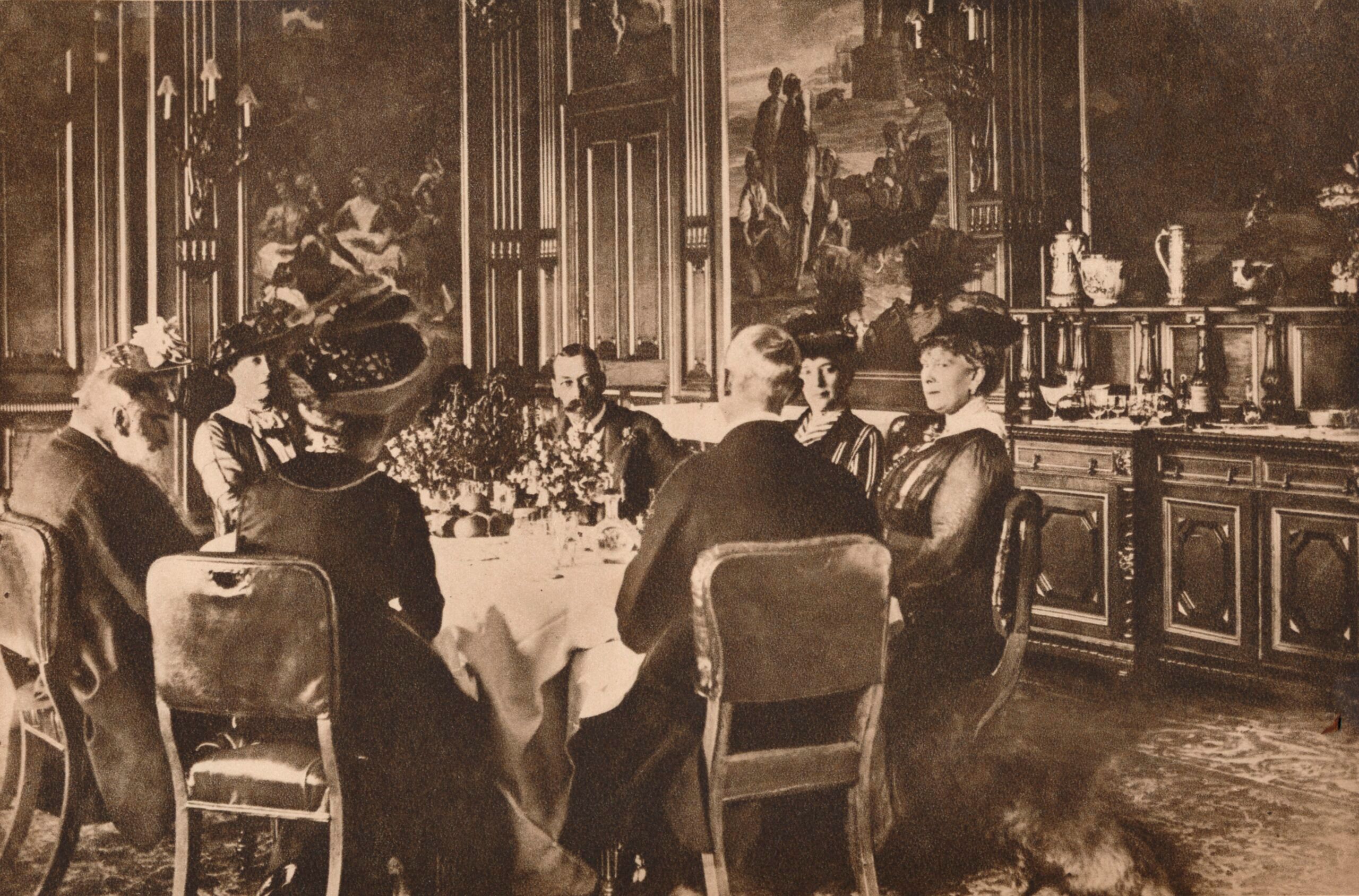
During the reign of Queen Victoria, the first meal of the day meant cooking at least five dishes. When Gabriel Tschumi started working in the kitchen of Buckingham Palace in 1898, he described spits full of meat, chicken, and fish, which would be heaped onto platters along with bacon and egg dishes. After breakfast, the royals would sit down to 10-course meals for lunch and dinner as well as tables laden with treats for afternoon tea.
That luxury wouldn’t outlast Victoria. Her son, Edward VII, who had what the author calls “a truly heroic appetite,” preferred just coffee and toast in the morning while her great-great granddaughter, Queen Elizabeth II, liked eggs, cereal, and toast. The birthday cake created by Tschumi that Queen Mary thought a “great success” has only four ingredients (butter, flour, eggs, sugar).
Over time, many royal recipes were consigned to history due to their labour-intensive preparation, such as a royal “turducken,” a huge pie in which “woodcock went into pheasant, pheasant into chicken, and chicken into turkey. All the birds were boned and surrounded with stuffing, before being entombed in a rich pastry and baked,” writes Parker Bowles.
Wartime rationing also revolutionized palace menus. During the First World War, George V and Queen Mary were served meat only three times a week. Though the royals supplemented their rations with food grown on their estates, the restrictive menus lingered. The 1947 wedding breakfast for the future Queen Elizabeth II and Prince Philip, which was served after their nuptials, was so short that it lasted a mere 20 minutes. It ended with bombe glacée, a mound of three types of ice cream (vanilla, chocolate, raspberry) topped by a coating made of biscuits and the British equivalent of Crunchie bars.
Many recipes in Cooking & the Crown will appeal to North American tastes, including Queen Camilla’s chicken soup – her son presents the simple recipe with both winter and summer vegetable variations as well as options to add “a lusty dash” of Tabasco sauce and a grating of parmesan. Others may be a bit too British, such as smoked eel mousse – a speciality at Bellamy’s, one of the few restaurants where Elizabeth II dined.
“Royal menus, whether private or public, have always been in thrall to the seasons,” writes Parker Bowles. That food calendar is reinforced thanks to the royals owning large agricultural estates and greenhouses, though the options have been dramatically scaled back from Queen Victoria’s day, when 250 different varieties of pears were bred in hothouses. In her own cookbook, The Royal Touch, Carolyn Robb, a former personal chef to Charles, recounted how she needed her boss to catch a salmon in order to serve that dish for dinner.
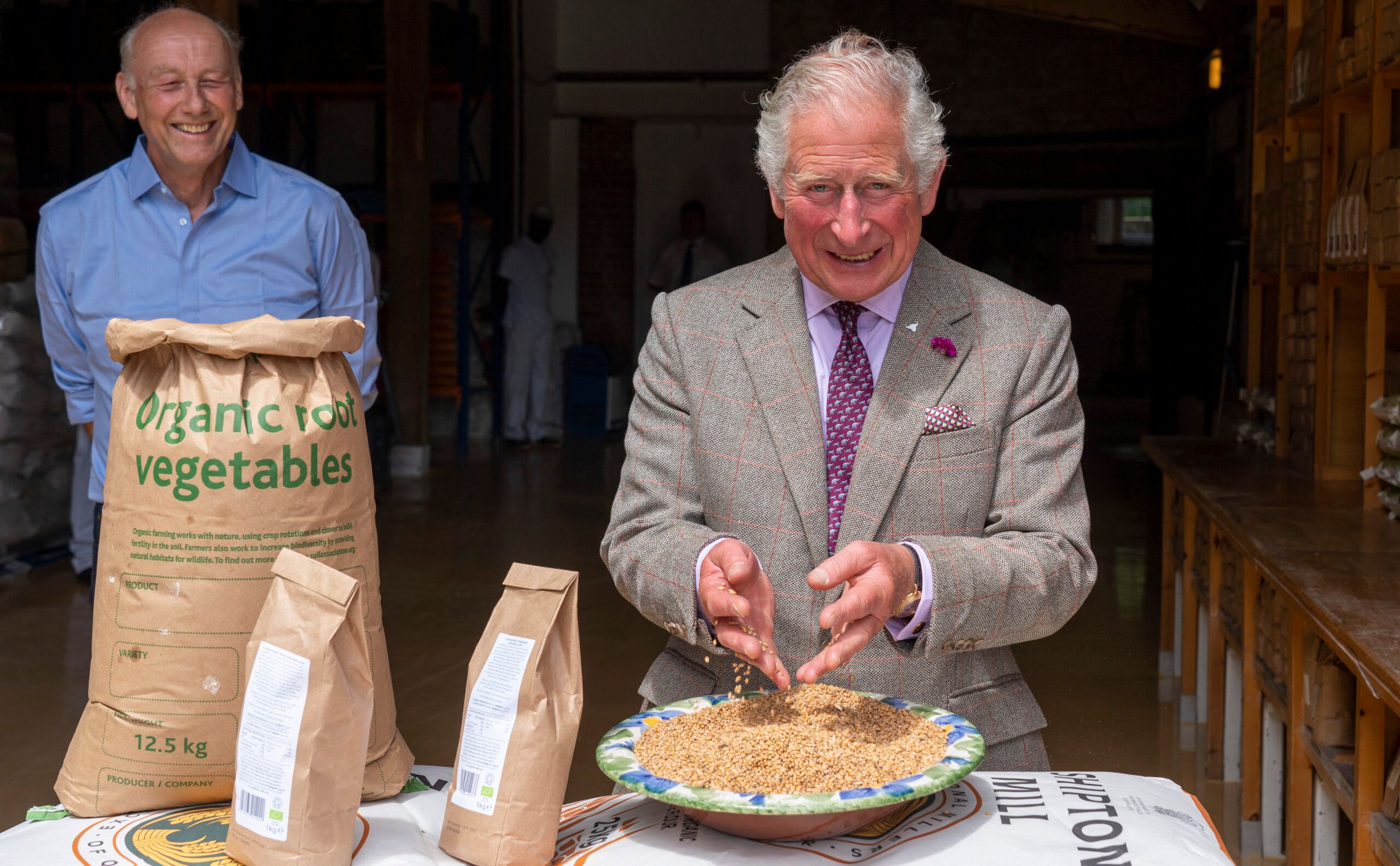
For decades, King Charles has promoted organic farming and food, which was reflected in the menu for his coronation in 2023. One item was “halibut en papillote”: its combination of fish, lemon, herbs, stock, and cream steamed in an aluminum foil pouch for 10 minutes before being served with new potatoes and seasonal veggies.
Aside from the yummy recipes, the best parts of Tom Parker Bowles’s book are the stories plumbed from archival records. One chef, Charles Oliver, grew up in the royal household under Queen Victoria and, after being seriously injured in the First World War, spent the rest of his years in royal kitchens. He often cooked childhood classics for Queen Elizabeth II including mushrooms à la crème, a medley of mushrooms and cream that is served with homemade croutons.
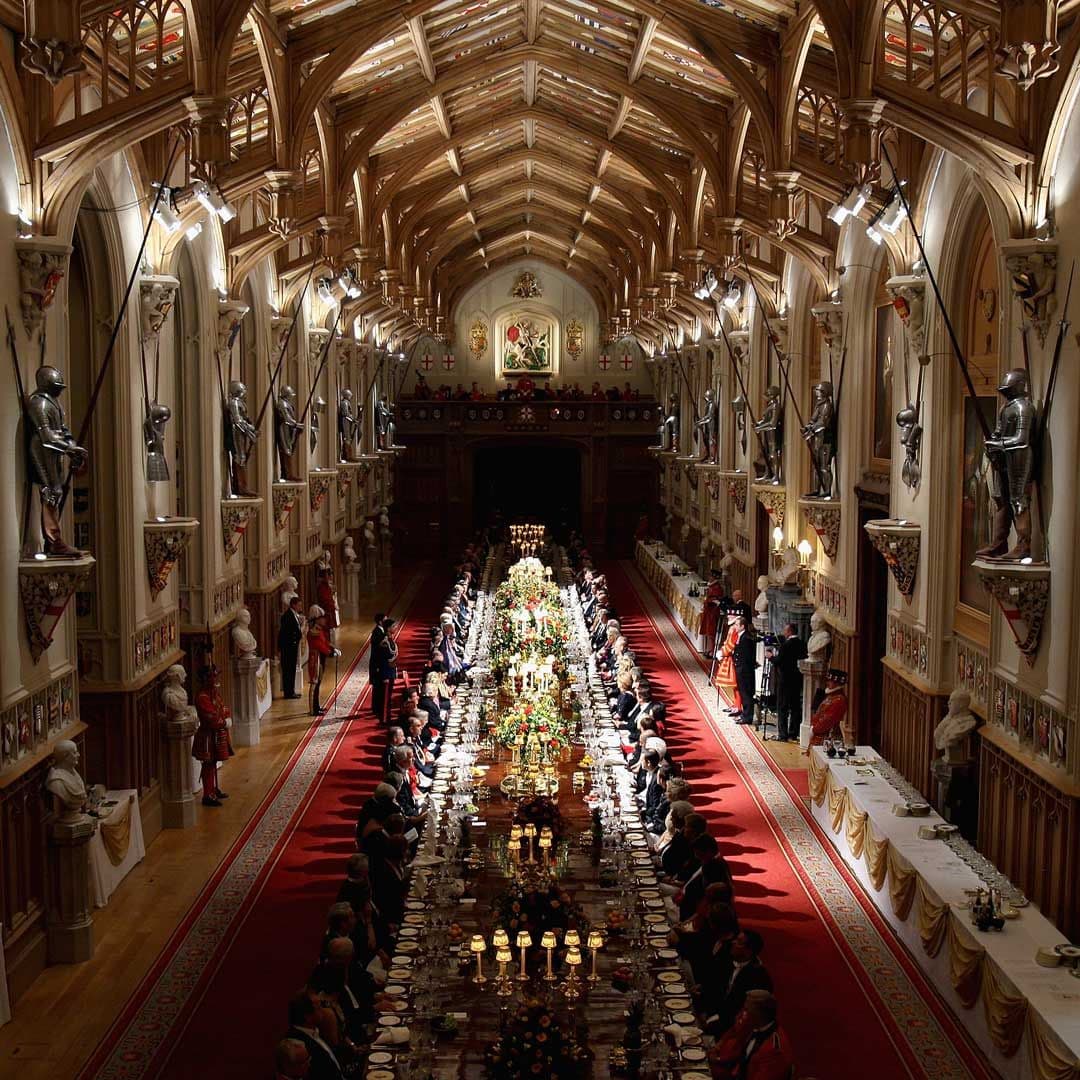
Today, chefs still use copper pots that bear the insignia of Queen Victoria while preparing everything from intimate family breakfasts to diplomatic receptions for 1,000. And their workspaces are worthy of their creations. The Windsor Castle “kitchen reminded me of a chapel with its high domed ceiling, its feeling of airiness and light,” Tschumi wrote in 1899. That wonder exists today.
“History is everywhere here,” says royal chef Tom Flanagan to Tom Parker Bowles. “It’s so inspiring to work in such a beautiful place.”
ROYAL RECIPES: Excerpts from Cooking & the Crown
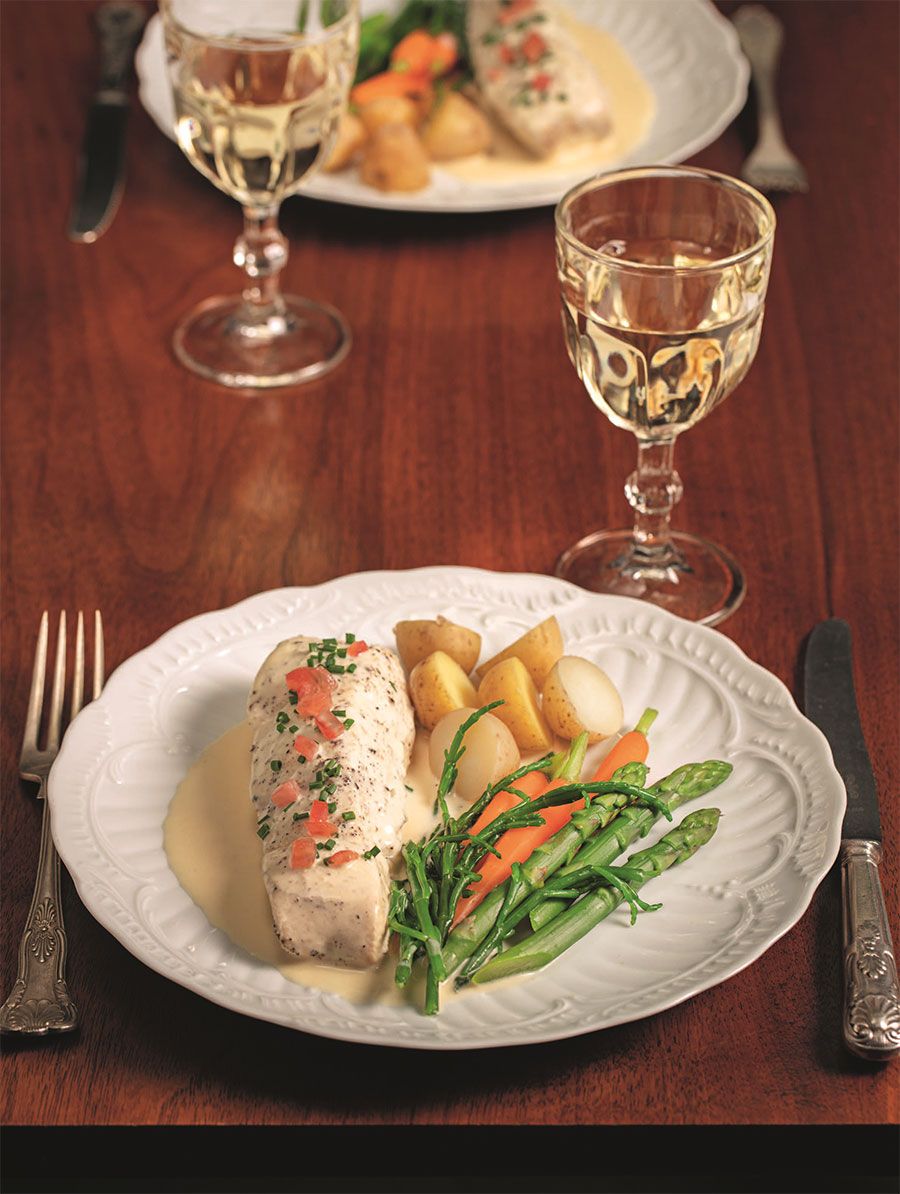
Halibut en Papillote
This was another dish served after the Coronation of Charles III. It was the most momentous of days, but that lunch was surprisingly laid back (well, as laid back as lunch can be in Buckingham Palace), and very happy, too.
Serves 4
Ingredients:
2 Tbsp cold unsalted butter, plus room temperature butter for greasing
½ lemon, zested then sliced
½ cup/60g sliced shallots
1 bay leaf
2 large sprigs tarragon
½ star anise
Four 4 oz/115g skinless, boneless halibut fillets
Salt and freshly ground black pepper
¾ cup/175ml dry white wine
¾ cup/175ml fish stock
½ cup/120ml heavy cream
Finely chopped tomato and snipped chives for garnish
For serving:
Buttered new potatoes and seasonal vegetables (such as wilted spinach, fava beans, baby carrots, or asparagus)
Preheat the oven to 350°F/175°C.
Take a large sheet of aluminum foil, fold it in half to strengthen it, and place on a rimmed baking sheet. Generously butter the foil, then scatter with half of the zest and lemon slices and shallots, adding the bay leaf, one tarragon sprig, and the star anise. Top with the halibut fillets, season with salt and pepper, then cover the fish with the remaining zest and lemon slices, shallots, and tarragon. Ensuring the edges of the foil form a slight bowl, add the wine and fish stock, then cover with another sheet of foil and roll up the edges to create a sealed packet, being careful not to make any tears or holes in the foil.
Bake for 8 to 10 minutes, during which time the fish will have steamed and the foil puffed up to create a pillow. Remove from the oven and let sit for 3 to 4 minutes. (Be careful of the steam when opening.)
Carefully remove the fish from the packet then strain the cooking liquid into a saucepan and bring to a gentle boil. Add the cream and reduce to a thick sauce that just coats the back of a spoon. If necessary, thicken with a few knobs of the cold butter. Adjust the seasoning before serving.
Garnish the fish and sauce with the tomatoes and chives and serve with buttered new potatoes and a selection of seasonal vegetables.
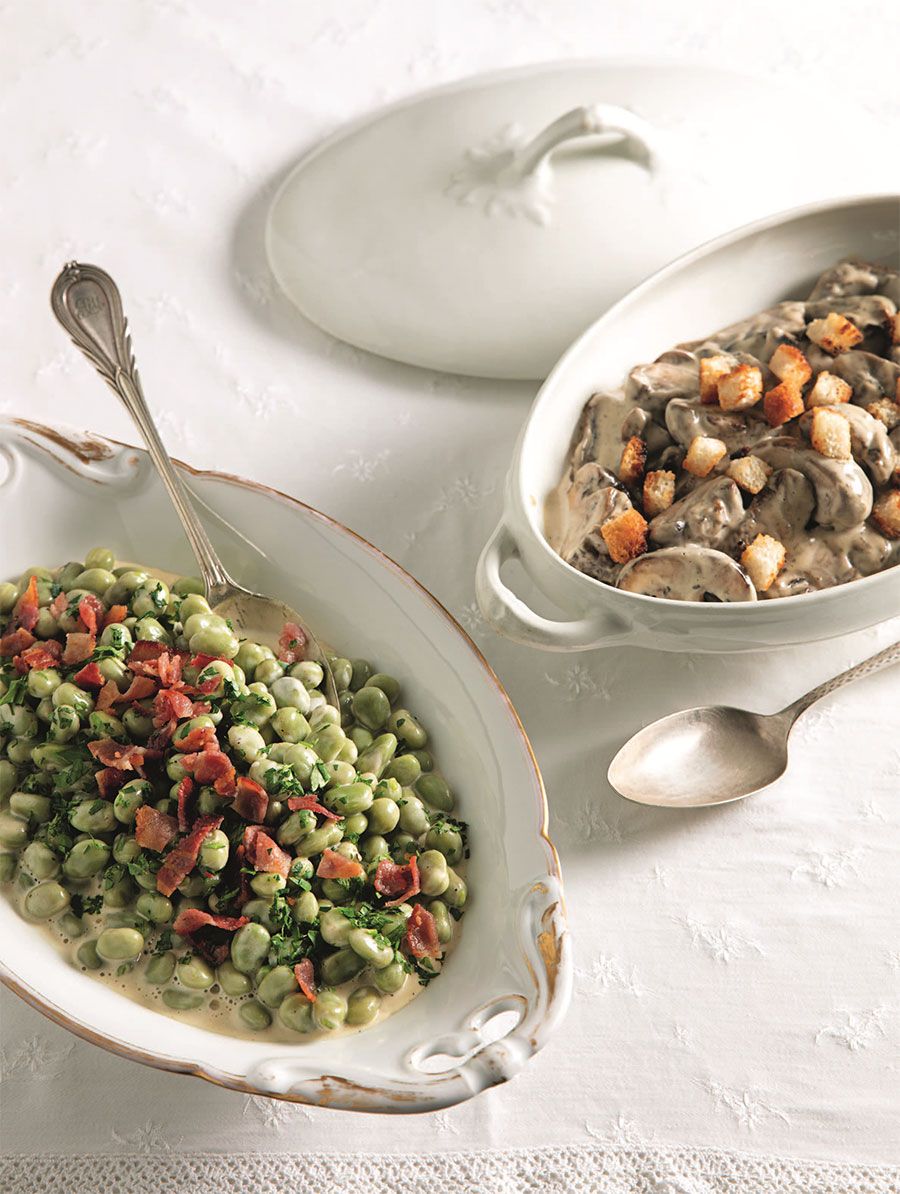
Mushrooms à la Crème
Charles Oliver grew up in the Royal Household under Queen Victoria, left to fight in World War I, was seriously injured at Gallipoli, but recovered and returned to royal service under the then Prince of Wales, briefly Edward VIII. He died in 1965, leaving behind a mass of menus, recipes, and anecdotes. He stipulated that they could only be published after his death. They were, and the book was named Dinner at Buckingham Palace. Prince Philip was a very keen cook and Oliver says he traveled everywhere with his “electric, glass-covered frying pan.” He also cooked for Queen Elizabeth II, once the servants had been dismissed, usually classic nursery food such as scrambled eggs and smoked haddock, Scotch woodcock, and this mushroom dish.
Serves 4 as a side
Ingredients:
1 lb/450g mushrooms (wild, crimini, shiitake, button, or a mix)
¼ cup/55g unsalted butter
1 tsp all-purpose flour
Salt and freshly ground black pepper
¾ cup/175ml heavy cream
Squeeze of lemon juice
Croutons or brown toast for serving (see below)
For the croutons:
Slices white bread, crusts removed
1 tbsp sunflower or other neutral oil Flaky sea salt for sprinkling
Clean and trim the mushrooms and chop into halves or quarters depending on size.
In a large skillet, heat the butter over medium-high heat until foaming. Add the mushrooms and cook, stirring often, until tender, about 5 minutes.
Sprinkle in the flour, season well with salt and pepper, and stir to combine. Decrease the heat slightly, stir in the cream, and cook until the mushrooms are soft, about 2 minutes. Add the lemon juice and serve either scattered with croutons or on toast.
For the croutons, cut the bread into small cubes. Heat the oil in a skillet over medium heat, add the bread, and fry until crisp and golden brown, stirring almost constantly. Drain on paper towels and sprinkle with salt.
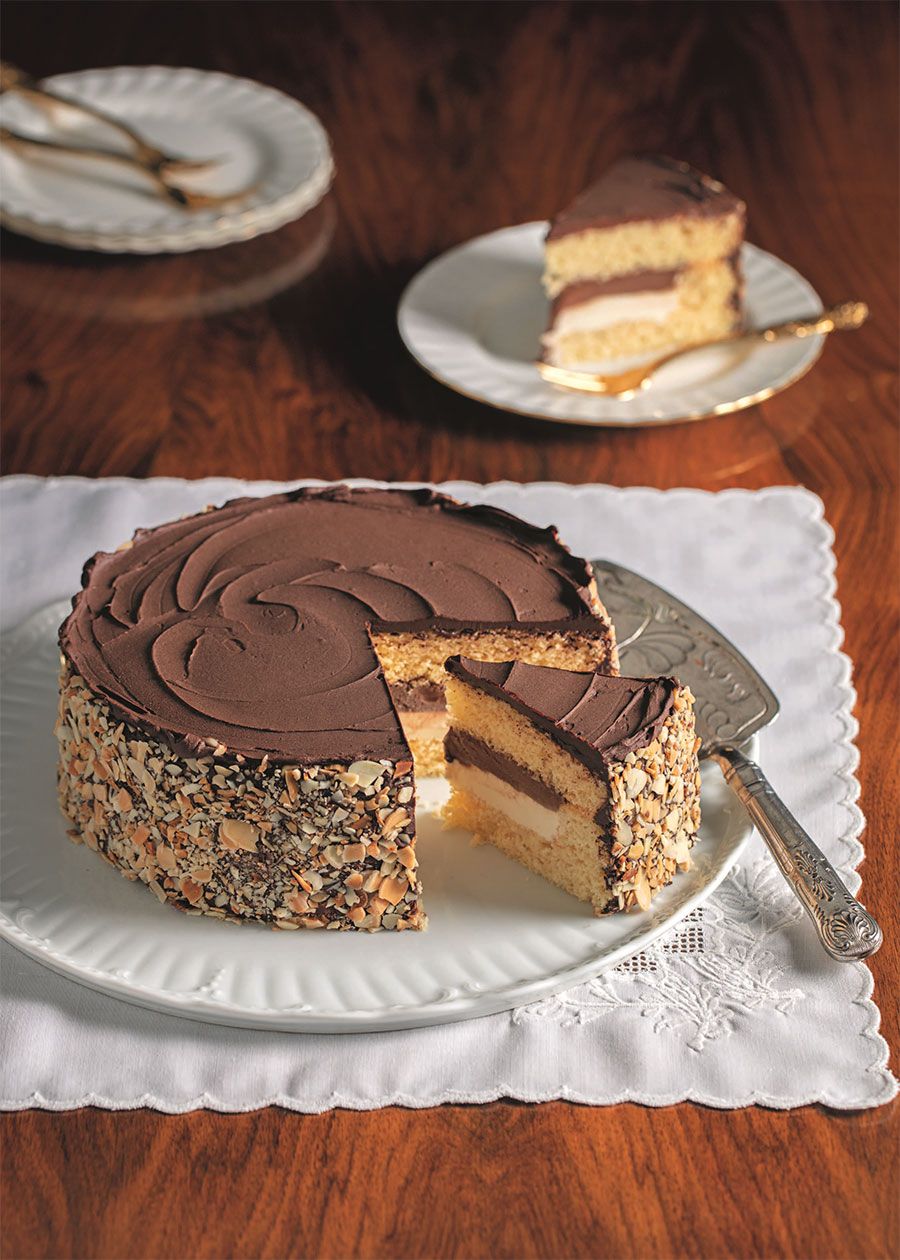
Gâteau en Surprise
This, according to Tschumi, was one of the Princess Royal’s (Princess Mary, later the Countess of Harewood) favorite cakes. One look at the finished product and you could see why. Cake. Hollowed out. Stuffed with ice cream. Covered with chocolate ganache.
Serves 8
For the cake filling:
¼ cup/55g unsalted butter, melted, plus room temperature butter for greasing
1 cup/140g all-purpose flour, plus more for dusting
6 eggs
¾ cup/150g superfine sugar
1 tsp vanilla extract
½ cup/60g ground almonds or almond flour
1 tsp baking powder
Pinch of salt
3 large scoops vanilla ice cream
3 large scoops chocolate ice cream
For the ganache:
7 oz/200g dark chocolate (60 to 70% cacao), finely chopped
1 cup/240ml heavy cream
To finish:
⅔ cup/75g sliced almonds, toasted and roughly chopped
You will need:
Three 8-inch/20cm round cake pans
Instructions:
Preheat the oven to 350°F/175°C. Butter the cake pans and line the bottoms with rounds of buttered parchment paper. Lightly dust the insides of the pans with flour and tap out the excess.
In the bowl of a stand mixer with the paddle attachment, beat the eggs, sugar, and vanilla on high speed until the mixture has tripled in volume, is thick, pale, very light, and will leave a ribbon trail when the beater is lifted from the bowl, 3 to 5 minutes. Sift the flour, ground almonds, baking powder, and salt into the bowl and use a large metal spoon to gently fold into the egg mixture. Pour the butter around the perimeter of the bowl and gently fold in.
Divide the batter evenly between the prepared pans, smooth the tops, and bake until golden, risen, and a skewer inserted into the middle of the cakes comes out clean, about 20 minutes.
Cool the cakes in the pans for 10 minutes, then turn out onto a wire rack and let cool completely.
If the tops of the cakes are domed, slice off the dome using a serrated knife. Place one cake layer back in the bottom of a clean cake pan. Place a second cake layer on a cutting board and using a plate or bowl with a diameter of 6 inches/15cmas a guide cut a circle out of the middle. (Save the middle disc for another use.) Stack the cake ring on top of the first cake layer in the cake pan. Freeze for 30 minutes.
Slightly soften the vanilla ice cream and spread into the hole in the middle of the cake ring. Return to the freezer until the vanilla ice cream is firm, at least 1 hour.
Soften the chocolate ice cream and spread on top of the vanilla. Top with the third cake layer, gently pressing the layers together. Freeze until solid, at least 2 hours.
For the ganache, add the chocolate to a heatproof mixing bowl. Heat the cream until just boiling, pour over the chocolate, and let sit for 2 minutes. Stir until smooth, then let cool for 15 minutes. Whisk the ganache until smooth and thickened to a spreading consistency.
Spread the almonds on a rimmed baking sheet.
Remove the gâteau from the pan and spread the sides with ganache. Roll the sides of the cake in the almonds to coat. Place the gâteau on a serving plate and spread the top with the remaining ganache. Either serve immediately or return to the freezer until ready to do so.
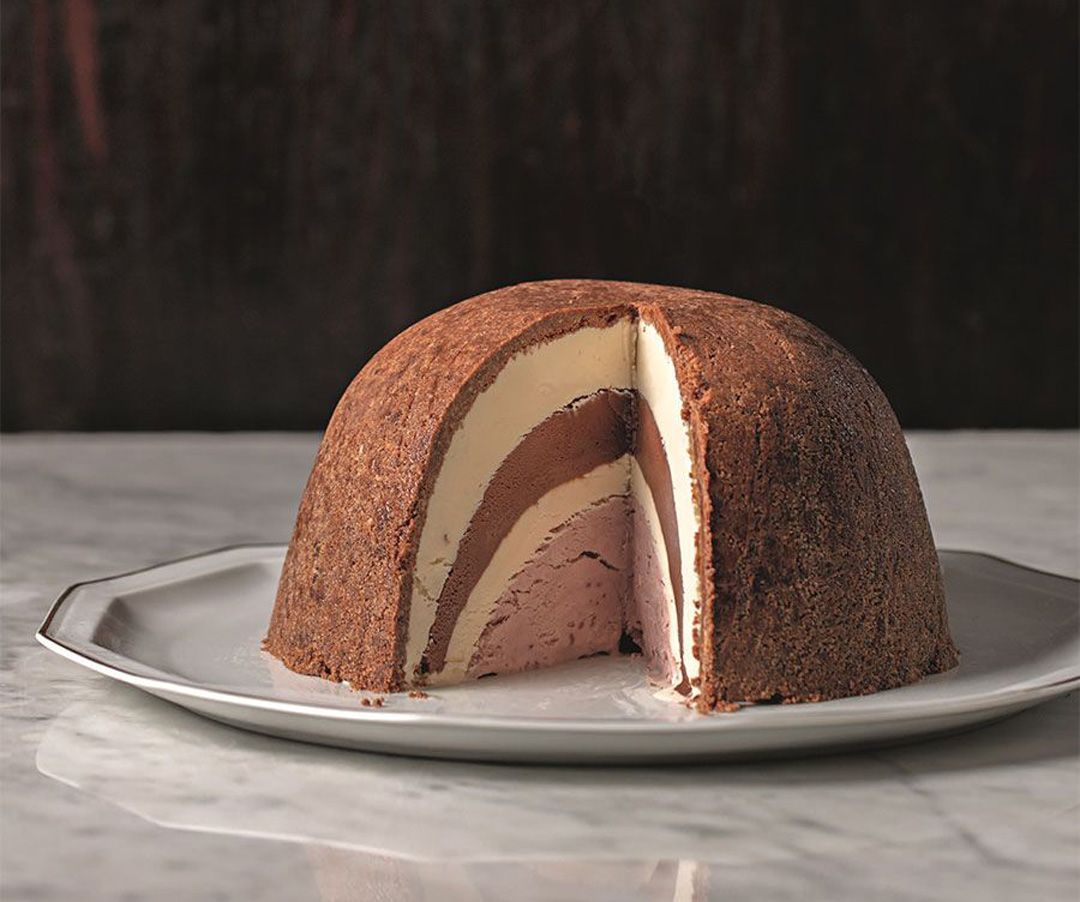
Bombe Glacée
This was served at the wedding breakfast of Princess Elizabeth and Lieutenant Philip Mountbatten on Thursday, November 2, 1947. As rationing was still very much in force, the menu was relatively restrained. Sole, partridge, then dessert. You can make your own ice cream but it’s rather easier to use good store-bought stuff. Just avoid the “soft” versions. You can find chocolate-covered honeycomb candy online or at specialty shops, but you can also omit it and increase the biscuits to 12 oz/350g.
Serves 6
Ingredients:
3½ oz/100g chocolate-covered honeycomb candy
8 oz/225g digestive biscuits or speculoos cookies
5 Tbsp/70g unsalted butter, melted
1 Tbsp neutral oil
2 pints/two 500ml tubs good- quality vanilla ice cream
1 pint/one 500ml tub good-quality chocolate ice cream
1¼ cups/300ml raspberry ice cream
You will need:
2 qt/1.9L glass mixing bowl
Instructions:
Crumble the honeycomb candy and biscuits into the bowl of a food processor and pulse to create sandy crumbs. Add the butter and pulse until evenly incorporated.
Brush the inside of the bowl with the oil and line with a double thickness of plastic wrap, leaving some excess hanging over the sides. Press the crumb mixture over the inside of the bowl to make a firm shell with an even thickness. Freeze until solid, at least 30 minutes.
Slightly soften 1 pint/one 500ml tub of the of vanilla ice cream, then use a spoon to spread the ice cream into an even, concave layer covering the entire surface of the crumbs. Return the bowl to the freezer until the ice cream is completely frozen, at least 30 minutes. Repeat with all of the chocolate ice cream to make a second layer and freeze for 30 minutes. Use the remaining 1 pint/one 500ml tub of vanilla ice cream to make a third layer and freeze for 30 minutes. Finally, fill the remaining space with raspberry ice cream, cover, and freeze for at least 1 hour or until ready to serve.
Using a knife, trim the crumbs and smooth the top of the bombe so that it will sit level on a serving plate when turned out. To remove the bombe from the bowl, gently ease an offset spatula in between the bowl and the plastic wrap, then invert a serving plate on top and—holding onto both the plate and bowl—turn the bowl upside down onto the plate. Gently pull on the plastic wrap to release the bombe from the bowl. (If the bombe is very stubborn to drop out, dip the bottom of the bowl in a sink of hot water for 10 seconds.) Serve the bombe cut into wedges—perhaps with hot fudge sauce to pour over.
Reprinted with permission from Cooking & the Crown: Royal Recipes from Queen Victoria to King Charles III by Tom Parker Bowles, copyright © 2024. Published by Ten Speed Press, an imprint of Penguin Random House LLC.